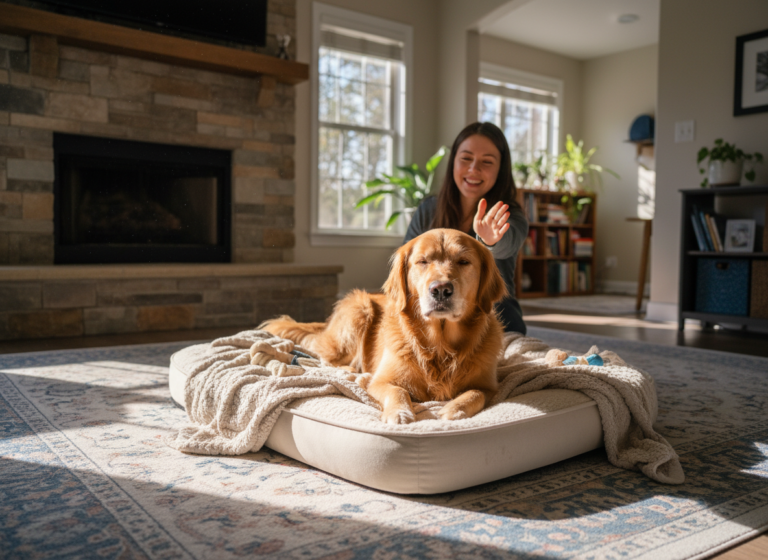
Welcome to the wonderful world of being a rescue parent! Bringing a rescue dog into your home is one of the most rewarding experiences, filled with sloppy kisses, wagging tails, and the joy of giving a deserving animal a second chance. But building that incredible bond takes more than just cuddles and walks—it takes communication, patience, and a whole lot of fun. That’s where trick training comes in!
Forget a perfectly obedient, robotic pup. The real magic of training is in the shared experience. It’s a way to build your dog’s confidence, teach them how to learn, and strengthen your relationship. And what better way to start than with a trick that’s guaranteed to make everyone smile? The high five is simple, adorable, and a powerful tool for teaching your rescue that interacting with you is the best thing ever. In this guide, we’ll walk you through everything you need to know to get those paws tapping in no time!
Gearing Up for Success: What You’ll Need Before You Start
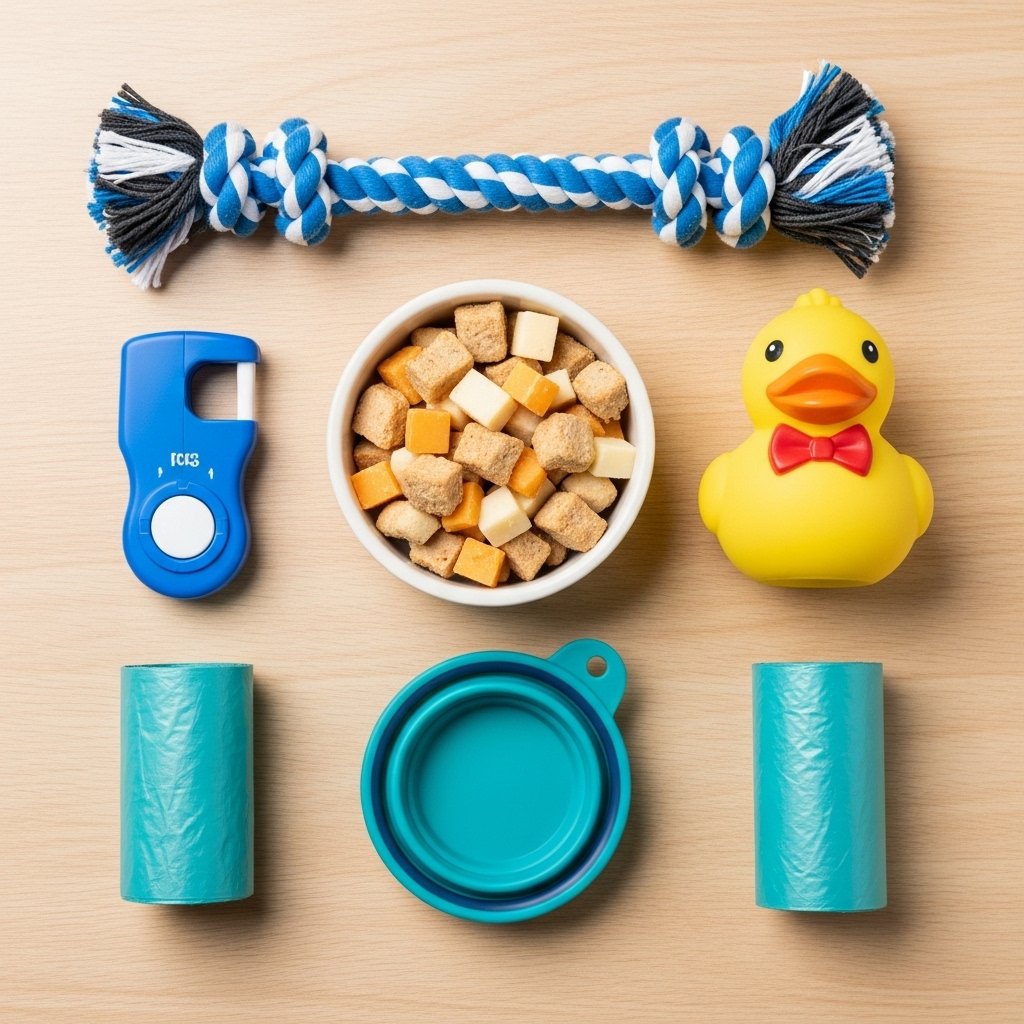
Before you and your furry friend embark on this training adventure, let’s get our supplies in order. Having everything ready means you can focus all your attention on your pup. The good news? You probably have most of this at home already!
The Perfect Training Toolkit:
- High-Value Treats: We’re not talking about their regular kibble. You need the good stuff! Think tiny, pea-sized pieces of boiled chicken, cheese, hot dogs, or soft, smelly training treats. The goal is a treat that’s so delicious your dog will be extra motivated, but small enough that you can give them many without upsetting their stomach.
- A Quiet Space: Choose a room in your house with minimal distractions. Turn off the TV, put your phone on silent, and if you have other pets or kids, try to find a time when it’s just you and your trainee. A calm environment helps your dog focus.
- A Positive Attitude: This is the most important tool in your kit! Your dog will feed off your energy. Stay patient, be encouraging, and remember to celebrate the small wins. This should feel like a fun game, not a chore.
- A Clicker (Optional, but Recommended): A clicker is a small plastic device that makes a distinct ‘click’ sound. It’s used in positive reinforcement training to mark the exact moment your dog does something correctly. The ‘click’ is followed immediately by a treat. It’s like taking a picture of the right behavior, making communication crystal clear for your dog. If you don’t have one, a consistent marker word like “Yes!” said in a happy tone works just as well.
Expert Tip: Keep your training sessions short and sweet! For a new trick, aim for 3-5 sessions of just a few minutes each throughout the day. This prevents your dog (and you!) from getting frustrated and keeps them excited to learn.
The Step-by-Step Guide to the Perfect High Five
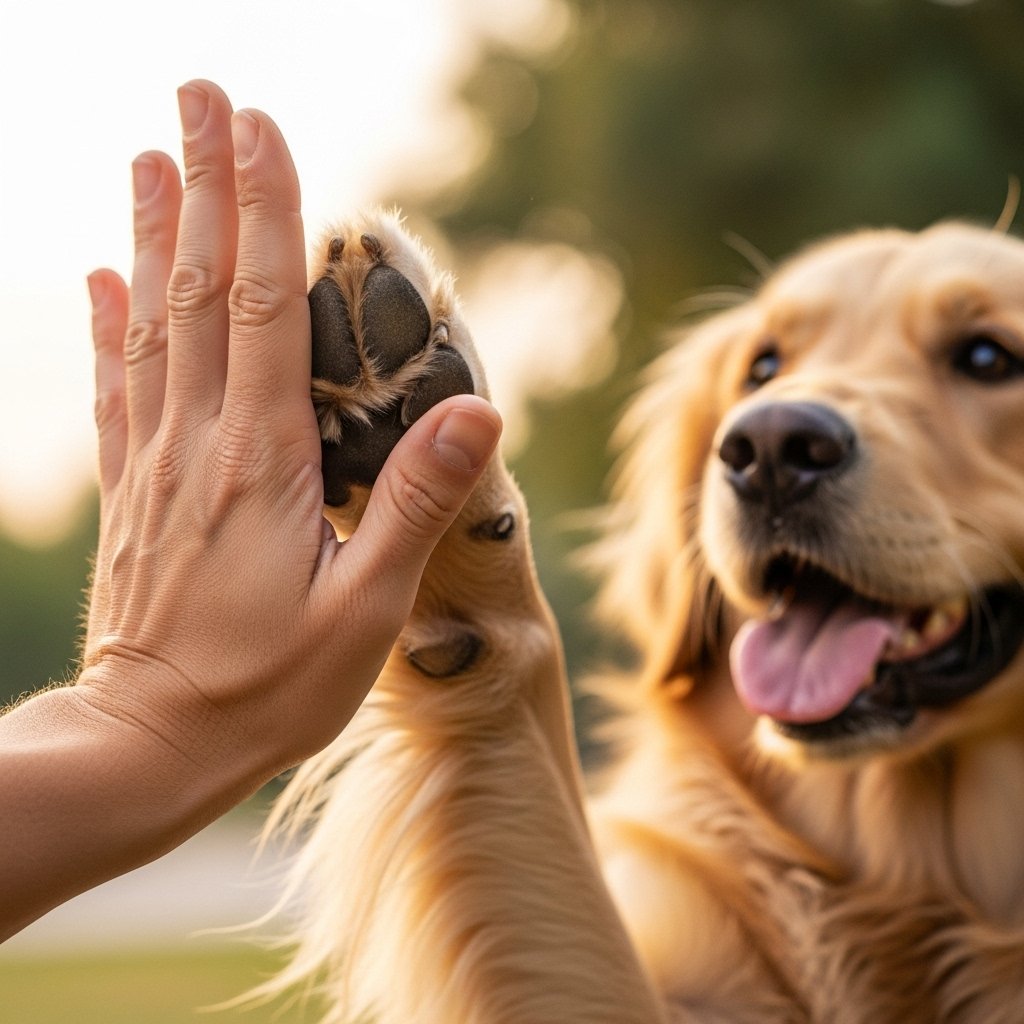
Alright, treats are ready, you’re in your quiet space, and your pup is looking at you expectantly. It’s time for the fun to begin! We’re going to use a technique called ‘shaping,’ which means we’ll reward small steps toward the final goal. Remember to be patient, especially with a rescue who might be learning how to learn.
- Step 1: Introduce the Paw Touch. Many dogs, particularly rescues, can be sensitive about their paws being touched. Start by sitting on the floor with your dog. Gently touch one of their paws for just a second. The moment you touch it, click (or say “Yes!”) and give them a treat. Repeat this a few times until your dog seems comfortable and even starts to anticipate the treat when you reach for their paw.
- Step 2: Get Them to Offer the Paw. Now, let’s encourage them to make the first move. Hold a treat in your closed fist and place it on the floor. Your dog will likely sniff and lick your hand. Ignore this. Wait for them to try something else. The moment they touch your hand with their paw—even the slightest tap—click/”Yes!” and open your hand to give them the treat. They’re learning that a paw touch is what gets them the reward.
- Step 3: Raise the Target. Once your dog is consistently tapping your hand on the floor, start slowly raising your hand an inch or two off the ground. They should now have to lift their paw to tap your hand. Practice this at various low heights until they are confidently lifting their paw to connect with your hand.
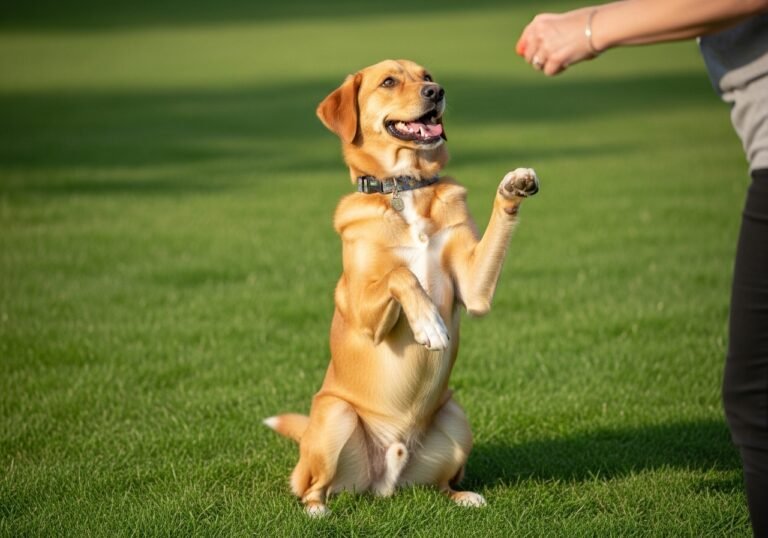
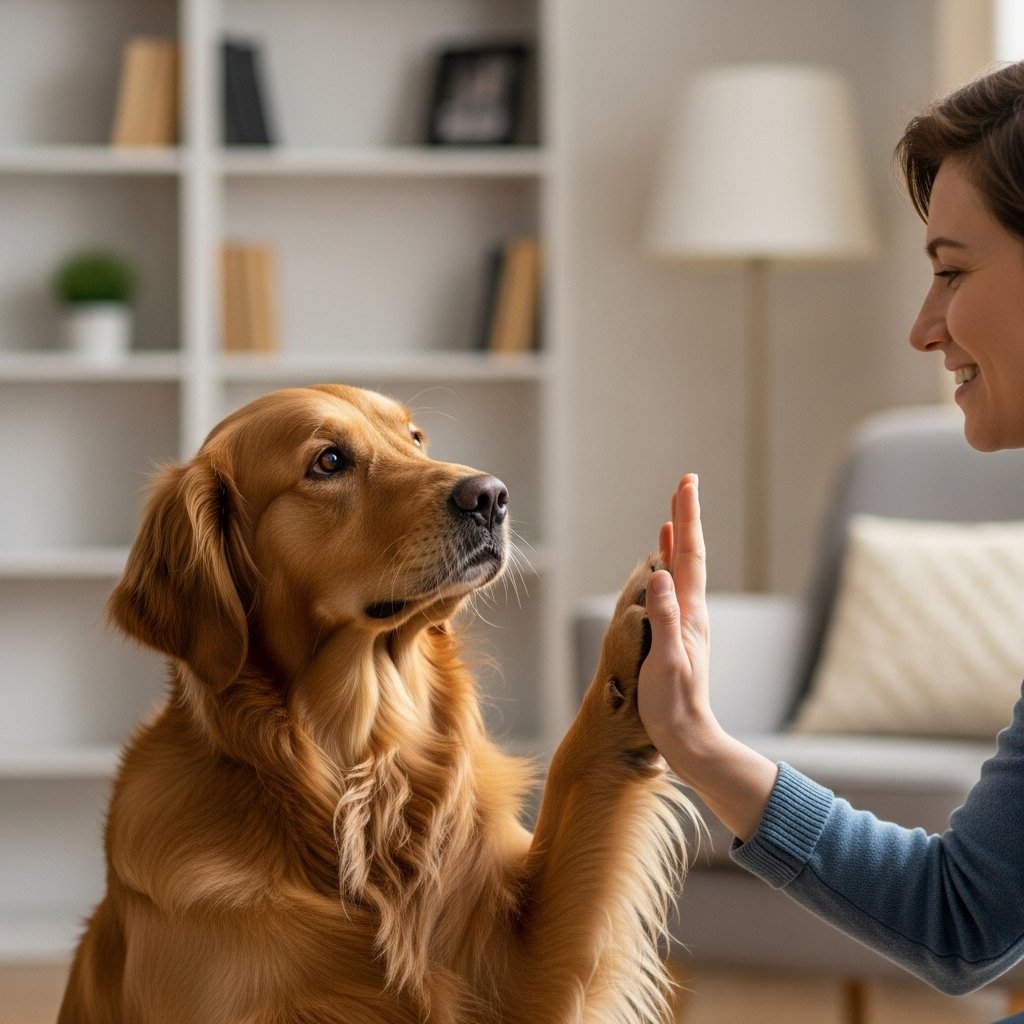
- Step 4: Shape the High Five. Now it’s time to create the classic ‘high five’ look. Turn your hand so your palm is facing your dog. At first, they might be confused and just boop it with their nose. Be patient. Wait for that paw lift. Reward any paw interaction with your open palm. As they get the hang of it, you can gradually raise your hand higher to a more natural high-five position.
- Step 5: Add the Verbal Cue. Your dog is now reliably offering a paw to your open palm—congratulations! It’s time to name the behavior. Just before you present your hand, say your chosen cue in a clear, happy voice. Good options are “High Five!”, “Gimme Five!”, or just “Five!”. Present your hand, and when they touch it, click/”Yes!” and reward. Repetition is key here.
- Step 6: Fade the Lure. The final step is to remove the treat from your cueing hand. Keep the treats in your other hand or a pocket. Say “High Five!” and present your empty palm. When they perform the trick, reward them with a treat from your other hand. You’ve done it! You’ve taught your dog a brand new trick.
Pawsitive Vibes Only: Special Tips for Your Rescue Companion
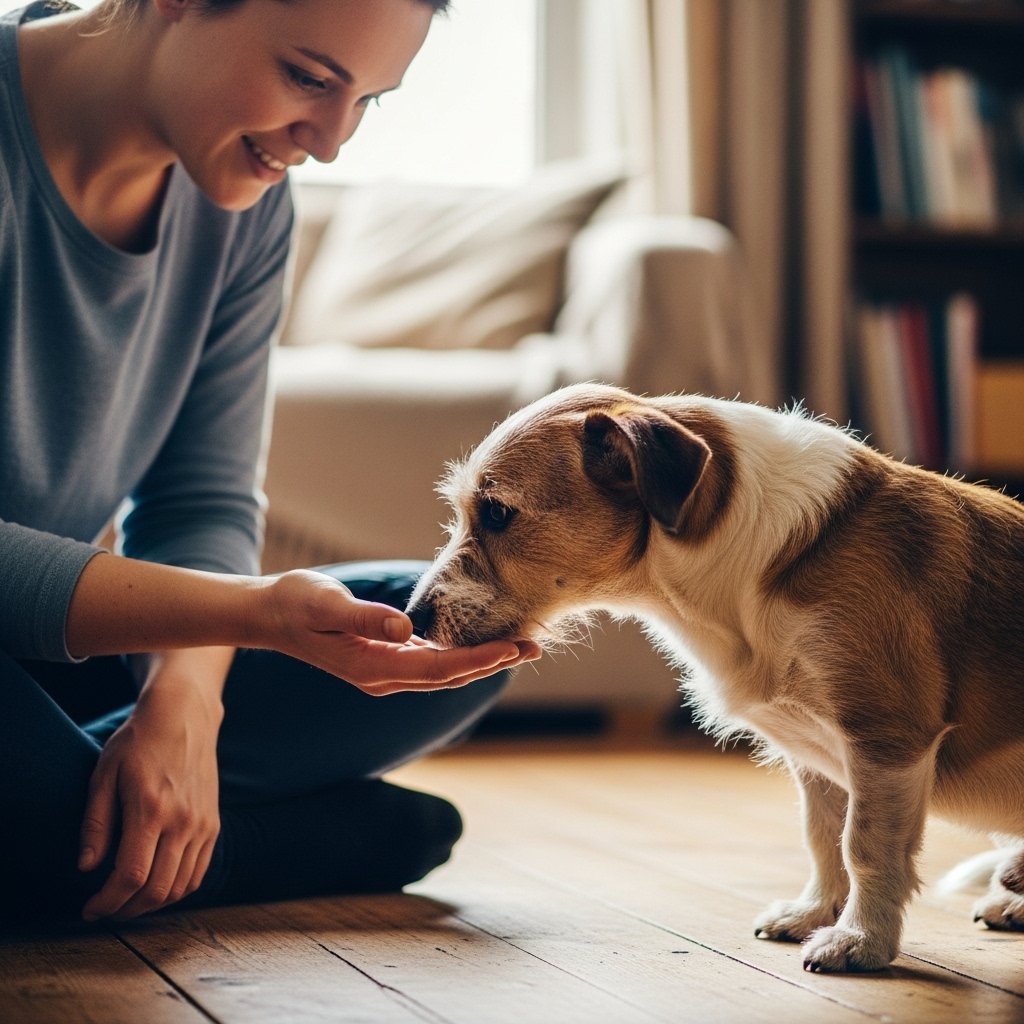
Training a rescue dog isn’t just about the steps; it’s about the mindset. These dogs come with a history that we may never know. They might be more sensitive, timid, or unsure than a dog raised from puppyhood. Your job is to be their patient guide and biggest cheerleader.
Understanding Your Unique Learner
- Read Their Body Language: Your dog is always communicating with you. Watch for signs of stress or anxiety, such as yawning when not tired, excessive lip licking, ‘whale eye’ (seeing the whites of their eyes), or a tucked tail. If you see these, it’s a sign to take a break. End the session with an easy win (like a simple ‘sit’) and try again later.
- Celebrate Every Tiny Step: Did your dog, who is terrified of hands, simply look at your hand without flinching? That deserves a party! For a rescue, progress isn’t always linear. Acknowledge and reward every bit of effort they show. This builds their confidence and shows them that trying new things is safe and rewarding.
- Keep It Short and Oh-So-Sweet: A rescue’s ability to focus might be shorter, especially if they are still settling in. A few successful repetitions in a 2-minute session are far more valuable than a frustrating 15-minute drill. Always end on a high note, so they’re eager for the next ‘game’.
- Build Trust Through Touch: For dogs who are ‘hand-shy’ due to a negative past, teaching a high five can be transformative. It reframes your hand from something to be feared into something that brings delicious treats and praise. It’s a cooperative exercise that gives them control, as they are the ones who choose to initiate the touch.
Oops! Troubleshooting When Paws Don’t Cooperate
Hit a snag? Don’t worry, it happens to every trainer! Every dog learns differently. Here are some common hurdles and how to clear them with a bit of creative problem-solving.
Common High Five Hiccups:
- My dog just licks or nibbles my hand.
This is super common! They’re trying to get the treat they can smell. The key is to have more patience than they do. Don’t pull your hand away. Simply wait. When they get frustrated and try something else—like nudging with a paw—that’s when you mark and reward! You’re teaching them that licking doesn’t work, but pawing does. - My dog uses their mouth to grab my hand instead of their paw.
This is a sign to go back a step. Reward them for just touching your hand with their nose first. Then, hold the treat in a way that makes it harder for them to mouth it, encouraging them to try their paws. You can also put a bit of peanut butter on the back of your hand to encourage licking, then transition to rewarding paw touches. - My dog won’t lift their paw at all.
Go back to the very beginning. Reward your dog for any interaction with your hand on the floor. If they won’t even do that, try capturing the behavior. Sit with them and wait for them to naturally shift their weight or lift a paw. The second they do, click/”Yes!” and treat. They’ll start to wonder, “What did I do to get that treat?” and begin offering behaviors. - My dog seems scared when I raise my hand.
This is a critical signal to slow down. A raised hand can be very intimidating for a dog with a history of abuse. Never force it. Keep your hand very low, or even rest it on your own leg. Reward your dog just for looking at it, then for sniffing it, and build up incredibly slowly from there. Your goal is to create a new, wonderful association with your hand.
Conclusion
You did it! Whether your dog is delivering crisp, clean high fives or you’re still celebrating the tiniest paw twitch, you’ve accomplished something amazing. You’ve spent quality time communicating with your rescue dog, building their confidence, and strengthening the beautiful bond you share. Remember, the goal of trick training isn’t to have a perfectly performing circus dog; it’s about the process. It’s about the wags, the ‘aha!’ moments, and the joy of connecting with your companion on a deeper level.
So keep those pockets full of treats, your heart full of patience, and your praise always at the ready. That high five is more than just a trick—it’s a symbol of the trust and teamwork you’re building together, one paw at a time.