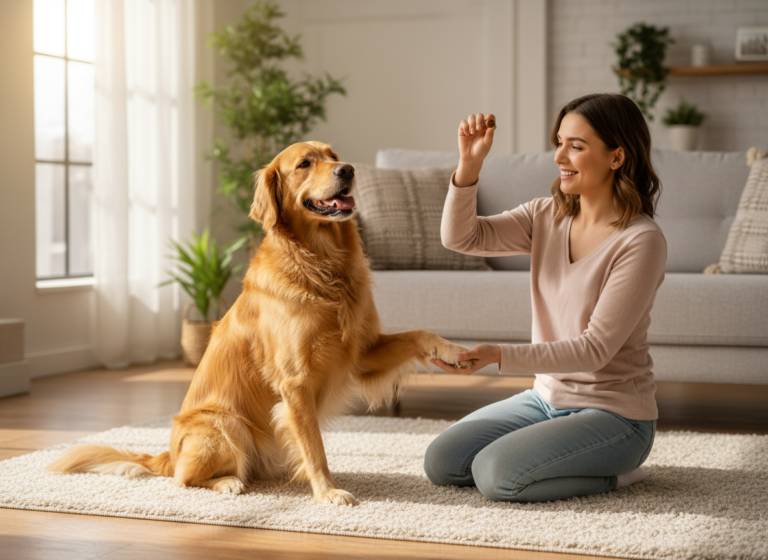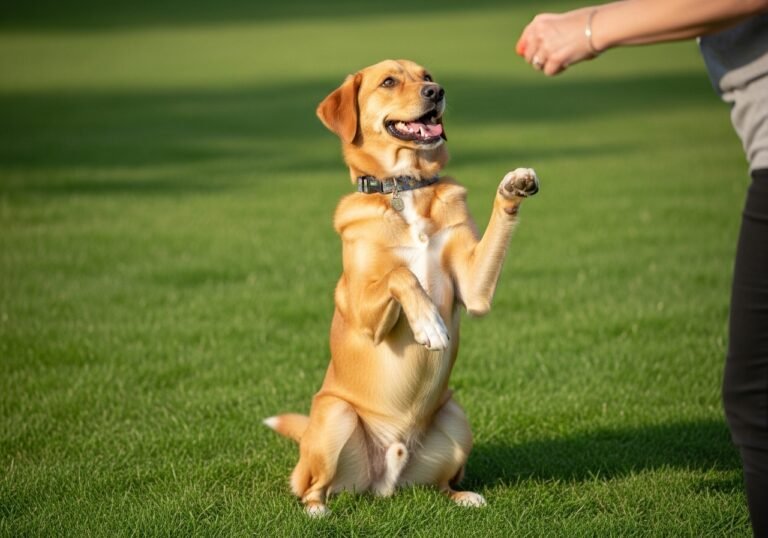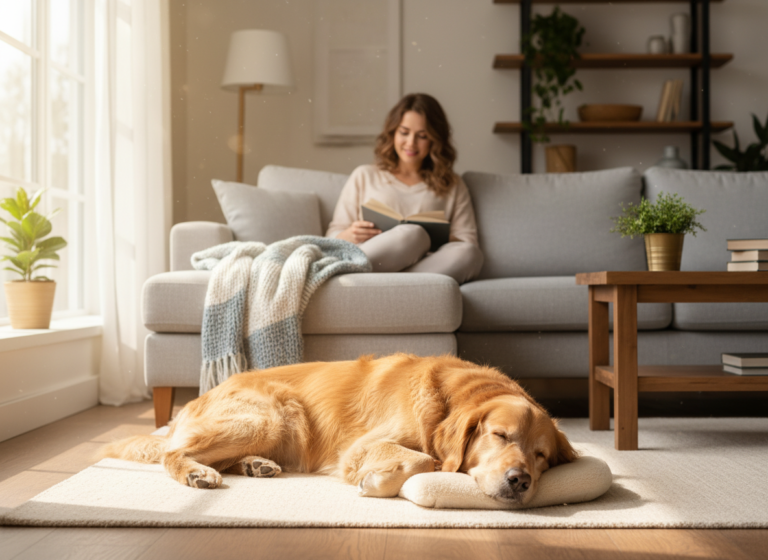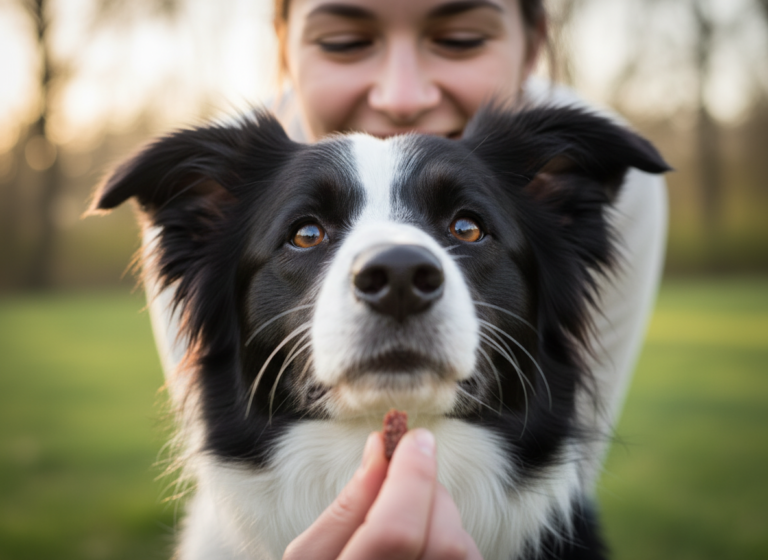
Picture this: the doorbell rings, and instead of a chaotic scramble of barking and jumping, your dog calmly trots over to their bed and settles down, waiting patiently. Sounds like a dream, right? Well, it doesn’t have to be! Welcome to the wonderful world of the ‘Place’ command (often called ‘Go to Bed’ or ‘On your mat’). This isn’t just a party trick; it’s one of the most versatile and useful skills you can teach your furry best friend.
The ‘Place’ command gives your dog their own special spot to relax, providing them with a sense of security and teaching them valuable impulse control. It’s a game-changer for managing greetings at the door, keeping them out of the kitchen during meal prep, or simply giving them (and you!) a moment of calm. In this guide, we’re going to break down everything you need to know, from building the initial love for their special spot to the ultimate achievement: sending them to their place from a completely different room. Get ready to unlock a new level of communication and tranquility with your dog!
Setting the Stage for Success: What You’ll Need
Before we jump into the fun part, let’s gather our tools. Setting up for success from the get-go will make the entire training process smoother and more enjoyable for both you and your pup. Think of it as your training toolkit!
The Perfect ‘Place’
The ‘place’ itself needs to be awesome from your dog’s perspective. It shouldn’t feel like a punishment or a timeout spot. It needs to be a destination they want to go to.
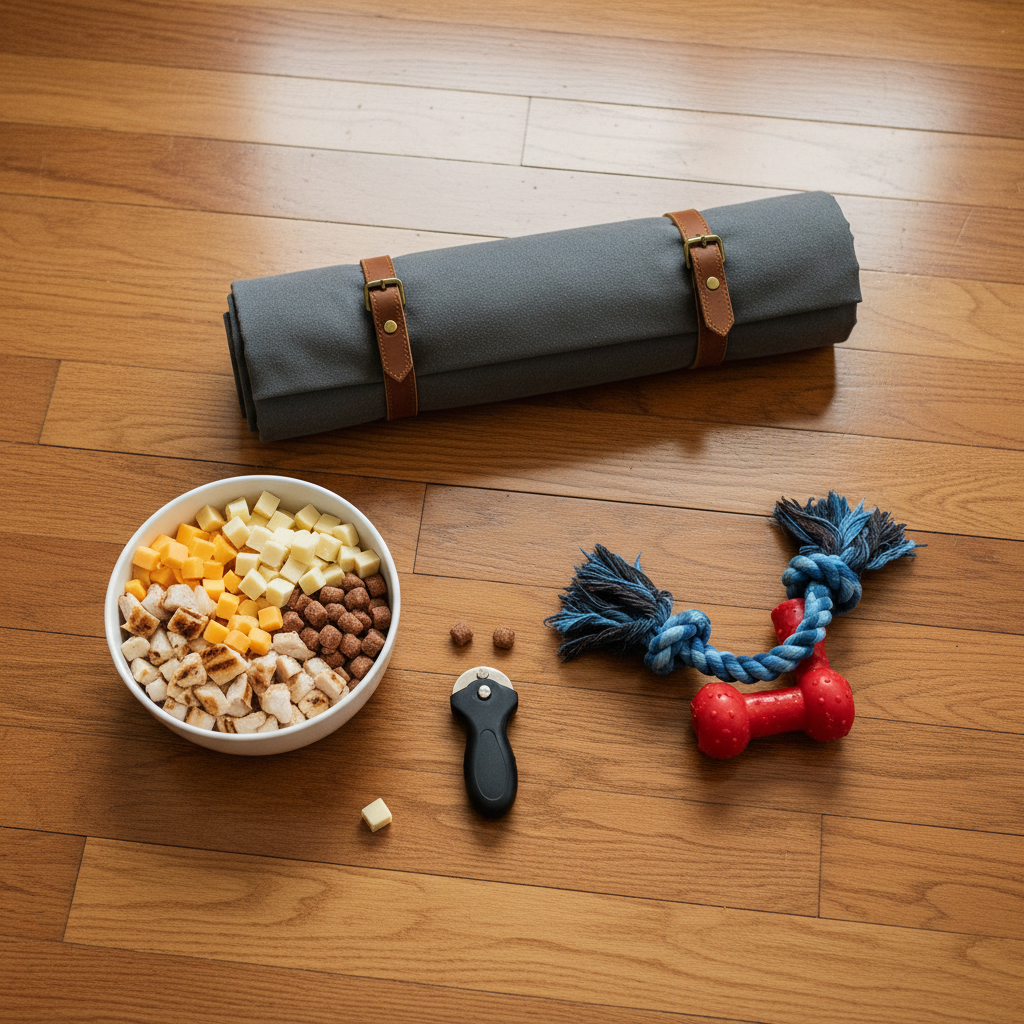
- A Comfortable Bed or Mat: Choose something your dog genuinely finds comfortable. This could be a raised cot-style bed (great for airflow), a plush orthopedic bed, or even a specific blanket or bath mat. The key is that it’s a distinct, defined area. For this training, it’s best if it’s portable so you can practice in different rooms later on.
- Consistent Location: Initially, keep the bed in a relatively low-traffic area of a room you spend a lot of time in, like the living room. This way, they can be with you but have their own space.
High-Value Reinforcements
We’re going to make going to their bed feel like winning the lottery. That means using treats that are a step above their everyday kibble.
- Delicious Treats: Think small, soft, and extra tasty. Pieces of boiled chicken, small cubes of cheese, hot dogs, or high-quality training treats work wonders. The smellier, the better! You’ll need a good amount, so cut them into pea-sized pieces to avoid overfeeding.
- A Clicker (Optional but Recommended): A clicker is a fantastic tool for marking the exact moment your dog does the right thing. This precise communication can speed up learning significantly. If you’re not using a clicker, choose a verbal marker like a clear, happy “Yes!”.
The Right Mindset
Last but not least, your energy is a critical part of the toolkit.
- Patience and Positivity: Training should be a fun bonding experience. Keep sessions short (5-10 minutes is perfect) and always end on a positive note. If you or your dog get frustrated, it’s time for a break. Remember, every dog learns at a different pace!
Phase 1: Building a Love for the ‘Place’
Our first goal is simple: make the bed the best place on Earth. We want your dog to think, “Wow, amazing things happen when I’m on this rectangle!” We’ll do this by creating a powerful positive association. This phase is all about fun, rewards, and zero pressure.
Step-by-Step: Making the Mat Magnetic
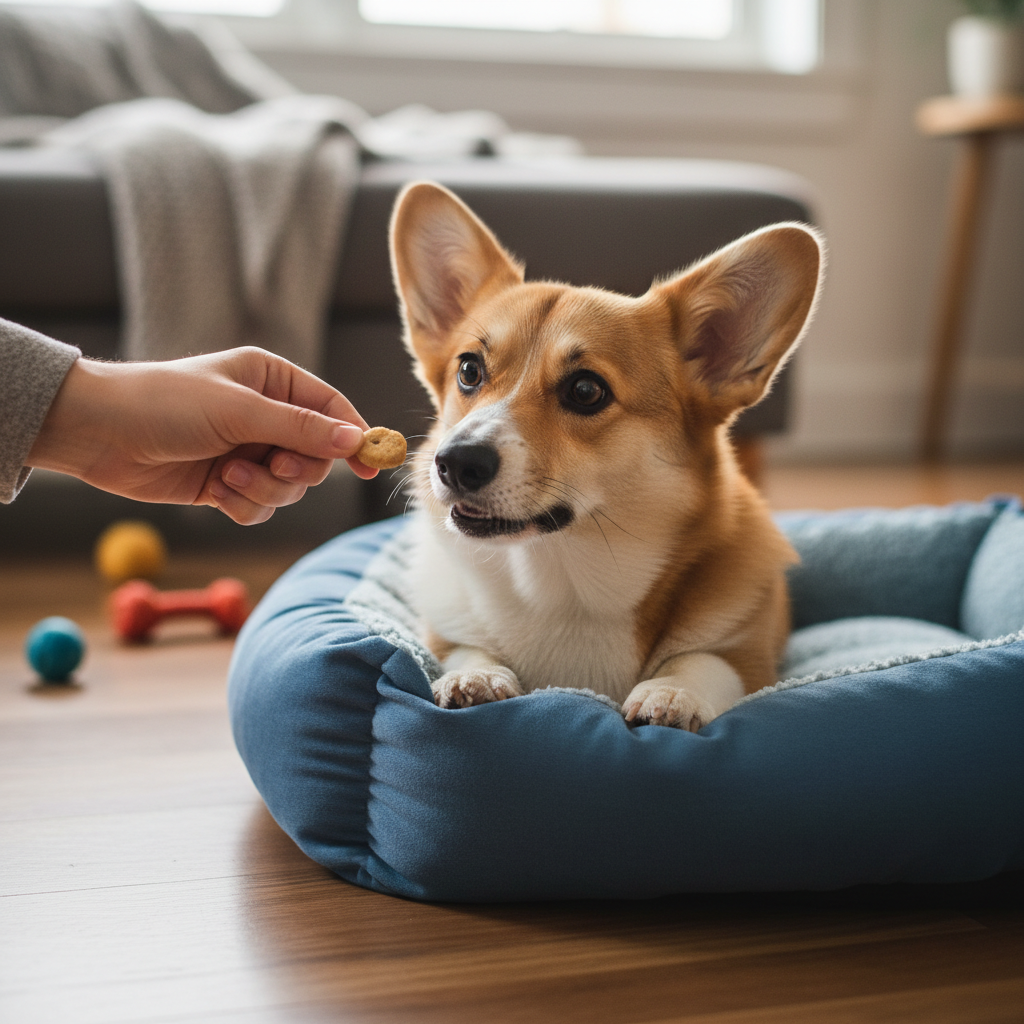
- Introduce the Bed: Place the bed on the floor. The moment your dog shows any interest in it—sniffing it, looking at it, stepping a single paw on it—click (or say “Yes!”) and toss a treat onto the bed. This encourages them to interact with the space. Do this a few times.
- Lure Them On: Hold a treat in your hand and use it to lure your dog to get all four paws onto the bed. As soon as they do, click/”Yes!” and give them the treat, plus a few bonus treats tossed right onto the bed.
- Let Them Leave: After they eat the treats, they will likely step off the bed. This is perfectly fine! In fact, it’s part of the process. It allows you to repeat the sequence of them getting on the bed, which is the behavior we’re rewarding right now. Repeat this luring process 5-10 times.
- Add the Verbal Cue: Once your dog is eagerly hopping onto the bed when you lure them, it’s time to add the cue. Just as you’re about to lure them, say your chosen word in a happy, inviting tone—”Place!” or “Go to Bed!”. Then, complete the lure as before. Click/”Yes!” and reward on the bed.
- Introduce a Release Word: We need to teach our dogs that they should stay on the bed until we say it’s okay to get off. After they’ve been on the bed for a second or two, toss a treat off the bed and say your release word, like “Okay!” or “Free!”. This teaches them that leaving the bed is also your idea.
Expert Tip: Don’t push or force your dog onto the bed. We want this to be their choice. Keep it light, fun, and rewarding, and they’ll be offering to go to their place in no time!
Phase 2: Introducing Duration and Distance (The 3 D’s)
Once your dog understands that “Place” means “go to that comfy rectangle and get treats,” it’s time to level up. This is where we introduce the ‘3 D’s’ of dog training: Duration, Distance, and Distractions. The golden rule here is to only increase the difficulty of one ‘D’ at a time. If you add distance, don’t also add duration right away.
Building Duration
We want to teach your dog that ‘Place’ doesn’t just mean touch the bed, but hang out there for a bit.
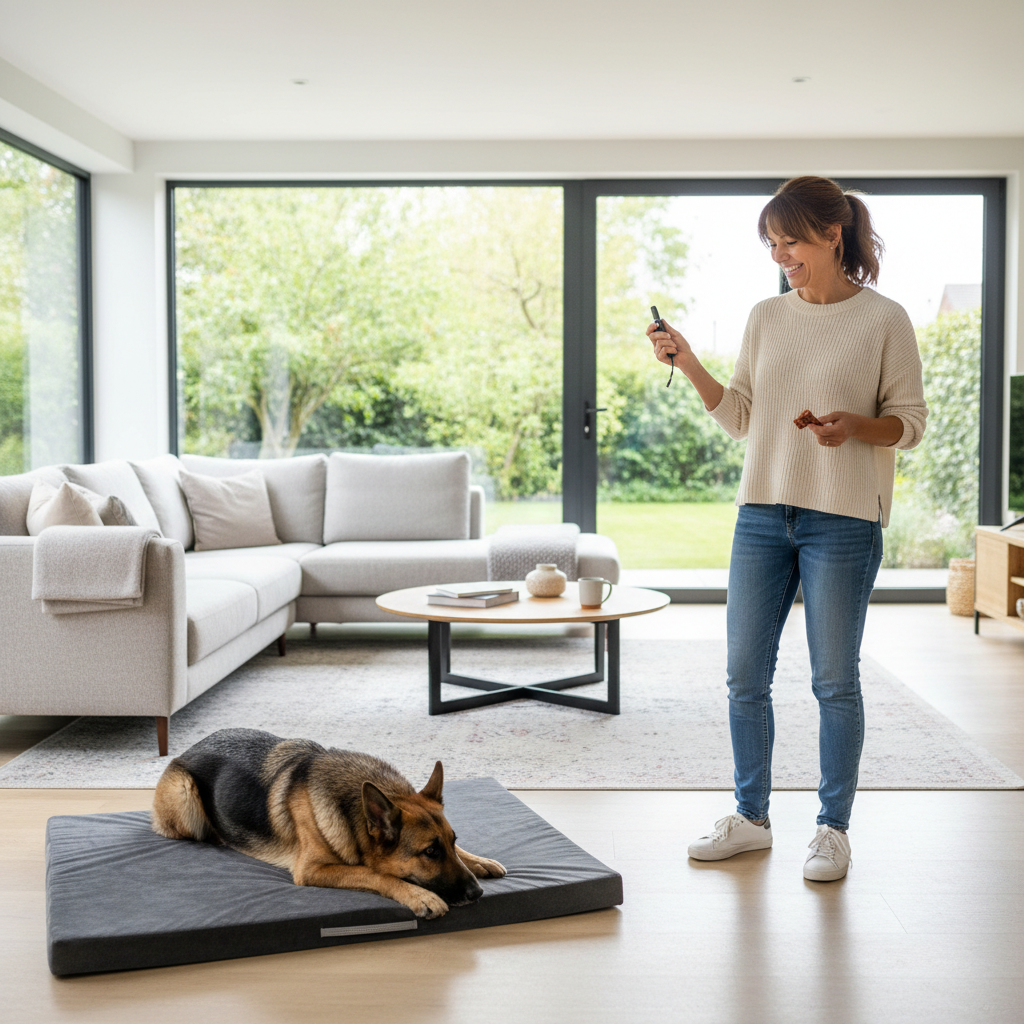
- Ask your dog to go to their place. When they get on, instead of rewarding immediately, wait just one second. Then click/”Yes!” and reward.
- Gradually increase the time. Wait two seconds, then three, then five. Vary the timing! Sometimes reward after 2 seconds, sometimes after 8. This keeps them engaged.
- If your dog gets off before you release them, don’t worry! Simply say nothing and use your lure to guide them back on, then try again with a shorter duration.
- Start rewarding for calm behavior on the mat, like lying down. If your dog lies down on their own, jackpot! Give them a bunch of treats. This teaches them that ‘Place’ is for relaxing.
Adding a Little Distance
Now we start building the foundation for being in another room.
- Stand right next to the bed and point to it as you say “Place!”. When they get on, walk over and deliver the treat.
- Take one step back from the bed and repeat. Success? Great! Walk to them, reward, and release.
- Now try two steps back. Then three. The goal is to slowly increase the distance between you and the bed.
- If they hesitate, make it easier. Take a smaller step back or use an encouraging hand gesture. We want to build their confidence.
Proofing with Distractions
Once your dog can hold a ‘Place’ for 30 seconds or so and can go from across the room, you can start adding mild distractions. This ‘proofs’ the behavior, making it reliable in the real world.
- While they are on their place, walk a circle around them. Reward for staying.
- Bend over and tie your shoe. Reward for staying.
- Toss a low-value toy a few feet away. If they stay, give them a super high-value reward!
- Eventually, you can work up to things like someone knocking on the door. Start with a very quiet knock and build from there.
The Final Frontier: Taking the Command to Another Room
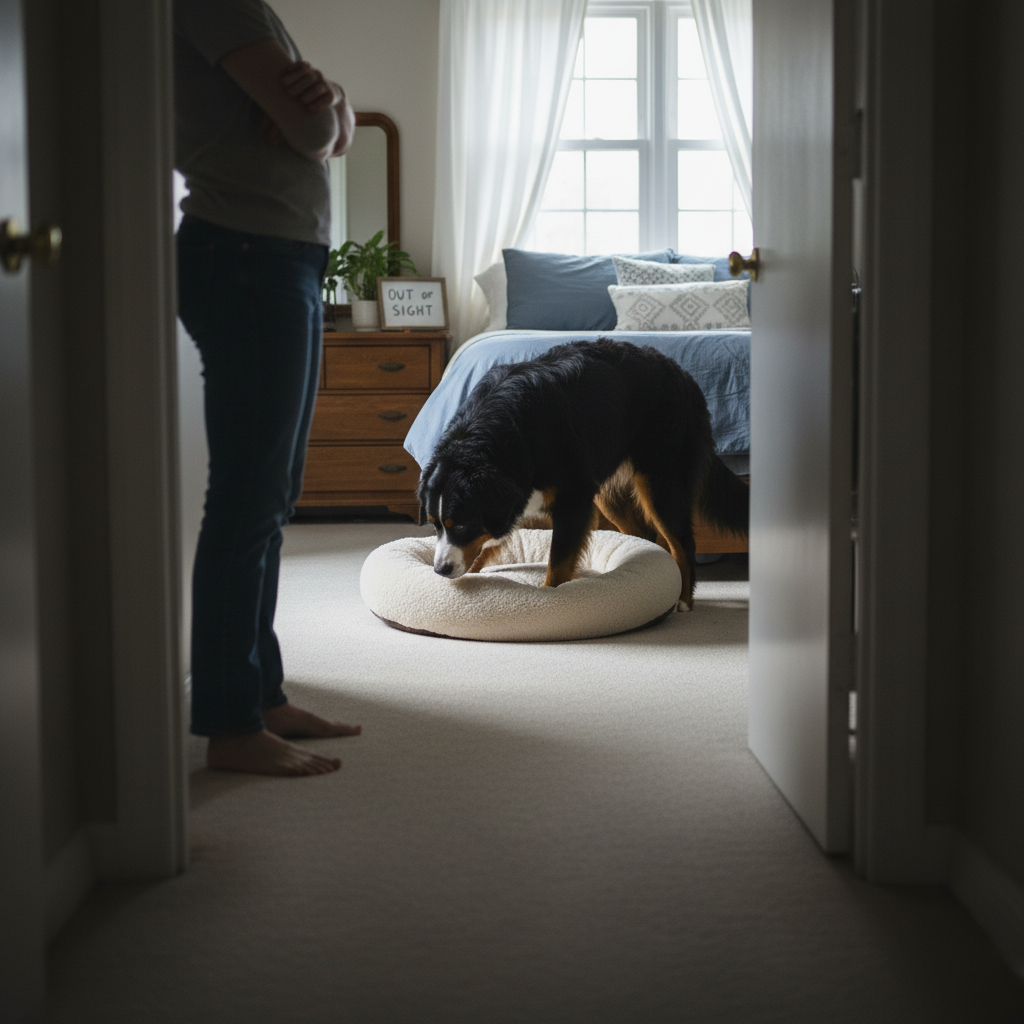
This is the moment we’ve been working towards! Combining distance with the ultimate distraction: you being out of sight. This step requires all the foundation work you’ve already done. The key is to progress so slowly that your dog barely notices the change in difficulty.
Step-by-Step to Out-of-Sight Success
- Master the Doorway: Stand in the doorway of the room where the bed is. Send your dog to their place. When they get there, walk back into the room to reward them generously. Practice this until it’s easy for them.
- The ‘Peek-a-Boo’ Step: Now, stand in the doorway and send them to their place. Once they are settled, take one step back so you are just out of sight. Immediately step back into view and say “Yes!” then walk over and reward. We are only disappearing for a literal second.
- Extend the Disappearance: Gradually increase the time you are out of sight. Step away for two seconds, then return. Then five seconds. If your dog gets up, you’ve moved too fast. Go back to a shorter duration where they can be successful.
- Vary Your Location: Once they can handle you being out of sight for 15-20 seconds, you can start giving the command from another room. Start in the hallway just outside the room. Give your cue, “Go to Bed!”. You may need to use a slightly more enthusiastic tone. When you hear them go, pop your head in to check, then go reward them.
- Increase the Challenge: Now try it from further away. Give the cue from the kitchen. Give it from upstairs. The more you practice from different locations, the more generalized the skill will become.
Important Note: This is an advanced skill. Every time you give the command from out of sight and your dog complies, it’s a huge win! Make sure the reward reflects that. This is the time for the best treats and lots of praise. You’re building reliability and trust.
Troubleshooting Common ‘Place’ Command Problems
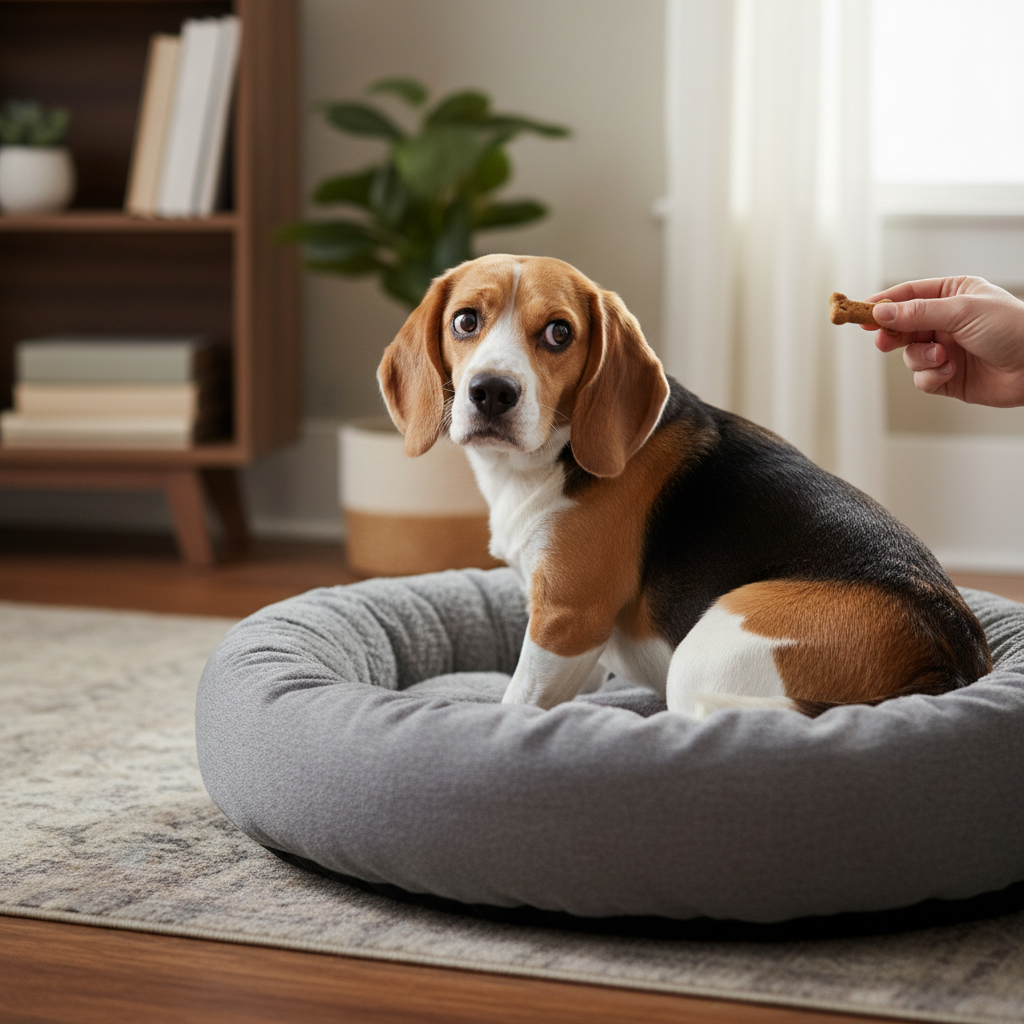
Even with the best training plan, you might hit a few bumps in the road. That’s completely normal! Dog training is rarely a straight line. Here are some common challenges and how to work through them.
“My dog keeps getting off the bed before I release them!”
This is the most common issue. It usually means we’ve asked for too much, too soon.
- Reduce the Duration: Go back to asking for just a few seconds at a time. Reward and release them before they decide to get up on their own. We want them to learn that staying on the bed is what earns them the release.
- Check Your Release Cue: Is your release word clear and consistent? Make sure you aren’t accidentally rewarding them for getting up. The reward should happen while they are still on the mat.
- Is the Reward Good Enough? The reward for staying has to be better than the reward of getting up to follow you. Up the value of your treats for longer durations.
“My dog will go to the bed but won’t lie down and settle.”
Some dogs are just more energetic!
- Capture Calmness: Don’t try to force a ‘down’. Instead, wait. The moment your dog chooses to lie down on their own, have a mini-party! Shower them with praise and high-value treats. This teaches them that lying down is a brilliant and highly profitable idea.
- Use a Lick Mat or Chew: For some dogs, giving them something to do on the mat helps them settle. A frozen Kong or a lick mat can encourage them to lie down and relax for a longer period.
“My dog gets distracted and ignores the command.”
This is a sign that the behavior hasn’t been fully ‘proofed’ yet.
- Go Back a Step: Lower the distraction level. If they can’t do it when a guest is over, practice when the house is quiet. If they can’t do it from across the room, practice from five feet away. Find the point where they can be successful and build slowly from there.
- Manage the Environment: Set your dog up for success. If you know a visitor is coming, have your high-value treats ready and practice a ‘place’ command before the doorbell even rings.
Remember, every mistake is just information. It’s your dog telling you, “This is a little too hard for me right now.” Simply adjust the difficulty and try again. Your patience will pay off!
Conclusion
You’ve done it! You now have the complete roadmap to teaching one of the most powerful commands in a dog owner’s arsenal. From creating a ‘happy place’ on a simple mat to sending your dog there from another room, you’re building more than just obedience—you’re building a language of trust, communication, and mutual respect. The ‘Place’ command is your secret weapon for a calmer home and a happier, more confident dog.
Remember to be patient, keep it positive, and celebrate the small victories along the way. Every successful ‘place’ is a testament to your dedication and the incredible bond you share with your dog. Now go enjoy the peace and quiet—you’ve both earned it!