There are few things in this world as purely joyful as watching a dog dive headfirst into a freshly raked pile of autumn leaves. It’s a moment of pure, unadulterated bliss—the kind you want to capture and cherish forever. But as any pet owner with a camera roll full of blurry photos knows, capturing that split-second action shot is easier said than done. That perfect, frame-worthy photo of your furry friend suspended in mid-air, surrounded by a kaleidoscope of fall colors, often feels like a happy accident.
Well, what if we told you it doesn’t have to be an accident? Welcome to Fall Photography 101! This guide is for every pet parent who wants to turn those fleeting fall moments into stunning photographs. We’re going to break down everything you need to know, from ensuring the leaf pile is safe and fun for your pup, to training them to leap with gusto, to dialing in the right camera settings to freeze the action. Forget the blurry mysteries and get ready to capture the magic. Let’s get started!
Safety First! Prepping Your Leaf Pile and Pup
Safety First! Prepping Your Leaf Pile and Pup
Before we even think about cameras and cues, our number one priority is making sure this fun activity is safe for our four-legged friends. A leaf pile can look inviting, but it can also hide some potential hazards. A little prep work goes a long way in ensuring your photo session is all fun and no fear.
Building a Pet-Safe Pile
Not all leaf piles are created equal. When you’re raking, be mindful of what you’re gathering up. Here’s what to look out for:
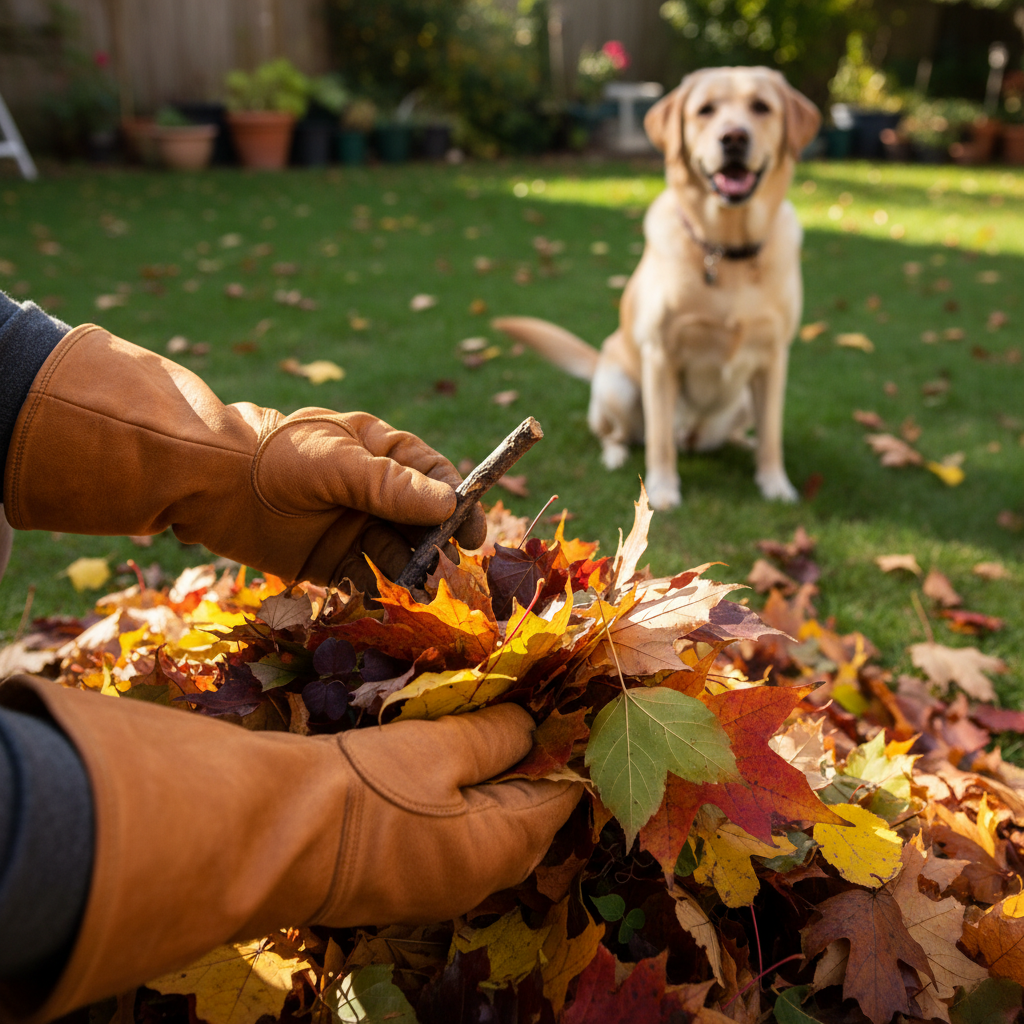
- Sharp Objects: Sticks, thorns, sharp rocks, or stray pieces of litter can easily get hidden in a pile and could cause cuts or scrapes. It’s best to rake your leaves onto a soft, grassy area you’ve already inspected.
- Moisture and Mold: A damp leaf pile that has been sitting for a while can become a breeding ground for mold and bacteria. Inhaling these spores can cause respiratory issues for your dog. Always use fresh, dry leaves for playtime. If it has rained recently, let the leaves dry out completely.
- Pesky Critters: Ticks, spiders, and other insects love to hide in the cool, dark environment of a leaf pile. Using freshly raked leaves minimizes this risk.
- Toxic Plants: Be aware of what trees are in your yard. While most common autumn leaves (like maple and oak) are non-toxic, the nuts and seeds that fall with them can be. Acorns, for example, can be toxic to dogs if ingested in large quantities, and walnuts can harbor mold that is harmful. Do a quick sweep for these before letting your dog jump in.
Expert Tip: After every leaf pile session, do a thorough check of your dog’s coat for any ticks or debris that may have hitched a ride. Pay close attention to their ears, paws, and underbelly.
Warming Up Your Athlete
Think of your dog as an athlete preparing for an event. Jumping and bounding require a lot of energy and can be strenuous on their joints. A proper warm-up is essential, especially for senior dogs or those with pre-existing joint issues. A brisk 5-10 minute walk before you introduce the leaf pile will get their muscles warm and ready for action, reducing the risk of strains or injuries.
The ‘Get It’ Game: Training Your Dog to Love the Leaves
The ‘Get It’ Game: Training Your Dog to Love the Leaves
Now for the fun part! Getting your dog to leap into the leaves on cue is all about making it the best game ever. We’ll use positive reinforcement to build their confidence and excitement. Remember to keep training sessions short, upbeat, and full of praise to keep your dog engaged.
Step 1: Introduction and Association
Some dogs are natural-born leaf-lovers, while others might be a bit hesitant about this new, crinkly monster in the yard. Start by simply leading your dog over to the pile on a leash. Let them sniff and explore it at their own pace. Toss a few high-value treats onto the edge of the pile and praise them enthusiastically when they eat them. The goal is to create a positive association: Leaf Pile = Awesome Things Happen Here!
Step 2: The Toy Toss
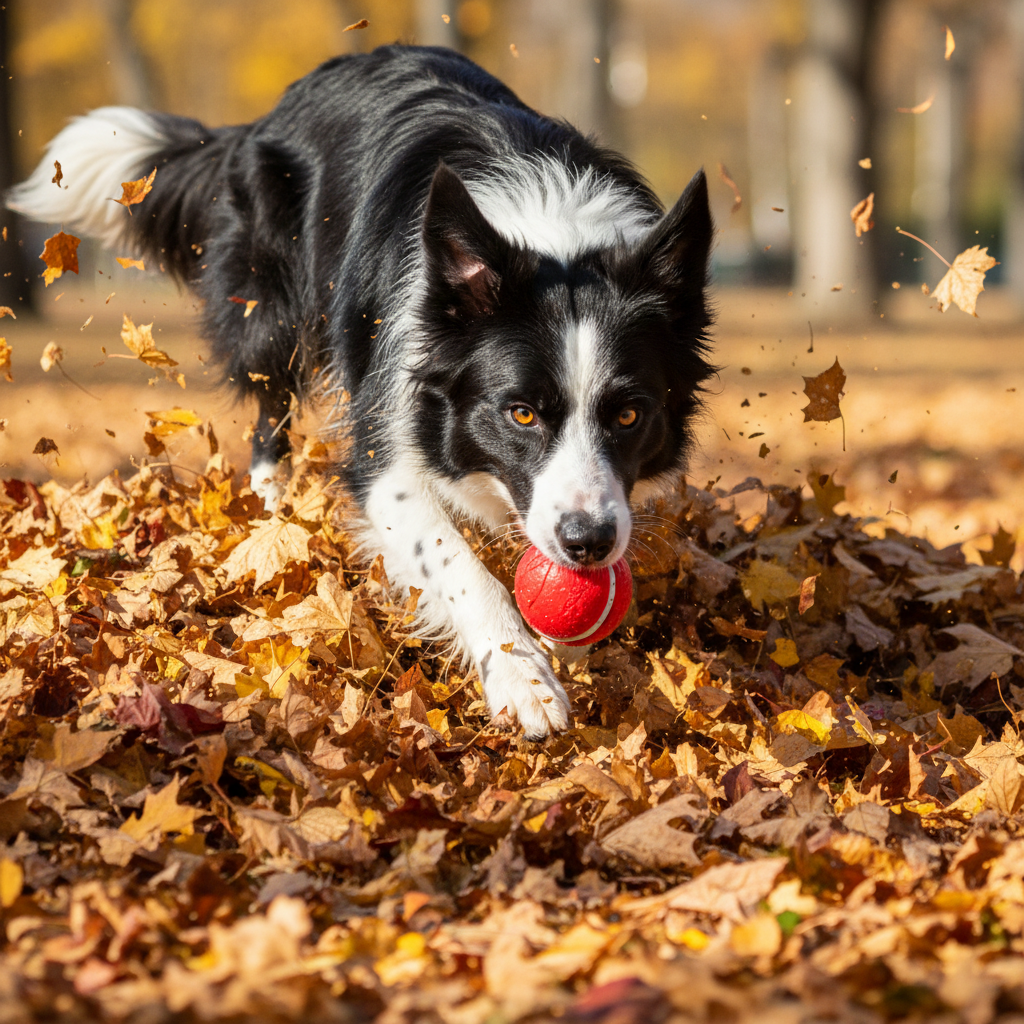
Once your dog is comfortable around the pile, it’s time to introduce their favorite toy. A ball or a brightly colored fetch toy works great as it’s easy for them to spot amongst the leaves.
- Start by tossing the toy just onto the edge of the pile. Use an exciting cue like, “Get it!” or “Find it!”
- When they successfully retrieve the toy, reward them with tons of praise, a treat, or a quick game of tug.
- Gradually, start tossing the toy deeper and deeper into the center of the pile. This encourages them to run and pounce into the leaves with more confidence and speed.
Step 3: Encouraging the Jump
As your dog gets more excited about chasing the toy into the pile, you can start shaping the ‘jump’ behavior. You can make the pile a little taller (but still soft and fluffy!) to naturally encourage a leap rather than a run-through. As you toss the toy, use an energetic verbal cue like “Jump!” or “Up and over!” right as they are about to take off. This helps them associate the word with the action. Have a helper stand on the other side of the pile to encourage them forward. It might take a few tries, but with enough repetition and excitement from you, they’ll get the hang of it.
Remember: Never force your dog into the pile. This should be a fun, voluntary activity. If they seem scared or overwhelmed, take a break and go back to an earlier step where they were successful. The goal is a happy dog, first and foremost!
Gear Up: Camera Settings for Action Shots
Gear Up: Camera Settings for Action Shots
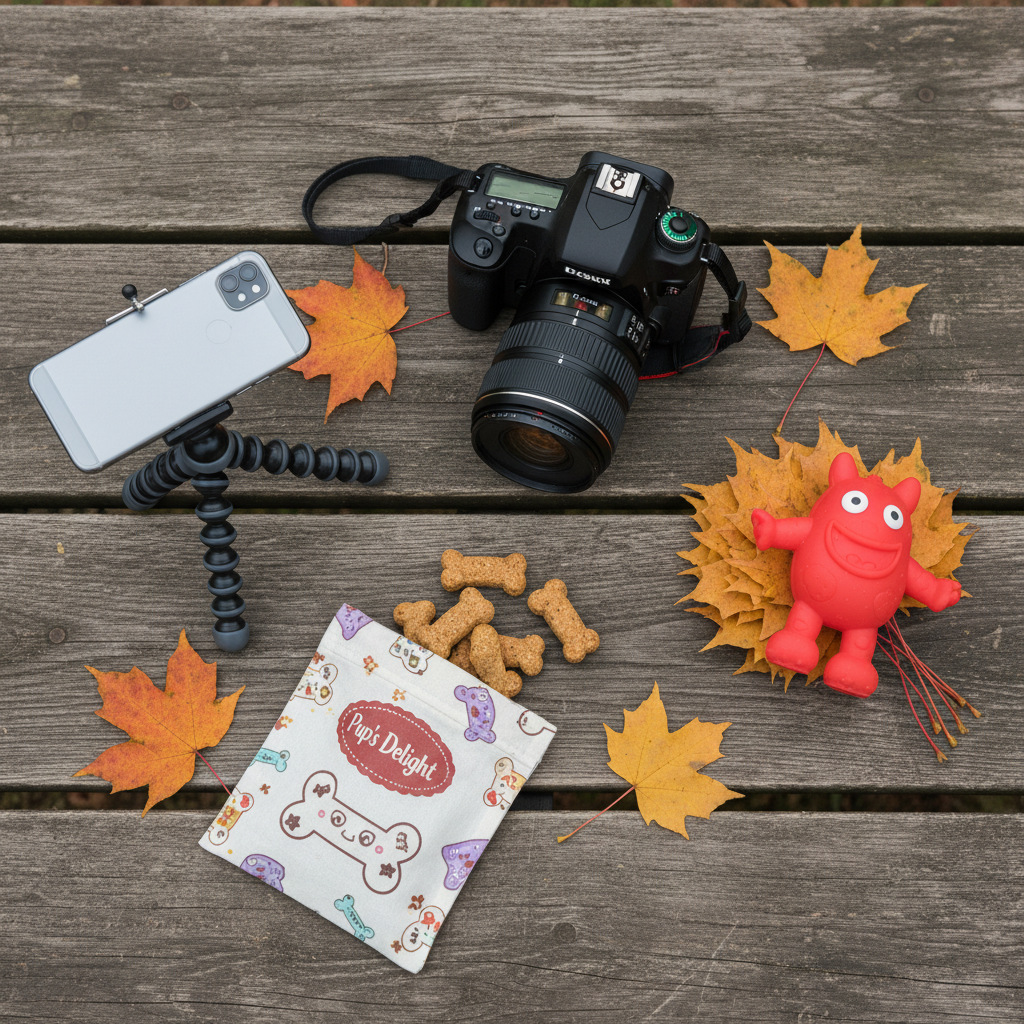
You’ve got a safe pile and an enthusiastic pup. Now, let’s make sure your camera is ready to capture the magic. Blurry photos are the number one frustration when it comes to pet action photography. The good news is that whether you’re using a high-end DSLR or the smartphone in your pocket, a few key settings will dramatically increase your chances of getting a crisp, clear shot.
For the DSLR/Mirrorless Camera User
If you have a camera with manual controls, now is the time to get out of ‘Auto’ mode. Here are the three most important settings to dial in:
| Setting | Recommendation | Why It Matters |
|---|---|---|
| Shutter Speed | 1/1000s or faster | This is the most critical setting. A fast shutter speed freezes motion. Anything less, and you’ll likely get motion blur as your dog jumps. On a bright day, don’t be afraid to push it to 1/1600s or even 1/2000s. |
| Aperture | f/2.8 – f/5.6 (as low as your lens allows) | A low f-stop number (a wide aperture) creates a shallow depth of field. This blurs the background, making your dog the star of the show and creating that beautiful, professional-looking portrait. |
| Focus Mode | Continuous AF (AF-C / AI Servo) | Your dog is a moving target. Continuous autofocus will track your dog as they run and jump, constantly adjusting focus to keep them sharp. Combine this with a single focus point placed over your dog’s eye. |
Don’t forget two other crucial settings: set your ISO as low as possible for the light conditions (start at 100-400) to avoid grainy photos, and turn on Burst Mode (Continuous High) to take a rapid series of photos by holding down the shutter button. This gives you multiple frames of the jump to choose from!
For the Smartphone Photographer
Modern smartphones have incredible cameras! You can absolutely get a fantastic shot with your phone. Here’s how:
- Use Burst Mode: This is your best friend. On most phones, you can activate it by holding down the shutter button. It will capture a quick succession of photos, allowing you to pick the sharpest one later.
- Tap to Focus: Before your dog jumps, tap on the screen where you anticipate they will be. This locks the focus and exposure, preventing the camera from getting confused at the last second.
- Portrait Mode: If your phone has a good Portrait Mode, use it! It will artificially blur the background, mimicking the effect of a wide aperture on a DSLR and making your dog pop.
- Let There Be Light: Smartphones have smaller sensors, so they need a lot of light to perform well. A bright, sunny day is ideal. Avoid shooting in deep shade or late in the evening.
Composing the Perfect Shot: Angles, Light, and Story
Composing the Perfect Shot: Angles, Light, and Story
With your dog trained and your camera set, it’s time to think like a photographer. A great photo isn’t just sharp; it tells a story. Composition, angle, and light are the elements that elevate a simple snapshot into a cherished memory.
Get Down on Their Level
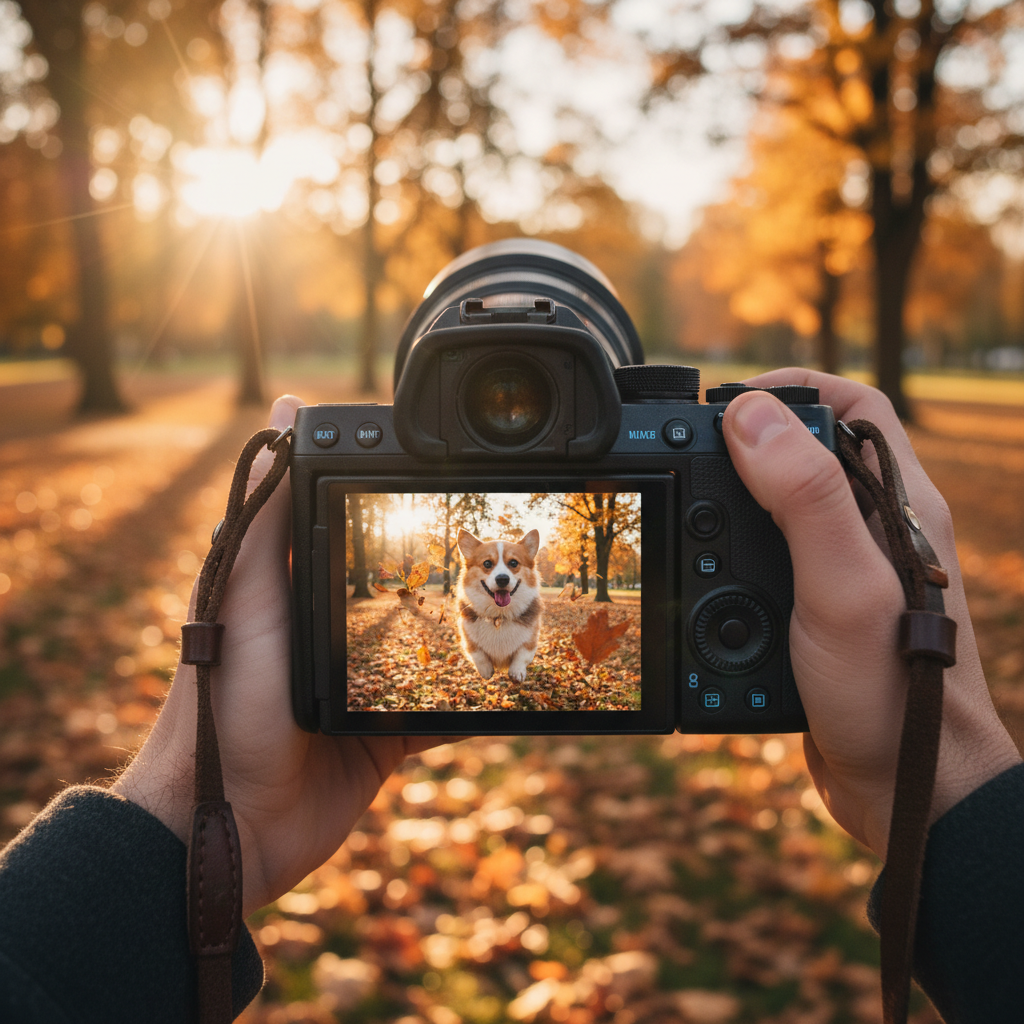
This is the single most effective tip for improving your pet photography. Stop taking photos from your standing height! Get down on the ground, even if it means getting leaves on your clothes. Shooting from your dog’s eye level creates a more intimate and engaging photo. It brings you into their world and makes the jump look even more epic and dramatic. Lying on your stomach will give you the most impactful angle as they leap towards or over you.
Chase the Golden Light
Professional photographers are obsessed with the ‘golden hour’ for a reason. This is the period shortly after sunrise and before sunset when the light is soft, warm, and directional. It eliminates the harsh, unflattering shadows of midday sun and bathes the entire scene in a beautiful golden glow that makes those autumn colors sing. If you can, plan your photoshoot for this time of day.
Pro Tip: Position yourself so the sun is behind you or to your side, lighting up your dog. This will make their coat shine and put a beautiful catchlight in their eyes.
Anticipate the Action and Tell a Story
Don’t just wait for the jump to happen; anticipate it. If you have a helper, have them stand near you and toss the toy over the pile. This gives you a predictable path of motion to follow. Your goal is to capture the peak of the action—the moment they are fully airborne, legs tucked, with an expression of pure joy.
But don’t stop there! Tell the whole story. Capture the moments before and after the big jump:
- The Wind-Up: The intense, focused stare before they launch.
- The Landing: The explosion of leaves as they land in the pile.
- The Aftermath: Your dog emerging from the pile, covered in leaves, with a toy proudly in their mouth and a big, happy grin.
These supporting shots create a wonderful series that tells the complete story of your fun fall day together.
Conclusion
And there you have it! Capturing the perfect leaf pile jump is a wonderful mix of safety, play, and a little bit of technical know-how. By preparing a safe space, turning the training into a fun game, and dialing in your camera settings, you’re setting yourself up for success. Remember to get down on your dog’s level, use that gorgeous autumn light, and fire away in burst mode to catch that one magical, split-second moment.
But most importantly, don’t get too caught up in achieving technical perfection. The real goal is to spend quality time with your best friend and celebrate the joy of the season. The very best photos will be the ones that radiate the happiness you both felt in that moment. So get out there, rake some leaves, and make some memories. We can’t wait to see the amazing photos you and your pup create!