Have you ever seen a picture of a magnificent Newfoundland or a sturdy Bernese Mountain Dog pulling a cart and thought, ‘Wow, I wonder if my dog could do that?’ Well, you’re in the right place! Welcome to the wonderful world of canine drafting, also known as carting. It’s more than just a neat trick; it’s a historic dog sport that builds an incredible bond between you and your furry friend, provides fantastic physical exercise, and gives your dog a fulfilling ‘job’ to do.
Many dog breeds were originally developed to work, and pulling carts was a common task for them. Tapping into these instincts can be incredibly rewarding for your dog, boosting their confidence and giving them an outlet for their energy. But before you hitch your Great Dane to your grocery wagon, it’s important to know that proper training, the right equipment, and a focus on safety are absolutely essential. Don’t worry, it’s not as daunting as it sounds! This guide is designed for complete beginners, and we’ll break down every step, from figuring out if your dog is a good candidate to teaching the final commands. Let’s get ready to roll!
Getting Started: Is Drafting the Right Job for Your Dog?
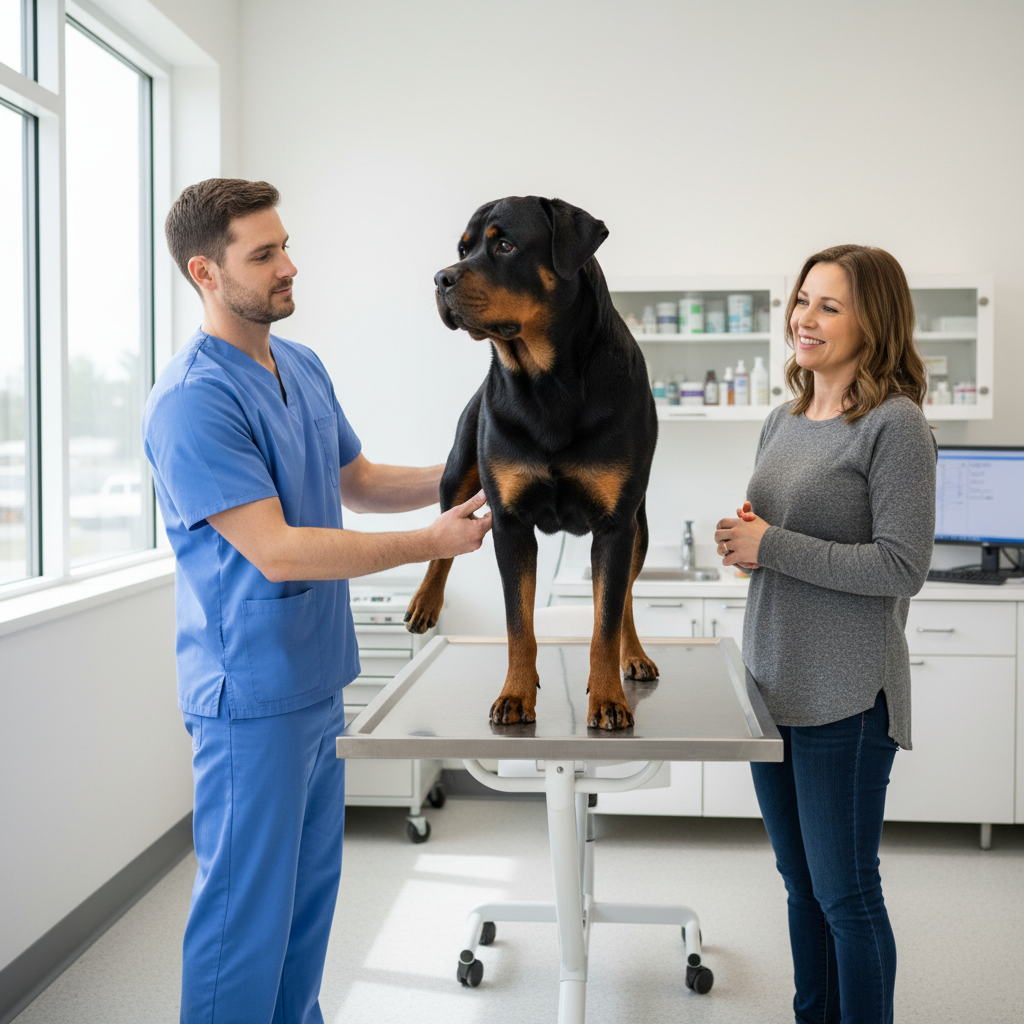
Before you start shopping for harnesses and wagons, the first and most important step is to determine if drafting is a suitable activity for your individual dog. While certain breeds are famous for their pulling prowess, a dog’s suitability depends on more than just their pedigree.
Physical Considerations
The most critical factor is your dog’s physical health and structure. Here’s what to consider:
- Age and Growth: A dog should never pull weight until their growth plates have closed. This happens at different times for different breeds, but a general rule of thumb is to wait until they are at least 18 to 24 months old. Starting too early can cause severe, lifelong damage to their joints.
- Size and Build: Generally, medium to large breeds weighing 50 pounds or more are best suited for drafting. Think Bernese Mountain Dogs, Greater Swiss Mountain Dogs, Newfoundlands, Rottweilers, and Saint Bernards. However, many other sturdy dogs, like American Bulldogs or even some larger Standard Poodles, can excel with the right conditioning.
- Health Check: A clean bill of health from your veterinarian is non-negotiable. Your vet should perform a thorough orthopedic exam, paying close attention to the hips, elbows, and spine. Conditions like hip or elbow dysplasia can make drafting painful and dangerous for your dog.
Temperament and Personality
A dog’s mindset is just as important as their physical ability. An ideal drafting dog is:
- Confident: They shouldn’t be easily spooked by new sounds or objects. The rattle of a wagon or the feeling of something following them can be scary for an anxious dog.
- Eager to Please: A dog that enjoys working with you and is motivated by praise or treats will learn much faster and have more fun.
- Calm and Steady: A hyperactive or reactive dog might find it difficult to focus on the task of pulling in a straight, steady manner.
Expert Tip: Before you even think about a cart, master your basic obedience. A rock-solid ‘stay,’ ‘wait,’ and ‘come’ are the foundation for safe and successful drafting. Your dog needs to listen to you, especially when they have a heavy object attached to them!
Gearing Up: Choosing the Right Harness and Cart
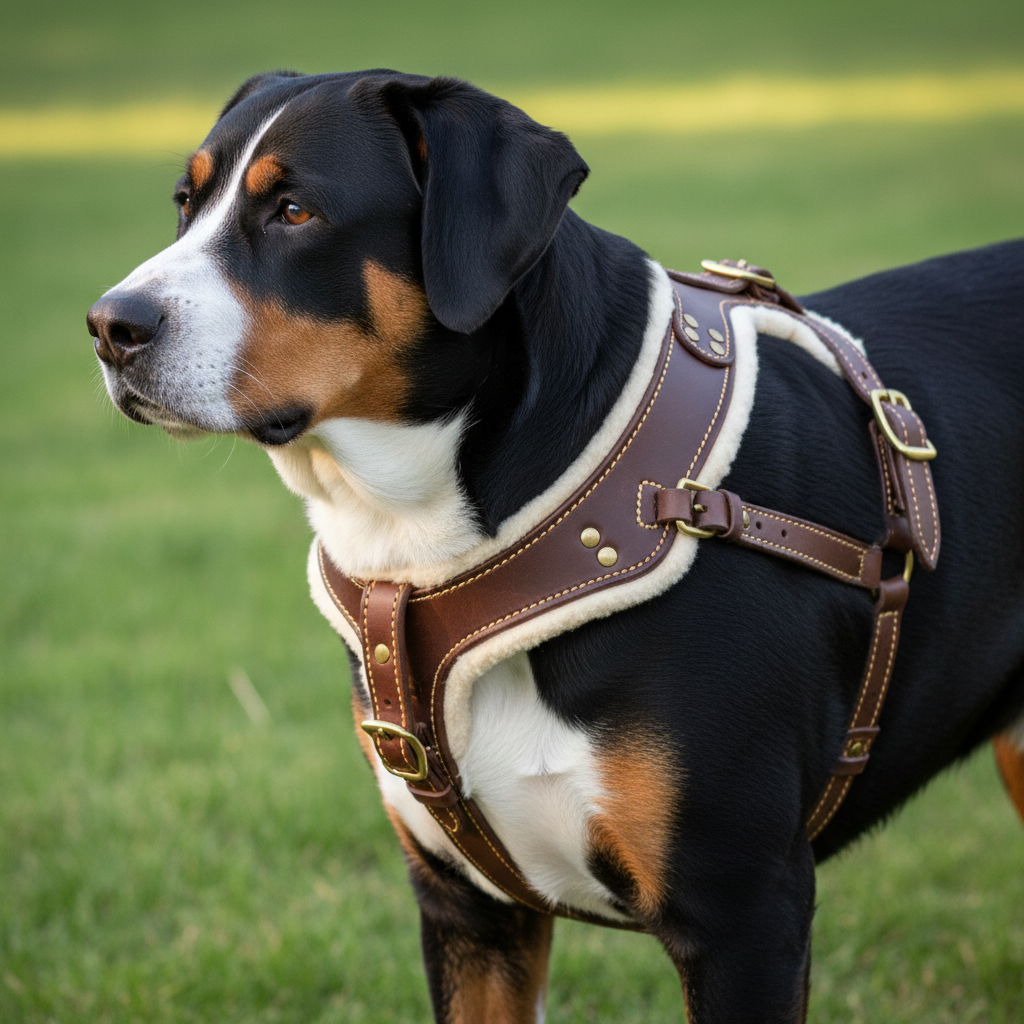
Once your dog has been cleared for duty by the vet, it’s time for the fun part: shopping for gear! Investing in high-quality, properly fitting equipment is the single most important thing you can do for your dog’s safety and comfort. Skimping here can lead to chafing, sores, and even serious injury.
The All-Important Harness
This is not the place to repurpose your walking harness! A proper drafting harness is specifically designed to distribute weight across the dog’s chest and shoulders, allowing them to pull comfortably and efficiently without putting pressure on their throat or spine.
| Harness Type | Best For | Key Features |
|---|---|---|
| Siwash Harness | Most versatile for carting with shafts. | Y-shaped front that sits above the shoulder blades, allowing for free range of motion. Padded for comfort. |
| Freight Harness | Heavy pulling, often without shafts (e.g., sleds or drag-hauling). | X-back design that distributes weight over a larger area of the dog’s back. |
| Carting Saddle Harness | Pairs with specific cart setups. | Includes a ‘saddle’ piece over the back where shafts attach, providing stability and helping the dog brake. |
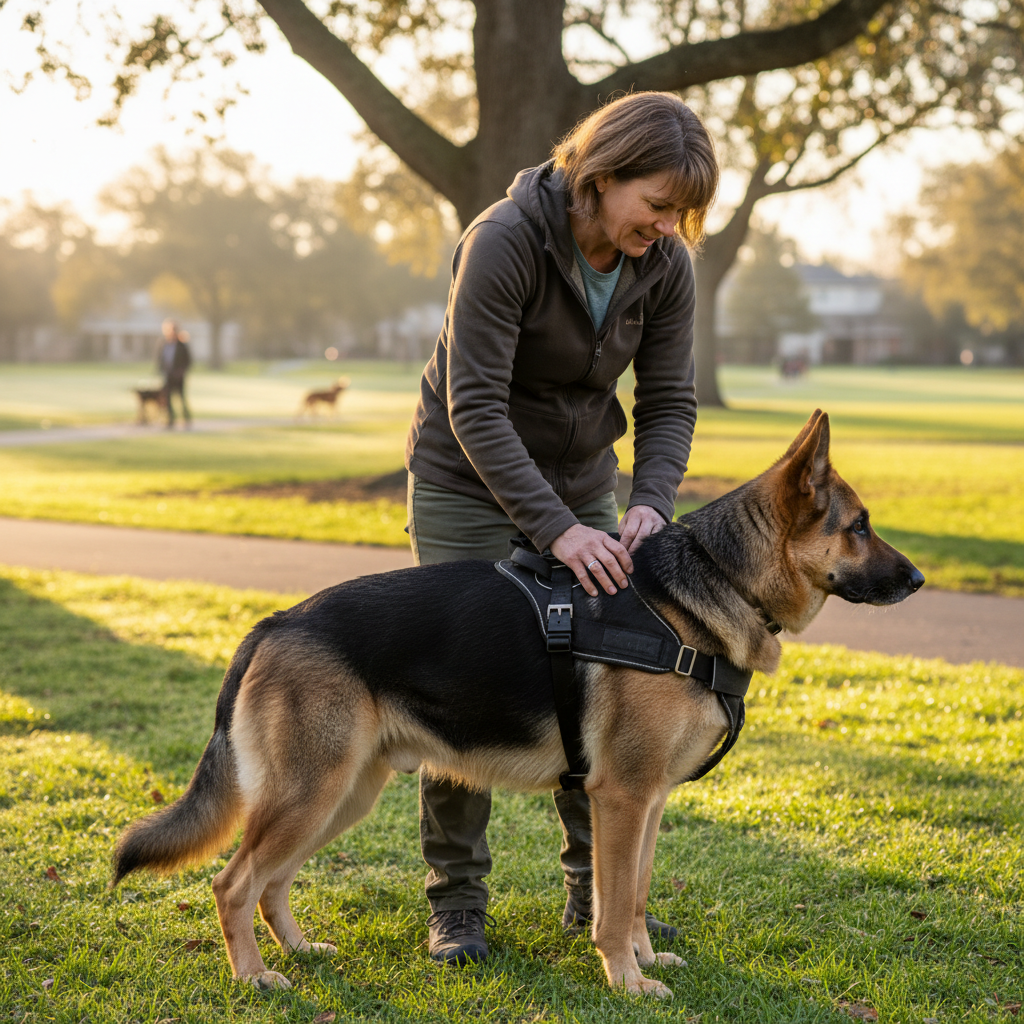
When fitting a harness, you should be able to comfortably slide a few fingers between the straps and your dog’s body. It should be snug enough not to shift around but not so tight that it restricts movement or breathing.
Picking the Perfect Wagon or Cart
Your choice of vehicle depends on your goals. For casual fun around the yard or park, a sturdy children’s wagon can be a great starting point. However, for more serious drafting, you’ll want a purpose-built dog cart.
- Shafts are Essential: The two poles that run from the cart along the dog’s sides are called shafts. They are crucial for steering and control. They also prevent the cart from running into the back of your dog when you stop or go downhill. Ensure they are the correct length—the dog should have plenty of room to move without the cart bumping their back legs.
- Wheels Matter: Pneumatic (air-filled) tires provide a smoother, quieter ride than hard plastic wheels, which can be a good thing for dogs who are sensitive to noise.
- Weight and Balance: The cart itself should be lightweight but sturdy. The balance should be such that when the shafts are lifted to the height of the dog, there is minimal weight on the dog’s back. The dog’s job is to pull, not carry.
Your Step-by-Step Training Plan
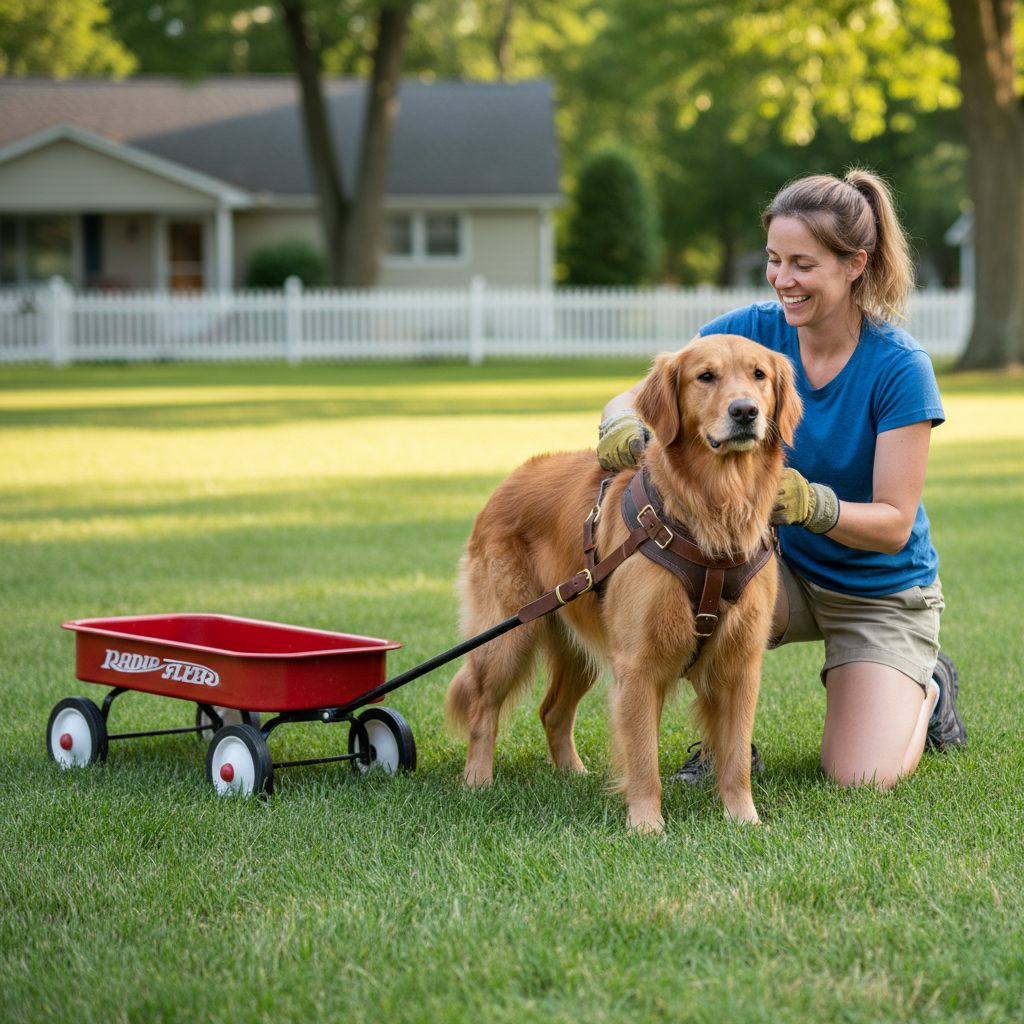
Training a dog to pull a cart is all about patience and positive reinforcement. You are building layers of trust and understanding. Keep sessions short (5-10 minutes to start) and always end on a positive note! Here is a breakdown of the process:
- Step 1: Get Comfortable with the Harness. For the first few days, simply put the harness on your dog for a few minutes at a time inside the house. Give them lots of treats and praise. Let them eat their dinner wearing it. The goal is to create a positive association: harness = good things happen!
- Step 2: Introduce ‘Drag’ Work. Before you bring out the noisy cart, get your dog used to the sensation of something trailing behind them. Attach two light ropes or ‘traces’ to the harness’s pulling rings. Let them drag these around the yard. Once they’re fine with that, you can attach something that makes a little noise, like an empty plastic milk jug. Praise them enthusiastically for moving forward and ignoring the object.
- Step 3: Meet the Shafts. This is a big step. Have a helper hold the shafts (unattached to the cart) on either side of the dog while you lead your dog forward a few steps. Reward calm behavior. The goal is to get them used to the feeling of being enclosed by the shafts without the added noise and movement of the cart.
- Step 4: The First Hook-Up (Empty Cart). In a quiet, enclosed area like your backyard, bring the empty cart up behind your dog. Calmly and smoothly attach the shafts to the harness. Have your helper steady the cart while you lead your dog forward just one or two steps. Lavish them with the highest value treats and praise, then unhook them. That’s it for the first session! The goal is for the first experience to be overwhelmingly positive and incredibly short.
- Step 5: Teach Directional Cues. As your dog gets more comfortable walking in the empty cart, you can start adding verbal cues. You can use traditional terms or your own! Common cues include:
- ‘Hike’ or ‘Pull’: To start moving forward.
- ‘Whoa’ or ‘Stop’: To halt.
- ‘Easy’: To slow down.
- ‘Gee’: To turn right.
- ‘Haw’: To turn left.
- Step 6: Gradually Add Weight. Only after your dog is confidently and happily pulling the empty cart should you even consider adding weight. Start with something very light, like a single bag of potting soil or a few water bottles (make sure the weight is secured and won’t roll around!). Slowly increase the weight over many sessions as your dog’s strength and confidence grow.
Troubleshooting: Navigating Bumps in the Road
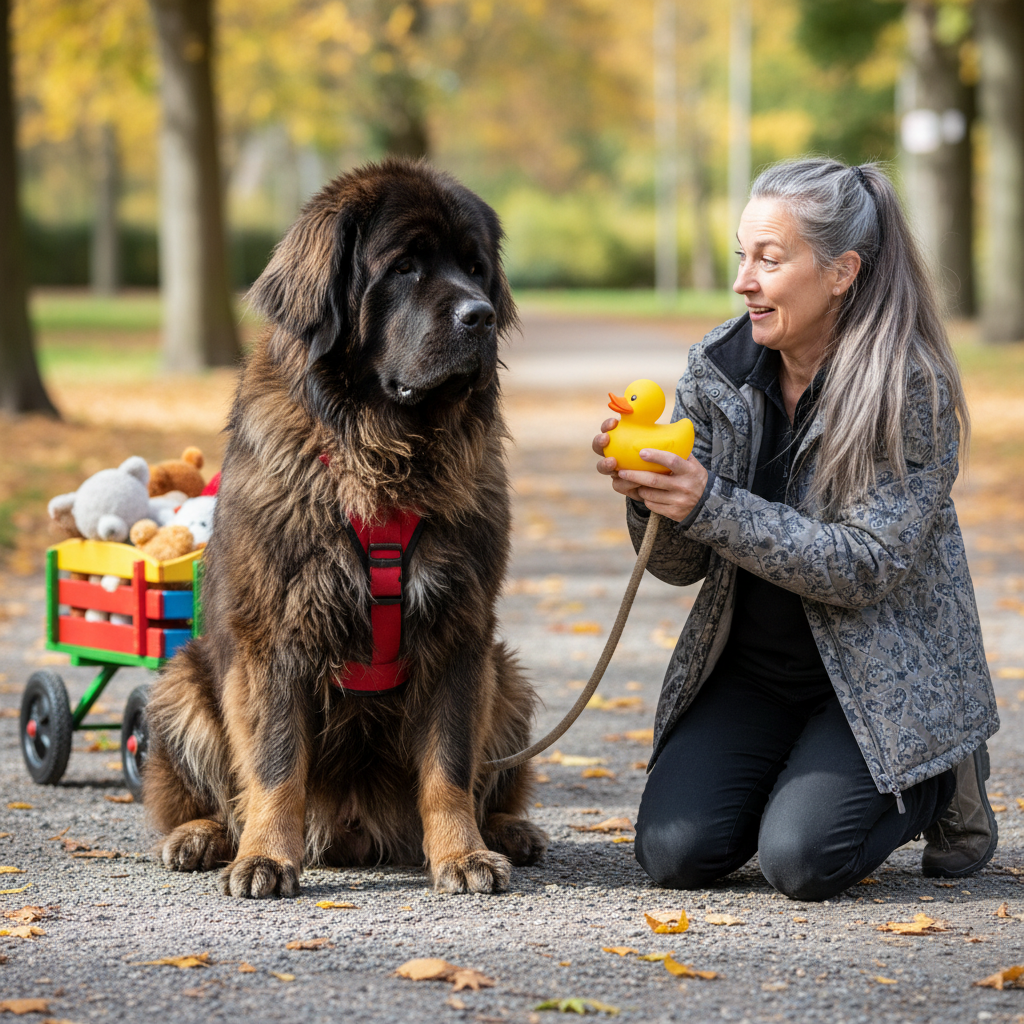
Even with the best training plan, you might encounter a few challenges. Don’t get discouraged! This is normal. The key is to take a step back and break the behavior down even further.
- Problem: My dog is scared of the cart’s noise.
Solution: Go back to the beginning. Put the cart in the middle of the yard and just play games and give treats around it. Don’t try to hook the dog up. Let them investigate it on their own terms. You can also try wrapping the axles or other noisy parts with vet wrap or cloth to dampen the sound initially. - Problem: My dog keeps turning to look at or bite the cart.
Solution: This is a sign of uncertainty. Your sessions are likely too long, or you’ve progressed too quickly. Go back to a step where they were confident (e.g., just dragging the shafts). Keep them focused on you with high-value treats for looking and moving forward. - Problem: My dog won’t move forward when hooked up.
Solution: Never pull or force the dog. This creates a negative association. Instead, make it a game. Toss a favorite toy a few feet ahead, or have a family member they love call them from a short distance away. Make moving forward their idea and reward it heavily. Also, double-check that the harness fits correctly and isn’t pinching them. - Problem: My dog gets distracted by everything!
Solution: Start your training in the most boring environment possible, like your garage or a securely fenced backyard with no other pets or people around. As they become more proficient, you can gradually introduce them to slightly more distracting environments, like a quiet street during a low-traffic time of day.
Expert Tip: Your energy travels right down the leash (and the shafts!). If you are nervous, your dog will be nervous. Take a deep breath, stay positive and cheerful, and treat it like a fun game. Your confidence will help your dog feel more secure.
Safety First: The Golden Rules of Drafting
Drafting can be an incredibly safe and enjoyable activity, but only if you prioritize safety at all times. Think of yourself as both a dog trainer and a heavy equipment operator! Adhering to these rules will ensure you and your partner have a long and happy carting career.
Your Pre-Pull Checklist
Before every single session, perform a quick safety check:
- Check the Harness: Look for any signs of wear and tear, especially on the stitching and buckles. Ensure it’s fitted correctly and that no straps are twisted.
- Check the Cart: Inspect the wheels, axles, and shaft connections. Make sure nothing is loose or broken. Check that the tires are properly inflated.
- Check the Dog: Give your dog a quick once-over. Check their paw pads for any cuts or soreness. Are they seeming energetic and happy, or lethargic? Never work a dog that seems unwell.
Rules of the Road (and Trail)
- Never Leave a Dog Unattended: This is the number one rule. A dog left alone while hitched to a cart could easily get tangled, spook, and bolt, causing serious injury to themselves and others.
- Mind the Terrain: Stick to relatively flat, even surfaces, especially when you’re starting out. Avoid steep hills (both up and down), rocky terrain, and slick surfaces.
- Watch the Weather: Dogs can overheat quickly, especially large, double-coated breeds. Avoid pulling in the heat of the day. If it’s hot enough that you wouldn’t want to wear a winter coat outside, it’s too hot for your dog to work.
- Stay Hydrated: Always bring fresh, clean water for your dog and offer it frequently.
- Don’t Overload: The goal is not to see how much your dog can pull. The weight should always be easy for them to manage. A good starting point for total weight (cart + cargo) is about half of your dog’s body weight, increasing very gradually as they get stronger and more conditioned.
- Listen to Your Dog: Pay close attention to your dog’s body language. Excessive panting, lagging behind, or a lowered tail are all signs that they are tired and need a break or that it’s time to end the session.
Conclusion
Teaching your dog to pull a wagon is a journey that celebrates the deep history and working spirit of our canine companions. It’s so much more than a hobby; it’s a partnership built on communication, trust, and shared accomplishment. Remember that the goal isn’t to reach the finish line quickly, but to enjoy every step of the training process. By putting your dog’s safety and comfort first, using positive reinforcement, and having endless patience, you’ll unlock a new level of connection with your best friend. Imagine the pride you’ll both feel on your first successful trip around the block, working together as a team. So, gear up, take it slow, and get ready to create some truly unforgettable memories with your four-legged powerhouse!