Have you ever seen a dog proudly prancing with high steps and thought, ‘I wish my dog could do that!’? Well, you’re in luck! Teaching your dog to march isn’t just an incredibly cute trick to show off to friends and family; it’s also a fantastic mental workout for your furry friend. Trick training is one of the best ways to strengthen your bond, improve communication, and keep your dog’s mind sharp and engaged.
Unlike basic obedience commands like ‘sit’ or ‘stay,’ fun tricks like marching tap into a different part of your dog’s brain, encouraging creativity and problem-solving. Plus, the focused time you spend together during these sessions is pure gold for your relationship. In this guide, we’ll break down the process of teaching the march command into simple, positive steps that any pup can master. So grab your tastiest treats, put on your trainer hat, and let’s get ready to start a parade in your living room!
Gearing Up for the Parade: What You’ll Need
Gearing Up for the Parade: What You’ll Need
Before you start choreographing your pup’s new routine, it’s essential to gather a few supplies and make sure you have the right foundation. Setting yourself up for success makes the whole process smoother and more enjoyable for both of you. Think of this as your pre-parade checklist!
The Trainer’s Toolkit
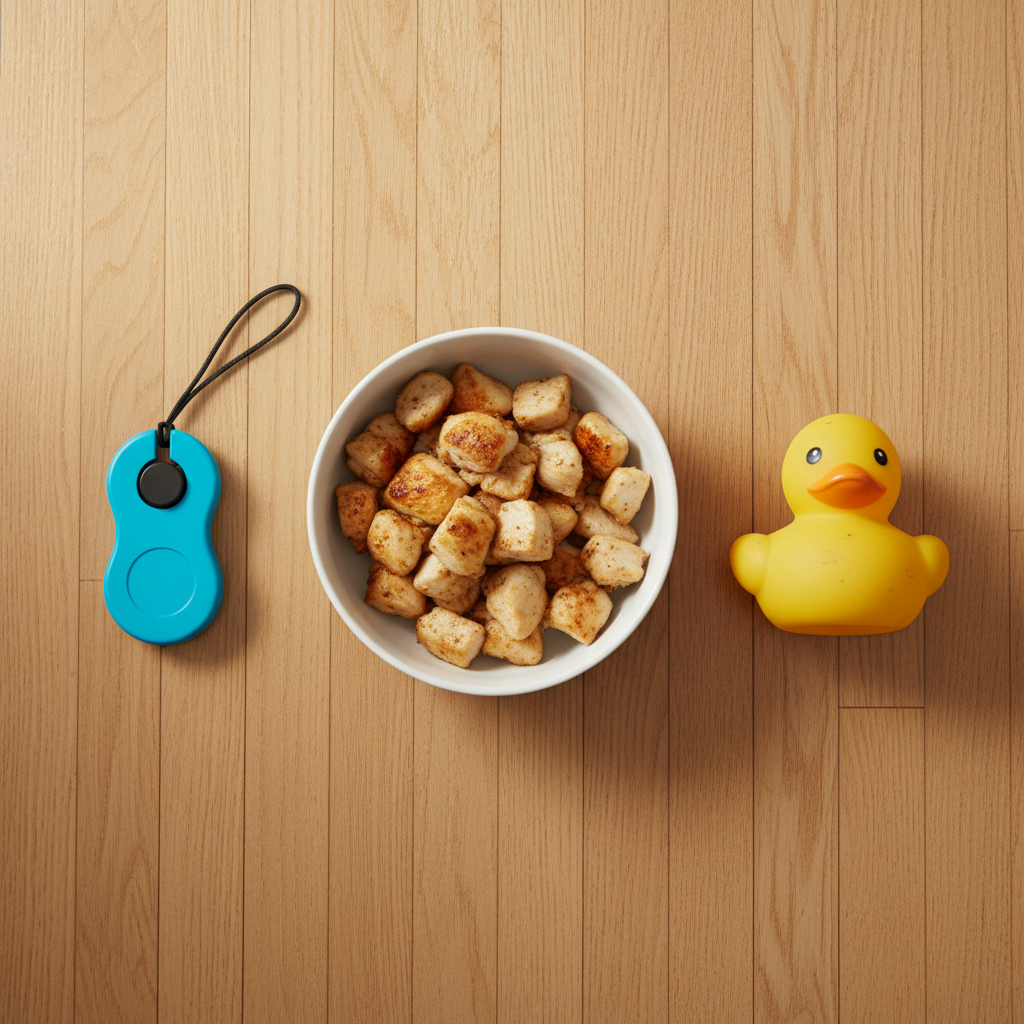
You don’t need a lot of fancy equipment, but having these items on hand will make a world of difference:
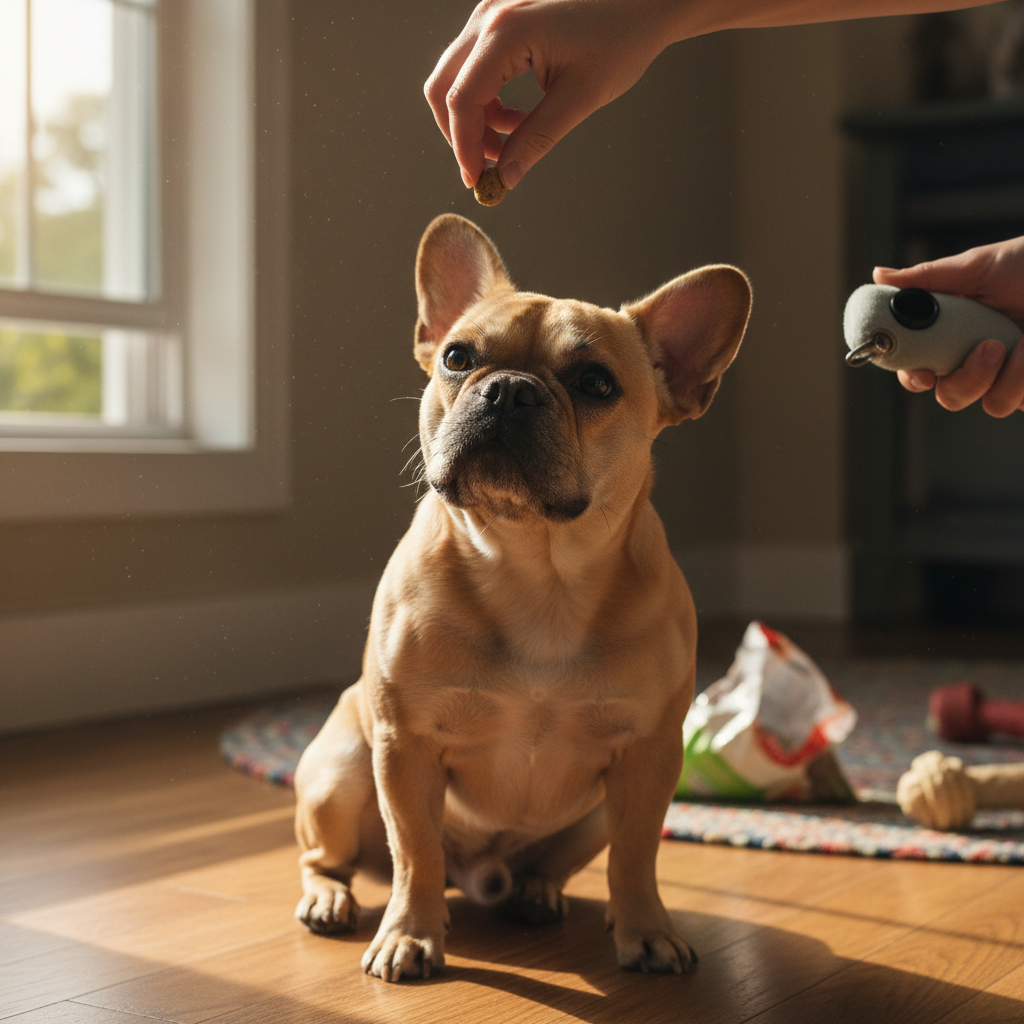
- High-Value Treats: We’re not talking about their everyday kibble. You need the good stuff! Think small, soft, smelly treats that your dog absolutely loves. Pieces of boiled chicken, cheese, or store-bought training treats work wonderfully. The key is that they should be motivating enough to keep your dog focused and excited to learn.
- A Clicker (Optional but Recommended): A clicker is a fantastic tool for marking the exact moment your dog does something right. This precise communication helps your dog understand exactly what behavior earned them the reward. If you’re not using a clicker, you can use a consistent marker word like ‘Yes!’ or ‘Good!’.
- A Distraction-Free Space: Choose a quiet room in your house where you won’t be interrupted. Turn off the TV, put your phone on silent, and ensure other pets or family members won’t be walking through. A calm environment helps your dog concentrate on the task at hand.
- Patience and a Positive Attitude: This is the most important tool in your kit! Training should always be fun. Keep sessions short (5-10 minutes is perfect) to prevent frustration, and always end on a positive note. Your energy is contagious, so if you’re having fun, your dog will too!
Prerequisite Skills
While any dog can learn to march, having a couple of basic skills down first will give you a head start. It’s helpful if your dog already has a good understanding of:
- ‘Paw’ or ‘Shake’: Since marching involves lifting paws, a dog who already knows how to offer a paw has a grasp of the basic movement. This isn’t strictly necessary, but it can make the initial steps much easier.
- A Good ‘Sit’ or ‘Stand’: Starting from a stationary position helps your dog focus. We’ll be building the march from a standing position, so a solid ‘stand-stay’ is particularly useful.
Expert Tip: Keep your training sessions short and sweet! A dog’s attention span, especially when learning something new and complex, is limited. Two or three 5-minute sessions spread throughout the day are far more effective than one long, 30-minute session.
Step-by-Step Guide: Building the Marching Motion
Step-by-Step Guide: Building the Marching Motion
Alright, it’s time for the main event! We’re going to build this trick one paw at a time using a method called ‘shaping,’ where we reward small approximations of the final behavior. Remember to be patient and celebrate every little bit of progress. Let’s get marching!
-
Step 1: Isolate the Paw Lift
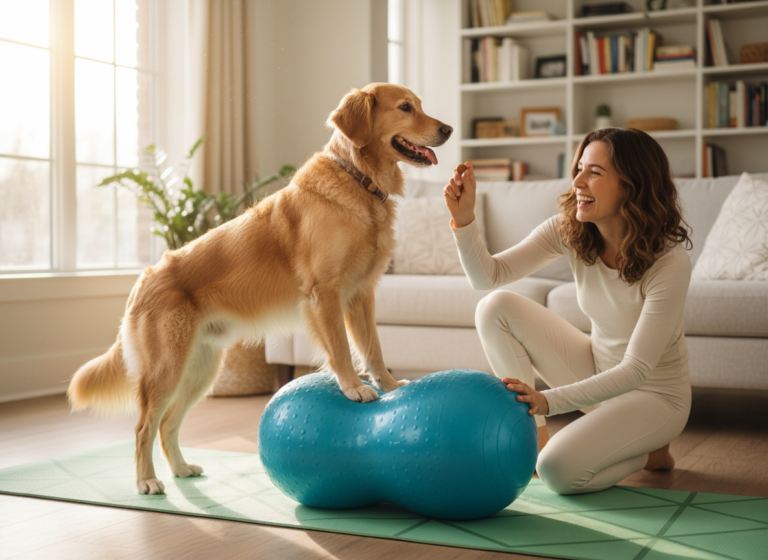
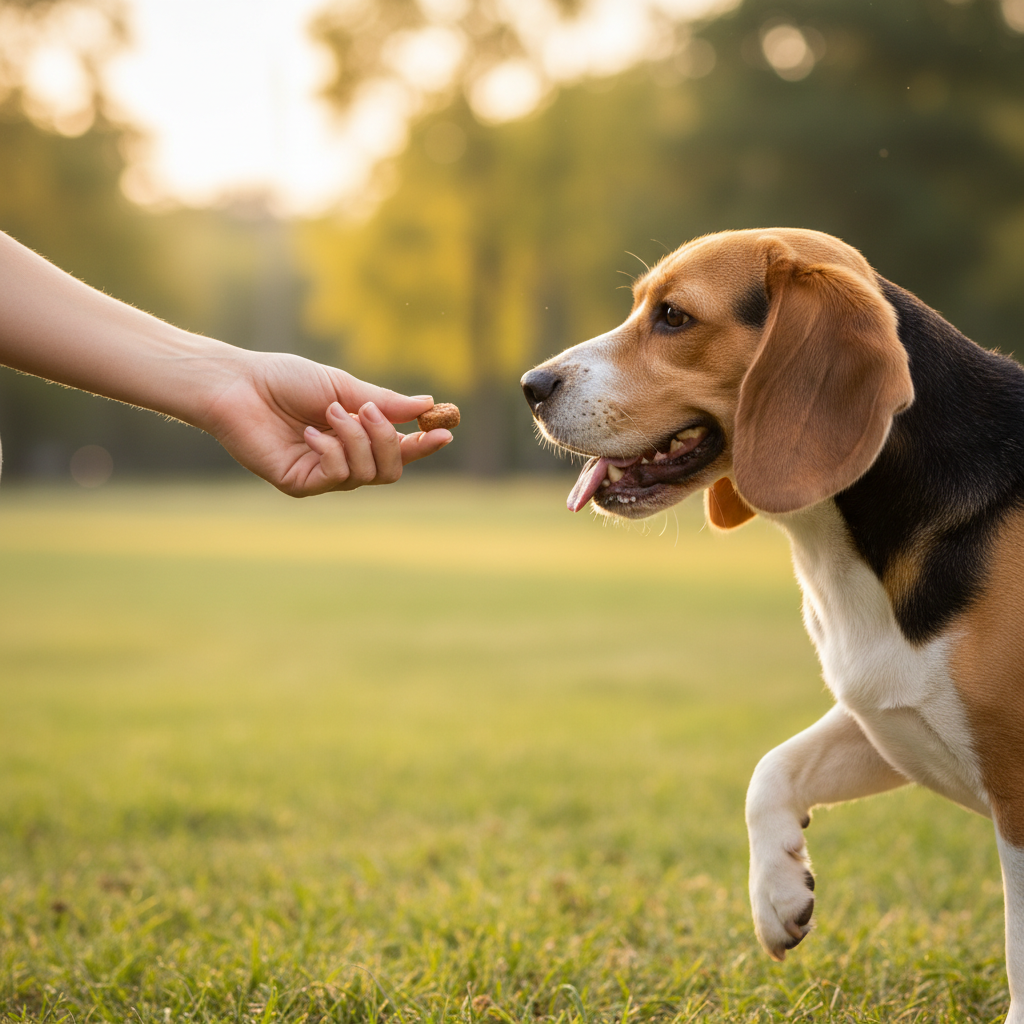
Start with your dog in a standing position in front of you. Hold a tasty treat in your closed fist and lower it towards one of your dog’s front paws. Your goal is to get them to investigate your hand with their paw. The moment their paw lifts off the ground, even a tiny bit, to touch your hand, click (or say ‘Yes!’) and give them the treat. Repeat this several times until your dog is consistently lifting their paw to target your hand.
-
Step 2: Introduce the Opposite Paw
Once your dog has mastered lifting one paw, switch to the other. Use the same technique: present your treat-filled hand near their other front paw and reward the instant it lifts. Practice this until they are just as confident lifting this paw as they were with the first one. Your goal is to be able to get them to lift either paw on demand.
-
Step 3: Encourage a Higher Lift
Now that your dog understands the paw-lifting game, we want to encourage a more dramatic, march-like lift. To do this, start holding your hand slightly higher and further away from their paw. This will require them to lift their paw higher to reach the target. Only reward the higher lifts. Gradually increase the height you ask for. You’re shaping the behavior from a simple touch into a proud, high step.
-
Step 4: Alternating Paws
This is where it starts to look like a march! Ask for a lift of the left paw, click and treat. Immediately after, present your other hand and ask for a lift of the right paw, then click and treat. Start building a rhythm: left, treat, right, treat. At first, there will be a pause between each paw lift. Over time, try to shorten that pause, creating a more fluid, one-after-the-other motion.
-
Step 5: Fading the Hand Lure
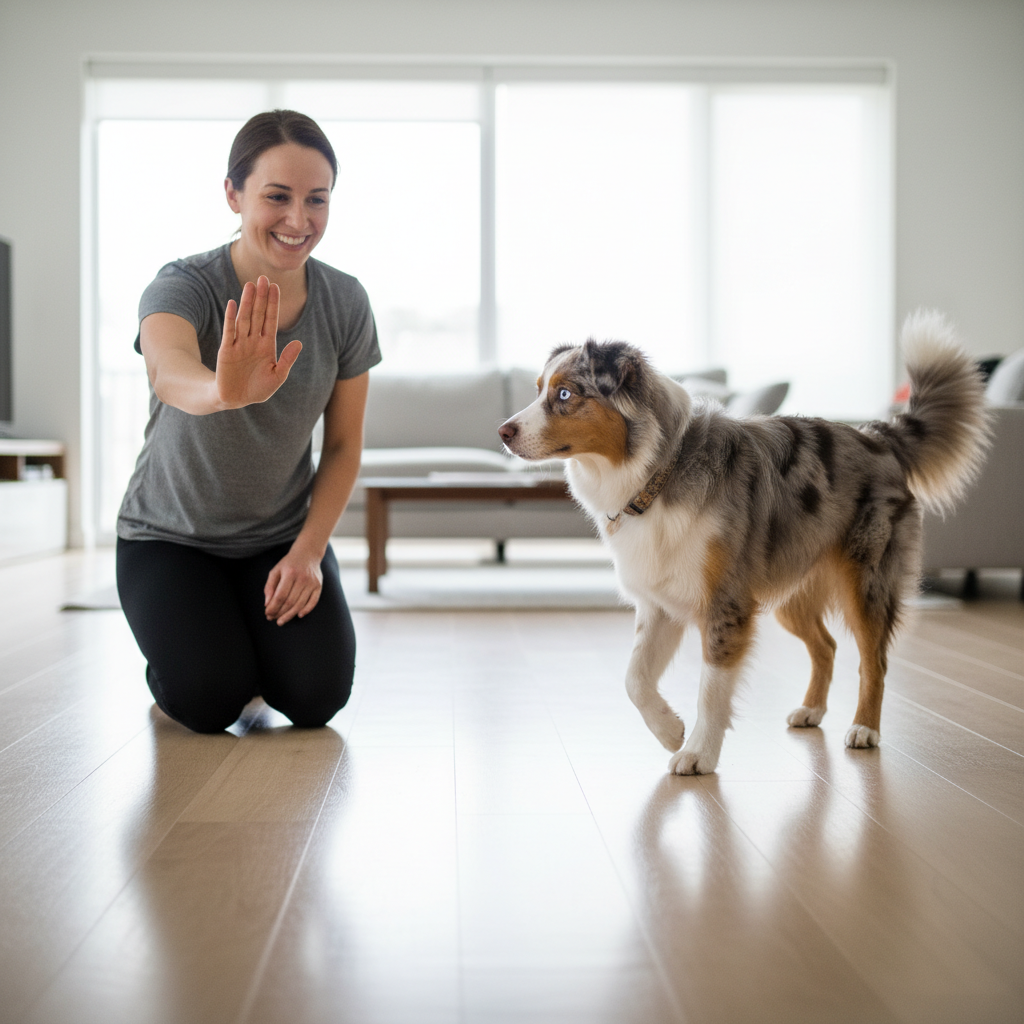
Our ultimate goal is for the dog to march without needing to follow your hand. Start making your hand target smaller and more subtle. Instead of a full fist, maybe just use two fingers. Then, just a single finger. Eventually, you want to be able to just gesture with an empty, open hand. The idea is to transition from a physical lure (your hand with a treat) to a visual cue (your hand signal).
Remember: Every dog learns at a different pace. If your dog gets stuck on a step, don’t be afraid to go back to the previous one where they were successful. Building confidence is key!
Adding the Polish: Verbal Cues and Putting It All Together
Adding the Polish: Verbal Cues and Putting It All Together
Your dog is lifting their paws in rhythm—fantastic! Now it’s time to add a name to the action and refine it into the polished trick you’ve been working towards. This phase is all about connecting the physical movement with a verbal command and making it a reliable behavior.
Introducing the Verbal Cue: ‘March!’
You want your dog to associate the word ‘March!’ with the action of lifting their paws alternately. The key is to say the cue right before the action happens, not during or after.
- Say it, Then Cue it: Just before you give your now-subtle hand signal to start the alternating paw lifts, clearly and cheerfully say your verbal cue, “March!”. Then, immediately give the hand signal. When your dog performs the action, praise them enthusiastically and reward them.
- Repeat, Repeat, Repeat: Repetition is how your dog will build the association. In your training sessions, consistently say “March!” right before you cue the movement. Over many repetitions, your dog will learn that the word predicts the hand signal and the fun marching game that follows.
- Test the Cue: After several successful sessions, try saying “March!” without giving the hand signal. Does your dog start to lift a paw? If they do, even a little, throw a party! Give them lots of praise and a jackpot of treats. This is a huge breakthrough! If they don’t respond, that’s okay—it just means they need a few more repetitions with the hand signal. Go back a step and continue building that strong association.
Creating a Continuous March
Right now, you’re likely rewarding each individual paw lift. To create a continuous marching motion, we need to change the reward structure.
- Ask for Two Steps: Once your dog is reliably alternating paws, ask for a left-paw-then-right-paw lift before you click and treat. You’re now rewarding a sequence of two steps instead of one.
- Build Duration: When they can do two steps, ask for three. Then four. Gradually increase the number of ‘marching steps’ they perform before getting their reward. This is how you build duration and turn the individual lifts into a sustained performance. You can march in place or begin to move forward very slowly.
Expert Tip: Keep your verbal cues short, distinct, and consistent. Avoid using sentences like, “Fido, do you want to march for mommy?” Just a simple, upbeat “March!” is much clearer for your dog to understand.
Troubleshooting Common Marching Mishaps
Troubleshooting Common Marching Mishaps
Even with the best plan, you might hit a few bumps in the road. Don’t worry, it’s a normal part of the training process! Most issues are easy to solve with a little patience and a slight change in tactics. Here are some common challenges and how to overcome them.
My Dog Just Paws at My Hand Frantically.
This often happens when a dog is overly excited or has a strong ‘paw’ command. They think the goal is just to touch your hand as fast as possible. To fix this, slow things down. Hold your hand still and wait for a more deliberate paw lift rather than a frantic smack. Reward only the calm, intentional movements. You may need to go back to rewarding just a single, gentle paw lift for a few repetitions to reset their expectations.
My Dog Only Wants to Lift One Paw.
It’s common for dogs to have a ‘dominant’ paw they prefer to use. If your dog keeps offering the same paw, simply ignore it. Don’t click or treat. Move your hand to cue the *other* paw. The moment they lift the less-preferred paw, even slightly, give them a huge reward. Make it extra worthwhile for them to use the other foot. This differential reinforcement will teach them that both paws need to get in on the action.
My Dog Loses Interest Quickly.
If your pup is checking out, your session is likely too long or the reward isn’t motivating enough.
- Check Your Treats: Are you using their absolute favorite snack? If not, upgrade your reward to something more exciting.
- Shorten Your Sessions: Cut your training time in half. A focused and fun two-minute session is better than a sloppy, ten-minute one. Always try to end while your dog is still engaged and wanting more.
- Check Your Energy: Are you being enthusiastic and fun? Your dog feeds off your energy. Use a happy, encouraging tone of voice.
My Dog Is Biting or Nipping at My Hand.
This is usually a sign of excitement or frustration. The goal is to teach your dog that teeth on skin stops the game. If they nip, say ‘Ouch!’ in a sharp (but not scary) tone and briefly withdraw your hand and the treats. After a few seconds of ‘time out,’ you can restart the exercise. They will quickly learn that gentle mouth or no mouth at all is what earns the reward.
A Golden Rule of Dog Training: If your dog is failing more than they are succeeding, the step is too hard. Break it down into an even smaller, easier piece. The goal is to build a chain of successes that boosts your dog’s confidence.
Taking Your Parade on the Road: Advanced Marching
Taking Your Parade on the Road: Advanced Marching
Congratulations, you’ve taught your dog the basics of marching! But why stop there? Once your dog has mastered marching in place, you can add new layers of difficulty and fun to the trick. This is how you keep your dog’s mind engaged and turn a simple trick into a show-stopping performance.
Adding Forward Motion
The next logical step is to turn the stationary march into a forward parade.
- Start by asking for the ‘March!’ command as you normally would.
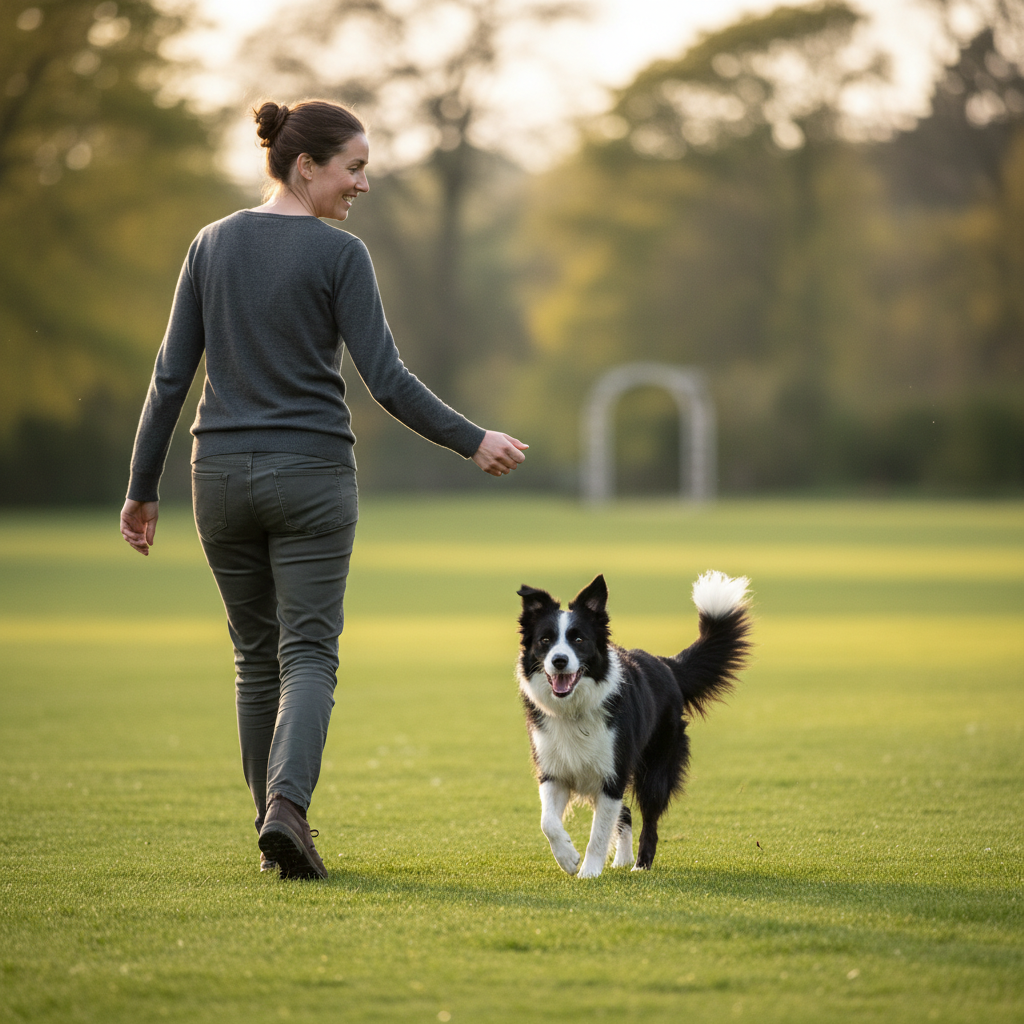
- As your dog starts lifting their paws, take one small step backward, encouraging them to step forward to follow you.
- Reward them for any forward movement while they continue the high-stepping motion.
- Gradually increase the number of steps you take, rewarding them for marching alongside you. This can take some coordination, so be patient with both your dog and yourself!
Varying the Speed and Location
Generalizing a command means your dog can perform it in different environments and situations, not just in your quiet living room.
- Change the Venue: Practice marching in the backyard, on the sidewalk (on a safe, clean surface), or in a different room of the house. New environments add a layer of distraction, which strengthens the command.
- Change the Pace: Can your dog march slowly and deliberately? Can they do a faster, more energetic march? Practice varying the tempo to improve your dog’s focus and body awareness.
Integrating Marching into a Routine
For the truly ambitious trainer, marching can be one component of a larger trick routine. This is a fantastic activity for canine freestyle or just for fun. You can chain commands together, for example:
- Ask your dog to ‘Sit.’
- Then cue them to ‘Spin.’
- From the spin, ask them to ‘Stand.’
- And finally, cue the ‘March!’ command to finish with a flourish.
Building routines is an incredible mental exercise for your dog, teaching them to listen carefully for the next cue in a sequence. It’s the ultimate expression of the communication and bond you’ve built through training.
Safety First: When practicing advanced movements or marching on different surfaces, always be mindful of your dog’s physical well-being. Avoid slippery floors for forward motion and keep sessions on hard surfaces like pavement very short to protect their paw pads.
Conclusion
You did it! By following these steps, you’ve not only taught your dog an impressive and adorable new trick, but you’ve also invested valuable time in strengthening your bond and enriching their life. Remember that the true goal of trick training isn’t a perfect performance; it’s the joyful process of learning and working together. Every treat, every click, and every word of praise builds your dog’s confidence and deepens their trust in you.
So, keep those training sessions short, positive, and full of fun. Celebrate the small victories and laugh at the goofy mistakes. Whether your dog is a perfect little soldier or their march is more of a happy dance, you’ve given them the wonderful gift of your focused attention and a fun new way to use their brilliant mind. Now go on and show off that parade-worthy pup!