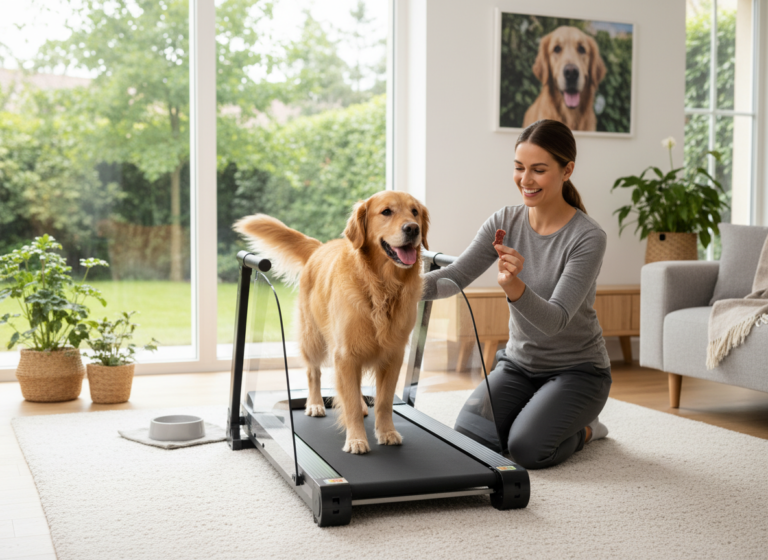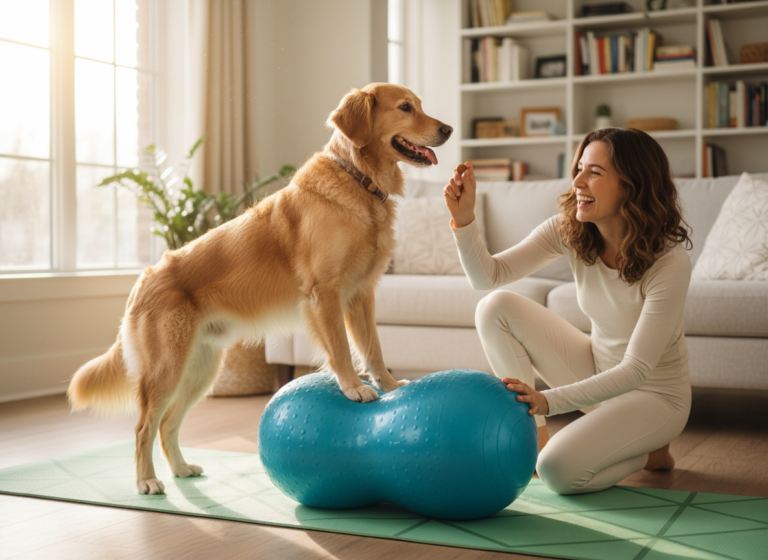
Hey there, fellow dog lover! Have you ever watched your pup leap for a frisbee, tear around the dog park, or simply navigate the stairs and wondered how you can help keep them strong, agile, and injury-free for years to come? The secret might just be hiding in a place you wouldn’t expect: their core. Just like for us humans, a strong core is the foundation of a dog’s overall physical health, impacting everything from their posture to their athletic ability. And one of the most fun and effective ways to build that canine core is with a simple piece of equipment: the balance disc.
You might have seen these inflatable discs and thought they were just for pro canine athletes, but that couldn’t be further from the truth! Balance discs are fantastic tools for dogs of all ages, breeds, and fitness levels. They introduce a safe, low-impact instability that encourages your dog to engage their deep core muscles to stay steady. Think of it as a fun little workout puzzle for their body!
In this guide, we’re going to walk you through everything you need to know to get started. We’ll cover why core strength is so crucial, how to choose the right gear, and most importantly, a series of beginner-friendly exercises to build your dog’s confidence and strength safely. Get ready to embark on a new fitness adventure that will not only benefit your dog’s body but also strengthen the amazing bond you share.
Why a Strong Core is a Game-Changer for Your Dog
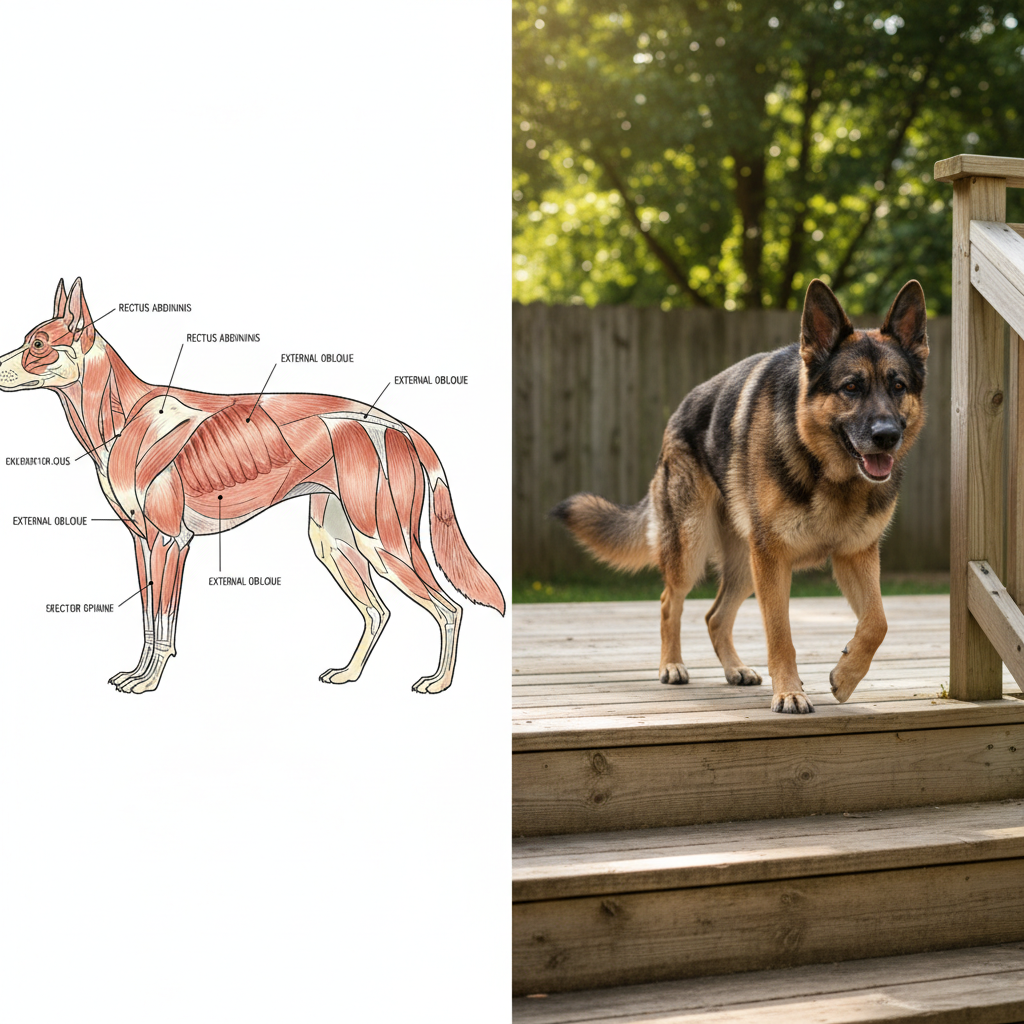
Before we jump into the ‘how,’ let’s talk about the ‘why.’ What exactly are we talking about when we say ‘core strength’ in a dog? It’s not about getting a six-pack! A dog’s core includes the muscles of their abdomen, back, and pelvis. These muscles work together as a stabilizer for their entire body. When these muscles are strong and conditioned, the benefits are incredible and far-reaching.
Key Benefits of a Strong Canine Core:
- Injury Prevention: This is the big one. A strong core acts like a natural brace, protecting the spine and joints during everyday activities and more strenuous exercise. It helps prevent common injuries like sprains, strains, and even more serious issues like cruciate ligament tears.
- Improved Balance and Body Awareness: Exercises on an unstable surface help your dog understand where their body is in space (this is called proprioception). This enhanced awareness leads to better coordination and fewer clumsy tumbles, especially on uneven terrain.
- Support for Senior Dogs: As dogs age, they naturally lose muscle mass, which can lead to instability and difficulty with mobility. Core conditioning is a gentle, low-impact way to help senior dogs maintain their strength, support arthritic joints, and move with more confidence and less pain.
- Enhanced Athletic Performance: For the canine athletes out there who love agility, flyball, or dock diving, a powerful core is the engine behind their performance. It allows for more efficient movement, tighter turns, and more explosive power.
- Better Posture: A strong core helps your dog maintain proper posture, which reduces unnecessary strain on their spine and limbs. It can help prevent the development of a ‘roached’ or sagging back.
Expert Tip: Think of your dog’s core as their central power station. Every movement they make, from a simple tail wag to a full-speed run, originates from or is supported by these crucial muscles.
By investing a few minutes each week into core conditioning, you’re not just teaching your dog a fun new trick; you’re investing in their long-term health, mobility, and overall quality of life. It’s one of the most proactive things you can do to help them live their happiest, healthiest life.
Getting Started: Choosing the Right Gear and Setting the Stage
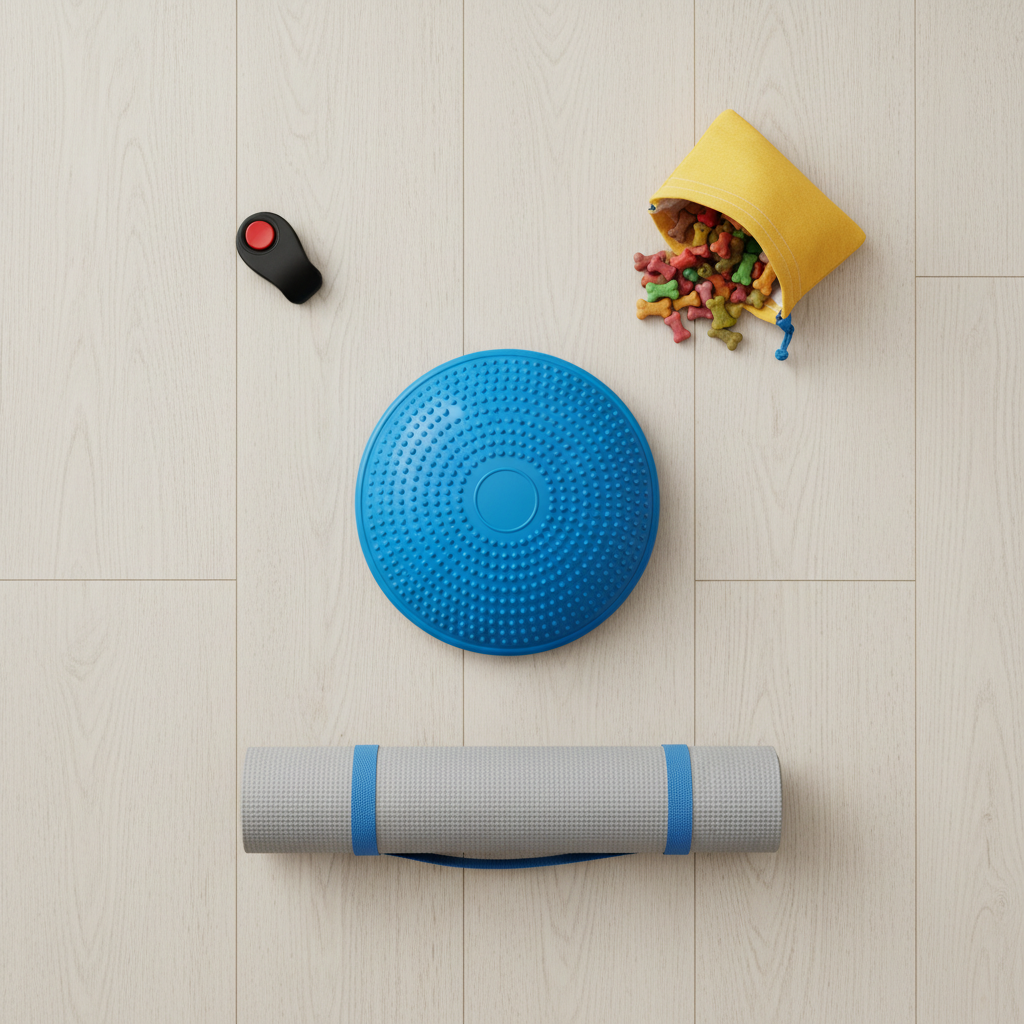
Alright, are you excited to get started? Fantastic! The first step is to gather your gear and create a safe and positive training space. Don’t worry, you don’t need a full home gym—just a few key items.
Choosing a Balance Disc
Not all balance discs are created equal. You’ll want one designed specifically for dogs, which will have a more durable, paw-friendly surface. Here are a few things to consider:
- Size: The disc should be large enough for your dog to comfortably stand on with all four paws in a natural stance. A disc that’s too small can force them into an awkward position.
- Texture: Look for a disc with a non-slip texture. Many have a nubby side for sensory stimulation and a smoother side. You can start with whichever your dog prefers.
- Inflation: The magic of the disc is in its instability. You can adjust the difficulty by changing how much you inflate it. For beginners, a less inflated (more stable) disc is best. As your dog gets stronger, you can add more air to increase the wobble and the challenge.
| Disc Type | Best For | Pros | Cons |
|---|---|---|---|
| Standard Round Disc | Beginners, small to large dogs | Versatile, easy to store, great for starting out. | May be too small for giant breeds. |
| FitPAWS Peanut | All sizes, more advanced exercises | Very stable, supports the full body, allows for a variety of exercises. | Larger, more expensive, takes up more space. |
| Donut Holder & Disc | Small to medium dogs, building confidence | Very stable base, the dog can be in the center hole or on the disc. | Less versatile for advanced movements. |
Creating the Perfect Training Environment
Where you train is just as important as how you train. Set your pup up for success!
- Find a Non-Slip Surface: This is non-negotiable! Never use a balance disc on a slippery surface like tile, laminate, or hardwood floors. Place the disc on a rug, carpet, or a yoga mat to prevent it from sliding out from under your dog.
- Gather High-Value Treats: You want to make this the best game ever. Use extra-special treats that your dog absolutely loves and doesn’t get all the time. Small, soft treats are ideal so your dog can eat them quickly and stay focused.
- Keep it Positive: Your energy matters! Approach each session with a happy, encouraging attitude. Use a cheerful tone of voice and celebrate every small success, whether it’s just sniffing the disc or putting one paw on it.
- Short and Sweet Sessions: Balance work is mentally and physically tiring for dogs. Keep your initial sessions very short—we’re talking just 1-3 minutes. You can do a couple of short sessions a day, but always end on a positive note before your dog gets tired or frustrated.
The First Steps: A Gentle Introduction to the Disc
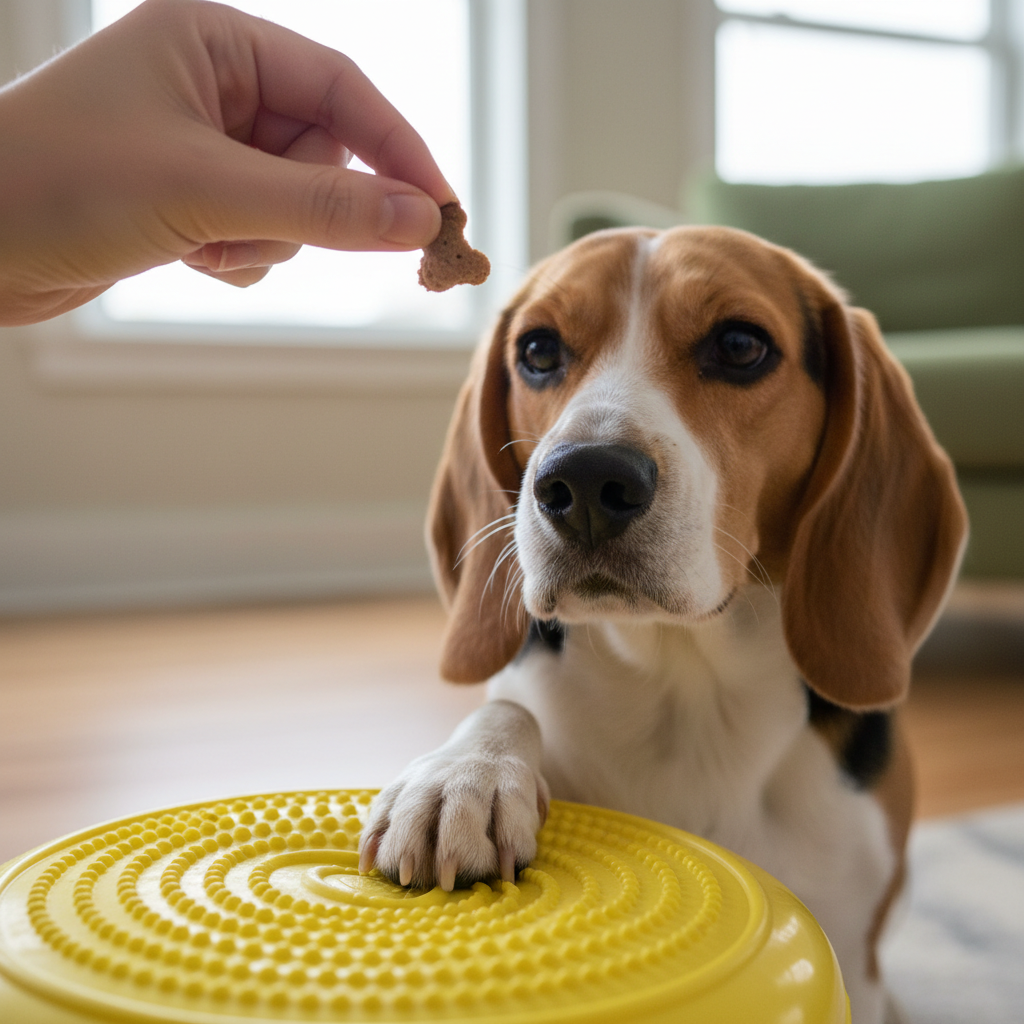
Remember, the balance disc is a strange, new object for your dog. Our first goal isn’t to get them standing on it, but simply to build a positive association. We want them to think, “Hey, that wobbly blue thing means awesome treats and fun with my human!” Patience is your superpower here. Never, ever force your dog onto the disc.
Step-by-Step Introduction Protocol:
- Step 1: The Investigation. Place the partially deflated disc on your non-slip surface. Let your dog approach and investigate it at their own pace. When they sniff it, touch it with their nose, or show any curiosity, praise them enthusiastically and give them a treat. Do this for a minute, then put the disc away. Repeat this game a few times over a day or two.
- Step 2: Rewarding Interaction. Now, we’ll shape the behavior. With treats in hand, reward any interaction that is slightly bolder than the last. If they paw at it, treat! If they put their nose on it, treat! We are letting them ‘win’ the game by exploring.
- Step 3: Luring One Paw Up. Hold a high-value treat in your hand. Let your dog sniff it, then slowly move the treat over the disc, encouraging them to step onto it with one front paw to get the treat. The moment that paw touches the disc, praise and treat! Don’t worry about the other paws yet. Repeat this until they are confidently placing one paw on the disc.
- Step 4: Luring Two Paws Up. Once they are comfortable with one paw, use the treat to lure them a little further, so they place both front paws on the disc. Their back paws will still be on the stable floor. This is a huge milestone! Lavish them with praise and a jackpot of treats. This ‘two on, two off’ position is an exercise in itself.
Troubleshooting Tip: If your dog is hesitant, try placing a familiar towel or small mat over the disc. Sometimes the texture is off-putting, and a familiar surface can build confidence.
Spend as much time on these introductory steps as your dog needs. Some dogs will hop on in five minutes, while others might take a week to feel secure. The goal is a confident, happy dog. Rushing the process will only create fear and anxiety, so relax, have fun, and celebrate the tiny victories along the way!
Beginner Balance Disc Exercises: Building Confidence and Strength
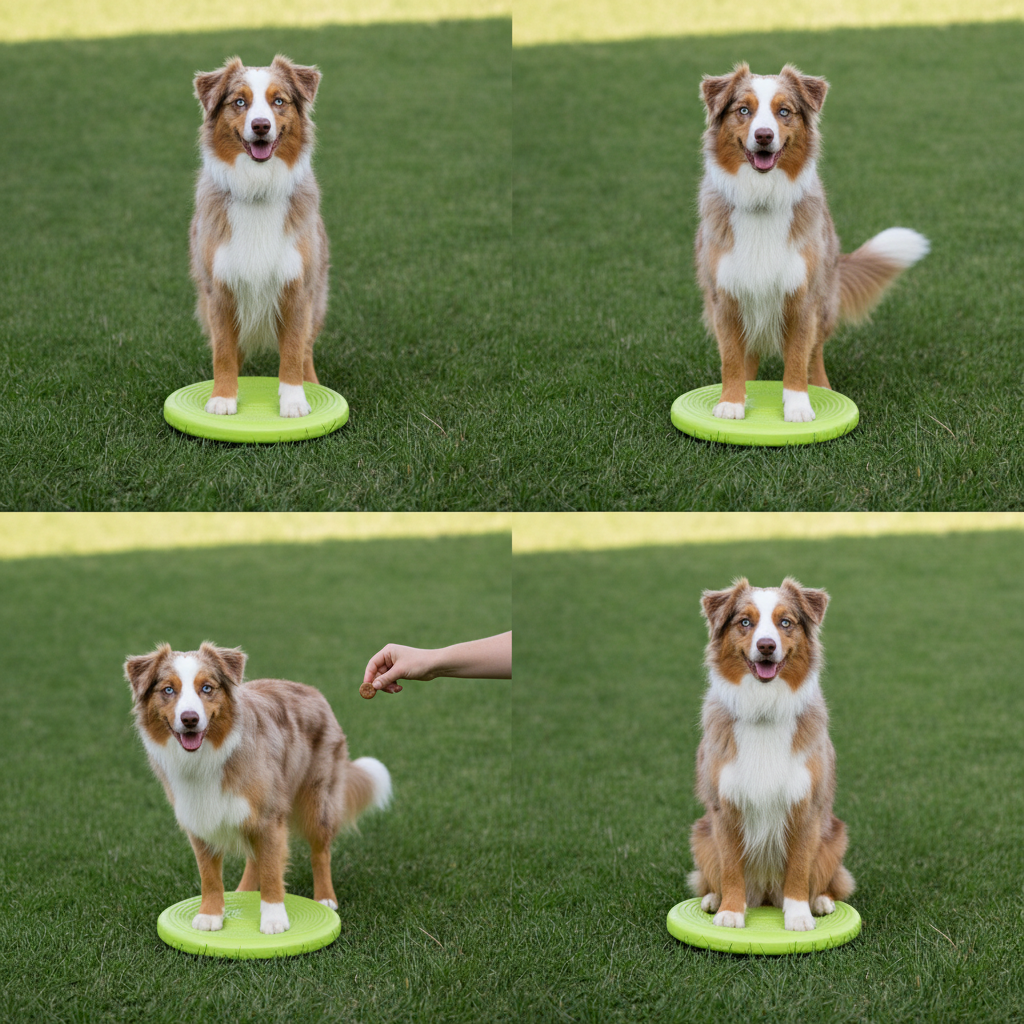
Once your dog is happily putting their front paws on the disc, you can move on to some foundational exercises. Remember to keep sessions short (3-5 minutes max) and always monitor your dog for signs of fatigue, like excessive panting, shaking, or a desire to get off the disc. Let’s build that core!
Exercise 1: The Confident Two-Paw Stand
This is the position you worked on in the introduction, but now we’re going to add duration.
- Lure your dog into the ‘two on, two off’ position, with their front paws on the disc and back paws on the floor.
- Once they are in position, reward them with a treat. Then, wait a second before giving the next treat.
- Slowly increase the duration they can hold this position. Start with 2-3 seconds and gradually work your way up to 10-15 seconds.
- Keep their head in a neutral ‘forward’ position to ensure their weight is distributed evenly.
Exercise 2: The Full Four-Paw Stand
This is the ultimate goal for beginners! It requires the most core engagement.
- From the two-paw stand, use a treat to lure your dog’s head forward and slightly down, encouraging them to bring their back paws onto the disc as well.
- The moment all four paws are on the disc, have a treat party! Give lots of praise and treats.
- At first, just reward the act of getting all four paws on. Don’t worry about how long they stay.
- As they get more confident, you can start building duration, just like with the two-paw stand. Aim for 5-10 seconds of a stable stand.
Exercise 3: Gentle Weight Shifts
This exercise actively engages the core muscles as your dog adjusts to maintain balance.
- With your dog in a four-paw stand on the disc, hold a treat near their nose.
- Slowly move the treat a few inches to the left, encouraging them to shift their weight onto their left-side paws to reach it. Reward them.
- Bring the treat back to the center, then slowly move it a few inches to the right. Reward again.
- The movement should be very small and slow. You should see their muscles ripple as they work to stay balanced. This is a very challenging exercise!
Exercise 4: Puppy Sit-Ups (Sit-to-Stand)
This is a slightly more advanced beginner move that works the rear and abdominal muscles.
- Start with your dog in a four-paw stand on the disc.
- Using a treat as a lure, slowly lift it up and back over their head to encourage them to move into a ‘sit’ position while keeping all four paws on the disc. This is tricky! Reward any attempt.
- Once they are in a sit, lower the lure forward and down to encourage them to stand back up.
- Repeat this 2-3 times. The controlled movement is what builds the muscle.
Safety First! Common Mistakes to Avoid
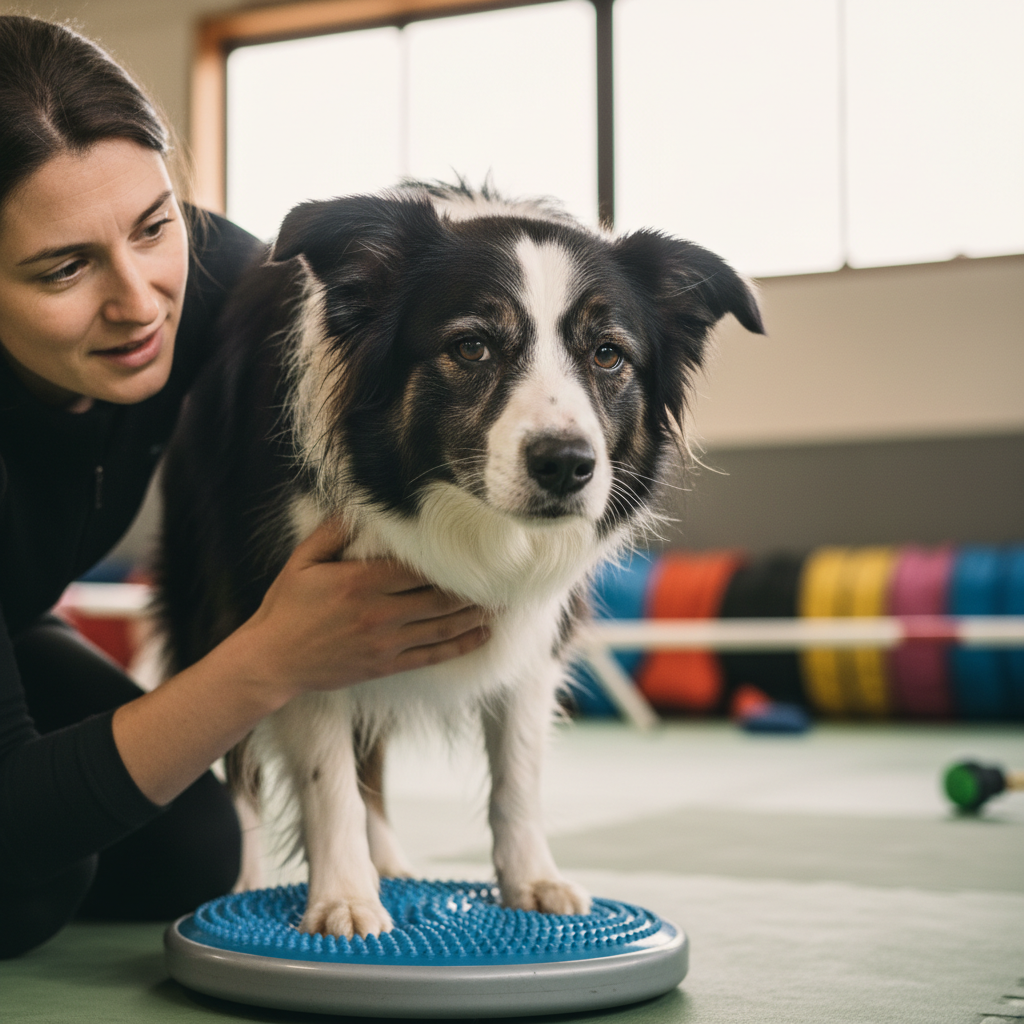
Your dog’s safety and well-being are the top priority. While balance disc exercises are generally very safe and low-impact, there are a few common mistakes that can lead to injury or a negative training experience. By being aware of these pitfalls, you can ensure your sessions are both productive and safe.
- Working on a Slippery Surface: This is the most critical safety rule. A disc on a tile or hardwood floor can easily shoot out from under your dog, causing a fall and potentially serious injury. Always use a non-slip surface like a rug or yoga mat.
- Forcing Your Dog: Never push, pull, or physically place your dog on the disc. This will create fear and anxiety around the object and the exercise. All interactions should be voluntary and positively reinforced.
- Making Sessions Too Long: This work is incredibly taxing, both mentally and physically. Even if your dog seems to be having fun, end the session while they are still successful and eager. A 3-5 minute session is plenty for a beginner. Overtired muscles are prone to injury.
- Improper Inflation: A rock-hard, over-inflated disc is extremely unstable and difficult for a beginner. It can put undue stress on their joints. Start with the disc about half-inflated, so it’s more of a ‘squish’ than a ‘wobble,’ and add more air as your dog’s strength improves.
- Ignoring Signs of Fatigue or Stress: Learn to read your dog’s body language. Signs of stress or fatigue include excessive panting, yawning when not tired, lip licking, shaking, or repeatedly trying to leave the equipment. If you see these signs, it’s time to stop for the day.
- Allowing Bad Form: Don’t let your dog stand with a ‘roached’ (arched) or sagging back. Encourage a neutral, flat ‘tabletop’ topline. Using treats to keep their head up and looking forward can help with this. Proper form ensures the right muscles are being engaged.
Veterinarian’s Note: Before starting any new fitness program, it’s always a good idea to check with your veterinarian, especially if your dog has pre-existing orthopedic conditions, is a senior, or is recovering from an injury. They can help you determine if this type of exercise is appropriate for your individual dog.
By keeping these safety tips in mind, you can create a training routine that is not only effective but also builds trust and confidence between you and your beloved canine companion.
Conclusion
And there you have it! You’re now equipped with the knowledge to safely and effectively introduce your dog to the wonderful world of balance disc training. It might seem like a small addition to your routine, but the long-term benefits for your dog’s health, stability, and confidence are truly immense. You’re not just building muscle; you’re preventing future injuries, supporting their joints, and giving them the physical resilience to enjoy a long, active, and happy life.
Remember, the journey is just as important as the destination. Celebrate every sniff, every paw touch, and every wobbly stand. These sessions are powerful bonding moments that strengthen your communication and trust. Be patient, stay positive, and listen to your dog. They will tell you what they need.
So, grab that disc, pocket some tasty treats, and get ready to watch your dog become a stronger, more confident version of themselves. Happy training!