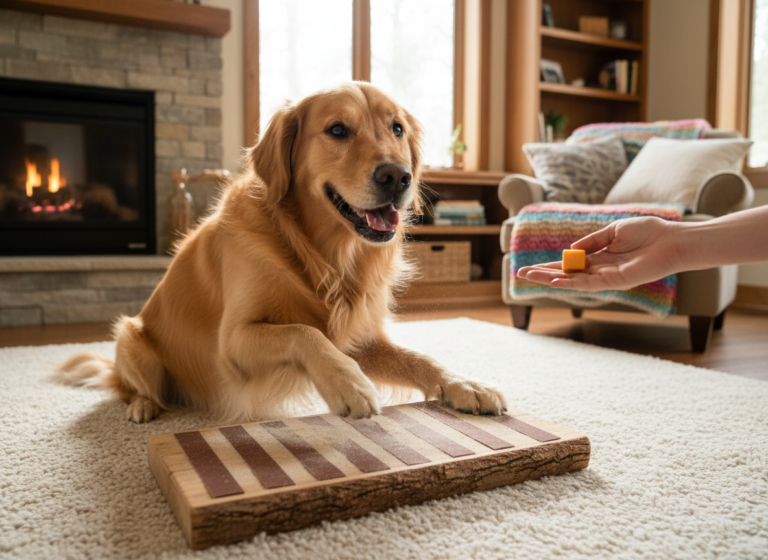
We’ve all been there. Your dog has just had surgery, and the vet sends you home with the dreaded ‘cone of shame’ or a full-body recovery suit. Or maybe it’s just a chilly night, and you’ve bought the most adorable pair of doggy pajamas. You hold up the garment, your dog takes one look, and the chase is on. What follows is often a stressful wrestling match that leaves both of you feeling frazzled. But what if there was a better way? A way to turn this dreaded chore into a fun, positive experience for you and your furry best friend?
Enter cooperative care. This isn’t just another training buzzword; it’s a revolutionary approach to animal husbandry that’s all about partnership, choice, and trust. Instead of forcing our dogs to endure procedures, we teach them to be willing, active participants. Think of it as asking for permission and getting an enthusiastic ‘yes!’ from your dog.
In this guide, we’ll walk you through everything you need to know to teach your dog to voluntarily step into their pajamas, recovery suit, harness, or any other garment. Get ready to say goodbye to stress and hello to a stronger, more trusting relationship with your dog!
The Magic of Cooperative Care: More Than Just a Trick
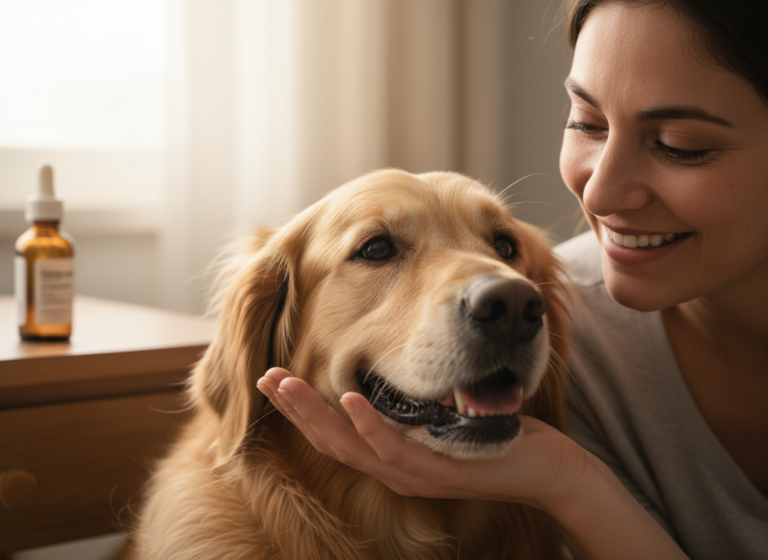
So, what exactly is cooperative care? At its heart, it’s a training philosophy where we give our dogs the power of choice. We teach them that they have control over what happens to their bodies and that their comfort is our top priority. Instead of restraining a dog for a nail trim, we teach them to offer their paw. Instead of holding them down for ear drops, we teach them to rest their chin in our hand and hold still.
This approach fundamentally changes the dynamic between you and your dog. It shifts from a relationship of ‘doing things to your dog’ to ‘doing things with your dog.’ The benefits are immense:
- Reduced Fear, Anxiety, and Stress: When dogs feel they have some control, their stress levels plummet. Vet visits, grooming, and even getting dressed become less scary and more predictable.
- A Stronger Bond: Training with positive reinforcement and respect builds a deep well of trust. Your dog learns that you are their advocate and will always listen to them.
- Increased Safety: A calm, willing dog is much safer to handle than a panicked, struggling one. This reduces the risk of injury to both your dog and you.
- Empowerment for Your Dog: Giving your dog a ‘voice’ (a way to say ‘yes’ or ‘no’) builds their confidence and resilience in incredible ways.
By teaching your dog to cooperate in their own care, you’re not just teaching a simple behavior. You’re building a foundation of communication and trust that will last a lifetime.
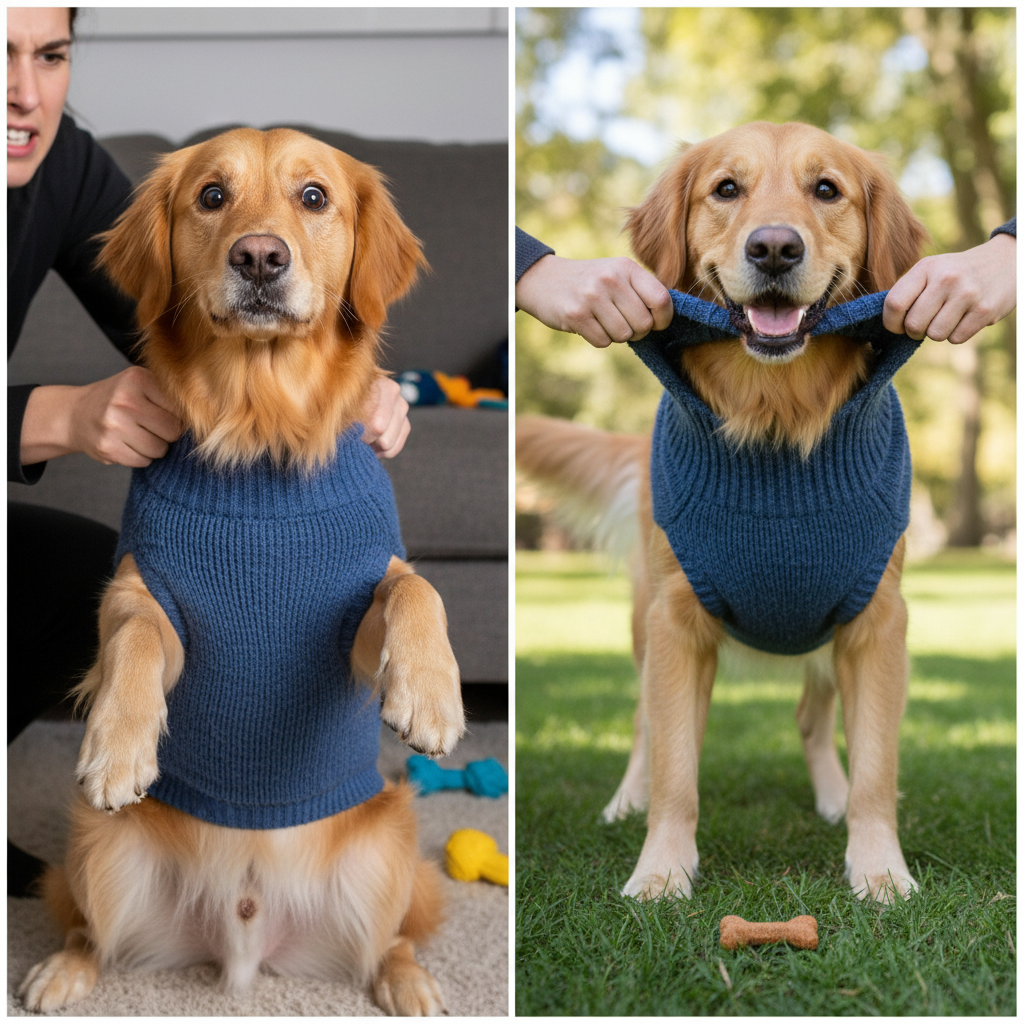
The difference is night and day. Imagine your dog, post-surgery, seeing you approach with the recovery suit and wagging their tail, ready to ‘play the dressing game,’ versus tucking their tail and hiding under the table. That’s the power of cooperative care.
Setting the Stage: Your Cooperative Care Toolkit
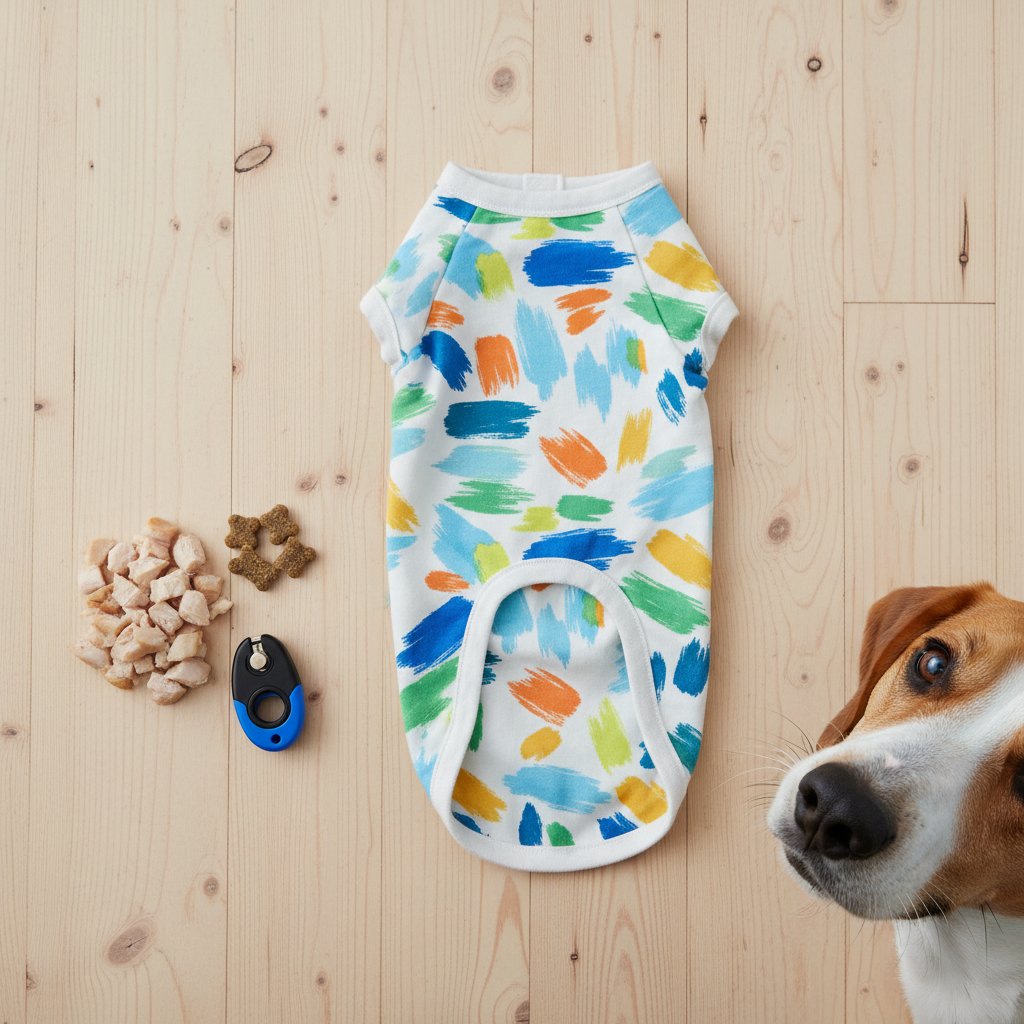
Before you jump into training, it’s important to gather a few things to set you and your pup up for success. This isn’t just about the physical items, but also about creating the right atmosphere for learning and trust-building.
Here’s what you’ll need:
- High-Value Treats: We’re not talking about their everyday kibble. You need the good stuff! Think tiny pieces of boiled chicken, cheese, hot dogs, or their absolute favorite store-bought training treats. The reward needs to be worth the effort for your dog.
- The Garment: Start with the pajamas or recovery suit you want to train. If possible, choose one made of soft, stretchy material with a wide neck opening to make the first steps easier.
- A Clicker (Optional but Recommended): A clicker is a fantastic tool for marking the exact moment your dog does the right thing. If you’ve never used one, you’ll want to ‘charge’ it first by simply clicking and immediately giving a treat, repeating this 10-15 times until your dog associates the click with a reward.
- A Quiet, Comfortable Space: Choose a room where your dog feels safe and there are minimal distractions. A comfy rug or bed can make the experience more pleasant.
- Patience and a Positive Attitude: This is the most crucial tool! This process is a marathon, not a sprint. Your energy matters. Stay calm, be patient, and remember to celebrate the smallest bits of progress.
Preparing the Garment
Before you even ask your dog to interact with the pajamas, you need to change their perception of the object itself. For a few days leading up to your first training session, simply leave the garment out on the floor. Casually drop amazing treats on and around it throughout the day. Your dog will start to associate this previously neutral (or scary) object with wonderful things. This is called classical conditioning, and it’s a powerful first step.
Let’s Get Dressed! A Step-by-Step Guide
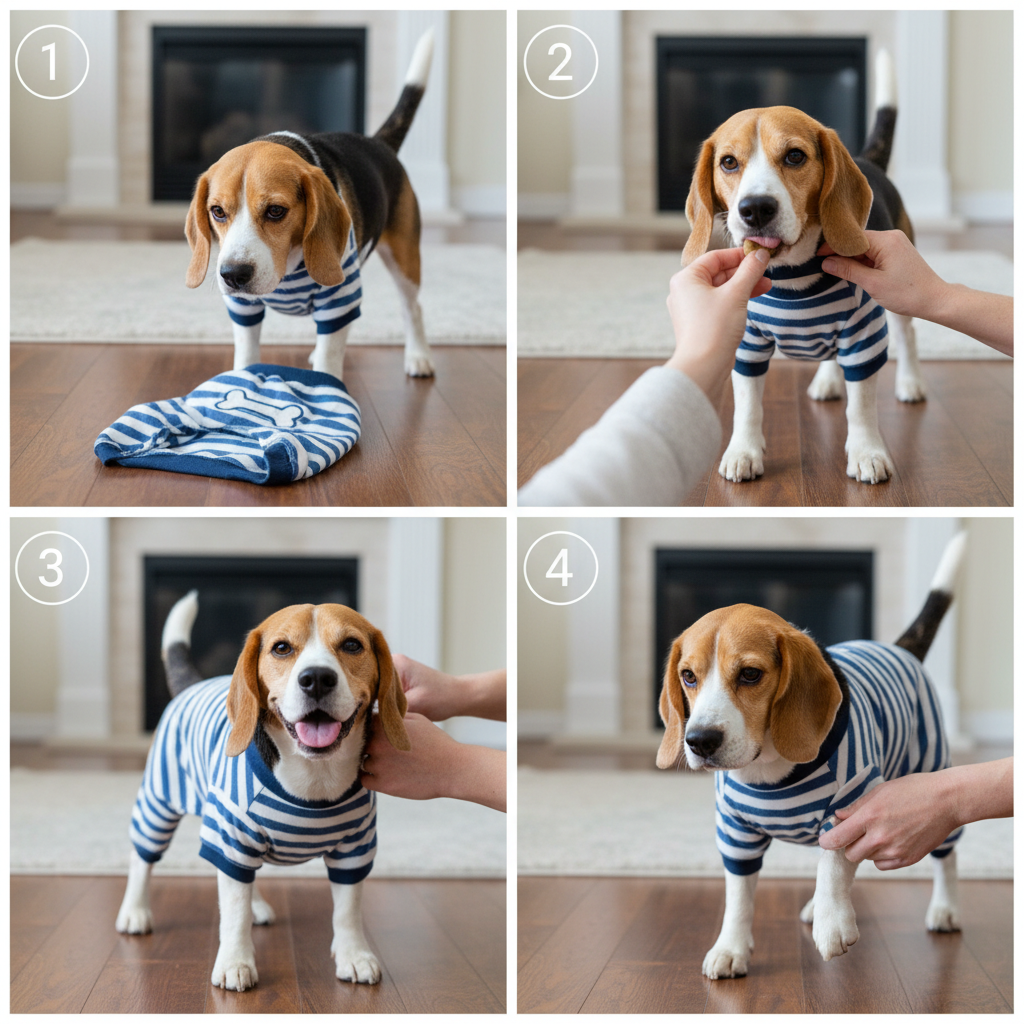
Alright, you’ve got your treats and your positive attitude is ready to go! Remember, keep your training sessions short and sweet—just 1-5 minutes at a time is perfect. Always end on a positive note while your dog is still engaged and having fun. Let’s break it down into tiny, achievable steps.
-
Step 1: The Garment is a Treat Dispenser
Lay the pajamas or suit flat on the floor. Don’t hold it up yet. Any time your dog looks at it, sniffs it, or touches it with their nose or paw, click (or use a verbal marker like ‘Yes!’) and toss a treat right onto the garment. The goal here is simple: The PJs predict amazing things!
-
Step 2: Introduce the Head Opening
Once your dog is happily interacting with the flat garment, pick it up. Hold the neck opening wide with both hands, creating a large, non-threatening circle. Hold a treat on one side of the opening and let your dog see it. To get the treat, they will need to poke their nose just slightly into the opening. The moment their nose enters the circle, click and let them have the treat. Don’t try to put it over their head. Just reward that initial poke. Repeat this many times.
-
Step 3: Encourage Voluntary Head Movement
Now, hold the opening in the same way, but this time, hold the treat just behind the opening. Wait for your dog to choose to push their nose and then their head through the hole to get the treat. This is a critical step! It’s the moment the dog takes control. Reward this with a ‘jackpot’—several treats in a row! Immediately let them pull their head back out. The choice to enter and exit must be theirs.
-
Step 4: Getting the Head All the Way Through
As your dog gets more confident, you can slowly guide the fabric over their ears as they reach for the treat. Keep it on for only a second, click, treat, and then help them take it right back off. Make wearing it for a split second a super fun party. Gradually increase the duration they wear it by a second or two at a time.
-
Step 5: Introducing the First Paw
Once your dog is comfortable with the head-through-the-hole game, focus on one leg hole. Hold it open near their corresponding front paw. Click and treat for any interaction—looking at the hole, sniffing it, anything. Then, use a treat to lure their paw through the opening. Click the moment it goes through. Don’t worry about the rest of the suit yet. Just focus on one paw at a time.
-
Step 6: Building the Paw-Offer
Just like with the head, we now want the dog to offer the behavior. Hold the leg hole open and wait. The moment your dog lifts their paw or starts to put it into the hole on their own, jackpot! This is the ‘cooperative’ part in action. Practice this until they are confidently offering their paw to go into the sleeve.
-
Step 7: Putting It All Together
Now you can start chaining the behaviors together. Cue the head through the neck, reward. Then present the first leg hole, wait for the paw offer, reward. Then repeat for the second paw. Go slow, and if your dog hesitates, just go back a step. Once the behavior is fluid, you can add a verbal cue like, “PJs on!” or “Suit up!”
Oops! What to Do When Training Hits a Snag
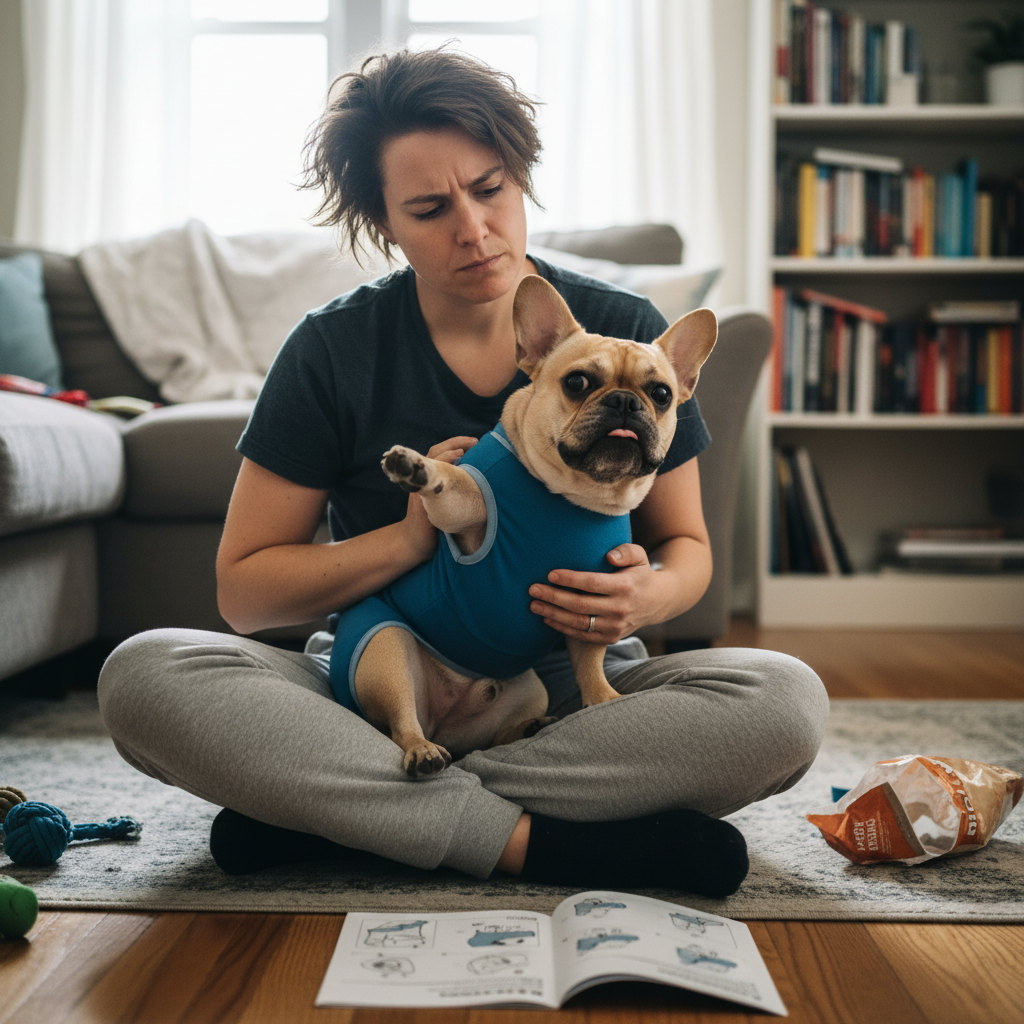
Training is never a straight line; there will be bumps in the road. Don’t get discouraged! Here’s how to troubleshoot some common issues you might encounter.
My dog is scared of the garment and won’t even go near it.
Solution: You need to go back and build a stronger positive association. Put the garment away for a day. The next day, bring it out but place it far away from your dog’s favorite spot. Place a super high-value chew, like a bully stick or a stuffed KONG, near it. Over several days, gradually move the garment closer to their spot as they enjoy their chew. Don’t ask for any interaction. Just let the garment’s presence predict amazing things.
My dog puts his head in but then panics and backs out quickly.
Solution: This is a sign you’ve moved a little too fast. The goal is for the dog to always feel successful and in control. Go back to just rewarding a simple nose poke. Also, check the garment. Is the material noisy? Is the opening too tight around their ears or whiskers? Try using a different garment with a wider, stretchier neck to build confidence first.
He’ll put his head through, but he won’t offer his paw for the sleeves.
Solution: The paw-lift is a more complex behavior for many dogs. Go back to basics. Forget the garment for a minute and just reward your dog for lifting their paw. You can shape this by rewarding a paw touch to your hand first, then rewarding a small lift. Once the paw-lift is a fun trick on its own, re-introduce the garment’s leg hole as the ‘target’ for the paw lift.
My dog gets too excited by the treats and can’t focus.
Solution: This is a great problem to have! It means your rewards are working. Try using lower-value (but still good!) treats for the easier steps. You can also try ‘calm feeding’ where you deliver the treat slowly to their mouth instead of tossing it, which can prevent them from getting too amped up. Keeping sessions extra short will also help maintain focus.
The golden rule of troubleshooting is: If your dog is failing, the step is too hard. Break it down into an even smaller, easier piece and reward that.
From PJs to Paws: Other Ways to Use Cooperative Care
The beautiful thing about teaching your dog to step into pajamas is that you’re not just teaching one isolated skill. You’re teaching a concept—the concept of voluntary participation. The principles you’ve practiced can be applied to almost every aspect of your dog’s daily care, turning potential struggles into moments of connection.
Once you’ve mastered the recovery suit, think about what else you can apply this to:
- Harnesses and Coats: The process is nearly identical! Teach your dog to put their head through the opening and lift their paws for the straps. No more chasing your dog around the house with their walking gear.
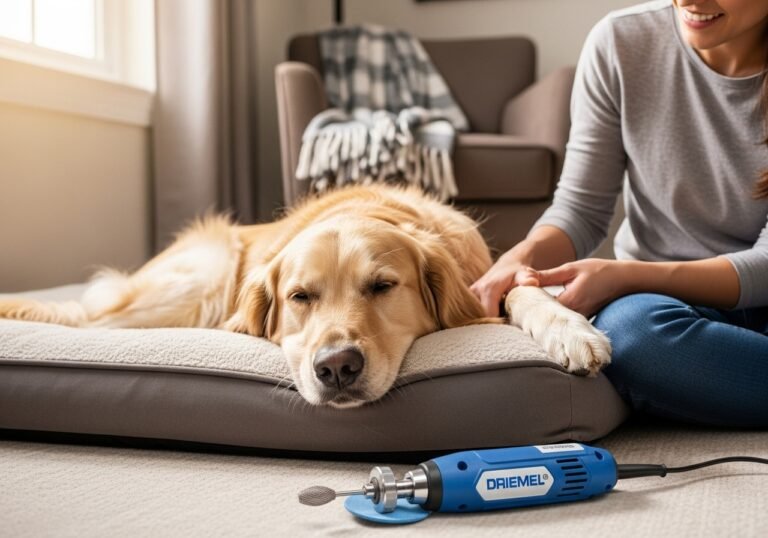
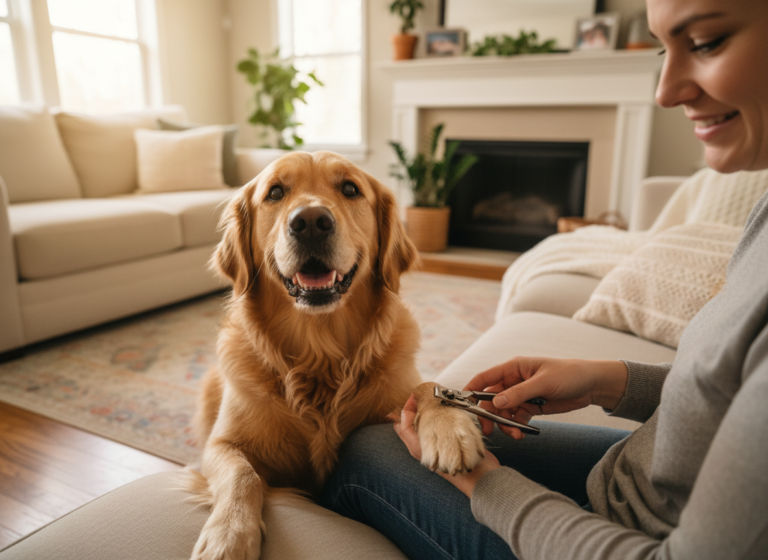
- Nail Trims: This is a classic cooperative care behavior. You can teach your dog to place their paw on a stool or in your hand and hold it still while you trim or file one nail at a time. This is often called a ‘bucket game’ or teaching a ‘paw present.’
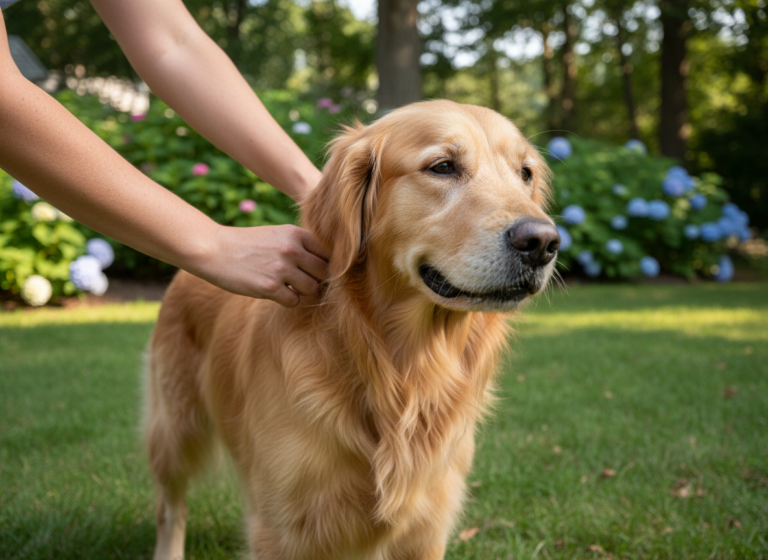
- Ear Cleaning & Eye Drops: You can teach your dog a ‘chin rest,’ where they voluntarily place their chin in your hand and hold still. This gives you stable, safe access for administering medication or cleaning, and the dog knows they can lift their head to end the session at any time.
- Grooming: From brushing to bathing, you can break down the process into small steps. Reward your dog for tolerating one brush stroke at a time, or for stepping into the tub on their own.
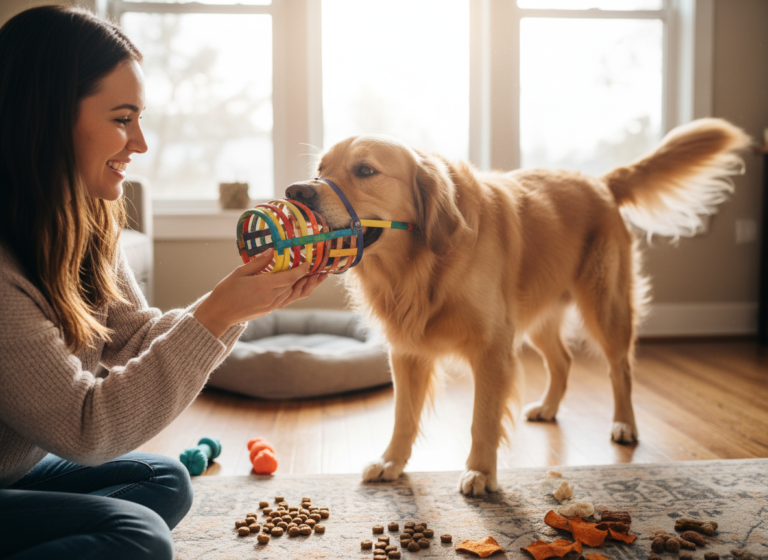
- Veterinary Procedures: A solid foundation in cooperative care at home makes vet visits infinitely less stressful. A dog who knows how to do a chin rest, offer a paw for a blood draw, or happily wear a muzzle is a vet’s dream patient.
By investing this time now, you’re preparing your dog for a lifetime of stress-free care. You’re giving them the tools to navigate potentially scary situations with confidence, knowing you’re their trusted partner every step of the way.
Conclusion
Congratulations! You now have the blueprint to transform the way you approach everyday care with your dog. Moving from force to cooperation is one of the most profound gifts you can give your animal. It replaces fear with confidence, anxiety with anticipation, and builds a level of trust that strengthens your bond in ways you might not have imagined.
Remember to be patient with your dog and with yourself. Every dog learns at a different pace, and the goal isn’t perfection—it’s progress. Celebrate the tiny victories, like a simple nose poke or a tentative paw lift. These small steps are the building blocks of a confident, cooperative companion who is a true partner in their own care. So grab those treats, take a deep breath, and get ready to play the best dress-up game your dog has ever known. Happy training!