That sudden whoosh and the silent, ghostly movement of automatic doors can be seriously spooky for our four-legged friends. If a trip to the pet store or vet’s office turns into a battle of wills at the entrance, you’re not alone. Many dogs find these magical moving doors downright terrifying. The good news? With a little patience, understanding, and a pocketful of tasty treats, you can transform this source of fear into just another part of a fun outing. This guide is all about breaking down the process into simple, positive steps to help your nervous pup build the confidence to conquer those sliding doors once and for all. Let’s get started on building a braver, happier companion!
Why Automatic Doors Are So Scary for Dogs
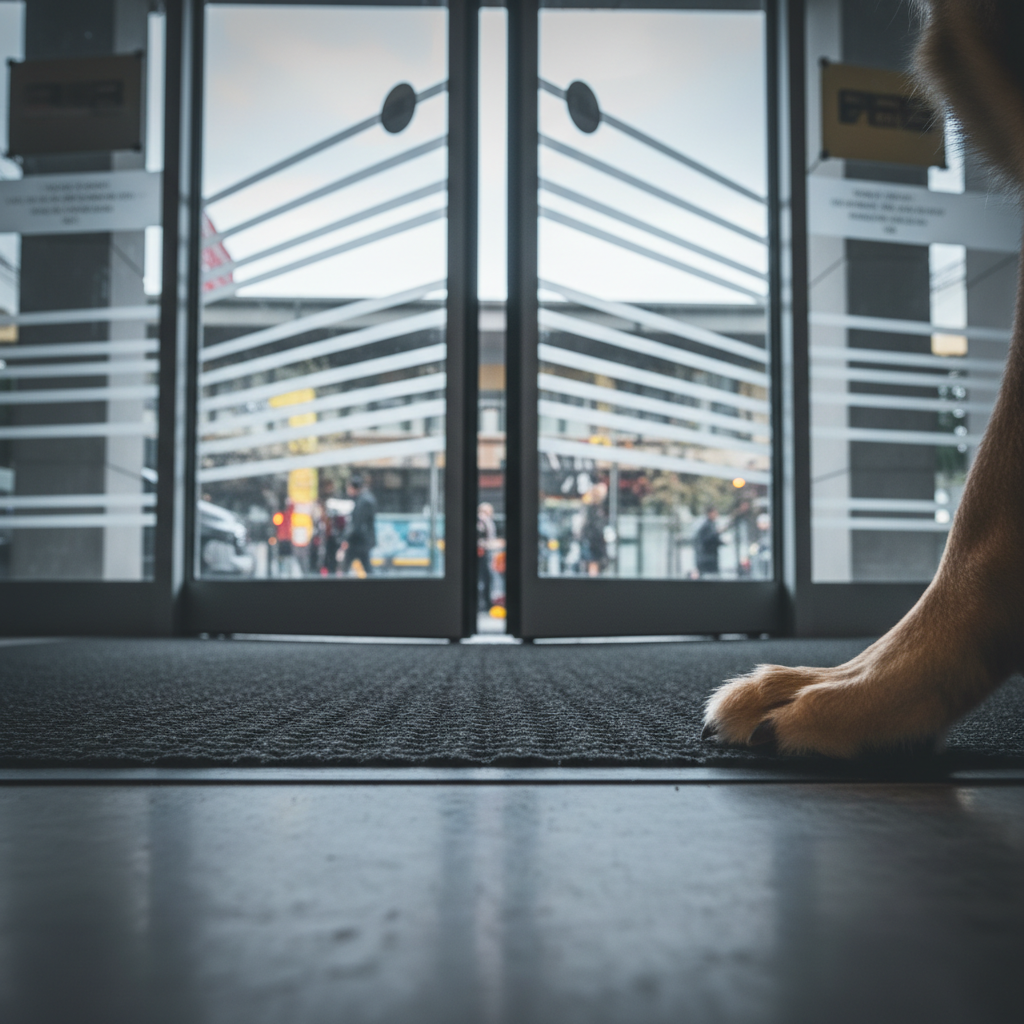
Before we dive into training, let’s step into our dog’s paws for a moment. Understanding why they’re scared is the first step to helping them. Unlike us, dogs don’t understand the mechanics of sensors and motors. From their perspective, a solid wall suddenly and inexplicably vanishes with a strange sound. Here’s what might be going through their mind:
- The Sound: The hiss, whir, and bump of the doors can be startling. A dog’s hearing is far more sensitive than ours, so what’s minor background noise to us can be a loud, threatening sound to them.
- The Unexpected Movement: In a dog’s world, things that move on their own without a clear cause are often unpredictable and potentially dangerous. This invisible force moving a huge pane of glass is unnatural and alarming.
- The Trapped Feeling: The door closes as quickly as it opens. A nervous dog might fear being caught, separated from you, or squished. This can trigger a flight response, making them pull back frantically on the leash.
- Negative Associations: If the automatic door leads to a place they don’t love (like the vet), they can start associating the door itself with the stressful experience waiting on the other side.
Recognizing these triggers helps us approach the problem with empathy. We’re not just ‘fixing’ a behavior; we’re helping our dogs understand that this strange part of the human world is safe.
Gearing Up for Success: Your Training Toolkit
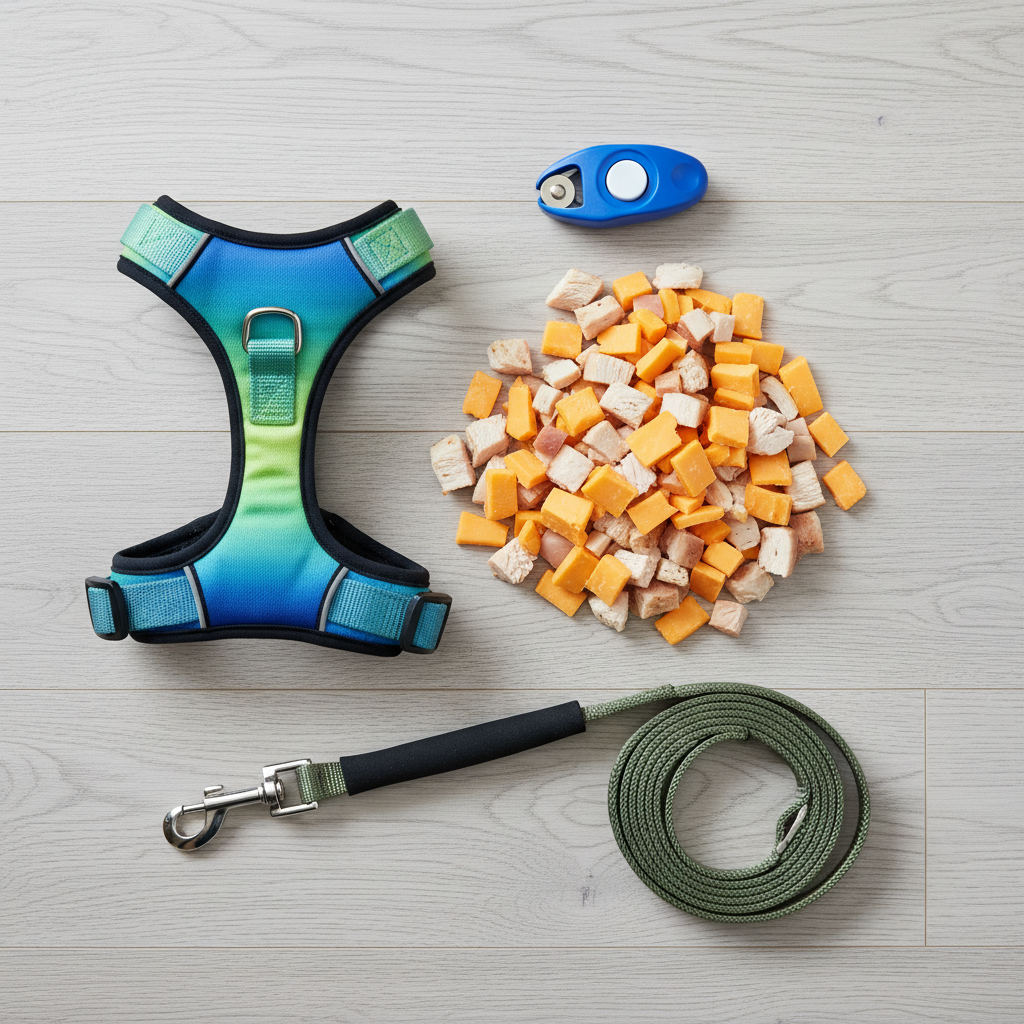
Having the right tools on hand makes any training session smoother and more effective. You don’t need a lot of fancy equipment, just a few key items to set you and your dog up for a win. Think of this as your ‘Confidence-Building Kit’.
What You’ll Need:
- High-Value Treats: We’re not talking about their regular kibble. You need the good stuff! Think tiny pieces of boiled chicken, cheese, hot dogs, or their absolute favorite store-bought training treats. The goal is to make the reward more exciting than the scary door.
- A Comfortable Harness or Collar: Use whatever your dog normally wears and is comfortable in. A harness is often a great choice as it prevents any pressure on their neck if they do get startled and pull back.
- A Standard Leash: A 6-foot leash is perfect. Avoid retractable leashes for this type of training, as they don’t offer the same level of control and can create inconsistent distances.
- A Clicker (Optional): If your dog is already clicker-trained, this is a fantastic tool for precisely marking the moment they show brave behavior. If not, don’t worry! A verbal marker like a happy “Yes!” works just as well.
Expert Tip: Prepare your treats ahead of time by cutting them into pea-sized pieces. This allows you to reward your dog frequently without filling them up too quickly, keeping them motivated for longer.
The Step-by-Step Plan to Conquer the Doors
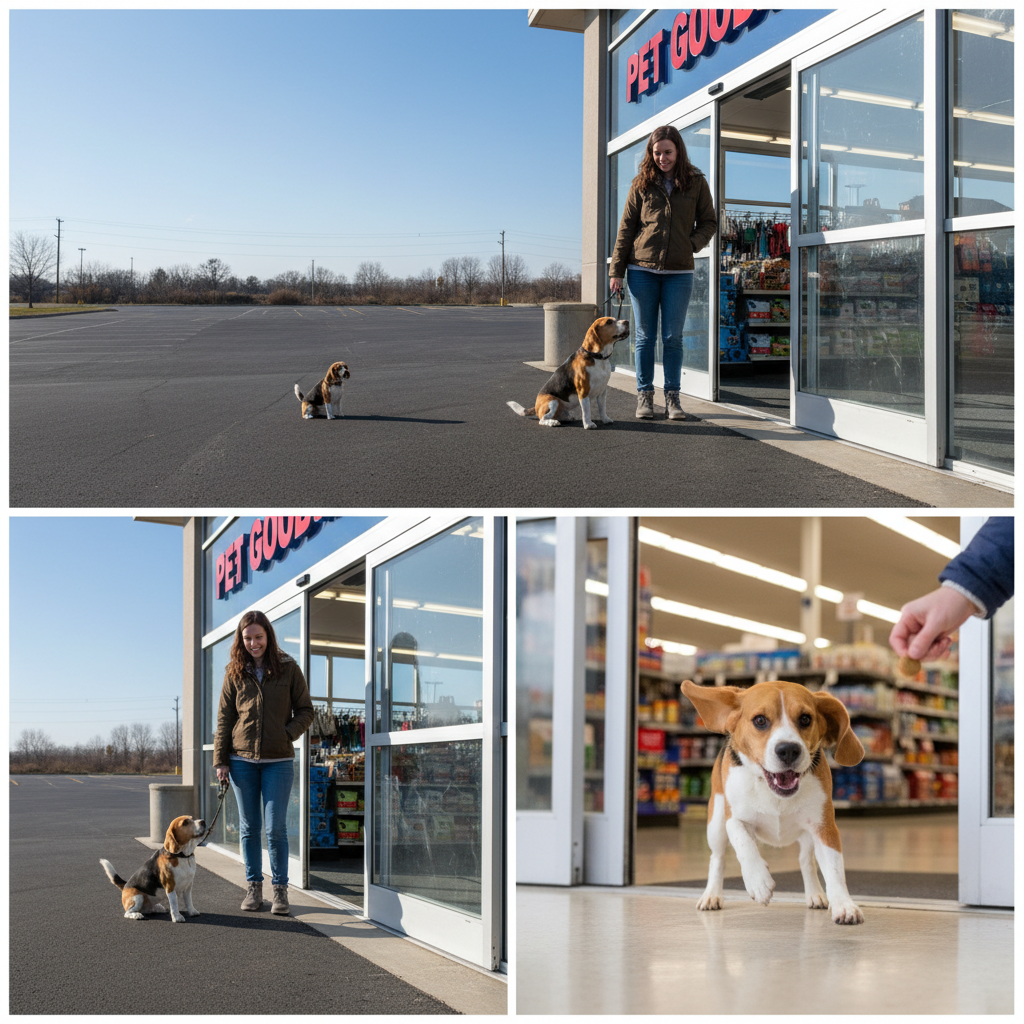
This process is all about baby steps. We’ll use two powerful training concepts: desensitization (gradually getting your dog used to the scary thing) and counter-conditioning (changing their emotional response from ‘scary!’ to ‘yay, treats!’). Remember to keep sessions short (5-10 minutes) and always end on a positive note.
-
Step 1: Find a Good Location and Start at a Distance
Choose a pet-friendly store during a quiet time of day. Don’t go straight to the entrance. Find a spot far enough away that your dog notices the doors but isn’t scared. This might be across the parking lot or on a patch of grass nearby. Just hang out. Let them sniff and watch the world go by. Any time they glance at the door and remain calm, say “Yes!” and give them a treat.
-
Step 2: The ‘Look at That’ Game
Once your dog is comfortable at a distance, you can start actively rewarding them for looking at the trigger. The second their eyes flick toward the doors, say “Yes!” and treat. The goal is for them to see the doors and immediately look back to you, expecting a reward. This changes the association from ‘scary door’ to ‘door means I get a snack from my human’.
-
Step 3: Gradually Decrease the Distance
Over several short sessions, slowly move a few feet closer to the entrance. Pay close attention to your dog’s body language (tucked tail, flattened ears, yawning). If they show signs of stress, you’ve moved too fast. Simply increase the distance again to where they were last comfortable and successful. This isn’t a race; it’s a trust-building exercise.
-
Step 4: Focus on the Sound and Movement
Now that you’re closer, you can focus on the specific triggers. When another person walks through and the doors make their whoosh sound, toss a small handful of treats on the ground for your dog. This is called a ‘treat scatter’ and it’s a great way to build a positive association with the noise and movement while encouraging sniffing, which is a naturally calming activity.
-
Step 5: The Threshold Challenge
When your dog can calmly stand near the entrance while the doors open and close, you’re ready to tackle the threshold. Start by quickly tossing a treat just inside the open doorway for them to grab, then immediately call them back out and reward them again. The goal is a quick, successful dash in and out, not a prolonged stay.
-
Step 6: The Confident Walk-Through
Once your dog is happily darting in and out for treats, it’s time for the real deal. Hold a treat in front of their nose like a lure and walk confidently with them through the doors. Don’t pause. Keep the energy light and positive. Once you’re through, have a mini ‘treat party’ to celebrate their bravery! Then, turn around and walk back out with the same confidence.
Troubleshooting Common Hurdles
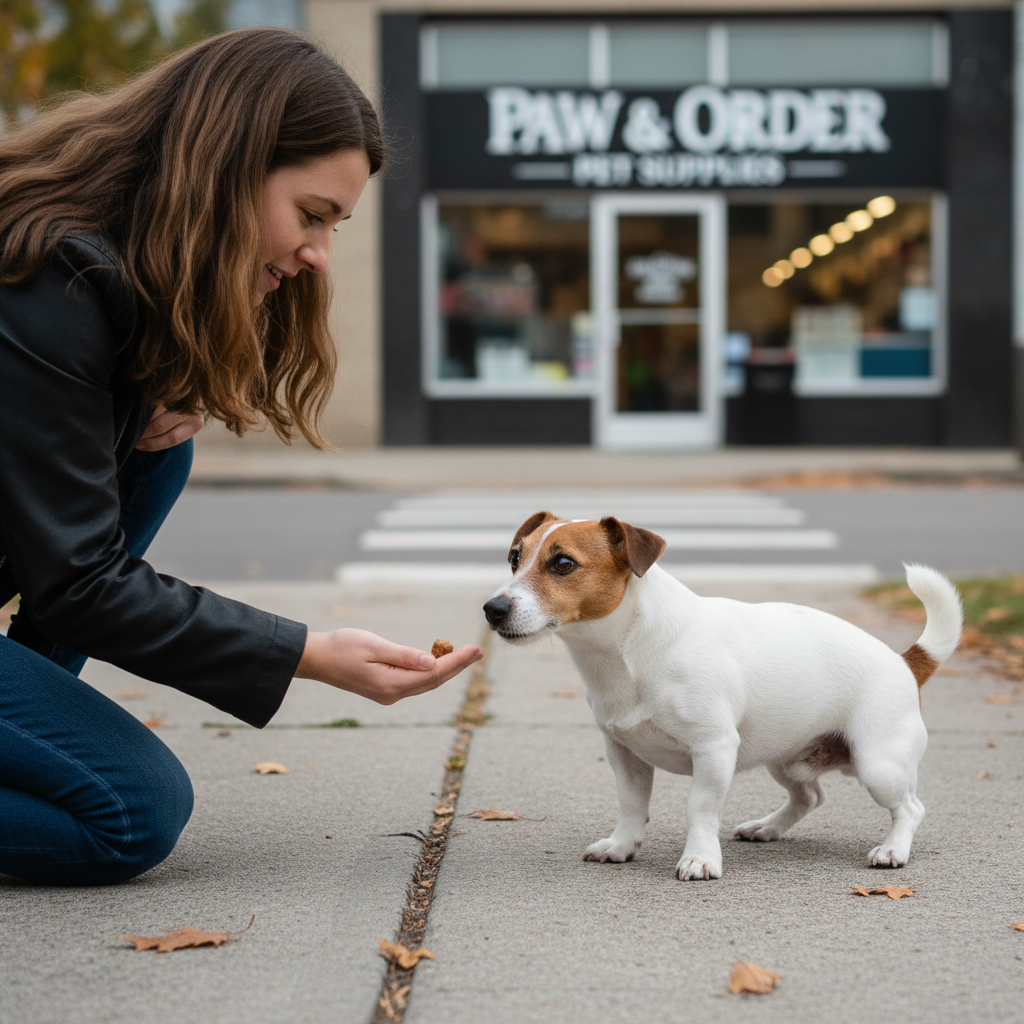
Training rarely goes in a perfect straight line. It’s totally normal to hit a few bumps in the road. Here’s how to handle some common challenges you might face.
My dog is too scared to even take treats.
This is a clear sign that you’re too close to the scary thing. Their stress level is so high (we call this being ‘over threshold’) that their appetite is gone. The only solution is to create more distance. Move back until they are willing to eat, even if it means going all the way back to the car. Your dog’s willingness to take treats is your best gauge of their comfort level.
My dog starts barking and lunging at the doors.
This ‘big’ reaction is often a fear response designed to make the scary thing go away. Just like with refusing treats, it means you’re too close. Don’t scold them. Calmly and cheerfully say “Let’s go!” and lead them away to a greater distance where they can calm down. End the session with an easy win, like a simple ‘sit’ command, and try again another day, starting much farther back.
We were making progress, but now my dog is scared again.
This is called a ‘regression,’ and it’s a normal part of learning for both dogs and humans! Don’t be discouraged. It could be due to a new factor—maybe it’s a busier day, or a loud truck backfired nearby. Simply take a step or two back in the training plan to where your dog was last successful and build back up from there. The key is to keep the experiences positive.
Pro Tips and Mistakes to Avoid
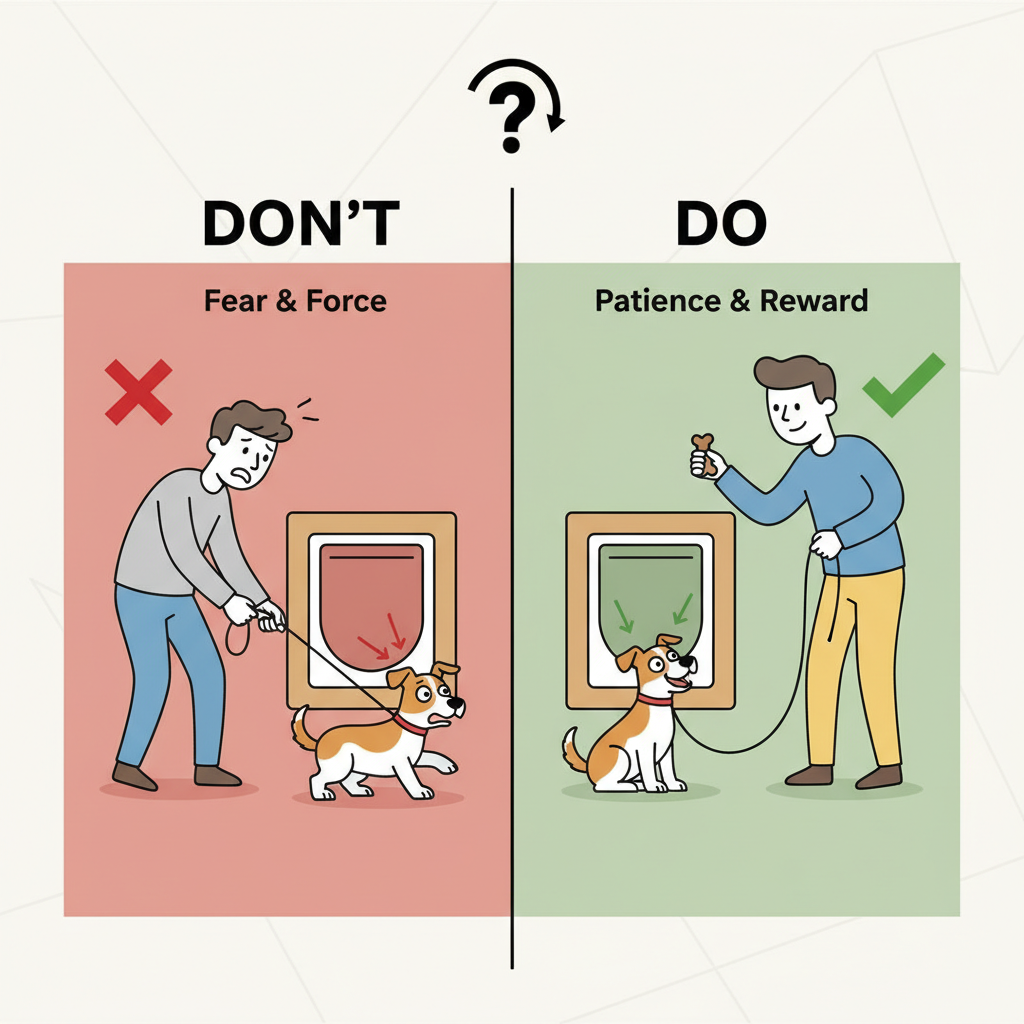
To ensure your training is as effective and stress-free as possible, keep these dos and don’ts in mind. Avoiding common mistakes can make a huge difference in how quickly your dog builds confidence.
| Common Mistakes to AVOID | What to Do Instead (The Pro-Move) |
|---|---|
| Forcing or Dragging: Pulling your dog through the doors will only confirm their fear that the doors are a terrible, scary place. | Empower with Choice: Use high-value treats to lure and encourage them. Allow them to move at their own pace, even if it means turning back. Their choice builds their confidence. |
| Using a Tight Leash: A tense leash communicates your own anxiety to your dog, making them even more nervous. | Keep it Loose and Happy: Hold the leash loosely to signal that everything is okay. Your calm, confident body language is one of your most powerful training tools. |
| Training for Too Long: Marathon sessions can lead to frustration and burnout for both of you, making the dog less willing to try next time. | Short & Sweet Sessions: Keep training sessions to 5-10 minutes max. Always aim to end on a high note, with a successful repetition, so your dog finishes feeling proud. |
| Punishing Fear: Yelling, leash-popping, or saying “No!” for fearful behavior (like refusing to move) will only damage your bond and increase their anxiety. | Be a Source of Comfort: If your dog is scared, your job is to be their safe space. Use a happy, upbeat tone of voice and show them through your actions that you’ll keep them safe. |
Conclusion
Helping your dog overcome a fear of automatic doors is a marathon, not a sprint. Every small step forward is a huge victory that strengthens the bond of trust between you. Remember to celebrate the little wins, whether it’s taking a treat closer to the door than before or simply looking at it without panicking. By being patient, staying positive, and acting as your dog’s trusted guide, you can teach them that the world isn’t so scary after all. Before you know it, that whoosh of the door will be a sound of a fun adventure beginning, not something to fear. You’ve got this!