Have you ever seen your dog bolt across the park, a streak of pure joy and explosive energy, chasing a squirrel or a stray leaf? That raw, instinctual drive to chase is a powerful part of what makes a dog a dog. Now, what if you could tap into that instinct in a safe, controlled, and incredibly fun way? That’s where lure coursing comes in!
Think of it as a purpose-built ‘chase game’ for your canine companion. Lure coursing is a dog sport that involves dogs chasing a mechanically operated lure—usually a white plastic bag—across a field. It’s designed to simulate the thrill of chasing prey in an open field, satisfying that deep-seated prey drive without any actual critters involved. It’s a fantastic outlet for high-energy dogs, a confidence booster for timid ones, and an amazing way to strengthen the bond you share. While sighthound breeds like Greyhounds and Whippets are the poster children for this sport, you’ll be surprised to learn that dogs of all shapes and sizes can fall in love with ‘chasing the bag.’ So, if you’re looking for a new adventure with your furry best friend, you’ve come to the right place. Let’s get you and your pup ready for your first run!
Is Your Pup a Natural-Born Chaser?
Is Your Pup a Natural-Born Chaser?
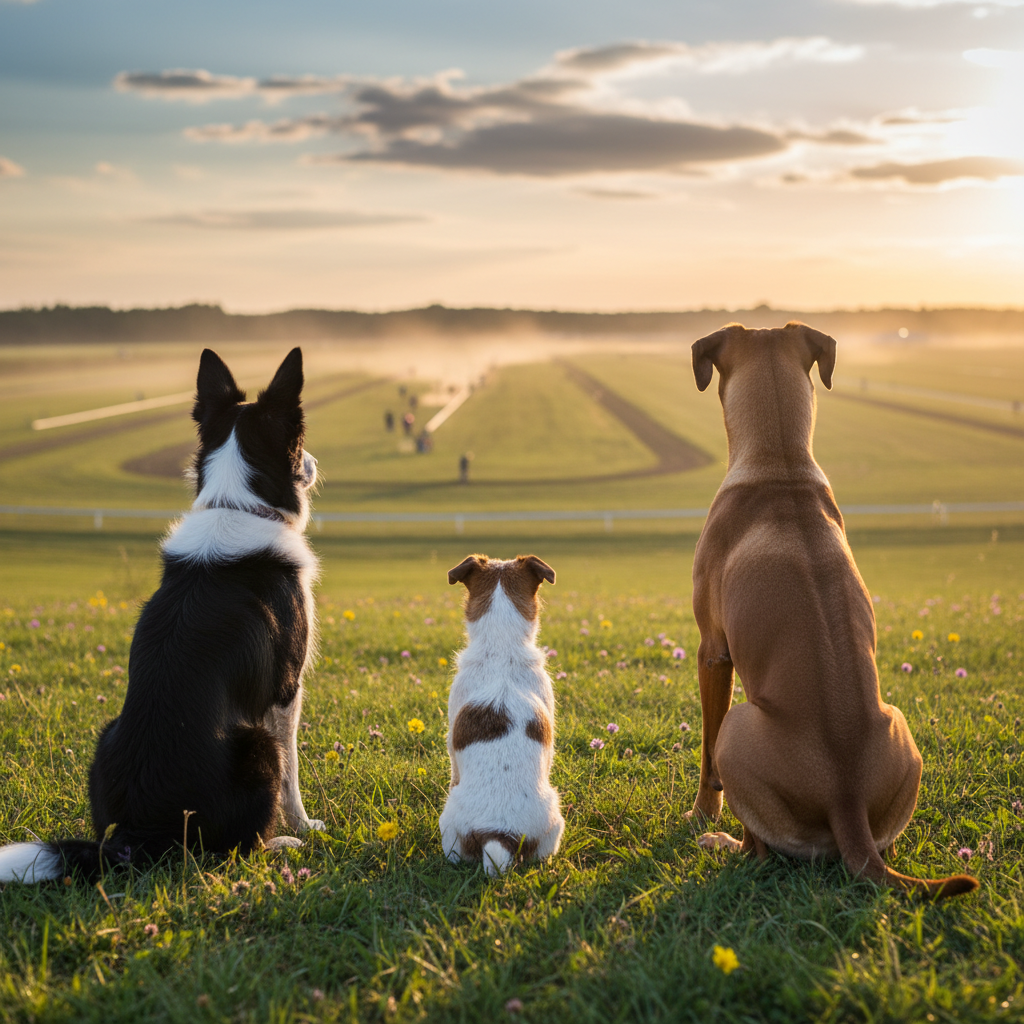
Before you start buying gear and searching for events, the first question is: is lure coursing right for your dog? While the sport was originally developed for sighthounds—breeds built for speed and sight-based hunting—its appeal has broadened significantly. The secret ingredient isn’t a specific pedigree; it’s prey drive.
Sighthounds like Greyhounds, Whippets, Ibizan Hounds, and Salukis are naturals. Their entire history is built around spotting movement and running it down. But they’re not the only ones who love a good chase! Many other breeds and mixes have the enthusiasm and physical ability to excel and have a blast.
Breeds That Often Love to Chase:
- Terriers: Jack Russells, Rat Terriers, and others were bred to hunt small vermin. Their tenacity is legendary.
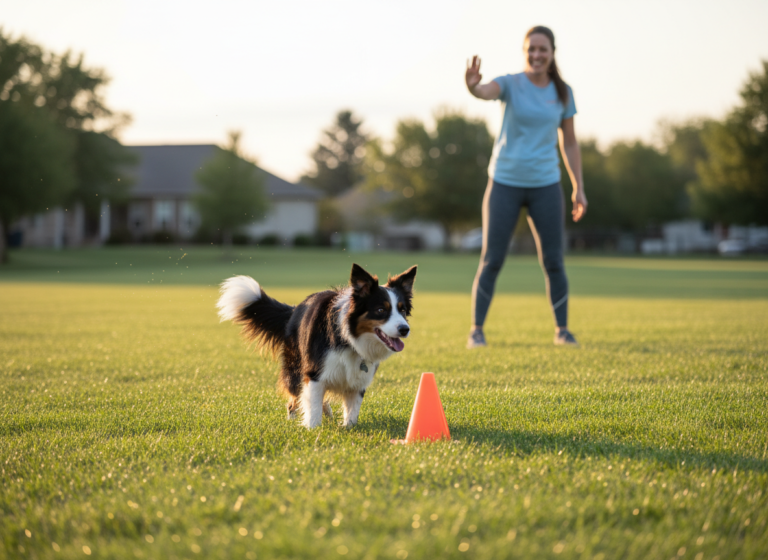
- Herding Dogs: Border Collies and Australian Shepherds have a modified prey drive they use to ‘chase’ and control livestock. They often take to the lure with gusto.
- Sporting Dogs: Retrievers and Pointers, while bred for different jobs, still possess a strong desire to pursue.
Ultimately, breed is just a guideline. The best way to know is to assess your individual dog. Here’s a quick checklist to see if your dog might be a good candidate:
- They love to chase: Does your dog go wild for squeaky toys, balls, or frisbees? Do they fixate on squirrels in the backyard? This is the number one indicator.
- They are in good physical health: Lure coursing is a high-impact sport. Your dog should be at a healthy weight, have no underlying joint or heart conditions, and be over a year old to ensure their growth plates have closed. A quick check-up with your vet is always a great idea before starting any new sport.
- They have a decent recall (or can be managed): While dogs run off-leash, you need to be confident you can get your dog back after the run is over. The fields are usually fenced, but a reliable recall is a huge plus.
- They are socially neutral: Your dog doesn’t need to love other dogs, but they shouldn’t be reactive. They will be near other excited dogs and need to be able to focus on the lure, not their neighbors.
Expert Tip: The best way to find out if your dog will like it is to simply let them see it. Many clubs allow you to bring your dog to watch a practice day. Seeing the lure and the other dogs running can be all it takes to flip that ‘chase’ switch in their brain!
Gearing Up: Your Lure Coursing Starter Pack
Gearing Up: Your Lure Coursing Starter Pack
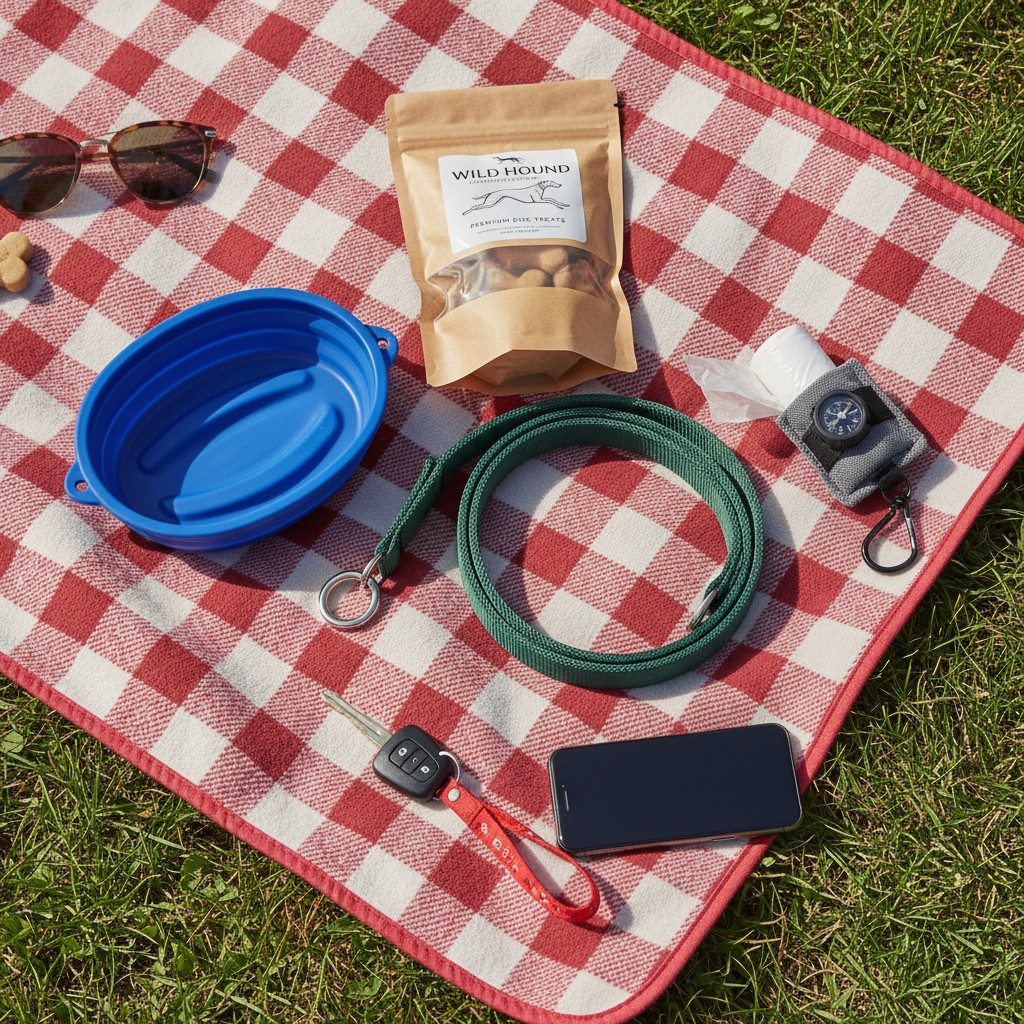
One of the best things about lure coursing for beginners is the low barrier to entry. You don’t need a truckload of expensive, specialized equipment to get started. Your focus should be on safety, comfort, and keeping your dog happy and hydrated. Think of it less like gearing up for a professional competition and more like packing for a fun, active day at the park.
Here’s a simple list of what you should bring to your first practice or fun run:
- A Proper Collar or Lead: For the actual run, your dog will be ‘naked’ (no collar or harness) for safety. However, you’ll need a way to manage them beforehand. A slip lead is often the preferred choice because it’s easy to take on and off right at the starting line. A flat buckle collar is also acceptable, but avoid harnesses, choke chains, or prong collars on the field.
- Plenty of Water and a Bowl: This is non-negotiable. Your dog will be running hard and will get thirsty. Bring more water than you think you’ll need, especially on a warm day.
- Shade and Comfort: Events can involve a lot of waiting around. A portable crate with a cover, a pop-up tent, or even just a blanket under a shady tree will give your dog a comfortable place to rest and stay out of the sun between runs.
- High-Value Treats: While your dog will likely be rewarded by the ‘catch’ itself, having some extra-tasty treats on hand is great for positive reinforcement after they’re done.
- A Sturdy Leash: For walking around the grounds, a standard 6-foot leash is perfect.
What NOT to Bring on the Field:
Safety is the top priority. To prevent your dog from getting tangled in the line or injuring themselves, certain items are a no-go during the actual run:
- No Harnesses: These can easily get snagged on the lure line.
- No Choke Chains or Prong Collars: These are a serious safety hazard during a high-speed run.
- No Muzzles (unless required): Some organizations require specific basket muzzles for competition, but for a fun run, it’s best to run without one unless your dog is running with another dog.
- No Doggy Coats or Clothes: These can restrict movement and cause overheating.
Remember, the goal is simplicity and safety. Your dog, a slip lead, and a whole lot of enthusiasm are the main ingredients for a successful first day.
Finding Your Field: Where to Practice and Play

Finding Your Field: Where to Practice and Play
Okay, so your dog is a prime candidate and you’ve got your day bag packed. Now, where do you actually go to do this? You can’t just set up a lure in any old park. You need to find a club or organization that hosts events. Generally, these fall into two categories: official trials and fun runs/practices.
Fun Runs & Practices: The Perfect Starting Point
For any beginner, this is where you want to start. Fun runs are low-pressure events designed to introduce dogs and owners to the sport. They are relaxed, welcoming, and focused purely on having a good time. The stakes are low, the people are friendly, and it’s the ideal environment to see if your dog enjoys the game without the stress of competition.
Official Trials: The Next Level
Once you’ve got a few fun runs under your belt, you might get the competitive bug. Official trials are hosted by sanctioning bodies like:
- The American Kennel Club (AKC): They offer a variety of lure coursing tests and trials where dogs can earn titles like the Qualified Courser (QC) and eventually Field Champion (FC). Their ‘Coursing Ability Test’ (CAT) is open to all breeds.
- The American Sighthound Field Association (ASFA): This is the largest lure coursing organization in North America, specifically for sighthounds.
- The United Kennel Club (UKC): The UKC also offers lure coursing programs for a wide variety of breeds.
How to Find Events Near You:
- Search Online: This is your best tool. Use search terms like “lure coursing near me,” “AKC CAT test [your state],” or “dog sport fun run.”
- Check Club Websites: Go directly to the AKC, ASFA, or UKC websites. They have event calendars that list all the upcoming trials and the local clubs that host them.
- Use Social Media: Facebook is a fantastic resource. Search for lure coursing groups for your state or region. Clubs often post their event schedules and practice day information there.
- Ask Around: Talk to local dog trainers, staff at your favorite pet supply store, or people you meet at the dog park. The dog community is tight-knit, and word-of-mouth is a powerful way to find local happenings.
Beginner’s Tip: Don’t be shy! Reach out to the contact person for an event before you go. Tell them you’re a first-timer and ask if they have any advice. Lure coursing folks are passionate about their sport and are almost always thrilled to welcome and guide newcomers.
Your Dog’s First Run: A Step-by-Step Guide

Your Dog’s First Run: A Step-by-Step Guide
The moment has arrived! The air is buzzing with the whir of the lure machine and the excited yips of dogs. It can feel a little overwhelming, but the process is actually very straightforward. Let’s walk through what your dog’s very first run will look like, from arrival to the glorious finish.
- Check-in and Inspection: When you arrive, you’ll find a registration table. Here you’ll sign in and pay a small fee. After that, an official will do a quick ‘inspection’ of your dog. This isn’t scary! They’re just gently checking to make sure your dog isn’t limping, has trimmed nails, and is in good condition to run safely.
- Wait Your Turn and Watch: You’ll likely have some time before your run. Use this opportunity to let your dog watch the other dogs run. This helps them understand the game and builds their excitement. Keep them on a leash and a comfortable distance from the course.
- Head to the Starting Line: When you’re called, you’ll walk your dog to the starting area. This is where you’ll need two people: a ‘releaser’ (you) and a ‘catcher’ (a friend or helpful volunteer). The catcher will head down to the finish line to retrieve your dog.
- The Hold and Release: As the lure operator gets ready, you’ll hold your dog, pointing their attention toward the lure. You can hold their collar or just hype them up. The huntmaster (the person in charge) will shout, “TALLY HO!” This is your signal to release your dog. Don’t throw them; just let go of their collar and let them power forward on their own.
- The Chase is On!: This is the magic moment. Your dog will take off after the lure, following its twists and turns. Your only job is to cheer them on from the starting line! Resist the urge to run along the side; it can distract your dog.
- The ‘Catch’ and Celebration: As your dog approaches the finish line, the lure will stop. They’ll pounce on their ‘prey’—the plastic bag. The catcher’s job is to calmly approach, praise the dog enthusiastically (“Good catch! You got it!”), and gently take the lure from them while clipping on their leash. Letting them bite and ‘kill’ the bag for a few seconds is a huge part of the reward.
- The Cool Down: The run isn’t over when the leash is back on. The cool down is one of the most critical steps. Walk your dog around for at least 10-15 minutes to let their heart rate come down slowly and prevent their muscles from cramping. Once they’re calm, offer them plenty of water.
That’s it! You’ve completed your first run. The most important part is to keep it positive and fun, no matter what happens. If your dog gets distracted or doesn’t finish, who cares? It’s all about the experience and the joy of the chase.
Rookie Mistakes: Troubleshooting Common First-Timer Flubs

Rookie Mistakes: Troubleshooting Common First-Timer Flubs
Your first few trips to the lure coursing field are a learning experience for both you and your dog. It’s perfectly normal to hit a few bumps along the way. The key is to stay positive and learn from them. Here are some of the most common rookie mistakes and how to handle them with grace.
| Common Mistake | Why It Happens & How to Fix It |
|---|---|
| The Dog Ignores the Lure | This often happens with dogs who are overwhelmed by the new environment. The Fix: Don’t push it. Let your dog watch for a while. Ask the operator to do a short, straight ‘drag’ just for your dog to see. Reward any interest with praise. Keep the first few experiences short and sweet. |
| The Dog Runs to People Instead | Some dogs are more social than prey-driven. They see a field of new friends! The Fix: Have your ‘catcher’ at the end be extra exciting, cheering and holding a favorite toy. This gives your dog a clear target to run to. As they run more, they’ll learn the game is about the lure. |
| Getting Way Too Excited at the Start | Some dogs get so amped up they start screaming, lunging, and spinning. The Fix: Work on impulse control away from the field. Practice calm ‘waits’ before releasing them for a toy in your backyard. At the event, try to stand a little away from the other dogs to give your dog some space. |
| Forgetting the Cool-Down Walk | After an exciting run, it’s easy to just go back to your crate, but this is a big mistake. A proper cool-down is vital for preventing muscle soreness and injury. The Fix: Make it a non-negotiable ritual. Every single time, after every single run, go for a 10-15 minute walk. No exceptions. |
| Comparing Your Dog to Others | You’ll see lightning-fast sighthounds that look like professionals. It’s easy to feel like your goofy retriever doesn’t belong. The Fix: Remember why you’re there: to have fun with your dog. Celebrate your dog’s personal victories, whether it’s finishing their first run or just showing interest in the lure. This sport is about your dog’s joy, not the stopwatch. |
Remember the Golden Rule: Always end on a positive note. Even if the run was a ‘dud,’ find something to praise your dog for. The goal is for them to associate the entire experience with fun and your happy approval.
Conclusion
The Finish Line is Just the Beginning
Lure coursing is so much more than just dogs chasing a plastic bag. It’s a celebration of their natural instincts, a phenomenal source of physical and mental exercise, and a powerful way to build your dog’s confidence. Watching your dog do what they were born to do, with pure, unadulterated joy on their face, is a reward in itself.
Whether your dog is a seasoned pro in the making or just enjoys a casual chase now and then, the most important thing is that you’re doing something active and exciting together. You’re strengthening your bond, making memories, and giving your dog an outlet for their energy that a simple walk around the block could never provide.
So, don’t be intimidated. Find a local fun run, pack some water, and go check it out. You might just unlock a passion in your pup you never knew existed. Happy coursing!