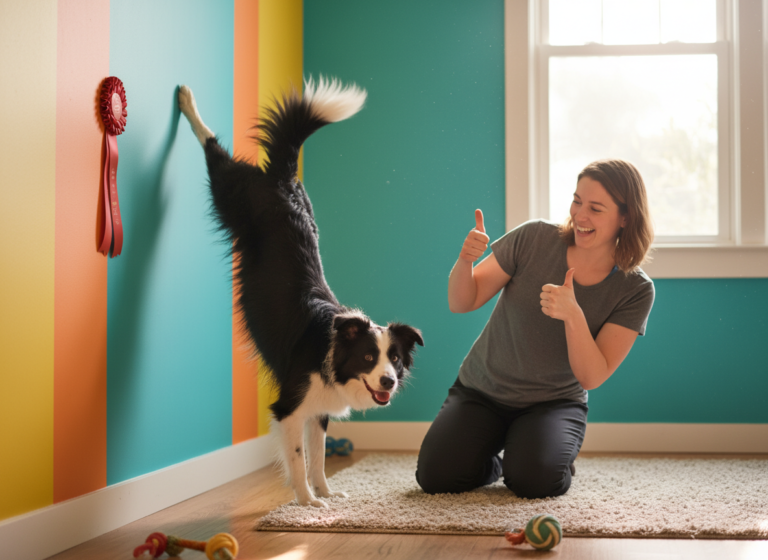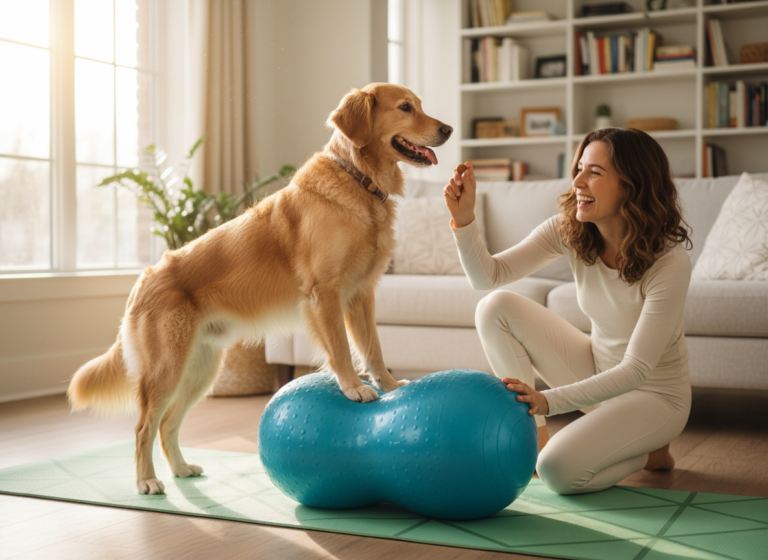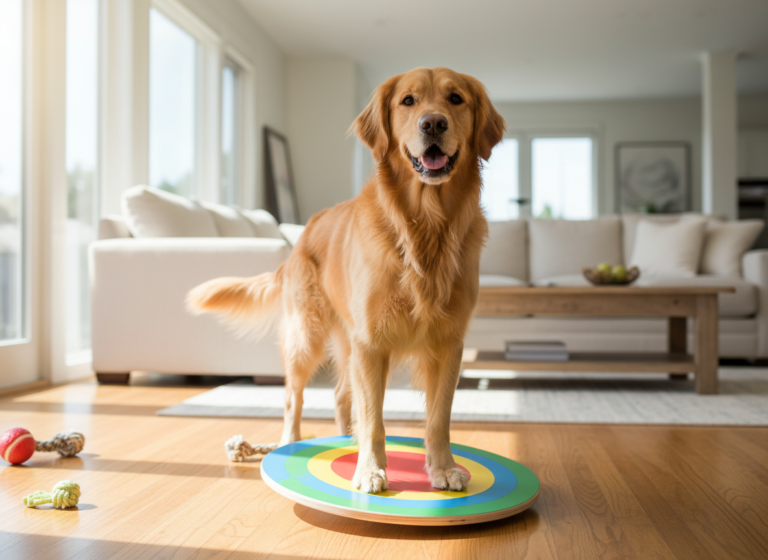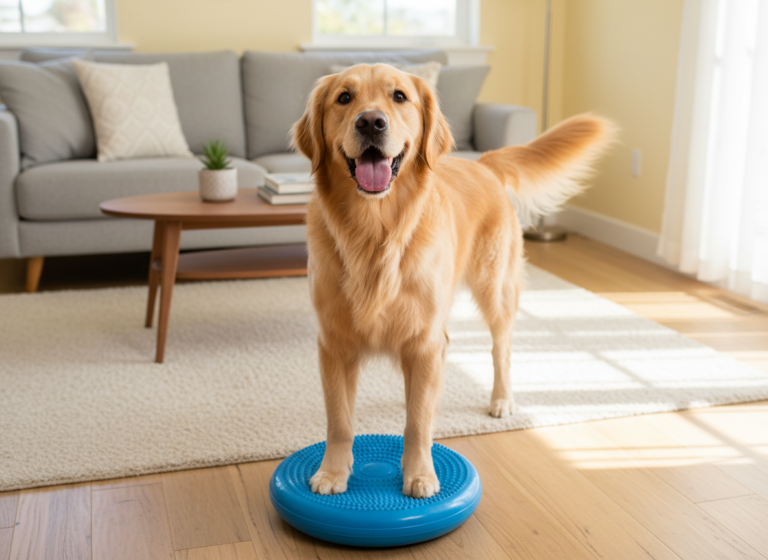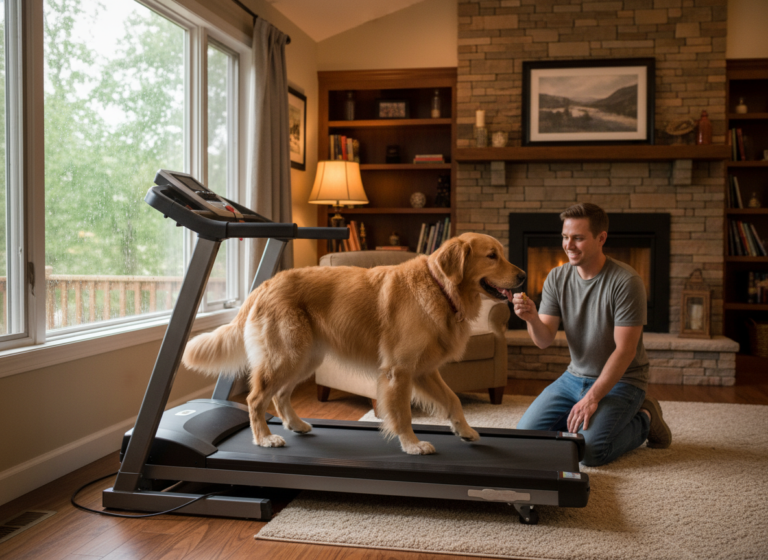
Have you ever watched a Crossfit class and thought, ‘My dog could totally do that’? Well, maybe not the weightlifting part, but the energy, the agility, the impressive moves? You’re not wrong! Welcome to the world of Canine Crossfit, a fun and engaging way to exercise your dog’s mind and body. And the star of today’s workout is the ultimate full-body trick: the dog burpee!
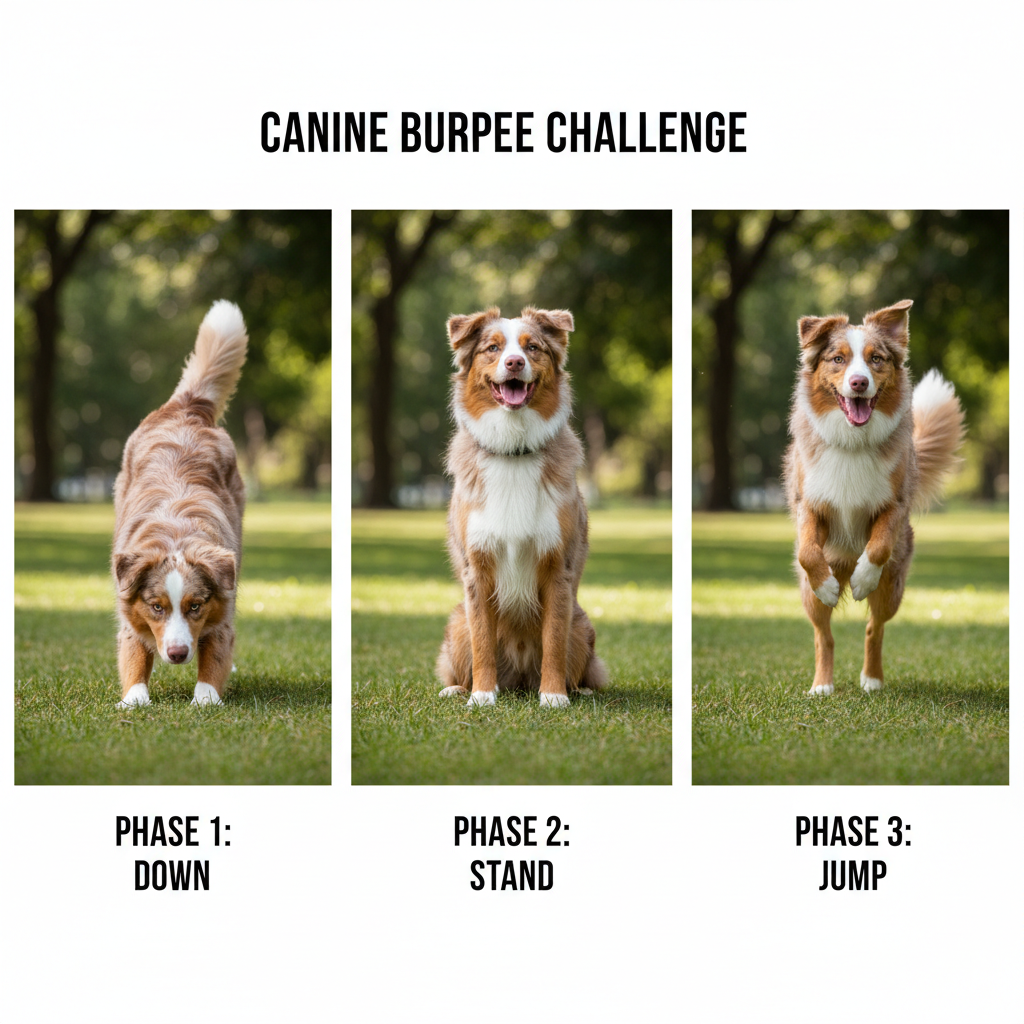
So, what exactly is a dog burpee? It’s a fantastic compound trick that combines three classic moves into one fluid sequence: a ‘down’, a quick ‘stand’, and an energetic ‘jump’. It’s more than just a cool party trick; teaching your dog the burpee is an incredible bonding experience. It sharpens their cognitive skills, improves their coordination, and provides a great outlet for excess energy—all from the comfort of your living room. In this guide, we’ll walk you through everything you need, from the foundational commands to a simple, five-step process that will have your furry friend doing burpees like a pro. Ready to get started? Let’s jump in!
Gearing Up for Burpee Success: Prerequisites and Tools
Gearing Up for Burpee Success: Prerequisites and Tools
Before you and your pup jump into your first burpee session, it’s essential to set the stage for success. Just like you wouldn’t attempt a new workout without the right gear and a basic level of fitness, your dog needs a few things in place first. A little preparation goes a long way in making the training process smooth, fun, and effective for both of you.
Prerequisite Skills: The Building Blocks
The dog burpee is a ‘compound’ trick, meaning it’s built by chaining together simpler skills your dog likely already knows. Ensure your dog has a solid, reliable understanding of these foundational commands before you begin:
- Down: Your dog should be able to lie down quickly and willingly on a verbal cue or hand signal. A ‘down’ from a distance is great, but for this, we just need a quick response right in front of you.
- Stand: This is often the trickiest of the three. Your dog should be able to move from a ‘sit’ or ‘down’ position into a full standing position without taking steps forward. We’ll work on making this a ‘pop-up’ motion, but a basic ‘stand’ is the starting point.
- Jump or Touch: Your dog needs a cue for an upward motion. This could be a ‘jump’ command to leap straight up, or a ‘touch’ command where they jump to touch your hand with their nose. The latter is often easier to control and better for dogs of all sizes.
If your dog is a bit rusty on any of these, spend a few short training sessions reinforcing them before you move on to the burpee. Building on a strong foundation is the key to avoiding frustration later on.
Your Training Toolkit
You don’t need a fancy home gym for Canine Crossfit! Here’s a simple list of what you’ll need to get started:
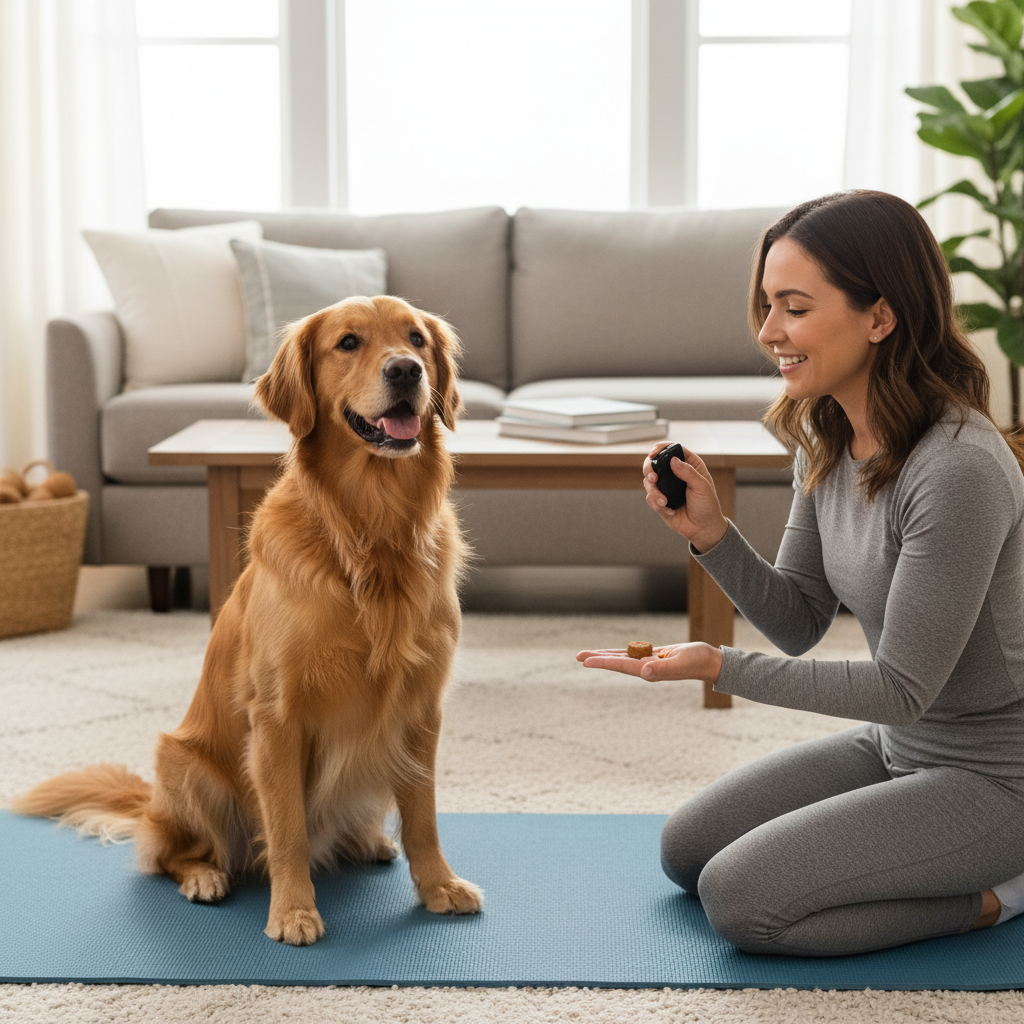
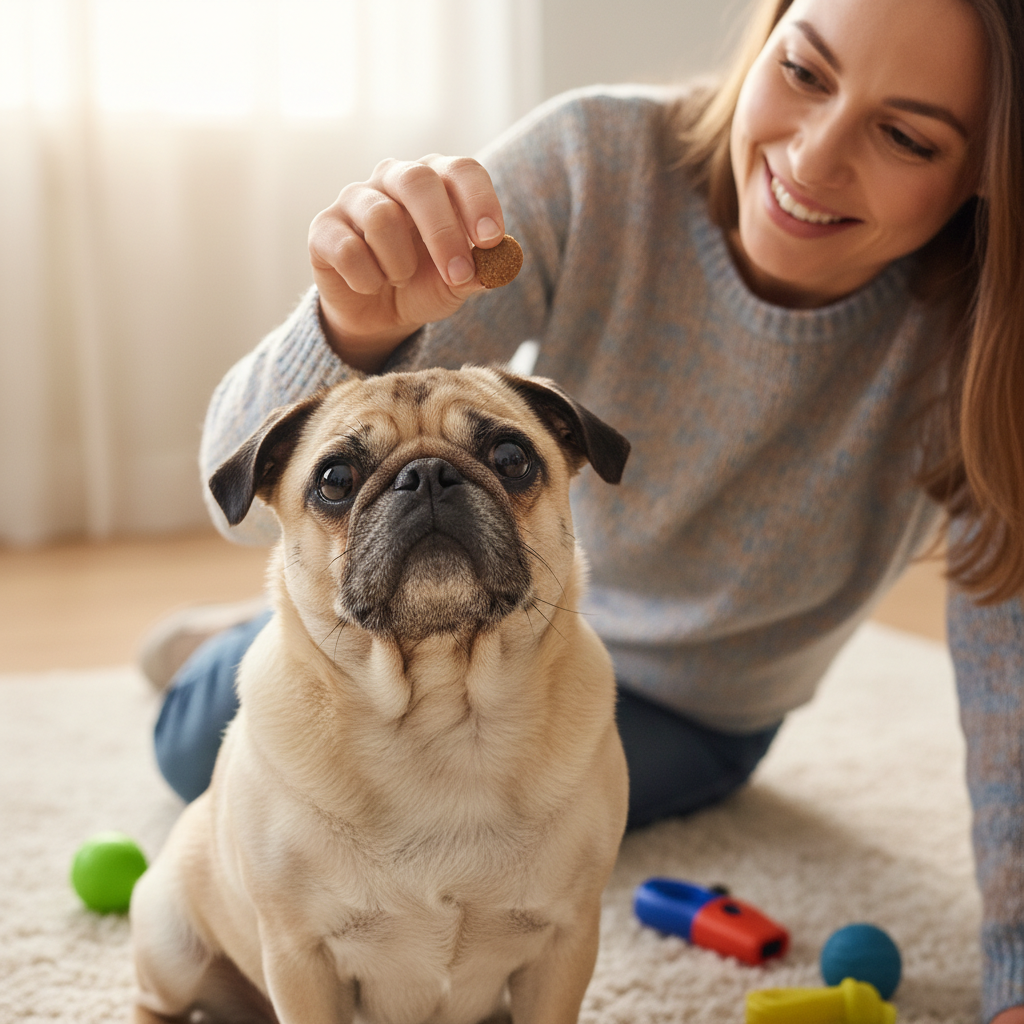
- High-Value Treats: This is the time to break out the good stuff! We’re talking small, soft, extra-tasty treats that your dog absolutely loves. Think tiny pieces of cheese, boiled chicken, or commercial training treats. Since you’ll be rewarding frequently, make sure they are pea-sized to avoid overfeeding.
- A Clicker (Optional, but Recommended): A clicker is a fantastic tool for marking the exact moment your dog does the right thing. This precision timing can speed up the learning process significantly. If you’re not using a clicker, a consistent verbal marker like a sharp ‘Yes!’ works just as well.
- A Non-Slip Surface: Safety first! The burpee involves quick movements, so you want to train on a surface that provides good grip. A carpeted room, a large rug, or a yoga mat are all excellent choices. Avoid slippery surfaces like hardwood, tile, or laminate floors to prevent slips and potential injuries.
- A Positive Attitude: This is the most important tool in your kit! Your dog feeds off your energy. Keep the sessions short, upbeat, and full of praise. If you feel yourself getting frustrated, it’s time to end the session with an easy win (like a simple ‘sit’) and try again later.
The 5-Step Burpee Breakdown: From ‘Down’ to ‘Dynamic!’
The 5-Step Burpee Breakdown: From ‘Down’ to ‘Dynamic!’
Alright, team, it’s time for the main event! We’re going to build this awesome trick piece by piece. The secret is to master each step before moving to the next, ensuring your dog understands what’s being asked of them. Remember to use your clicker or marker word (‘Yes!’) to pinpoint the exact correct action, followed immediately by a treat. Let’s do this!
-
Step 1: Perfect the ‘Down’ to ‘Stand’ Pop-Up
The foundation of a great burpee is a speedy transition from ‘down’ to ‘stand’. We want to teach your dog to pop up onto all four paws without taking a step. Start with your dog in a ‘down’ position. Hold a treat near their nose, then quickly lure them up and slightly forward, just enough for them to get into a standing position. The moment their belly lifts off the floor and all four paws are planted, click and treat! Repeat this several times, focusing on the speed. You want to build excitement and make this pop-up a quick, snappy movement.
-
Step 2: Chain the ‘Down’ and ‘Stand’
Now that your dog is popping up into a stand like a pro, let’s link it to the ‘down’ command. Ask for a ‘down’. As soon as their elbows hit the floor, immediately use your treat lure to cue the ‘stand’ pop-up from Step 1. At this stage, you’re rewarding the completion of the two-part sequence: down, then immediately stand. The goal is to make it look like one fluid motion. Practice this until your dog starts to anticipate the stand-up as soon as they lie down. This is exactly what we want!
-
Step 3: Introduce the Upward Motion (‘Jump’ or ‘Touch’)
With the ‘down-stand’ combo looking smooth, it’s time to add the grand finale. From the standing position at the end of your sequence, hold a treat or a target (your hand) just above your dog’s head—low enough that they can easily reach it with a small hop. Say your cue (‘Jump!’ or ‘Touch!’). The instant their paws leave the ground, click and treat. You’re not looking for a massive leap yet; we’re just teaching them that after the ‘down-stand’, an upward movement is next. Reward any effort to jump, even if it’s just lifting their front paws off the ground initially.
-
Step 4: Build the Full Three-Part Sequence
This is where it all comes together! You’re going to ask for all three parts in a row: ‘Down’, then lure to ‘Stand’, then lure to ‘Jump’. It might feel a little clunky at first, and that’s okay! Use your hand lure to guide them through the entire motion. Only click and treat when they complete the full sequence, even if it’s a bit slow. Your goal here is to help them understand that these three separate actions are now one single ‘trick’. Keep practicing, and you’ll notice the transitions getting smoother and faster.
Expert Tip: Keep your energy high! Use an excited, upbeat tone of voice to encourage your dog. Your enthusiasm is contagious and will make your dog more eager to perform the energetic movements required for the burpee.
-
Step 5: Fade the Lure and Add the Verbal Cue
Once your dog is consistently performing the full sequence with your hand guiding them, it’s time to fade the lure. Start making your hand movements smaller and less obvious. At the same time, introduce your new verbal cue. Just before you begin the motion, say your chosen word clearly—like “Burpee!”, “Action!”, or “Workout!”. Start by saying the cue, then using the faded hand signal. Eventually, your dog will associate the word with the entire sequence. Continue to reduce your hand signal until your dog can perform the full down-stand-jump burpee on the verbal cue alone. Congratulations, you have a Canine Crossfit champion!
Troubleshooting Common Burpee Blunders
Troubleshooting Common Burpee Blunders
Even with the best instructions, you and your pup might hit a little snag. Don’t worry, it’s a normal part of the training process! Most issues can be solved by taking a step back and simplifying the task. Here are some common hurdles and how to clear them with a positive attitude.
“My Dog is Too Slow Getting Up.”
A slow transition from ‘down’ to ‘stand’ can make the burpee feel more like a leisurely stretch. To fix this, go back to Step 1. The key is motivation! Try using an even higher-value treat or a favorite squeaky toy as a lure. Make the luring motion faster and more exciting. Celebrate wildly with praise and treats the second they pop up quickly. You’re teaching them that speed gets the reward.
“They Do the ‘Down-Stand’ But Won’t Jump.”
This usually happens when the dog doesn’t fully understand what’s being asked in the final step. Isolate the jump. Practice just the ‘jump’ or ‘hand touch’ from a regular standing position for a few reps to remind them what the cue means. When you re-integrate it into the burpee sequence, make the jump incredibly easy. Hold your hand target or treat just an inch above their nose so they only have to do a tiny hop to succeed. Gradually raise the height as their confidence grows.
“My Dog Keeps Walking Forward During the ‘Stand’.”
The goal is a ‘pop-up’ in place. If your dog is taking steps forward, your lure is likely moving too far forward. When luring from ‘down’ to ‘stand’, think ‘up and slightly back’ rather than ‘up and forward’. This encourages them to shift their weight to their back legs and stand up in place. You can also practice this against a wall or a piece of furniture (with you in between) to physically prevent forward movement.
“They Are Losing Focus and Getting Distracted.”
This is a big one! A multi-step trick like the burpee requires a lot of mental energy. If your dog starts sniffing the ground, looking away, or offering other behaviors, it’s a clear sign their brain is full. This is your cue to end the session. Always end on a high note! Ask for one last easy thing they know well (like a ‘sit’), give them a big reward, and call it a day. The golden rule of trick training is to keep sessions short (5-10 minutes max) and always leave them wanting more.
Safety First: Canine Crossfit Considerations

Safety First: Canine Crossfit Considerations
While the dog burpee is a fantastic and fun activity, the safety and well-being of our canine athletes should always be our top priority. This trick involves high-impact movements, so it’s not suitable for every dog. Taking a few precautions will ensure your Canine Crossfit journey is fun, safe, and injury-free.
Consult Your Vet
Before starting any new high-impact exercise routine, it’s always a good idea to check in with your veterinarian. This is especially important for:
- Puppies: Their growth plates are still developing, and excessive jumping can cause long-term damage. Your vet can advise when it’s safe to begin more strenuous activities.
- Senior Dogs: Older dogs may have arthritis or other joint issues that could be aggravated by jumping.
- Brachycephalic (Flat-Faced) Breeds: Breeds like Pugs, Bulldogs, and Frenchies can have respiratory challenges, so it’s important to keep exercise sessions short and avoid overexertion.
- Dogs with Pre-existing Conditions: If your dog has a history of back, hip, or knee problems (like hip dysplasia or luxating patella), the burpee is likely not an appropriate trick for them.
Warm-Ups and Cool-Downs are a Must
Don’t jump straight into burpees. Start each training session with a short warm-up to get their muscles ready. A few minutes of brisk walking, a game of fetch, or even just practicing some simple sits and spins can do the trick. Likewise, end each session with a cool-down, like a slow walk around the yard, to help their heart rate return to normal.
Listen to Your Dog
Your dog is the best judge of their own limits. Pay close attention to their body language. If they show any signs of hesitation, fatigue, or discomfort—like limping, excessive panting, or a reluctance to perform the trick—it’s time to stop immediately. Training should always be a positive and enjoyable experience. Pushing a tired or sore dog can lead to injuries and a negative association with training.
Important Safety Reminder: Always train on a non-slip surface like a carpet or yoga mat. Performing high-impact movements on slippery hardwood or tile floors can lead to serious joint and muscle injuries.
By keeping these safety considerations in mind, you can ensure that your Canine Crossfit adventures are not only impressive but also contribute positively to your dog’s long-term health and happiness.
Conclusion
You Did It! Welcome to the Canine Crossfit Club!
Give your dog a huge belly rub and yourself a pat on the back—you’ve successfully navigated the world of advanced trick training and taught one of the coolest moves around! Mastering the dog burpee is no small feat. It’s a testament to your patience as a trainer and your dog’s incredible intelligence and willingness to work with you.
More than just a flashy trick, the journey of teaching the burpee has strengthened your communication, trust, and bond. You’ve provided your dog with valuable mental and physical enrichment, and in return, you’ve gotten a workout partner who is always enthusiastic. So, show off that new skill to friends and family, and continue exploring the fun and rewarding world of trick training. After all, the best part of having a dog is the amazing partnership you build together, one ‘burpee’ at a time.