For decades, a common myth has persisted among dog lovers: our four-legged friends see the world in shades of gray, like an old-timey movie. But what if I told you that’s not quite true? While your pup’s vision isn’t as technicolor as yours, their world is far from black and white. They have their own unique visual spectrum, and understanding it doesn’t just solve a fun trivia question—it unlocks a whole new level of training and enrichment!
In this guide, we’ll first dive into the fascinating science of how your dog actually sees color. Then, we’ll put that knowledge into practice with a fun, brain-boosting game that will impress your friends and strengthen your bond: teaching your dog to sort their toys into different colored bins. Get ready to see the world through your dog’s eyes and have a blast while doing it!
The World Through Your Dog’s Eyes: What Colors Can They Really See?
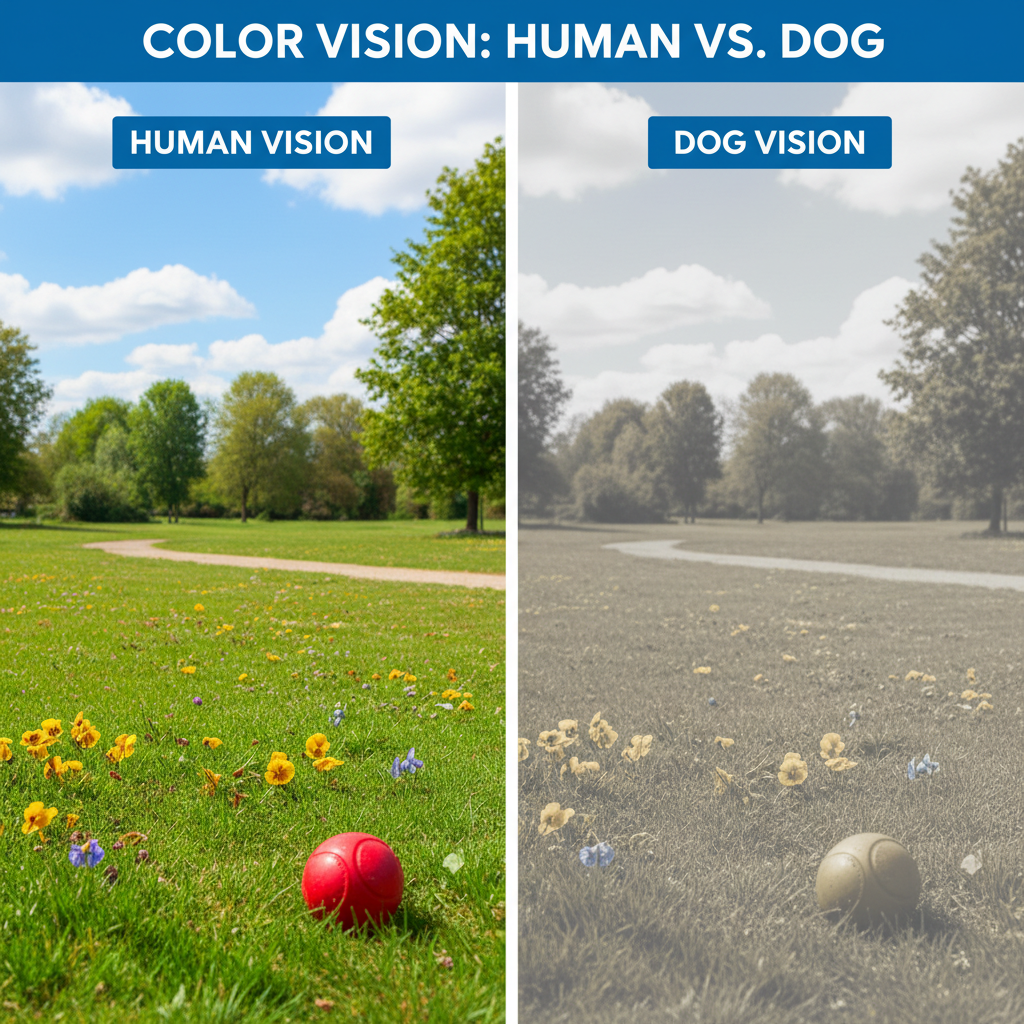
Let’s start by putting the biggest myth to bed. Dogs are not colorblind in the sense that they see no color. They just see a different, more limited range of colors than we do. It all comes down to the specialized cells in the back of the eye called cones, which are responsible for color perception.
Humans have three types of cones, allowing us to see a wide spectrum of reds, greens, and blues (this is called trichromatic vision). Dogs, on the other hand, have only two types of cones (dichromatic vision). This setup is very similar to what red-green colorblind humans experience.
So, what does this mean in practical terms?
Your dog’s world is painted primarily in shades of:
- Yellow
- Blue
- Gray
Colors like red, orange, and green likely appear as various shades of yellow or brown to them. A bright red ball lying in green grass? To your dog, that’s a yellowish-brown ball in a field of a different yellowish-brown. It doesn’t offer much contrast, which explains why they sometimes run right past their favorite toy!
Expert Tip: When buying toys, choose colors your dog can easily distinguish! Bright blues and yellows will stand out much more clearly to your dog than reds or oranges, making playtime more engaging and less frustrating for them.
Understanding this is the secret key to our toy-sorting game. By using colors they can clearly differentiate, like blue and yellow, we’re setting them up for success and working with their natural abilities, not against them.
Getting Started: Tools You’ll Need for the Toy Sorting Game
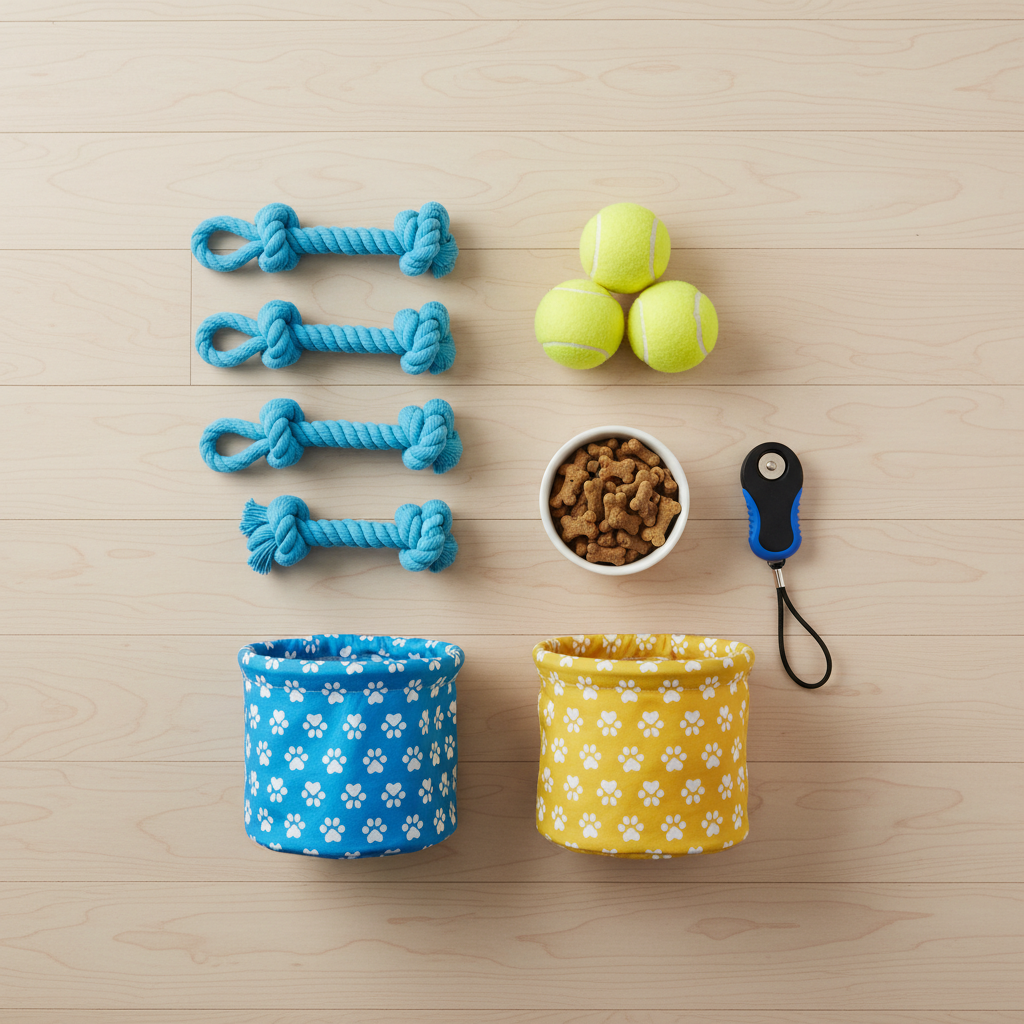
Before you and your furry student get to work, it’s best to gather all your supplies. Having everything ready will help keep your training sessions smooth, short, and fun. You don’t need a lot of fancy equipment, just a few key items.
Your Training Toolkit:
- Dog Toys in Two Distinct Colors: The most crucial part! You’ll need at least 2-3 toys in a vibrant blue and 2-3 toys in a bright yellow. Ensure they are similar in shape and texture at first, so the only major difference is the color.
- Two Bins or Baskets: To make it easier for your dog, try to get bins that match your toy colors—one blue bin and one yellow bin. If you can’t find matching ones, just make sure the two bins are visually distinct from each other. Low-sided laundry baskets or fabric bins work great.
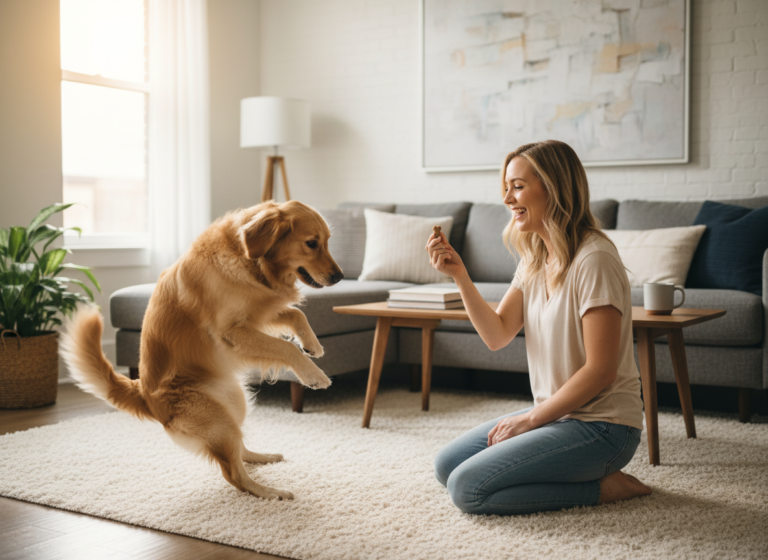
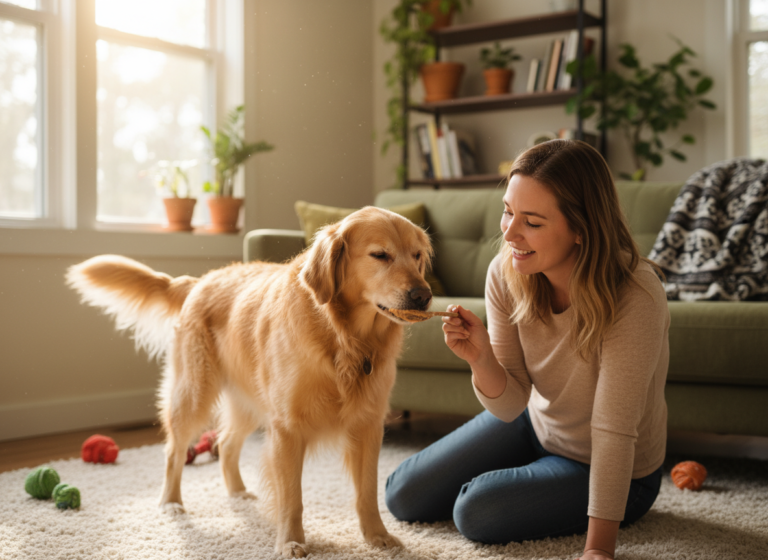
- High-Value Treats: This is a complex task, so you’ll want to break out the good stuff! Think small pieces of chicken, cheese, or their absolute favorite training treats. The more motivated they are, the faster they’ll learn.
- A Clicker (Optional): If your dog is already clicker-trained, a clicker can be a fantastic tool for precisely marking the moment they perform the correct action. If not, a consistent verbal marker like a happy “Yes!” works just as well.
- A Quiet Training Space: Choose a room with minimal distractions. A living room or hallway where you can close the doors is perfect to help your dog focus on the game.
Step-by-Step Guide: Teaching Your Dog to Sort by Color

Patience and positivity are your best friends here. Keep your training sessions short (5-10 minutes max) to prevent your dog from getting tired or frustrated. Let’s begin!
Step 1: Introduce the Target (One Color, One Bin)
Start simple. We’re only going to work with one color to begin with. Let’s choose blue. Place the blue bin in your training area and have a few blue toys and your treats ready.
- Sit on the floor with your dog and the blue bin.
- Show your dog a blue toy to get them interested.
- Toss the blue toy a short distance away.
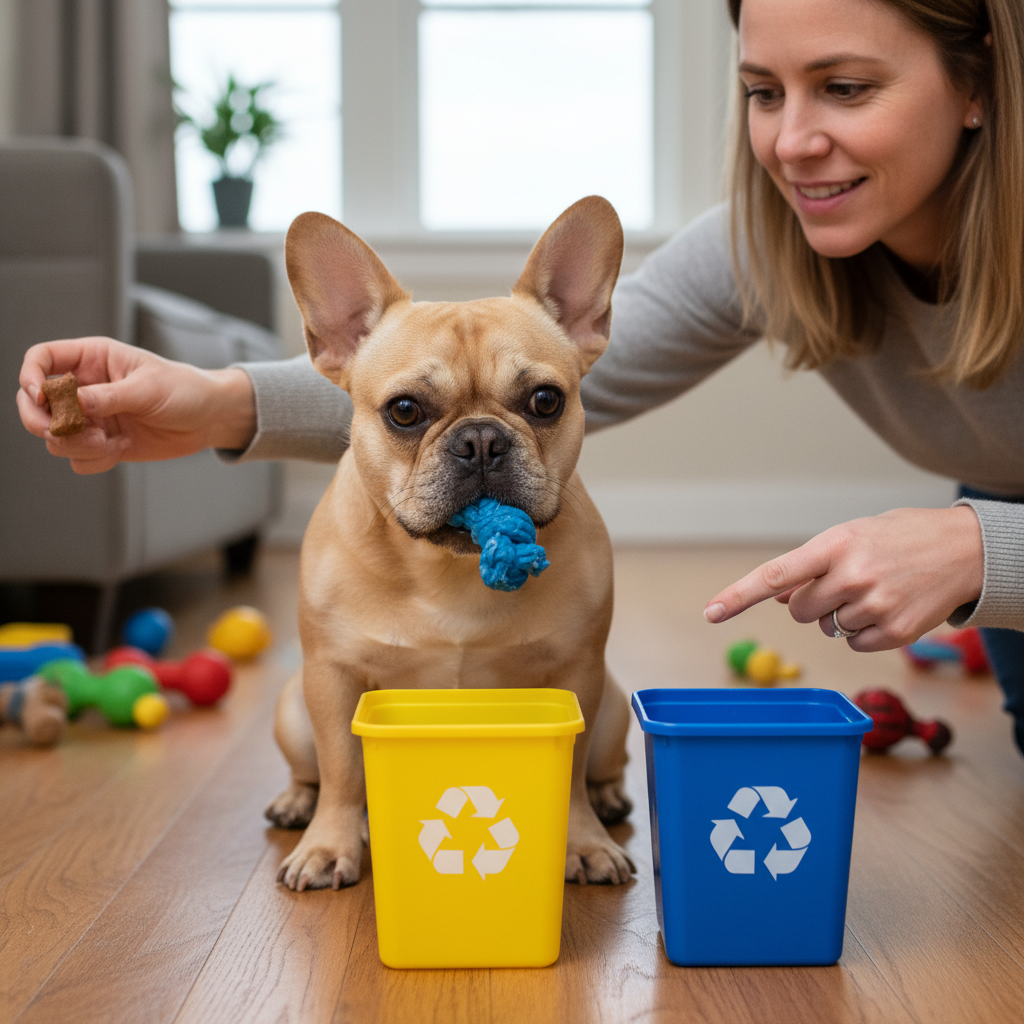
- When your dog picks it up, excitedly point to the blue bin and use a cue like “Bin!” or “Put it away!”.
- The moment your dog moves toward the bin or drops the toy near it, click (or say “Yes!”) and give them a treat. Reward any interaction with the bin at first!
- Gradually shape the behavior, only rewarding them when the toy gets closer and closer to the bin, and eventually, only when it lands inside. Repeat this several times.
Step 2: Introduce the Second Color (Separately)
Once your dog is reliably putting the blue toys in the blue bin, end the session. Later, or on another day, repeat the entire process from Step 1, but this time with only the yellow toys and the yellow bin. Use the same verbal cue (“Bin!”). This prevents confusion by teaching each color concept independently.
Step 3: The Discrimination Phase
Now for the fun part! Place both the blue and yellow bins in your training area, a few feet apart. Hold one blue toy and one yellow toy in your hands.
- Present both toys to your dog and give a new cue, “Get blue!”
- If your dog noses, licks, or looks at the blue toy, immediately click/”Yes!” and reward them. Ignore them if they interact with the yellow toy.
- Once they reliably target the correct toy in your hand, place both toys on the floor.
- Ask them to “Get blue!” When they pick up the blue toy, praise them enthusiastically and encourage them to take it to the blue bin. Reward them big time when they succeed!
- Repeat this process, sometimes asking for blue, sometimes for yellow (“Get yellow!”).
Step 4: Putting It All Together
When your dog is confidently choosing the correct color toy and taking it to the correct bin, you can up the ante. Scatter a few blue and yellow toys on the floor. Ask your dog to “Get blue,” wait for them to deposit it, and then ask them to “Get yellow.” You can eventually move to a general cue like “Tidy up!” and let them sort the remaining toys on their own. This is the ultimate goal!
Remember: This is an advanced trick! Celebrate small victories and go back a step if your dog seems confused. The goal is to have fun and challenge their mind, not to create stress.
Troubleshooting Common Hiccups: What to Do When Training Stalls
Even the brightest pups can get stuck. Don’t worry, every training challenge is just an opportunity to communicate better with your dog. Here are some common roadblocks and how to navigate them.
My dog keeps grabbing the wrong color toy!
This is the most common issue! It usually means you’ve moved ahead too quickly. Go back to Step 3 (The Discrimination Phase). Make the choice incredibly easy. Hold the correct toy right in front of their nose and the incorrect one further away or behind your back. Reward heavily for the right choice. Slowly make the presentation of the two toys more equal as they succeed.
My dog loses interest after a minute or two.
This is a sign of mental fatigue or boredom. Your training sessions are likely too long. Cut them down to just 2-3 minutes, but do a few of these short sessions throughout the day. Also, make sure your treats are exciting enough! If kibble isn’t cutting it, it’s time to bring out the freeze-dried liver.
My dog brings the toy but drops it next to the bin, not in it.
This is fantastic progress! They understand the goal, they just need help with the final step. This is a perfect time for shaping. When they drop it near the bin, give a small reward. For the next rep, hold out for them to get a little closer. You can also try holding a treat over the bin to lure their head (and the toy) directly over it. When they drop the toy to get the treat, it will fall right in! Jackpot!
I don’t think my dog can tell the colors apart.
First, check your lighting. Dim light can make it harder for them to see colors. Second, evaluate your toys. Is your “yellow” toy more of a pale tan? Is your “blue” a dark navy? Try to find toys that are the most saturated, vibrant shades of primary blue and yellow you can find to give them the best possible chance of seeing the difference.
Beyond Colors: Advancing the Game and Other Enrichment Ideas
Once your dog has mastered sorting blue and yellow toys, you might be wondering, “What’s next?” The beauty of this game is that it’s a foundation for many other fun cognitive challenges. Here are a few ways to level up the fun and keep your dog’s brain buzzing.
Level Up Your Sorting Game:
- Sort by Shape or Size: Keep the colors the same but teach your dog to sort by a different attribute. For example, put all the balls in one bin and all the rope toys in another. Use new cues like “Get ball!” and “Get rope!”.
- Sort by Texture: This is a great challenge that uses their sense of touch. Try sorting hard plastic toys from soft plush toys.
- Increase the Distance: Move the bins further away or even into another room to add a physical component to the mental challenge.
- “Go Find It!”: Hide a specific color toy (e.g., “Go find blue!”) in a room and have them bring it back to the bin. This combines the color discrimination task with nose work and problem-solving.
Other Vision-Based Enrichment Activities
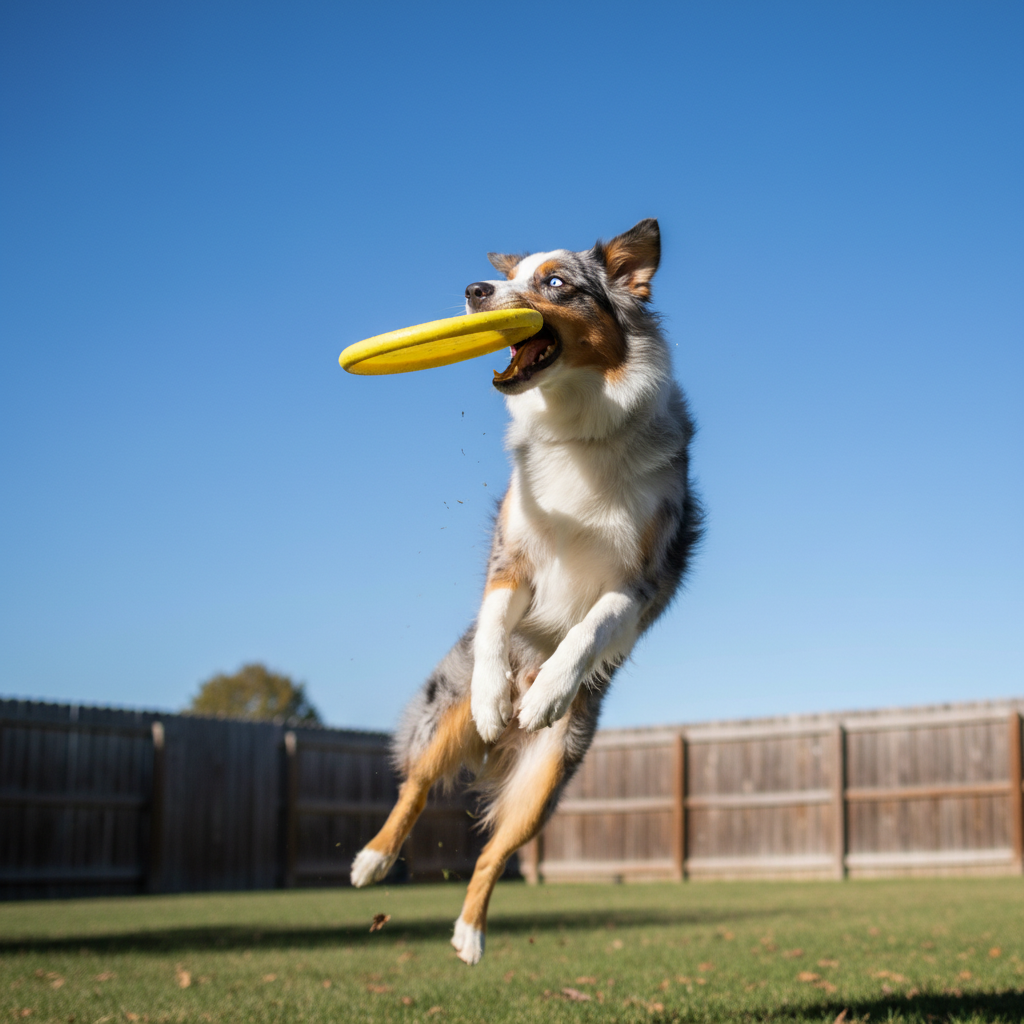
Understanding your dog’s vision can inspire other games, too. Since they see blues and yellows so well, use toys in these colors for outdoor fetch to ensure they don’t lose sight of them. You can also buy puzzle toys that use colored levers or slides, and you’ll know which ones will be most visually stimulating for your pup.
Ultimately, these games are about more than just a cool party trick. They are a powerful form of canine enrichment that builds confidence, reduces boredom-related behaviors, and deepens the communication and trust between you and your amazing dog.
Conclusion
So, can dogs see color? Absolutely! They just have their own unique, blue-and-yellow-tinted view of the world. Far from being a limitation, this knowledge is a gift that allows us to connect with them on a deeper level. By swapping out that hard-to-see red ball for a vibrant blue one, or by teaching a fun game like sorting toys, we show them that we understand their world.
Teaching your dog to sort toys is more than just a trick; it’s a conversation. It’s a way to engage their incredible minds, build their confidence, and spend quality time together. So grab some toys, a handful of treats, and a world of patience. You’ll be amazed at what your clever canine can learn. Have fun training!