Let’s be honest, for many pet owners, the mere sight of a brush or nail clippers can send their furry best friend scurrying under the bed. The whining, the squirming, the stressed-out panting—it can turn a necessary task like grooming into a heart-wrenching ordeal for both of you. You want your dog to look and feel their best, but not at the cost of their happiness and your sanity. What if there was a simple tool that could help dial down that anxiety and make grooming a more peaceful process?
Enter the Happy Hoodie. It might look like a simple fabric tube, but this clever invention can be a game-changer for dogs sensitive to the sounds and sensations of grooming. However, it’s not a magic wand. The real success comes from introducing it correctly through patient, positive training. This guide is your complete roadmap. We’ll walk you through everything, from understanding how the Happy Hoodie works to a detailed, step-by-step training plan that will help your dog associate it—and grooming in general—with comfort, treats, and positive vibes. Get ready to say goodbye to grooming battles and hello to calm, cooperative care!
What Exactly is a Happy Hoodie and How Does It Work?
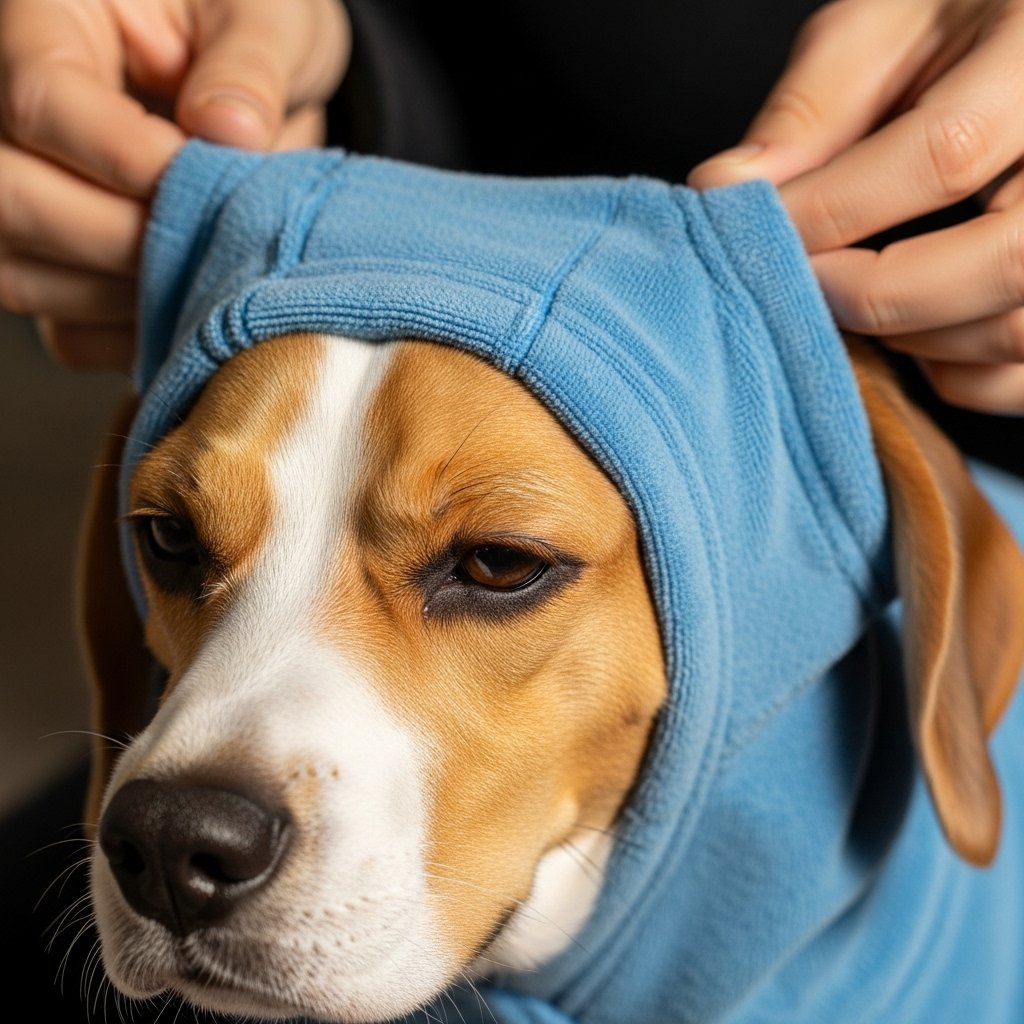
Before we dive into the training, let’s get acquainted with our star tool. A Happy Hoodie is a soft, expandable, and gentle fabric band that’s slipped over a dog’s head and ears. It was originally created to calm and protect dogs from the loud noise and high-pressure air of force dryers in the grooming salon, but its benefits extend far beyond that. Its effectiveness comes down to a two-pronged approach: gentle compression and noise reduction.
The Calming Power of Compression
Think of it like a gentle, reassuring hug for your dog’s head. The mild compression around the ears and skull applies light pressure to acupressure points, which can have a surprisingly powerful calming effect. This is similar to the principle behind swaddling an infant or using a weighted blanket or anxiety wrap for humans and pets. This gentle, constant pressure helps soothe the nervous system, making your dog feel more secure and grounded in a situation that might otherwise feel overwhelming.
Muffling the Scary Sounds
Grooming is a noisy business! The whir of clippers, the blast of a hairdryer, and even the snip-snip of scissors can be incredibly jarring for a dog’s sensitive hearing. The Happy Hoodie’s thick, soft fabric acts as a sound buffer, muffling these loud and sudden noises. By reducing the auditory assault, you remove a major source of stress, allowing your dog to relax instead of being on high alert.
- Reduces Anxiety: The combination of swaddling and noise reduction helps lower stress levels significantly.
- Protects Hearing: It provides a crucial barrier against the potentially damaging noise of high-velocity dryers.
- Speeds Up Drying Time: The absorbent fabric can help soak up water from the ears and face, which is a bonus!
- Provides Comfort: It can also be used during thunderstorms, fireworks, or vet visits to provide a sense of security.
Expert Tip: The goal of the Happy Hoodie isn’t to restrain your dog, but to comfort them. The fit should be snug enough to stay on and provide gentle pressure, but not uncomfortably tight. You should easily be able to slip a finger or two between the hoodie and your dog’s neck.
Getting Started: Tools, Timing, and a Positive Mindset
Success in training is all about preparation. Before you even show the Happy Hoodie to your dog, it’s vital to set the stage for a positive outcome. This means gathering the right supplies, choosing the perfect moment, and most importantly, getting yourself into a calm and patient headspace. Remember, your dog is an expert at reading your emotions, so if you’re stressed, they will be too!
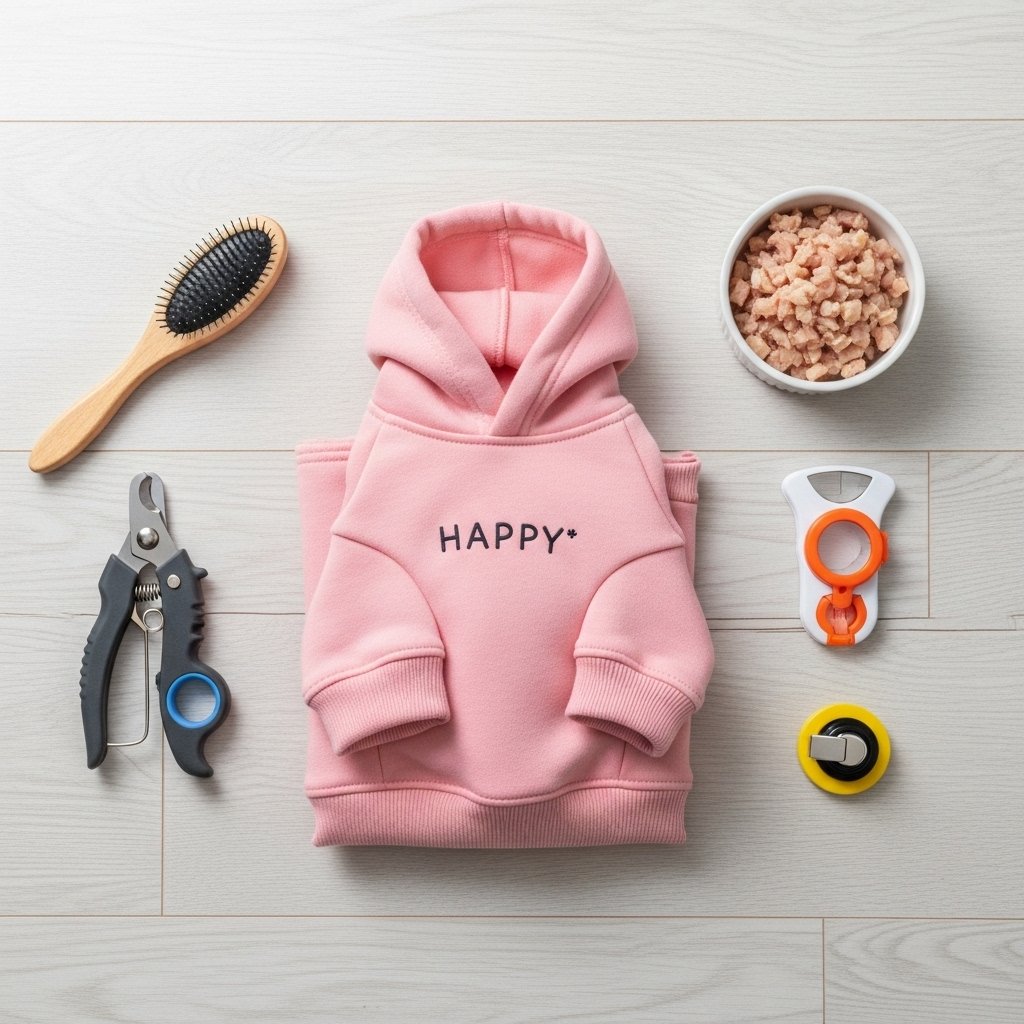
Your Happy Hoodie Toolkit
Gather everything you need before you begin a session so you’re not scrambling for things later. Here’s your checklist:
- A Properly Sized Happy Hoodie: They come in different sizes. Measure your dog’s head circumference to ensure you get a snug but comfortable fit. Too loose and it won’t be effective; too tight and it will be distressing.
- High-Value Treats: This is not the time for boring kibble. We’re talking about the good stuff! Think small pieces of cooked chicken, cheese, hot dogs, or their absolute favorite store-bought training treats. The reward needs to be exciting enough to create a powerfully positive association.
- A Quiet, Comfortable Space: Choose a location where your dog already feels safe and there are minimal distractions. Avoid busy areas of the house, other pets, or loud noises from the TV or outside.
- Your Grooming Tools: For later stages of training, have the brush, nail clippers, or dryer nearby so you can introduce them seamlessly into the process.
Choosing the Right Time
Timing is everything. Don’t try to start this training right before a stressful event or when your dog is already wound up from a walk or playtime. The ideal time is when your dog is naturally calm and relaxed, perhaps after a meal or in the evening when things are winding down. Keep initial sessions extremely short—we’re talking one to five minutes at most. The goal is to always end on a positive note, before your dog has a chance to get frustrated or anxious.
The Step-by-Step Happy Hoodie Training Plan
This is where the magic happens! This process is all about desensitization and counter-conditioning. In simple terms, we are slowly getting your dog used to the Happy Hoodie (desensitization) and actively changing their emotional response from fear to excitement by pairing it with amazing treats (counter-conditioning). Move through these steps at your dog’s pace. If they show signs of stress, take a step back to where they were last successful and work from there. Patience is your superpower!
Step 1: The Introduction Phase (Creating a Great First Impression)
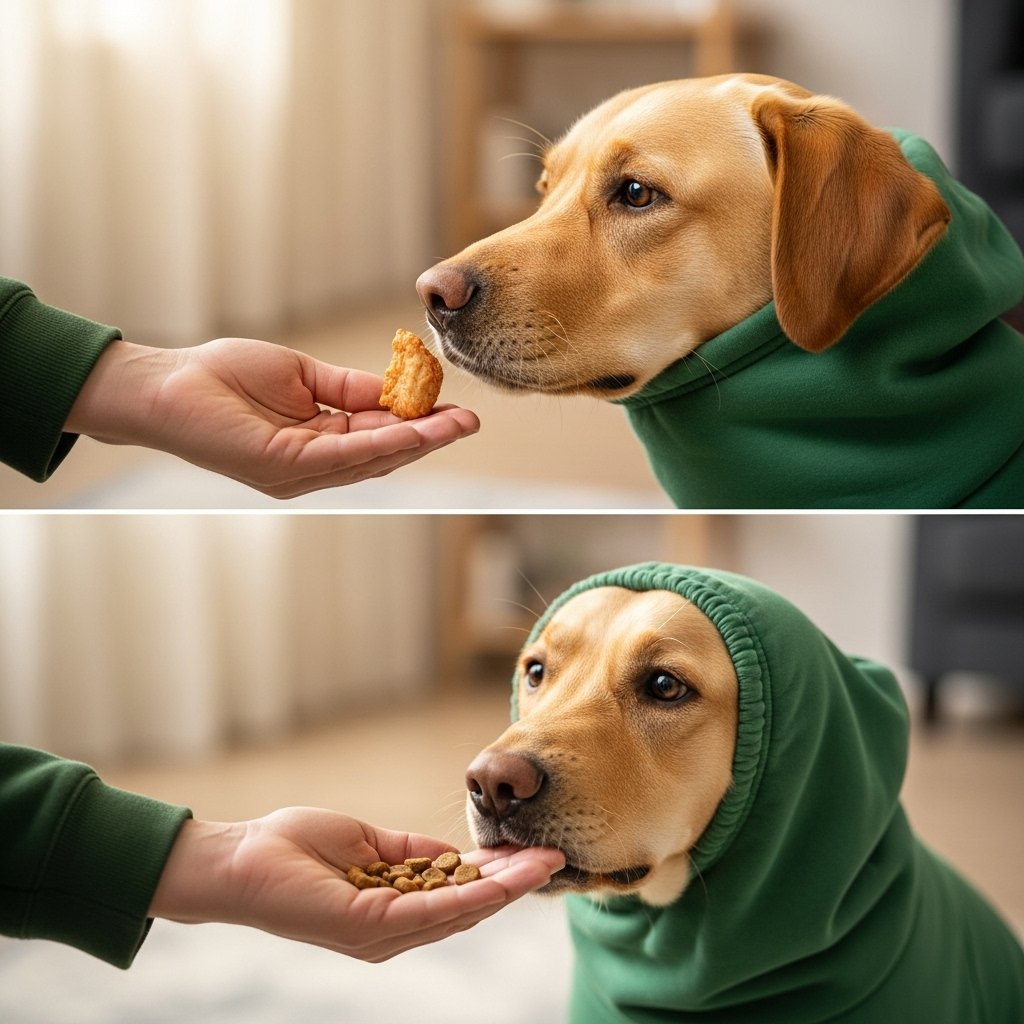
The goal here is simple: Happy Hoodie = Awesome Things are Coming. Hold the hoodie in your hand. The second your dog looks at it or sniffs it, say “Yes!” in a happy tone and give them a high-value treat. Do this 5-10 times. Don’t try to put it on them yet. Just let them investigate it while you shower them with praise and goodies. You want their first thought to be, “Oh, that fabric thing! That’s the thing that makes chicken appear!”
Step 2: Brief Touches and Wearing
Once your dog is happily approaching the hoodie, gently touch it to their neck or the side of their head for a split second, then say “Yes!” and treat. After a few successful repetitions, you can progress to the main event. Gently bunch up the hoodie like a sock, and for just one second, slip it over your dog’s head and ears, and then immediately slip it back off. The instant it’s off, deliver a jackpot of treats. The sequence is: On -> Off -> Party! Keep this incredibly brief and positive.
Step 3: Extending the Duration
Now, we’ll slowly build up the time your dog wears the hoodie. Put it on, and immediately start feeding them a steady stream of tiny treats. After 3-5 seconds, take it off and stop the treats. The treats only flow when the hoodie is on. Gradually increase the duration: 5 seconds, 10 seconds, 30 seconds, and so on, as long as your dog remains comfortable and happy. If they start to fuss, you’ve moved too fast. Go back to a shorter duration where they were successful.
Step 4: Introducing Grooming Tools (No Action, Just Association)
With your dog calmly wearing the hoodie for at least a minute, it’s time to re-introduce the scary objects. While they wear the hoodie and you feed them treats, simply hold the brush nearby. Don’t touch them with it. Just let them see it. Put it away. Take the hoodie off. End of session. Repeat this with clippers, the dryer (turned off), and any other tools. You are teaching them that the presence of these tools while they are in their calm ‘hoodie state’ is not a threat.
Step 5: The First ‘Real’ Grooming Session
This is the final step! With your dog wearing the hoodie, perform one single, simple grooming action. One light brush stroke on their back. Or just holding a paw while the clippers are in your other hand. Then, stop, remove the hoodie, and give lots of praise. Keep these initial grooming sessions incredibly short and sweet. Your goal isn’t to complete a full groom, but to have one successful, positive interaction that you can build on next time.
| Training Phase | Goal | Typical Duration | Reward Strategy |
|---|---|---|---|
| 1. Introduction | Dog sees/sniffs hoodie and is happy. | 1-2 minutes | Immediate treat for any interaction with the hoodie. |
| 2. Brief Wearing | Dog allows hoodie on/off without fuss. | 1-3 minutes | Jackpot of treats the second it comes off. |
| 3. Duration Building | Dog comfortably wears hoodie for extended time. | 2-5 minutes | Steady stream of treats only while the hoodie is on. |
| 4. Tool Association | Dog sees grooming tools and remains calm. | 3-5 minutes | Treats for calm behavior in the presence of tools. |
| 5. Mini-Grooming | Dog accepts a simple grooming action. | 3-5 minutes | Praise and treats after one successful action. |
Troubleshooting Common Issues & Reading Your Dog’s Body Language
Even with the best training plan, you might hit a few bumps in the road. That’s completely normal! The key is to recognize when your dog is struggling and know how to respond with empathy and patience. This section is all about troubleshooting common problems and becoming a better student of your dog’s communication.
“My dog keeps pawing it off!”
This is the most common issue and it almost always means you’ve moved too fast. The dog isn’t comfortable yet. Go back to a previous step where they were successful. This usually means going back to just briefly slipping it on and immediately off, followed by a huge reward. Ensure the fit isn’t too tight, as that can be uncomfortable. You can also use a distraction, like a lick mat smeared with peanut butter (xylitol-free!) or yogurt, to keep them occupied while you re-introduce the hoodie for very short periods.
“My dog freezes or shakes their head a lot.”
Freezing is a sign of fear and uncertainty. Head shaking indicates they are trying to dislodge something uncomfortable. In either case, it’s a clear signal to stop. Take the hoodie off, give them a break, and end the session on a positive note with a simple, known command like ‘sit’ and a treat. Next time, make the session even shorter and the rewards even better. Don’t try to push through this behavior; it will only make the negative association stronger.
Becoming Fluent in ‘Dog’
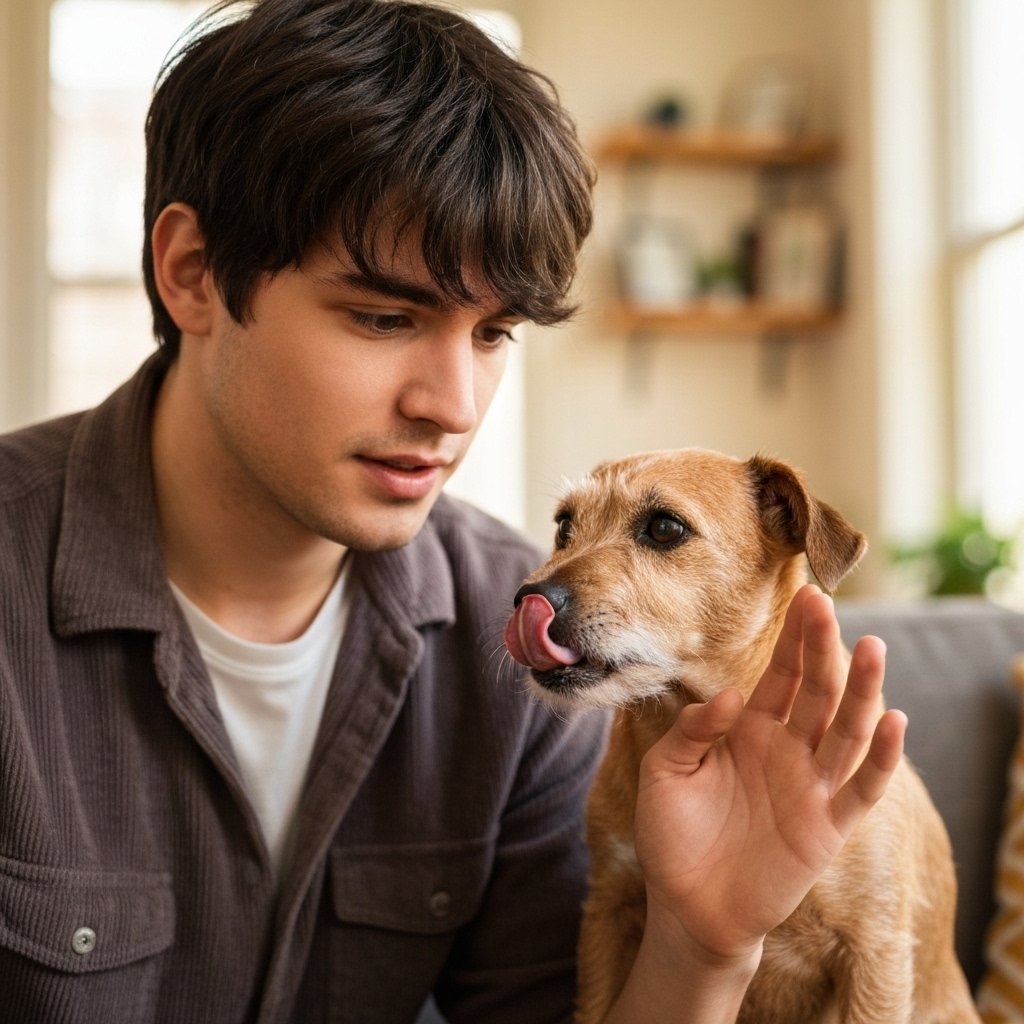
Your dog is constantly communicating with you, but not with words. Learning to spot the subtle signs of stress (often called ‘calming signals’) is crucial for successful training. Pushing a dog past their comfort zone can ruin your progress. Watch for:
- Yawning: When not tired, a yawn is a classic sign of stress.
- Lip Licking or Nose Licking: Quick flicks of the tongue can indicate anxiety.
- Whale Eye: Seeing the whites of your dog’s eyes, especially when they turn their head away but keep looking at something, is a sign of discomfort.
- Tucked Tail: A low or tucked tail signals fear or submission.
- Panting: When not hot or thirsty, panting can be a sign of stress.
Golden Rule: Always advocate for your dog. If you see these signs, it’s your job to de-escalate the situation. Stop what you’re doing, create distance from the scary thing, and let your dog know you heard them and will keep them safe. This builds immense trust.
Beyond the Hoodie: Creating a Lifelong Positive Grooming Experience
The Happy Hoodie is an incredible tool for managing acute stress during grooming, but our ultimate goal is to build a dog who is confident and cooperative in all aspects of their care. The hoodie helps you get through the necessary tasks, while you work on the bigger picture of creating a positive emotional foundation around being handled and groomed.
Incorporate Cooperative Care
Cooperative care is a revolutionary training approach that gives your dog choice and control during procedures. It involves training your dog to offer behaviors that make grooming easier. For example, you can teach a ‘chin rest’ cue, where your dog voluntarily places their chin in your hand for face and ear cleaning. Or teaching them to offer a paw for nail trims. When the dog is an active, willing participant rather than a passive subject, their fear plummets. This training takes time but pays dividends in creating a trusting partnership.
Find the Right Groomer
If you use a professional groomer, their approach matters immensely. Seek out groomers who are certified in Fear Free® or Low-Stress Handling®. These professionals are trained to recognize signs of stress, use calming techniques, and prioritize the dog’s emotional well-being over a perfect haircut. Don’t be afraid to interview groomers and ask about their process for handling nervous dogs.
Make it Predictable and Rewarding
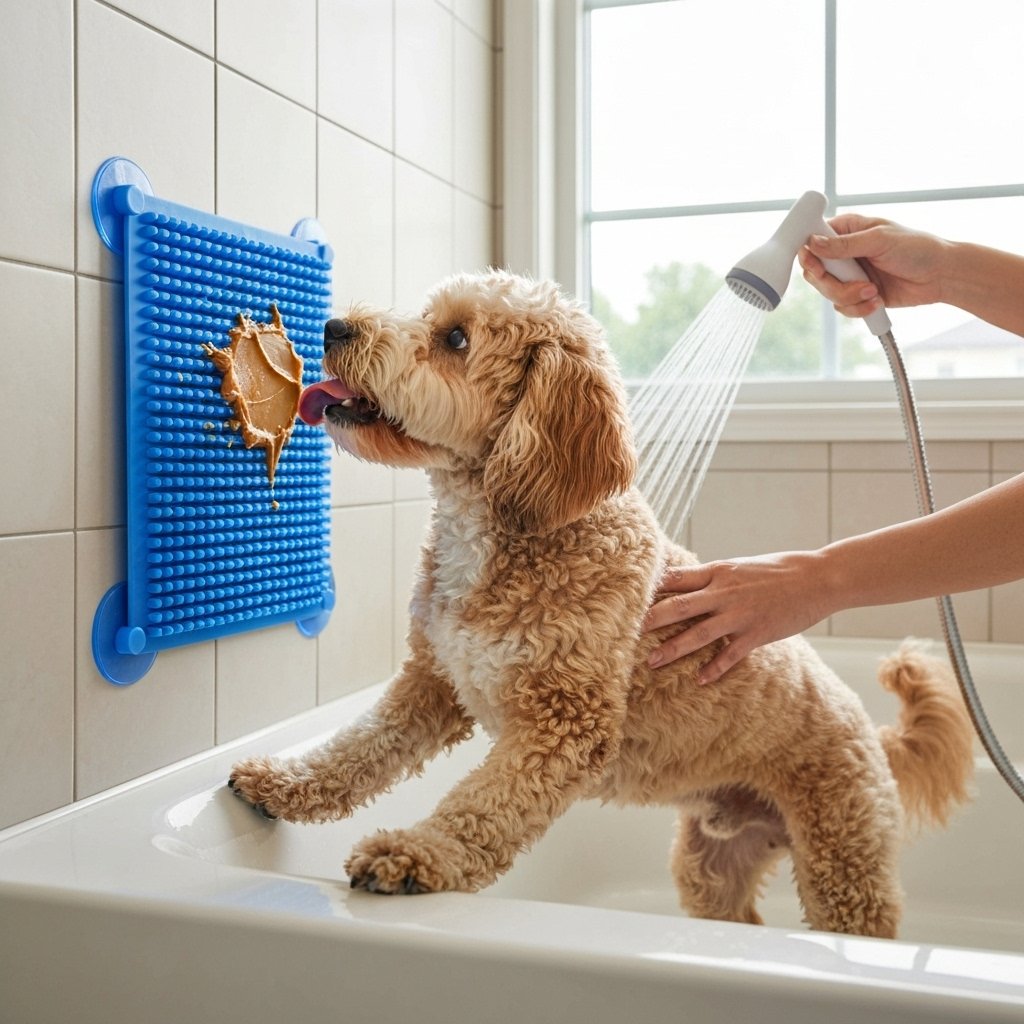
Dogs thrive on routine. Instead of sporadic, long grooming sessions, try very short, daily ‘happy handling’ sessions. For 30 seconds each day, gently brush your dog’s back, touch their paws, and look at their ears, all while giving them treats. This normalizes being handled. When it is time for a full groom, use other tools to make it more pleasant. A lick mat stuck to the tub wall or a puzzle toy can keep your dog’s brain happily engaged while you work. By pairing a slightly unpleasant experience (grooming) with a highly pleasant one (a special food puzzle), you continue to build a positive association.
Conclusion
Transforming your dog’s fear of grooming into calm acceptance is a journey, not a race. The Happy Hoodie is a fantastic aid on that path, offering your dog immediate comfort from scary noises and sensations. But as you’ve learned, the real, lasting success comes from your patience, your understanding of your dog’s body language, and your commitment to positive reinforcement.
By following these steps, you’re not just training your dog to tolerate grooming; you’re teaching them that they can trust you to listen to them and keep them safe, even in stressful situations. Every short, successful session builds on the last, strengthening your bond and replacing fear with confidence. So take a deep breath, grab the high-value treats, and get ready to create a happier, more peaceful grooming routine for you and your beloved furry friend. You’ve got this!