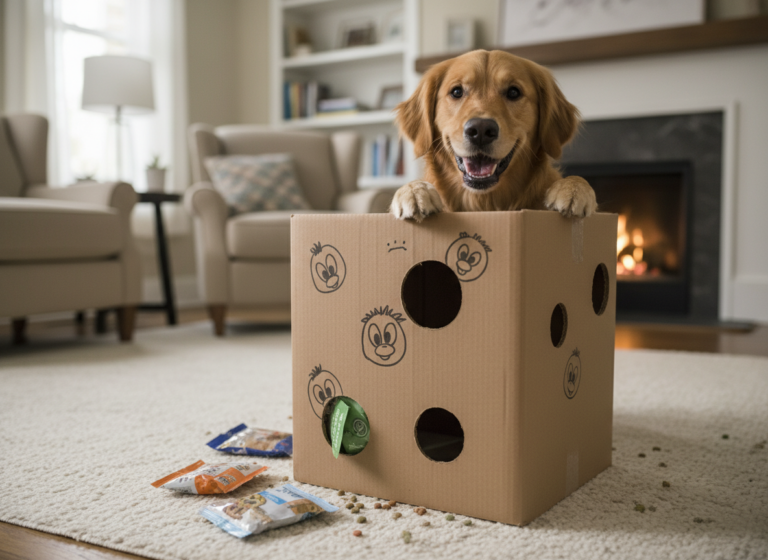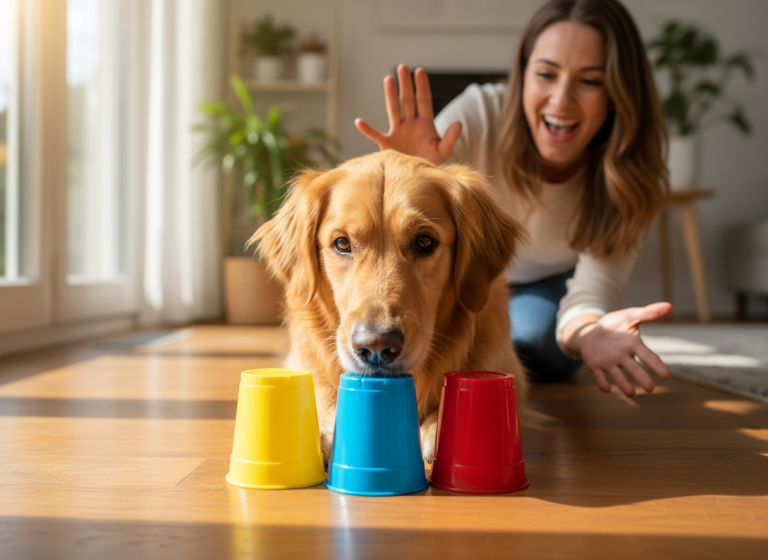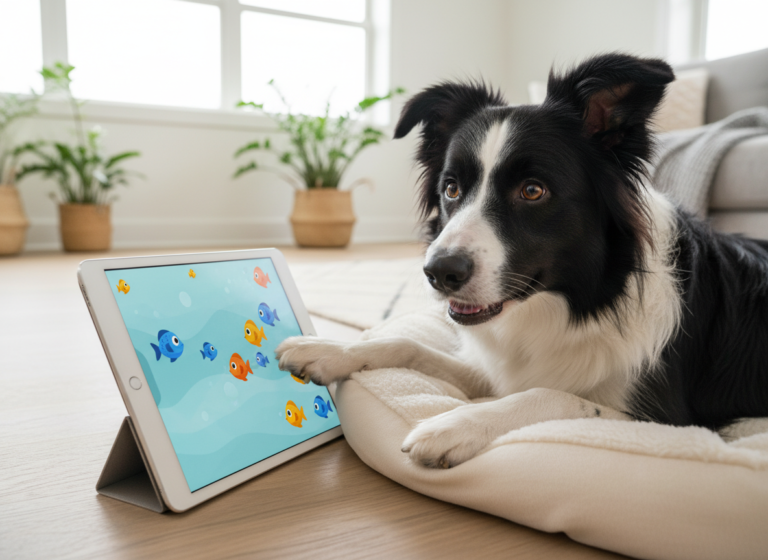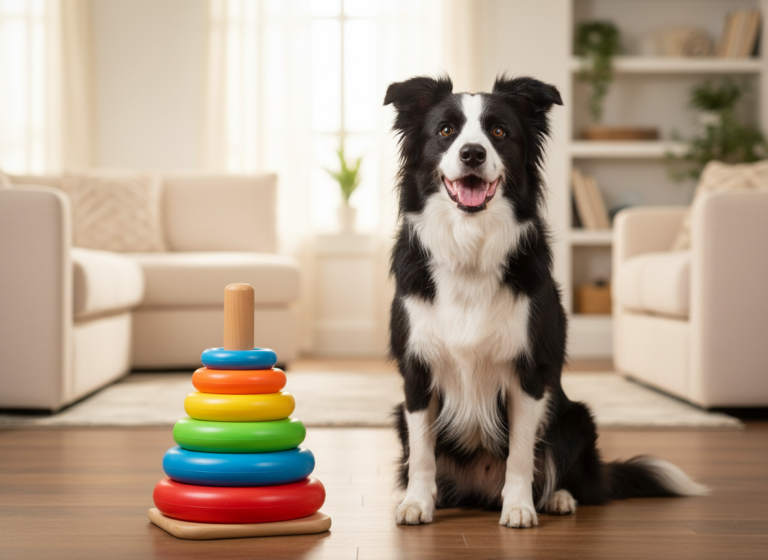
Hey there, fellow dog lover! Have you ever looked at your pup and wondered what’s really going on inside that furry head? Our dogs are incredibly smart, and just like us, they need challenges to keep their minds sharp and engaged. While daily walks and games of fetch are fantastic for their bodies, mental exercise is just as crucial for a happy, well-behaved companion. That’s where brain games come in!
Forget complicated agility courses or expensive puzzle toys for a moment. We’re going to dive into a super fun, surprisingly simple, and incredibly impressive game: teaching your dog to distinguish between a square and a circle. Sound like something only a canine Einstein could do? Not at all! With a little patience, a handful of tasty treats, and a whole lot of praise, you can teach this amazing skill to your own dog. This isn’t just about showing off to your friends (though that’s a fun bonus!); it’s about preventing boredom, building confidence, and creating a deeper, more communicative bond with your best friend. Let’s get ready to turn your living room into a classroom of fun!
Gearing Up for Genius: What You’ll Need
Gearing Up for Genius: What You’ll Need
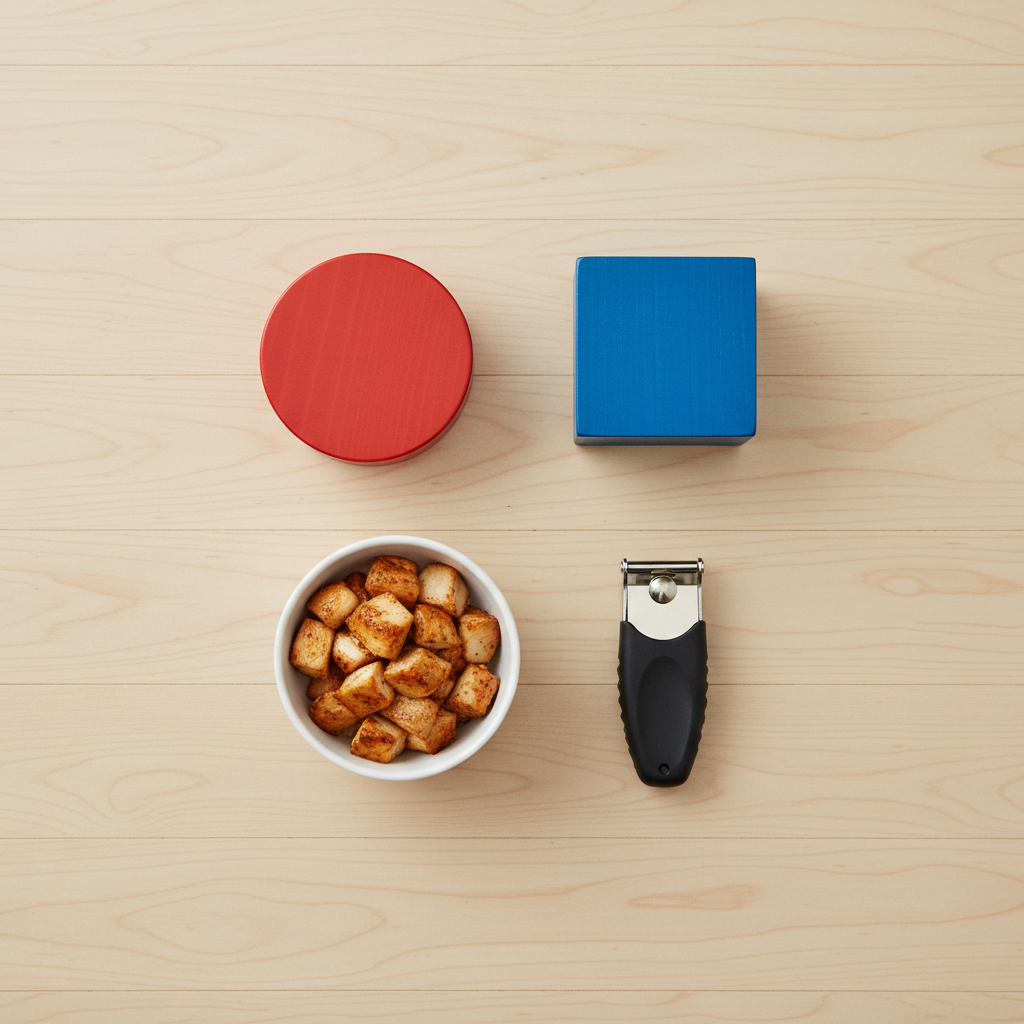
Before we jump into the training, let’s get all our supplies in order. Having everything ready beforehand makes the process smoother and keeps your dog focused on the fun, not on you rummaging through drawers. Think of this as setting up your little genius’s workstation! You don’t need anything fancy or expensive; in fact, you might already have most of these items at home.
Essential Supplies:
- Two Distinct Shapes: You’ll need one square and one circle. It’s best if they are similar in size and material but different in color to start. For example, a red circle and a blue square. You can use cutouts from sturdy cardboard, wooden blocks, or even purchase plastic or foam shapes from a craft store. The key is that they feel similar to your dog’s nose or paw but look different.
- High-Value Treats: This is the fun part for your dog! We need extra-special, super-tasty treats that your dog absolutely loves. Think small pieces of chicken, cheese, hot dogs, or their favorite smelly training treats. The goal is to make the reward so good that your dog is highly motivated to figure out the puzzle. Keep them small so you can do lots of repetitions without filling up their tummy too quickly.
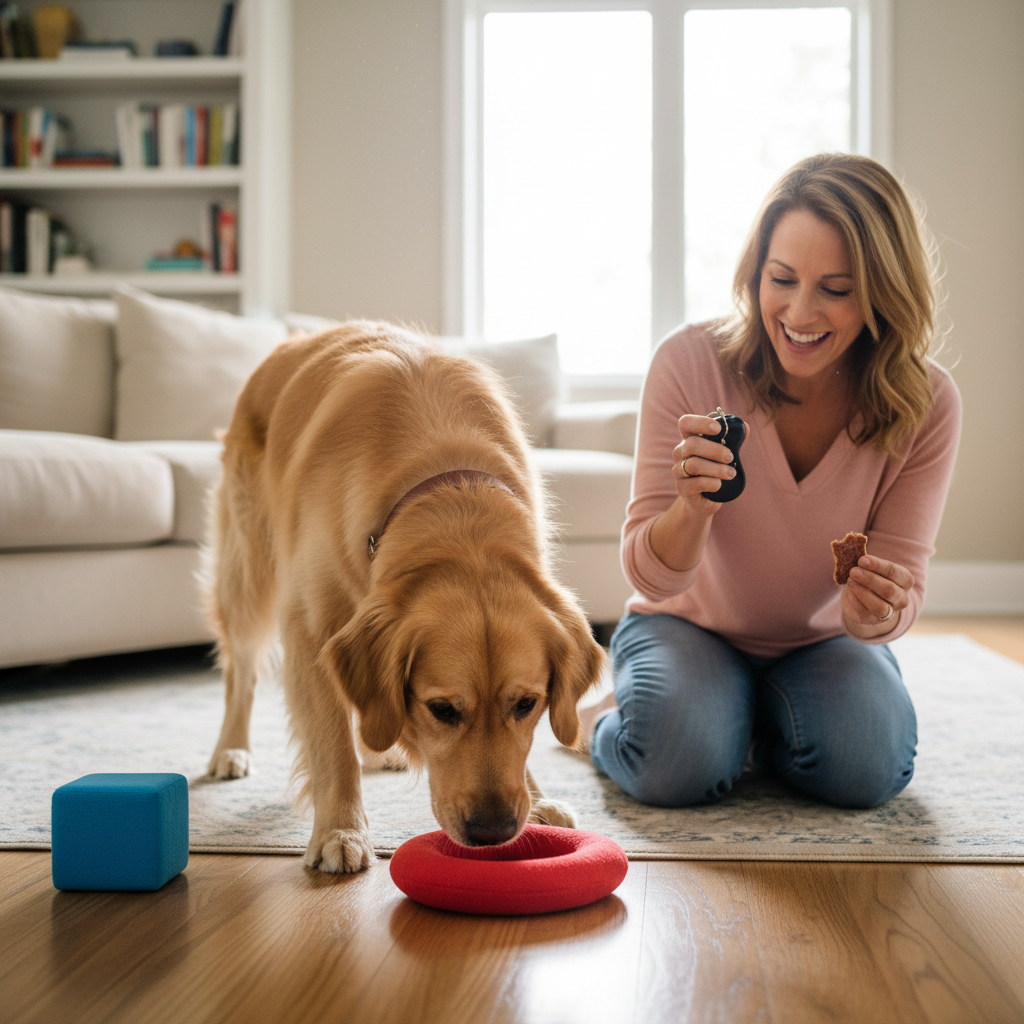
- A Clicker (Optional but Recommended): A clicker is a fantastic tool for marking the exact moment your dog does something right. This precise communication can speed up the learning process significantly. If you’ve never used one, don’t worry! It’s easy. You just ‘charge’ it by clicking and immediately giving a treat a few times until your dog associates the ‘click’ sound with a reward.
- A Quiet Training Space: Choose a room with minimal distractions. Turn off the TV, put your phone on silent, and make sure other pets or family members won’t interrupt your session. A calm environment helps your dog concentrate on the task at hand.
Expert Tip: Keep your training sessions short and sweet! Aim for 5-10 minute sessions once or twice a day. Dogs, especially when learning a new concept, learn best in brief, positive bursts. Always end on a successful repetition to leave them feeling confident and eager for the next session.
The Step-by-Step Training Blueprint: From Shape to Success
The Step-by-Step Training Blueprint: From Shape to Success
Alright, you’ve got your supplies, your treats are ready, and your dog is looking at you with eager anticipation. It’s time to begin! Remember, the key here is patience and positivity. We’re going to break this down into tiny, achievable steps. Every dog learns at a different pace, so celebrate the small wins and don’t get discouraged. Let’s start building those brain cells!
-
Step 1: Introduce the First Shape (Let’s use the Circle)
Place only the circle on the floor in front of you. The moment your dog shows any interest in it—sniffing it, looking at it, nudging it with their nose, or touching it with a paw—click (if using a clicker) and immediately give them a treat. We are rewarding pure curiosity at this stage. Repeat this several times until your dog understands that interacting with the circle makes good things happen. They’ll likely start offering a nose-touch or paw-touch more deliberately.
-
Step 2: Add a Verbal Cue for the Circle
Once your dog is consistently touching the circle, it’s time to name it. Just as they are about to touch the circle, say your cue word, like “Circle” or “Touch Circle,” in a clear, happy voice. Then, click and treat when they make contact. Practice this until you can say “Circle,” and your dog moves to touch the shape. This is a huge step! You’re connecting a word to an action and an object.
-
Step 3: Introduce the Second Shape (The Square)
Now, put the circle away and take out the square. Repeat the exact same process you did in Step 1. Place the square on the floor, and click and treat for any interaction. We want to build the same positive association with this new shape. Don’t add a verbal cue for the square just yet. We want to avoid confusion. For now, the square is just another fun object that earns treats when touched.
-
Step 4: The Big Test – Discrimination Time!
This is where the real magic happens. Place both the circle and the square on the floor, a foot or so apart. Ask your dog, “Circle.” If they move towards and touch the circle, throw a party! Give them a click, lots of praise, and a jackpot of several treats. This was a huge success! If they touch the square by mistake, that’s okay! Simply say nothing, don’t click or treat, and maybe pick up the shapes for a few seconds before placing them down again to reset. Never punish a wrong guess. We want to keep this game fun and pressure-free. The absence of a reward is enough information for them to learn from.
Crucial Tip: To prevent your dog from developing a side preference (e.g., always choosing the shape on the left), make sure you regularly switch which side the circle and square are on. Mix it up randomly so they have to actually look at the shapes, not just their location.
-
Step 5: Generalize the Skill
Once your dog can reliably pick out the circle from the square in your training spot, it’s time to generalize. This means helping them understand that a ‘circle’ is a ‘circle’ no matter what. Try using different sizes, colors, or textures of circles and squares. Practice in different rooms of the house, or even in the backyard. This step solidifies the concept in their mind and is the true mark of mastery!
Troubleshooting: When Your Pup Gets Puzzled
Troubleshooting: When Your Pup Gets Puzzled
Even the brightest students can hit a snag, and that’s perfectly normal! Training is never a straight line to success; it’s full of little bumps and detours. If you find your dog is struggling, don’t worry. It’s not a reflection of their intelligence or your training skills. It’s just a sign that we need to break things down even further or change our approach. Let’s look at some common challenges and how to solve them.
My Dog Keeps Choosing the Wrong Shape.
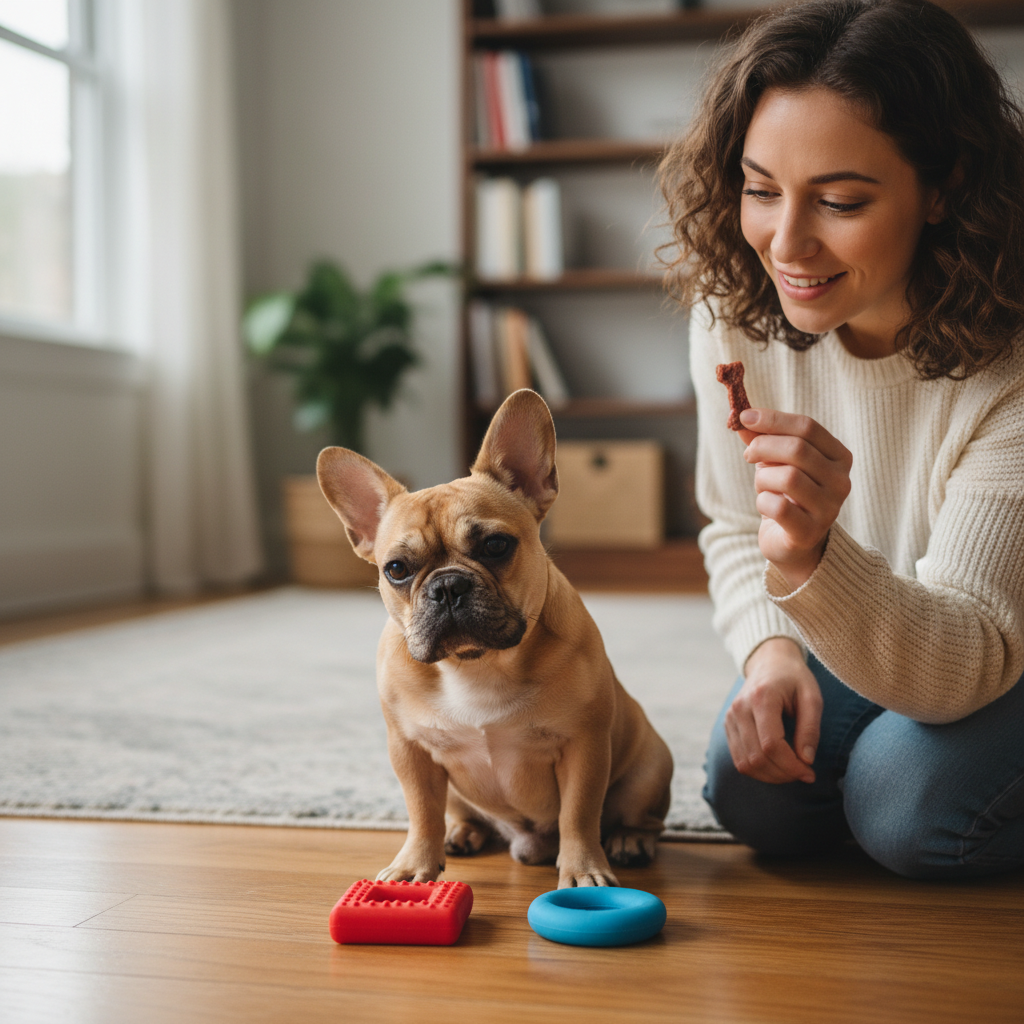
This is the most common issue. It usually means we’ve moved ahead too quickly. The solution is to go back a step! Spend more time on Step 1 and 2, making the ‘circle’ the absolute best, most rewarding thing in the world. Make the association with the word “Circle” so strong that it’s an easy choice for them. When you reintroduce the square, make it less exciting for a bit. Only give a tiny, less exciting treat for touching the square (when you’re not asking for a specific shape), and save the high-value jackpot for when they correctly choose the circle on cue.
My Dog Always Chooses the Shape on the Left (or Right).
This is called a position or side preference. Your clever dog has figured out a pattern that doesn’t involve looking at the shapes! The fix is simple: more randomization. In a single session, switch the positions of the shapes frequently. Sometimes left, sometimes right, sometimes closer, sometimes farther. The goal is to make the shape’s identity the only reliable clue for getting a treat, not its location.
My Dog is Losing Interest or Seems Frustrated.
This is a clear sign that the session has gone on too long or has become too difficult. Frustration is the enemy of learning. Immediately end the session on a positive note. Ask for a simple command your dog knows well, like ‘sit’ or ‘paw,’ reward them enthusiastically, and then call it a day. Next time, make the session shorter and easier. Go back to a step where they were having a lot of success and build their confidence back up before trying the harder stuff again.
Remember the Golden Rule: Training should always be fun. If you or your dog are feeling stressed, take a break. You can always come back to it later. Your relationship with your dog is more important than any single trick.
Level Up! Advanced Shape Games and Beyond
Level Up! Advanced Shape Games and Beyond
So, your dog is a shape-sorting superstar! They can pick a circle out of a lineup like a pro. Amazing! But why stop there? Now that they understand the concept of discrimination, you can expand on this foundation in all sorts of fun and challenging ways. Taking the game to the next level will keep your dog’s mind buzzing and prevent them from getting bored with the same old routine. Here are a few ideas to level up your brain games.
Introduce a Third Shape
Why not add a triangle to the mix? Use the same method as before: introduce the new shape by itself, build a positive association, give it a name (‘Triangle!’), and then add it to the lineup with the circle and square. Now your dog will have to choose between three options! This really ups the mental ante.
Shape Retrieval
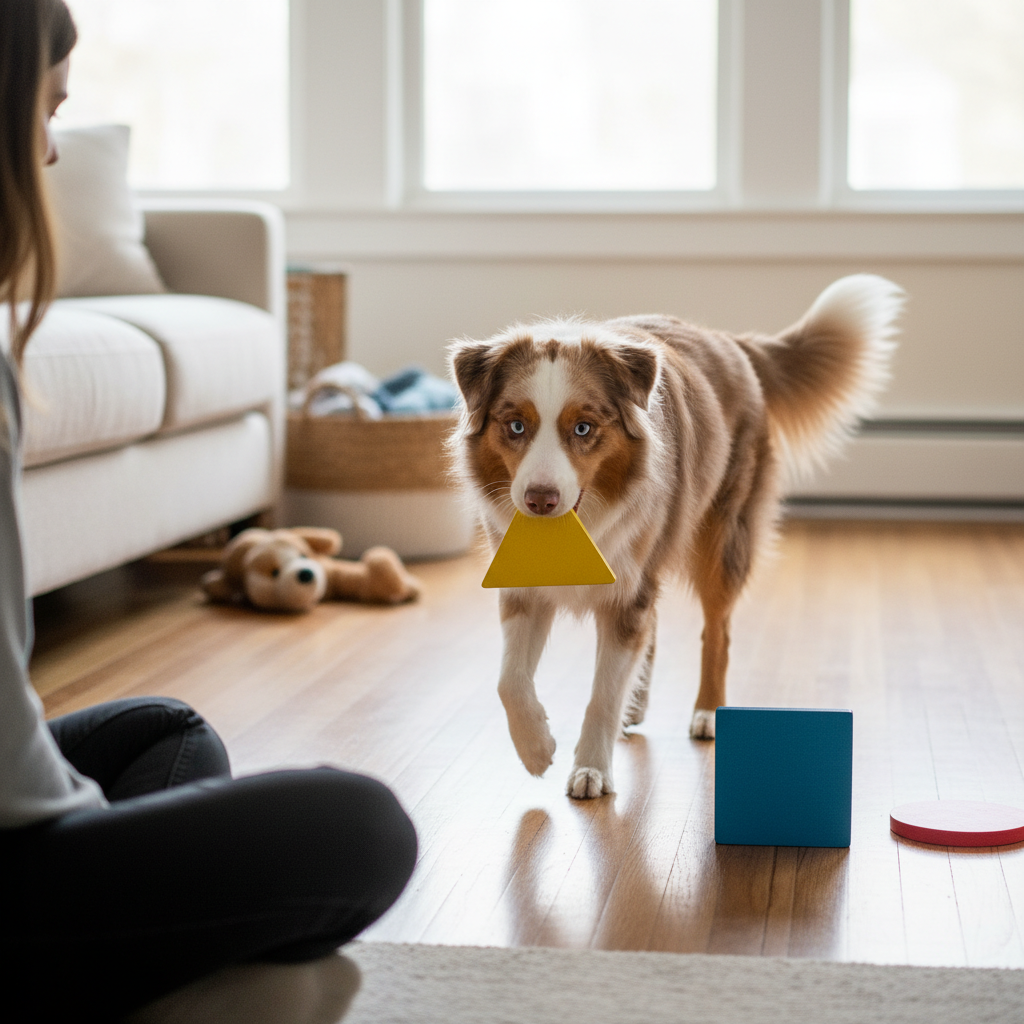
Instead of just touching the shape, teach your dog to pick it up and bring it to you. This adds a physical component to the mental puzzle. Start by rewarding them for just picking up the cued shape. Gradually, you can shape the behavior of them bringing it closer to you until they’re delivering it right to your hand. Imagine asking, “Bring me the square,” and having your pup proudly trot over with it!
Find the Shape
Turn it into a game of hide-and-seek! Place the shapes in different parts of the room and ask your dog to “Find the circle.” This combines nose work with shape recognition, engaging multiple senses and problem-solving skills. Start easy, with the shapes in plain sight, and gradually increase the difficulty by hiding them partially behind furniture.
Create Shape Sequences
For the truly advanced canine scholar, you can teach sequences. For example, ask them to touch the circle, then the square, to get the reward. This requires not just recognition, but memory and the ability to follow a multi-step command. This is a very advanced skill that builds incredible focus.
By continuing to build on these games, you’re not just teaching tricks; you’re teaching your dog how to learn. You’re building their problem-solving skills, their ability to focus, and their confidence. The possibilities are endless, and the journey of learning together is one of the most rewarding parts of being a pet owner.
Conclusion
Congratulations! You now have all the tools and knowledge to teach your dog a truly remarkable skill. Teaching your dog to distinguish between squares and circles is so much more than a party trick; it’s a testament to their intelligence and a beautiful exercise in communication and partnership between you and your furry friend. Through this process, you’ve spent quality time together, challenged their mind, and strengthened your bond in a way that goes beyond simple walks or cuddles on the couch.
Remember to always be patient, keep it positive, and celebrate every tiny bit of progress. The real prize isn’t the finished trick, but the moments of connection, the little spark of understanding in your dog’s eyes, and the joy of working together as a team. So grab your shapes, pocket some treats, and get ready to be amazed by what your dog can do. Happy training!