Is your dog giving you that look? The one that says, ‘I’ve napped, I’ve sniffed the entire yard twice, and now I’m bored out of my skull!’ We’ve all seen it. While physical exercise is essential, we often forget that our dogs’ brilliant brains need a workout too. Without mental stimulation, dogs can develop undesirable behaviors like chewing, barking, or general mischief-making. But what if you could bust that boredom with a simple, inexpensive item you already have in your kitchen?
Welcome to the wonderful world of brain games! Today, we’re diving into a fun, challenging, and incredibly rewarding activity: teaching your dog to nest measuring cups. This isn’t just a cute party trick; it’s a powerful tool for building your dog’s confidence, strengthening your bond, and giving their cognitive skills a serious boost. Get ready to unlock a new level of communication with your furry best friend. Let’s get started!
Gathering Your Gear: What You’ll Need for the Nesting Cup Challenge
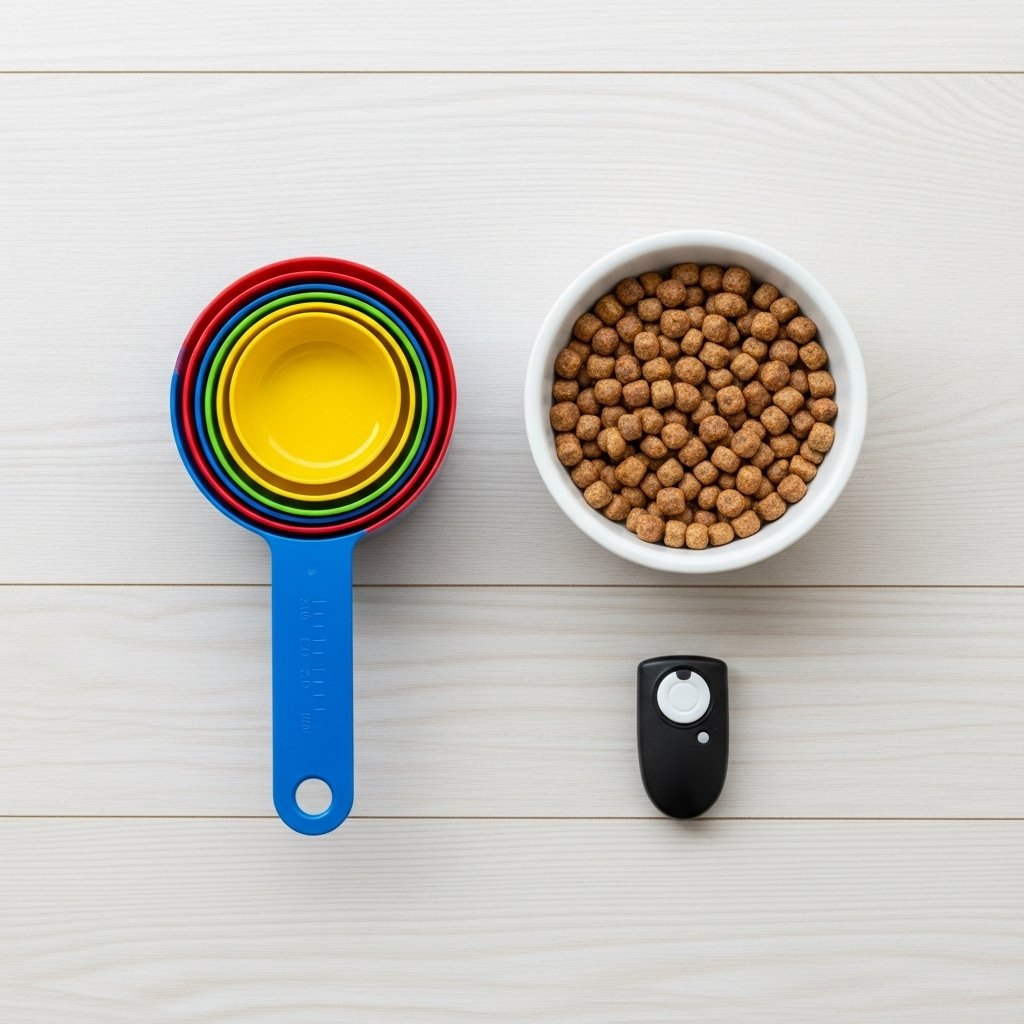
Before we jump into the training, let’s get our supplies in order. The beauty of this game is its simplicity—you likely have everything you need right at home. Choosing the right tools can make the learning process smoother and more enjoyable for both you and your pup.
Essential Supplies:
- A Set of Nesting Cups: Standard kitchen measuring cups are perfect. Opt for a sturdy plastic set over metal to avoid loud noises that might startle your dog. Ensure they are large enough for your dog to comfortably pick up but not so large they can’t manage them. Colorful sets can also add visual interest!
- High-Value Treats: This is the secret sauce! You need something your dog absolutely loves and doesn’t get all the time. Think tiny pieces of cooked chicken, cheese, or their favorite smelly training treats. The treats should be small—pea-sized is ideal—so you can reward frequently without filling your dog up too quickly.
- A Clicker (Optional, but Recommended): If you’re familiar with clicker training, this is a fantastic tool for this game. A clicker allows you to mark the exact moment your dog does the right thing with perfect timing, which speeds up learning. If you’re not using a clicker, you can use a verbal marker word like ‘Yes!’ said in an excited tone.
- A Comfortable Training Space: Choose a quiet area of your home with minimal distractions. A room with a soft rug or carpet is often better than a slippery hardwood floor, as it will keep the cups from sliding around too much.
Expert Tip: When starting out, use only two cups: the largest and the smallest. This simplifies the task and sets your dog up for an easy win, which is a huge confidence booster!
Step-by-Step: How to Teach Your Dog to Nest the Cups
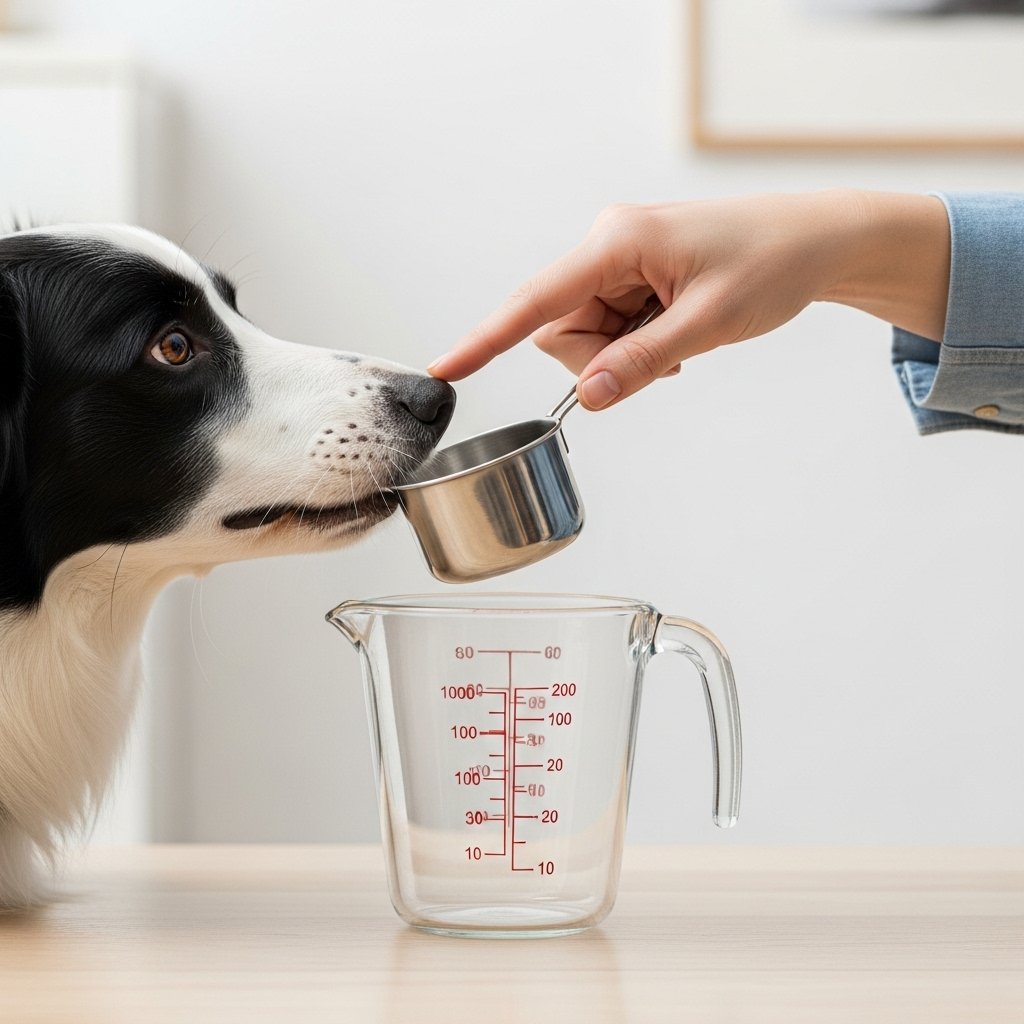
Alright, you’ve got your gear, your treats are ready, and your dog is looking at you with anticipation. It’s time to begin! Remember, the key here is patience, positivity, and breaking the task down into tiny, achievable steps. This process is called ‘shaping,’ where we reward small approximations of the final behavior. Keep your sessions short and fun—5 to 10 minutes once or twice a day is perfect.
- Step 1: Introduce the Cups. Place the largest measuring cup on the floor in front of your dog. The moment your dog shows any interest in it—sniffing it, looking at it, nudging it with their nose—click and treat! Repeat this several times until your dog understands that interacting with the cup earns them a reward.
- Step 2: Encourage Interaction with the Mouth. Now, we want to encourage your dog to pick up the cup. Hold back your click and treat until they touch the cup with their mouth. It could be a lick, a gentle bite, or a full pickup. The second their mouth touches it, click and treat! We’re shaping the behavior from a nose-nudge to a mouth-touch.
- Step 3: Build to a ‘Hold’. Once your dog is reliably touching the cup with their mouth, wait for them to actually pick it up. Even if they only lift it for a split second, that’s your moment! Click and treat! Gradually, you can wait for slightly longer holds before you click. Practice this with both the smallest and largest cup individually.
- Step 4: Introduce the Nesting Concept. Place the largest cup on the floor. Give your dog the smallest cup. At first, reward them for simply bringing the small cup near the large one. Then, only reward them when they drop the small cup closer and closer to the large one. Finally, wait for that magic moment when they drop the small cup inside the larger one. The first time this happens, even by accident, throw a jackpot of treats! Make a huge, happy fuss. This is a major breakthrough.
- Step 5: Add More Cups and Refine. Once your dog reliably nests the smallest cup into the largest, you can introduce a medium-sized cup. Practice nesting the medium into the large, then the small into the medium. You’re building a chain of behaviors. Continue to reward each successful ‘nest’ with enthusiasm.
- Step 6: Add a Verbal Cue (Optional). When your dog is consistently performing the nesting behavior, you can add a cue word like ‘Stack’ or ‘Tidy Up’. Say the word just as they are about to perform the action. With repetition, they will associate the word with the behavior.
Ready for a Challenge? Leveling Up the Nesting Game
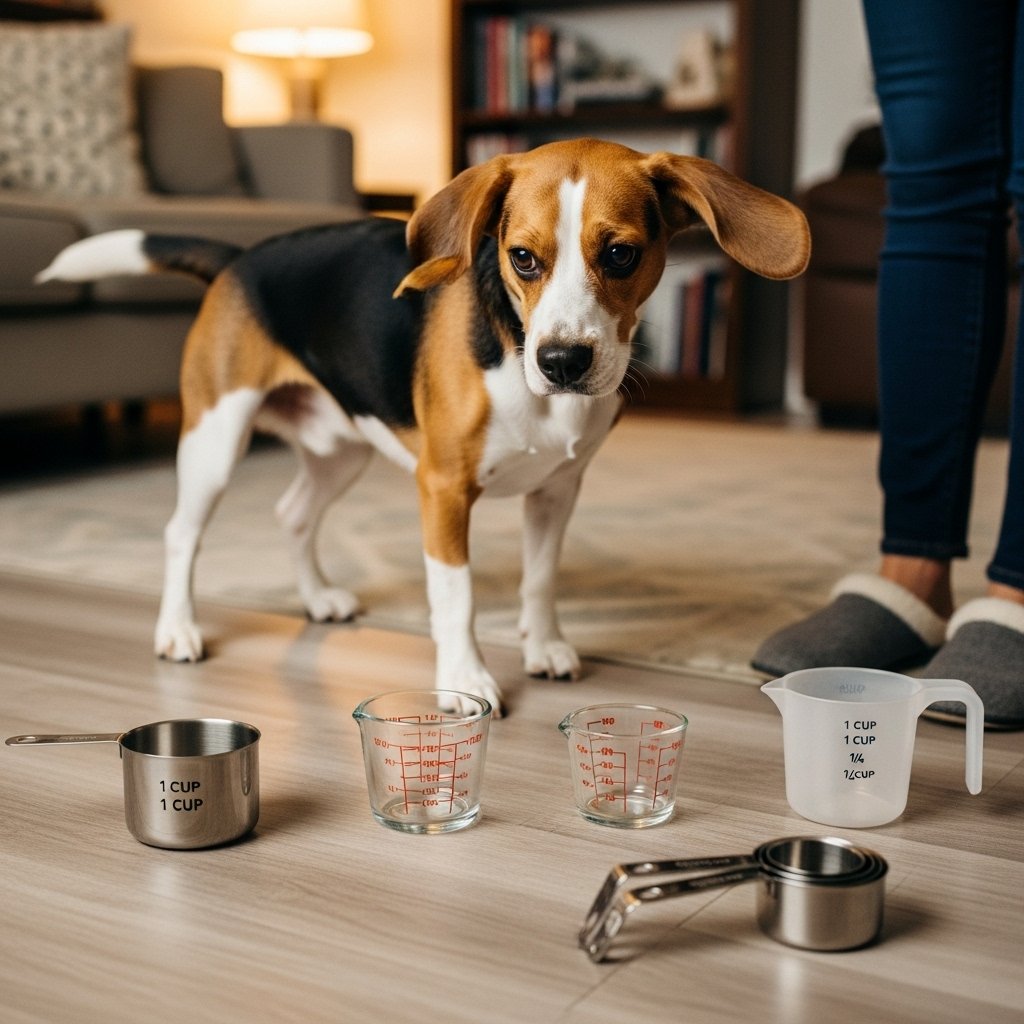
Has your canine genius mastered the basic nesting game? Don’t let the fun stop there! The best brain games can be adapted to keep your dog challenged and engaged. Once your dog understands the core concept of ‘put the small thing in the big thing,’ you can get creative and increase the difficulty.
Ways to Make the Game More Advanced:
- Increase the Distance: Instead of placing the cups right next to each other, place them on opposite sides of the room. This adds a ‘retrieve and deliver’ component to the puzzle.
- Hide a Cup: Place the larger ‘base’ cup in plain sight, but hide the smaller cup under a blanket or behind a chair leg (but still visible). This encourages them to use their nose and problem-solving skills to find the object first.
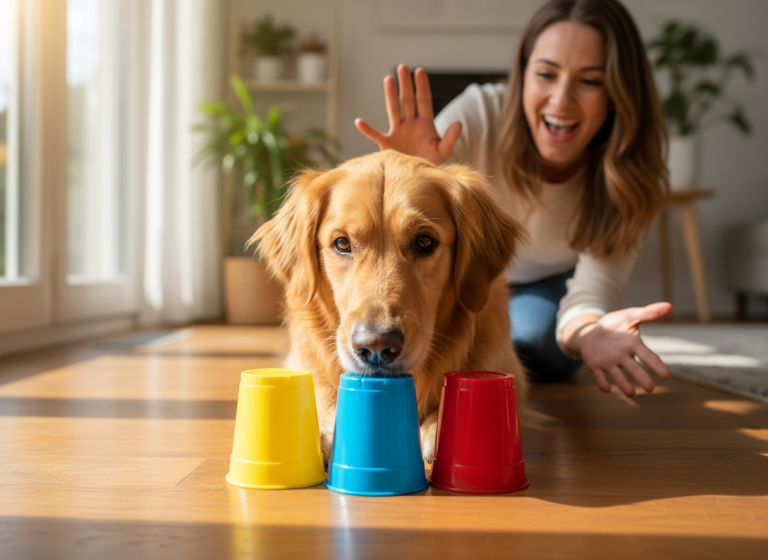
- Introduce a ‘Shell Game’: Place the small cup under one of two or three identical containers. Let your dog watch you do it. They then have to indicate which container hides the cup. This works their memory and observation skills.
- Use Different Objects: Who says it has to be measuring cups? You can generalize the skill by using different nesting objects, like plastic bowls, toy buckets, or different-sized cardboard boxes.
- Beat the Clock: For dogs who love a bit of pressure, you can add a timed element. See how quickly they can nest all the cups. Always keep it positive and fun, never stressful!
By mixing things up, you keep the game fresh and exciting, preventing your dog from getting bored and ensuring their brain stays sharp.
Oops! Troubleshooting Common Sticking Points
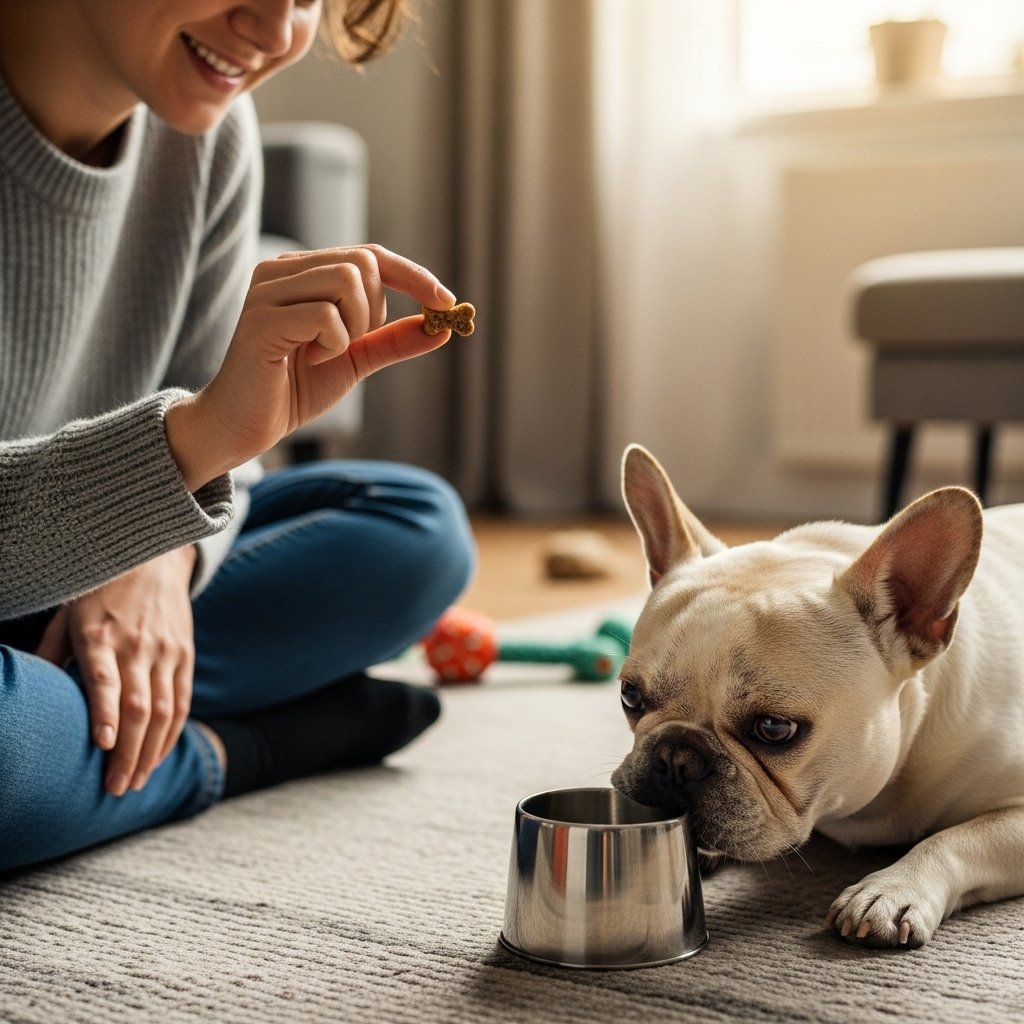
Even with the best plan, training doesn’t always go in a straight line. It’s totally normal to hit a few bumps in the road. The key is to recognize when your dog is struggling and know how to help them through it. Let’s look at some common hurdles and how to clear them.
Problem: My dog just wants to chew the cups!
Solution: This is very common, especially with puppies or heavy chewers. If your dog starts chewing, it’s a sign they might be a bit overexcited or see the cup as a chew toy. Immediately and calmly trade the cup for a high-value treat. You’re teaching them, ‘letting go of the cup is more rewarding than chewing it.’ Also, make sure you’re using durable, hard plastic cups rather than flimsy ones. Keep sessions short to prevent frustration from setting in.
Problem: My dog loses interest quickly.
Solution: If your dog is walking away or seems disengaged, your training session might be too long, or the reward might not be motivating enough. Cut your session time in half (even 2-3 minutes is productive!) and try using a higher-value treat. End each session on a high note with an easy win so they’re excited to play again next time.
Problem: My dog isn’t getting the ‘put it in’ part.
Solution: This is the trickiest step for many dogs. You may need to break it down even further. Hold the large cup and reward your dog for just touching the small cup to the rim of the large one. Then, reward them for touching it to the inside wall. You can also physically guide the cup in with your hand while they hold it, then click and treat the second it drops in. You’re essentially showing them the answer to the puzzle to help them connect the dots.
Remember the Golden Rule: Never punish your dog for getting it wrong. This is a game! If they get frustrated, take a break, play a different game they know and love, and try again later. The goal is always to build confidence, not create anxiety.
More Than Just a Game: The Big Benefits for Your Dog’s Brain
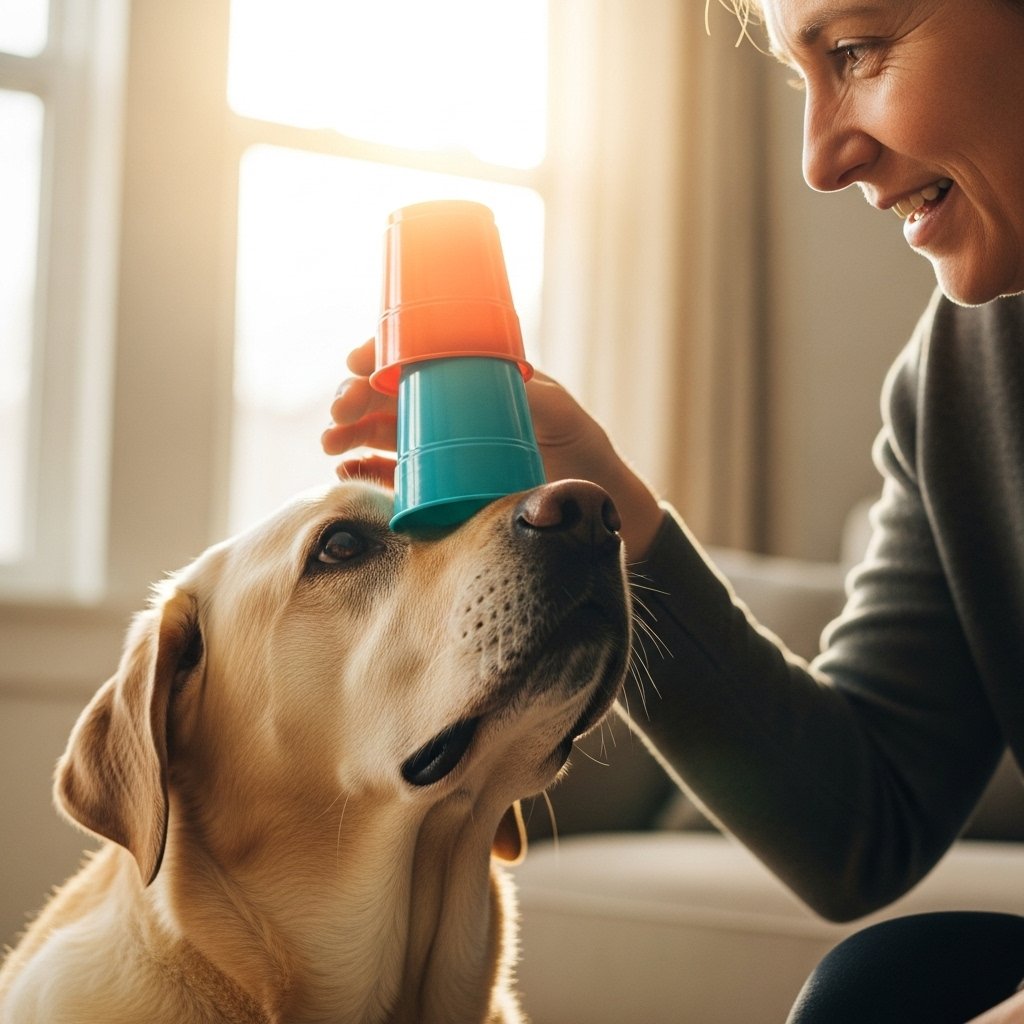
You might think you’re just teaching a clever trick, but you’re actually doing so much more for your dog’s overall well-being. Engaging in brain games like nesting cups has a profound and positive impact on your dog’s mental and emotional health. Let’s explore why this five-minute game is one of the best things you can do for your furry friend.
- It BUSTS Boredom and Prevents Destructive Behavior: A tired dog is a good dog, but a mentally tired dog is a happy, fulfilled dog. Problem-solving games expend a huge amount of mental energy, satisfying their natural instincts to work and think. This leaves less energy for things like chewing your shoes or barking at squirrels.
- It Builds Incredible Confidence: For shy or anxious dogs, learning a new skill and successfully solving a puzzle is a massive confidence booster. Each successful ‘nest’ is a win that tells them they are capable and smart. You’ll see this confidence carry over into other areas of their life.
- It Strengthens Your Bond: Training is a two-way conversation. When you work together on a fun challenge, you’re building trust and improving your communication. Your dog learns to look to you for guidance, and you learn to better read your dog’s body language. It’s quality time at its finest.
- It Improves Problem-Solving Skills: This game teaches your dog how to learn. They figure out that they can manipulate objects in their environment to earn a reward. This cognitive flexibility is a valuable life skill that can help them navigate new situations with less stress.
- It’s a Lifesaver on Bad Weather Days: Stuck inside during a rainstorm or a heatwave? Brain games are the perfect way to burn off energy when a long walk isn’t an option. Just 15 minutes of focused brain work can be as tiring for a dog as a 30-minute run.
Conclusion
And there you have it! A complete guide to transforming a simple set of measuring cups into a powerhouse of mental stimulation for your dog. We’ve covered everything from the gear you’ll need to the step-by-step training process, and even how to troubleshoot when you get stuck. More importantly, you now understand the incredible benefits this simple game offers—from building confidence to strengthening that special bond you share.
Remember, the goal isn’t to have a perfectly trained cup-stacking champion overnight. The real magic is in the process: the little ‘aha!’ moments, the happy tail wags, and the time spent working together. So grab those cups, find some tasty treats, and give it a try. You’ll be amazed at what your brilliant dog can do!