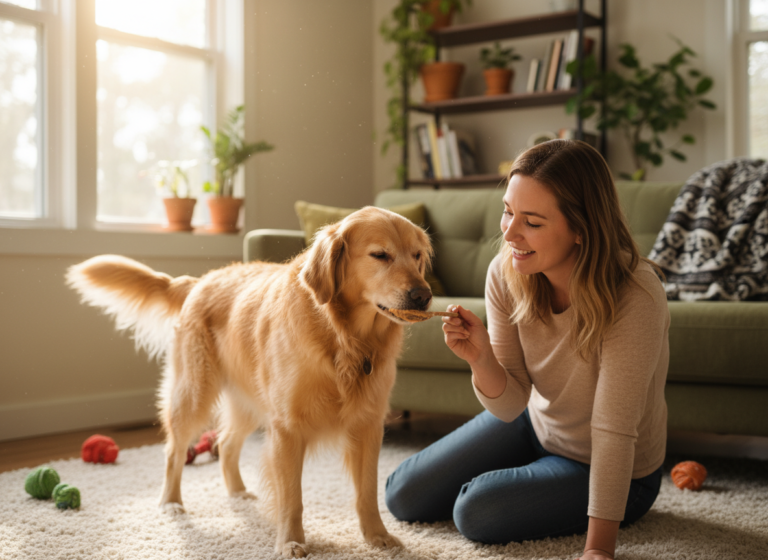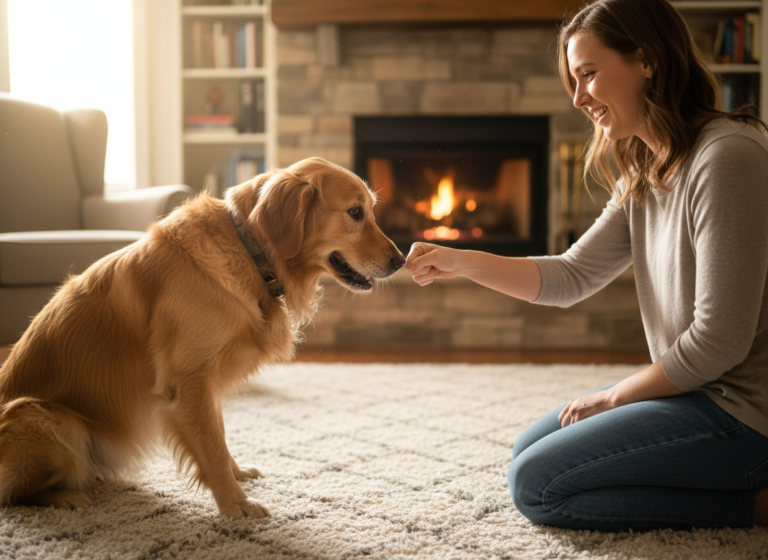
That familiar pitter-patter of rain against the windowpane can mean only one thing: another outdoor adventure postponed. For our energetic canine companions, a rainy day can feel like a lifetime of boredom, often leading to mischief and a serious case of the zoomies. But what if you could transform that pent-up energy into a fun, challenging, and rewarding activity? Enter the world of canine brain games!
Forget the soggy walks and muddy paws. Today, we’re diving into a fantastic indoor trick that’s as impressive as it is enriching: teaching your dog to stack cups. This isn’t just a cute party trick; it’s a powerful tool for mental stimulation that sharpens your dog’s problem-solving skills, builds their confidence, and strengthens the incredible bond you share. So, grab some cups, a pocketful of your pup’s favorite treats, and let’s turn this gloomy day into a brain-boosting extravaganza!
More Than Just a Trick: The Incredible Benefits of Brain Games
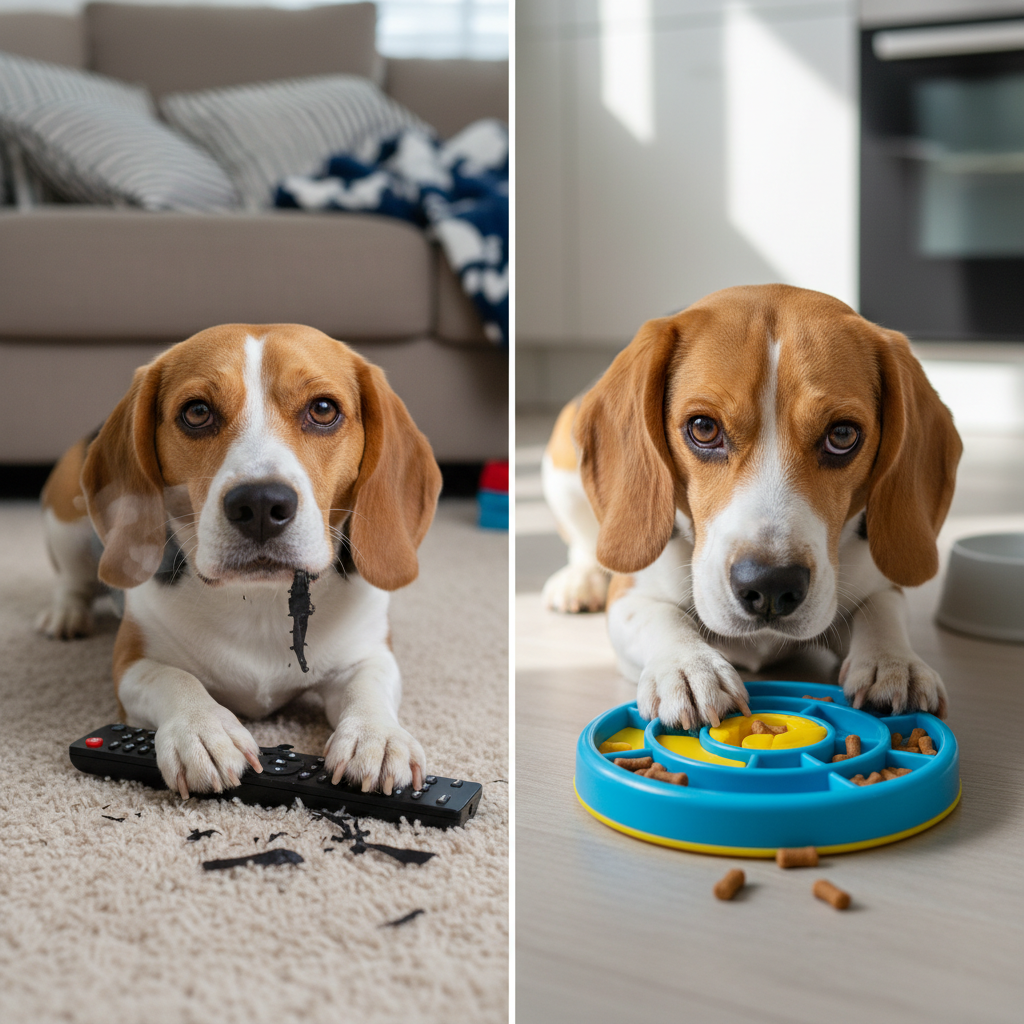
Before we jump into the ‘how-to,’ let’s talk about the ‘why.’ You might think teaching a dog to stack cups is just for show, but the mental gears turning in your dog’s head during a training session provide profound benefits that go far beyond a simple command. Engaging your dog’s brain is just as important as exercising their body.
Why Your Dog Needs Mental Workouts
A physically tired dog is great, but a mentally satisfied dog is a happy, well-adjusted companion. Here’s what brain games like cup stacking bring to the table:
- Boredom Busters: The number one cause of destructive behavior (like chewing your favorite shoes or redecorating your sofa with fluff) is boredom. Brain games provide a positive outlet for mental energy, keeping your dog engaged and out of trouble.
- Confidence Building: Successfully figuring out a puzzle or mastering a new trick gives your dog a huge confidence boost. For timid or anxious dogs, this can be truly transformative, helping them feel more secure in their abilities and environment.
- Improved Problem-Solving Skills: Tricks that involve multiple steps, like cup stacking, teach your dog how to think through a problem and try different approaches. This skill translates to better decision-making in other areas of their life.
- Strengthens Your Bond: Training is a two-way street of communication. Working together on a fun challenge builds trust, deepens your connection, and enhances your ability to understand each other’s cues.
- Low-Impact Exercise: For senior dogs, dogs recovering from injury, or on days when strenuous physical activity isn’t possible, brain games offer a fantastic way to burn energy without putting stress on their joints.
Expert Tip: Think of each short training session as a deposit in your dog’s ‘mental wellness’ bank. Consistent, fun engagement leads to a happier, healthier, and more balanced canine friend.
Gather Your Supplies: Gearing Up for Stacking Success
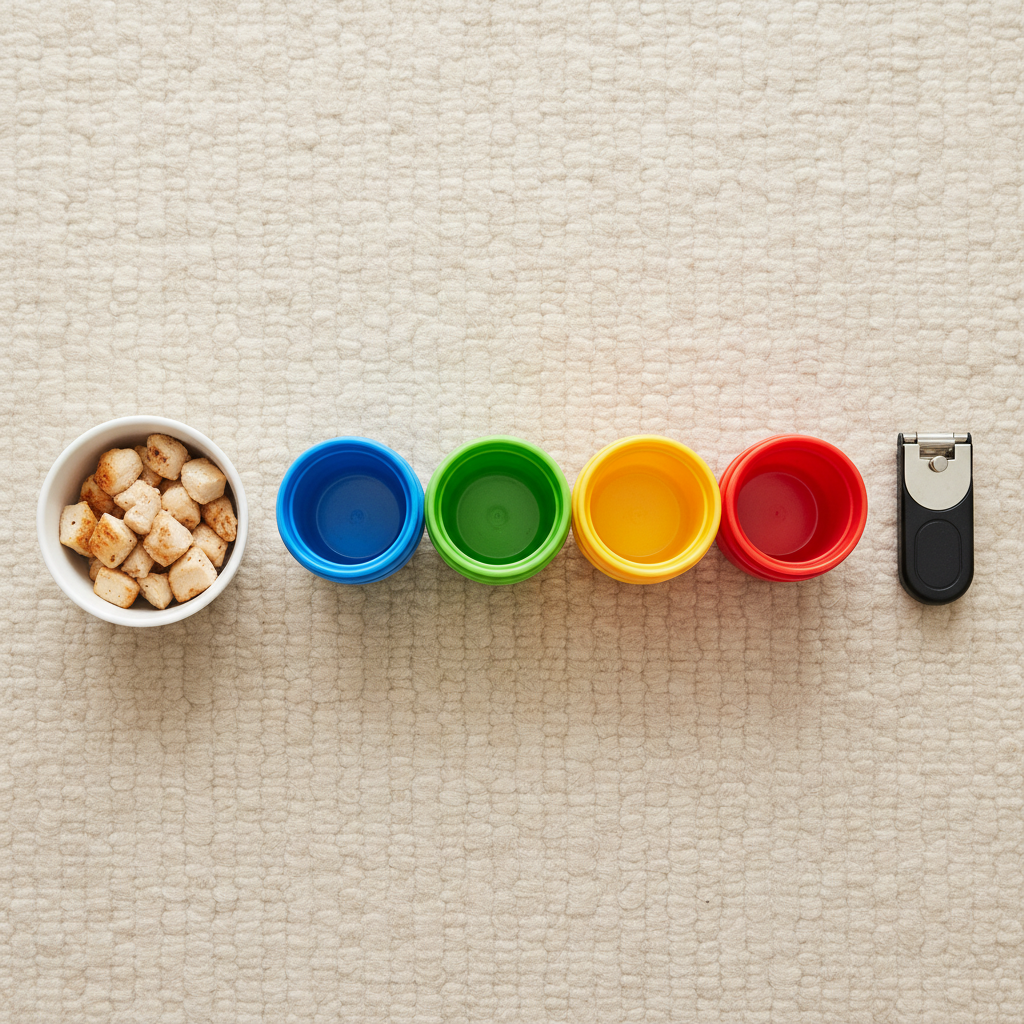
The best part about this trick is that you don’t need any fancy or expensive equipment. You probably have everything you need lying around the house right now! Setting up your environment for success is a key first step to ensure your training session is smooth, fun, and effective for both you and your furry student.
Your Cup-Stacking Toolkit:
- The Cups: The star of the show! You’ll want a set of lightweight, durable plastic cups. Nursery stacking rings or simple, colorful party cups work perfectly. Avoid glass or heavy materials. Ensure they are large enough that your dog can’t accidentally swallow them but light enough for them to pick up easily.
- High-Value Treats: This is your dog’s paycheck! Standard kibble might not be motivating enough for this level of brain work. Use small, pea-sized pieces of something truly irresistible, like boiled chicken, cheese, or their favorite soft treats. The smaller the treat, the more repetitions you can do without filling them up too quickly.
- A Clicker (Optional, but Recommended): A clicker is a fantastic tool for marking the exact moment your dog does the right thing. This precise communication can speed up the learning process significantly. If you’re not using a clicker, a consistent verbal marker like a sharp “Yes!” works too.
- A Quiet Space: Choose a room with minimal distractions. Turn off the TV, put your phone on silent, and find a comfortable spot on the floor where your dog feels safe and can focus entirely on you and the game.
Once you have your gear, get your treats ready in a pouch or a small bowl within easy reach, and let your dog see the cups to build some initial curiosity. Let the games begin!
Let’s Get Stacking! Your Step-by-Step Training Guide
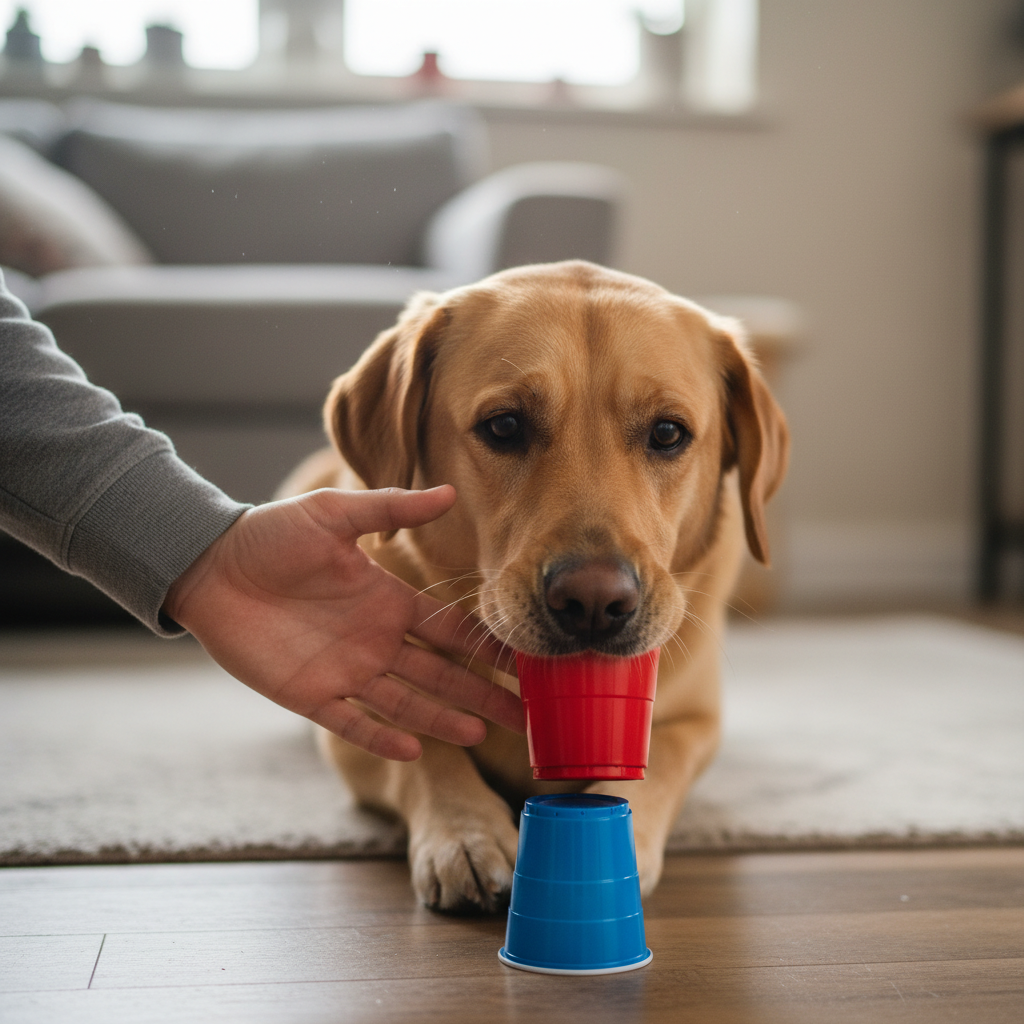
Patience is the name of the game here. Remember to keep sessions short (5-10 minutes is perfect) and always end on a positive note. We’re going to use a training technique called ‘shaping,’ which involves breaking down the final trick into tiny, achievable steps and rewarding your dog for each successful one. Let’s build this behavior from the ground up!
- Step 1: Introduce the Cups. Place one cup on the floor. The moment your dog shows any interest in it—sniffing it, looking at it, touching it with their nose—click (or say “Yes!”) and give them a treat. We’re just building a positive association: cup = good things happen. Repeat this a few times until your dog is eagerly interacting with the cup.
- Step 2: Teach a Nose Target. Now, we want a specific interaction. Hold the cup in your hand or place it on the floor. Only click and treat when your dog’s nose touches the cup. Ignore other interactions like pawing (unless you want them to stack with their paws). This step teaches them the primary way you want them to engage with the object.
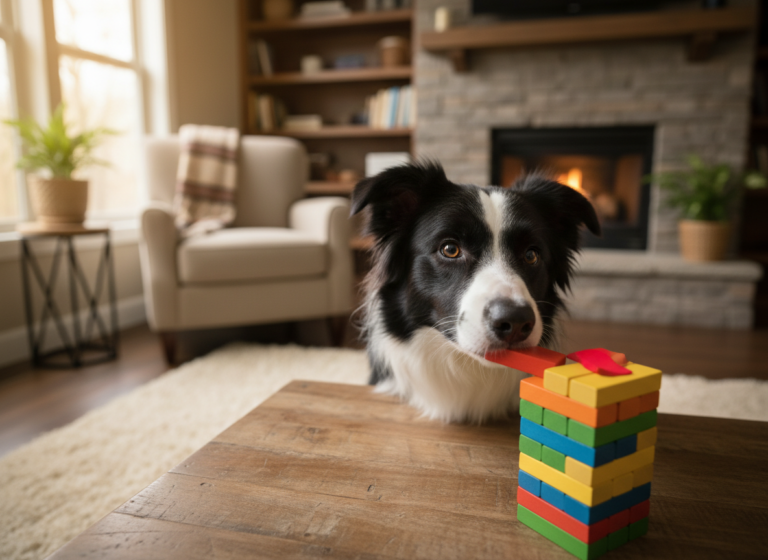
- Step 3: Shape the ‘Pick Up’. This is often the trickiest step. Place the cup on the floor. Click and treat for your dog putting their mouth on the cup. At first, reward even a gentle nibble. Gradually, wait for them to apply a little more pressure, and then for them to lift the cup even a millimeter off the floor. This requires patience! Reward any attempt to lift it. Eventually, they will understand that picking it up is what earns the reward.
- Step 4: Introduce the ‘Drop It’. Once your dog is comfortably holding the cup, you need a way to get it back! Teach a ‘drop it’ cue. While they are holding the cup, say “Drop it” and present a high-value treat near their nose. They will have to drop the cup to take the treat. Click and reward the moment the cup leaves their mouth.
- Step 5: Combine and Place. Now we put it together. Place a second cup on the floor, upside down, to create a stable base. Ask your dog to pick up the first cup. Once they have it, guide them over to the base cup. Give your ‘drop it’ cue when they are directly over the base. The moment they drop the cup, even if it’s messy, throw a jackpot of treats! They need to learn that dropping the cup onto the other cup is the goal.
- Step 6: Refine and Build. With practice, your dog’s aim will improve. You can start adding a verbal cue like “Stack it!” as they begin to perform the action reliably. Once they can consistently stack one cup onto another, you can introduce a third cup and build your tower. Celebrate every success with lots of praise and excitement!
Oops! Troubleshooting Common Stacking Snags
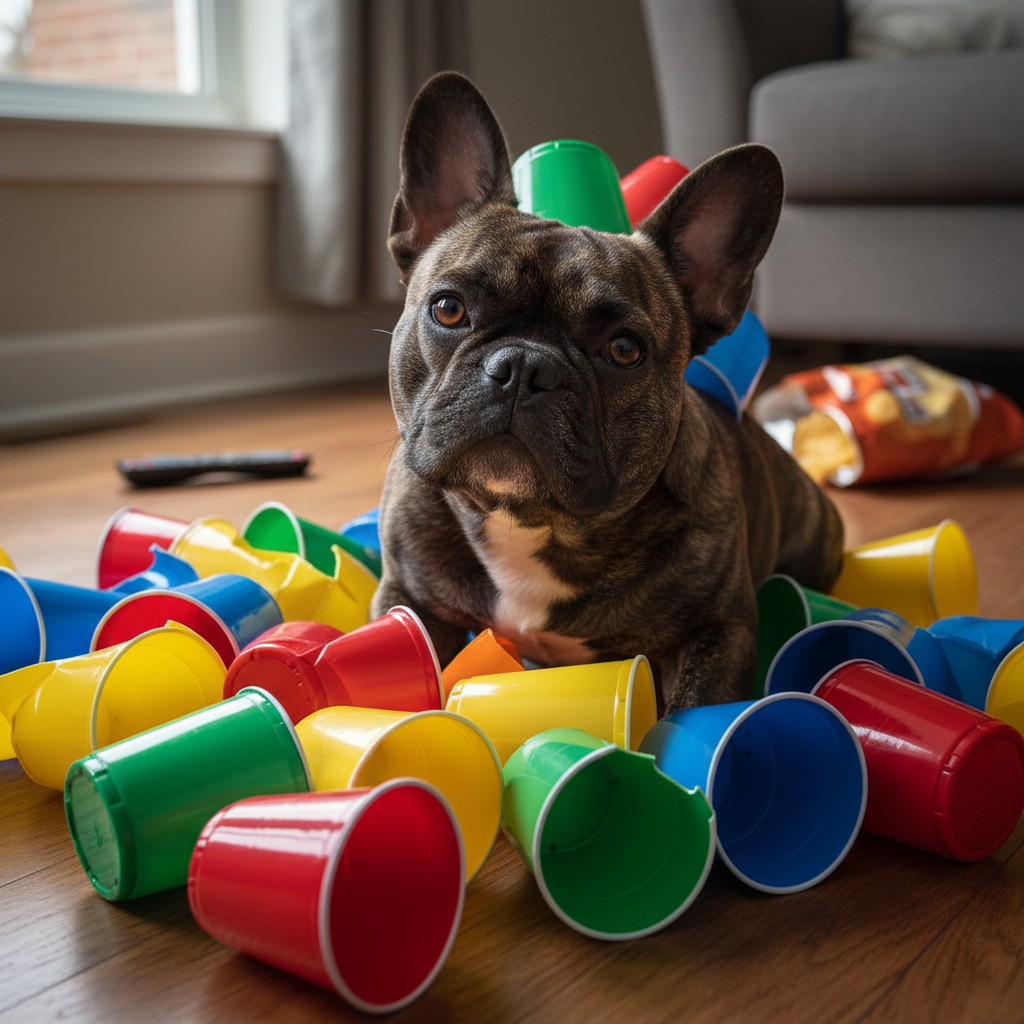
Even the best students have off days. It’s completely normal to hit a few roadblocks when teaching a complex trick. The key is to stay positive, take a step back if needed, and figure out where the communication is breaking down. Here are some common issues and how to solve them.
| The Problem | The Solution |
|---|---|
| My dog just wants to chew the cups! | This is common! It means the cup has become a toy. Use a lower-value cup (less fun to chew) and much higher-value treats. Reward only for gentle mouth interactions. Keep sessions very short to prevent frustration chewing. Practice your ‘drop it’ cue separately with other toys. |
| My dog keeps knocking the stack over. | They might be too excited or clumsy. Go back to basics. Use a wider, more stable base cup (or even a small, sturdy box). Reward them for dropping the cup near the target first, then gradually require more accuracy. Slow down the process and reward calm behavior around the cups. |
| My dog loses interest quickly. | Your sessions might be too long, the treats might not be motivating enough, or the step you’re on might be too hard. End the session on an easy win and try again later. Ensure you’re using super exciting treats and keep the energy fun and upbeat. If a step is too difficult, break it down into even smaller pieces. |
| My dog won’t pick up the cup. | Some dogs have a ‘soft mouth’ and are hesitant to pick up hard objects. Try smearing a tiny bit of peanut butter (xylitol-free!) or cream cheese on the rim of the cup to encourage mouth contact. Reward any tiny interaction and build up slowly. You can also try a different object first, like a soft toy, to build the ‘pick up’ behavior. |
Remember: Training should never be frustrating. If you or your dog are getting stressed, it’s time for a break. End with a simple command you know they can do, like ‘sit,’ reward them, and try again tomorrow. The journey is the reward!
Ready for the Next Level? Advancing the Cup Stacking Game
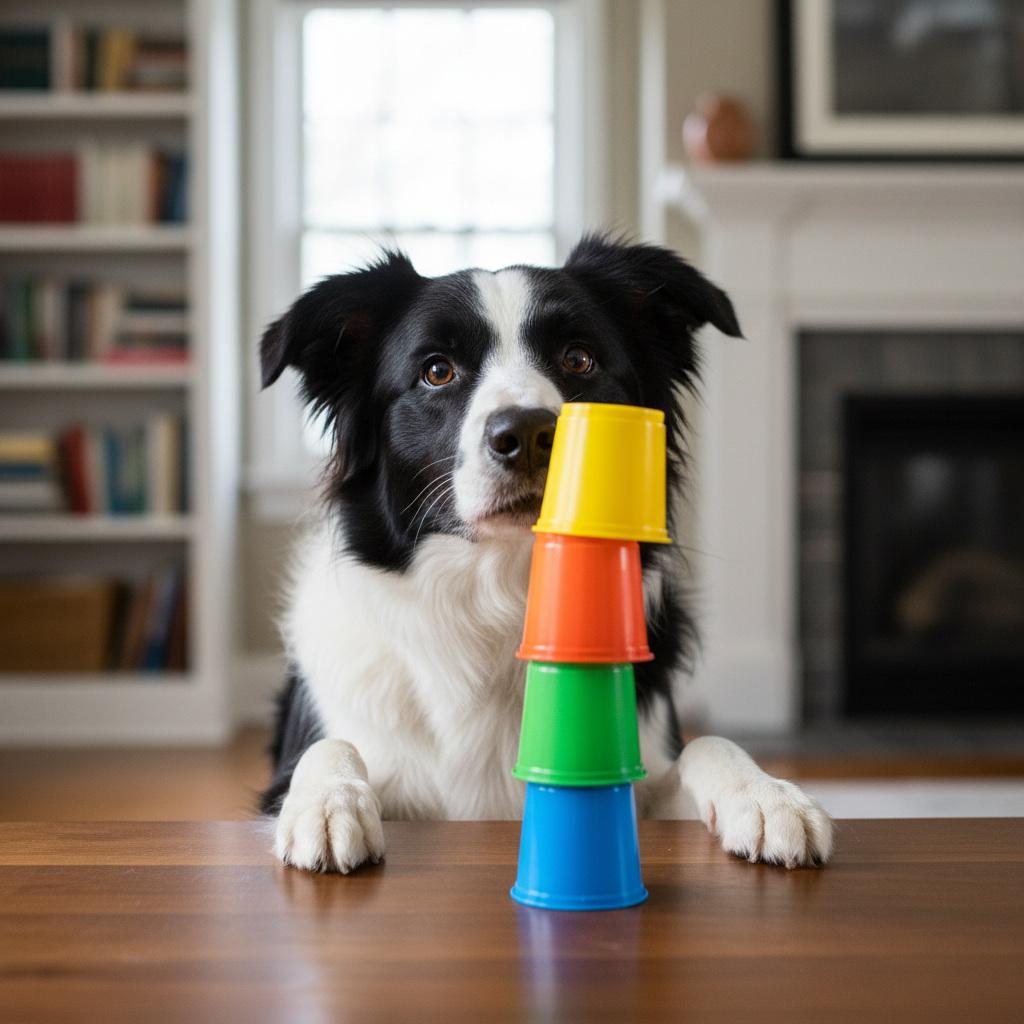
Once your dog has mastered the basic stack, you don’t have to stop there! The beauty of this game is its versatility. You can continually adapt it to keep your clever canine challenged and engaged. Leveling up the difficulty prevents boredom and further sharpens their cognitive skills.
Ideas to Make it More Challenging:
- Increase the Height: The most obvious next step! See how high a tower your dog can build. This challenges their precision and steadiness. Just be ready to cheer them on, even when the tower comes crashing down.
- Stack by Color: If you have different colored cups, you can introduce a new layer of complexity. Line up the cups and ask your dog to stack them in a specific order. Start by teaching them to target a specific color (e.g., “Get the blue!”) before asking them to stack it.
- Add Distance and Retrieval: Place the ‘to-be-stacked’ cup across the room. Ask your dog to go get the cup and bring it back to the base to stack it. This combines the trick with a retrieve, adding a physical component and testing their focus over a distance.
- Create a Stacking ‘Pattern’: Instead of a vertical tower, see if you can teach your dog to place cups side-by-side in a row or to build a small pyramid base (e.g., three cups on the bottom, two on top of those).
- Race the Clock: For a fun challenge, see how many cups your dog can stack in 30 seconds. This is less about formal training and more about having an energetic, fun time together, reinforcing the speed and enthusiasm of the game.
By adding these variations, you’re not just teaching a trick; you’re teaching your dog how to learn, focus, and problem-solve in new and exciting ways. Keep it fun, and be amazed at what your dog can accomplish!
Conclusion
And there you have it! From a simple plastic cup to a tower of triumph, you now have the blueprint to turn any dreary, rainy day into an opportunity for fun, learning, and connection. Teaching your dog to stack cups is so much more than a cool trick—it’s a testament to their intelligence and your incredible partnership. You’ve worked on communication, patience, and problem-solving, all while having a great time.
Remember to celebrate every small victory, from the first nose-touch to the final, wobbly stack. The real magic isn’t in the finished tower; it’s in the moments of shared focus and joy along the way. So next time the clouds roll in, don’t sigh with boredom. Look at your furry friend, grab your stack of cups, and get ready to build something wonderful together.