There are few things cozier than cuddling up with your dog. But what if your canine companion could take their snuggling skills to the next level? Picture yourself getting settled for the night, and with a simple cue, your dog proudly grabs the edge of the blanket and drapes it over you. It’s more than just an adorable party trick; it’s a fantastic bonding exercise, a great source of mental stimulation, and a testament to the incredible connection you share.
Teaching your dog to pull a blanket over you might seem like a complex task reserved for movie-star dogs, but it’s absolutely achievable for most pups with a little patience and the right approach. This trick is built by chaining together several simpler behaviors, all taught using positive reinforcement. This means we’ll be using treats, praise, and toys to make learning a fun and rewarding game for your dog. Forget about force or pressure; this is all about teamwork and celebrating the small wins.
In this comprehensive guide, we’ll break down the entire process into easy-to-follow steps, from gathering your supplies to troubleshooting common hiccups along the way. So, grab some tasty treats, find a comfy spot, and get ready to teach your dog their most charming and useful trick yet!
Gearing Up for Success: What You’ll Need Before You Start
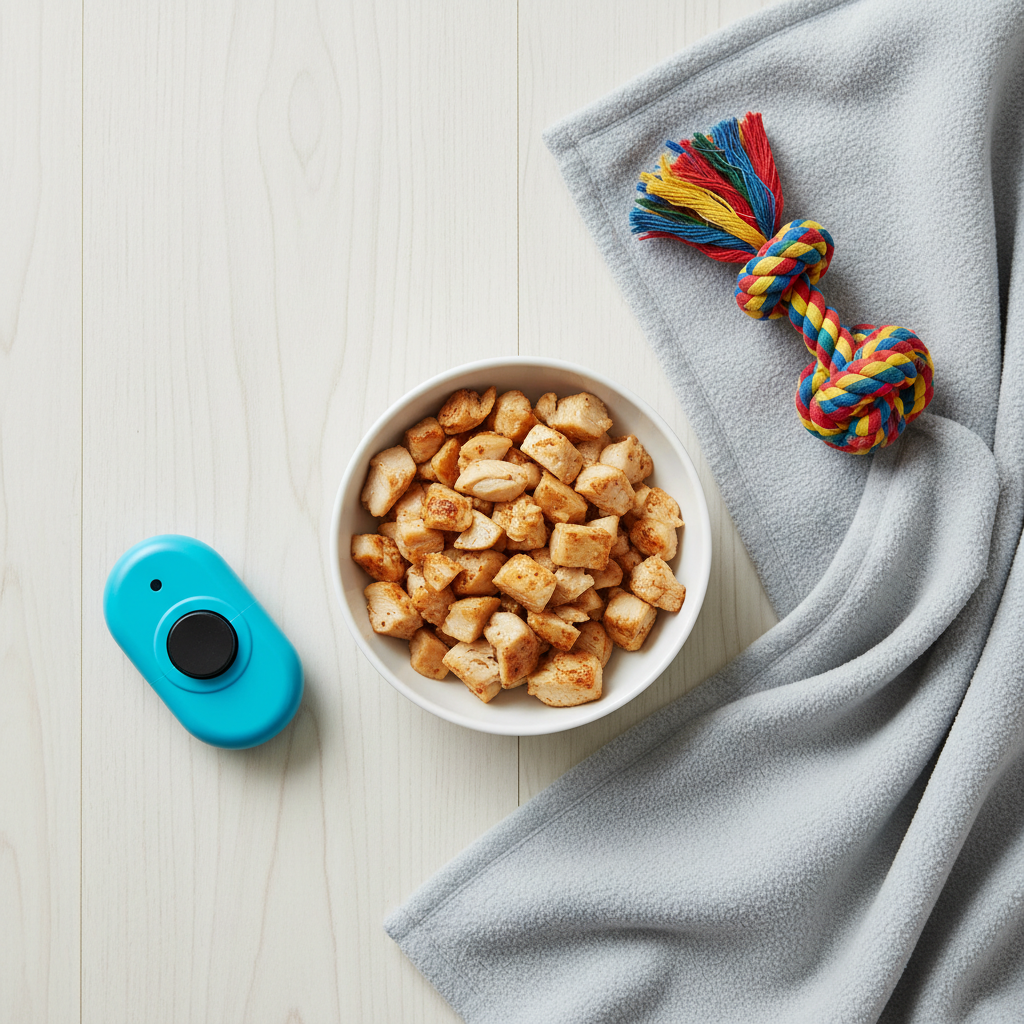
Before you jump into training, setting yourself up for success is key. Having the right tools on hand will make the process smoother and more enjoyable for both you and your dog. Think of it as preparing your ingredients before you start cooking a new recipe. Here’s what you’ll want to gather:
The Perfect Treats
This is not the time for boring, dry biscuits. You need high-value treats—tidbits that your dog finds absolutely irresistible. The goal is to make them think, “Wow, I get this for playing with a blanket? This is the best game ever!”
- What to use: Small, soft, smelly treats work best. Think tiny pieces of cooked chicken, cheese, hot dogs, or commercial training treats that are moist and flavorful.
- Why it matters: High-value rewards keep your dog’s motivation high and help them stay focused, especially when learning a multi-step behavior.
A ‘Training’ Blanket
Don’t start with your heavy winter duvet. You’ll want a designated blanket for training sessions, at least initially.
- What to choose: Opt for something lightweight, like a small fleece throw. It’s easy for a dog to manipulate.
- The secret weapon: To make it easier for your dog to grab, tie a soft rope toy or a strip of fleece to one corner. This gives them a clear and inviting target to bite and pull. We’ll call this the ‘pull tab’.
- Why it matters: Using a specific blanket helps your dog understand when it’s ‘training time’ and prevents them from thinking it’s okay to pull on any blanket, anytime.
A Clicker (Optional, but Recommended)
A clicker is a small plastic device that makes a distinct ‘click’ sound. In clicker training, you ‘mark’ the exact moment your dog does the right thing with a click, followed immediately by a treat.
- How it works: The click becomes a powerful signal to your dog, meaning, “Yes! That exact thing you just did earned you a reward.” It’s much more precise than saying “Good dog!”
- Why it helps: It allows you to communicate with your dog with crystal-clear precision, which can speed up the learning process for complex tricks like this one. If you don’t have a clicker, a consistent marker word like “Yes!” works too.
A Positive Attitude and Patience
This is the most important tool in your kit! Training should be a joy, not a chore. Your dog is highly attuned to your emotions. If you’re relaxed, happy, and patient, they will be too.
- Keep sessions short: Aim for multiple 5-10 minute sessions throughout the day rather than one long, grueling one. End each session on a high note with a successful repetition.
- Celebrate small wins: This trick is a marathon, not a sprint. Get excited about every little bit of progress, whether it’s a simple nose touch to the blanket or a tiny tug.
The Building Blocks: Mastering Foundational Skills First
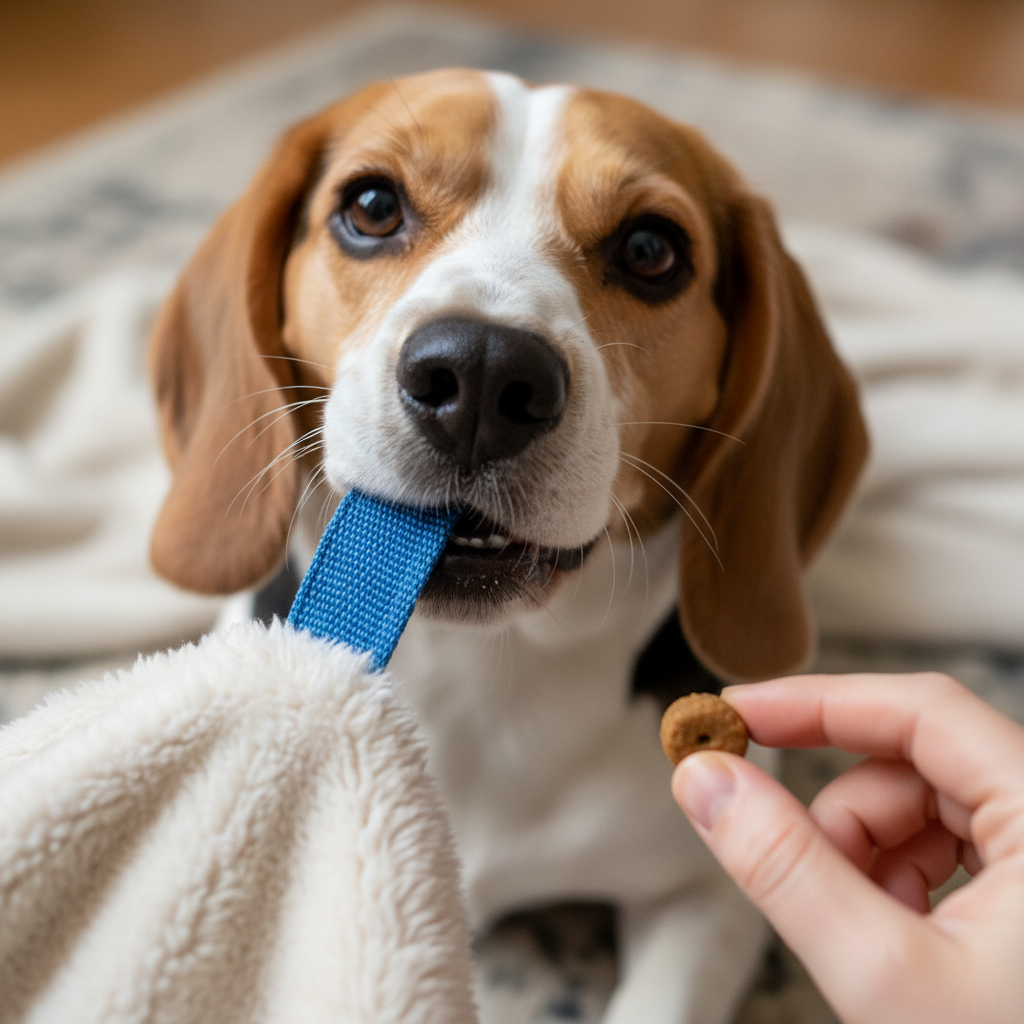
A great trick is like a great building—it needs a solid foundation. Before we can ask our dog to pull a blanket over us, we need to make sure they understand the smaller, individual skills that make up the final behavior. By teaching these components separately, we make the final goal much less intimidating for our pup. Think of these as the ‘ABCs’ of the blanket trick.
Skill 1: ‘Touch’ (Nose Targeting)
The first step is simply getting your dog to interact with the blanket willingly. Teaching them to target it with their nose is a fantastic, low-pressure way to start.
- Hold the blanket (or just the corner with the pull tab) out towards your dog.
- The moment their nose touches it, click (or say “Yes!”) and give them a treat.
- If they are hesitant, you can smear a tiny bit of peanut butter or cream cheese on the target to encourage them.
- Repeat this until your dog is eagerly booping the blanket with their nose as soon as you present it.
Skill 2: ‘Take It’ (Developing a Soft Mouth)
Once your dog is comfortable touching the blanket, we want to encourage them to put it in their mouth. The goal here is a gentle hold, not a destructive chew.
- Present the pull tab to your dog. When they sniff it, reward them.
- Next, hold off on the click/treat until they open their mouth and touch the tab. The slightest mouth contact gets a reward.
- Gradually shape the behavior. Wait for them to put their mouth around the tab for a split second before you click/treat.
- Slowly increase the duration they need to hold it before the reward comes. We’re aiming for just a second or two at this stage. We’re not asking for a prolonged ‘hold’ yet, just the initial ‘take’ action.
Skill 3: ‘Tug’ (The Gentle Pull)
Now we add a tiny bit of motion. This should be a gentle, controlled pull, not a wild game of tug-of-war.
- Once your dog is reliably taking the pull tab in their mouth, offer it to them and hold on to the blanket yourself.
- Encourage them to pull back slightly. Even the smallest amount of resistance from them should be marked with a click/treat.
- Keep your own grip light. You want to reward the pulling motion, not create a frustrating struggle.
- Use an encouraging, playful tone of voice. This part should feel like a fun, gentle game.
Expert Tip: Throughout this foundational phase, keep the energy light and positive. If your dog seems confused or frustrated, simply go back to the last step they were successful with and practice it a few more times before moving forward. Every dog learns at a different pace!
Putting It All Together: The Step-by-Step Guide to Tucking You In
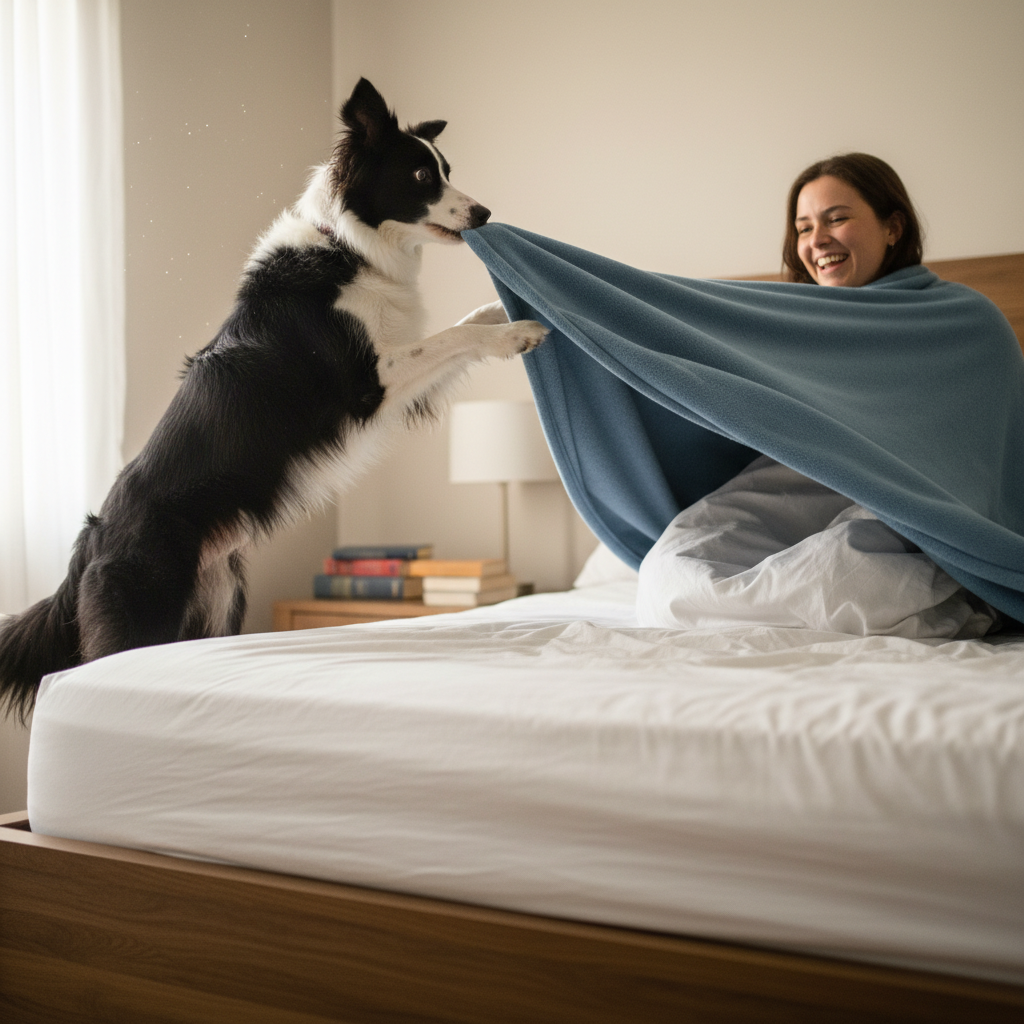
With the foundational skills in place, it’s time for the main event! This is where we chain those simple behaviors together to create the final, impressive trick. Remember to work in a comfortable, familiar place, like your living room floor or your bed. Patience is your best friend during this phase.
Step 1: Combine ‘Take’ and ‘Tug’
Start by laying the blanket on the floor. Tap the pull tab and encourage your dog to ‘take it’. As soon as they have it in their mouth, use your body language and a happy voice to encourage them to take a step back, creating a ‘tug’ motion. Click and treat for any small pull on the blanket while it’s on the floor.
Step 2: Introduce the Target (You!)
Now, sit on the floor or couch with the blanket laid out next to you. Place the pull tab in a position that’s easy for your dog to reach. Ask them to ‘take it’ and ‘tug’. This time, when they pull, they will be pulling the blanket towards your lap. Reward this enthusiastically! They are starting to learn that pulling the blanket has a direction.
Step 3: Get into Position
It’s time to mimic the final scenario. Lie down on your bed or the couch and drape the blanket over half of your body, leaving the other half exposed. Place the blanket so the pull tab is on the uncovered side, within easy reach for your dog. Make it obvious and inviting.
Step 4: The First Tuck-In
Pat the bed, get your dog into position, and give your cue to ‘take’ the tab. As they hold it, use a hand gesture to guide them to pull it across your body. The very first time they pull the blanket and it moves even an inch over you, throw a jackpot of treats! Make a huge fuss—lots of praise, pets, and excitement. This is a major breakthrough.
Step 5: Refining the Movement
Continue practicing Step 4. Gradually ask for a bigger pull each time before you reward. You want them to pull the blanket all the way across your torso. If they get stuck, break it down. Reward a small pull, then a medium pull, then the full pull. You can use a treat to lure their head in the direction you want them to move, which will naturally guide the blanket.
Step 6: Adding the Verbal Cue
Once your dog is reliably pulling the blanket fully over you, it’s time to name the behavior. Just before you point to the tab, say your chosen cue clearly. It could be “Tuck me in,” “Blanket,” or “Cover me.” After a few repetitions, they will begin to associate the words with the action.
Step 7: Fading the Lures
The final step is to fade out your physical cues, like pointing. Start by making your pointing gesture smaller and smaller. Eventually, you should be able to simply say your verbal cue, and your dog will perform the action. This takes time, so don’t rush it. Continue to reward them generously for their amazing new skill!
Oops & Uh-Ohs: Troubleshooting Common Training Hurdles
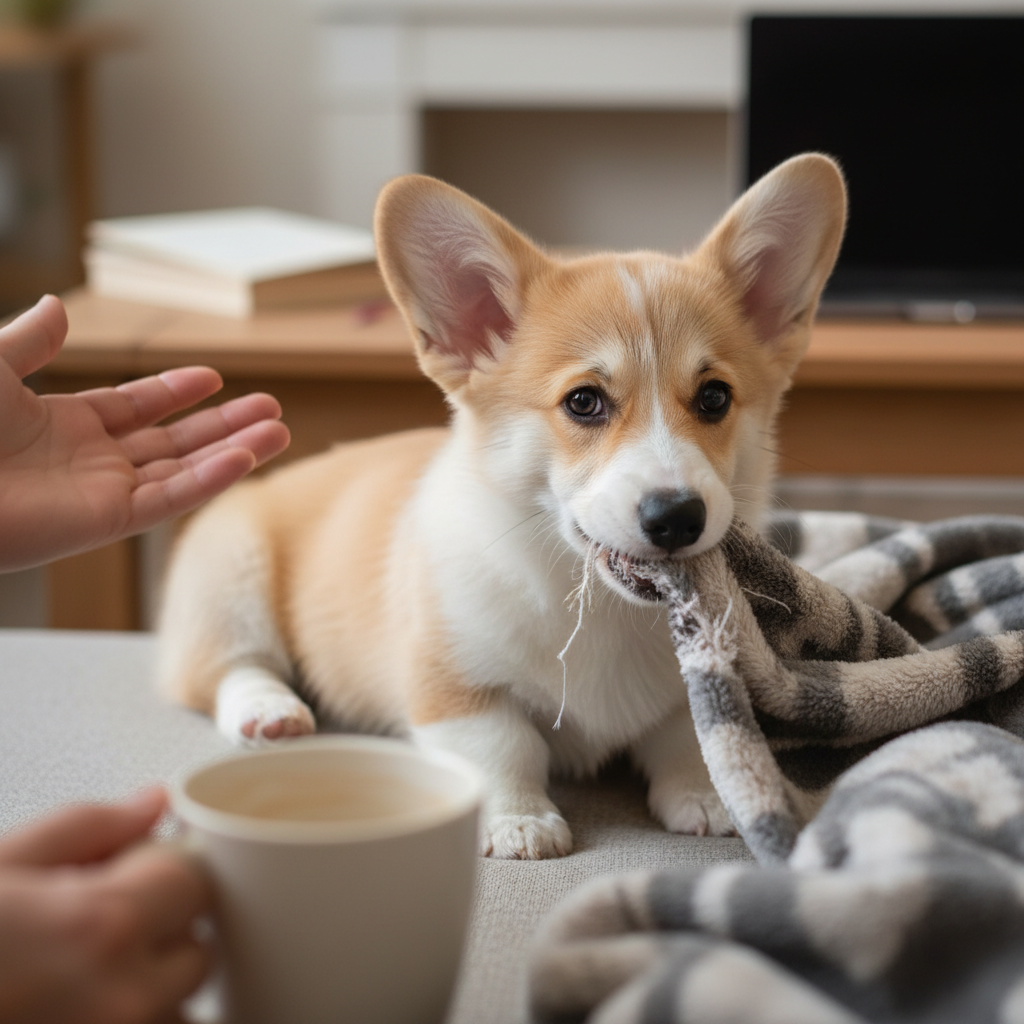
Even with the best plan, you might hit a few snags. That’s completely normal in dog training! The key is to recognize the issue and adjust your approach without getting frustrated. Here are some of the most common challenges you might face and how to navigate them.
Don’t view these as failures; see them as opportunities to communicate more clearly with your dog. Every dog has a unique personality and learning style, so what works for one might need tweaking for another. Below is a handy chart to help you solve some frequent problems.
| The Problem | The Solution |
|---|---|
| My dog just wants to chew the blanket or shake it like a toy. | This usually means the dog’s prey drive is too high. Use a less ‘fun’ blanket (no fluffy bits) and a boring pull tab. Keep training sessions very short and reward only for gentle holds and pulls. If they start shaking, calmly take the blanket, wait a moment, and try again, rewarding for calmer behavior. |
| My dog drops the blanket immediately after picking it up. | You’ve likely asked for too much, too soon. Go back to the ‘Take It’ foundation skill. Reward for just a split-second hold, then gradually increase the duration. Ensure you’re clicking/marking the *exact* moment they have it in their mouth, not the moment they are dropping it. |
| My dog isn’t interested in the blanket at all. | Boost the blanket’s value! Rub the pull tab with a hot dog or some cheese. You can also try playing a short game of fetch with the pull tab (if it’s a toy) before attaching it to the blanket to build positive association. Also, double-check that your treats are high-value enough to hold their attention. |
| My dog pulls way too hard and tries to play tug-of-war. | Never pull back. If your dog pulls hard, just let go of the blanket. This teaches them that aggressive pulling ends the game. Reward only gentle, steady pulls. You can also teach a ‘drop it’ cue separately to help manage their arousal level during training. |
| My dog does the trick perfectly in the living room but not in the bedroom. | This is a classic issue with generalization. Dogs don’t automatically transfer skills to new environments. You need to practice the trick in different locations. Start from an easier step in the new room (like just touching the blanket) and quickly work your way back up. This helps them understand the cue means the same thing everywhere. |
Remember the Golden Rule: If your dog is failing more than they are succeeding, the task is too hard. Take a step back to a point where they can be successful, and build up more slowly from there. Training is all about building confidence!
Conclusion
Congratulations on embarking on this wonderfully unique training journey with your dog! Teaching your pup to pull a blanket over you is so much more than just a cute trick. It’s a powerful way to deepen your communication, build mutual trust, and provide your dog with the kind of mental enrichment that helps them thrive. Every time your dog successfully tucks you in, it will be a heartwarming reminder of the incredible partnership you’ve built together.
Remember to be patient with your pup and, just as importantly, with yourself. Celebrate every nose boop, every gentle tug, and every small step forward. The real magic isn’t in the final performance, but in the moments of connection and understanding you share along the way.
So keep those treats handy, keep your spirits high, and enjoy the process. Before you know it, you’ll have a personal tuck-in service from your four-legged best friend—and a bond that’s cozier than any blanket.