Is your dog giving you that look? The one that says, ‘I’ve napped, I’ve chewed my favorite toy, and now I’m bored out of my mind!’ We’ve all been there. While physical exercise is crucial, mental workouts are just as important for a happy, well-behaved pup. If you’re looking for a new, exciting way to engage your dog’s brain, look no further than the classic Shell Game!
You’ve probably seen it on a street corner in a movie, but this simple game of ‘find the treat’ is one of the best enrichment activities you can do with your furry friend. It’s easy to set up, costs virtually nothing, and provides a powerful mental challenge that dogs absolutely love. It taps into their natural scenting abilities, teaches them problem-solving skills, and builds their confidence with every correct guess. Ready to become your dog’s favorite game show host? Let’s dive in!
Gather Your Game Show Gear: What You’ll Need
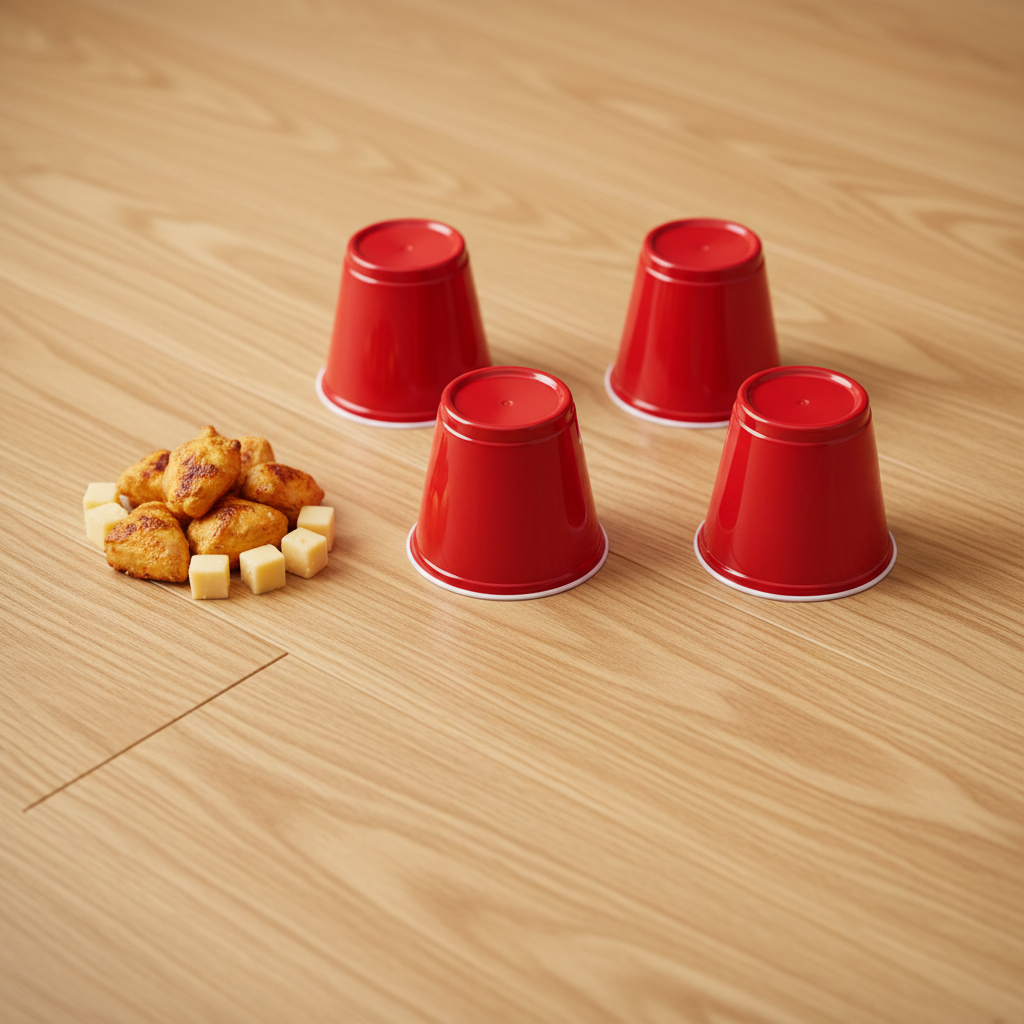
The beauty of the shell game is its simplicity. You don’t need any fancy equipment to get started. In fact, you probably have everything you need sitting in your kitchen cabinets right now. Here’s your simple checklist:
- Three Identical Cups: The key here is identical. You don’t want your clever pup to identify the ‘treat cup’ by its color or a specific marking. They should be opaque so your dog can’t see the treat inside. Lightweight plastic cups, old yogurt containers, or even small cardboard boxes work perfectly. Just make sure they’re durable enough not to be instantly crushed by an enthusiastic paw or nose.
- High-Value Treats: This is not the time for their everyday kibble. You want something extra smelly and delicious to really motivate your dog and hold their attention. Think small, soft, and pungent. Pieces of cooked chicken, cheese, hot dogs, or their favorite training treats are all excellent choices. The smellier, the better, as this game is all about nose work!
- A Flat, Smooth Surface: A hardwood floor, linoleum, or a low-pile rug is ideal. You need a surface where you can easily slide the cups without them catching or tipping over. Avoid shaggy carpets where the cups might get stuck.
- An Enthusiastic Pup: The most important ingredient! Bring a dog who’s ready to learn and play. It’s best to play when they’re not overly hyper but have enough energy to focus.
Expert Tip: When choosing your cups, make sure they are a safe size for your dog. They should be too large to be swallowed but light enough for your dog to easily tip over to get their reward.
Step-by-Step: How to Teach Your Dog the Shell Game
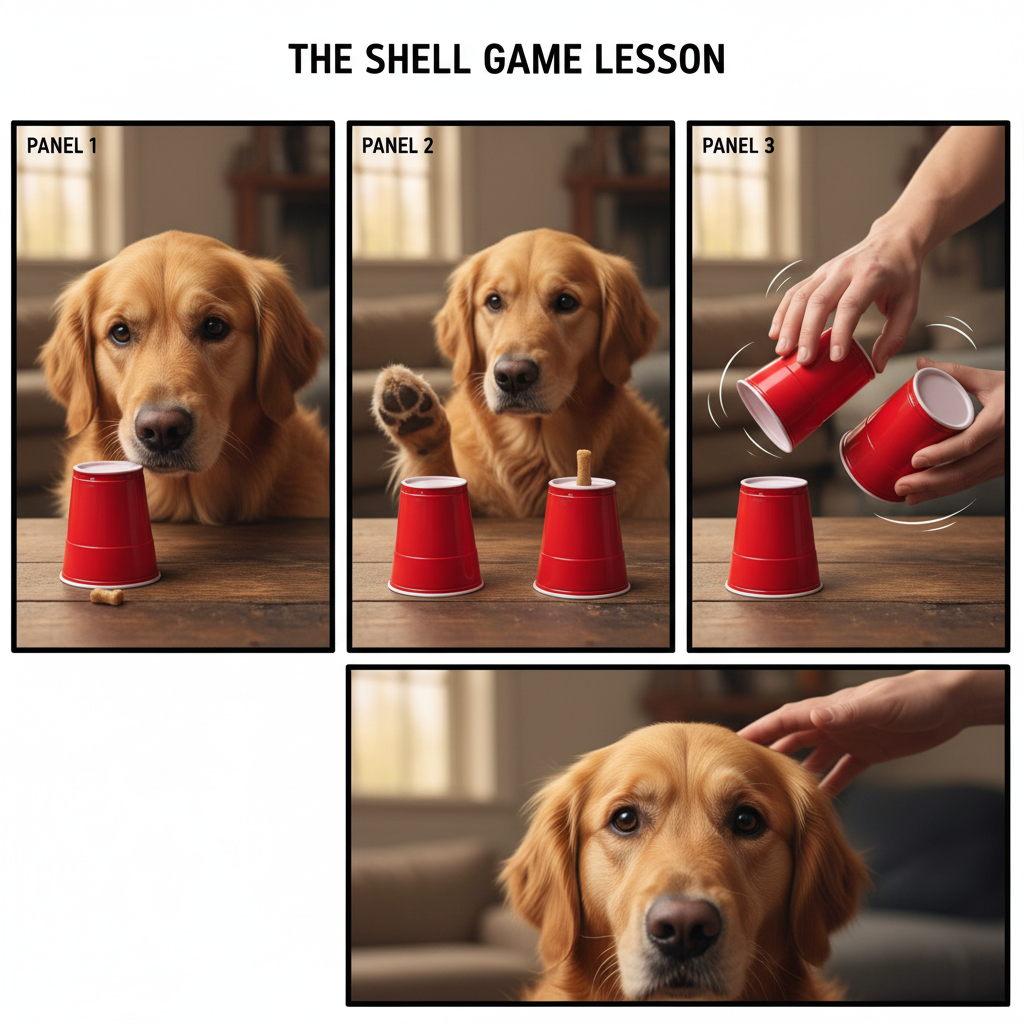
Teaching the shell game is all about breaking it down into baby steps. Patience and positive reinforcement are your best friends here. Remember, this is a game, not a test! Keep it light, fun, and full of praise. Let’s get this show on the road.
Step 1: The Grand Introduction
First, just let your dog get comfortable with the cups. Place one cup on the floor, right side up. When your dog sniffs or touches it, say ‘Yes!’ in an excited voice and give them a treat. Do this a few times. You’re teaching them that interacting with the cups is a great thing that leads to rewards.
Step 2: The Lone Shell
Now, let the real game begin. With your dog watching, place a single high-value treat on the floor. Get them excited about it! Then, slowly cover the treat with one of the cups. Give your dog a cue like, ‘Find it!’ or ‘Where is it?’. Most dogs will immediately knock the cup over to get the treat. The moment they do, praise them enthusiastically! ‘Good job! You found it!’ Repeat this 5-6 times until your dog confidently and immediately knocks over the single cup to get their prize.
Step 3: Adding a Distraction
Once your dog is a pro at finding the treat under one cup, it’s time to add a challenge. Place two cups on the floor, a foot or so apart. With your dog watching intently, place a treat under one cup, leaving the other one empty. Give your ‘Find it!’ cue. If they go to the correct cup, shower them with praise and let them eat the treat. If they nudge the wrong cup, don’t say anything. Simply lift the empty cup to show them nothing is there, then lift the correct cup to show them where the treat was. Don’t let them have the treat if they guess wrong. This isn’t a punishment; it’s just part of the learning process. Simply reset and try again. This step teaches them they need to use their nose, not just guess randomly.
Step 4: The Slow Shuffle
This is where it starts to look like the real shell game! Start with your two cups again. Place the treat under one cup, then very, very slowly slide the cups, swapping their positions just once. Keep the movements deliberate so your dog can follow along. Give your cue. Your dog might be following with their eyes at this stage, and that’s okay! The goal is to build their confidence. Once they are consistently finding the treat after a slow, one-time shuffle, you can start shuffling them a little faster or for a longer duration.
Step 5: The Grand Finale – Three Cups!
Your dog is ready for the big leagues! Line up all three cups. Let your dog watch you place the treat under the center cup. Then, perform a slow and simple shuffle. A classic move is to slide the middle cup forward, and the two outer cups behind it to swap places. Give the ‘Find it!’ cue. Celebrate every correct guess like you’ve just won the lottery! As your dog gets better, you can increase the speed and complexity of your shuffles. You’ll be amazed at how quickly their nose takes over and they start ignoring your tricky hand movements, relying solely on their incredible sense of smell.
Pro Tips for a Pawsitive Experience
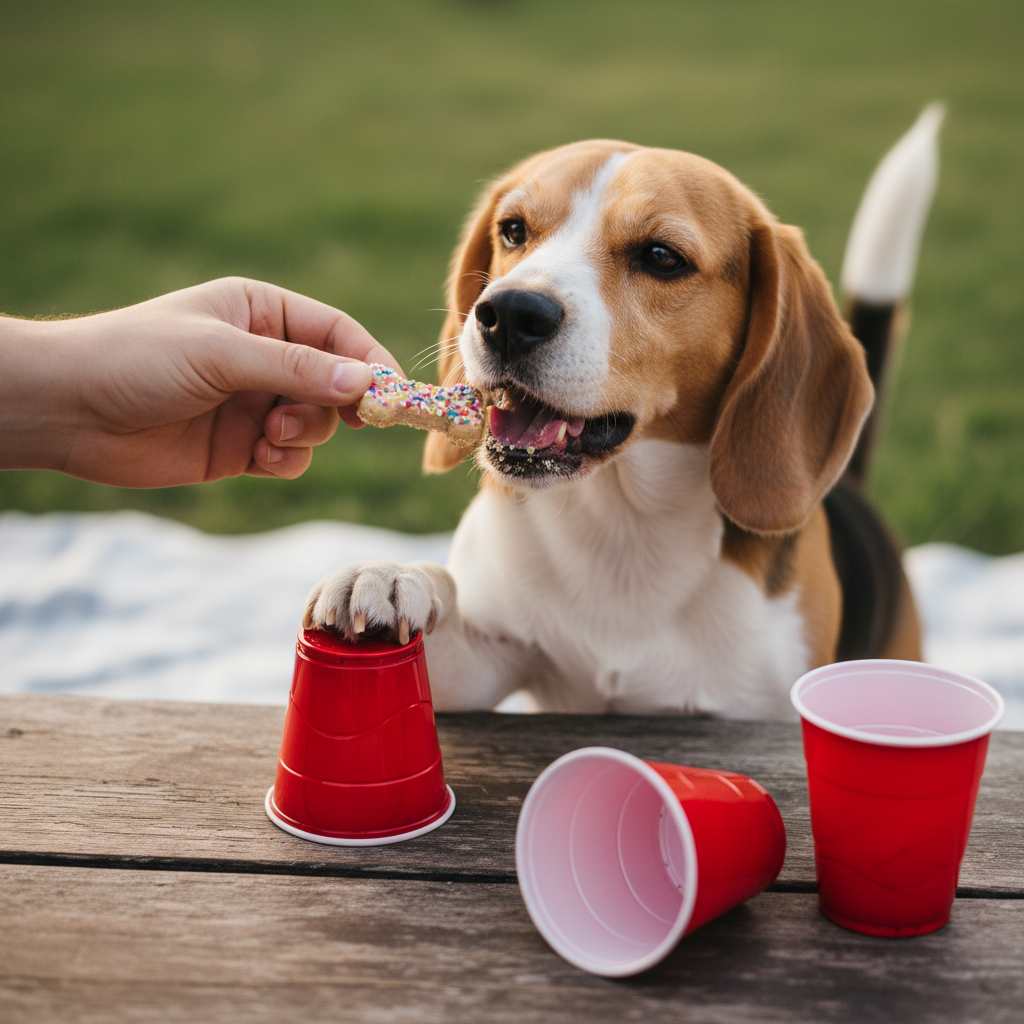
To make sure the shell game stays fun and doesn’t become frustrating for you or your pup, keep these professional tips in mind.
- Be Your Dog’s Biggest Cheerleader: Your energy is contagious! If you’re excited and encouraging, your dog will be too. Use a happy, upbeat tone of voice. Lavish praise on them for trying, not just for getting it right.
- Keep Sessions Short and Sweet: This game requires a lot of mental energy. It’s better to have a few successful and fun 5-minute sessions throughout the day than one long, frustrating 20-minute session. Always end on a high note with a successful find. This leaves your dog feeling confident and eager to play again next time.
- Let Them Win (Especially at First): The goal is to build confidence. In the beginning stages, make it super easy for them to succeed. As they get better, you can increase the difficulty, but always aim for a success rate of about 80%. If your dog starts guessing wrong too often, take a step back to an easier version of the game.
- What’s the ‘Tell’?: When your dog finds the right cup, how do they let you know? Some dogs will nudge it with their nose, others will paw at it, and some might even bark at it. Decide what an acceptable ‘tell’ is and reward it consistently. A gentle nose boop or a paw tap is usually a great indicator to encourage.
- Fade the Visual Cue: Initially, your dog will rely on watching you place the treat. The ultimate goal is for them to use their nose. To help this transition, pretend to place a treat under all three cups, but only actually leave one. This forces them to sniff out the correct cup rather than just remembering where they saw it go.
Troubleshooting: When the Game Goes Sideways
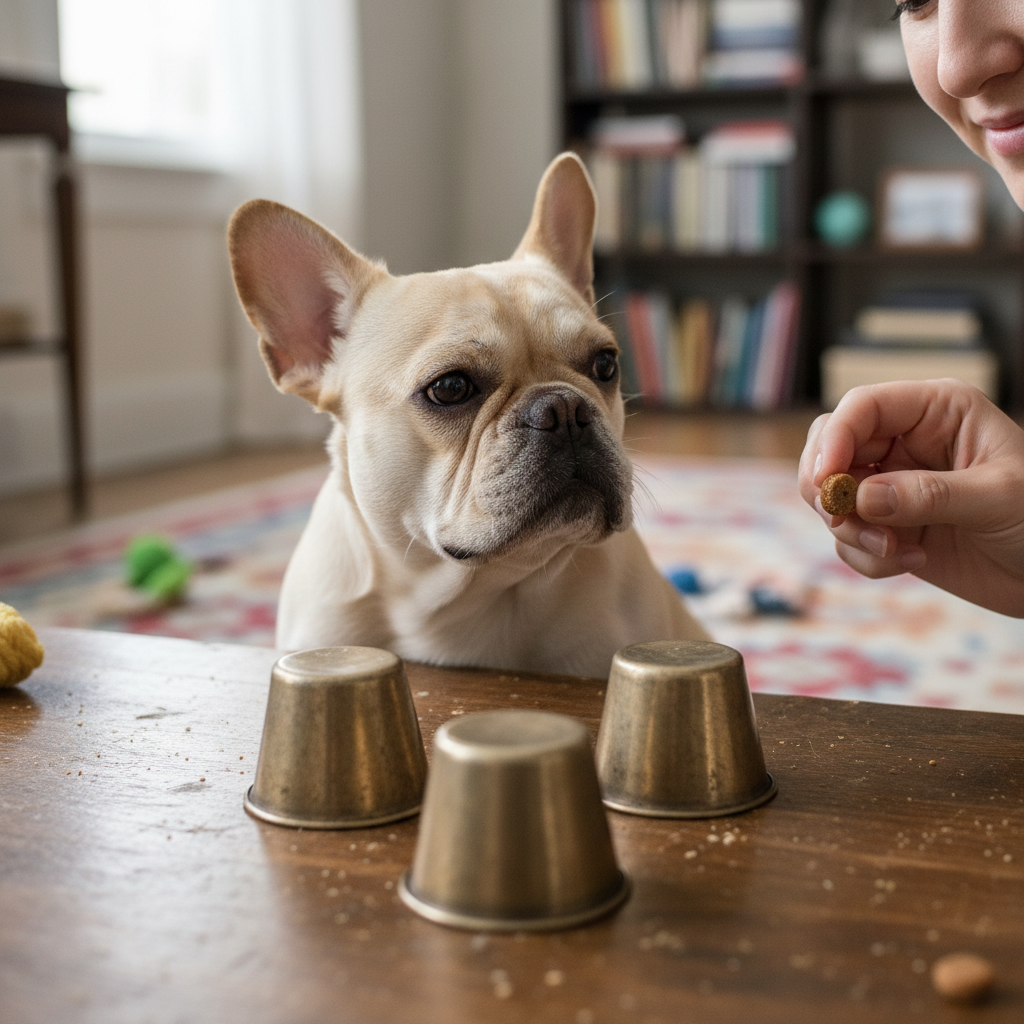
Sometimes, things don’t go exactly as planned. Don’t worry! Most common issues are easy to fix with a little patience and a slight change in your approach.
‘My dog just wants to chew the cups!’
This is common, especially with puppies or mouthy breeds. If your dog starts mouthing or chewing the cups, it’s a sign they’re a bit overexcited or don’t quite understand the game yet. Use a verbal cue like ‘Uh-uh’ or ‘Leave it’, and briefly remove the cups. Re-introduce them when your dog is calmer. Reward them for gentle interactions, like sniffing or a soft nose touch. You may also need to use more durable containers, like sturdy plastic food containers, instead of flimsy cups.
‘My dog loses interest really quickly.’
If your dog is walking away, it could be for a few reasons. First, check your treats! Are they exciting enough? This is the time to break out the good stuff. Second, the game might be too hard. Go back a step to where they were successful and build up their confidence again. Finally, the session might be too long. Remember, 5 minutes of focused brain work can be more tiring than a 30-minute walk. Keep it short and end before they get bored.
‘My dog just keeps guessing randomly!’
This usually means they are relying on their eyes, not their nose. They’re just picking a cup and hoping for the best. To fix this, go back to the step with two cups. Without shuffling, make sure they watch you place the treat. If they still guess wrong, it’s time to make the treat even smellier. You can also try ‘loading’ the cup right in front of their nose so they get a good sniff before you even place it on the ground. The key is to make it obvious that the nose is the tool they need to use to win.
‘My dog is scared of the cups!’
For a timid or noise-sensitive dog, the sound of a cup being knocked over can be startling. Start with something softer, like small cardboard boxes or even just washcloths they can nose away. Introduce the items slowly with lots of treats and praise, a process known as desensitization and counter-conditioning. Let them investigate the ‘shells’ on their own terms before ever using them for the game.
Conclusion
The shell game is so much more than just a way to pass the time. It’s a powerful tool for building communication, trust, and a stronger bond with your dog. It provides essential mental stimulation that can help reduce problem behaviors like destructive chewing and excessive barking, which often stem from simple boredom. Every time your dog looks to you to start the game, and every time their tail wags with excitement when they find the prize, you’re strengthening your incredible partnership.
So, grab some cups, find those extra-special treats, and give it a try. Be patient, be positive, and most importantly, have fun. You’re not just playing a game; you’re making memories and giving your best friend the mental enrichment they crave. Happy playing!