Hey there, fellow dog lover! Are you constantly looking for new, fun ways to bond with your furry best friend? Do you dream of flooding your social media with pictures that are almost too cute to handle? Well, you’ve come to the right place! Teaching your dog a new trick is more than just a fun party trick; it’s a fantastic way to boost their confidence, provide mental stimulation, and strengthen your relationship. And what could be more adorable than teaching your dog to give their favorite teddy bear a big, warm hug?
This guide is all about breaking down this seemingly complex trick into simple, achievable steps. We’ll be using positive reinforcement, which means lots of treats, praise, and fun for everyone involved. Forget about boring drills; this is all about making learning a game. So grab your pup’s favorite stuffed animal, a pocketful of tasty treats, and let’s get ready to create a truly magical moment that’s perfect for both bonding and that picture-perfect photo op!
Setting Up for Success: What You’ll Need
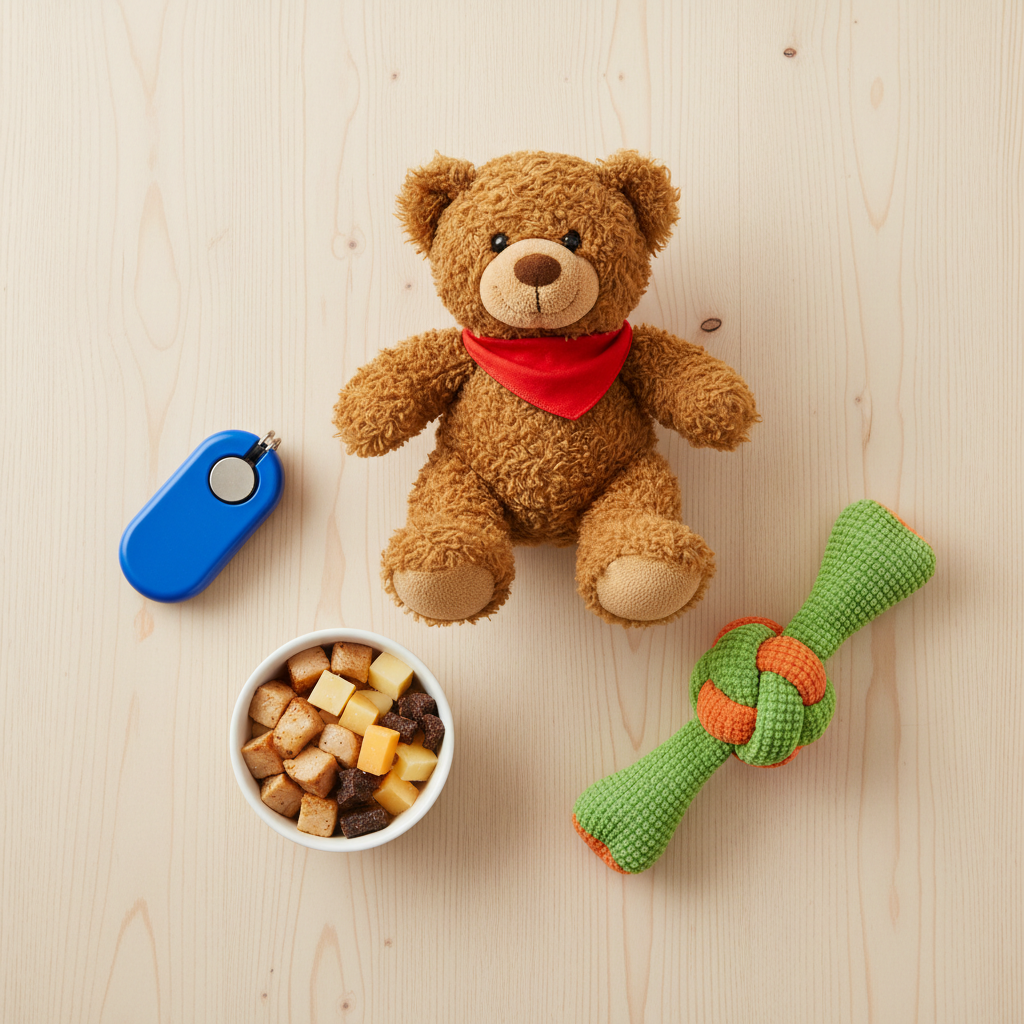
Before you and your pup embark on this adorable adventure, let’s get all our supplies in order. Having everything ready beforehand makes the training session smooth, fun, and effective. Think of it as setting the stage for a blockbuster performance!
The Essential Toolkit:
- Your Dog’s Favorite Teddy Bear (or Stuffed Toy): Choose a toy that is a good size for your dog—not too big that they can’t get their paws around it, and not so small that they might mistake it for a chew toy. It should be a beloved, but not so beloved that they’ll just want to play tug-of-war with it. Durability is a plus!
- High-Value Treats: This is key! We need something your dog will go bonkers for. Standard kibble might not cut it for learning a new skill. Think small, soft, smelly treats like tiny pieces of chicken, cheese, or commercial training treats. The goal is a quick, powerful reward.
- A Clicker (Optional but Recommended): A clicker is a fantastic tool for marking the exact moment your dog does something right. This precision speeds up learning immensely. If you’re not using a clicker, you can use a consistent marker word like “Yes!” said in an upbeat tone.
- A Quiet, Distraction-Free Space: Choose a room where you won’t be interrupted. Turn off the TV, put your phone on silent, and make sure other pets or family members won’t be walking through. This helps your dog focus entirely on you and the game we’re about to play.
Expert Tip: Keep your training sessions short and sweet! Dogs, especially puppies, have short attention spans. Aim for 5-10 minute sessions once or twice a day. Always end on a positive note when your dog has successfully completed a step, even if it’s an easy one. This keeps them excited for the next session!
| Treat Type | Best For | Examples |
|---|---|---|
| High-Value | Learning new, complex tricks like the ‘hug’. | Freeze-dried liver, small pieces of boiled chicken, string cheese. |
| Medium-Value | Practicing known commands or general rewards. | Soft commercial training treats, small dog biscuits. |
| Low-Value | Use as regular meal kibble or for ‘free’ rewards. | Your dog’s daily kibble, carrot pieces. |
The Foundation: Teaching ‘Paws Up’ and ‘Hold’
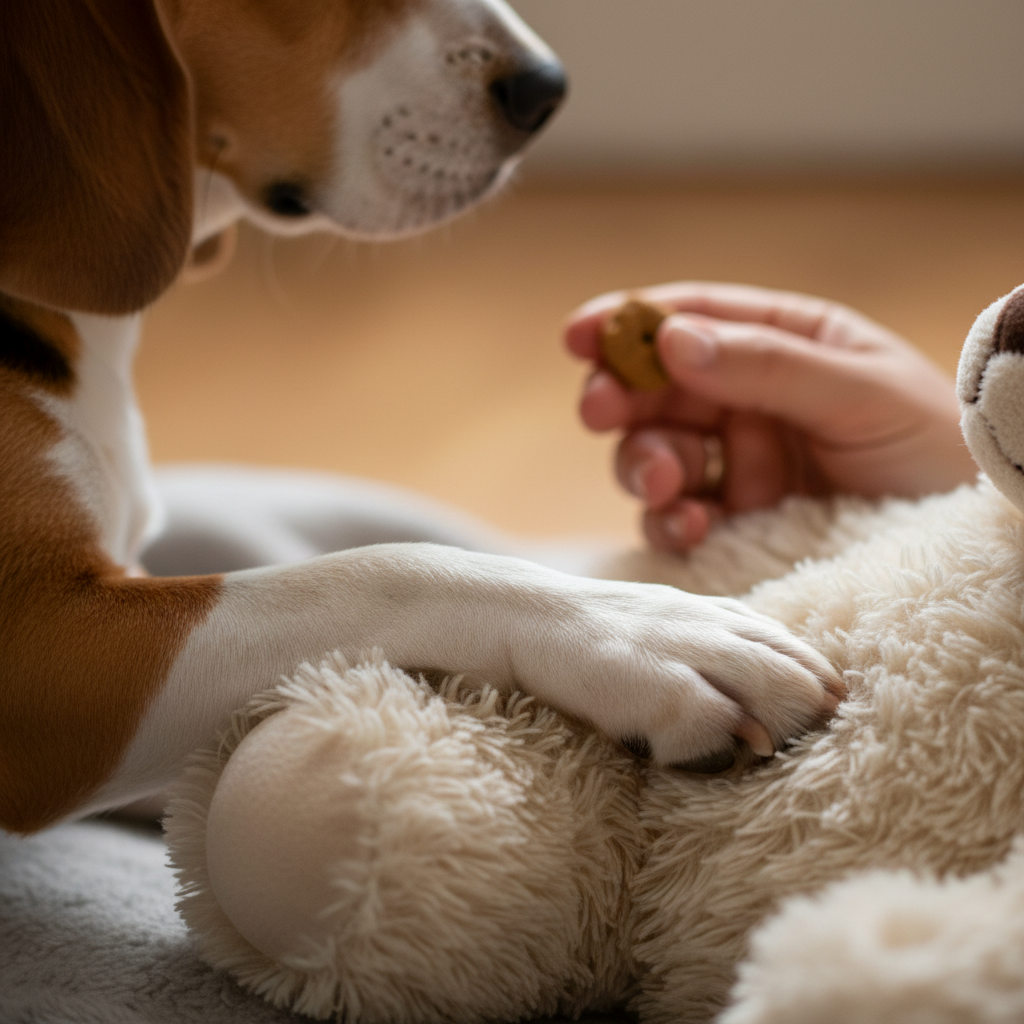
A great hug is built on a solid foundation. Before we can ask for the full, cuddly embrace, we need to teach our dogs two core components: putting their paws on the object and holding it gently. We’ll shape these behaviors one step at a time. Patience is your best friend here!
Step 1: Introducing ‘Paws Up’
- Sit on the floor with your dog in front of you. Place the teddy bear on the floor between you.
- Hold a treat near the teddy bear. The moment your dog’s nose, and then hopefully their paw, touches the bear to investigate, click (or say “Yes!”) and give them the treat.
- Repeat this process. At first, reward any interaction with the bear. Soon, start rewarding only when a paw touches the bear. We are ‘shaping’ the behavior by gradually getting more specific.
- Once your dog is consistently touching the bear with one paw, try to encourage them to put their other paw on it as well. You can do this by holding the treat over the middle of the bear.
- When they are reliably putting both paws on the bear, you can add a verbal cue like “Paws Up.” Say the cue just as they are about to perform the action.
Step 2: Teaching a Gentle ‘Hold’
This part can be tricky, as many dogs want to chew or shake their toys. We’re aiming for a gentle, stationary ‘hold’.
- Start with the bear lying on its back. Encourage your dog to put their paws on the bear’s chest or belly (‘Paws Up’).
- Once their paws are on the bear, delay the click and treat for a single second. If they keep their paws there, click and treat.
- Gradually increase the duration they must hold their paws on the bear before you click and treat. Go from one second to two, then three, and so on. If they move their paws away, that’s okay! Just go back to a shorter duration they can succeed at.
- Once they can hold their paws on the bear for a few seconds, you can introduce the cue “Hold.” Say the word while they are successfully holding the position.
Remember, this stage is all about making the teddy bear a wonderful thing to interact with calmly. If your dog starts to get mouthy or wants to chew the bear, simply trade the bear for a treat and put it away for a moment to reset. We want to reward gentle paw interactions only.
Putting It All Together: The Step-by-Step ‘Hug’
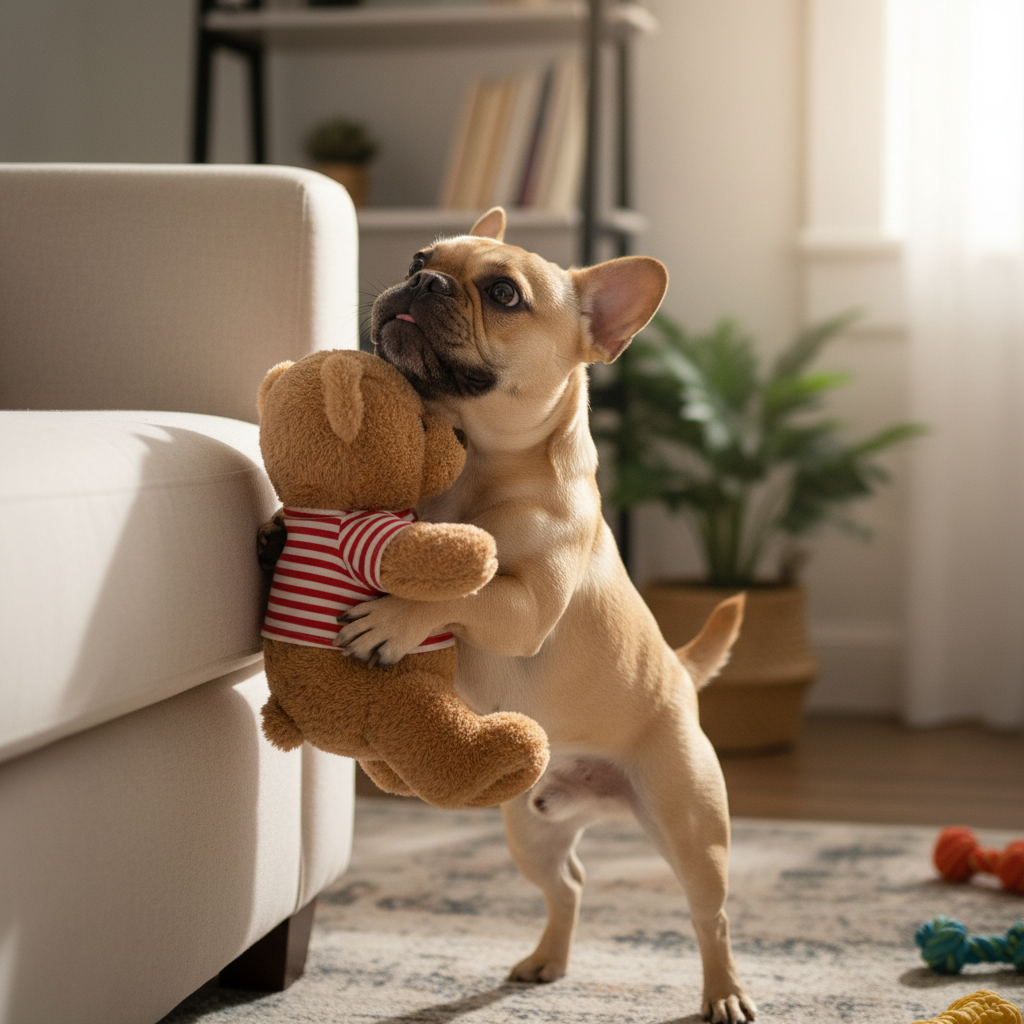
Alright, the foundation is set! Your dog understands putting their paws on the bear and holding them there. Now it’s time for the main event: shaping that gentle ‘hold’ into a heartwarming ‘hug.’ This is where we transition from the bear lying down to sitting up.
Shaping the Hugging Motion
- Prop the Bear Up: Sit on the floor and prop the teddy bear upright, either against your legs or a wall. This presents a new picture for your dog.
- Ask for ‘Paws Up’: Use your now-established “Paws Up” cue. Your dog should place their paws on the upright bear. Click and reward this enthusiastically! This is a new context for the old trick, so it’s a big deal.
- Encourage the ‘Wrap’: This is the creative part. With their paws on the bear’s chest or shoulders, use a treat to lure their head to one side of the bear’s head. This will naturally cause their body to curve and their paws to ‘wrap’ around the bear more. The very first time they make a slight wrapping motion, click and have a jackpot of treats! A jackpot is giving several treats one after another to mark a huge breakthrough.
- Refine the Position: Continue to use the treat to lure them into a more defined ‘hug’ position. You are looking for them to press their chest against the bear and wrap their paws around its back or shoulders. Click and treat for any movement that gets closer and closer to the final hug position.
- Add the Final Cue: Once your dog is reliably moving into the hug position with your lure, you can add the verbal cue. Just as they begin to wrap their paws around the bear, say your chosen word—like “Hug” or “Cuddle”—in a happy, gentle voice.
- Increase Duration: Just like with the ‘Hold’ command, start asking for a longer hug. Delay the click and treat by a second, then two, then three. This teaches them to hold that adorable pose long enough for you to snap a picture!
- Fade the Lure: Gradually, you’ll want to stop using the treat to guide their head. Start by using an empty hand to make the same luring motion, then make the hand signal smaller and smaller until they respond to just the verbal cue “Hug.”
This process takes time, so celebrate every tiny bit of progress. Each session is a step closer to that perfect, heart-melting hug!
The Perfect Shot: Tips for Your Photo Op
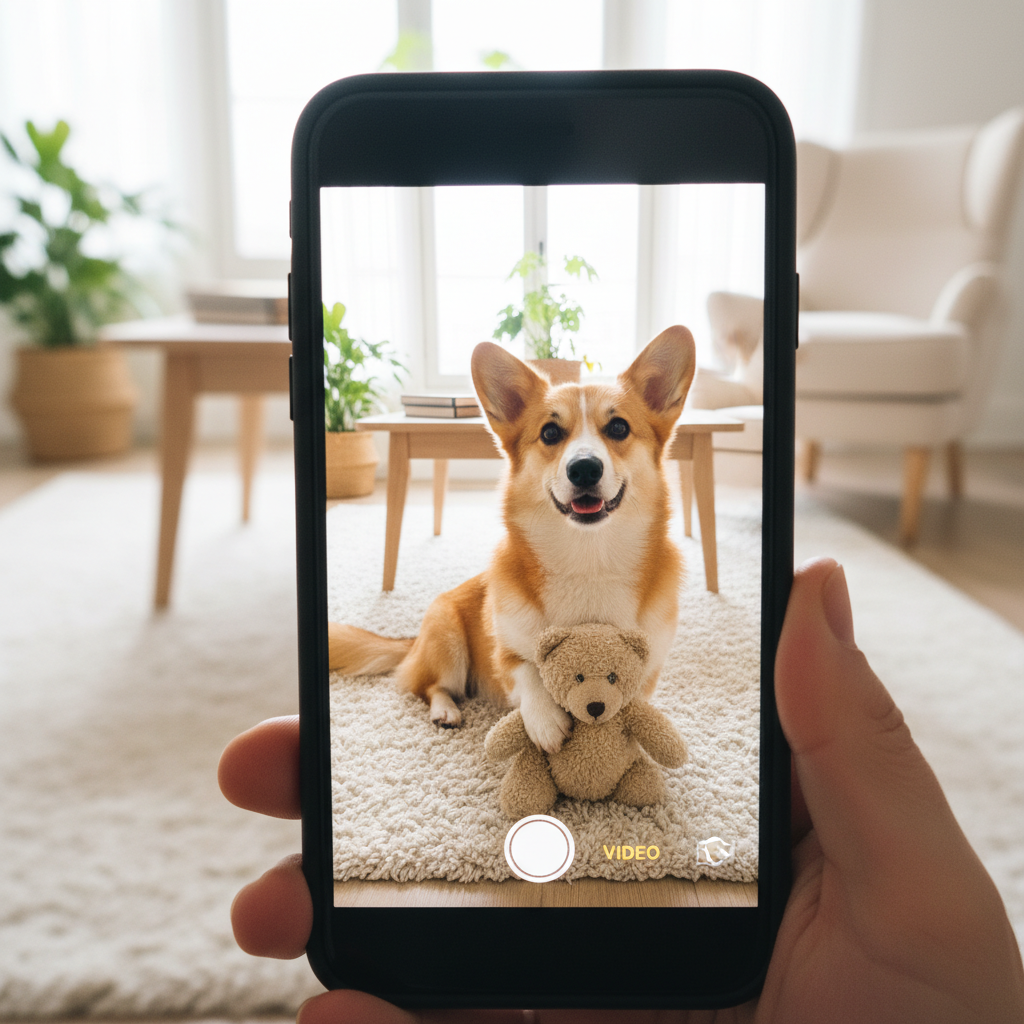
You’ve done the hard work, and your dog is now a certified teddy bear hugger. It’s time to capture the magic! Getting a great photo of your dog in action can be just as tricky as teaching the trick itself, but a few simple tips can make all the difference.
Setting the Scene
- Find the Light: Natural light is your best friend. Position your dog and their teddy bear near a large window. The soft, diffused light will make their fur look great and avoid harsh shadows or the dreaded ‘red-eye’ from a flash.
- Declutter the Background: The focus should be on your adorable dog and their cuddly friend. Tidy up the area behind them. A simple wall, a clean patch of grass outside, or a cozy blanket can make a perfect, non-distracting background.
- Get on Their Level: Don’t take the photo from standing up! The best pet portraits happen when you get down on the floor at your dog’s eye level. This creates a much more intimate and engaging photo.
Camera & Action!
- Use ‘Burst Mode’: Whether you’re using a smartphone or a DSLR, burst mode is a lifesaver. It takes a rapid series of photos, increasing your chances of capturing that one perfect moment with the best head tilt or cutest expression.
- Focus on the Eyes: The old photographer’s rule applies to pets, too: the eyes are the window to the soul. Make sure your camera’s focus is locked onto your dog’s eyes to ensure they are sharp and clear.
- Squeaky Toys are Your Secret Weapon: Need to get your dog to look at the camera with that alert, ears-pricked expression? Have a helper stand behind you and make a funny noise or squeak a toy right before you take the shot.
- Reward, Reward, Reward: Make the photo session a positive experience. After you get your dog into the ‘hug’ pose and take a few shots, release them with a happy “Okay!” and give them a treat and lots of praise. This ensures they’ll be happy to pose for you again in the future.
And don’t forget to take some video, too! A short clip of your dog running up to their bear and giving it a big hug is pure social media gold. Have fun with it!
Troubleshooting Common Hurdles
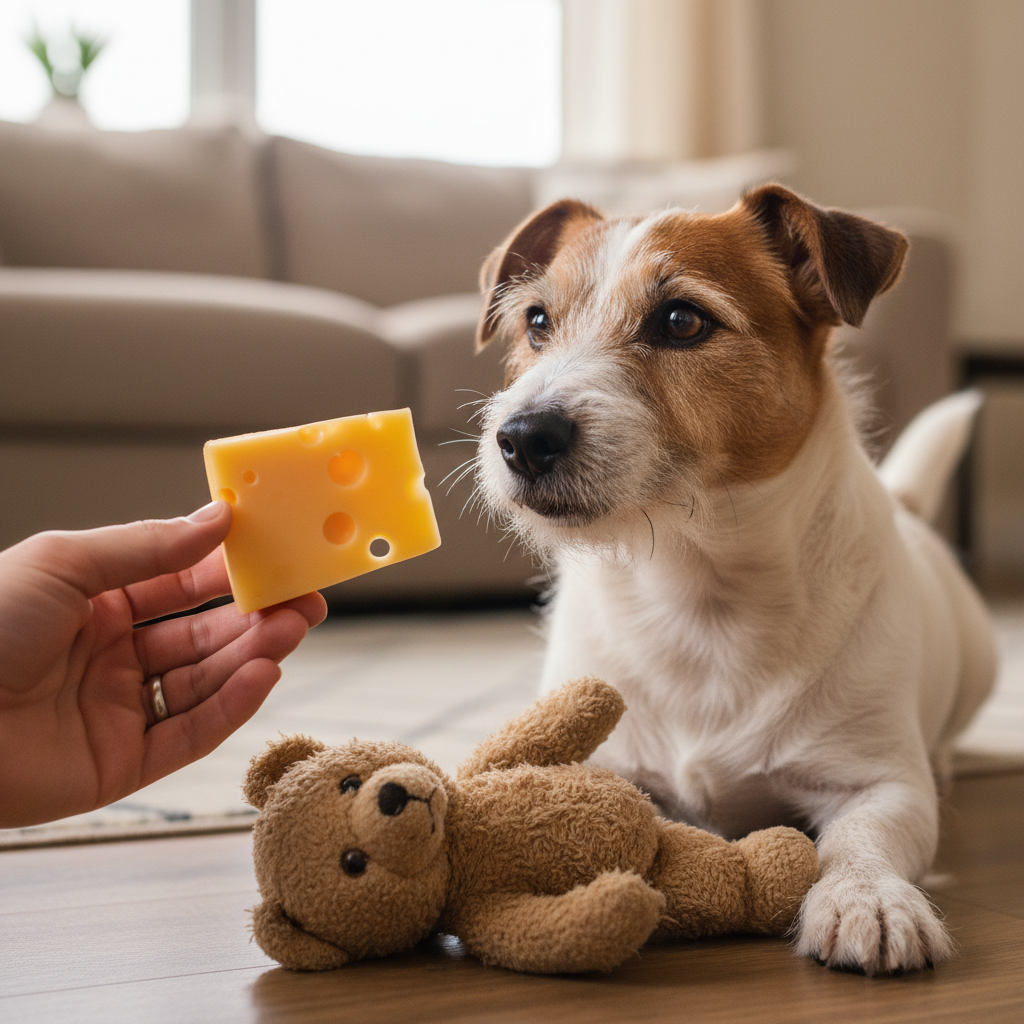
Even with the best plan and the tastiest treats, you might run into a few little bumps in the road. Don’t worry, it’s completely normal! Every dog learns at a different pace. Let’s look at some common challenges and how to navigate them with a positive attitude.
Problem: My dog keeps chewing the teddy bear!
Solution: This is a very common issue, especially with younger dogs or breeds that are naturally ‘mouthy.’ The key is to teach them that the bear is a prop, not a chew toy. If they start chewing, say a calm “Oops!” and use a high-value treat to trade for the bear. Put the bear away for a minute to reset. Then, reintroduce it and reward heavily for any non-mouth interactions, like a nose boop or a paw touch. You are teaching them that paws on the bear earn rewards, but teeth on the bear make it go away.
Problem: My dog loses interest quickly.
Solution: This is a sign that your training sessions might be too long or the treats aren’t exciting enough. Cut your session time in half—even a 2-3 minute session is productive! Also, try ‘upgrading’ your treats to something truly irresistible. Make sure you’re ending each session on a high note of success so they associate training with fun and accomplishment.
Problem: My dog just paws at the bear frantically instead of holding it.
Solution: This can happen when a dog is super excited and just wants the treat! The solution is to work on ‘calm duration.’ Go back to the ‘Hold’ step. Ask for ‘Paws Up’ and only click and treat when the paws are still for even a split second. You are specifically rewarding the stillness. Gradually build up the time. This teaches your dog that a calm, gentle touch is what earns the reward, not frantic pawing.
Problem: My dog won’t ‘wrap’ their paws around the bear.
Solution: The ‘wrap’ is a more unnatural movement for some dogs. The lure is critical here. Make sure you are using a very smelly, tempting treat to guide their nose around the side of the bear’s head. You may have to physically and gently guide their paws into a more wrapped position and then immediately click and treat. This is called ‘physical prompting.’ Pair it with luring, and eventually, they will get the idea of the motion you’re looking for. Be patient and reward any small effort in the right direction!
Conclusion
And there you have it! You’re now fully equipped to teach your dog one of the most charming tricks around. Remember that the journey of teaching your dog to hug their teddy bear is just as important as the final result. Every short training session, every little breakthrough, and even every silly mistake is a building block in your relationship. It’s about communication, patience, and celebrating the small victories together.
Don’t get discouraged if your pup doesn’t get it overnight. Every dog is a unique individual with their own learning style and pace. The most important things are to keep it positive, end every session on a happy note, and cherish this special time you’re spending together. Now go on, create some beautiful memories, and be sure to snap plenty of photos of those adorable teddy bear hugs. You’ve both earned it!