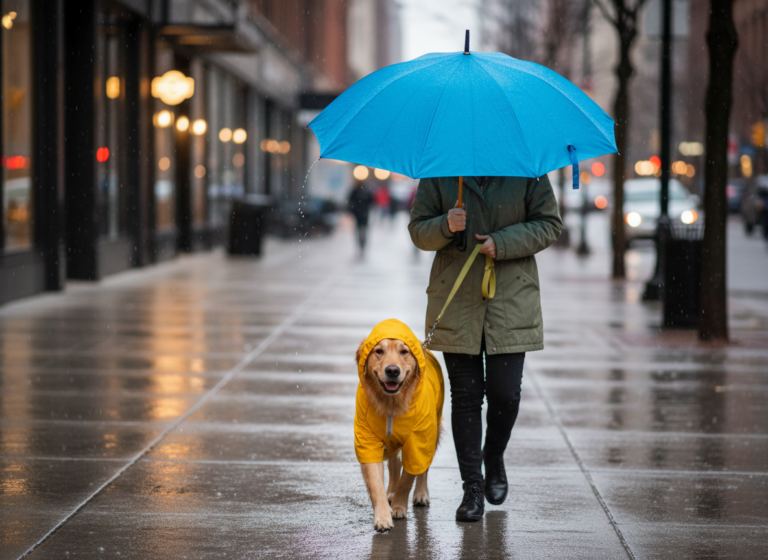
Picture this: a beautiful summer day, a gentle breeze, and an open bike path ahead. Now, add your favorite furry co-pilot, happily peeking out from their very own trailer. It sounds like a perfect adventure, right? For many pet owners, bringing their dog along on bike rides is the ultimate goal. But the reality is, a wobbly, enclosed trailer can be a scary new experience for a dog.
Jumping straight into a long ride can cause fear and anxiety, making your dog hate the trailer forever. The secret to success isn’t forcing it; it’s a gentle and patient process called desensitization and counter-conditioning. It’s all about changing your dog’s emotional response from “What is this scary box?!” to “This box means amazing things happen!”
In this guide, we’ll walk you through everything you need to know, from picking the right gear to a detailed, step-by-step training plan. We’ll help you build your dog’s confidence one treat at a time, ensuring your bike rides are safe, stress-free, and full of tail wags. Let’s get rolling!
Gearing Up for Success: Choosing the Right Trailer and Supplies

Before you even think about the first ride, setting the stage with the right equipment is crucial. A great experience starts with a safe and comfortable trailer. Think of it as your dog’s personal chariot—it should be a place they want to be.
Choosing the Perfect Dog Bike Trailer
Not all trailers are created equal. When shopping for one, prioritize safety and comfort above all else. Look for these key features:
- Appropriate Size and Weight Capacity: Your dog should have enough room to sit, lie down, and turn around comfortably. Always check the manufacturer’s weight limit to ensure it can safely support your pup.
- Sturdy Frame and Stable Base: A solid frame and a low, wide wheelbase will prevent tipping and provide a smoother ride.
- Good Ventilation: Mesh windows on multiple sides are a must for airflow, especially on warm days. Look for zippered panels that you can open or close depending on the weather.
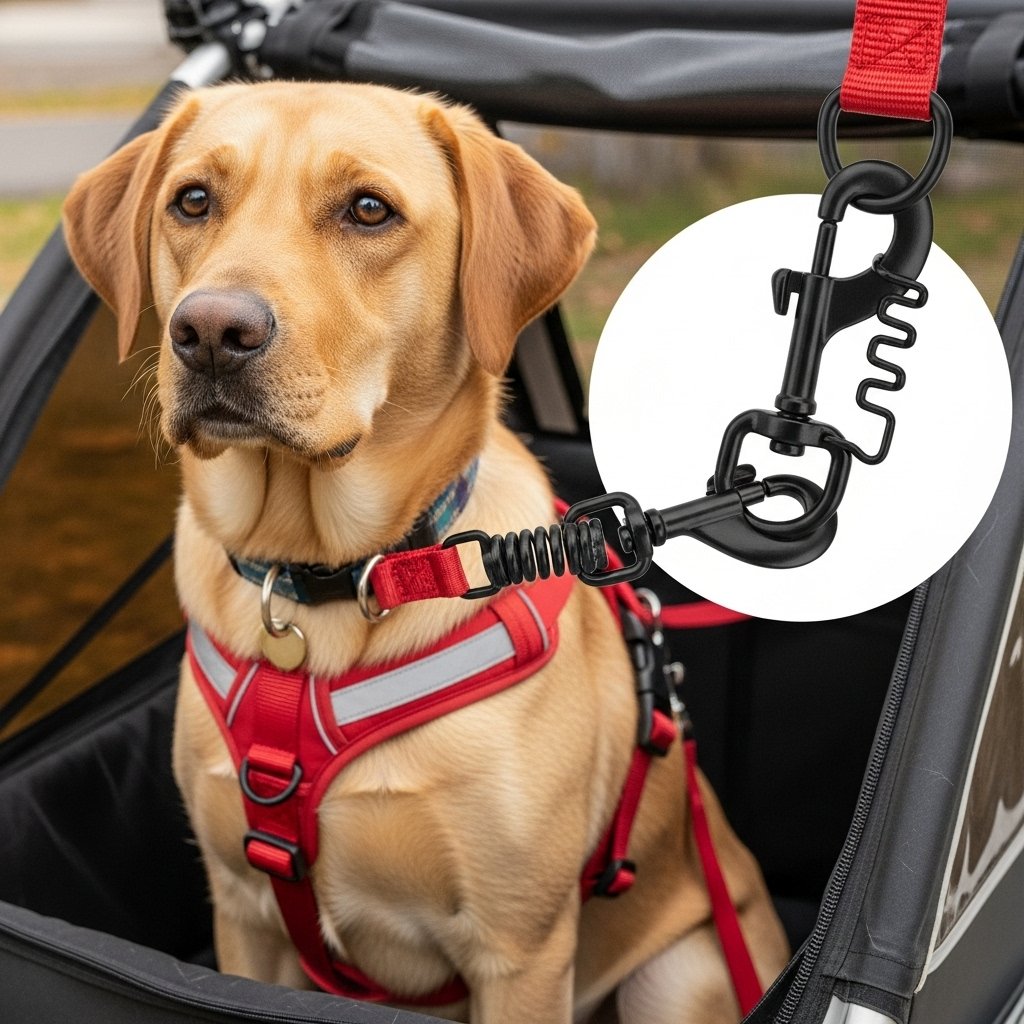
- Internal Safety Tether: This is non-negotiable. An adjustable, short tether that clips to your dog’s harness (never their collar!) will keep them securely inside the trailer.
- Weather Protection: A roll-down plastic cover for the front window can protect your dog from rain, wind, or debris kicked up from your bike tire.
- Comfortable Flooring: A non-slip surface is important. Many trailers come with a cushioned base, but you’ll want to add a familiar blanket or bed to make it extra cozy.
Your Training Toolkit
Once you have the trailer, gather a few essential supplies to make the desensitization process smooth and positive. This isn’t just about gear; it’s about creating positive associations.
- High-Value Treats: We’re not talking about everyday kibble. Think small, smelly, and delicious treats that your dog goes crazy for, like freeze-dried liver, small pieces of chicken, or cheese.
- A Favorite Blanket or Bed: Placing something that smells like home inside the trailer will instantly make it a more familiar and comforting space.
- A Well-Fitting Harness: A comfortable Y-shaped harness is essential for safely tethering your dog inside the trailer without putting any pressure on their neck.
- Engaging Toys: A puzzle toy or a KONG stuffed with peanut butter can keep your dog occupied and happy inside the trailer during the initial stationary phases.
- Patience and a Positive Attitude: This is the most important tool of all! This process takes time and should always be fun for your dog. Your calm and encouraging energy will make a huge difference.
Expert Tip: Before you begin training, assemble the bike trailer and leave it in your living room or backyard for a few days. Don’t draw attention to it. Just let it become a normal part of the furniture. This passive step allows your dog to investigate it on their own terms, reducing the initial novelty and fear.
Your Step-by-Step Guide to Trailer Triumph
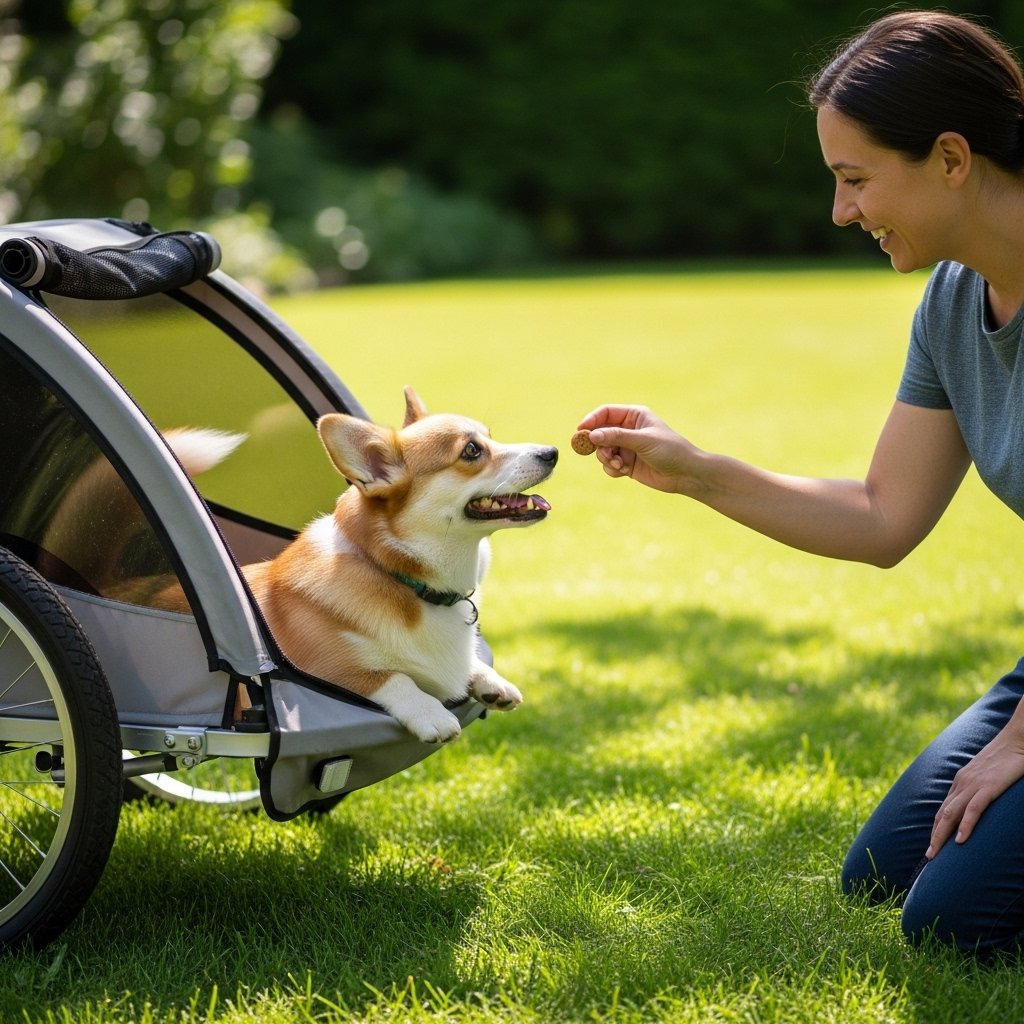
This is where the magic happens. The key is to break down the process into tiny, manageable steps, always ending on a positive note before your dog has a chance to get overwhelmed. Keep training sessions short—just 5-10 minutes once or twice a day is perfect. Let’s begin!
-
Step 1: The Stationary Introduction
The goal here is simple: the trailer is a treat dispenser. Place the trailer in a quiet room or your yard (without the bike attached). Sit on the floor near it. Every time your dog looks at, sniffs, or shows any curiosity towards the trailer, toss a high-value treat near it. Don’t ask them to get in. We’re just rewarding interaction. Once they’re comfortable, start tossing treats right at the entrance, and then just inside the trailer so they have to poke their head in to get it.
-
Step 2: Making it a Happy Place
Now, we want to make the inside of the trailer the best place on Earth. Place your dog’s favorite blanket or bed inside. Start feeding your dog their meals in the trailer. If they’re hesitant, place the food bowl at the entrance and gradually move it further back with each meal. You can also give them a long-lasting chew or a stuffed KONG to enjoy while they’re inside. At this stage, the trailer door should remain open, and the trailer should be completely still.
-
Step 3: Introducing Gentle Movement
This is a critical step. Once your dog is happily relaxing in the stationary trailer, you can introduce a tiny bit of movement. While they are inside, very gently rock the trailer from side to side—just a tiny bit. Drop treats as you do it. The moment you stop rocking, the treats stop. This teaches the association: movement = good things. Keep this incredibly subtle at first. If your dog seems worried, you’ve moved too fast. Go back a step.
-
Step 4: Attaching the Bike (No Riding!)
Wheel your bike over and attach it to the trailer while your dog watches from a distance. Reward them for calm behavior. Let them investigate the new, larger object. Then, repeat Steps 1 and 2 with the trailer attached to the bike but still stationary. Reward them for getting in and relaxing in the trailer now that it looks different.
-
Step 5: The First Roll (No Pedaling!)
With your dog comfortably secured in the trailer with their harness and tether, it’s time for the first real movement. Don’t get on the bike. Simply hold the handlebars and walk the bike forward a few feet across your driveway or lawn. Stop, praise them, and give them a jackpot of treats. Turn around, walk a few more feet, and repeat. Keep it short, positive, and exciting.
-
Step 6: The First Real Ride
Okay, deep breath! Time for the real deal. Make the first ride incredibly short. Pedal slowly down your quiet street to the corner and back. That’s it. The whole ride might be less than a minute. When you get back, give tons of praise and treats. The goal is to leave them wanting more, not to overwhelm them with a long, scary journey.
-
Step 7: Gradually Increasing Duration and Fun Destinations
Once your dog is comfortable with short jaunts, you can slowly start increasing the length of your rides. Add a minute or two each time. Start making the destination somewhere fun, like a park or a quiet trail where they can get out and sniff around. This builds the association that the trailer takes them to their favorite places. Now you’re not just training; you’re adventuring!
Troubleshooting Common Roadblocks: What to Do When Your Pup Puts on the Brakes
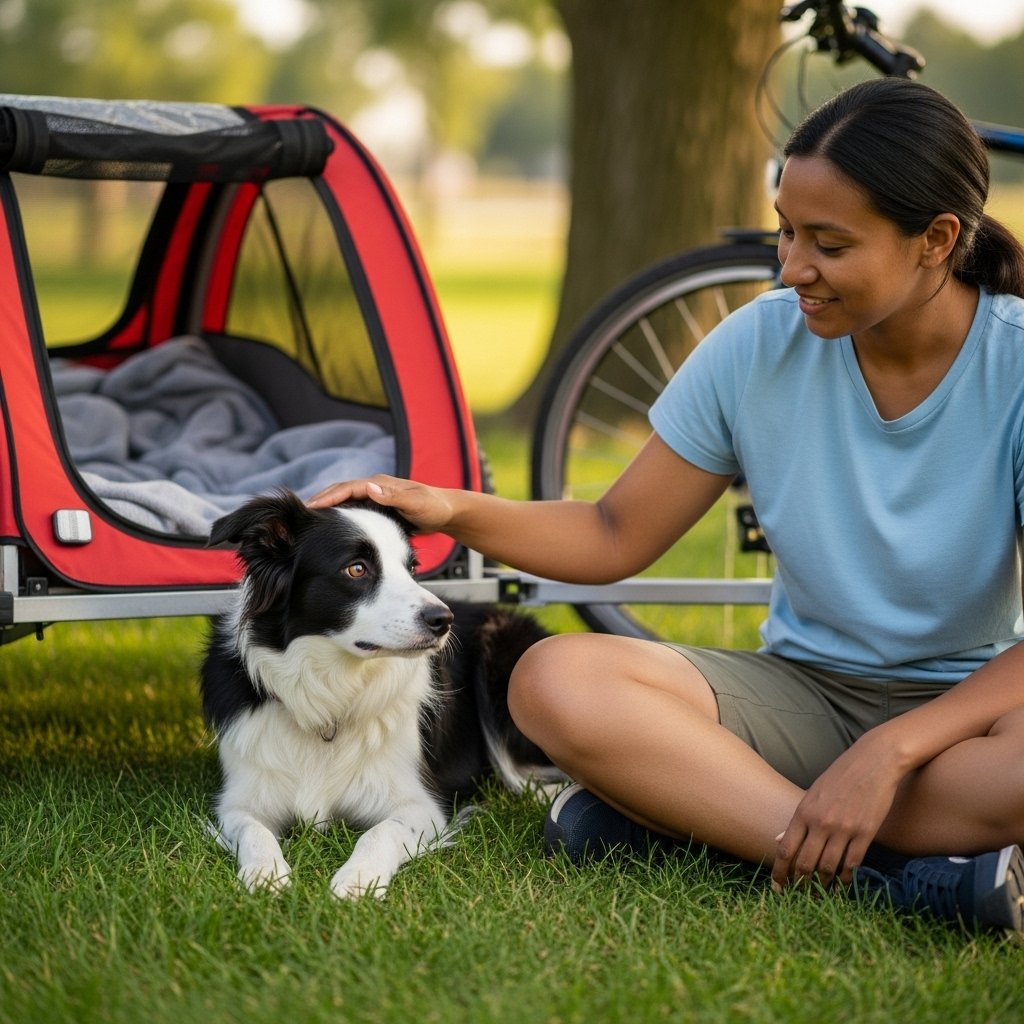
Even with the best plan, you might hit a snag. That’s completely normal! The most important rule of troubleshooting is to never push your dog through their fear. If they show signs of stress (panting, whining, yawning, trying to escape), take a break and go back to the last step where they were successful. Here are some common challenges and how to solve them.
| The Problem | The Solution |
|---|---|
| My dog refuses to go near the trailer. | You’ve likely moved too fast or the trailer itself is intimidating. Go back to square one. Leave the trailer out for a few days without interacting with it. Use much higher-value treats (think hot dogs or boiled chicken) and reward even the smallest glance in its direction. Make it a fun game of ‘find the treat’ around the trailer. |
| My dog gets in but immediately wants out. | The duration is too long for their comfort level. Shorten the time they are expected to stay inside. Start with just one second, then treat and release. Gradually build up to 2, 5, and 10 seconds. Using a food puzzle or KONG can also help them focus on something positive while inside. |
| My dog panics as soon as the trailer moves. | The movement was too intense. Go back to the gentle rocking stage (Step 3). Make the movement so subtle it’s barely perceptible. Also, check your terrain. A bumpy lawn is much scarier than a smooth driveway. Start on the smoothest surface possible. |
| My dog barks at other dogs, people, or cars from the trailer. | This is overstimulation. Try using a trailer with covers you can partially close to limit their view. Practice riding in very quiet, low-traffic areas first. You can also work on the ‘Look at That’ game, where you reward your dog for looking at a trigger and then looking back at you calmly. |
| My dog tries to chew on the trailer or tether. | This is often a sign of anxiety or boredom. Ensure they have a safe and appropriate chew toy with them in the trailer. Double-check that your rides aren’t too long. If it’s anxiety, you need to shorten your sessions and make them more positive. |
Remember: Every dog learns at a different pace. A confident, happy-go-lucky dog might fly through these steps in a week. A more anxious or cautious dog might take a month or more. The timeline doesn’t matter; their comfort and confidence do.
Safety First: Essential Rules for the Road
Once your dog is a confident trailer rider, it’s easy to get swept up in the fun. But keeping them safe is your number one priority. Before every single ride, run through this mental checklist to ensure a secure and enjoyable trip for everyone.
- Harness and Tether Always: This is the most important rule. Always secure your dog with a harness attached to the trailer’s safety tether. Attaching it to a collar can cause serious neck injury in a sudden stop. The tether should be short enough to prevent them from jumping or falling out, but long enough to allow them to sit and lie down comfortably.
- Check Your Equipment: Before you head out, give the trailer a quick once-over. Are the tires properly inflated? Is the hitch securely fastened to your bike? Are all the zippers and clips working correctly?
- Mind the Weather: Trailers can get hot very quickly, like a car. Avoid riding during the hottest parts of the day in summer. On sunny days, ensure there is plenty of shade and ventilation. If it’s too hot for you to be comfortable, it’s definitely too hot for your dog.
- Hydration is Key: Always bring more water than you think you’ll need, along with a collapsible bowl. Offer your dog water before you leave and during any breaks on your ride.
- Choose Your Route Wisely: Stick to bike paths, quiet neighborhood streets, and park trails whenever possible. Avoid busy roads with heavy traffic. The noise and speed can be stressful for your dog, and it increases the risk of an accident.
- Ride Smoothly: Remember that you have precious cargo! Take turns wide and slow. Announce bumps before you go over them. Avoid sudden stops or swerves. The smoother the ride, the more your dog will enjoy it.
- Build Up Stamina: Just like humans, dogs need to get used to the motion of riding. Keep initial trips short and gradually build up the duration as your dog becomes more accustomed to the experience.
Conclusion
Helping your dog learn to love their bike trailer is one of the most rewarding things you can do to prepare for new adventures together. It’s a process that builds trust, strengthens your bond, and opens up a whole new world of exploration. Remember that the journey is just as important as the destination. Celebrate the small victories, whether it’s a sniff, a paw inside, or the first short roll down the driveway.
By following these steps and arming yourself with patience, positivity, and plenty of tasty treats, you’re not just teaching your dog to tolerate the trailer—you’re teaching them that it’s their personal, happy chariot that leads to exciting places. So take your time, listen to your dog, and get ready to create countless happy memories on two (or three) wheels. Happy trails to you and your furry first mate!