There’s nothing quite like escaping the hustle and bustle of daily life and heading into the great outdoors. The smell of pine, the crackle of a campfire, the vast expanse of a starry sky… it’s pure magic. And what could make it better? Sharing it with your four-legged best friend, of course! But that picture-perfect image can quickly unravel if your dog sees the tent not as a cozy shelter, but as a big, scary nylon monster.
Many well-meaning pet owners have had their camping trips disrupted by a dog who refuses to go in the tent, whines all night, or barks at every rustle of leaves. It’s a common challenge, but it doesn’t have to be your story. The key isn’t forcing them inside; it’s teaching them that the tent is their special, safe, and wonderful place.
In this guide, we’re going to break down the process of tent training into simple, positive, and effective steps. We’ll cover everything from the initial introduction in your living room to a full-blown successful night in the wild. Get ready to transform your pup from a tentative tent-avoider into an enthusiastic camper!
Gearing Up for Success: What You’ll Need for Tent Training
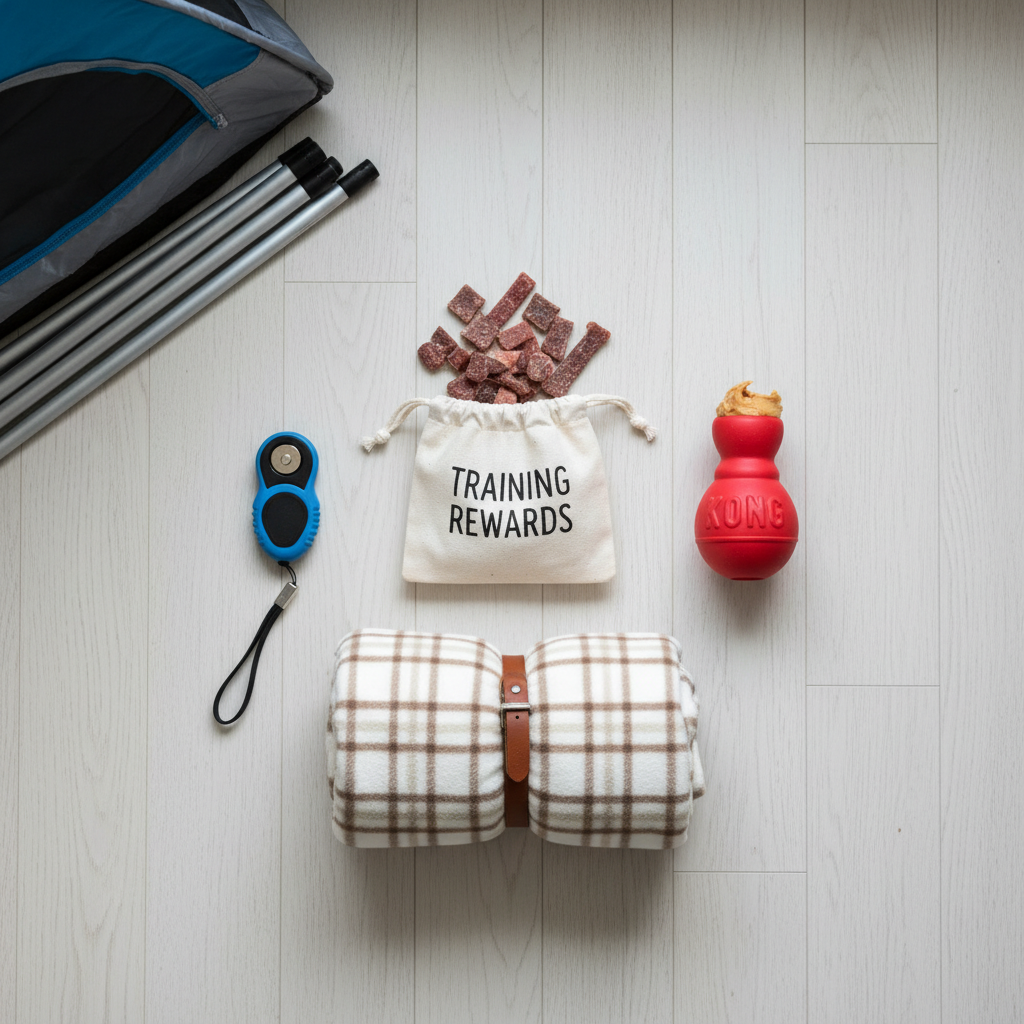
Before you even think about popping up the tent, let’s gather the tools for the job. Having the right gear on hand will make the training process smoother, more positive, and much more effective. Think of this as creating the perfect, irresistible invitation to the tent party for your pup.
Essential Training Toolkit:
- The Tent: This is your main stage! Start by setting it up in a familiar, low-stress environment like your living room or backyard. You want your dog to investigate it on their own terms without the overwhelming sights, sounds, and smells of a new campsite.
- High-Value Treats: We’re not talking about their everyday kibble. You need the good stuff! Think small pieces of cooked chicken, cheese, freeze-dried liver, or their absolute favorite store-bought training treats. The goal is to create a powerful positive association with the tent.
- A Comfortable Dog Bed or Blanket: This is a crucial piece of the puzzle. An item that already smells like home and signifies comfort will make the inside of the tent feel much more familiar and inviting. It helps your dog understand what they’re supposed to do inside: relax.
- Favorite Toys or Chews: A special chew toy, like a stuffed KONG or a long-lasting bully stick that they only get inside the tent, can be a game-changer. This gives them a fun, calming activity to focus on once they’re inside.
- Patience and a Positive Attitude: This is the most important tool you have! Training takes time, and every dog learns at a different pace. Stay calm, keep it fun, and celebrate the small wins. Your dog will feed off your positive energy.
Expert Tip: Before you even start, take your dog for a nice long walk or have a vigorous play session. A physically and mentally tired dog is much more likely to be in a calm, receptive state of mind for training.
From Tent-Shy to Tent-Savvy: Your Step-by-Step Training Plan
Alright, you’ve got your gear, your treats are ready, and your dog is happily tired. It’s time to begin the great tent adventure! Remember, the goal is to break this down into tiny, achievable steps so your dog is always succeeding. We’ll build on each success, creating a strong foundation of confidence.
-
Step 1: The Grand Introduction (Outside the Tent)
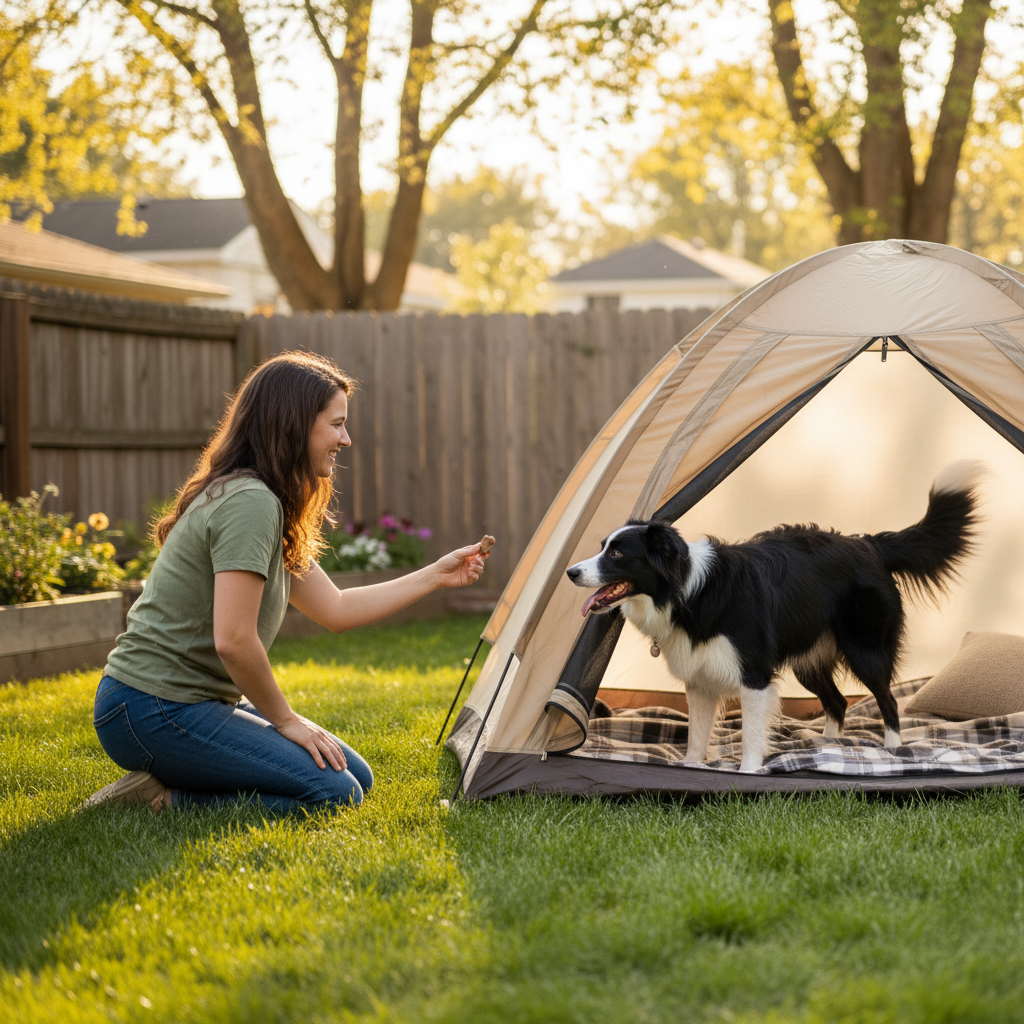
Set up the tent in your living room or backyard with the doors wide open. Don’t lure or ask your dog to go near it. Just let it exist. Casually toss high-value treats near the tent. If your dog sniffs the tent fabric, praise them enthusiastically and give them a treat. The goal of this step is simple: Tent = Good Things Happen Near Me. Do this for a few short sessions over a day or two until your dog is comfortable being around the tent.
-
Step 2: Making the Entrance Enticing
Now, place a trail of treats leading up to the entrance and just inside the doorway. Don’t push them to go in. Let their nose lead the way. As they get braver and start putting their head inside to get the treats, introduce a verbal cue like “Go to your tent!” or “In!” in a happy, upbeat tone. Reward any forward motion toward and into the entrance.
-
Step 3: All Paws In!
Once your dog is confidently putting their head in, it’s time to encourage them to get all four paws inside. Place their comfy bed or blanket just inside the entrance. Lure them all the way onto the bed with a treat, then give them a few more once they are fully inside. Keep the door open and the sessions very short—just a few seconds at first. Let them come and go as they please.
-
Step 4: Zipping Up the Fun
This can be a scary step for some dogs, so go slow. While your dog is happily munching on a treat inside, calmly zip the mesh door just a few inches, then immediately unzip it and praise them. Gradually increase how much you zip it and for how long. The moment they finish their treat, open the door. This teaches them that the closed door isn’t a trap; it’s just a brief pause before more freedom and fun.
-
Step 5: The Art of Settling
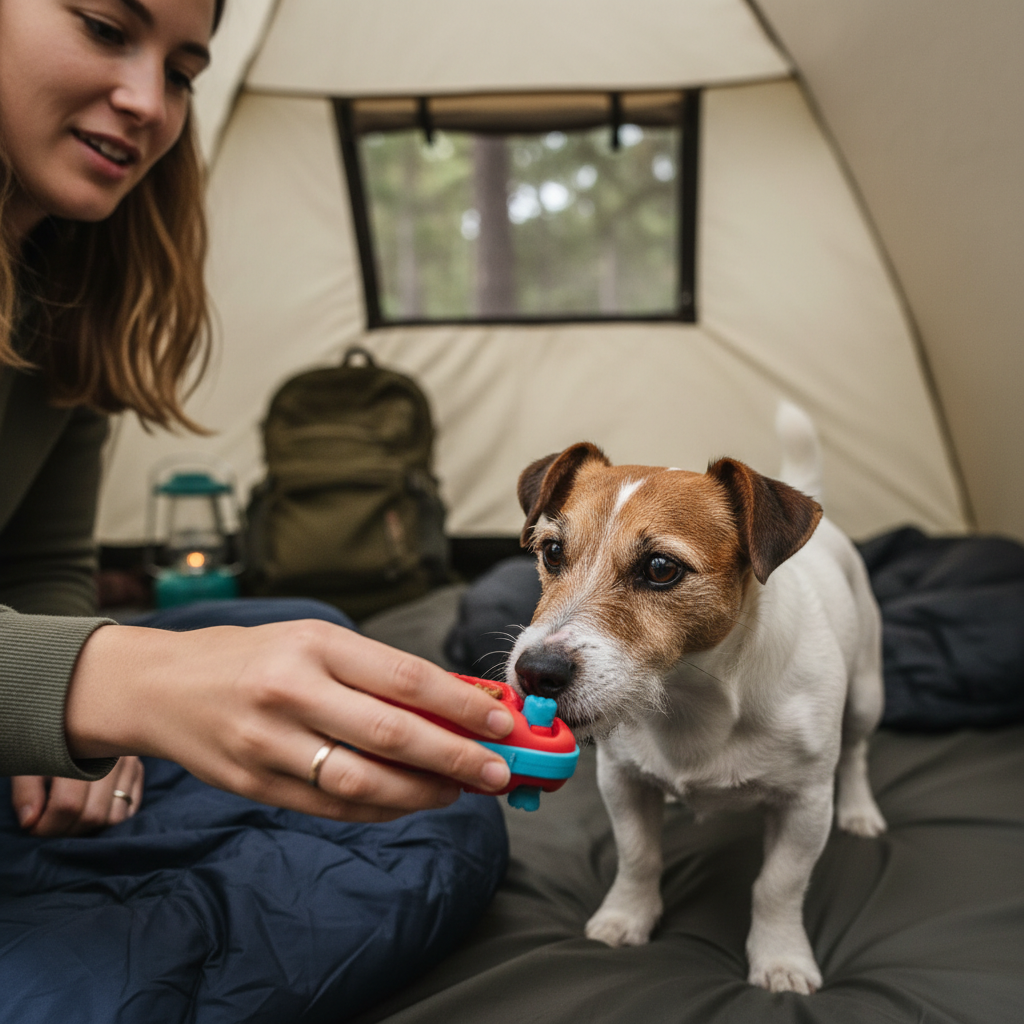
The real goal isn’t just getting your dog in the tent; it’s getting them to relax in the tent. Once they are comfortable being inside with the door closed for a minute or two, give them their special, long-lasting chew toy. Encourage them to lie down on their bed and enjoy it. Sit with them, offering calm praise. This is where you build the association between the tent and calm, quiet time.
-
Step 6: The Backyard Campout
Before you head into the wilderness, do a dress rehearsal. Set up the tent in your backyard for the night. Go through the whole bedtime routine, sleep in the tent with your dog, and see how they do. This controlled environment allows you to troubleshoot any issues without the added stress of being far from home.
Tent Tantrums? How to Troubleshoot Common Issues
Even with the best training plan, you might hit a snag. Don’t worry, it’s completely normal! The key is to identify the problem and take a step back, always keeping the experience positive. Here’s how to handle some common tent troubles.
“My dog is terrified and won’t even go near the tent!”
This is a sign you’ve moved too fast. Go all the way back to square one. Put the tent away for a day, then bring it back out and just leave it there. Don’t interact with it at all. For the next few days, the only time your dog gets their absolute favorite, highest-value treat (like tiny bits of steak) is when they are simply in the same room as the tent. You are rebuilding the association from the ground up: the mere presence of this object predicts amazing things. Be patient; this could take several days.
“My dog whines or barks constantly inside the tent.”
Whining or barking is often a sign of anxiety or boredom. First, ensure their needs are met. Have they had enough exercise? Do they need a potty break? If it’s anxiety about noises outside, consider bringing a portable white noise machine or using an app on your phone to muffle sounds. Also, make sure their special chew toy is engaging enough to keep them occupied. If the behavior continues, you may need to shorten the duration of time spent inside until they are more comfortable.
“My dog keeps scratching or digging at the tent floor/walls!”
This can be a destructive and frustrating behavior, often rooted in anxiety or a desire to escape. Never punish your dog for this. It will only increase their anxiety about the tent. Instead, redirect the behavior immediately. Offer them a more appropriate outlet for that energy, like a digging toy or a tough chew. It’s also a good idea to trim your dog’s nails before a camping trip to minimize potential damage. If this is a persistent issue, it’s a clear signal that your dog isn’t yet comfortable being enclosed, and you need to go back to the ‘Zipping Up the Fun’ step and work on building that duration much more slowly.
A Golden Rule: The tent should always be a sanctuary, never a punishment. Never send your dog to the tent for a ‘time out.’ You want every single experience associated with it to be positive, safe, and rewarding.
Expert Tips for a Five-Star Camping Experience
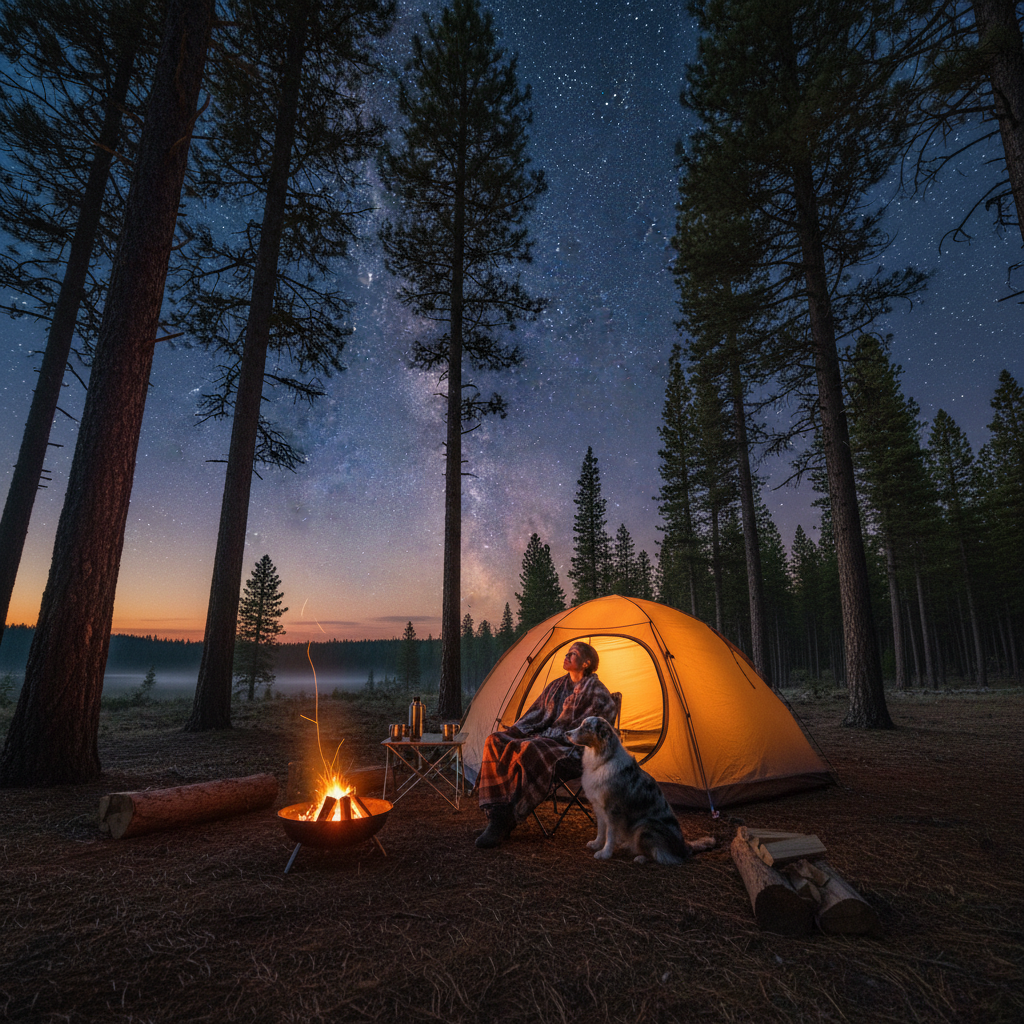
You’ve done the training, and your dog is happily snoozing in the tent in your backyard. Congratulations! Now, let’s talk about setting you both up for success on the actual trip. A little bit of extra preparation can make the difference between a good trip and a truly great one.
- Tire Them Out: This is the number one rule of camping with a dog. A tired dog is a calm dog. Before you even think about settling in for the night, make sure your pup has had a full day of fun. Go for a long hike, play a vigorous game of fetch, or let them swim. A dog that is physically and mentally spent is far more likely to settle down and sleep soundly through the night.
- Creature Comforts are Key: Don’t skip packing their favorite bed or blanket. The familiar smell of home is incredibly comforting in a new environment. This small item can significantly reduce anxiety and help them feel secure.
- Plan Your Potty Breaks: Establish a designated potty spot as soon as you arrive at the campsite. Be sure to take your dog out for one final potty break right before you zip in for the night, and be prepared for an early morning wake-up call. This helps prevent nighttime accidents and restlessness.
- Stick to a Routine: Dogs thrive on routine. As much as possible, stick to their regular feeding times. This predictability helps them feel grounded and secure, even when their surroundings are new and exciting.
- Pack a Canine First-Aid Kit: Be prepared for minor scrapes, insect bites, or other small injuries. A well-stocked kit gives you peace of mind and ensures you can handle little issues on the spot.
- Temperature Control: Tents can get surprisingly hot or cold. If you’re camping in the summer, ensure you have good ventilation. For cold-weather camping, pack an extra blanket or a dog-specific sleeping bag and coat to keep your pup warm and cozy all night long.
By thinking ahead and packing for your dog’s comfort and safety, you’re not just being a great pet owner—you’re ensuring the trip is relaxing and enjoyable for everyone involved. Happy camping!
Conclusion
Teaching your dog to love the tent is an investment that pays off in countless memories made under the stars. By approaching it with patience, positivity, and the step-by-step plan we’ve outlined, you’re not just training a behavior; you’re building trust and strengthening your bond. You’re showing your dog that with you, even new and strange places can be safe and fun.
Remember to celebrate every small victory, whether it’s a curious sniff of the tent fabric or the first time they lie down inside on their own. Every dog learns at their own pace, so listen to your pup and adjust as needed. Before you know it, the sound of a zipper will be a happy cue for your dog, signaling the start of another cozy night on your shared adventure.
So pack the treats, grab the tent, and get ready. The wilderness is calling, and now, you and your best friend are fully prepared to answer it together.