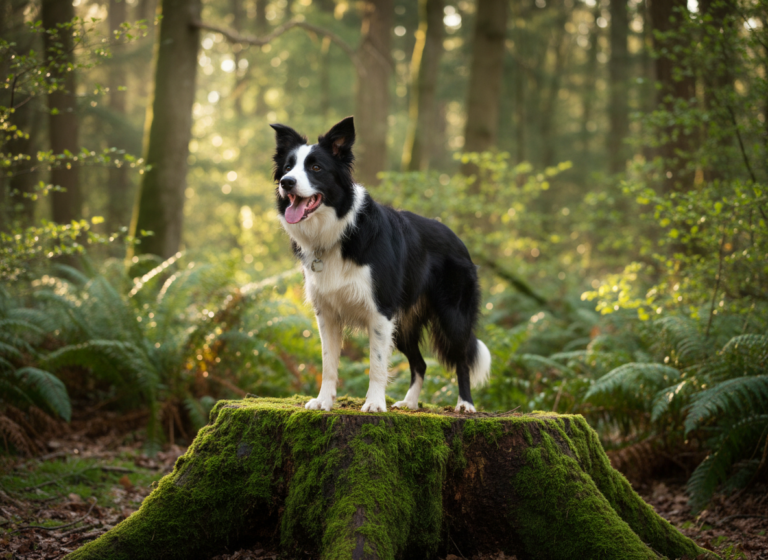
Welcome home! The vacation was amazing, the memories are priceless, but now you’re faced with the final boss of any trip: the dreaded suitcase. It sits there, full of laundry and souvenirs, silently judging you. But what if you had an enthusiastic, four-legged helper to make the task a little more joyful? What if unpacking could become a fun game and a fantastic bonding moment for you and your dog?
You’re in the right place! Training your dog to unpack a suitcase isn’t just a cute party trick; it’s a brilliant form of mental enrichment. It engages their brain, builds their confidence, and strengthens their problem-solving skills. Using positive reinforcement, we can teach our dogs to gently retrieve items from a suitcase and bring them to us. This guide will walk you through every step, from gathering your supplies to troubleshooting common hiccups. So, let’s turn that post-vacation chore into a tail-wagging triumph!
Gearing Up for Success: What You’ll Need
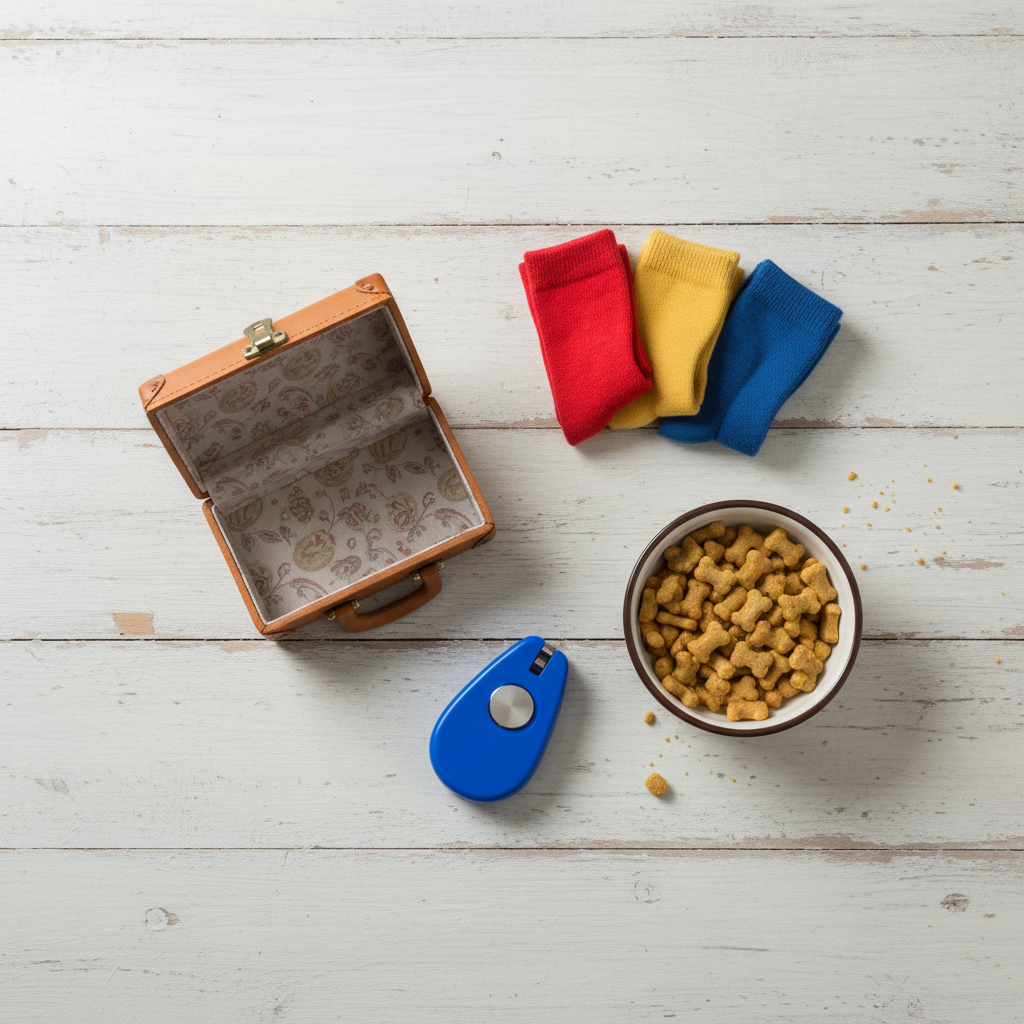
Before we dive into the training, let’s get our toolkit ready. Having everything on hand will make your training sessions smooth, efficient, and fun for both of you. You don’t need a lot of fancy equipment, just a few simple items.
Essential Supplies:
- An empty suitcase: Start with a soft-sided suitcase if possible, as it’s less intimidating than a hard-shell one. For the first few sessions, leave it open on the floor.
- Soft items: Gather some old t-shirts, socks, or soft dog toys. We want to use items that are easy for your dog to pick up and hold, and that you don’t mind getting a little slobbery. Avoid anything with zippers, buttons, or delicate parts for now.
- High-value treats: This is the fun part! Find some treats that your dog goes absolutely wild for. Small, pea-sized pieces of chicken, cheese, or their favorite smelly training treats work perfectly. The goal is to make this the best game ever, and amazing rewards are key.
- A clicker (optional): If you’re familiar with clicker training, this is a fantastic tool for marking the exact moment your dog does something right. If not, don’t worry! A consistent verbal marker like a happy “Yes!” works just as well.
- Patience and a positive attitude: This is the most important tool of all! Remember, this is a game. Keep sessions short (5-10 minutes max), stay positive, and celebrate the small wins.
Expert Tip: Choose a quiet, distraction-free area for your training sessions. A living room or bedroom where your dog feels comfortable is ideal. This helps your pup focus on the task at hand without getting sidetracked by squirrels or the mail carrier.
Laying the Foundation: Pre-Training Basics
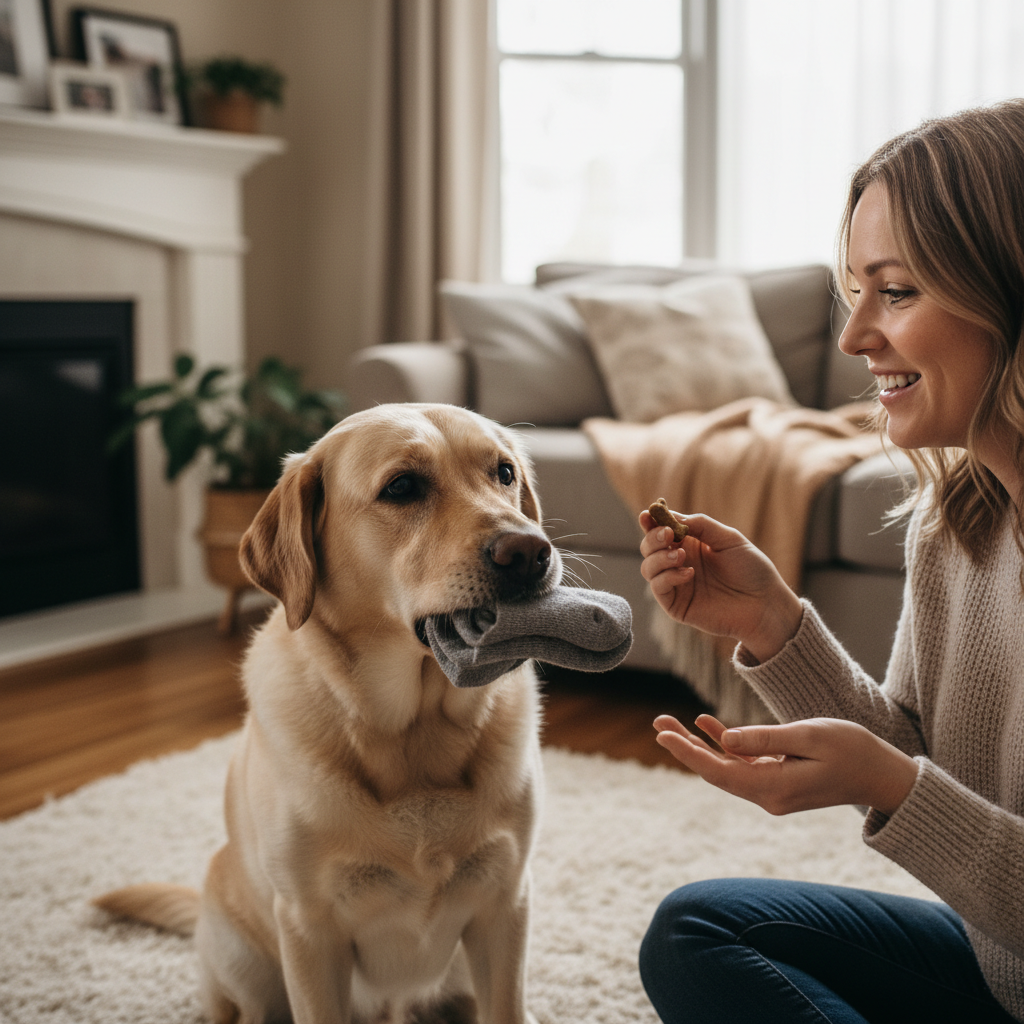
You wouldn’t try to run a marathon without jogging a few miles first, right? The same principle applies here. Before we even introduce the suitcase, we need to make sure our dog has a solid understanding of a few foundational behaviors. These are the building blocks of our unpacking trick.
1. The ‘Take It’ Cue
This teaches your dog to gently take an object into their mouth.
- Hold a soft toy or a rolled-up sock in your hand.
- When your dog sniffs or nudges it, say “Yes!” (or click) and give them a treat from your other hand.
- Repeat this a few times. Soon, your dog will start to offer a more confident interaction.
- The moment their mouth touches the object, mark the behavior (“Yes!”) and reward.
- Gradually, wait for them to put their mouth around the object before you mark and reward. Once they are reliably doing this, you can add the verbal cue: say “Take it” just as they are about to put their mouth on the object.
2. The ‘Drop It’ Cue
This is crucial for getting the item back without a game of tug-of-war!
- Once your dog is holding an object, present a high-value treat right in front of their nose.
- Most dogs will instinctively open their mouth to take the treat, causing them to drop the object. The second they do, say “Yes!” and give them the treat.
- Practice this until they drop the object willingly. Then, start adding the cue “Drop it” just before you present the treat.
- Over time, you can fade the treat lure and reward them after they drop the object on cue.
3. The ‘Bring It’ Cue (Basic Retrieve)
This connects the ‘take it’ and ‘drop it’ cues into a simple retrieve.
- Toss a favorite toy a very short distance (just a foot or two away).
- When your dog picks it up, get excited and encourage them to come back to you. You can pat your legs or use a happy tone of voice.
- As they return, have your ‘drop it’ treat ready. Ask them to “Drop it” in your hand or on the floor in front of you, then reward them generously.
- Keep it fun and low-pressure. If they don’t bring it all the way back, that’s okay! Reward any movement towards you to start.
Spend a few short sessions practicing these three skills. Once your dog is confidently taking, dropping, and bringing you a soft item, you’re ready to introduce the star of the show: the suitcase!
The Unpacking Masterclass: A Step-by-Step Guide
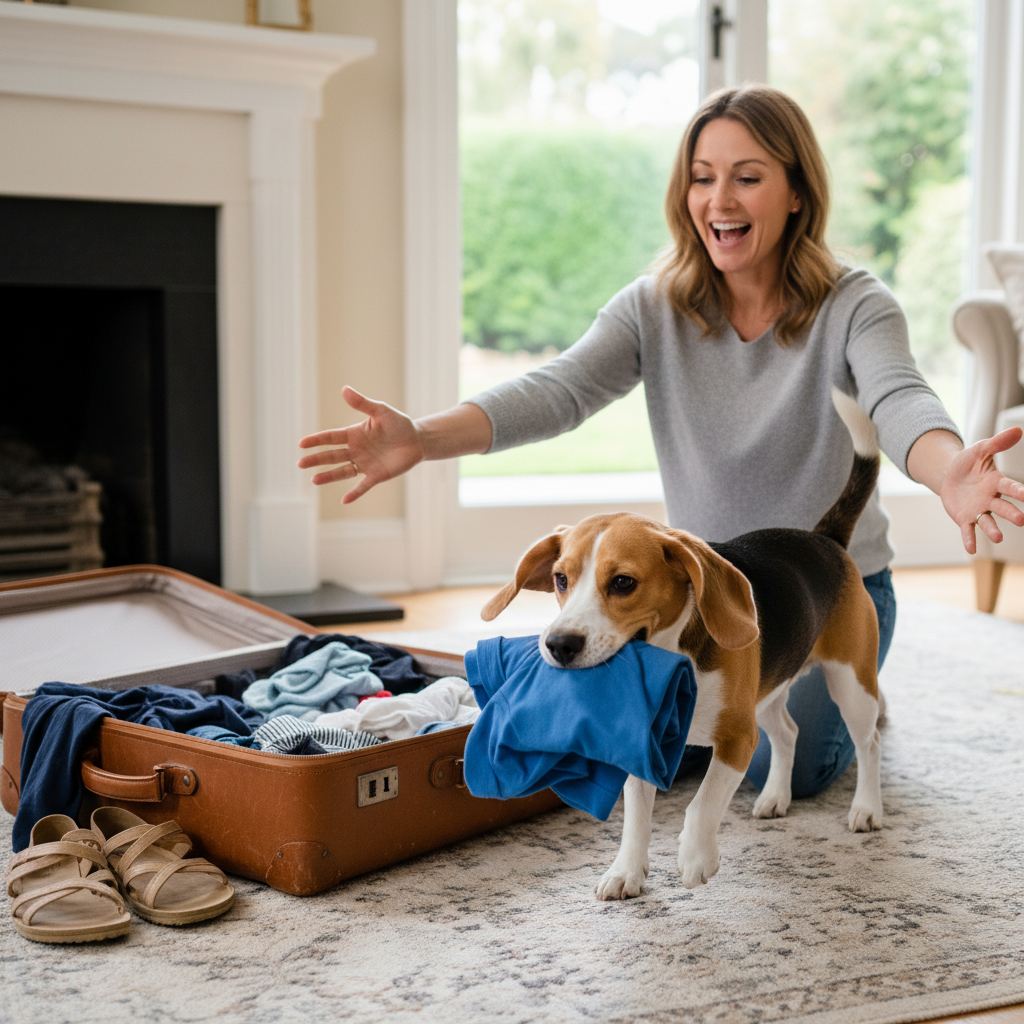
Alright, it’s showtime! This is where we put all the pieces together. Remember to work in short, upbeat sessions. If your dog gets frustrated or tired, end on a positive note with an easy win and try again later. Let’s break it down into manageable steps.
Step 1: Introducing the Suitcase
Our first goal is to make the suitcase the most exciting object in the room. We want your dog to think, “Wow, that big box is where the fun happens!”
- Place the open suitcase on the floor. Let your dog investigate it at their own pace.
- Anytime your dog sniffs, touches, or looks at the suitcase, say “Yes!” and toss a treat into the suitcase.
- This creates a positive association. The suitcase predicts treats! Repeat this until your dog is eagerly approaching the suitcase, looking for their reward.
Step 2: Taking Items from the Suitcase
Now, let’s combine the suitcase with our ‘take it’ cue.
- Place a familiar soft toy or sock just inside the edge of the suitcase, making it very easy to grab.
- Point to the item and encourage your dog. When they lean in to investigate, use your ‘Take it’ cue.
- The moment they pick it up, even for a second, praise them enthusiastically! Mark it with “Yes!” and give them a high-value treat.
- At this stage, you can let them ‘drop it’ right away. We’re just focused on the act of taking something out of the suitcase.
- Gradually place the item deeper inside the suitcase, so they have to put their head and maybe even a paw inside to get it. Celebrate every success!
Training Pro-Tip: If your dog is hesitant to put their head in the suitcase, try using a smaller, shallower bag or box to start. Build their confidence there first, then transition back to the bigger suitcase.
Step 3: Putting It All Together – The Full Unpack!
This is the final sequence. We’ll chain the behaviors together: go to the suitcase, take an item, and bring it to you.
- Place a single soft item inside the open suitcase. Stand a few feet away.
- Give your cue. You can start by pointing and saying “Get it” or creating a new cue like “Unpack!”
- Encourage your dog to go to the suitcase and take the item.
- As soon as they have it, use your happy voice and pat your legs to encourage them to bring it to you (just like in your retrieve practice).
- When they arrive, ask them to “Drop it” and reward them with a jackpot of treats and praise! You did it!
- Practice with different soft items and gradually increase the distance you are from the suitcase.
Sample Training Schedule
Consistency is more important than session length. Here’s a sample plan for the first week:
| Day | Focus | Session Length | Goal |
|---|---|---|---|
| 1-2 | Foundation Skills (‘Take It’, ‘Drop It’) | Two 5-min sessions/day | Dog reliably takes and drops an object on cue. |
| 3 | Suitcase Introduction | Two 5-min sessions/day | Dog happily approaches and interacts with the suitcase. |
| 4-5 | Taking Items from Suitcase | Two 10-min sessions/day | Dog confidently takes an item out of the suitcase. |
| 6-7 | The Full Unpack Sequence | Two 10-min sessions/day | Dog brings one item from the suitcase to you. |
Troubleshooting Common Hurdles
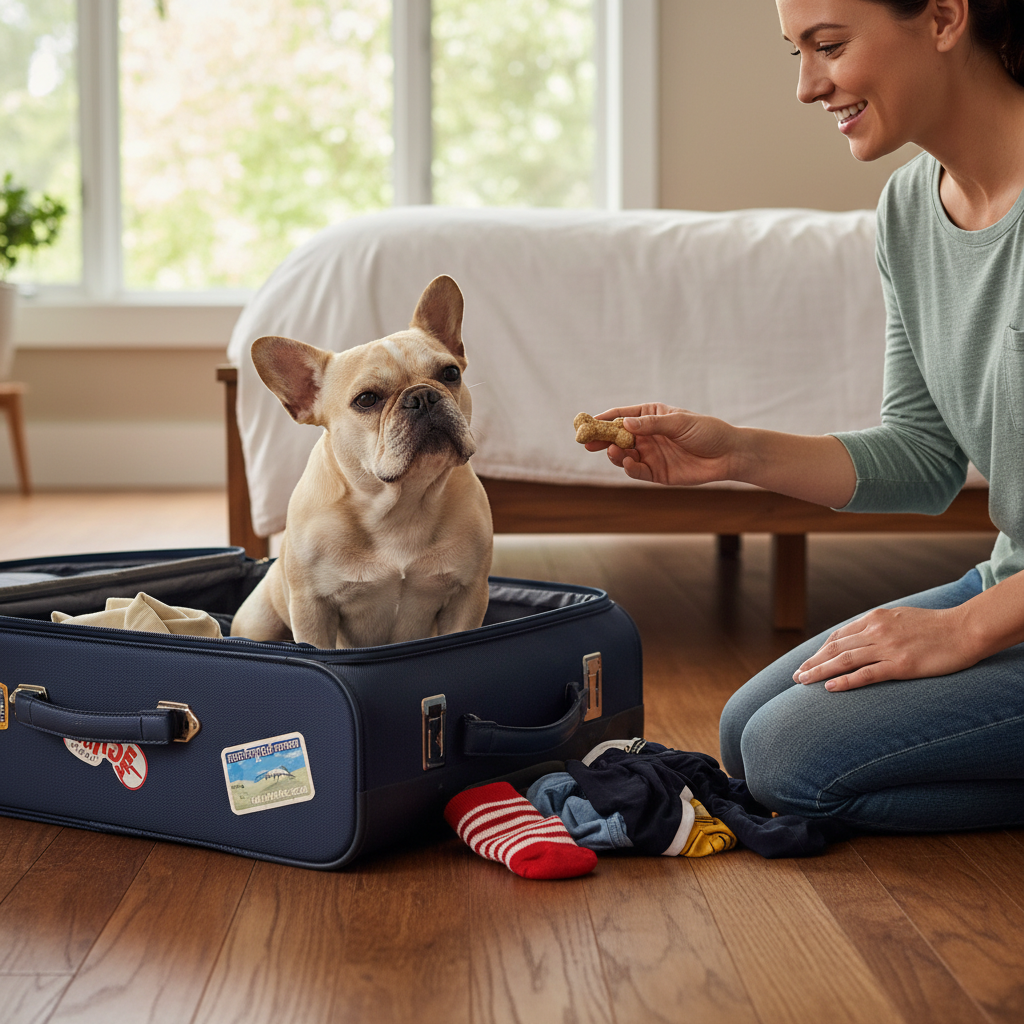
Even the best students have off days! Training is never a straight line, and it’s perfectly normal to hit a few bumps in the road. Here are some common challenges you might face and how to navigate them with a positive approach.
Help! My dog chews the clothes instead of bringing them to me.
This is a very common issue, especially with younger dogs or breeds that love to chew. The item is fun, and they’d rather play with it! The key is to make bringing it to you more rewarding than chewing it.
- Increase your treat value: Are you using their absolute favorite, can’t-resist-it snack? If not, upgrade!
- Shorten the distance: Go back to practicing the retrieve from only a foot or two away. This gives them less time to think about chewing.
- Practice ‘Drop It’: Work on super-fast ‘drop it’ cues outside of the unpacking game. Reward them the instant they release the object.
My dog loses interest after one or two tries. What’s wrong?
A short attention span can be a sign of a few things: boredom, confusion, or fatigue.
- Keep sessions shorter: It’s better to have a super successful 2-minute session than a frustrating 10-minute one. Always end while your dog is still engaged and wants more.
- Are the steps too big? Your dog might be confused about what you’re asking. Go back a step to something they can do successfully and build up more slowly.
- Check your energy! Dogs are masters at reading our body language. If you’re feeling frustrated, they’ll feel it too. Keep your voice light, happy, and encouraging.
My dog is scared of the suitcase!
A big, strange object can be intimidating. We need to change their perception of it from scary to amazing.
- Go back to Step 1: Spend more time just tossing high-value treats into and around the suitcase without asking for any other behavior. Let your dog explore it on their own terms.
- Use a different object first: Start with a laundry basket, a cardboard box, or a reusable grocery bag. Once they master the game with a less scary object, the suitcase will seem less daunting.
- Don’t force it: Never push or drag your dog towards the suitcase. This will only increase their fear. Let them choose to approach, and reward every brave step forward.
Beyond the Suitcase: Advancing and Generalizing the Skill
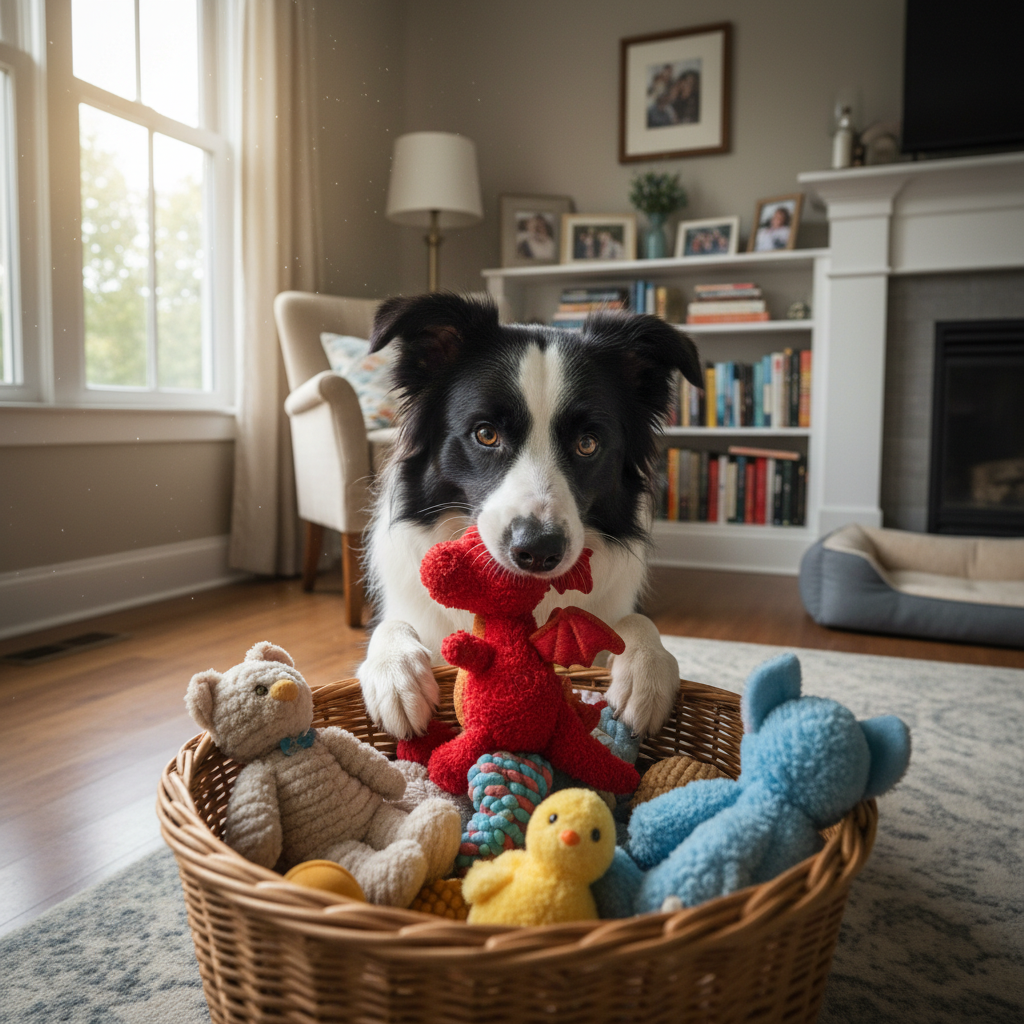
Congratulations, you’ve taught your dog an amazing new skill! But the fun doesn’t have to stop with the suitcase. The behaviors your dog has learned—targeting an object, picking it up, and bringing it to you—are the foundation for a whole host of other useful and fun tasks. This is called ‘generalizing’ a behavior.
Putting Away Toys
Tired of tripping over dog toys? You can use the exact same principles to teach your dog to put their toys away in a basket!
- Start by heavily rewarding your dog for dropping a toy inside the toy basket.
- Once they understand the goal, you can stand back and send them to ‘clean up’ their toys one by one.
Helping with the Laundry
This is a fan favorite. Your dog can help you load or unload the washing machine (the dryer is usually too hot and a safety risk).
- Use the same method to teach them to take clothes out of the laundry basket and bring them to you.
- You can even teach them to pick up dropped socks and put them in the hamper. No more stray socks!
Bringing You Specific Items
Ready for a real challenge? You can build on this skill to teach your dog to retrieve specific items by name.
- Start with two distinct objects, like a ball and a soft toy.
- Name one (‘get your ball!’) and only reward them for picking up the correct one. This is advanced training that requires a lot of patience, but it’s an incredible mental workout for a smart pup.
By expanding on the ‘unpacking’ game, you’re not just teaching tricks; you’re teaching your dog a language of cooperation. You’re giving them a ‘job’ that builds confidence and deepens the bond you share. Every time they successfully help you with a small task, their tail will wag a little harder, and your home will feel a little more magical.
Conclusion
From a dreaded post-vacation chore to a joyful, tail-wagging game, you and your canine companion have come a long way! By teaching your dog to unpack a suitcase, you’ve done so much more than teach a clever trick. You’ve invested time in building your communication, strengthened your bond, and provided your dog with a fantastic mental workout that curbs boredom and builds confidence.
Remember the core principles we used: breaking down a complex task into tiny steps, using positive reinforcement to make learning fun, and having endless patience. These are the keys to success in any dog training endeavor. Whether your pup is now a master unpacker or you’re still working on that perfect ‘drop it’, celebrate the progress you’ve made together. You’ve turned a mundane moment into a memorable one, and that’s a training success in any book. Now, who’s ready to book another vacation just so you can practice?