Hey there, fellow dog lover! Have you ever noticed how your furry friend might be a little hesitant around new things? A crinkling bag, a strange-looking toy, or an unfamiliar surface can sometimes turn a confident pup into a cautious one. Building a dog’s confidence is one of the most rewarding parts of being a pet parent, and guess what? The secret tool for your next confidence-boosting session might be hiding in your last delivery box. That’s right—we’re talking about bubble wrap!
It might sound a little silly, but teaching your dog to walk on bubble wrap is a phenomenal enrichment activity. It’s a game that engages their brain, desensitizes them to weird noises and textures, and strengthens the bond of trust between you. This isn’t about forcing your dog to do something scary; it’s about turning a potential fear into a fun, rewarding puzzle. In this guide, we’ll walk you through everything you need to know, from the science behind the fun to a step-by-step plan for turning those pops and crackles into sounds of success. Let’s get popping!
Why Bubble Wrap? The Surprising Science of Sensory Play
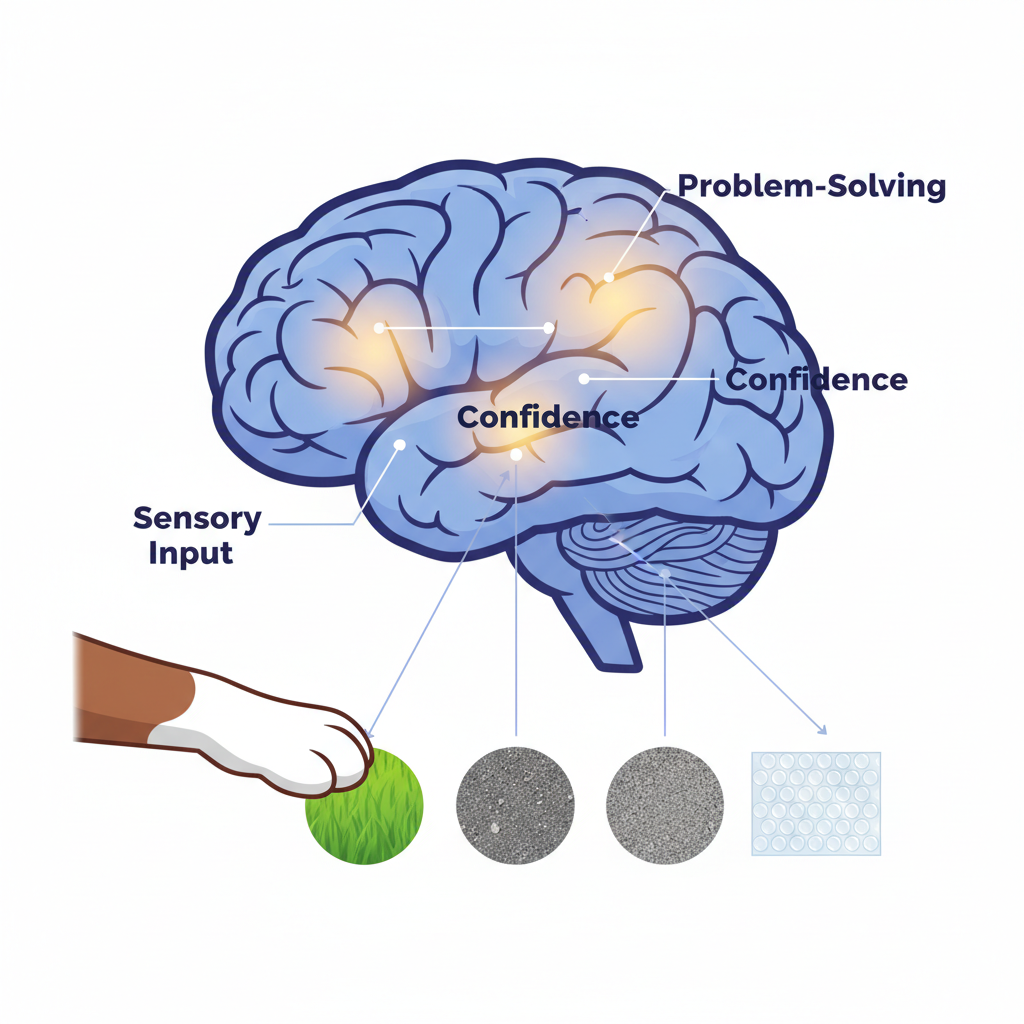
Before we jump into the ‘how,’ let’s explore the ‘why.’ This isn’t just a random party trick. Using bubble wrap is a form of sensory enrichment, a crucial component of a dog’s mental and emotional well-being. Dogs experience the world primarily through their nose, ears, and paws. Exposing them to novel, safe stimuli helps build new neural pathways, making them more adaptable and less fearful of the unknown.
Building Body Awareness (Proprioception)
Proprioception is your dog’s sense of where their body is in space. Walking on an unstable, noisy, and bumpy surface like bubble wrap requires intense focus. Your dog has to think about where to place each paw, how to shift their weight, and how to stay balanced. This heightens their body awareness, which is fantastic for everything from dog sports and hiking to simply navigating the world more confidently.
Desensitization and Counter-Conditioning
Many dogs are sound-sensitive. The sudden ‘pop’ of bubble wrap can be startling. This exercise uses two powerful training concepts:
- Desensitization: Gradually exposing your dog to the scary thing (the popping sound) at a low intensity they can handle.
- Counter-Conditioning: Changing your dog’s emotional response to that scary thing. We pair the ‘pop’ with something wonderful, like a super tasty treat, until the dog thinks, ‘Hey, that sound means chicken is coming!’
By controlling the experience and keeping it positive, you teach your dog that new sounds and textures aren’t things to be feared, but opportunities for rewards. This lesson extends far beyond bubble wrap, helping them cope with other real-world noises.
Expert Tip: The goal is for your dog to choose to interact. This is ‘choice-based’ training, which is incredibly empowering for a dog. When they realize they are in control and can make good things happen, their confidence soars.
Problem-Solving and Engagement
This activity is a puzzle. ‘How do I get that treat my human has without making too much noise?’ or ‘What happens when I press my paw here?’ This mental stimulation is just as important as physical exercise. A bored dog is often a destructive or anxious dog. A mentally engaged dog is a happy, tired, and well-behaved companion. The bubble wrap game provides a perfect outlet for their incredible brains.
Gather Your Confidence-Building Toolkit
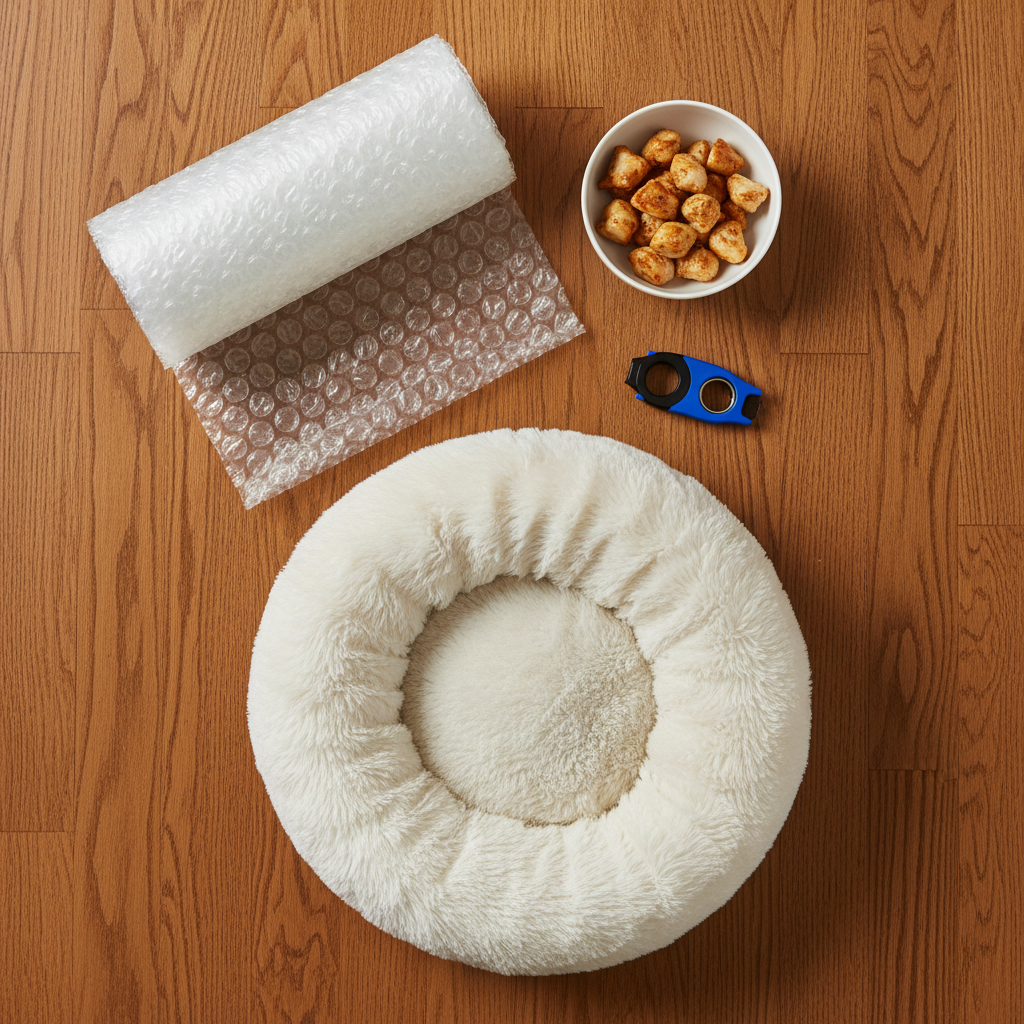
The best part about this training game is its simplicity. You don’t need any expensive, specialized equipment. You probably have everything you need at home right now! Setting yourself up for success means having your tools ready so the session can be smooth, fun, and all about your dog.
Here’s what you’ll need:
- Bubble Wrap: Start with a small piece, maybe 2×2 feet. If possible, use the kind with larger bubbles, as they are a bit less noisy and offer a more distinct tactile sensation. Make sure it’s clean and free of any tape or shipping labels.
- High-Value Treats: This is the key to making the experience positive! Forget the dry kibble for this exercise. You need the good stuff. Think small, pea-sized pieces of cooked chicken, cheese, hot dogs, or your dog’s absolute favorite commercial training treat. They should be smelly and delicious!
- A Clicker (Optional but Recommended): A clicker is a fantastic tool for marking the exact moment your dog does something right. If you’re not familiar with clicker training, you can use a verbal marker word like ‘Yes!’ said in an excited tone. The key is consistency.
- A Quiet, Comfortable Space: Choose a room where your dog feels safe and there are minimal distractions. A living room with a non-slip floor is perfect. Avoid slick surfaces like tile or hardwood at first, as the bubble wrap might slide around and startle your dog. You can place it on a rug to help keep it stable.
- Patience and a Positive Attitude: This is the most important tool in your kit! This process could take five minutes or five weeks, depending on your dog’s personality and history. Your calm, encouraging energy will tell your dog that this is a safe and fun game. Never push, pull, or force your dog onto the wrap.
Your Step-by-Step Guide to Bubble Wrap Bravery
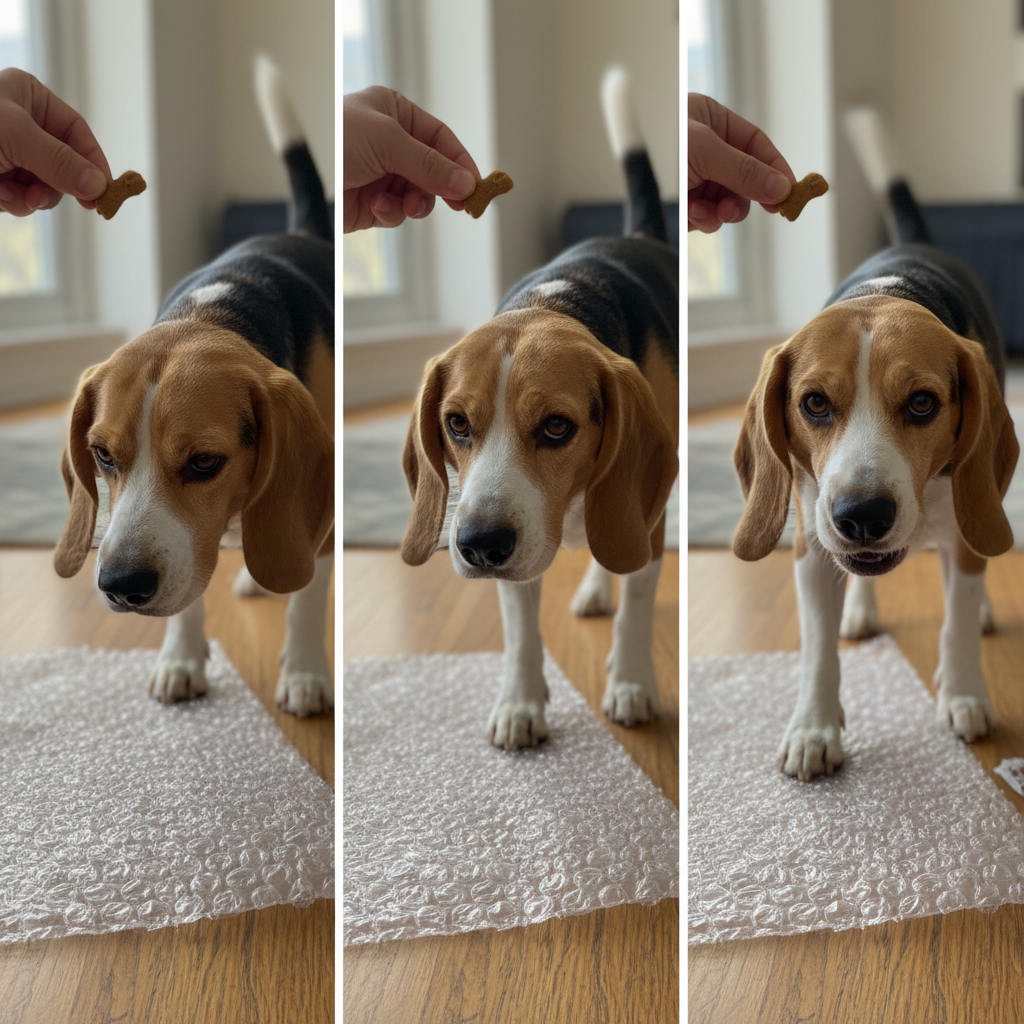
Alright, you’ve got your gear and your game face on! It’s time to begin. Remember to keep sessions short and sweet—just 3-5 minutes at a time is perfect. Always end on a positive note, even if you only made tiny progress. Let’s break it down into easy, manageable steps.
-
Step 1: The Neutral Introduction
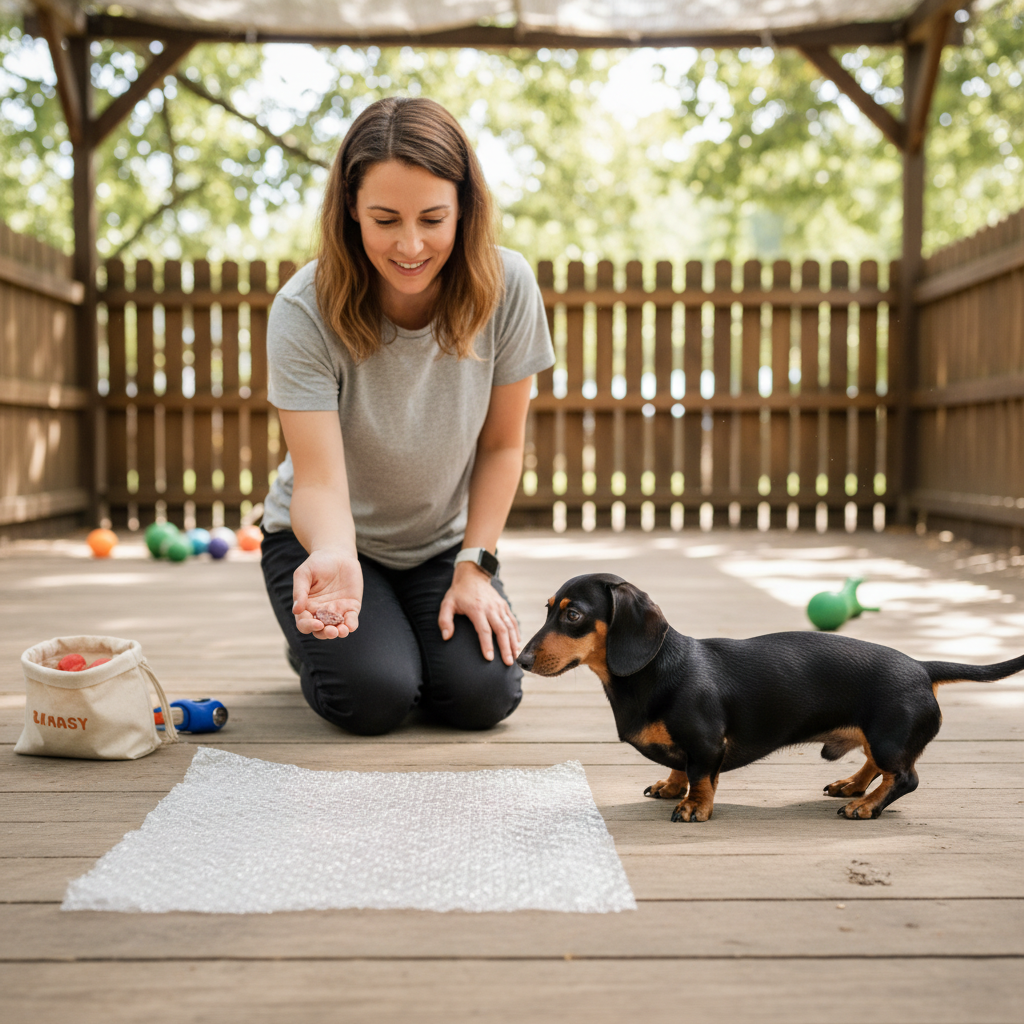
Lay the piece of bubble wrap on the floor. Don’t draw any attention to it. Just let it be part of the environment. Let your dog investigate it on their own terms. If they sniff it, walk near it, or look at it, click (or say ‘Yes!’) and toss a treat away from the bubble wrap. This takes the pressure off and shows them that good things happen just for being near this new object.
-
Step 2: The Sound Game
Before asking your dog to step on it, let’s get them used to the sound. With your dog a few feet away, gently press and pop a single bubble with your finger. The instant it pops, click and give your dog a treat. Repeat this a few times. You’re teaching them the association: Pop = Treat! If your dog is very sound-sensitive, you might even start by doing this in another room so the sound is muffled.
-
Step 3: Lure and Reward Interaction
Now, let’s encourage some interaction. Place a treat on the floor right at the edge of the bubble wrap. When your dog eats it, they’ll likely be sniffing the wrap. Great! Click and reward. Next, place a treat just on the edge of the wrap, so they have to touch it with their nose or a paw to get it. The moment they make contact—click and treat! We are rewarding curiosity and bravery.
-
Step 4: The First Paw Touch
Hold a treat in your hand and lure your dog towards the bubble wrap. Position your hand so that to get the treat, they will likely have to place one paw on the wrap. The second that paw touches down, even for a split second, click and give them a jackpot of several treats, one after another! This is a huge milestone. Be patient and let them figure it out.
-
Step 5: Building to a Full Walk
Once your dog is confidently placing one or two paws on the wrap, you can encourage more. Toss a treat onto the middle of the bubble wrap for them to get. As they get braver, you can use a larger piece of bubble wrap and lure them to walk all the way across it. Keep the rewards coming! Make it a fun game of ‘crossing the crackly bridge’ to get a treasure.
-
Step 6: Generalize the Fun!
Once your dog has mastered the bubble wrap in the living room, try it in other places! Move it to the hallway, the kitchen, or even the backyard. This helps ‘generalize’ the behavior, teaching your dog that they can be confident around new things anywhere, not just in one specific context. You can even create a small obstacle course with the bubble wrap as one of the challenges!
Are They Having Fun or Freaking Out? Reading Your Dog
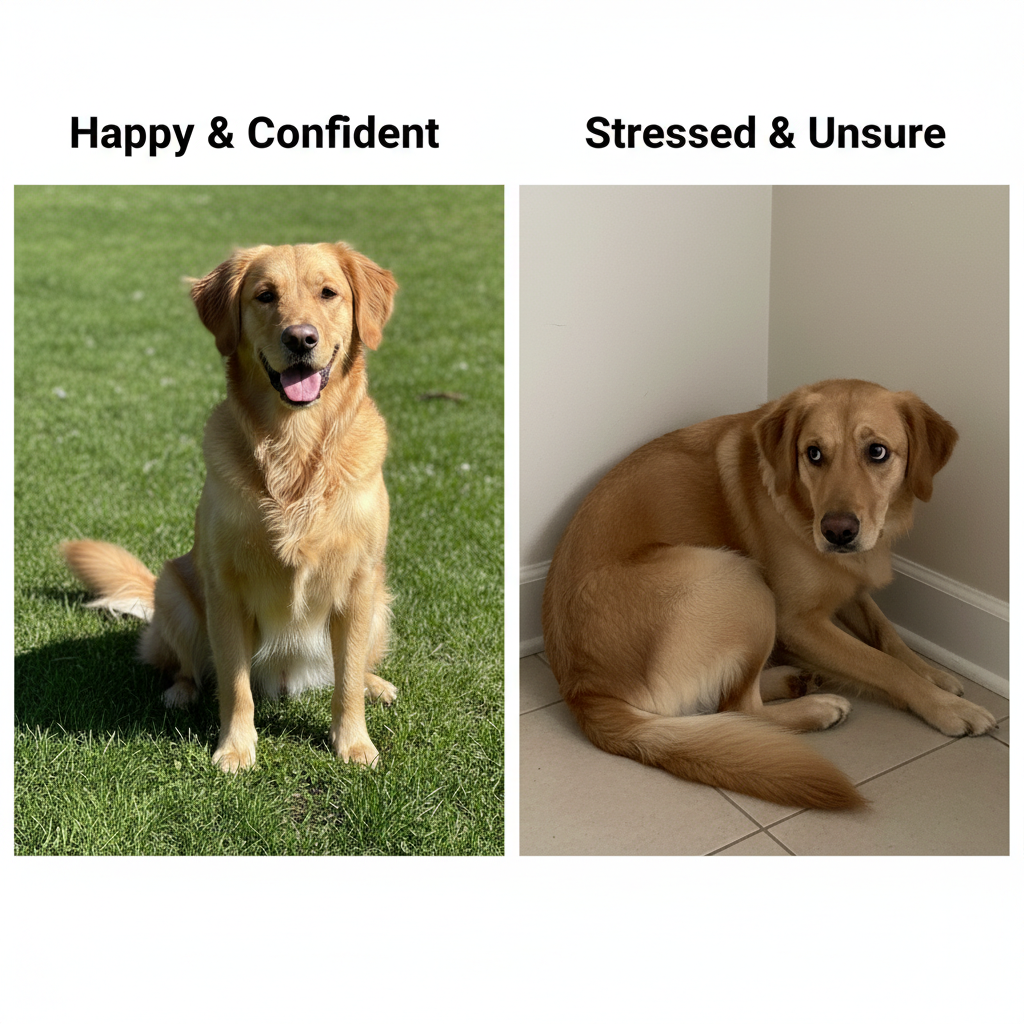
This is arguably the most important part of the entire process. You are your dog’s advocate. It’s your job to listen to what they’re telling you through their body language. The goal is to keep your dog ‘under threshold’—meaning they are alert and thinking, but not so stressed that they shut down or panic. Pushing a dog too far can actually damage their confidence rather than build it.
Pay close attention to these signals. If you see signs of stress, simply end the session with an easy win (like a simple ‘sit’ command) and a treat, and try again another day, taking a few steps back in the process.
| Confident & Engaged Body Language | Stressed & Fearful Body Language |
|---|---|
| Ears: Relaxed, neutral, or forward in curiosity. | Ears: Pinned back flat against the head. |
| Eyes: Soft, relaxed gaze, normal pupil size. | Eyes: Wide ‘whale eye’ (showing the whites), dilated pupils. |
| Mouth: Closed and relaxed, or slightly open with a soft pant. | Mouth: Tightly closed, panting heavily when not hot, lip licking. |
| Body: Loose, wiggly, fluid movements. Weight is centered or forward. | Body: Stiff, tense, frozen. Lowered body posture, cowering. |
| Tail: Held in a neutral position or wagging in a wide, sweeping motion. | Tail: Tucked between the legs or held low and still. |
| Behavior: Willingly approaching, sniffing, taking treats gently. | Behavior: Turning away, trying to leave, yawning, scratching, shedding excessively. |
Remember: A wagging tail doesn’t always mean a happy dog! A low, fast, twitchy wag can be a sign of anxiety. Look at the whole dog, from the tip of their nose to the tip of their tail, to get the full picture.
Troubleshooting & Common Mistakes to Avoid
Even with the best plan, you might hit a few bumps—or pops!—along the way. That’s completely normal. Every dog learns at a different pace. Here are some common challenges and how to navigate them with grace and patience.
My Dog is Terrified and Won’t Go Near It!
This is very common! It just means you need to start smaller. Take the bubble wrap away and simply work on the sound game from another room. Once they are comfortable with the muffled sound, bring it into the same room but keep it far away. Reward your dog for just looking at it from across the room. The key is to break it down into even tinier, more manageable steps. Don’t even think about asking them to touch it until they can be relaxed in the same room with it.
My Dog Just Wants to Bite and Shred It!
Ah, the enthusiastic dog! This is a different kind of challenge. It means your dog isn’t scared, but sees the bubble wrap as a toy. While enthusiasm is great, we don’t want them ingesting plastic. In this case, work on impulse control. Teach a solid ‘Leave It’ command away from the bubble wrap first. Then, reward them for any calm behavior around the wrap—sniffing calmly, standing still on it, or walking over it without trying to bite. You are rewarding the choice to be calm instead of shredding.
Common Mistakes to Avoid:
- Going Too Fast: This is the number one mistake. We get excited by progress and push for the next step before the dog is truly ready. Let your dog set the pace. If they hesitate, you’ve moved too quickly. Take a step back.
- Luring with a Bribe, Not a Reward: A lure gets your dog into position. A reward is for a job well done. Don’t hold the treat out like a carrot on a stick the whole time. Lure them, and once they perform the action, then produce the reward.
- Forcing the Issue: Never, ever pull, push, or drag your dog onto the bubble wrap. This completely defeats the purpose of building confidence and can severely damage their trust in you. All interactions must be their choice.
- Drilling Instead of Playing: Keep sessions short, upbeat, and fun. If you or your dog are getting frustrated, it’s time to stop. End with something easy they know how to do (like a ‘touch’ or ‘sit’) and give them a big reward. Always end on a high note!
Conclusion
And there you have it! Who knew a simple sheet of packing material could be such a powerful tool for building a brave, resilient, and confident canine companion? By teaching your dog to walk on bubble wrap, you’re doing so much more than teaching a quirky trick. You’re teaching them how to process new information, how to handle surprising sounds and textures, and most importantly, how to trust you to guide them through new experiences safely.
Remember to celebrate every small victory, whether it’s a curious sniff, a single paw touch, or a full, confident walk across the crackly plastic. The real prize isn’t the final behavior; it’s the journey you take to get there together. It’s the wags, the ‘aha!’ moments, and the strengthening of your incredible bond. So go dig out that bubble wrap, grab your tastiest treats, and get ready to pop your way to a more confident pup!