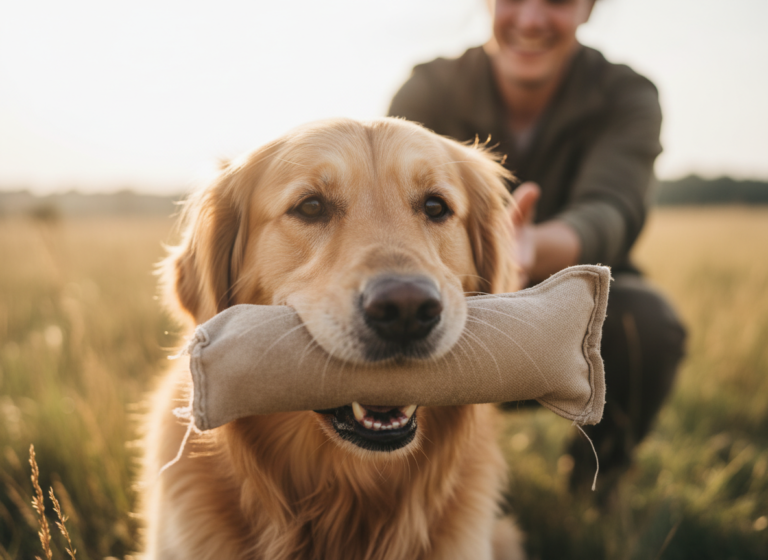
Let’s be honest, does this scene sound familiar? You pull out the pill bottle, and your dog, who was just happily snoozing, suddenly develops superpowers of evasion. You try hiding the pill in a chunk of cheese, a dollop of peanut butter, or a piece of hot dog. Sometimes it works. Other times, you find a perfectly licked-clean piece of cheese on the floor, with a small, sad-looking pill sitting right next to it. The pill-time struggle is real, and it can be a source of stress for both you and your furry best friend.
What if I told you there’s a better way? A way that doesn’t involve trickery, force, or a fridge full of ‘pill disguises.’ You can actually train your dog to willingly and calmly accept a pill. It’s not magic; it’s a simple training process that replaces anxiety with cooperation. This guide will walk you through the exact steps to turn medication time from a dreaded chore into a positive, trust-building moment. Let’s get started on the path to stress-free meds!
Why Ditch the Disguise? The Surprising Downsides of Hiding Pills
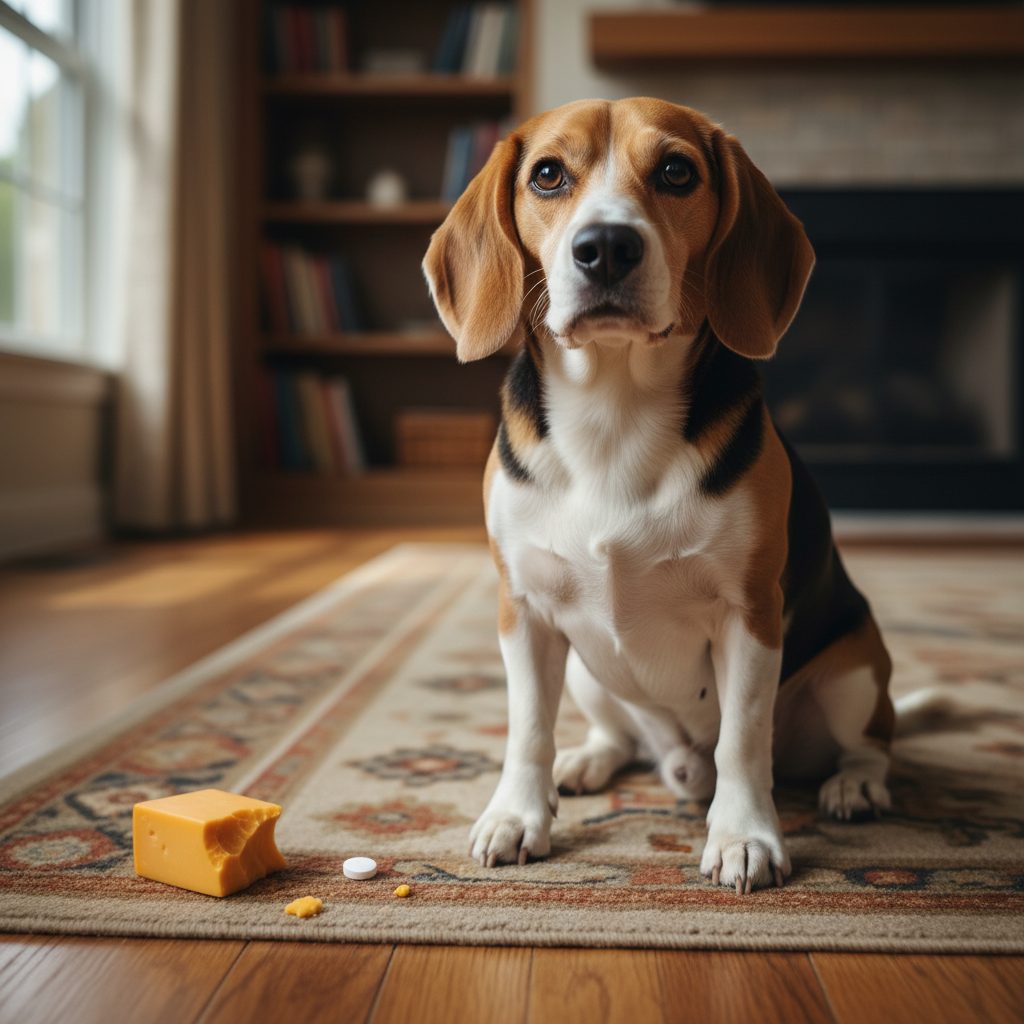
Hiding pills in food is the go-to method for most pet owners, and for good reason—it often works in the short term. However, this strategy can have some unintended consequences that make life harder down the road. Understanding these potential pitfalls can be the motivation you need to invest a little time in training a more reliable method.
Creating a ‘Food Fink’
Dogs are incredibly smart. If they bite into their favorite treat and find a bitter, chalky pill, they learn quickly. They can become suspicious of any food you offer by hand. This is what trainers sometimes call a ‘food fink’—a dog who distrusts treats. This can make regular training difficult and can even lead to them refusing their regular meals if they suspect something is amiss. You risk poisoning the well, turning a source of joy (treats!) into a source of suspicion.
The Spit-Out Specialist
Many dogs become masters of deception. They’ll gulp down the treat, wag their tail, and walk away, only to discreetly spit the pill out behind the couch a few minutes later. You might not even realize they haven’t gotten their medication until you find the evidence later, which can be dangerous for conditions requiring consistent dosing.
Dietary and Health Concerns
The foods we use to hide pills are often high in fat, salt, or sugar. A little cheese or peanut butter here and there might not seem like a big deal, but if your dog needs daily medication, those extra calories can add up, leading to weight gain. Furthermore, for dogs with sensitive stomachs, allergies, or conditions like pancreatitis, these rich ‘wrappers’ can cause serious digestive upset.
Expert Tip: Building a foundation of trust around handling and healthcare is one of the most valuable things you can do for your dog. A dog who is comfortable with you handling their mouth will be less stressed during vet visits, teeth brushing, and, of course, medication time.
Gathering Your Supplies for a Successful Session
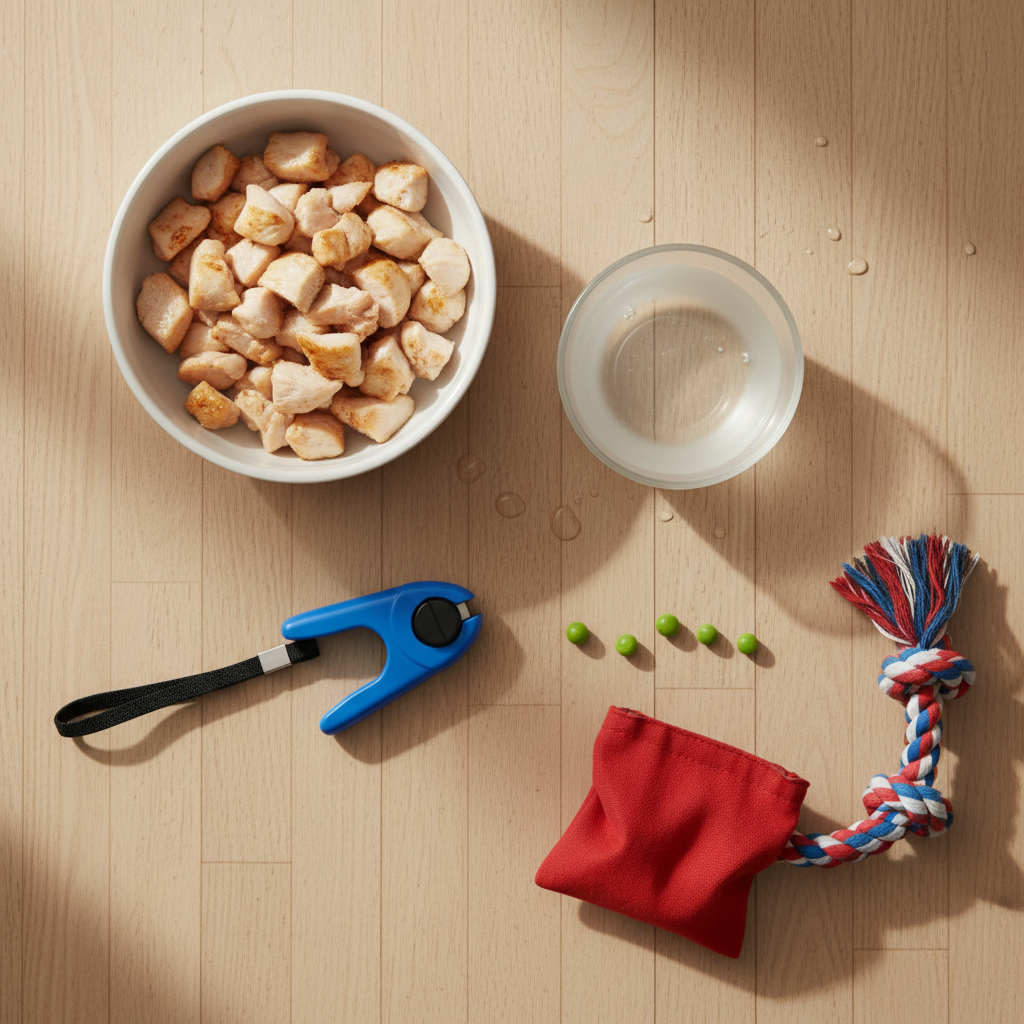
Before you start, it’s best to get all your tools ready. This isn’t about fancy equipment; it’s about setting yourself and your dog up for a smooth, positive experience. Think of it as your ‘pill-training toolkit’!
Must-Have Items:
- High-Value Treats: We’re not talking about their everyday kibble. You need the good stuff! Think small pieces of freeze-dried liver, boiled chicken, or a commercial soft treat they go absolutely wild for. You’ll also want some lower-value treats, like their regular kibble, for some of the initial steps.
- A ‘Dummy’ Pill: Don’t start with the actual medication. The taste can be a major turn-off. Instead, use something small, dog-safe, and similarly shaped. A single pea, a small piece of kibble, or even a Tic Tac (use sparingly) can work perfectly as a stand-in.
- The Actual Medication: Have it ready for when your dog has mastered the steps with the dummy pill.
- A Water Chaser: A small bowl of water or a bit of bone broth can help your dog swallow the pill easily after you’ve placed it. Some people use a small, needle-less syringe to gently squirt water into the side of the dog’s mouth.
Optional but Helpful Tools:
- A Clicker: If your dog is already clicker-trained, this is a fantastic tool for precisely marking the desired behavior. If not, a consistent verbal marker like a sharp “Yes!” works just as well.
- A Non-Slip Surface: Conduct your training on a rug or mat. Slippery floors can make a dog feel insecure and anxious, which is the last thing you want.
Most importantly, bring a positive attitude and plenty of patience. This is a training process, not a race. Keep sessions short (just a few minutes at a time) and always end on a positive note!
The 5-Step Plan to Pill-Swallowing Perfection
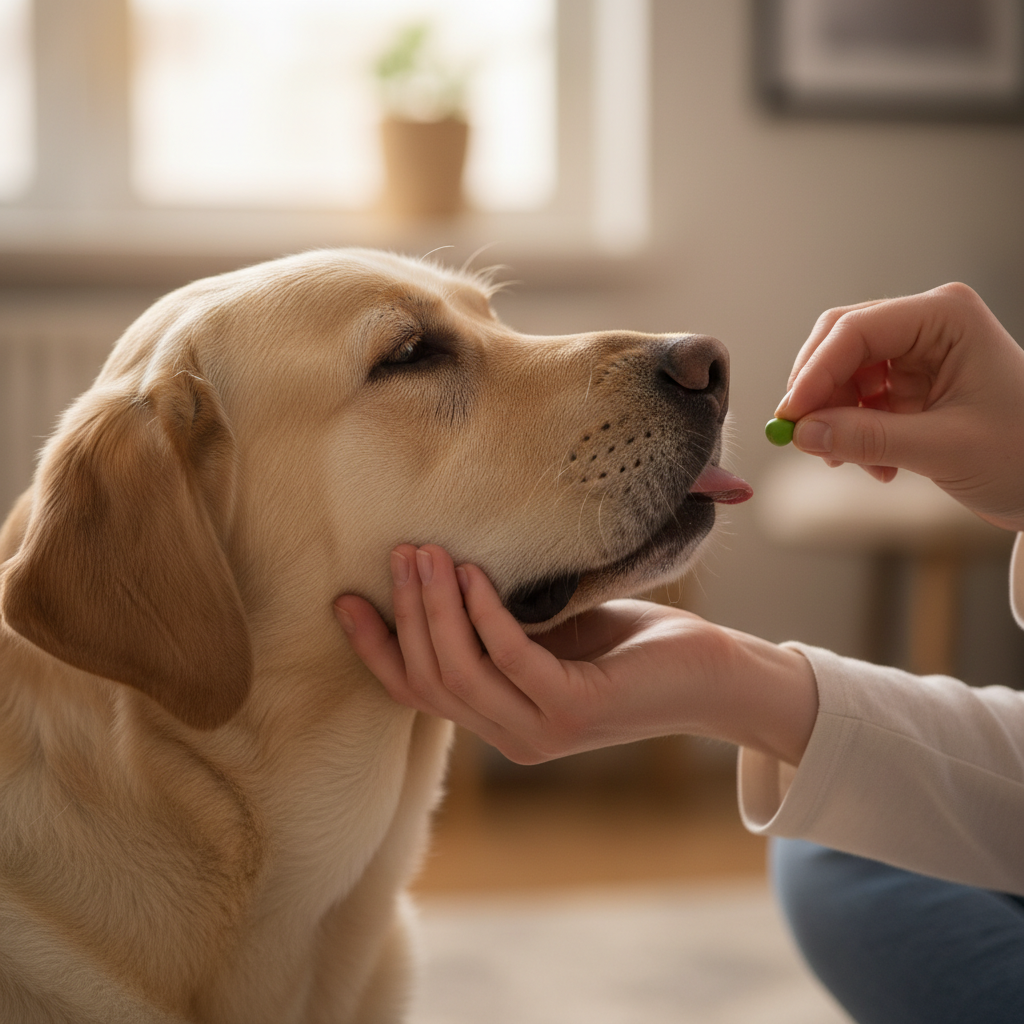
This is where the magic happens! We’re going to break this down into tiny, easy-to-achieve steps. The key is to go at your dog’s pace and reward every small success. Remember to keep it fun and upbeat!
- Step 1: The ‘Open Mouth’ Game. The first goal is to make your dog comfortable with you handling their mouth. Start without any pills involved. Gently place one hand over your dog’s muzzle from the top. With the fingers of your other hand, gently press their lower lip against their teeth to encourage them to open their mouth. The moment it opens even a tiny bit, say “Yes!” or click, and give them a high-value treat. Repeat this several times over a few short sessions until your dog willingly opens their mouth for you.
- Step 2: Introduce the Head Tilt. Once your dog is comfortable with opening their mouth, add a gentle upward head tilt. Use the hand on top of their muzzle to slightly guide their nose toward the ceiling. This straightens the throat and makes swallowing easier. Again, open, tilt, mark/reward, and repeat. The whole action should be smooth and gentle, never forceful.
- Step 3: The ‘No-Pill Pill’. Now it’s time to simulate the action of giving a pill, but without the actual pill. Go through the motions: gently open the mouth, tilt the head, and quickly pop a high-value treat deep into their mouth, as far back on the tongue as you can comfortably reach. This teaches them that good things happen when you do this! They’ll swallow the delicious treat and associate the entire process with a positive outcome.
- Step 4: Practice with a ‘Dummy’ Pill. Your dog is now ready for the dummy pill (like a pea or piece of kibble). This is the dress rehearsal. Follow the same procedure: open, tilt, and place the dummy pill on the back of their tongue. Immediately after placing the pill, give them that high-value treat you used in the previous step as a ‘chaser’. The goal is for them to swallow the dummy pill to get to the super tasty treat. Praise them enthusiastically!
- Step 5: The Main Event. Once your dog is reliably swallowing the dummy pill without any fuss, it’s time to try the real medication. Do everything exactly the same as in Step 4. Place the pill, and immediately follow with the high-value chaser treat and lots of praise. Gently hold their muzzle closed for a moment and stroke their throat to encourage the swallow. Watch to make sure they’ve actually swallowed it before you celebrate your victory.
Troubleshooting: When Pill Time Doesn’t Go to Plan
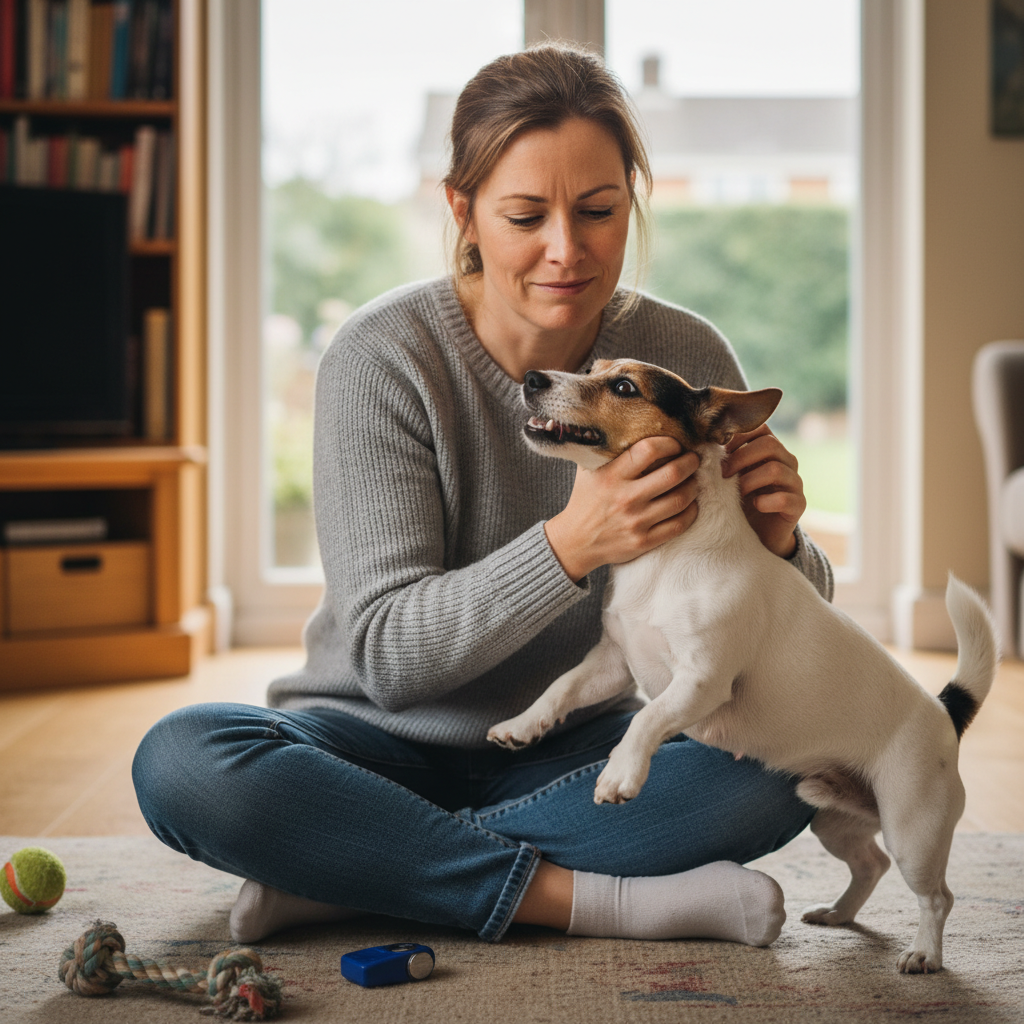
Even with the best training plan, you might hit a few bumps in the road. Don’t worry, it’s completely normal! Here are some common challenges and how to work through them.
“Help! My dog keeps spitting the pill out!”
This is the most common issue. It usually means one of two things: you’re not placing the pill far enough back on the tongue, or your follow-up isn’t quick or motivating enough. The gag reflex is triggered at the back of the tongue, so a pill placed there is much harder to spit out. Focus on a quick, gentle placement right in the center, as far back as is safe. Immediately after, offer a fantastic ‘chaser’ treat or a small squirt of water or broth to ensure they swallow.
“My dog gags or seems uncomfortable.”
A little gagging can be normal as they learn, but excessive gagging means you should re-evaluate. You might be touching the very back of their throat, or the pill itself might be dry and sticky. Try coating the pill in a tiny bit of butter or cream cheese (if their diet allows) to help it slide down more easily. Also, ensure you are tilting their head up, which naturally opens the throat for a smoother passage.
“My dog is too wiggly and won’t let me hold their head.”
If your dog is a wiggler, take a step back. You’ve moved too fast. Go back to Step 1 and make handling their muzzle the best game ever. Use a higher value treat. Keep sessions extremely short—literally just a few seconds. For smaller dogs, you can try sitting on the floor and having them sit between your legs (facing away from you) to provide a gentle, secure ‘hug’ that keeps them from backing away.
Remember this mantra: “Slow is fast.” Rushing the process will only create anxiety and set you back. If your dog seems stressed, end the session with a simple, successful action (like a ‘sit’) and a treat, then try again later.
Maintaining the Skill and Exploring Alternatives
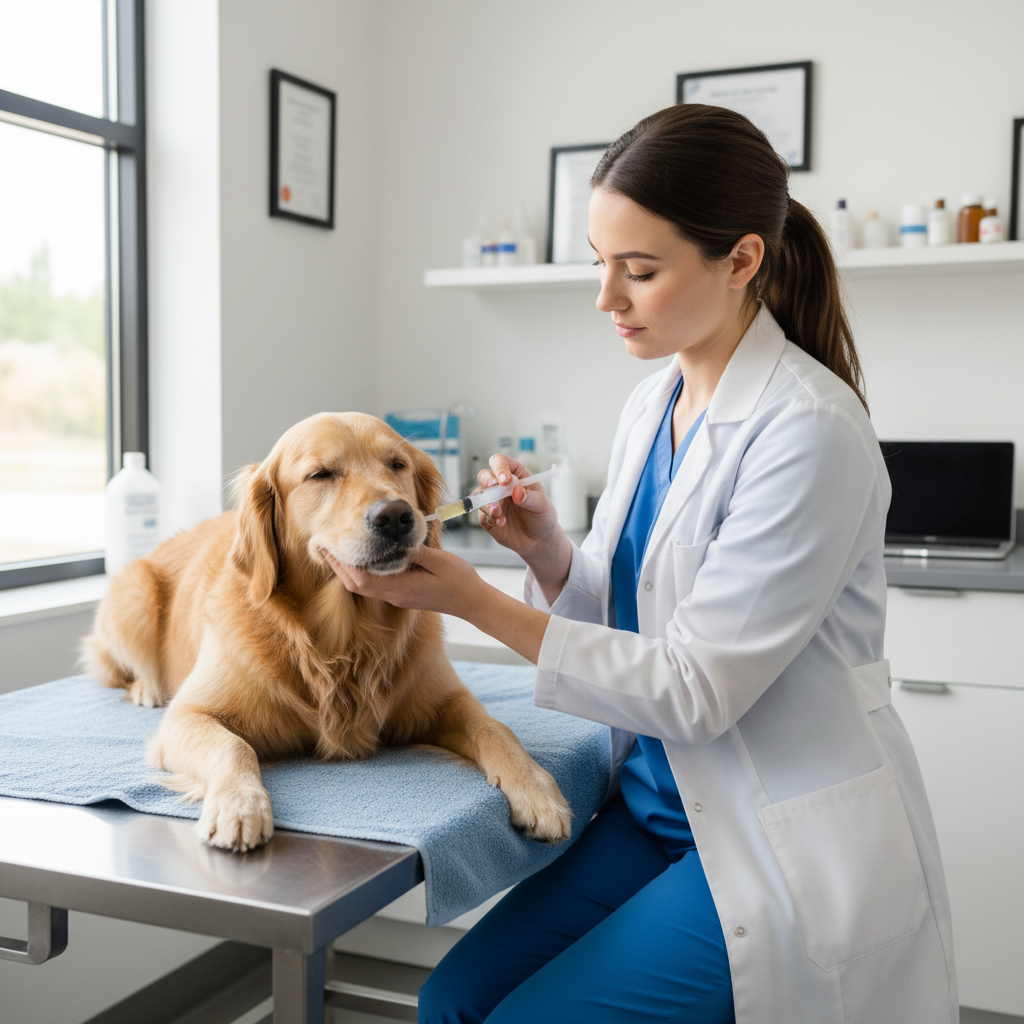
Congratulations! You’ve taught your dog a valuable life skill. But like any training, it needs a little maintenance to stay sharp. You don’t want the only time you handle your dog’s mouth this way to be when they’re sick.
Practice Makes Paw-fect
Even when your dog isn’t on medication, run through a ‘pill drill’ once a week. Use a dummy pill or just a tasty treat. This keeps the behavior positive and routine, so when they do need a real pill, it’s no big deal. It just takes a few seconds and reinforces all your hard work.
What About Capsules or Liquids?
The same basic technique works for capsules. For liquid medications, the process is slightly different. Instead of tilting their head up, keep it level. Gently pull their cheek out to create a small pouch between their cheek and gums. Use a dropper or syringe (without a needle!) to slowly administer the liquid into this pouch. Giving it here prevents them from inhaling it and allows them to swallow it naturally. Always follow up with a treat and praise!
When to Consider Alternatives
While this training method is highly effective for most dogs, some may have issues that make it difficult, such as severe mouth pain, extreme anxiety from past trauma, or a physical abnormality. If you’ve given it a fair shot and it’s not working, don’t despair. You have other options:
| Alternative Method | Best For | Considerations |
|---|---|---|
| Pill Pockets/Treats | Dogs who are not overly suspicious of food. | Still adds calories. Some dogs will eat the treat and spit out the pill. |
| Pill Crushers/Splitters | Pills that are approved to be crushed or split (ALWAYS ask your vet first!). | Many medications are time-release or have a protective coating and must not be crushed. Crushing can also release a very bitter taste. |
| Compounding Pharmacies | Dogs who are extremely difficult to medicate or need very specific doses. | Your veterinarian can have the medication reformulated into a flavored liquid or chewable treat. This can be more expensive but is often a lifesaver. |
Ultimately, the goal is to get the necessary medication into your dog with the least amount of stress possible. This training method is the gold standard for building a cooperative partner, but it’s always good to know what other tools are in the toolbox.
Conclusion
Making the switch from hiding pills to training your dog to take them is about so much more than just medication. It’s an investment in your relationship. You’re replacing a moment of potential conflict and stress with one of communication, trust, and teamwork. Every successful ‘pill drill’ reinforces your bond and empowers your dog to be an active, willing participant in their own healthcare.
Remember to be patient, stay positive, and celebrate the small victories along the way. Before you know it, the dreaded pill bottle will be just another cue for a fun training game with a tasty reward. You’ve got this, and your dog will thank you for taking the time to teach them this invaluable, stress-free skill.