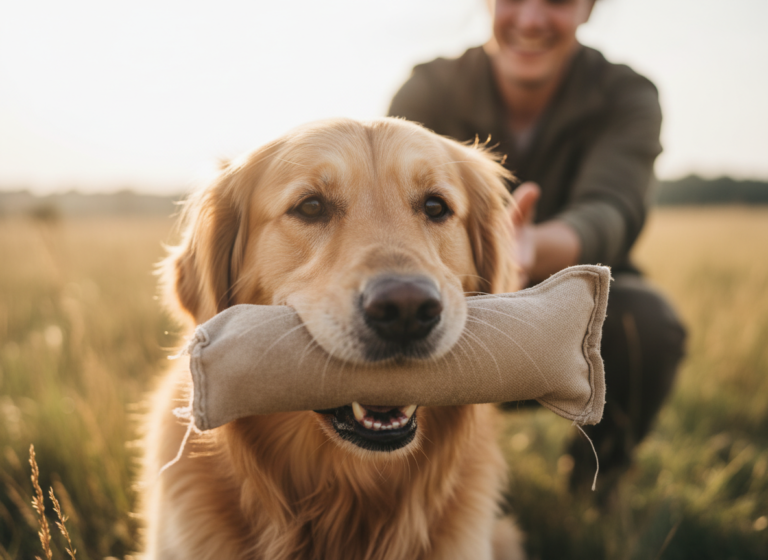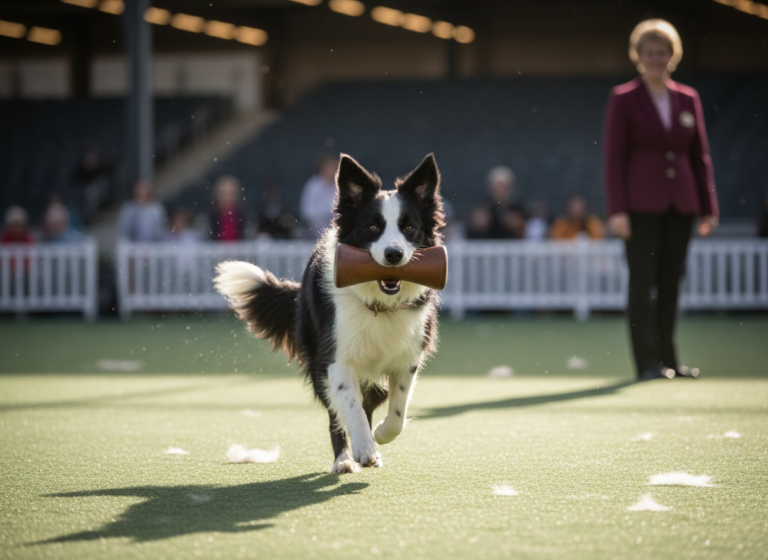
Have you ever watched ‘The Bachelor’ and thought, ‘My dog could totally win that final rose’? Well, now’s your chance to bring a little of that romance right into your living room! The ‘Bachelor Rose Trick’ is more than just an adorable photo opportunity; it’s a fantastic way to teach your dog an incredibly useful skill: having a ‘soft mouth.’ This means they learn to hold objects gently without chewing or breaking them.
This guide will walk you through every single step, using fun, positive reinforcement techniques. We’re not just teaching a party trick; we’re building communication, trust, and a skill that translates to everyday life, like gently taking a treat or toy. So, grab your training treats and a dog-safe flower, and let’s get ready to teach your pup to be the most charming companion on the block. Will you accept this rose… training challenge?
Gathering Your Supplies: What You’ll Need for Success
Gathering Your Supplies: What You’ll Need for Success
Before we dive into the training, let’s get our toolkit ready. Having everything prepared beforehand makes the process smoother and more enjoyable for both you and your canine student. Think of this as setting the stage for a perfect performance!
The Essentials:
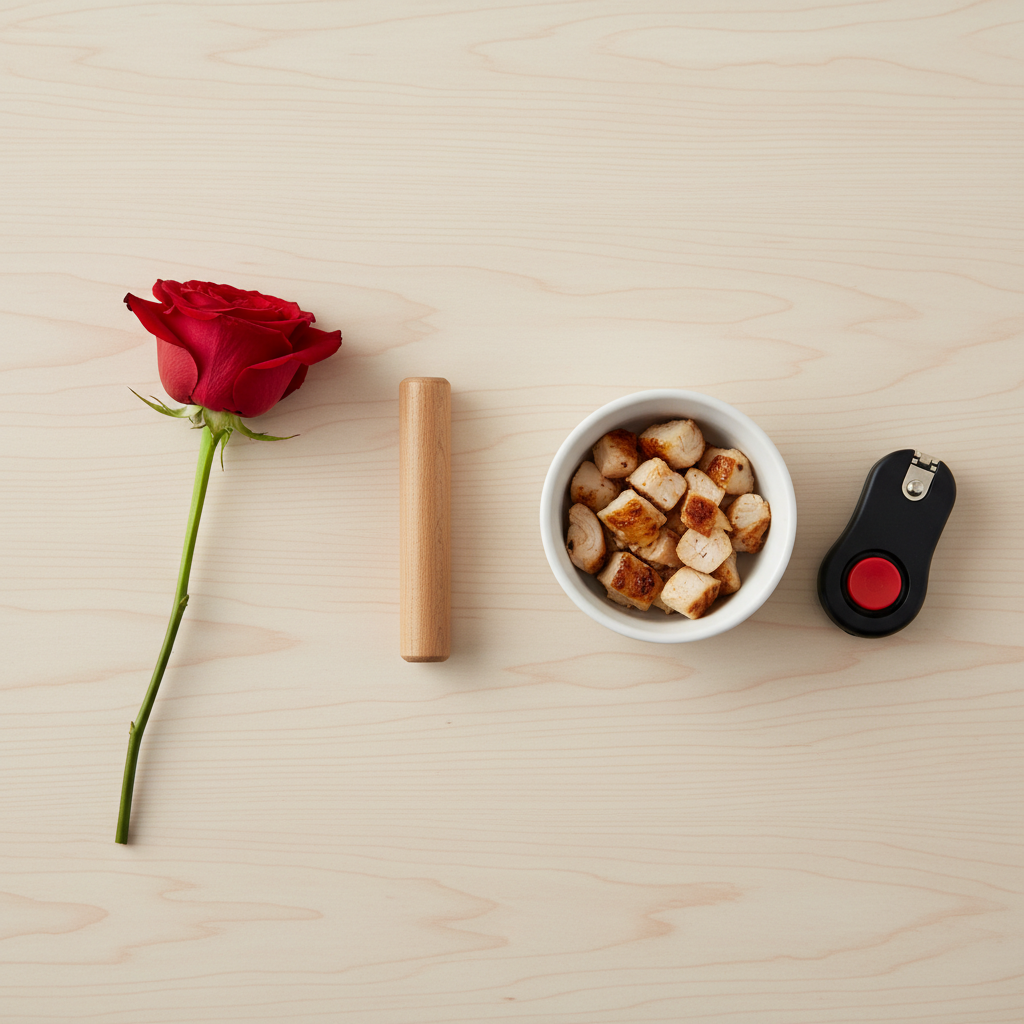
- High-Value Treats: We’re talking the good stuff! Small, soft, and extra tasty treats that your dog absolutely loves will be your biggest motivator. Think tiny pieces of chicken, cheese, or their favorite store-bought training treats. The key is that they are quick to eat, so you can keep the training pace up.
- A Training Object (The ‘Stunt Double’ Rose): We won’t start with a real flower. They’re too fragile and tempting to chew! Instead, start with something sturdy. A lightweight wooden dowel, a thick plastic straw, or even a smooth, safe stick from the yard (with no splinters!) works perfectly. The object should be about 6-8 inches long.
- A Dog-Safe Flower: For the grand finale, you’ll need a flower that is non-toxic to dogs. Roses are generally safe, but be sure to remove the thorns completely! Other safe options include sunflowers, gerbera daisies, or snapdragons. Always double-check with the ASPCA’s toxic plant list if you’re unsure.
- A Clicker (Optional but Recommended): A clicker is a fantastic tool for marking the exact moment your dog does something right. This precision helps your dog learn faster. If you don’t have a clicker, you can use a consistent marker word like ‘Yes!’ said in an upbeat tone.
Preparing Your Training Space:
Choose a quiet, comfortable area with minimal distractions. Your living room or a calm backyard is perfect. Avoid busy areas where other pets, people, or squirrels might steal your dog’s focus. Keep your training sessions short and sweet—aim for 5-10 minutes once or twice a day. This keeps your dog engaged and excited to learn, rather than bored or frustrated. Now that we’re all set up, let’s move on to the fun part!
The Step-by-Step Guide: From Dowel to Daisy
The Step-by-Step Guide: From Dowel to Daisy
Patience and positivity are your best friends here. We’re going to break this trick down into tiny, achievable steps. Remember to celebrate every small success along the way! Let’s begin.
-
Step 1: Introduce the ‘Stunt Double’
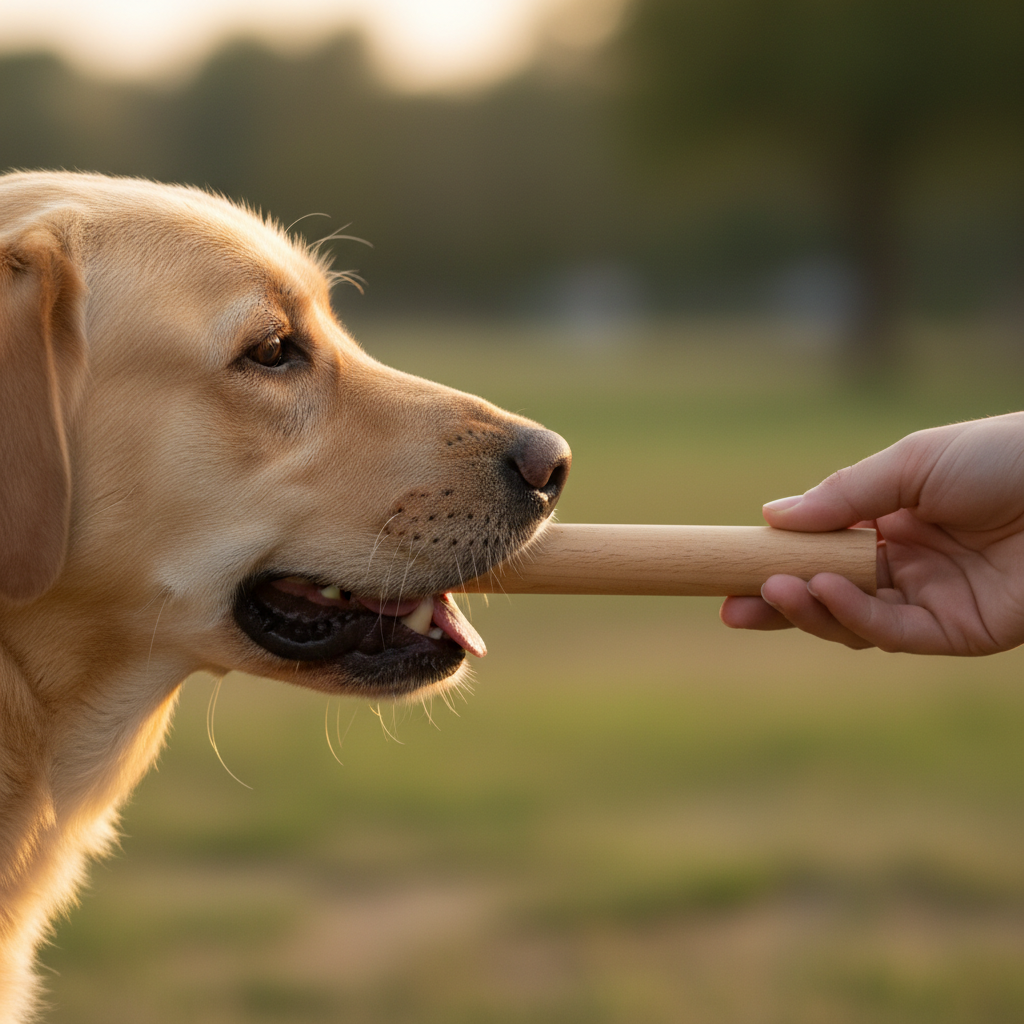
The goal here is simply to get your dog comfortable with the training object. Hold the wooden dowel out to your dog. The moment their nose touches it, click (or say ‘Yes!’) and give them a treat. Don’t ask for anything more yet. We’re just building a positive association: Dowel = Treat. Repeat this a few times until your dog is eagerly booping the dowel with their nose.
-
Step 2: Encourage a ‘Take It’
Now, we want to encourage your dog to put their mouth on the object. Hold the dowel out. This time, wait for them to open their mouth and touch it. The instant their teeth or lips make contact, click and treat. At this stage, they’ll likely just nibble or bite it for a split second, and that’s perfectly fine! We’re shaping the behavior. Once they are consistently offering to put their mouth on it, you can add a verbal cue like ‘Take It’ just as they are about to make contact.
Expert Tip: If your dog is hesitant, try rubbing a tiny bit of peanut butter (xylitol-free!) or cream cheese on the dowel to encourage them to interact with it.
-
Step 3: Build Duration for the ‘Hold’
This is where the magic happens. Ask your dog to ‘Take It’. The moment they have the dowel in their mouth, wait just one second before you click and treat. For the next repetition, wait two seconds. Gradually increase the duration. If they drop it before you click, that’s okay! Just go back to a shorter duration they were successful with. Once they can hold it for a few seconds reliably, you can introduce the ‘Hold’ cue. Say ‘Hold’ while they have the object in their mouth, then click and treat.
-
Step 4: Master the ‘Give’ or ‘Drop It’
A gentle ‘hold’ is only half the trick; we need a polite ‘give’ to complete it! While your dog is holding the dowel, present a high-value treat near their nose. Most dogs will automatically open their mouth to take the treat, dropping the dowel. The moment they drop the dowel, say ‘Give’ or ‘Drop It’, click, and give them the treat. Practice this until they release the object into your hand on cue.
-
Step 5: The Grand Finale – The Flower!
Once your dog has mastered holding the dowel gently and giving it back on cue, it’s time to switch to the real, dog-safe flower. The stem will feel different, and the flower head will smell interesting, so they might be tempted to chew. Go back to basics for a few repetitions. Start with a very short ‘hold’ (one second) and reward heavily for being gentle. Because you’ve built such a strong foundation with the dowel, they should pick it up very quickly. Now you’re ready for your photoshoot!
Troubleshooting Common Issues: When Things Don’t Go to Plan
Troubleshooting Common Issues: When Things Don’t Go to Plan
Even with the best plan, training can have its little bumps in the road. Don’t worry, it’s completely normal! Here are some common hurdles and how to gracefully leap over them.
Problem: ‘My dog keeps chewing the object!’
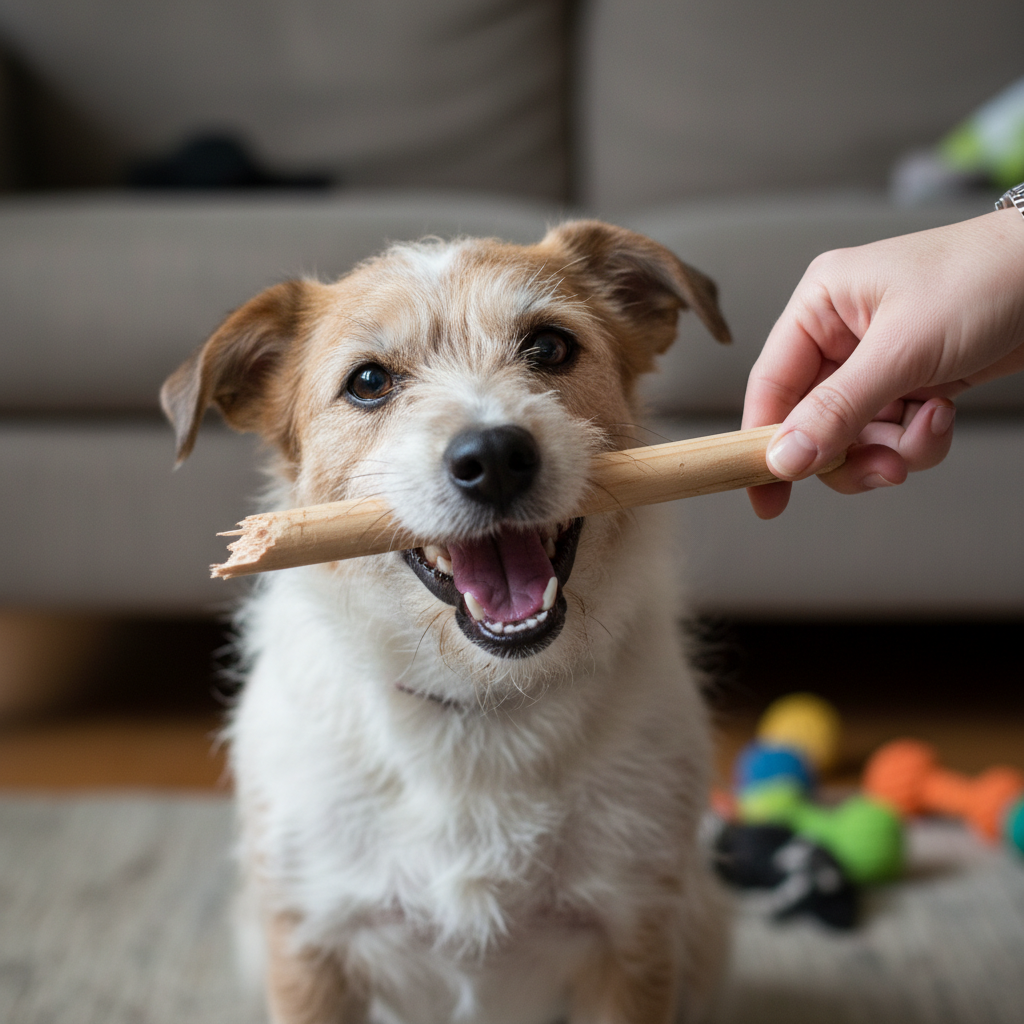
Solution: This usually means one of two things: the training sessions are too long, or the ‘hold’ duration you’re asking for is too long. Go back to a shorter duration where they were successful. We want to reward the gentle hold, not the chew. Make sure you are clicking and treating for a still and quiet mouth. If they start to chew, simply take the object away calmly, wait a few seconds, and try again with a shorter hold time. It’s a game of ‘beat the clock’—you want to reward them before the chewing starts.
Problem: ‘My dog drops the flower immediately.’
Solution: This is a classic sign of moving too fast. Go back to the dowel or training object they are more comfortable with. Practice building duration there. When you reintroduce the flower, make your first few requests incredibly easy—a split-second hold is enough to earn a jackpot of treats! We need to build their confidence with the new, more delicate object.
Problem: ‘My dog won’t even put the object in their mouth.’
Solution: Let’s make the object more interesting! As mentioned earlier, a tiny smear of something delicious can help. You can also try a different object. Maybe the wooden dowel is too hard? Try a softer object like a rolled-up piece of felt or a rubber dog toy designed for holding. Also, check your energy! Keep it light, fun, and exciting. If you seem bored or frustrated, your dog will pick up on that.
Remember this mantra: ‘The dog is never wrong.’ If they aren’t succeeding, it’s our job as the trainer to make the task easier. Break it down into even smaller steps until they can win, then build from there.
More Than a Trick: The Real-World Benefits of a ‘Soft Mouth’
More Than a Trick: The Real-World Benefits of a ‘Soft Mouth’
Teaching your dog to hold a flower is undeniably cute, but the underlying skill you’re building—bite inhibition, or a ‘soft mouth’—is one of the most valuable behaviors a dog can learn. It’s about teaching them to control the pressure of their jaw, which has incredible real-world applications and improves their overall safety and manners.
Enhancing Safety Around Humans
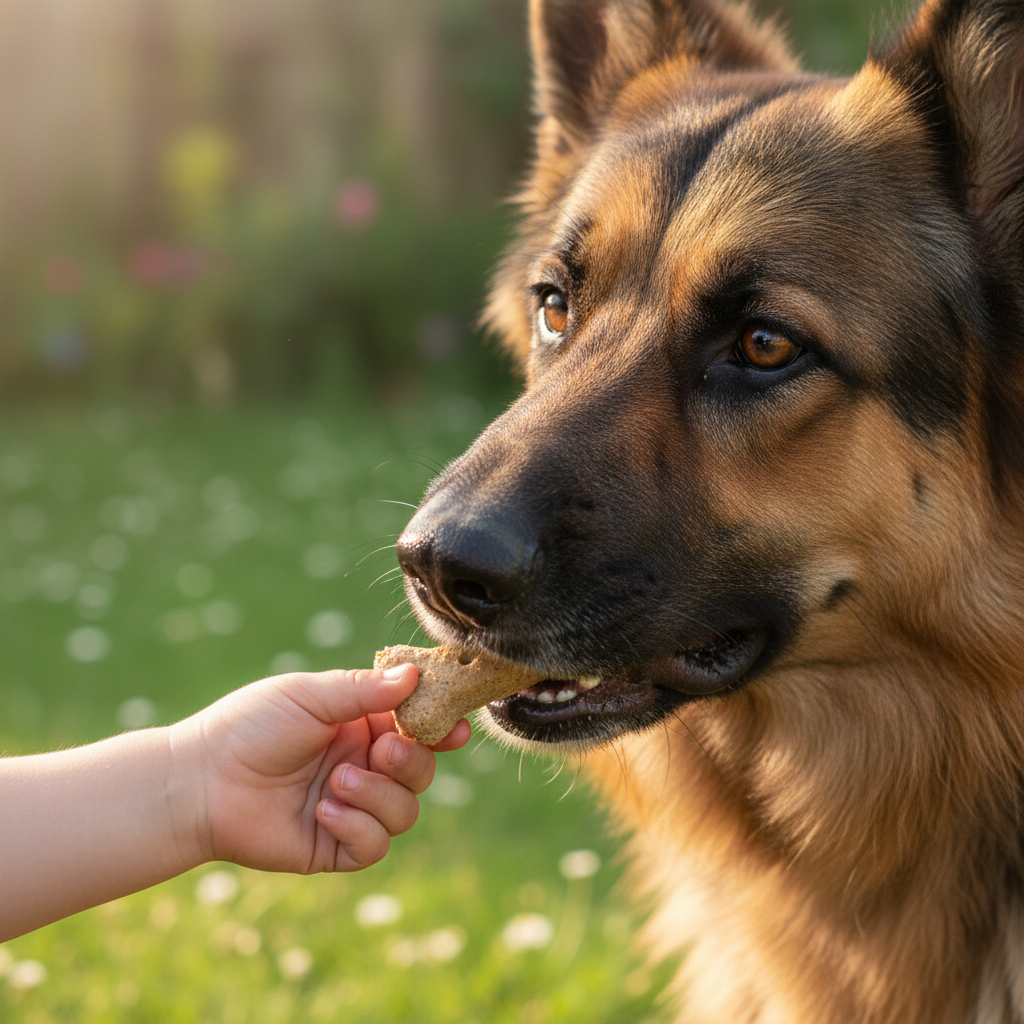
A dog with a soft mouth is a safer companion. They learn that human skin is delicate. This training helps them understand how to take treats from your hand gently without nipping your fingers. This is especially important in households with children or elderly family members, who may be less steady when offering a snack. The ‘hold’ and ‘give’ cues teach your dog to be patient and careful with their teeth.
Improving Playtime Manners
Does your dog get overexcited during a game of tug-of-war and accidentally grab your hand? ‘Soft mouth’ training helps with that! The same principles of gentle pressure apply to toys. They learn to grab the toy, not your hand, and to release it promptly when you ask them to ‘drop it.’ This makes playtime safer and more enjoyable for everyone involved.
Assistance and Service Dog Skills
The ‘hold’ and ‘give’ commands are foundational for more advanced service dog tasks. Dogs can be trained to retrieve and carry items like medication, keys, or a phone. The ability to hold these items gently without damaging them is absolutely critical. While your pet might not be a formal service animal, teaching them to fetch the remote or a slipper using their soft mouth is both helpful and a fantastic mental exercise for them.
Ultimately, teaching this charming trick is a gateway to a better-mannered, safer, and more communicative relationship with your dog. You’re not just getting a great photo; you’re investing in a lifetime of gentle interactions.
Conclusion
And there you have it! You’re now fully equipped to teach your dog the sweetest trick on the block. Remember that every dog learns at a different pace. Some might pick it up in a few sessions, while others might need a few weeks. The most important ingredients are your patience, your positive attitude, and a whole lot of delicious treats!
Celebrate the small victories, laugh at the goofy mistakes, and cherish this time you’re spending together. The bond you build during these fun training sessions is the real prize. Now go on, get training, and get ready to wow your friends and fill your social media with the most adorable photos. Your pup is ready for their close-up!