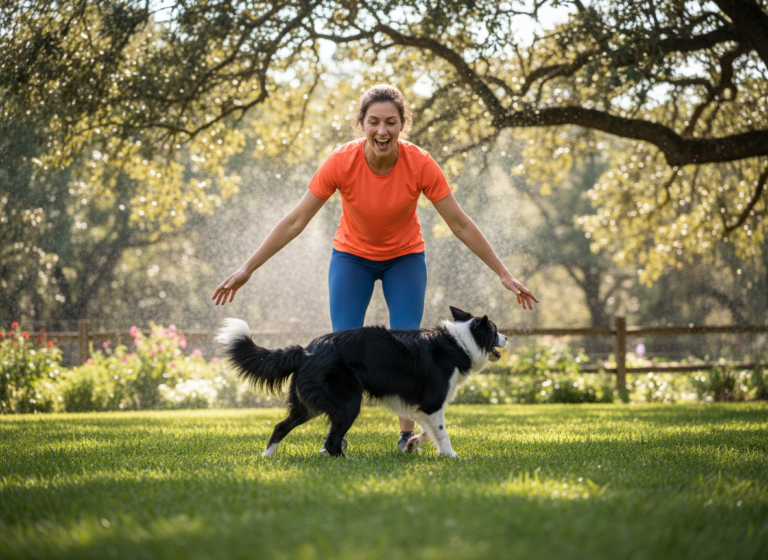
Have you ever tried to open the fridge, only to be blocked by a furry, four-legged shadow? Or maybe you’ve nearly tripped over your pup while carrying a hot cup of coffee? We’ve all been there! While these moments can be funny, they highlight the need for personal space—for both you and your dog. That’s where the ‘back up’ command comes in. It’s not just a neat party trick; it’s a fundamental safety and management tool that can prevent accidents, build your dog’s confidence, and make your daily life together so much smoother.
Teaching your dog to move backward on cue is about creating invisible boundaries that keep them safe from dangers like a hot oven door, a closing car door, or even another nervous dog. It’s a polite way to say, ‘Hey buddy, I just need a little room right now.’ In this guide, we’re going to break down exactly why this command is a game-changer and walk you through the simple, positive steps to teach it. Get ready to add a new level of safety and communication to your relationship with your best friend!
Why the ‘Back Up’ Command is a Safety Superhero
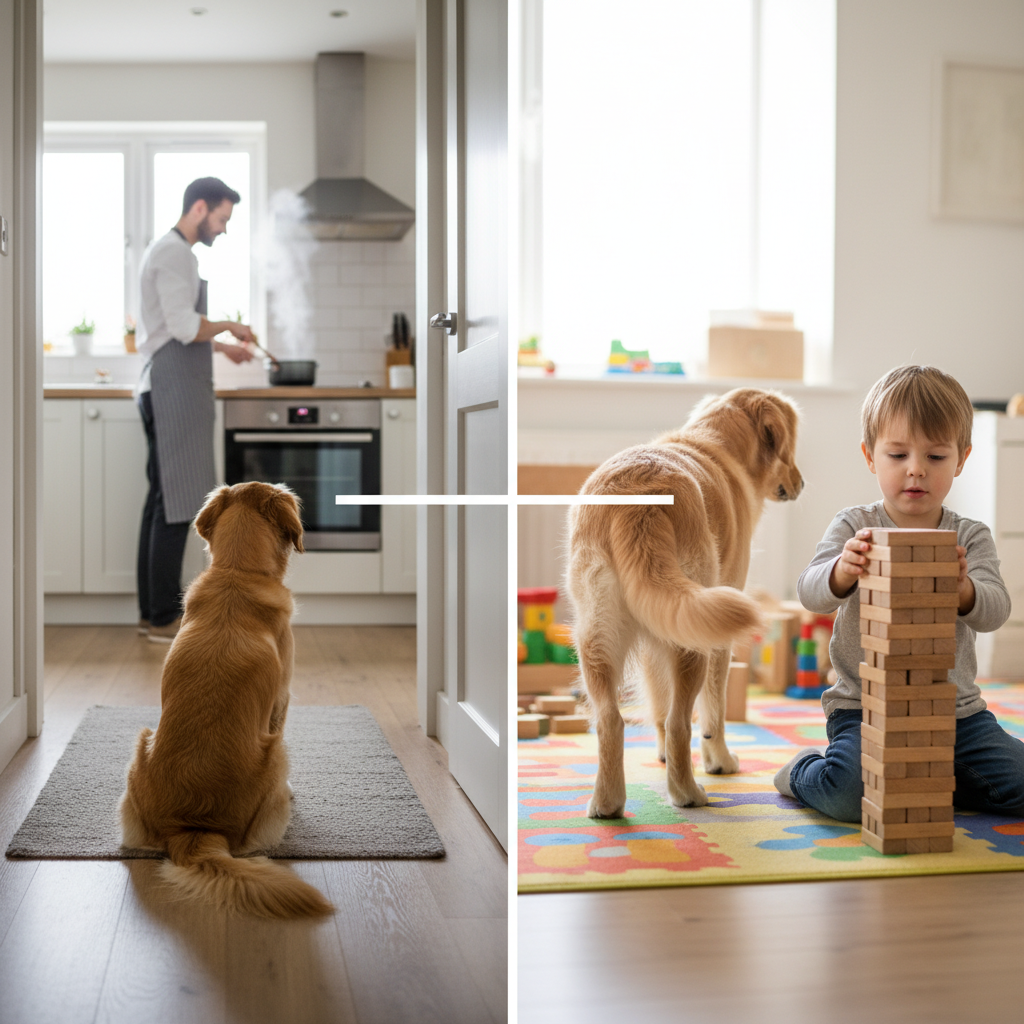
Before we dive into the ‘how,’ let’s talk about the ‘why.’ Understanding the incredible utility of the ‘back up’ command will motivate you through the training process. Think of it as your dog’s superpower for navigating the human world safely and politely.
At the Doorway
This is probably the most common and critical use. A dog that crowds the front door is at risk of ‘door dashing’—bolting outside into potential danger. By teaching ‘back up,’ you can create a safe buffer zone, ensuring they wait calmly while you greet guests, sign for a package, or bring in groceries without a furry escape artist underfoot.
In the Kitchen
The kitchen is full of potential hazards: hot stoves, sharp knives, and dropped food that could be toxic. A simple ‘back up’ command can move your dog out of the ‘danger zone’ instantly, preventing burns, cuts, or dietary indiscretions. It’s far more effective and pleasant than constantly shooing them away.
Creating Social Space
Not all dogs (or people!) appreciate an overly enthusiastic greeting. ‘Back up’ allows you to manage social interactions gracefully. You can use it to give a nervous dog more space, prevent your pup from jumping on a visitor, or recall them from a potentially tense situation at the dog park. It’s a non-confrontational way to de-escalate and maintain peace.
General Household Safety
The applications are endless! Need to move a large piece of furniture? ‘Back up.’ Dropped a glass on the floor? ‘Back up.’ Need to open the car door without your dog leaping out prematurely? You guessed it: ‘Back up.’ It’s a versatile command that empowers you to manage your dog’s position relative to their environment, which is the foundation of keeping them safe.
Expert Tip: Think of ‘back up’ as the opposite of a recall (‘come’). While a recall brings your dog to you, ‘back up’ respectfully asks for space. Both are essential for a well-rounded, safe canine companion.
Gearing Up for Success: What You’ll Need
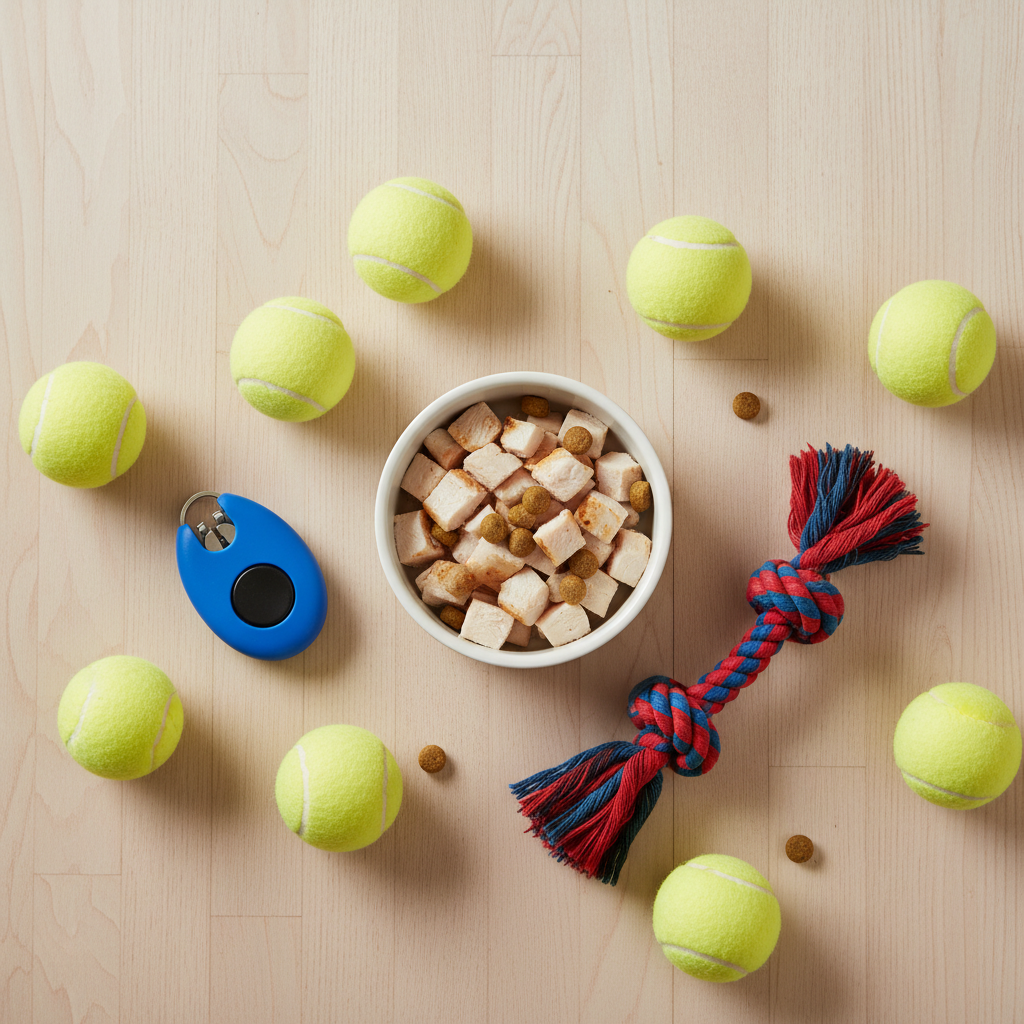
The great news is that you don’t need a lot of fancy equipment to teach this command. The most important tool is your positive attitude! Keeping training sessions short, fun, and rewarding is the key to success. Here’s a short checklist of what to gather:
- High-Value Treats: These should be small, soft, and extra-delicious treats that your dog absolutely loves. Think tiny pieces of chicken, cheese, or special training treats. The goal is motivation!
- A Clicker (Optional): If you’re familiar with clicker training, a clicker can be a fantastic tool for precisely marking the moment your dog performs the backward movement. If you’re not using a clicker, a clear verbal marker like a sharp ‘Yes!’ works just as well.
- A Distraction-Free Training Space: Start in a quiet room or a hallway inside your home. A narrow space like a hallway can be particularly helpful at first, as it naturally encourages backward movement instead of turning around.
- Patience and Enthusiasm: Your dog feeds off your energy. Stay patient, celebrate the small wins, and remember that every dog learns at a different pace. Keep it fun!
The Step-by-Step Guide to Teaching ‘Back Up’
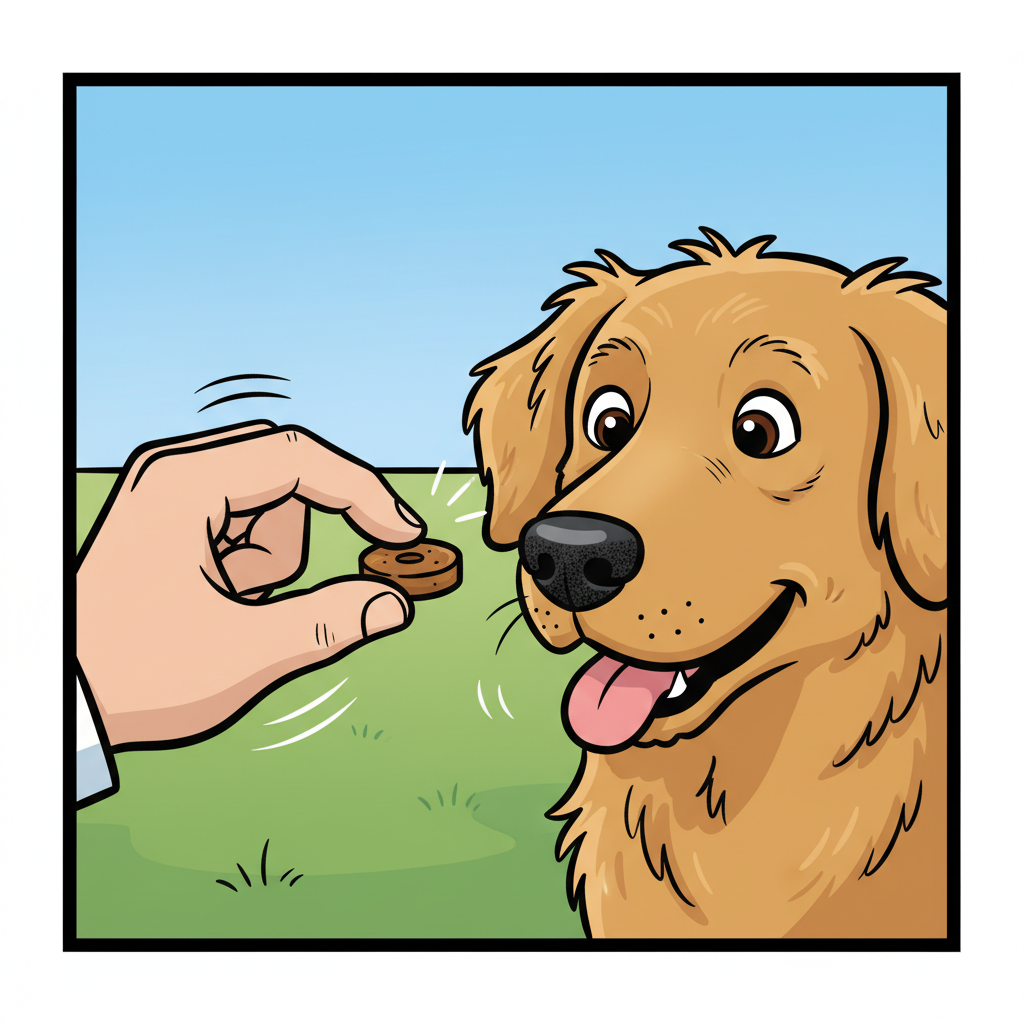
Alright, let’s get to the fun part! We’ll use a technique called ‘luring,’ which involves using a treat to guide your dog into the desired position. Remember to keep sessions short—just 5-10 minutes once or twice a day is perfect.
-
Step 1: Introduce the Lure
Start with your dog standing in front of you. Hold a tasty treat in your hand, show it to your dog so they know you have it, and then close your fist around it. Move your hand directly toward your dog’s nose. As their nose follows the treat, continue moving your hand toward their chest. To keep following the treat, they will naturally need to shift their weight backward and take a step or two back. The very second they take a backward step, mark the behavior with your clicker or a ‘Yes!’ and give them the treat.
-
Step 2: Practice the Movement
Repeat the process from Step 1 several times. Don’t add a verbal cue yet! Our only goal right now is to teach your dog that moving backward makes good things happen. If your dog tries to go around your hand or sits down, you might be moving the lure too high or too fast. Adjust your hand motion to be a slow, steady push toward their chest. The ‘hallway method’ is great here—practicing in a narrow hallway prevents them from swinging their backend around.
-
Step 3: Add the Verbal Cue
Once your dog is reliably taking a few steps back with the hand lure (maybe after a dozen or so successful repetitions), it’s time to name the behavior. Just before you begin the hand motion, say your chosen cue clearly and cheerfully—’Back Up!’ or ‘Scoot!’ or ‘Space!’—and then immediately lure them backward as you did before. Mark and reward the backward steps. After several repetitions, your dog will start to associate the words ‘Back Up!’ with the action of moving backward.
-
Step 4: Fade the Hand Lure
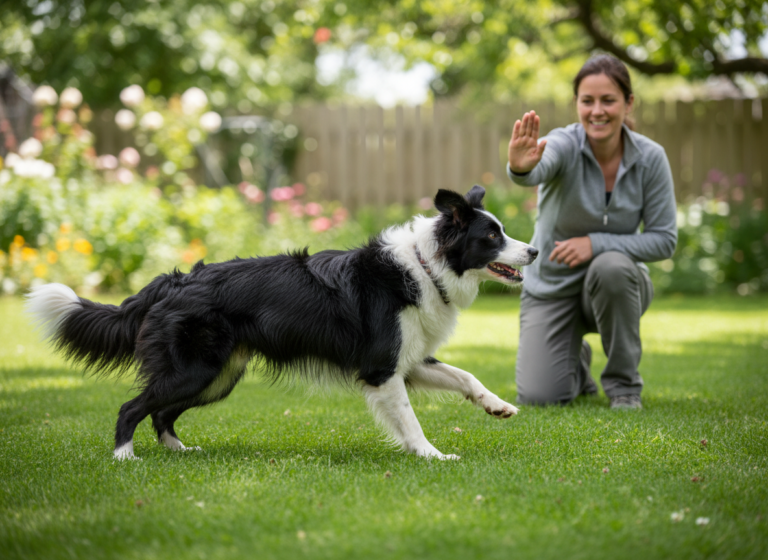
Now we want to transition from the physical lure to just a hand signal. Start making your hand motion smaller and more subtle. Instead of moving your hand all the way to their chest, just point toward them or make a small pushing motion in their direction after you say ‘Back Up!’. Your dog should remember the game and offer the backward movement. Mark and reward! Gradually, you can make the hand signal smaller and smaller until it’s just a subtle gesture.
-
Step 5: Rely on the Verbal Cue
The final step is to remove the hand signal entirely. Stand up straight, say ‘Back Up!’ in a happy tone, and wait. Your dog might hesitate for a second, so be patient. If they take even one step back, have a ‘treat party’—give them lots of praise and several treats! This big reward reinforces that they figured it out on their own. If they seem stuck, take one step back to the previous stage and use a small hand signal, then try again with just the verbal cue later.
Troubleshooting Common ‘Back Up’ Bumps in the Road
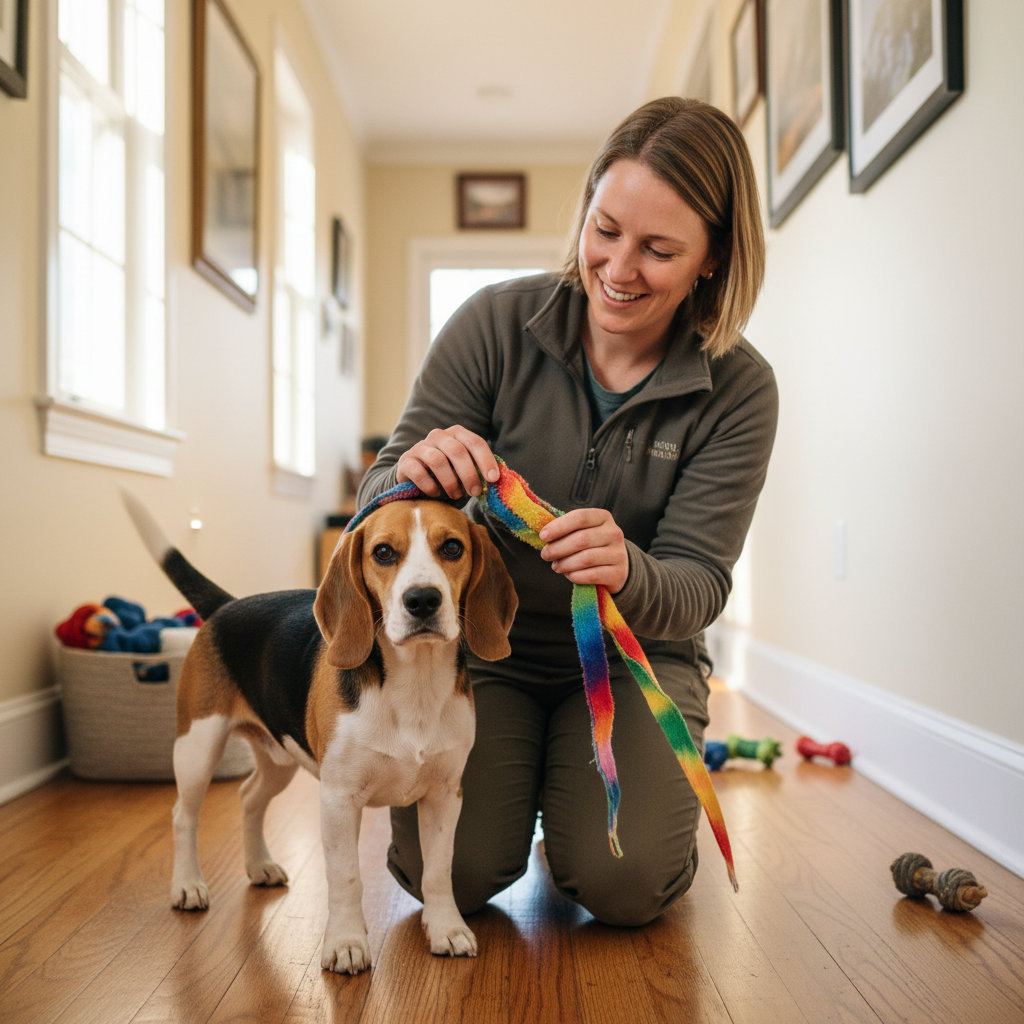
Training is never a perfectly straight line. It’s totally normal to hit a few snags along the way. Here are some common challenges and how to navigate them with a positive attitude.
- My dog keeps sitting down instead of backing up. This often happens if your treat lure is moving upward. Think of it like teaching ‘sit’—we often lure their nose up, which causes their rear to go down. For ‘back up,’ ensure your hand is moving straight toward their chest, parallel to the floor. If they do sit, don’t reward it. Simply reset by tossing a treat a few feet away to get them standing again, and then try another repetition with a more precise lure.
- My dog just turns around or walks around me. This is why starting in a narrow space like a hallway is so helpful! It physically limits their options to just forward and backward. If you don’t have a hallway, you can create a temporary ‘chute’ with furniture or cardboard boxes. This helps them understand the specific movement you’re looking for.
- My dog seems scared or hesitant to move backward. Backing up can be an unnatural movement for some dogs, and it can feel vulnerable. Never force your dog. If they seem worried, go back to basics. Reward just a tiny weight shift backward. Reward them for looking at the treat as you move it toward them. Keep sessions extra short and use the highest value treats you have. Build their confidence with tiny, successful steps.
Remember: Every dog is an individual. If a technique isn’t working, take a break and try again later with a slightly different approach. The goal is progress, not perfection.
Level Up! Advancing the ‘Back Up’ Command
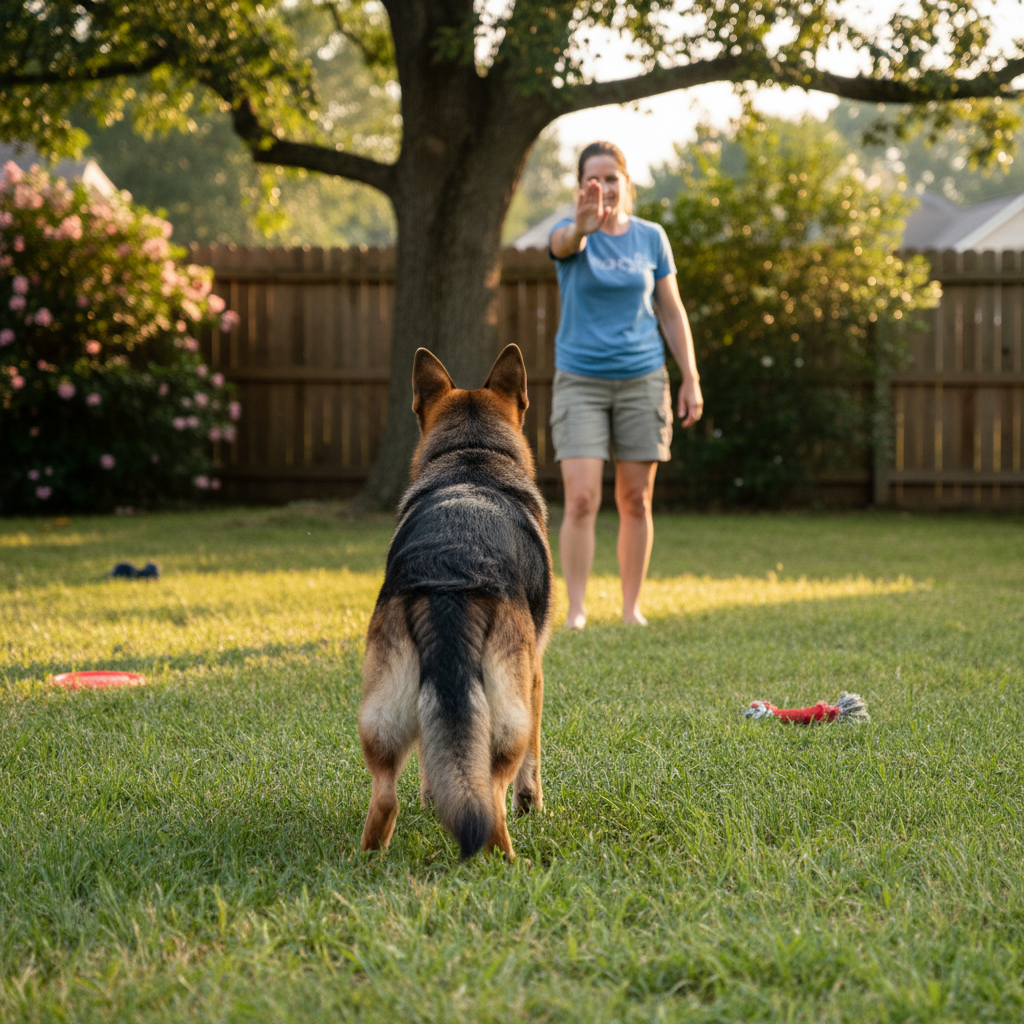
Once your dog has mastered backing up a few steps in a quiet room, it’s time to make the command more reliable for real-world scenarios. This process is called ‘proofing’ or ‘generalizing.’ We’ll gradually increase the three D’s: Duration, Distance, and Distractions.
Increasing Distance
Start asking for more steps. At first, you rewarded one or two steps back. Now, wait for three or four steps before you mark and reward. You can say your cue, ‘Back up, back up, back up,’ in a rhythmic, encouraging tone as they move, then reward. Gradually work your way up until they can back up 10-15 feet on cue.
Adding Duration
This involves asking your dog to back up and then stay in that spot. Give the ‘back up’ cue, and once they’ve moved back, give them your ‘stay’ or ‘wait’ cue. Take one step back yourself, then return and reward them. Slowly increase the amount of time they have to wait before getting their reward.
Introducing Distractions
This is the ultimate test! Start small. Practice in your backyard. Then, try it on a quiet sidewalk. Ask for a ‘back up’ when another person is walking far away. Gradually work your way up to more distracting environments. The key is to set your dog up for success. Don’t go straight from your living room to the front of a busy pet store. Each successful repetition in a new environment builds a stronger, more reliable command.
| Challenge Level | Goal | Example Scenario |
|---|---|---|
| Level 1: Beginner | Back up 2-3 steps with a lure. | In a quiet hallway at home. |
| Level 2: Intermediate | Back up 5+ steps with only a verbal cue. | In the living room while another family member is sitting on the couch. |
| Level 3: Advanced | Back up and wait as you open the front door. | A delivery person is at the door, and your dog backs up to a designated mat. |
| Level 4: Expert | Back up on a sidewalk to create space. | Another dog is approaching, and you ask your dog to back up to give them room. |
Conclusion
Congratulations! You now have all the tools and knowledge to teach your dog one of the most practical and important safety commands in the book. Teaching ‘back up’ is about so much more than control; it’s about communication, trust, and mutual respect. It’s about creating a shared language that keeps your beloved companion safe in a world that wasn’t built for them.
Remember to be patient with your pup and with yourself. Celebrate every tiny step backward, keep your training sessions full of joy, and before you know it, you’ll have a dog who can give you space whenever you need it. From the kitchen to the front door, you’ve just unlocked a new level of harmony in your home. Happy training!