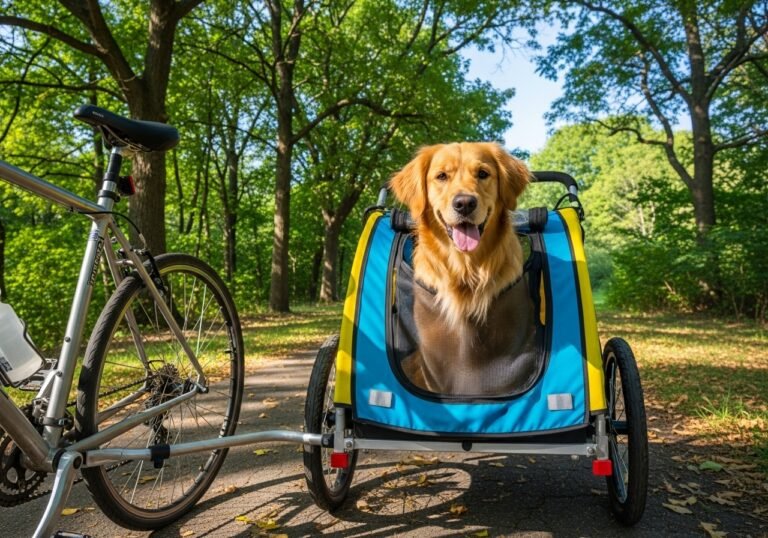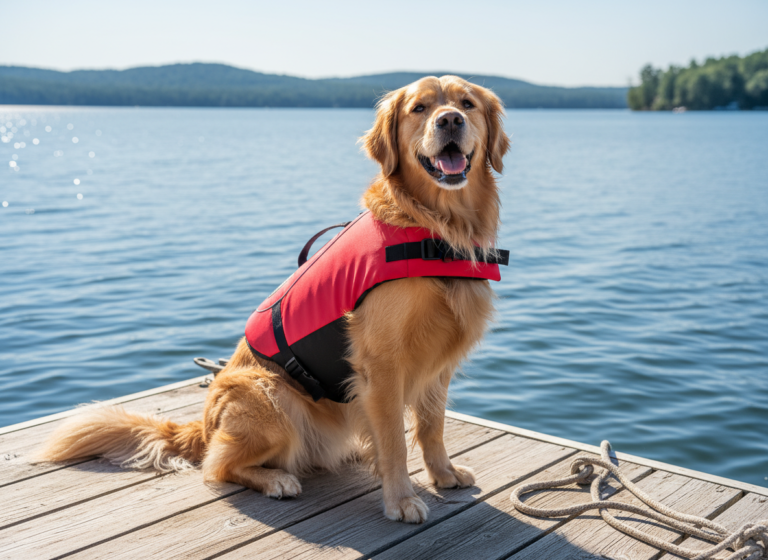
Hey there, fellow dog lover! Have you ever been out on a brilliantly sunny day, squinting against the glare, and looked down to see your best furry friend doing the exact same thing? It’s a common sight, but it brings up a good question: If we protect our eyes, should we be protecting theirs too? Beyond the undeniable ‘cool factor,’ getting your dog comfortable with wearing sunglasses has some serious real-world benefits.
From protecting their sensitive peepers from harmful UV rays to shielding them from wind and debris on a car ride, doggy shades are more than just a cute accessory. They can be a vital piece of gear for dogs with certain medical conditions, or for any pup who loves an outdoor adventure. But let’s be real, you can’t just pop a pair of Ray-Bans on your dog and expect them to love it. That’s where we come in! This guide is all about making the process of training your dog to wear sunglasses a fun, positive, and rewarding experience for both of you. Forget forcing or frustration; we’re going to use patience and plenty of treats to turn your pup into a sunglass-wearing superstar. Let’s get started!
Why Bother with Doggy Shades? More Than Just a Fashion Statement
Before we dive into the ‘how,’ let’s talk about the ‘why.’ Convincing your dog to wear eyewear might seem like a frivolous pursuit, but the health and safety benefits are surprisingly significant. This isn’t just about getting that perfect Instagram shot; it’s about proactive pet care.
Protecting Against Harmful UV Rays
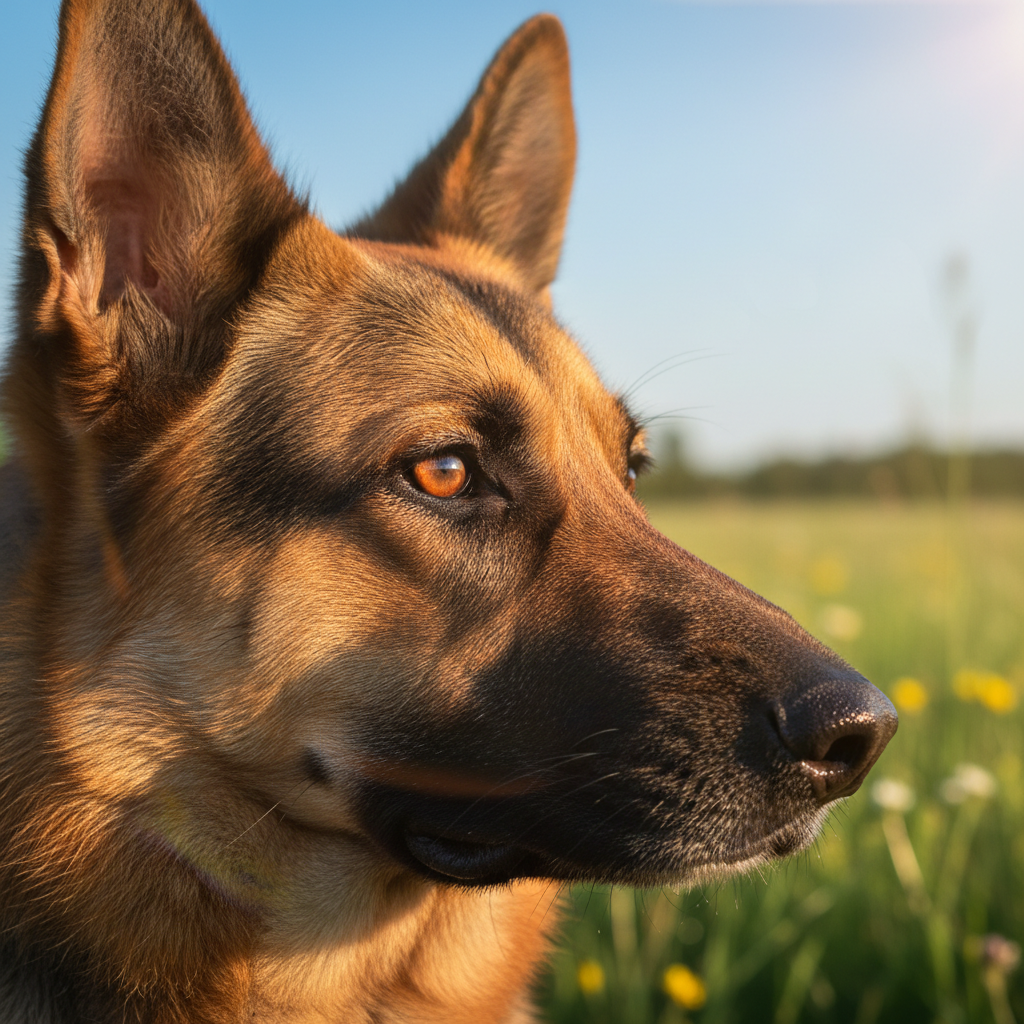
Just like us, dogs are susceptible to eye damage from the sun’s ultraviolet rays. Prolonged exposure can contribute to a range of issues, including cataracts, corneal damage, and a condition called Pannus (Chronic Superficial Keratitis). Pannus is particularly common in breeds like German Shepherds, Greyhounds, and Border Collies. It’s an immune-mediated condition that is exacerbated by UV light and can lead to vision impairment. Protective eyewear with UV-blocking lenses acts as a crucial barrier, preserving your dog’s precious eyesight for years to come.
Shielding from Debris, Dust, and Wind
Does your dog love sticking their head out the car window, ears flapping gloriously in the wind? While it looks like pure joy, it’s also a direct invitation for dust, insects, rocks, and other road debris to fly into their eyes. This can cause painful corneal scratches and infections. The same goes for dogs on boats, hiking in windy areas, or even just playing on a dusty day. A good pair of dog goggles or sunglasses provides a physical shield, keeping their eyes safe during their favorite activities.
Aiding with Medical Conditions and Recovery
Some dogs suffer from light sensitivity (photophobia) due to underlying eye conditions or genetics. Tinted lenses can make their world much more comfortable, reducing squinting and discomfort in bright environments. Furthermore, for dogs recovering from eye surgery, protective eyewear is often recommended by veterinarians to prevent them from pawing or rubbing at the sensitive area and to protect it from bumps and dirt while it heals.
Expert Tip: Not all dog sunglasses are created equal. Look for pairs that specifically state they offer 100% UV protection. The health benefit is lost if the lenses are just colored plastic.
Gearing Up: Choosing the Right Shades and High-Value Treats
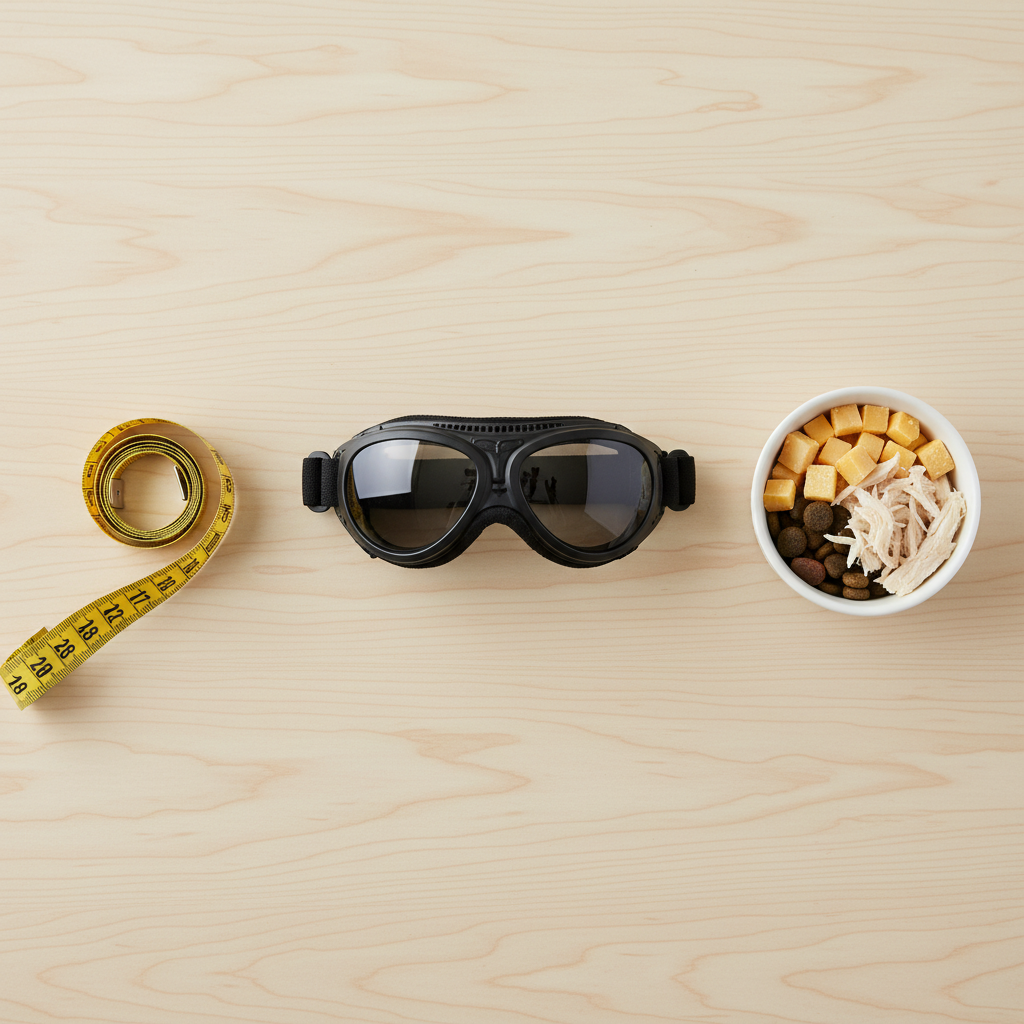
Success in this training adventure starts with having the right equipment. You’ll need two key things: a comfortable, well-fitting pair of sunglasses and a stash of absolutely irresistible treats.
How to Choose the Perfect Canine Sunglasses
Forget those flimsy, human-style glasses sold as novelties. For this to work, your dog needs eyewear designed specifically for a canine face. Here’s what to look for:
- Proper Fit and Adjustability: A dog’s snout and head shape are very different from ours. Look for glasses with a deep lens cup that won’t press against their eyes. They should have two adjustable straps: one that goes around the head and one that goes under the chin. This creates a secure fit that won’t fall off when they move.
- Comfort is Key: The frames should have soft foam padding around the edges. This prevents chafing and ensures a snug, comfortable seal against their face.
- Safety First: Lenses should be made of shatterproof, polycarbonate material. You also want to ensure they offer full UV protection to get those health benefits we talked about.
- Measure, Measure, Measure! Reputable brands like Doggles or Rex Specs provide sizing charts based on measurements of your dog’s head and weight. Don’t guess! A poorly fitting pair will be uncomfortable and your dog will reject it immediately.
The Power of High-Value Treats
For this kind of training, your dog’s everyday kibble probably won’t cut it. You need to bring out the big guns! A ‘high-value’ treat is something your dog goes absolutely bonkers for and doesn’t get very often. This makes the training sessions feel like a super special event. Think of it as their payment for a job well done.
Great high-value options include:
- Small pieces of boiled chicken or turkey
- Tiny cubes of cheese (like cheddar or string cheese)
- Pea-sized bits of hot dog
- Soft, smelly commercial training treats
- A lick of peanut butter (ensure it’s xylitol-free!) or cream cheese from a spoon
The key is that the treats should be small, quick to eat, and incredibly motivating for your specific dog. Prepare a good stash before you begin your first session.
The Step-by-Step Training Plan: From Introduction to Insta-Worthy
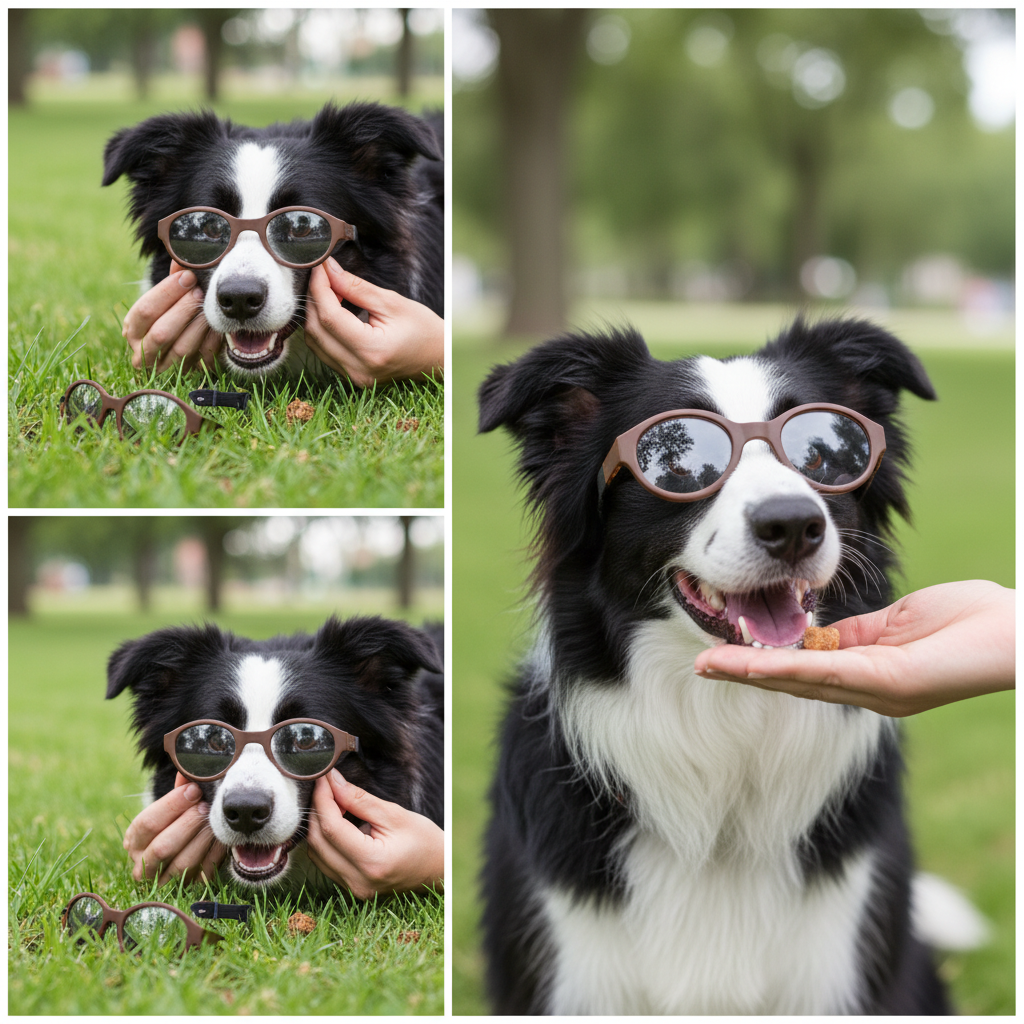
Alright, you’ve got your gear, you’ve got your treats, and you’ve got a willing (or at least, curious) pup. It’s time to begin! The golden rule here is to keep sessions short, fun, and positive. We’re talking 1-5 minutes at most, once or twice a day. Always end on a successful, happy note.
Here is your step-by-step plan to sunglass success:
- Step 1: The Introduction. Don’t try to put the glasses on your dog yet. Simply place them on the floor. When your dog shows any curiosity—sniffing them, nudging them, even just looking at them—say “Yes!” in an excited tone and give them a treat. Do this a few times until your dog sees the glasses and looks to you for a reward. They are learning: Glasses on the floor = yummy things happen.
- Step 2: Positive Association with Touch. Now, pick up the sunglasses. Hold them in one hand and have treats in the other. Briefly touch the glasses to your dog’s shoulder or back, then immediately give them a treat. Move on to touching their neck, then their cheek, then the top of their head, rewarding each touch. The goal is to make them completely comfortable with the object being near their face.
- Step 3: The Split-Second Placement. This is the first time the glasses will go on their face. Hold the glasses by the frame (don’t worry about the straps). For just a fraction of a second, gently place them over your dog’s eyes and immediately pull them away. Then, shower them with praise and treats! The motion should be so fast they barely register it. Repeat this several times.
- Step 4: Building Duration. Once they are comfortable with the quick placement, start adding a tiny bit of time. Place the glasses on and count “one-one thousand,” then remove and reward. The next time, try for two seconds. The key is to deliver a steady stream of tiny treats while the glasses are on. This teaches them that the good stuff happens when the glasses are in place. If they fuss, you’ve gone too fast. Go back to a shorter duration.
- Step 5: Introducing the Straps. Once your dog can comfortably hold the glasses on their face for 5-10 seconds, you can introduce the straps. Don’t buckle them yet. Just drape the straps around their head and chin while you continue to treat them. Let them get used to the feeling.
- Step 6: Buckle Up! Now for the final step. Place the glasses on, secure the chin strap (keep it loose at first), and then the head strap. Give them a jackpot of treats! Make a huge fuss over how amazing they look. Keep it on for just a few seconds, then remove them and end the session on that high note.
- Step 7: Practice in New Places. Gradually increase the time they wear the glasses inside the house. Once they are comfortable, try a short session in the backyard. Then, a short walk down the street. By slowly generalizing the behavior, they’ll learn that sunglasses are just a normal part of getting ready for fun adventures.
Troubleshooting: What to Do When Your Pup Says ‘No Way!’
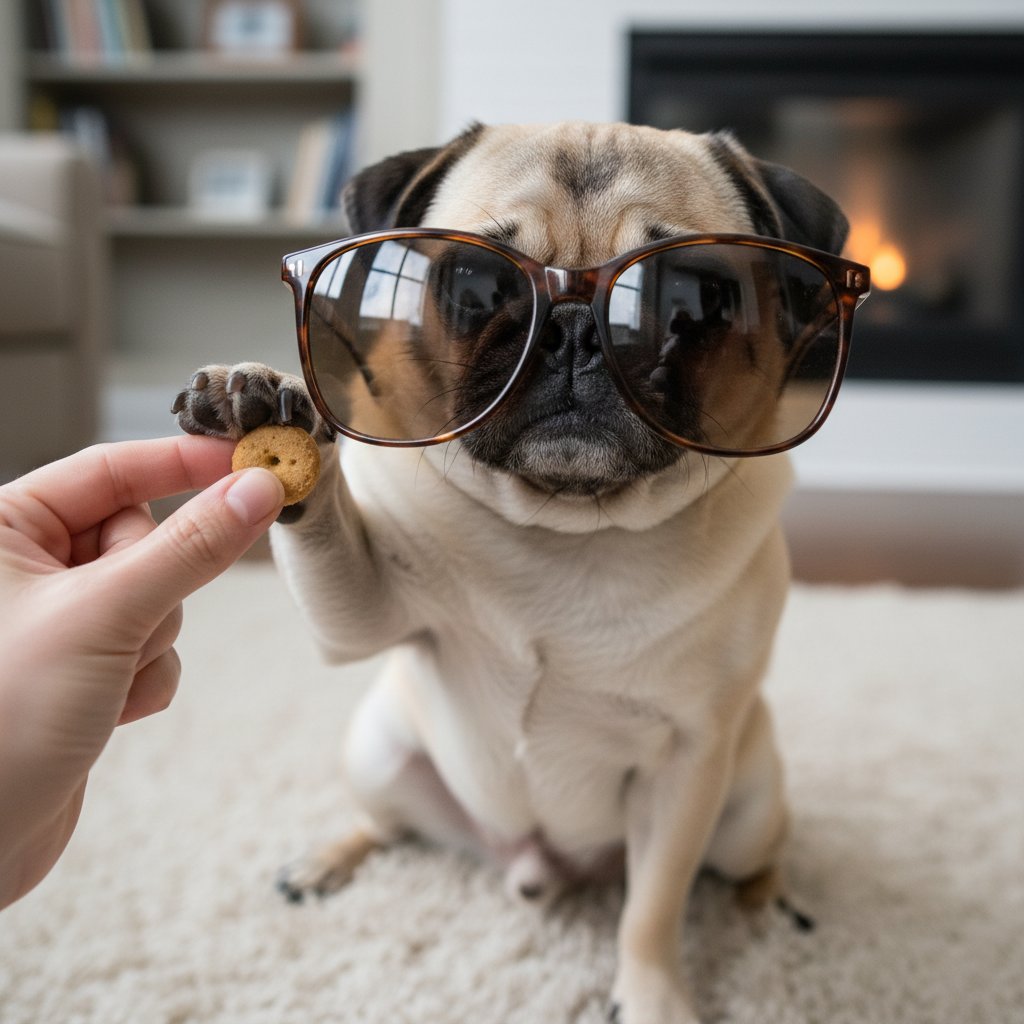
Even with the best plan, you might hit a snag. Training is never a straight line! Don’t worry, it’s completely normal. Here’s how to handle the most common challenges with patience and positivity.
Problem: My dog keeps pawing at the glasses or trying to rub them off.
Solution: This is the most common issue, and it almost always means you’ve moved too fast. The duration they were asked to wear the glasses was longer than they were ready for. Go back a few steps in your training plan. Shorten the duration significantly—even back to a single second—and make the rewards extra special. The goal is to remove the glasses before they get the chance to paw at them. You want them to learn that calm behavior gets the reward, not pawing.
Problem: As soon as my dog sees the glasses, they run and hide.
Solution: The glasses have become a negative predictor, meaning your dog thinks, “Oh no, that weird face thing is coming out!” You need to rebuild the positive association from scratch. Put the training plan aside for a few days. Simply leave the sunglasses out on the floor near their food bowl or their favorite bed. Every so often, walk by and drop a high-value treat on or near the glasses without making a big deal about it. Let them discover the treat on their own. After a few days of this, you can try re-starting at Step 1, ensuring the experience is overwhelmingly positive.
Problem: My dog shakes their head violently when I put them on.
Solution: This could be one of two things. First, double-check the fit. Are the straps too tight? Is the frame pressing into their eye sockets? An uncomfortable fit will guarantee failure. Readjust and make sure they are snug but not tight. If the fit seems fine, it’s likely just a reaction to a new sensation. Again, this means you need to slow down. Go back to just draping the straps over their head without buckling them, rewarding for calm behavior. You have to desensitize them to every part of the process.
Remember the Golden Rule: Never, ever force the glasses onto your dog. This will only create fear and anxiety, making the process ten times harder. If your dog is having a bad day or seems stressed, just skip the training session. It’s better to end on a good note than to push through a bad one.
Conclusion
And there you have it! Training your dog to wear sunglasses is a journey of patience, trust, and a whole lot of delicious treats. Remember to celebrate the small victories and always keep it fun. This isn’t just about turning your pup into a four-legged rockstar; it’s about protecting their vision and enabling them to join you safely on all your brightest adventures. By taking it one small, positive step at a time, you’re not just teaching them a cool trick—you’re strengthening your bond and showing them that new experiences can be awesome and rewarding.
So grab those shades, pocket some treats, and get ready to enjoy the sunshine with your cool, comfortable, and well-protected pup. Happy training!