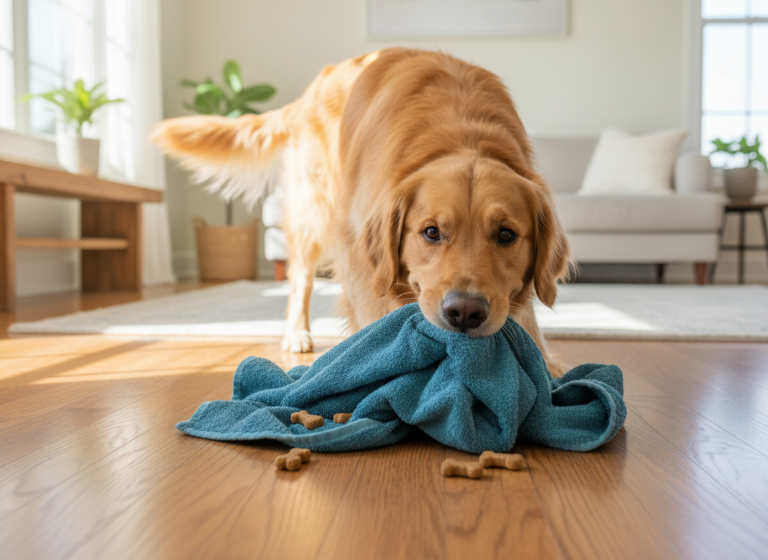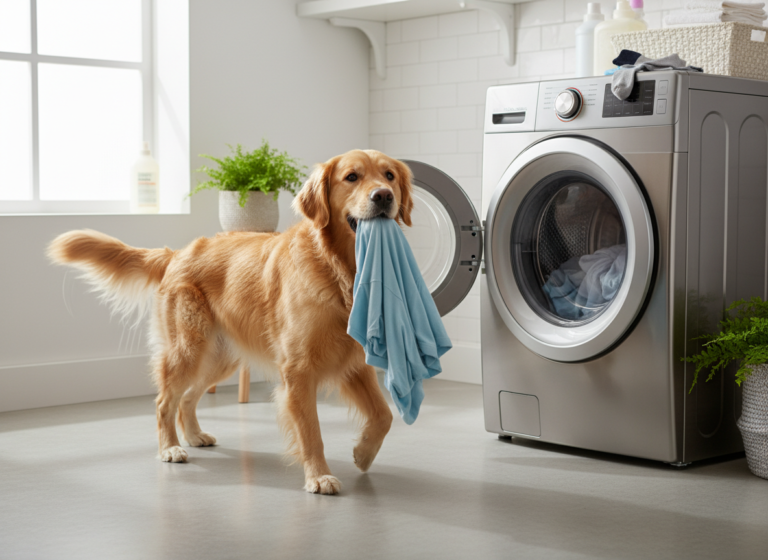
Is there anything cuter than a dog getting ready for bed? They circle a few times, let out a big sigh, and plop down for a night of sweet puppy dreams. Now, what if you could add one more adorable step to that routine? Imagine saying, “Go to bed!” and watching your furry best friend grab their favorite blanket and drag it right into their bed. It’s not just a dream—it’s a trainable trick that’s as useful as it is charming!
Teaching your dog to drag their blanket to bed is more than just a party trick. It’s a fantastic brain game that provides much-needed mental stimulation, helps build their confidence, and strengthens the incredible bond you share. Plus, it’s a wonderful way to establish a clear and calming signal that it’s time to wind down for the night. This is considered an advanced trick, but don’t let that intimidate you! With patience, positive reinforcement, and a whole lot of fun, you can teach your pup this heartwarming skill. Let’s get started!
Gearing Up for Success: What You’ll Need
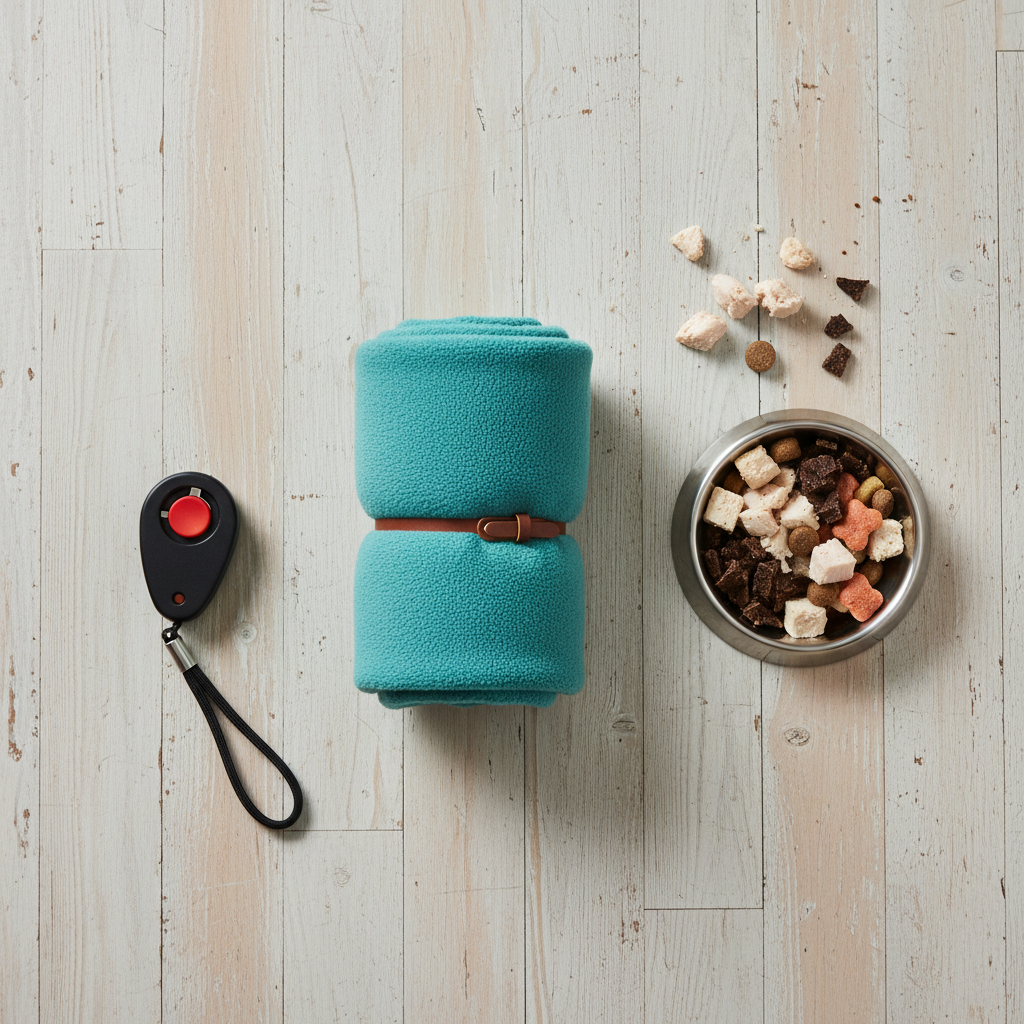
Before you jump into training, gathering a few key items will set you and your pup up for a smooth and successful experience. You don’t need a lot of fancy equipment, just the right tools to make learning easy and fun. Think of it as preparing your classroom for an A+ student!
Essential Training Toolkit:
- A Designated Blanket: Start with a blanket that is relatively small and lightweight. A fleece throw or an old baby blanket works perfectly. You want something that’s easy for your dog to pick up and hold without tripping over it. Avoid anything too heavy, bulky, or precious to you!
- High-Value Treats: This trick requires some serious brainpower, so you’ll want to break out the good stuff! Think small, soft, smelly treats like tiny pieces of chicken, cheese, or high-quality commercial training treats. The goal is to make the reward so irresistible that your dog is motivated to work for it.
- A Clicker (Optional but Recommended): A clicker is a fantastic tool for marking the exact moment your dog does something right. This precision helps your dog understand precisely what behavior earned them a treat, which can speed up the learning process significantly. If you’re not using a clicker, a consistent verbal marker like “Yes!” works too.
- A Comfy Destination: Your dog’s bed, crate, or a designated mat will serve as the finish line. Make sure it’s in a relatively quiet area where you can train without too many distractions.
- Patience and a Positive Attitude: This is the most important tool of all! This trick has multiple steps, and every dog learns at a different pace. Stay positive, keep sessions short and fun, and celebrate every tiny bit of progress. Your encouragement is the ultimate reward!
The Step-by-Step Guide to Blanket Dragging
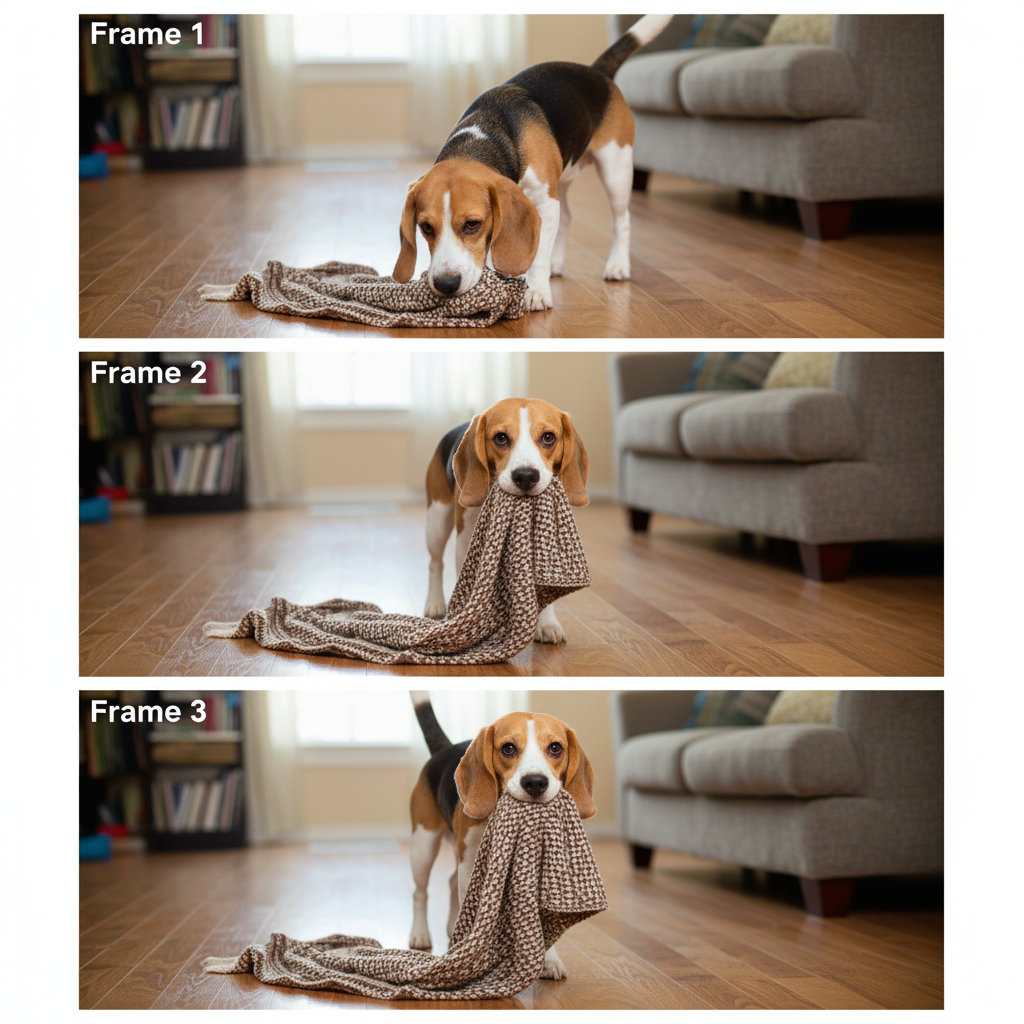
Alright, let’s break this impressive trick down into small, digestible steps. The key is to build the behavior piece by piece, ensuring your dog is confident and successful at each stage before moving on to the next. Remember to keep your training sessions short—around 5-10 minutes is perfect—to keep your dog engaged and eager to learn.
-
Step 1: Make the Blanket Fun
First, we need your dog to see the blanket as an awesome object. If they already love playing with blankets, you’re ahead of the game! If not, start by draping it over your lap and rewarding them for sniffing it. You can gently play tug-of-war with it or hide treats within its folds for them to find. The goal is simple: create a positive association. Blanket = Fun and Treats!
-
Step 2: Teach ‘Take It’
Now, we’ll teach your dog to put their mouth on the blanket. Hold the blanket out. The moment your dog’s nose touches it, click (or say “Yes!”) and treat. Repeat this a few times. Once they’re consistently nosing it, wait for them to open their mouth and touch it. Click and treat for this! Gradually shape this behavior until they are gently holding the corner of the blanket in their mouth for a split second. Use a verbal cue like “Take It” or “Hold” right as they grab it.
Expert Tip: If your dog is hesitant, try rubbing a smelly treat on the corner of the blanket to entice them to put their mouth on it.
-
Step 3: Introduce the Drag
Once your dog can reliably hold the blanket for a second or two, it’s time to add movement. With the blanket in their mouth, take one small step backward and use a treat to lure them forward. The moment they take a single step with the blanket in their mouth, click and have a treat party! They just performed their first ‘drag’! Keep this step super easy at first, rewarding just one or two steps. Slowly, over several sessions, increase the number of steps you ask for before rewarding.
-
Step 4: Target the Bed
Now, let’s give the drag a purpose. Start with your dog and the blanket just a foot or two away from their bed. Give the “Take It” cue. Once they have the blanket, use your treat to lure them towards the bed. When they step onto the bed (even with just one paw) while still holding the blanket, click and reward. You’re teaching them that the bed is the destination.
-
Step 5: Putting It All Together and Adding a Cue
This is where the magic happens! Start increasing the distance between the starting point and the bed. Place the blanket on the floor, point to it, and give your new verbal cue. A fun cue could be “Tuck In!” or “Blanket Time!” When they pick it up, encourage them toward the bed. As they get better, you can phase out the lure and rely more on the verbal cue and pointing. Practice from different spots in the room until they can reliably find their blanket and drag it all the way to their bed. Don’t forget to teach a solid “Drop It” command so they can release the blanket once they’ve arrived!
Stuck in a Rut? Troubleshooting Common Hurdles
Training is never a perfectly straight line; there are always bumps along the road. If you find yourself and your pup getting stuck on a particular step, don’t worry! It’s completely normal. Here’s how to troubleshoot some of the most common issues you might encounter while teaching the blanket drag.
My Dog Won’t Pick Up the Blanket
If your dog just sniffs the blanket and looks at you blankly, you need to make it more enticing. Go back a step and make the blanket a source of fun. Play tug, hide treats in it, and reward heavily for any interaction. You can also try a different blanket—perhaps the one you’re using is too heavy or has a strange texture. Sometimes, simply using a lighter, smaller piece of fleece can make all the difference.
My Dog Chews or Shakes the Blanket
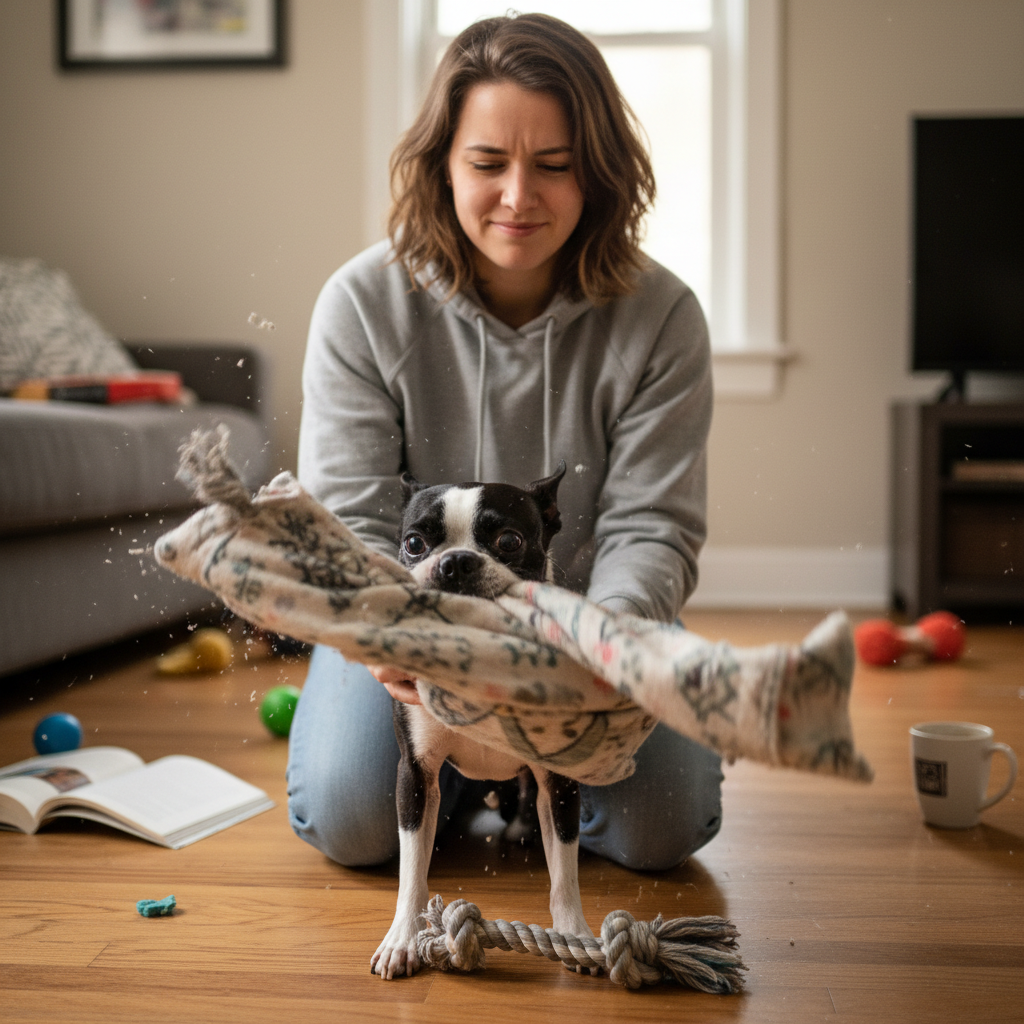
This is a very common canine response! If your dog starts vigorously shaking or chewing the blanket, it likely means their prey drive has kicked in, or they think it’s a game of tug. To counter this, keep training sessions very short and focused. Reward only for calm holding and gentle dragging. A vigorous shake gets no reward. If they start chewing, ask for a “Drop It” and briefly pause the session. When you resume, reward them the instant they hold it calmly, before they get a chance to chew.
My Dog Drops the Blanket Immediately
If your pup can’t seem to hold on for more than a second, you need to work on building duration for your “Hold” cue. Practice this separately from the dragging part. Give them the blanket, and use your clicker to mark and reward tiny increments of time. Start with one second, then two, then three. Make it a game! This strengthens the muscles and the focus required to hold the object for longer periods.
Remember: The key to solving most training problems is to break the behavior down into even smaller steps and reward generously for the tiniest bit of progress.
My Dog Gets Distracted on the Way to the Bed
The journey from Point A to Point B can be full of fascinating distractions! If your dog drops the blanket to go sniff the rug or investigate a dust bunny, you need to increase your value. First, ensure the training environment is as distraction-free as possible. Second, make sure your treats are high-value enough to keep their attention. And third, reduce the distance. Start just a foot away from the bed so success is almost guaranteed. As they become more focused, you can gradually increase the distance again.
Beyond the Trick: Making It a Bedtime Routine

You did it! Your dog can now expertly drag their blanket to bed on cue. High five! But the real magic comes from integrating this new skill into your dog’s daily life, transforming it from a fun trick into a meaningful routine. Dogs are creatures of habit; they thrive on predictability. A consistent bedtime routine can significantly reduce anxiety and help them settle down for the night.
Building a Calming Ritual
Start associating the “Tuck In!” cue with your own bedtime preparations. Maybe it’s the last thing you do after their final potty break and right before you turn down the lights. When your dog sees you getting ready for bed, they will start to anticipate their own special job. This sequence of events—potty, get blanket, lights out—creates a powerful, predictable pattern that signals it’s time to sleep.
Consistency is Everything
To make this a true routine, practice it every single night. At first, you may need to guide them and give them a treat for a successful blanket drag. Over time, the act itself will become part of the reward and a comforting habit. The routine provides a sense of security and order in their world, which is incredibly comforting for any dog.
A Signal to Settle
Ultimately, this trick becomes more than just a trick. It’s a clear communication tool. It tells your dog that the exciting part of the day is over and it’s time to rest. This can be especially helpful for dogs that have trouble settling down in the evening or suffer from a bit of separation anxiety when you head to bed. By giving them a task to perform, you’re redirecting their energy into a calm, productive activity that ends in their safe, comfy space. It’s a beautiful way to end the day together, strengthening your bond and ensuring a peaceful night for everyone.
Conclusion
Teaching your dog to drag their blanket to bed is a journey filled with tiny victories, moments of laughter, and incredible bonding. It’s a testament to your dog’s intelligence and your patience as a trainer. Remember to celebrate every small step, from the first hesitant nose-touch on the blanket to the final, proud trot into their bed. More than just mastering a cute trick, you’ve given your dog a confidence-boosting job and created a meaningful bedtime ritual that you can both cherish for years to come.
So, be patient, stay positive, and have fun with it. The connection you build during these training sessions is the real prize. Now, go grab that blanket and get ready for the most adorable bedtime routine on the block!