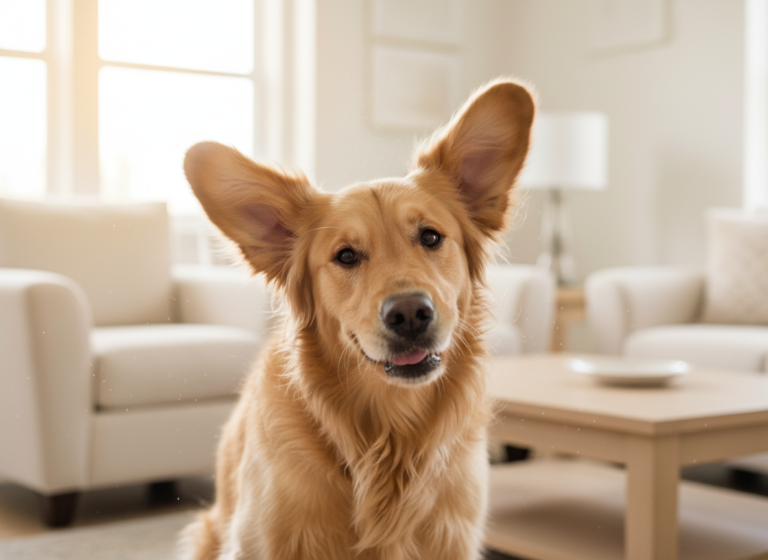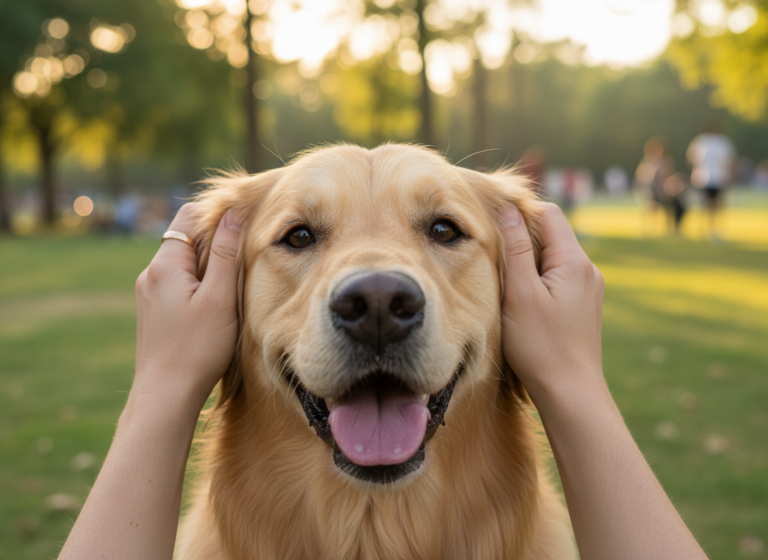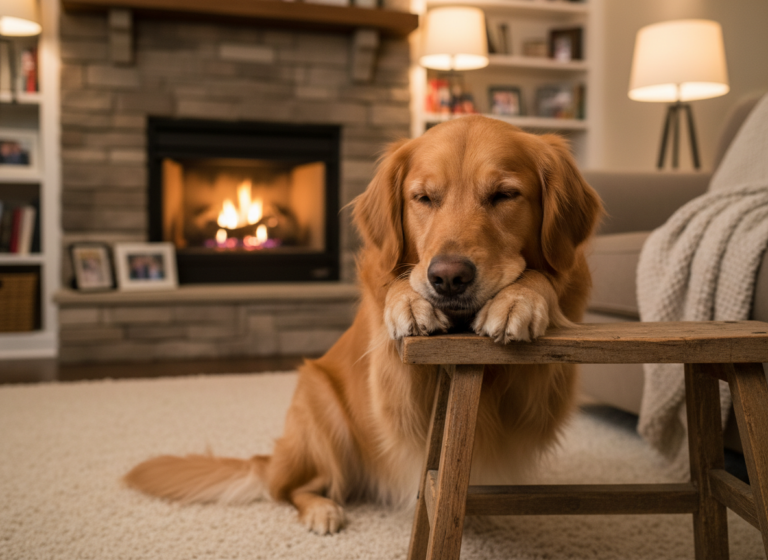
Hey there, fellow dog lovers! Ever scroll through your social media feed and see a dog with that incredibly cute, quivering lower lip and think, ‘I wish my dog could do that’? That heart-melting expression, the ultimate ‘puppy dog eyes’ upgrade, is what we call the pout. And guess what? It’s not just a happy accident for a few special pups. The pout is a trainable trick, and you’ve come to the right place to learn how!
Teaching your dog fun tricks like pouting is about more than just showing off to friends (though that’s a fun perk!). It’s a fantastic mental workout for your dog, a brilliant way to strengthen your communication, and an incredible bonding experience. Using positive reinforcement, we’ll turn a fleeting, natural expression into a reliable, on-cue command that will have everyone reaching for their cameras. Get ready to capture the cutest look you’ve ever seen. Let’s get started!
Setting the Stage for Pouting Success: Gear and Mindset
Setting the Stage for Pouting Success: Gear and Mindset
Before we dive into the ‘how-to,’ let’s make sure we have everything we need for a fun and productive training session. The right tools and, more importantly, the right attitude are the secret ingredients to success.
What You’ll Need:
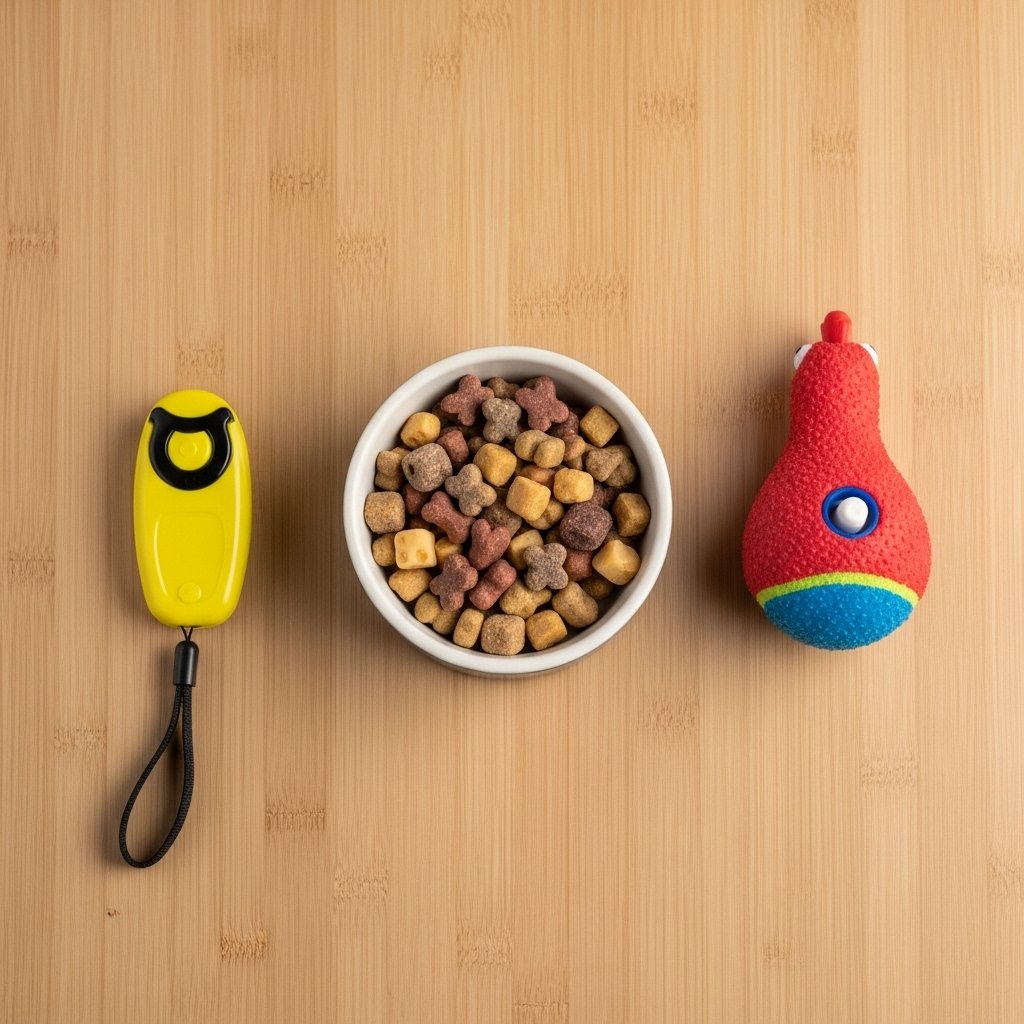
- High-Value Treats: We’re not talking about their everyday kibble. You need something extra special that your dog absolutely loves. Think tiny pieces of cooked chicken, cheese, or their favorite soft, smelly training treats. The smaller and quicker to eat, the better, so you can keep the training pace up.
- A Clicker (Optional but Recommended): A clicker is a fantastic tool for marking the exact moment your dog does the right thing. This precise communication can speed up the learning process significantly. If you’re not using a clicker, choose a consistent verbal marker, like a sharp ‘Yes!’.
- A Quiet, Distraction-Free Space: Choose a familiar room in your house where your dog feels comfortable and won’t be distracted by squirrels, mail carriers, or other pets.
- Patience and a Positive Attitude: This is the most crucial item on the list! Remember, this is a game. Keep sessions short (5-10 minutes max), stay upbeat, and always end on a positive note. Your dog feeds off your energy, so if you’re having fun, they will too.
Expert Tip: The key to this trick is ‘capturing’ a natural behavior. This means you’ll need to be a bit of a detective at first, watching for when your dog might naturally offer a little lip quiver or pout.
The Pout Protocol: A Step-by-Step Training Guide
The Pout Protocol: A Step-by-Step Training Guide
Alright, treats are ready, your positive vibes are flowing, and your pup is looking at you expectantly. It’s time to teach the pout! We’ll be using a method called ‘capturing,’ which involves waiting for your dog to offer the behavior on their own and then marking and rewarding it.
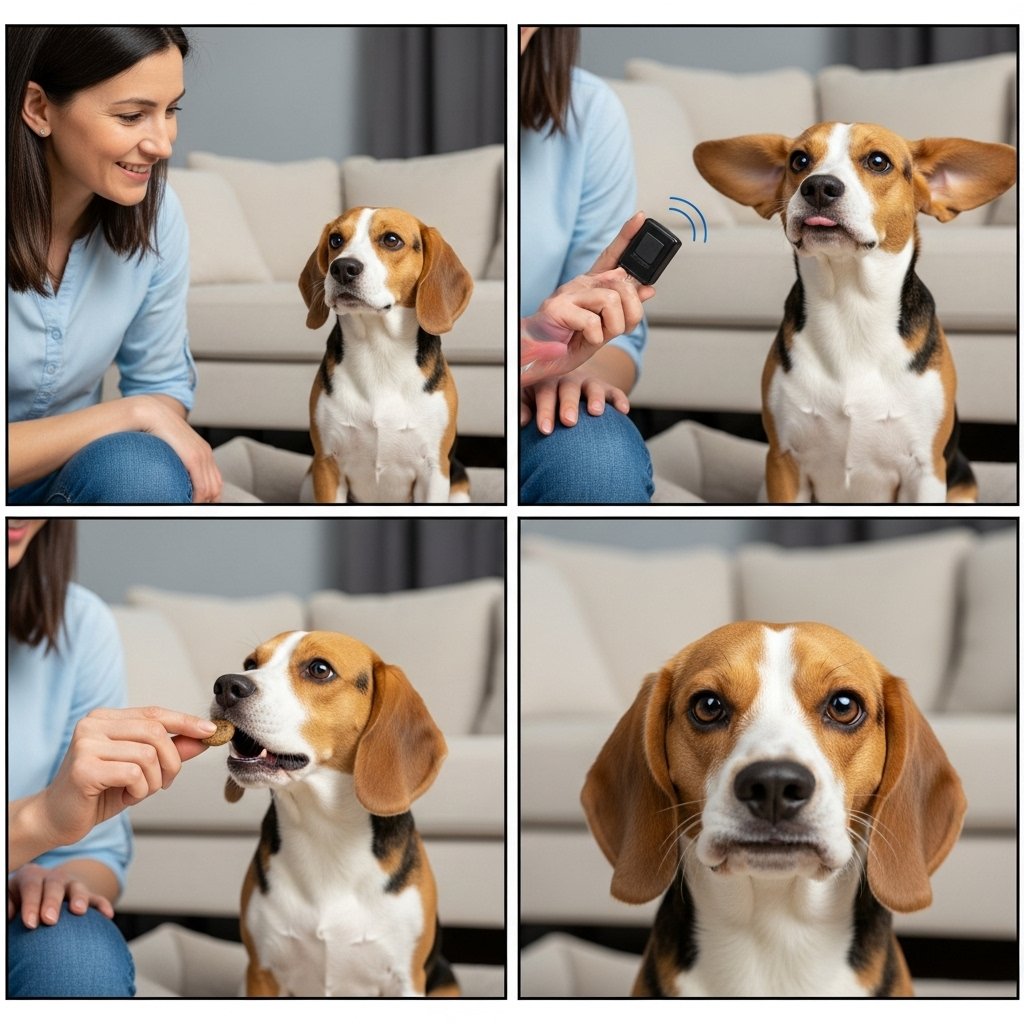
- Step 1: Become a Pout-Spotter (The Capture Phase). This first step requires observation. Your only job is to watch your dog and wait for them to do anything that resembles a pout. When does this happen? Often, it’s when they are slightly frustrated, anticipating something, whining softly, or just waking up. Some dogs do it when they smell a delicious treat. Keep your treats and clicker handy at all times. The very instant you see that lower lip push out or quiver, even slightly, CLICK (or say ‘Yes!’) and immediately give a treat. Don’t say anything else. Just click/treat. Repeat this every single time you see it for a few days.
- Step 2: Encouraging the Behavior (The Shaping Phase). Once your dog starts to understand that this specific lip movement earns a reward, they’ll begin to offer it more deliberately. You might see them trying it out to see if it works. This is fantastic! It means they’re learning. Now, you can start to be a little pickier. Only click and treat for the more pronounced pouts. You are ‘shaping’ the slight quiver into a full-blown, adorable pout.
- Step 3: Adding the Verbal Cue. When your dog is reliably offering the pout to get a treat (you can predict they’re about to do it), it’s time to name the behavior. Just as your dog is about to make the face, say your chosen cue clearly. Good cues are short and distinct, like ‘Pout,’ ‘Sulk,’ or ‘Lips.’ Say the cue, and as they do the action, click and treat. After several repetitions, your dog will begin to associate the word with the action.
- Step 4: Testing the Cue. Now for the moment of truth! In a quiet moment, say your cue, ‘Pout.’ If your dog does it, have a jackpot party! This means lots of praise and several treats in a row. They did it! If they don’t, no worries. Don’t repeat the cue. Just go back to Step 3 for a few more sessions before trying again.
- Step 5: Practice and Generalize. Once your dog responds to the cue reliably in your quiet training space, it’s time to generalize. Practice in different rooms of the house, then in the backyard, and eventually in more distracting environments. This helps your dog understand that ‘Pout’ means the same thing everywhere, not just in the kitchen at 5 PM.
Troubleshooting: When the Pouting Stops
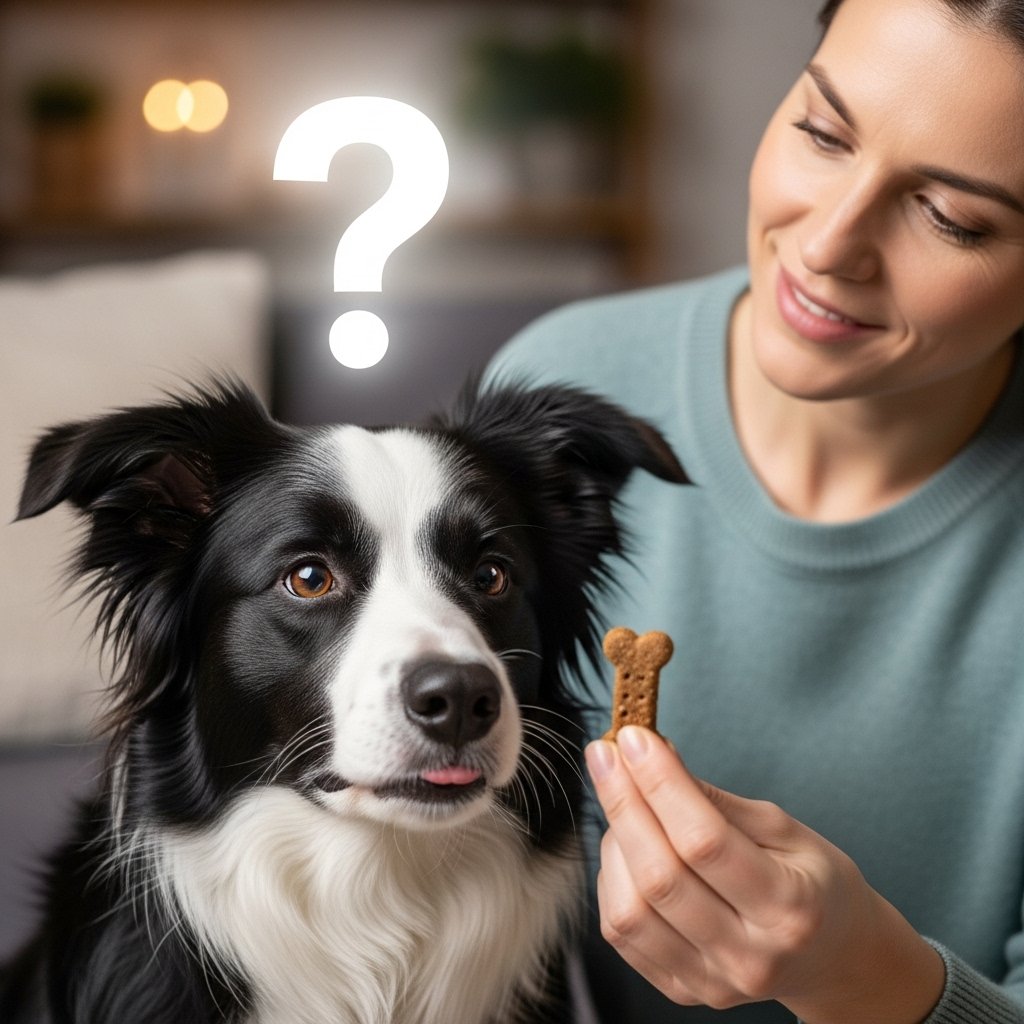
Troubleshooting: When the Pouting Stops
Is your pup giving you a blank stare instead of a sad face? Don’t fret! Training is never a straight line. Here are some common hurdles and how to clear them.
‘My Dog Never Pouts Naturally!’
Some dogs are less expressive with their mouths. If you’re struggling to capture the behavior, you can try to ‘lure’ it. One method is to hold a treat to their nose and then slowly lower it towards their chin. Sometimes, in an attempt to nibble the treat, they will push their lower jaw and lip out. The moment they do, click and treat! Another option is to gently touch their chin whiskers, which can sometimes trigger a lip movement. Be very gentle, and if your dog seems uncomfortable, abandon this method.
‘He’s Getting Frustrated and Barking!’
Frustration is a sign that the session has gone on too long or the step is too difficult. If your dog starts barking, pawing, or walking away, it’s time for a break. End the session with an easy win (like a simple ‘sit’) and give them a reward. Next time, make the task easier. Are you asking for a full pout too soon? Go back to rewarding just a tiny lip quiver. Shorter, more frequent sessions are always better than one long, frustrating one.
‘She’s Confusing ‘Pout’ with Another Trick!’
This is common, especially if you’ve recently taught another facial trick like ‘speak’ or ‘lick.’ It just means the cues aren’t distinct enough in her mind yet. Go back to the basics. Work on each trick in separate sessions. Use very different verbal cues and consider adding a unique hand signal for each. For the pout, you could try gently tapping your own chin as you say the word.
| Problem | Quick Solution | Underlying Reason |
|---|---|---|
| Dog isn’t offering the behavior. | Try luring with a treat near their chin or go back to simply observing for a few days. | The behavior isn’t happening naturally, or they haven’t connected the action with the reward yet. |
| Dog gets frustrated or bored. | End the session on a positive note with an easy command. Keep future sessions shorter (3-5 minutes). | The session is too long, the reward isn’t high-value enough, or the task is too hard. |
| The pout is weak or inconsistent. | Go back a step and reward smaller attempts (shaping). Ensure your click/marker is timed perfectly. | You may have raised the criteria too quickly. The dog needs more reinforcement for the basic action. |
| Dog offers a different trick. | Practice tricks in separate sessions and consider adding a clear hand signal for the pout. | Cue confusion. The dog is guessing what will earn a reward. |
Beyond the Basics: Making Your Dog’s Pout Picture-Perfect
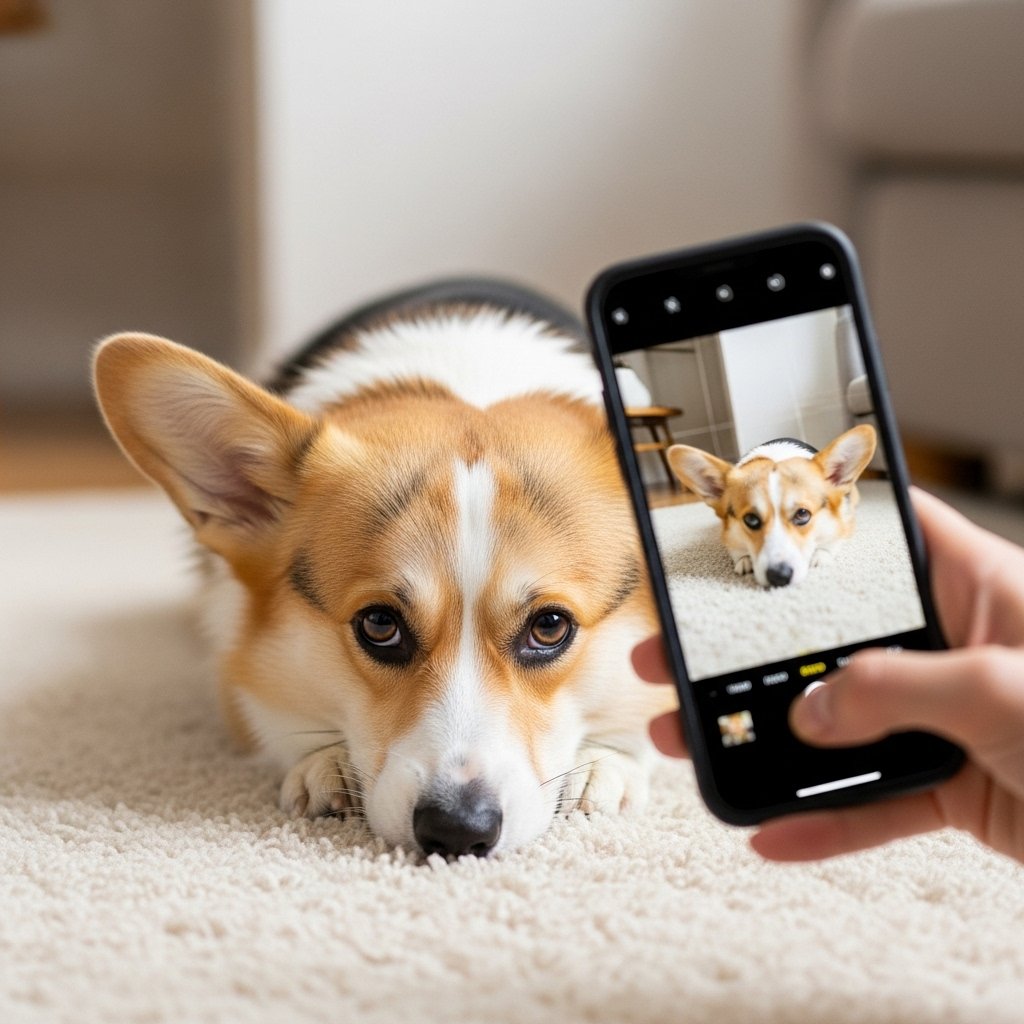
Beyond the Basics: Making Your Dog’s Pout Picture-Perfect
Congratulations, your dog is now a pouting professional! Now you can have some real fun with it. The goal is to make the trick reliable, durable, and ready for its close-up.
Building Duration
Right now, your dog’s pout might be a quick flicker. To get those frame-worthy photos, you’ll want to build some duration. Start by delaying your click/treat by a single second after they start pouting. When they can hold it for one second, try for two. Slowly and gradually increase the time they need to hold the position before the reward comes. If they break the pout, no big deal, just try again with a shorter duration next time.
Combining Cues for Extra Cuteness
The pout is adorable on its own, but it’s even better in combination with other tricks. Imagine the possibilities:
- ‘Pout’ + ‘Head Down’: The ultimate ‘I’m so sorry I chewed the shoe’ look.
- ‘Pout’ + ‘Look at Me’: Perfect for getting that soulful, eye-contact photo.
- ‘Pout’ + ‘Hold’: Ask your dog to gently hold a flower stem or a funny prop while pouting for a truly hilarious picture.
Capturing the Moment: Photography Tips
When it’s time for a photoshoot, set yourself up for success. Use a fast shutter speed to avoid blur. Get down on your dog’s level for a more engaging perspective. Natural light is always best, so try to shoot near a window or outdoors in a shady spot. And most importantly, keep it fun! If your dog isn’t feeling it, don’t force them. A happy dog will always give you the best pictures.
Remember: The goal of trick training is to enhance your bond. The photos and videos are just a happy bonus of the wonderful time you spend together.
Conclusion
You Did It! Enjoy Your Pouting Pro
And there you have it! From a tiny, accidental lip quiver to a full-blown, on-demand pout, you’ve guided your dog through a fun and rewarding learning process. You’ve done more than just teach a cute trick; you’ve spent quality time with your best friend, improved your communication, and given their brain a great workout. That’s something to be truly proud of.
Remember to keep practicing in short, fun bursts to keep the skill sharp. Use it to brighten your day, to make friends and family smile, and, of course, to dominate your social media with the most endearing photos imaginable. Every time your dog gives you that adorable pout on cue, it’s a testament to your patience, your partnership, and the incredible bond you share. Now go give that pouting pup a well-deserved snuggle!