Have you ever watched your dog on their birthday or a holiday and wished they could feel the magic of unwrapping a present just like a human kid? Well, what if I told you they can? Teaching your dog to search for their gift inside a bag is not only an incredibly adorable party trick, but it’s also a fantastic way to provide mental stimulation and strengthen your bond.
This isn’t about complex, serious training. It’s about creating a fun, engaging game that taps into your dog’s natural instincts to sniff and explore. It turns them from a passive recipient of a gift into an active participant in the celebration. In this guide, we’ll walk you through everything you need to know, from the supplies you’ll need to the easy-to-follow steps and safety tips to ensure the fun never stops. Ready to create a truly memorable moment with your furry best friend? Let’s get started!
Gearing Up for Success: What You’ll Need
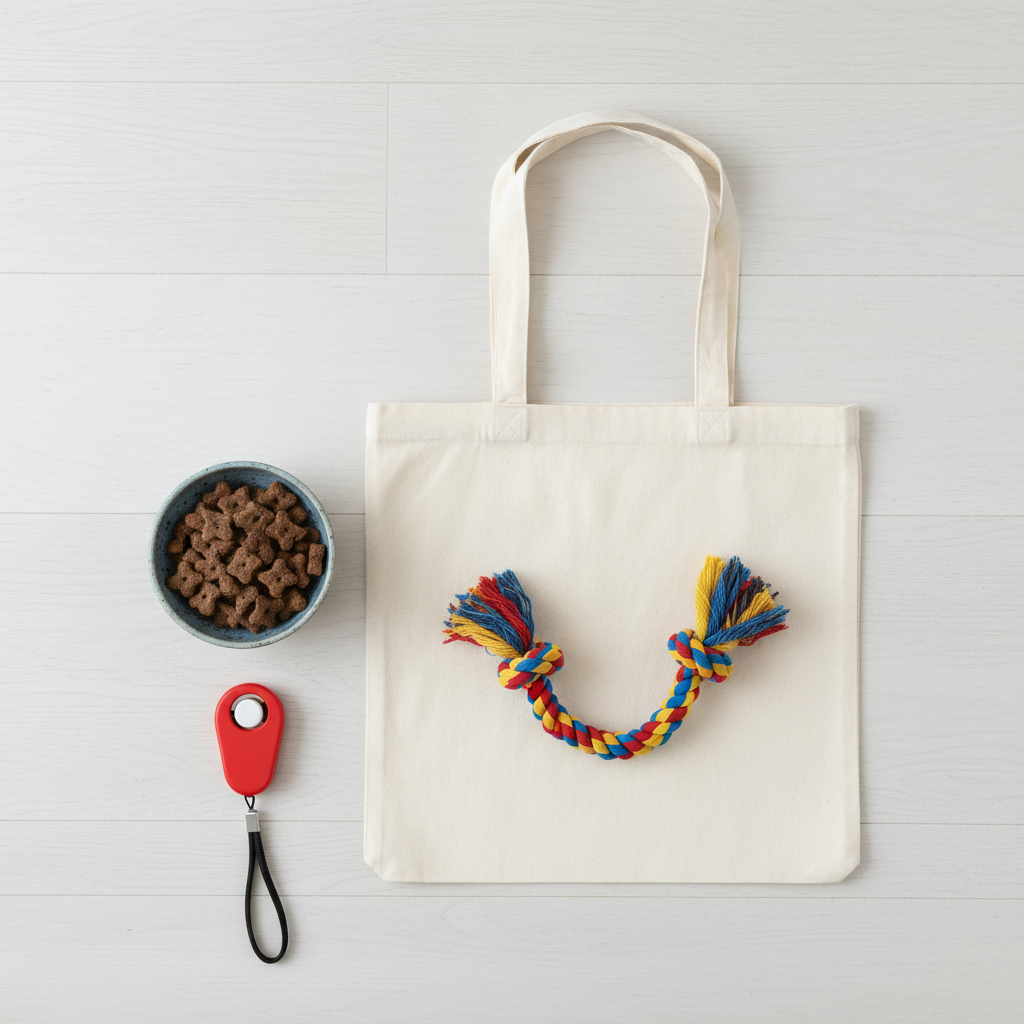
Before you jump into training, gathering a few key items will make the process smoother and more enjoyable for both you and your pup. You don’t need a professional trainer’s toolkit—just a few simple things to set the stage for success.
- A Dog-Safe Bag: This is your most important prop! Start with something sturdy and safe. A canvas tote bag or a thick paper gift bag works well. Crucially, make sure it doesn’t have long handles that could get tangled around your dog’s neck. If you’re using a decorative gift bag, remove any staples, glitter, plastic bits, or small, glued-on parts that could be ingested.
- High-Value Treats: We’re talking top-tier goodies here! Think small, smelly, and delicious morsels like tiny pieces of chicken, cheese, or their favorite commercial training treats. The goal is to make investigating the bag an irresistible proposition.
- A Prized Possession: This will be the ‘gift’ for the grand finale. It could be a brand-new squeaky toy, a favorite old ball, or a special chew. For early training, you might want to rub a treat on it to make it extra enticing.
- A Clicker (Optional): If you’re familiar with clicker training, it can be a fantastic tool for this trick. The click allows you to precisely mark the exact moment your dog does the right thing (like putting their nose in the bag), which communicates clearly and speeds up learning.
- A Positive Attitude and Patience: This is the most essential ingredient! Every dog learns at a different pace. Keep your energy upbeat, celebrate the small wins, and remember that the goal is to have fun together.
The Step-by-Step Guide to Bag Searching
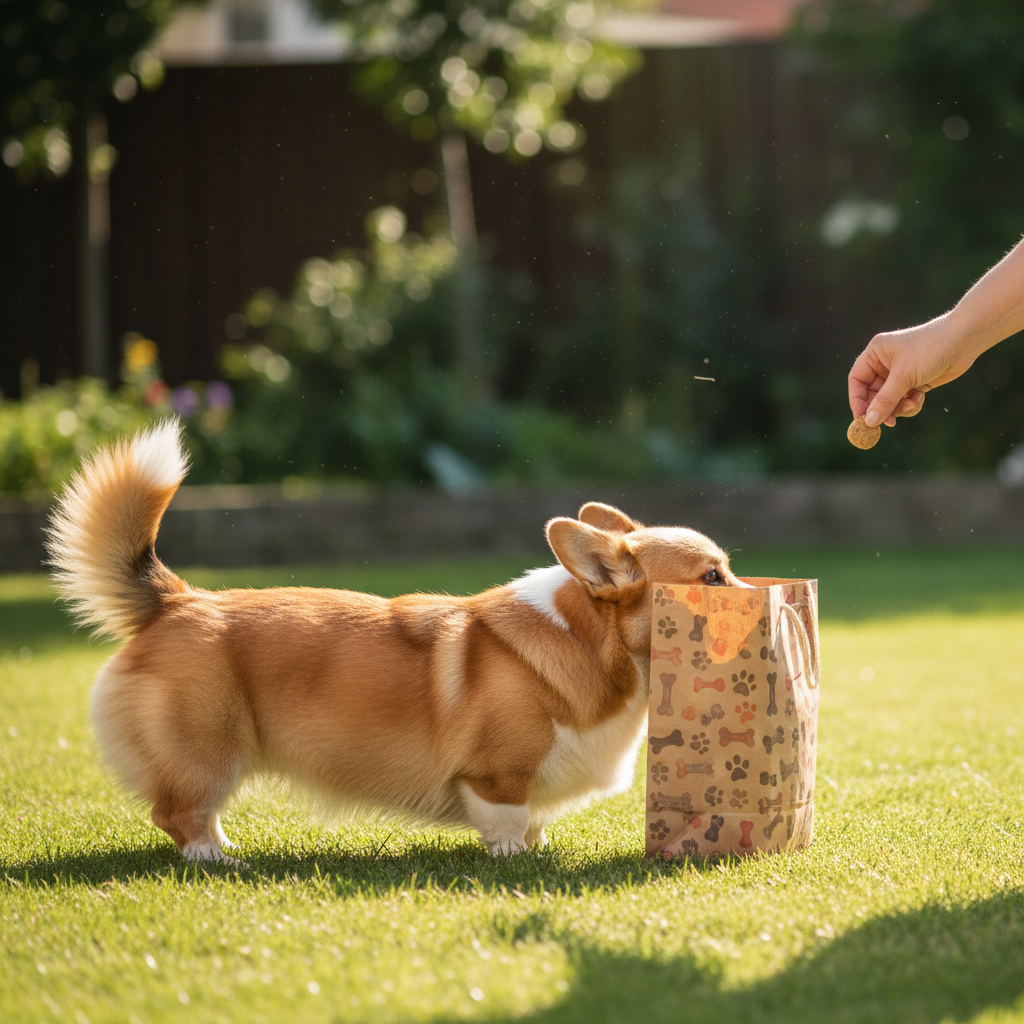
Alright, you’ve got your gear, you’ve got your treats, and your dog is looking at you with that hopeful, ‘what are we doing now?’ expression. It’s time to begin! We’ll break this down into simple, manageable steps. Keep sessions short—just 5-10 minutes at a time is perfect.
-
Step 1: Make Friends with the Bag
First things first, we need to ensure the bag is a friend, not a foe. Place the bag on the floor in your training area. Let your dog approach it at their own pace. The moment they sniff it, touch it with their nose, or show any calm curiosity, mark the behavior (with a ‘Yes!’ or a click) and give them a treat. Don’t force interaction. We want to build a positive association: Bag = Awesome Treats!
-
Step 2: The Gateway Treat
Now, let’s get them interacting more. While your dog is watching, place a high-value treat just inside the rim of the bag, in plain sight. Encourage them to get it. Most dogs will eagerly poke their nose in to retrieve the snack. When they do, praise them enthusiastically! Repeat this several times until they are confidently and quickly taking the treat from the edge of the bag.
-
Step 3: Going a Little Deeper
Once they’ve mastered the gateway treat, start placing it slightly deeper inside the bag. At first, maybe just an inch or two further in. The goal is to encourage them to put more of their head inside to reach the reward. Continue to mark and reward every successful attempt. If they seem hesitant, you’ve gone too deep too fast. Just go back to the previous, easier step for a few more repetitions before trying again.
Expert Tip: If your dog is struggling to commit, try holding the bag on its side at first. This makes it less intimidating than a deep, dark cavern. They can see the treat easily and just have to reach in, not down.
-
Step 4: Adding the Verbal Cue
When your dog is reliably putting their head all the way into the bag to find a hidden treat, it’s time to name the behavior. Just as they are about to put their head in, say your chosen cue in a happy, upbeat tone. Good cues are short and distinct, like ‘Find it!’, ‘Get your gift!’, or ‘In the bag!’. After saying the cue, let them perform the action and then reward them. Repetition is key to linking the words with the action.
-
Step 5: The Grand Prize Reveal!
This is the moment we’ve been working towards! Swap the treat for a toy. To make it easier at first, you can rub a tasty treat on the toy to make it smell extra appealing. Place the toy at the bottom of the bag. Give your cue (‘Get your gift!’). When your dog puts their head in and grabs the toy, throw a party! Praise them like they just won an Olympic gold medal. Encourage a little game of tug or fetch with the new toy as the ultimate reward. You’ve done it!
From Trick to Game: Upping the Challenge
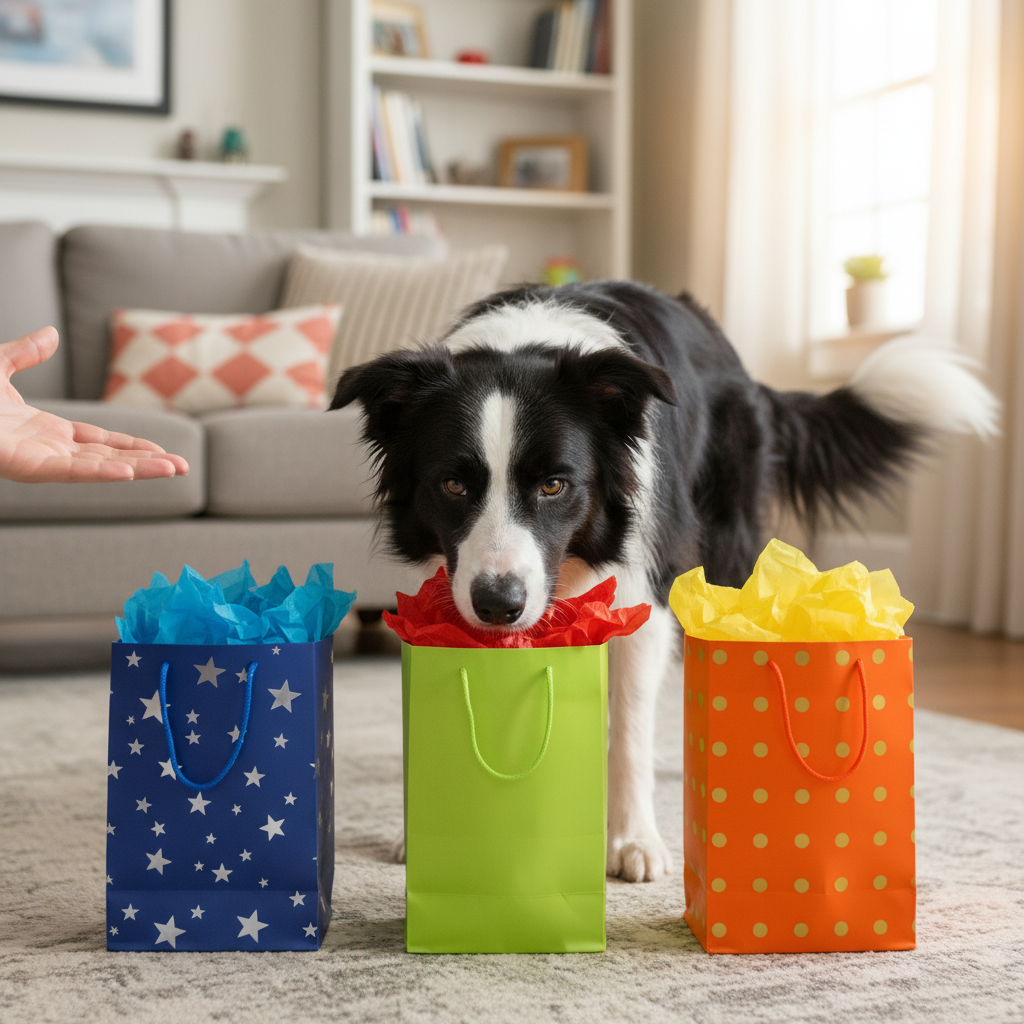
Once your dog has mastered the basic trick, you can turn it into an even more stimulating and impressive game. This is where the real enrichment begins, pushing their problem-solving skills and keeping the activity fresh and exciting.
Introduce a Shell Game
Place two or three bags on the floor, but only hide the ‘gift’ in one of them. Give your cue and let your dog use their incredible sense of smell to figure out which bag holds the treasure. This elevates the trick into a beginner’s scent work exercise, which is fantastic for building focus and confidence.
Play Hide-and-Seek
Instead of placing the bag right in front of them, place it partially behind a piece of furniture or in a corner of the room. This adds a layer of searching for the bag before they can search in the bag. Start with easy hiding spots and gradually make them more challenging as your dog gets the hang of it.
Vary the Container
Don’t just stick to one bag! Once they are pros, you can generalize the behavior to other safe containers. Try a cardboard box (with no staples or tape), a dog-specific puzzle toy, or even an old backpack (ensure all zippers and straps are secured and out of the way). This teaches your dog to apply their ‘search’ skill to different scenarios.
Oops! Troubleshooting Common Hurdles
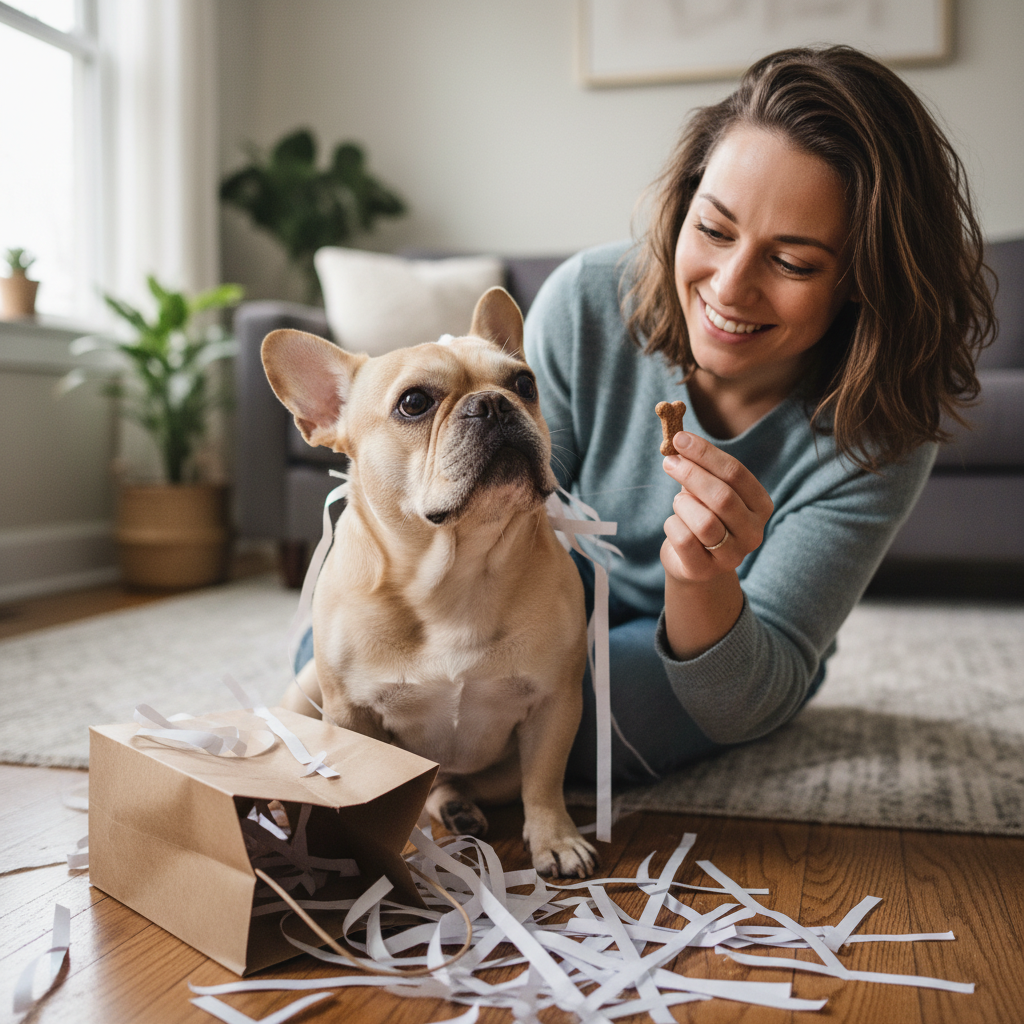
Sometimes, training doesn’t go exactly as planned. Don’t worry! It’s completely normal to hit a few bumps in the road. Here are some common issues and how to solve them with a little patience and creativity.
- ‘My dog seems scared of the bag.’
A crinkly, strange-smelling bag can be spooky for a timid dog. If this happens, go all the way back to step one. Leave the bag on the floor for a day or two, occasionally dropping high-value treats near it. Don’t pressure them. Let them learn at their own pace that the bag predicts wonderful things. You can also try a softer, fabric bag that makes less noise.
- ‘My dog just wants to shred the bag to pieces!’
For some dogs, especially puppies, ripping and shredding is half the fun! If you have a shredder, use a very durable canvas tote bag instead of paper. You can also work on teaching a ‘gentle’ cue with other items, rewarding your dog for mouthing things softly. For this trick, heavily reward any interaction that isn’t shredding, like a simple nose touch or a calm sniff.
- ‘My dog puts their nose in, but won’t grab the toy.’
This usually means the toy isn’t rewarding enough on its own yet. Go back to using treats for a few sessions. Then, try making the toy more exciting. Rub it with a bit of cheese or peanut butter, or use a brand new toy that squeaks. You can also try putting a few treats in the bag along with the toy, so they get rewarded just for being near it.
- ‘My dog loses interest really fast.’
This is a clear sign that your training sessions are too long! It’s always better to end a session with your dog wanting more, rather than pushing them to the point of boredom. Cut your session time in half. Aim for just two to three minutes of focused, high-energy fun, and then end with a jackpot of treats or a fun game. This keeps the ‘bag game’ a special and exciting event.
Safety First! Keeping the Fun Hazard-Free
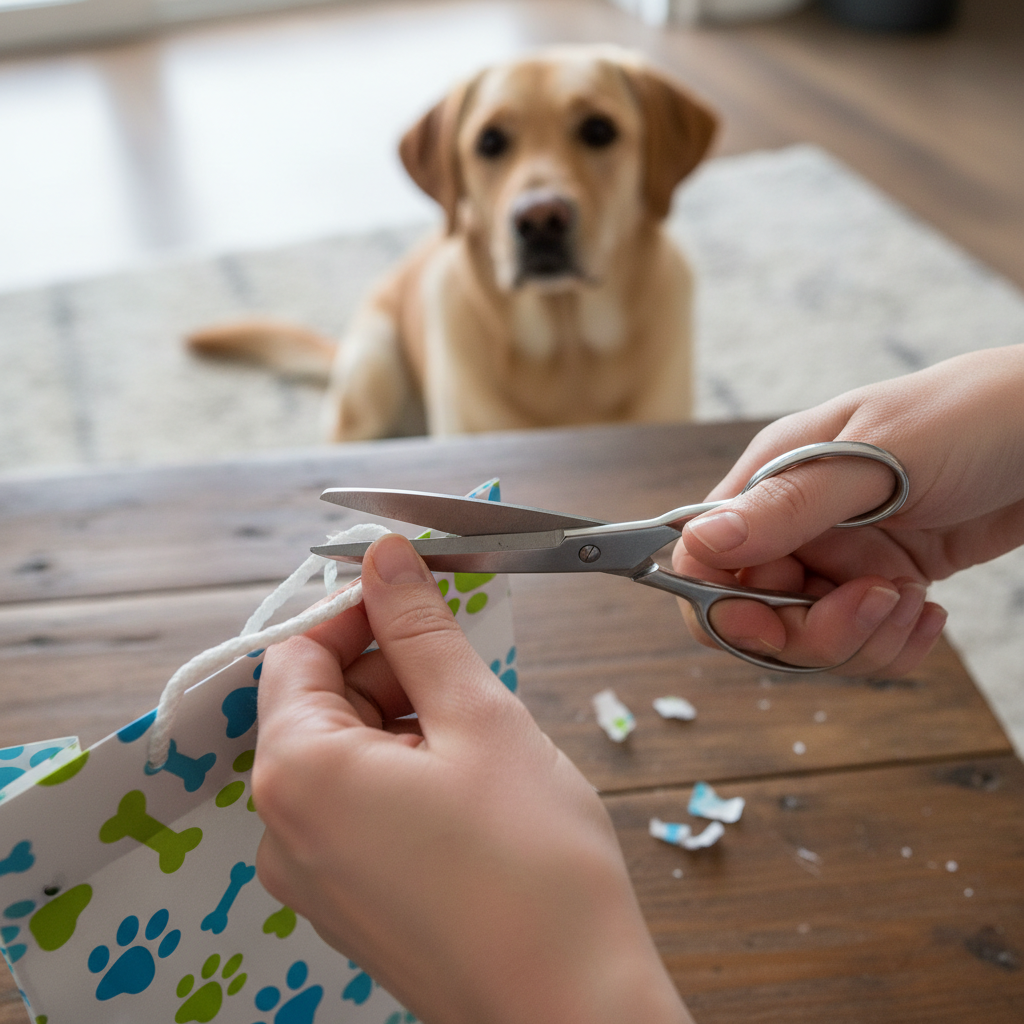
While this is a fun and generally safe activity, it’s our responsibility as pet parents to make sure it stays that way. Always keep these safety precautions in mind before and during your training sessions.
- Always Supervise: This is the number one rule. Never leave your dog unattended with a bag or any container they could get stuck in or ingest pieces of. This is an interactive game to be played together.
- Handle with Care: Long handles on tote bags or gift bags pose a serious strangulation risk. It’s best to cut them off entirely before using the bag for this game. Your dog’s safety is far more important than the bag’s aesthetics.
- De-Glitter and De-Staple: Before you hand over a decorative gift bag, give it a thorough inspection. Remove all staples, plastic tags, glued-on glitter, bows, and anything else that could be easily chewed off and swallowed, which could cause an intestinal blockage.
- Size Matters: Ensure the opening of the bag is wide enough for your dog to comfortably put their head in and out without any risk of getting stuck. If you have a large-breed dog, you’ll need a much larger bag than you would for a Chihuahua.
- Know When the Game is Over: This trick is for designated ‘gift’ bags during playtime. We don’t want to inadvertently teach our dogs to raid the grocery bags or your purse! Keep the ‘game’ bags separate and only bring them out for training sessions. After the game is over, put the bag away.
Conclusion
Congratulations! You now have all the tools and techniques to teach your dog one of the most charming tricks around. More than just a cute video opportunity, teaching your dog to find their gift in a bag is a powerful act of communication and a delightful enrichment activity. It builds their confidence, works their brain, and creates a special ritual that you can share during celebrations for years to come.
Remember to be patient, keep it positive, and most importantly, have fun. The real gift isn’t the toy in the bag—it’s the joyful moment of teamwork and connection you create with your amazing dog. Now go grab a bag and make some memories!