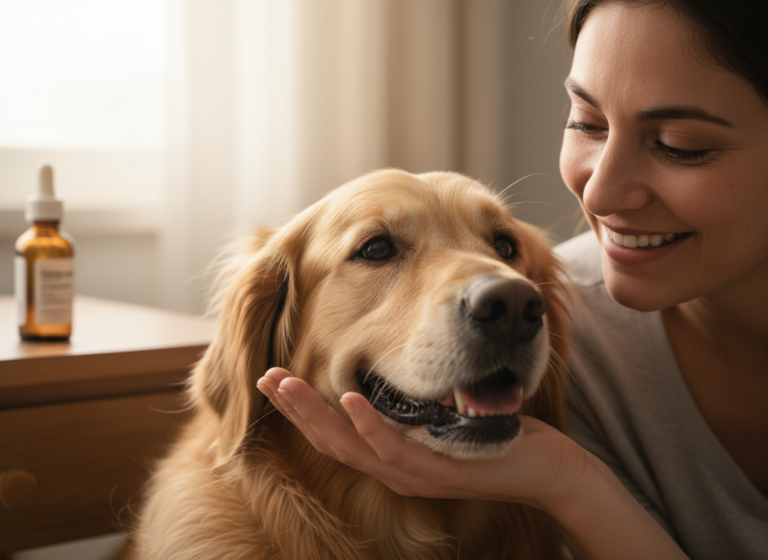
Picture this: You’re on a glorious, sun-drenched hike with your four-legged best friend. You’ve been walking for hours, and you’re both getting thirsty. You reach into your backpack for the water bottle, but your heart sinks—the collapsible water bowl is still sitting on the kitchen counter. Or maybe your car breaks down on a hot summer day, miles from the nearest town. In these moments, panic can set in. How do you keep your loyal companion safely hydrated?
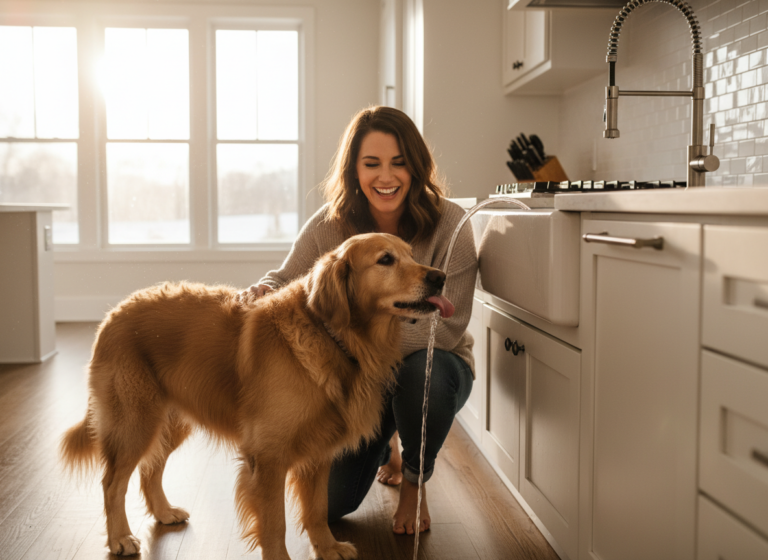
It might sound like a simple party trick, but teaching your dog to drink water from your cupped hands is one of the most practical and potentially life-saving skills you can impart. It’s about more than just convenience; it’s about preparedness. This simple act of trust ensures that you can provide your dog with essential hydration anytime, anywhere, using nothing more than a bottle of water and your own two hands.
In this guide, we’ll walk you through exactly why this skill is so crucial and provide a clear, step-by-step training plan to teach it to your pup. Get ready to build an even stronger bond with your dog and gain invaluable peace of mind for all your future adventures together.
Why Bother? Real-Life Scenarios Where Hand-Drinking is Crucial
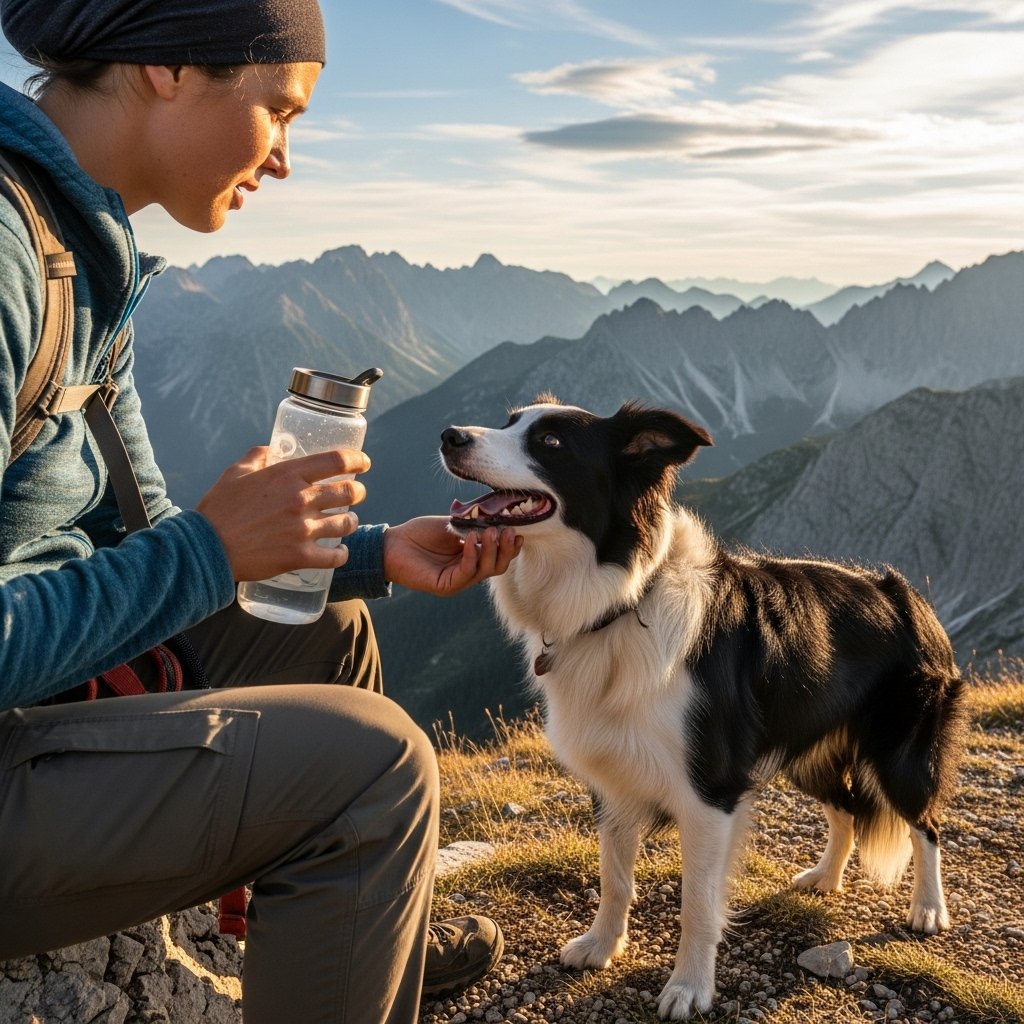
You might be thinking, ‘I’m pretty good about remembering the water bowl.’ And that’s great! But even the most prepared pet parent can get caught off guard. This skill isn’t for your everyday backyard water break; it’s for the unexpected. Let’s explore some real-world situations where knowing how to offer water from your hands can go from a neat trick to a critical necessity.
Adventures and a Forgotten Bowl
This is the classic example. You’re out exploring the world together—on a hiking trail, at the beach, or on a long road trip. You have plenty of water, but the delivery system is missing. In hot weather, a dog can become dehydrated surprisingly quickly. Being able to cup your hands and provide a drink can prevent overheating and heatstroke, turning a potential emergency into a minor inconvenience.
Post-Surgery or Illness
When a dog is recovering from surgery, an injury, or illness, they may be weak, disoriented, or in pain. They might not have the strength or desire to get up and walk to their water bowl. In these delicate times, you can bring the water directly to them in a gentle, non-intrusive way. Offering water from your hands can be a comforting gesture that encourages them to drink when they need it most.
Natural Disasters and Evacuations
In an emergency evacuation due to a fire, flood, or earthquake, things happen fast. You might have to leave your home with only a moment’s notice. In the chaos, grabbing the dog’s bulky water bowl might not be a priority. Having a ‘go-bag’ with bottled water is smart, but ensuring your dog will actually drink it without their familiar bowl is even smarter.
Helping a Lost or Scared Dog
If you ever come across a stray or lost dog, they are likely to be frightened and dehydrated. Approaching with a strange bowl could intimidate them further. Gently offering water from your hand is a much less threatening gesture. It can be a crucial first step in earning their trust and providing life-sustaining care until they can be safely rescued.
Expert Tip: Dehydration in dogs can be subtle at first. Key signs include lethargy, dry or sticky gums, sunken eyes, and a loss of skin elasticity. To check for this, gently lift the skin on your dog’s back. If it doesn’t snap back into place quickly, your dog may be dehydrated and need water immediately.
Setting the Stage: What You’ll Need Before You Start
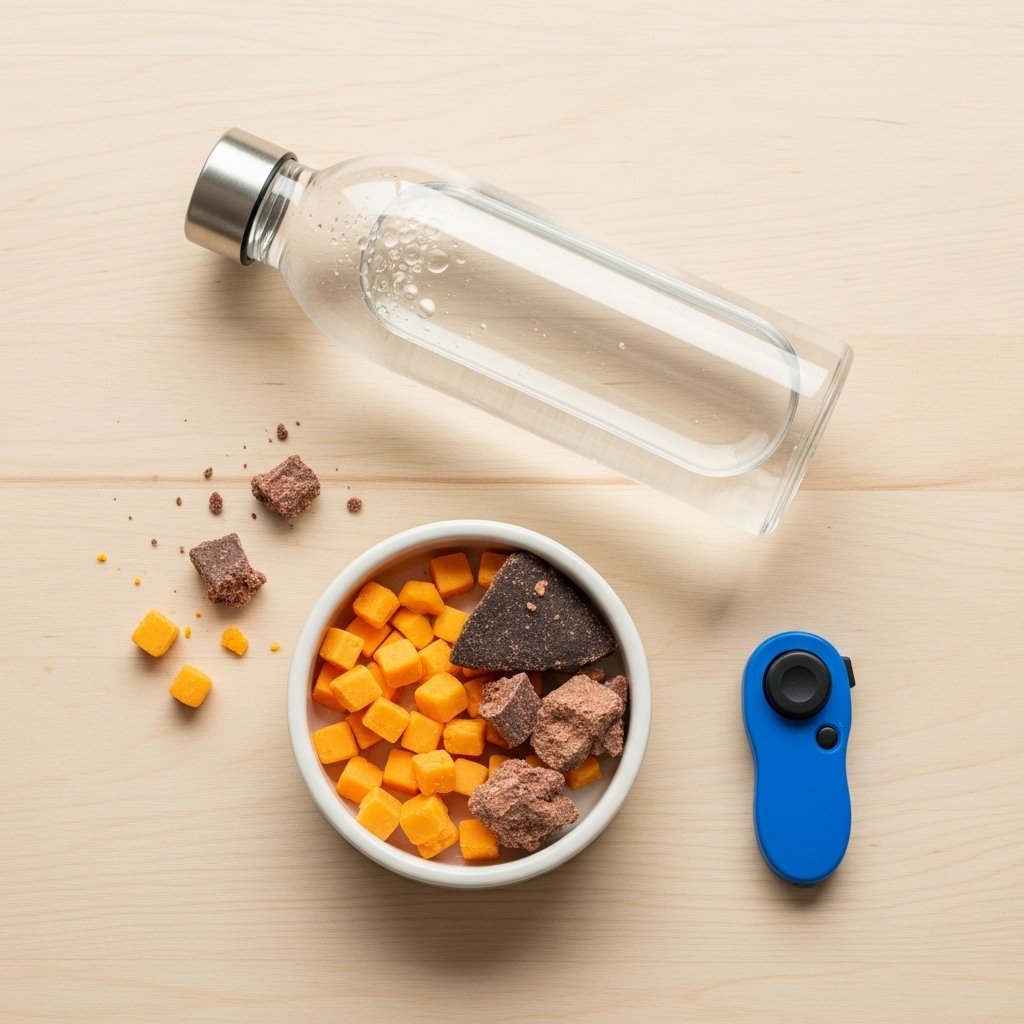
The beauty of this skill is its simplicity. You don’t need a cart full of fancy training gadgets. The most important tools are patience and a positive attitude! However, gathering a few key items will make the training process smoother and much more effective for both you and your pup.
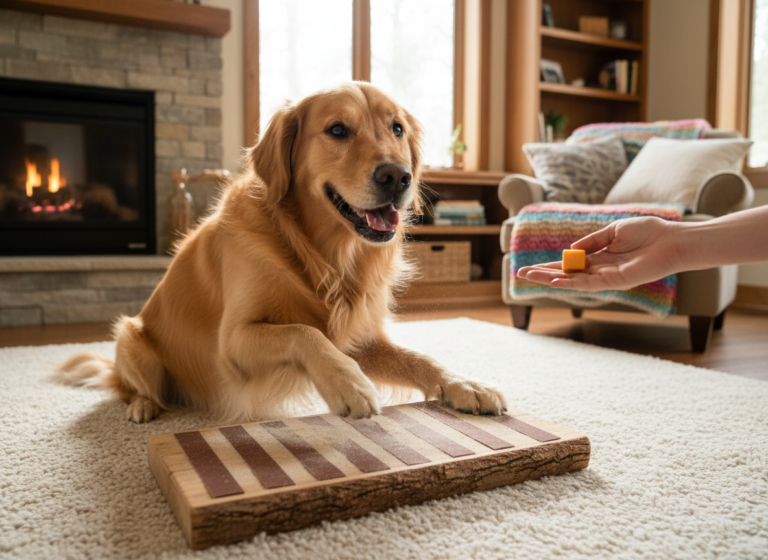
- High-Value Treats: We’re not talking about your dog’s everyday kibble. You need something special that your dog absolutely loves and will work hard for. Think small, pea-sized pieces of boiled chicken, cheese, or soft, smelly training treats. The goal is to make the association with your hands overwhelmingly positive.
- Clean, Fresh Water: Use a water bottle or a pitcher so you can easily pour small amounts as you train.
- A Clicker (Optional): If you’re familiar with clicker training, this is a fantastic tool for this exercise. A clicker allows you to mark the exact moment your dog does the right thing (like touching your hand or licking the water), which communicates your expectations with crystal-clear precision. If you don’t use a clicker, a verbal marker like a sharp “Yes!” works just as well.
- A Quiet, Low-Distraction Environment: Choose a calm space for your first few training sessions, like your kitchen or a quiet room in the house. You want your dog to be able to focus on you and the task at hand, not the squirrel outside the window or the mail carrier at the door.
- Patience and a Positive Vibe: Your dog feeds off your energy. Keep the sessions short (5-10 minutes is plenty), upbeat, and fun. If you or your dog gets frustrated, it’s time to take a break and try again later. End every session on a successful, positive note!
The Main Event: A Step-by-Step Guide to Teaching Hand-Drinking
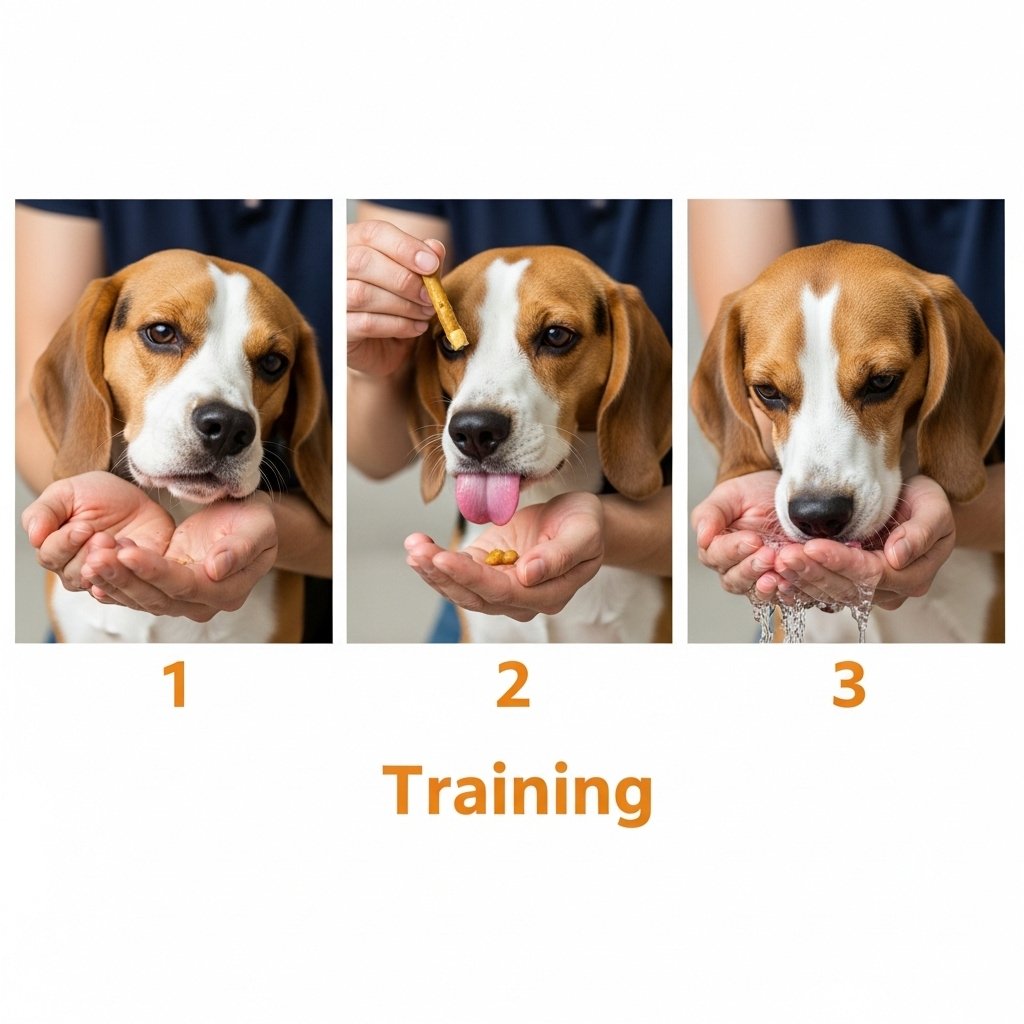
Alright, you’ve got your treats and your positive attitude—it’s time to get started! Remember, the key is to break this down into tiny, manageable steps. We’ll use a process called ‘shaping,’ where we reward small approximations of the final behavior until your dog fully understands the goal. Let’s go!
- Step 1: The Dry Run – Making Your Hand the Target. Before we even introduce water, we need to make your cupped hand a wonderful place to be. Cup one hand and hold it out to your dog. The moment their nose touches your palm, click (or say “Yes!”) and immediately give them a treat from your other hand. Don’t put the treat in the cupped hand yet. Repeat this 5-10 times until your dog is eagerly booping your cupped hand with their nose.
- Step 2: Add a Treat to the Cup. Now, place a high-value treat inside your dry, cupped hand. Let your dog eat the treat out of your hand. This teaches them that good things come directly from that cupped shape. Repeat a few times.
- Step 3: Just a Little Moisture. This is the big transition. Place a treat in your cupped hand and pour a tiny bit of water in with it—just enough to cover the bottom of your palm. Your dog will likely lick up some of the water as they go for the treat. The moment they do, praise them enthusiastically! They are now associating licking liquid from your hand with a reward.
- Step 4: Phasing Out the Lure. Once your dog is comfortably taking the treat from the little puddle of water, it’s time to remove the ‘lure.’ Offer your cupped hand with only a small amount of water in it. Out of habit, your dog will likely investigate and give it a lick. The instant their tongue touches the water, click/”Yes!” and give them a treat from your other hand. This is the ‘Aha!’ moment where they learn that licking the water itself is the behavior that earns the reward.
- Step 5: Increasing Volume and Fading Rewards. As your dog gets the hang of it, you can gradually increase the amount of water in your hand. You can also start to ‘fade’ the treats. Instead of rewarding every single lick, ask for two or three licks before you reward. Eventually, the refreshing drink of water becomes its own reward, especially when they’re thirsty!
- Step 6: Generalize the Skill. Your dog might be a pro at this in the kitchen, but will they do it in the backyard? Or on a walk? Start practicing in different environments to ‘generalize’ the behavior. Take a water bottle on your daily walk and pause to offer a drink from your hands. This solidifies the skill so it’s reliable when you actually need it in a new or stressful situation.
Hitting a Snag? Troubleshooting Common Training Challenges
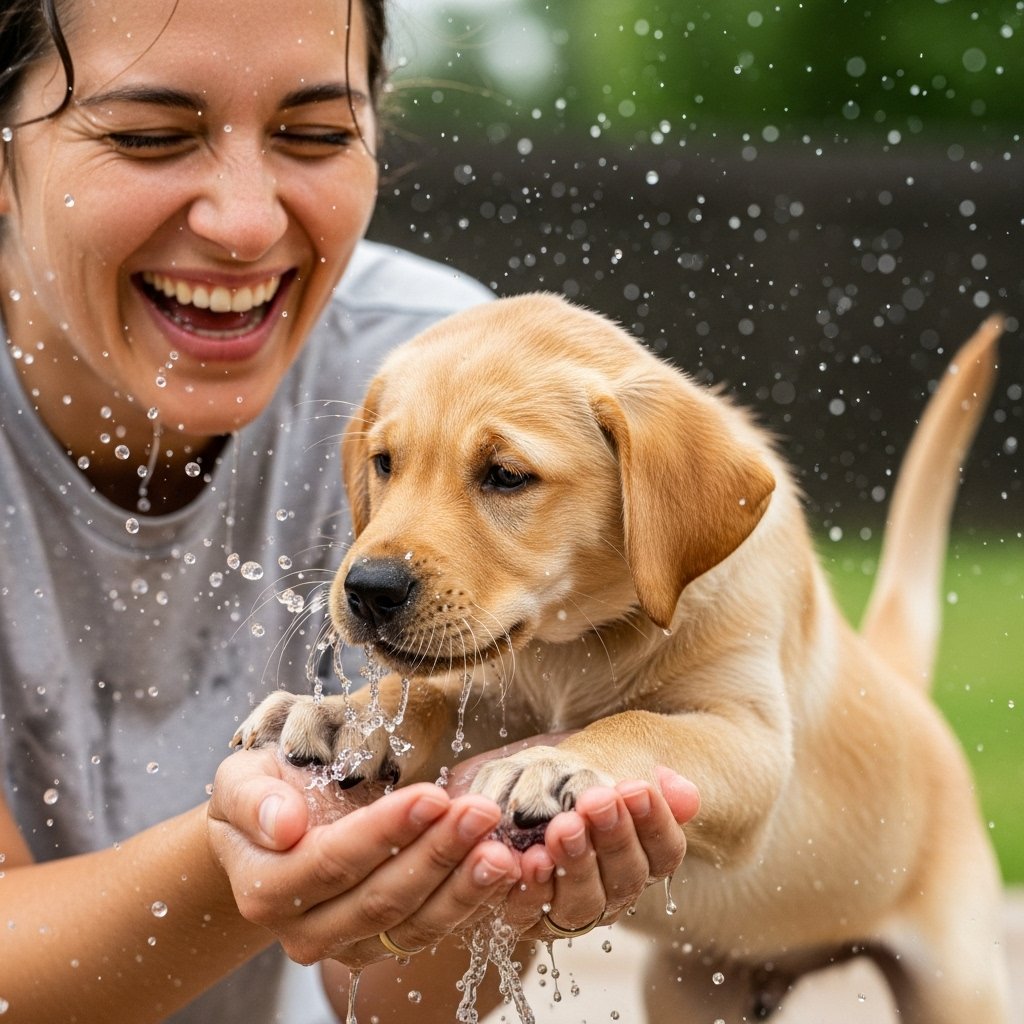
Training is rarely a straight line to success. It’s totally normal to hit a few bumps along the way. If you find yourself stuck, don’t worry! Here are some common challenges and how to work through them with a bit of patience and creative thinking.
Challenge: “My dog seems hesitant or scared of my cupped hand.”
Solution: This can happen, especially with rescue dogs who may have negative past experiences. Go all the way back to square one. Forget the cupped shape for a moment. Simply place treats on your flat palm and let your dog eat them. Do this for a few days to rebuild a positive association with your hand. Then, very gradually start to curl the edges of your hand up, rewarding your dog for continuing to take treats from the slightly cupped shape. Go slow and let your dog set the pace.
Challenge: “My dog just splashes the water everywhere with their nose!”
Solution: This is common with enthusiastic pups! It usually means you’re offering too much water too soon. Go back to a step where you were successful—likely with just a tiny bit of water. Let them master licking a small amount gently before you add more. You can also try practicing this in an area that’s easy to clean, like the bathroom, kitchen, or outside, to reduce your own stress about the mess.
Challenge: “They won’t lick the water unless there’s a treat in it.”
Solution: The lure is too strong! We need to make the water itself more enticing. Instead of plain water, try using a very small amount of low-sodium chicken or beef broth. The delicious smell and taste will encourage them to lick the liquid for its own sake. Once they are happily licking the broth, you can gradually start diluting it with more and more water over several training sessions until they are drinking plain water again.
Challenge: “We’ve been trying for a while, and my dog just doesn’t seem to get it.”
Solution: Take a break! It’s possible your training sessions are too long, and your dog is experiencing ‘training fatigue.’ Keep sessions short and sweet—just 3 to 5 minutes at a time, a couple of times a day. Always end on a positive note, even if it means rewarding a simple nose touch. Every dog learns at a different pace. Celebrate the small wins, stay positive, and your dog will get there.
Conclusion
Congratulations! By working through these steps, you’re not just teaching your dog a cool new trick—you’re investing in their safety and your peace of mind. The bond you build through this kind of patient, positive training is a reward in itself. Knowing that you can care for your dog in an unexpected situation, whether you’re miles from home or dealing with an emergency, is truly priceless.
Remember to practice this skill every now and then to keep it fresh in your dog’s mind. Offer a drink from your hands on a walk or during a car ride. The more you normalize it, the more reliable it will be when you need it most.
So, grab that water bottle and get started. Here’s to many more safe and happy adventures with your well-hydrated best friend by your side!