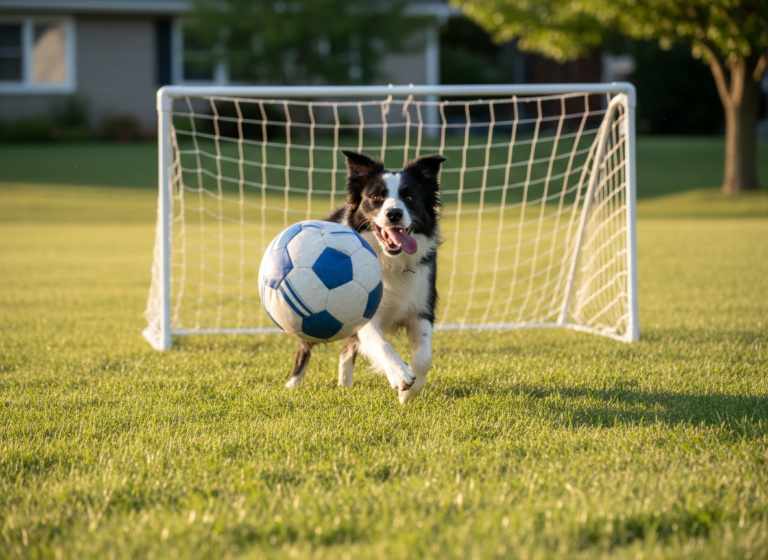
Is your dog giving you that look? The one that says, ‘I’ve napped, I’ve sniffed the entire yard twice, and now I’m bored out of my mind!’ We’ve all been there. A bored dog can quickly become a destructive dog, channeling their pent-up energy into chewing shoes, barking at squirrels, or redecorating your couch with fluff. But what if you could turn that boredom into a brain-boosting, bond-building, and incredibly fun game?
Welcome to the ultimate boredom buster: teaching your dog to find their hidden toys by name! This isn’t just a cool party trick; it’s a powerful form of canine enrichment that taps into your dog’s natural instincts to sniff and search. This game provides crucial mental exercise, which is just as important as physical exercise for a happy, well-behaved companion. In this guide, we’ll walk you through everything you need to know, from the very first step of naming a toy to the advanced level of complex hide-and-seek. Get ready to unlock a new level of communication and fun with your furry best friend!
Setting the Stage for Success: What You’ll Need
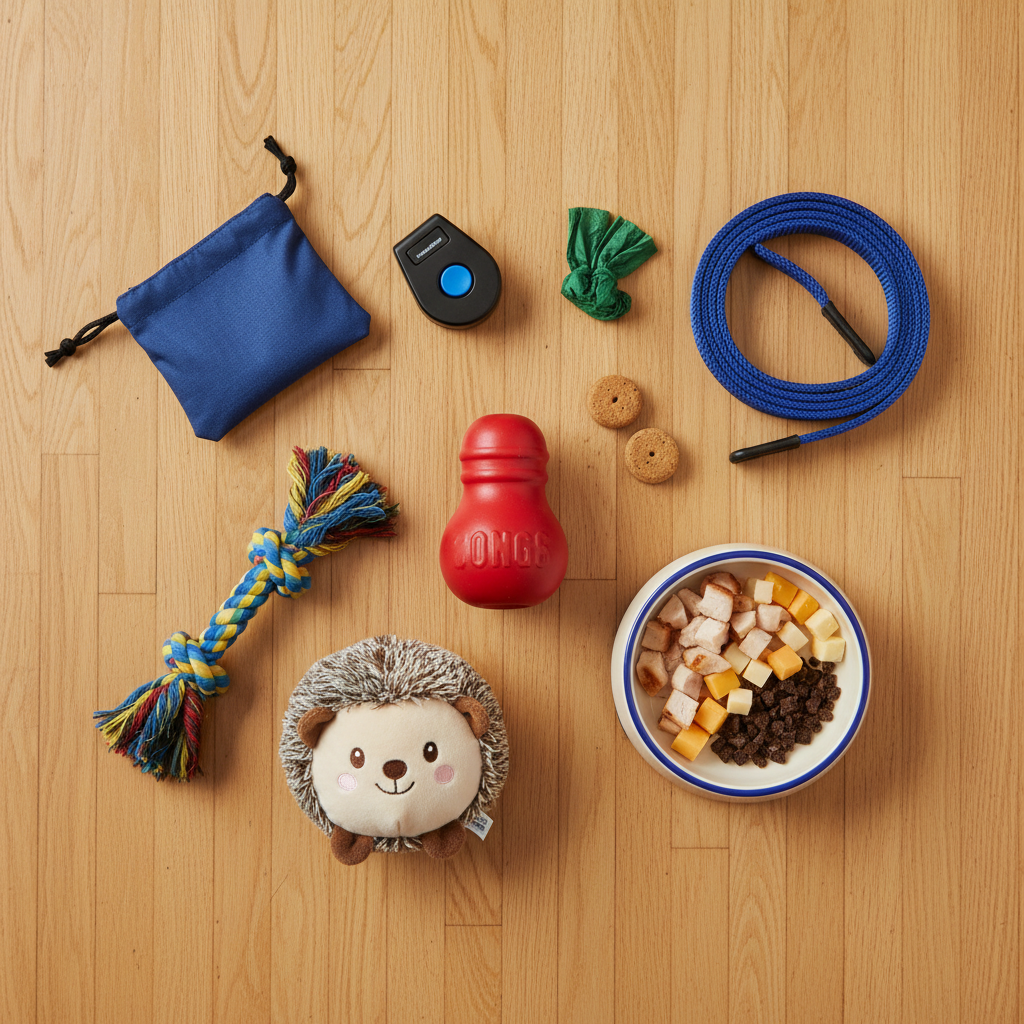
Before you and your furry detective jump into the game, let’s gather a few essential items. Having everything ready will make your training sessions smooth, fun, and effective. Think of this as preparing your game board!
The Essential Toolkit:
- Distinct Toys: Start with two or three toys that are very different from each other in shape, texture, and even smell. For example, a smooth rubber ball, a soft plush squeaky toy, and a braided rope toy. The more distinct they are, the easier it will be for your dog to tell them apart.
- High-Value Treats: This is key! You need rewards that your dog finds absolutely irresistible. Standard kibble might not cut it. Think small, smelly, and delicious morsels like freeze-dried liver, tiny pieces of cheese, or boiled chicken. The goal is to make your dog highly motivated to play the game.
- A Positive Attitude: This is the most important tool in your kit! Training should always be fun. Bring your energy, your patience, and lots of praise. Your dog feeds off your excitement, so if you’re having a good time, they will too.
- A Quiet Training Space: Begin in a room with minimal distractions. A living room or hallway where you can close the doors is perfect. As your dog gets better, you can gradually introduce more distracting environments.
Expert Tip: Keep your training sessions short and sweet, especially in the beginning. Aim for 5-10 minute sessions once or twice a day. It’s always better to end on a high note, leaving your dog wanting more, than to push them until they’re tired or frustrated.
Phase 1: The Name Game – Building Toy Association
The foundation of this entire game is getting your dog to understand that each toy has a unique name. This phase is all about creating a strong, positive association. We’re essentially building their vocabulary, one toy at a time. Patience is your best friend here!
Step-by-Step Guide to Naming a Toy:
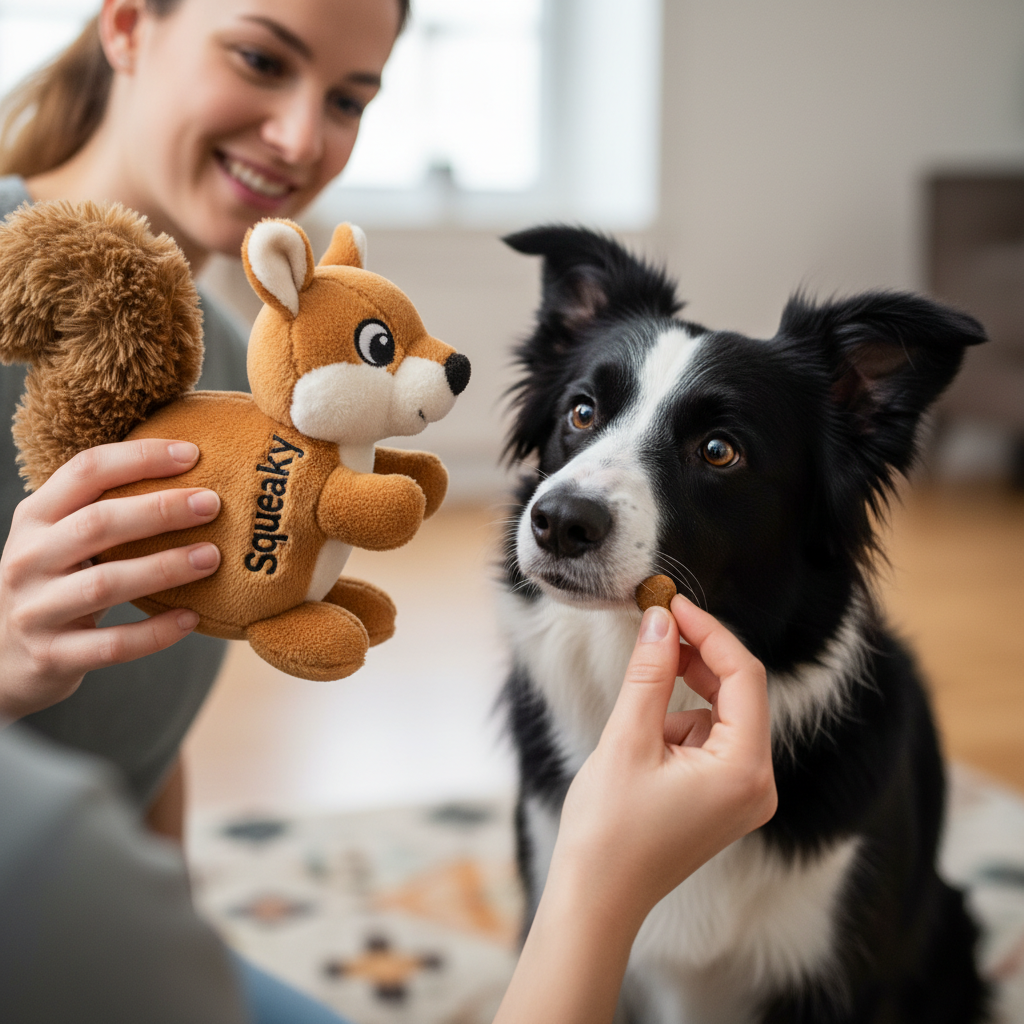
- Choose Your First Toy: Let’s start with just one. We’ll call our example toy ‘Squeaky’. Hold Squeaky in your hand so your dog can see it clearly.
- Say the Name, Give the Toy: With enthusiasm in your voice, say the toy’s name, “Squeaky!” The moment your dog shows any interest in it—looks at it, sniffs it, or touches it—immediately praise them warmly (“Good boy!”) and give them the toy to play with for a few seconds.
- Add a Treat: To supercharge the association, repeat the process. Say “Squeaky!” and when your dog interacts with the toy, praise them and give them a high-value treat. Then, let them have the toy.
- Repeat, Repeat, Repeat: Do this in short bursts over several days. The goal is for your dog’s brain to connect the sound “Squeaky” with that specific plush object and the wonderful things that come with it (praise, treats, and play).
- Introduce a Second Toy: Once your dog seems to reliably know the name of the first toy, it’s time to introduce a second one, let’s call it ‘Ropey’. Place Squeaky aside and repeat the exact same naming process with Ropey. It’s crucial to train each toy’s name individually at first to avoid confusion.
Important Takeaway: Don’t rush this phase! A solid foundation is everything. You’ll know your dog is starting to get it when you say “Squeaky” and their head immediately perks up and looks for that specific toy.
Phase 2: Let’s Play! Introducing the ‘Find It’ Cue
Okay, your dog is starting to recognize ‘Squeaky’ and ‘Ropey’. Now it’s time to turn this knowledge into an active game! We’ll introduce the ‘find’ cue and start with some very simple searches to build their confidence.
Kicking Off the Search Party:
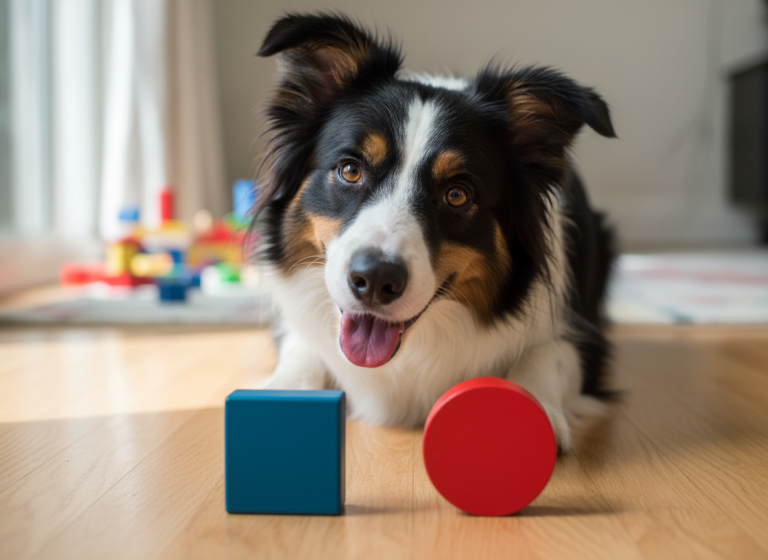
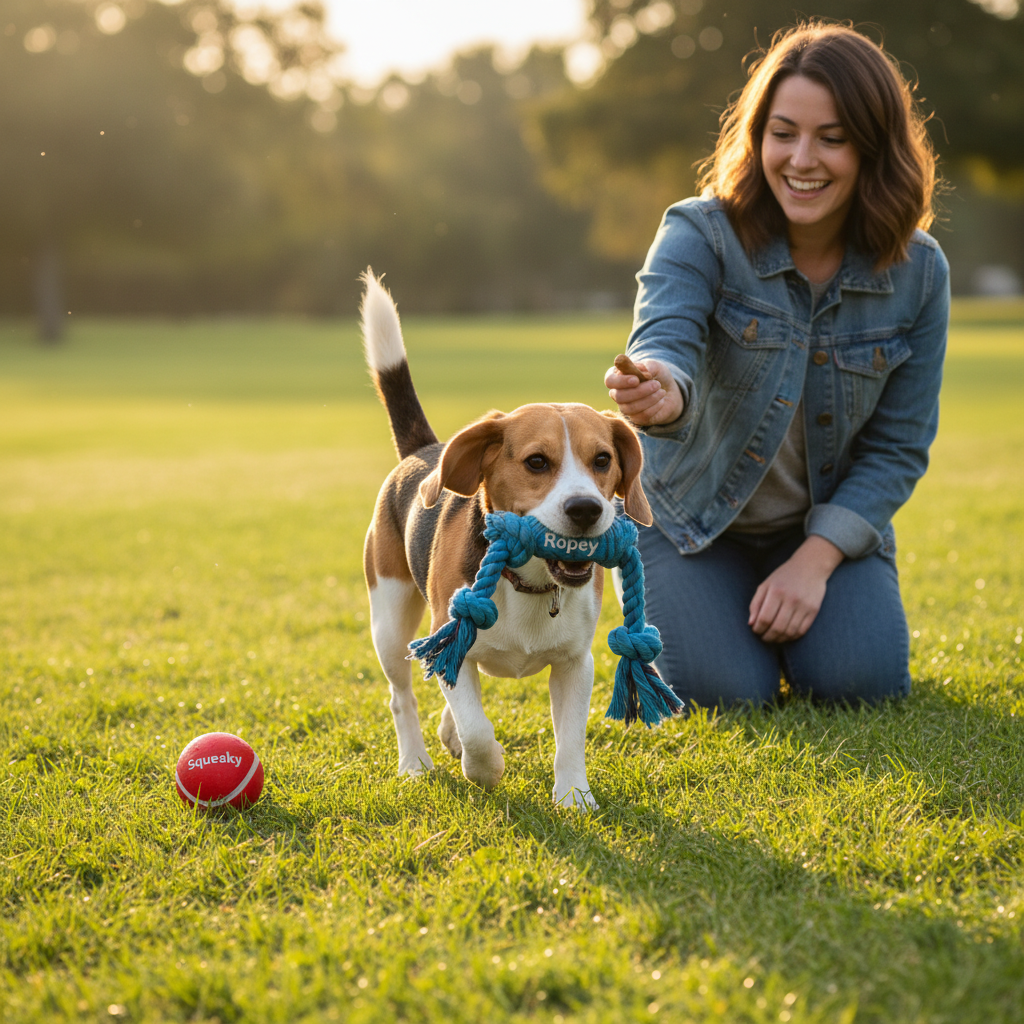
- The Simple Choice: Place the two named toys on the floor a few feet apart and a few feet in front of you. Make sure your dog sees you place them.
- Give the Cue: With an excited, playful tone, ask your dog, “Find Squeaky!” or “Go get Ropey!” You can point to the general area of the toys to help them at first.
- Reward the Right Choice: The moment your dog touches, picks up, or brings you the correct toy, throw a party! Lavish them with praise, give them a jackpot of treats (several in a row), and maybe even a quick game of tug with the toy they just found. This huge reward teaches them that they made the absolute best choice.
- What If They Choose Wrong? No problem! Don’t scold or say “no.” Simply don’t reward them. Calmly take the incorrect toy, reset the two toys on the floor, and try again. If they consistently pick the wrong one, it might be a sign you need to go back to Phase 1 and strengthen the name association.
- Increase the Distance: Once they’re successfully choosing the correct toy from a few feet away, start placing the toys a little further apart, or a bit further away from you. This encourages them to move and think more independently.
This phase is all about building confidence. We’re teaching the dog the rules of the game: ‘When my human says this word, my job is to locate and retrieve that specific item to get an amazing reward.’ Keep it light, fun, and overwhelmingly positive.
Level Up: Making the Game a Real Challenge
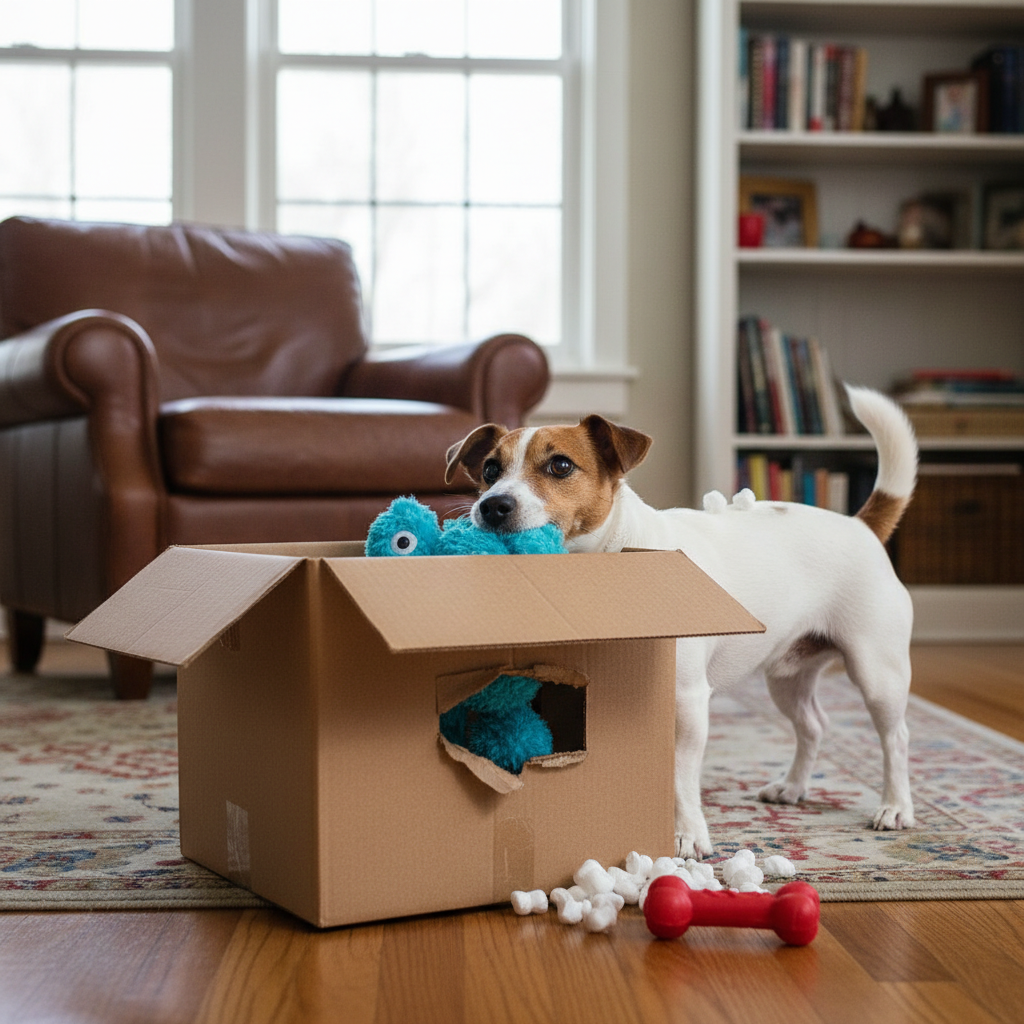
Once your dog is a pro at finding the right toy in plain sight, it’s time to up the ante and turn them into a true super-sniffer! This is where the real mental workout—and the real fun—begins. The key is to increase the difficulty gradually so your dog remains successful and doesn’t get frustrated.
Advanced Hide-and-Seek Ideas:
- The ‘Out of Sight’ Hide: Start with a very simple hide. Have your dog sit and stay (or have someone gently hold them). Let them watch you place their favorite toy just around a corner or behind a piece of furniture where it’s not immediately visible. Return to your dog, release them, and enthusiastically say, “Go find Squeaky!” Celebrate wildly when they succeed!
- Under a Blanket: Place the two toys on the floor and cover one of them with a light towel or blanket. Then, ask your dog to find the hidden one. This encourages them to use their nose more than their eyes.
- Multiple Rooms: As they get more confident, start hiding the toy in a different room. Initially, leave the door open so they have a clear path. The first time you do this, make the hide easy (e.g., just inside the doorway) so they understand the game has expanded.
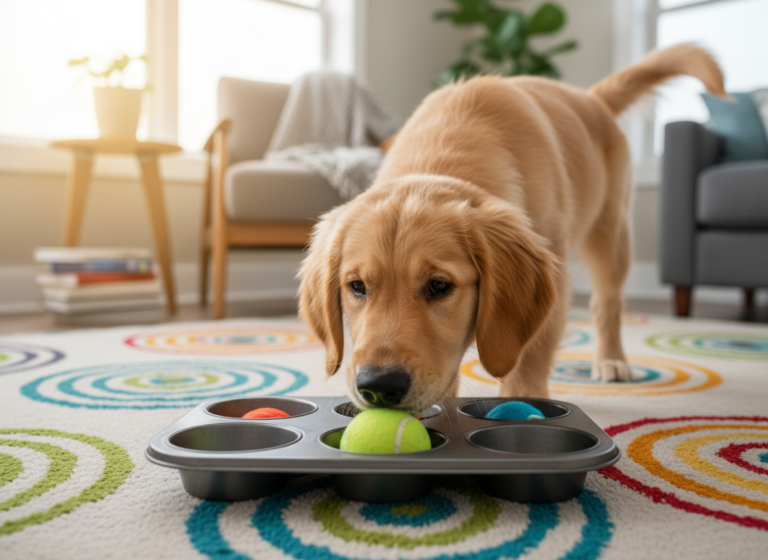
- Container Puzzles: Hide the toy inside an open cardboard box or a dog-safe puzzle. This adds an extra layer of problem-solving. They not only have to find the box but also figure out how to get the toy out.
- Increase the Number of Toys: Once your dog has mastered two or three toy names, slowly start introducing more to their vocabulary! Imagine being able to ask your dog to find any one of five or six different toys.
Expert Tip: Always set your dog up for success. A new challenge should only be slightly harder than the last level they mastered. If your dog fails to find a toy two times in a row, make the next hide much easier to rebuild their confidence before ending the session.
Troubleshooting: Navigating Common Bumps in the Road
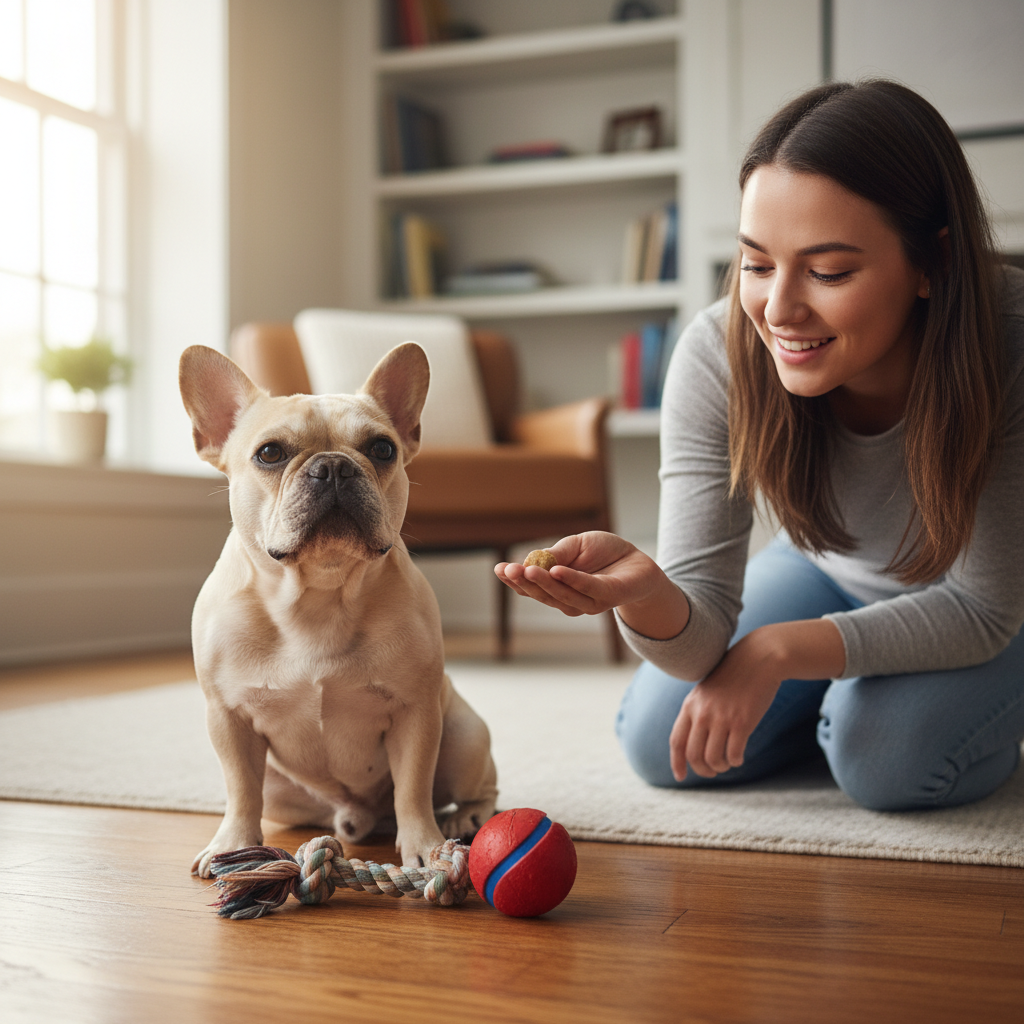
Even with the best training plan, you might run into a few hiccups. That’s completely normal! Dog training is rarely a straight line. Here’s how to handle some of the most common challenges you might face while teaching the ‘find it by name’ game.
Common Problems and How to Solve Them:
| The Problem | The Solution |
|---|---|
| My dog keeps bringing the wrong toy. | This almost always means the initial name association isn’t strong enough. Go back to Phase 1. Spend more time just naming the toys individually. Don’t move on to asking for a ‘find’ until your dog looks at the correct toy 9 out of 10 times when you say its name. |
| My dog loses interest halfway through. | There could be a few reasons. Are your treats exciting enough? Is the game getting too hard, too fast? Are your sessions too long? Try using higher-value rewards, make the hides easier for a bit, and shorten your training sessions to just a few minutes. Always end while they’re still engaged and having fun. |
| My dog finds the toy but won’t bring it back. | This is a retrieve issue, not a ‘find it’ issue. The reward needs to happen when they bring the toy to you. When they find it, don’t immediately treat them. Instead, get excited, call them back to you, and when they arrive with the toy, give them the jackpot reward. You can also practice trading the toy for a super-tasty treat. |
| My dog just seems confused and won’t search. | You’ve likely made the game too difficult too quickly. Go back to the last step where they were successful and practice that for a while. If you tried hiding it in another room and they got lost, go back to hiding it behind the couch in the same room. Rebuild their confidence with easy wins! |
Remember, the goal is mental stimulation and fun, not a perfect performance every time. Stay patient, be your dog’s biggest cheerleader, and adjust the difficulty as needed. Every dog learns at a different pace, so celebrate the small victories along the way!
Conclusion
You’ve done it! By teaching your dog to find their toys by name, you’ve given them more than just a new game—you’ve given them a job, a confidence boost, and a fantastic outlet for their incredible brainpower. This game is a beautiful way to enrich your dog’s daily life, turning lazy afternoons into exciting treasure hunts. It strengthens your communication and deepens the bond you share, proving that training can be one of the most joyful activities you do together.
Remember to keep practicing, introducing new toys and more creative hiding spots as your dog becomes a seasoned pro. The possibilities are endless! So next time you see that familiar, bored look on your pup’s face, you’ll have the perfect solution ready to go. Happy hiding!