Let’s be honest, the phrase “brush your dog’s teeth” can make even the most seasoned pet owner break into a cold sweat. The wrestling match, the head turning, the clamped jaw—it’s a familiar struggle for many. But what if I told you it doesn’t have to be this way? What if you could transform this dreaded chore into a delightful bonding moment that your dog actually looks forward to? It’s not a far-fetched dream; it’s entirely possible with a little patience and the right approach.
Good dental hygiene is just as crucial for our dogs as it is for us. Plaque and tartar buildup can lead to painful gum disease, tooth loss, and even serious health issues affecting the heart, kidneys, and liver. Regular brushing is the gold standard for preventing these problems. This guide will walk you through a simple, positive, and effective 3-step process to teach your dog not just to tolerate toothbrushing, but to genuinely love it. Get ready to say goodbye to the struggle and hello to a lifetime of healthy, happy smiles!
Gearing Up for Success: The Right Tools for the Job
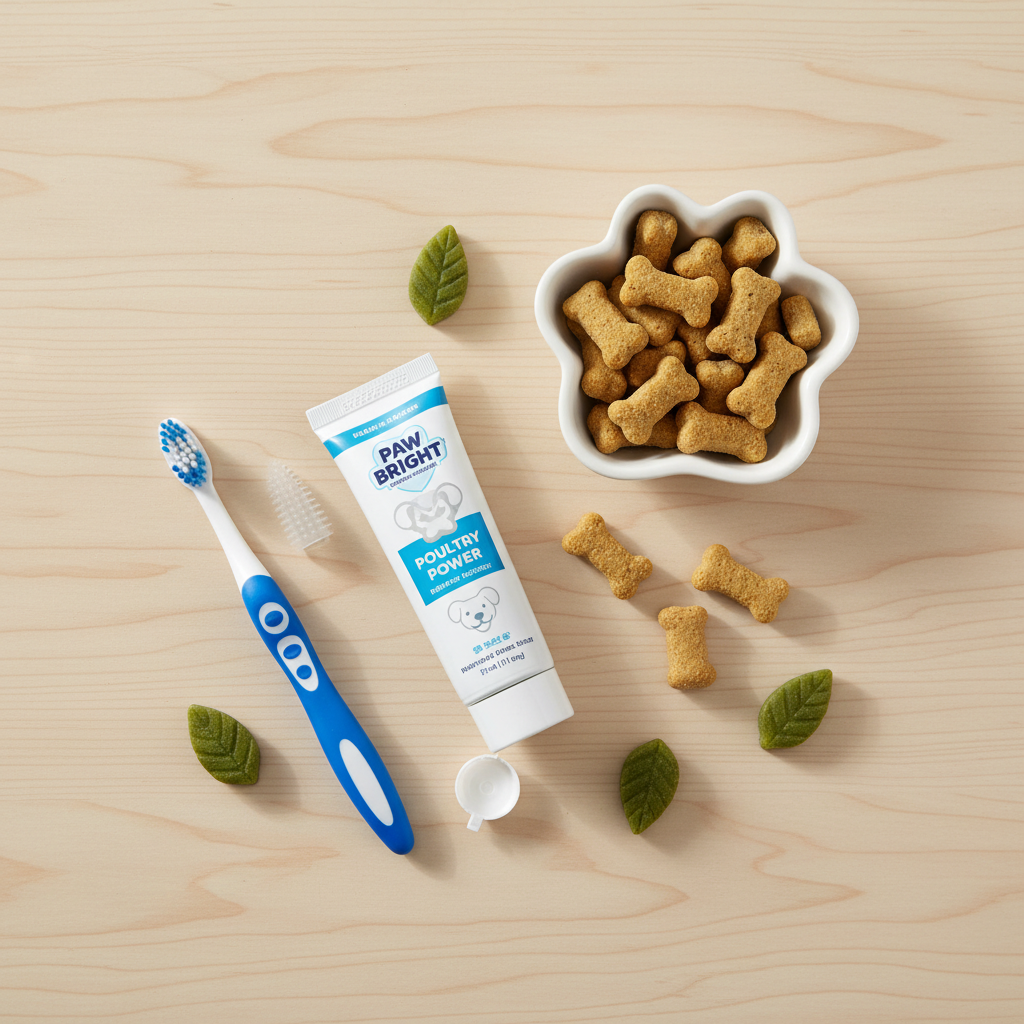
Before you even think about bringing a toothbrush near your dog’s mouth, it’s essential to set yourselves up for success. Having the right equipment makes the process safer, more effective, and much more pleasant for your pup. Think of it as preparing for a fun new activity rather than a medical procedure.
What You’ll Need:
- Dog-Specific Toothpaste: This is non-negotiable. Never use human toothpaste on your dog. It contains ingredients like fluoride and xylitol, which are toxic to dogs. Canine toothpaste is specially formulated to be safe for swallowing and comes in dog-approved flavors like poultry, beef, or peanut butter. This tasty treat is your secret weapon for creating a positive association!
- A Suitable Toothbrush: You have a few options here. There are long-handled brushes designed to reach back molars, dual-headed brushes that clean the inside and outside of teeth simultaneously, and even finger brushes that fit over your fingertip. A finger brush is often the best choice for beginners, as it feels more natural to the dog and gives you better control. Choose one with soft bristles to avoid irritating their gums.
- High-Value Treats: Grab your dog’s absolute favorite snacks—we’re talking the really good stuff! Small, soft treats that can be given quickly work best. These will be used to reward every small step of progress, reinforcing that this new activity is a wonderful thing.
- A Calm Environment: Choose a quiet, comfortable space where your dog feels relaxed and there are minimal distractions. Avoid starting this training right after a high-energy play session or when the house is chaotic.
Expert Tip: Let your dog have a little taste of the toothpaste off your finger before you even introduce the brush. If they see it as a delicious treat from the very beginning, you’ve already won half the battle!
Step 1: Making Friends with the Toothpaste and Toothbrush
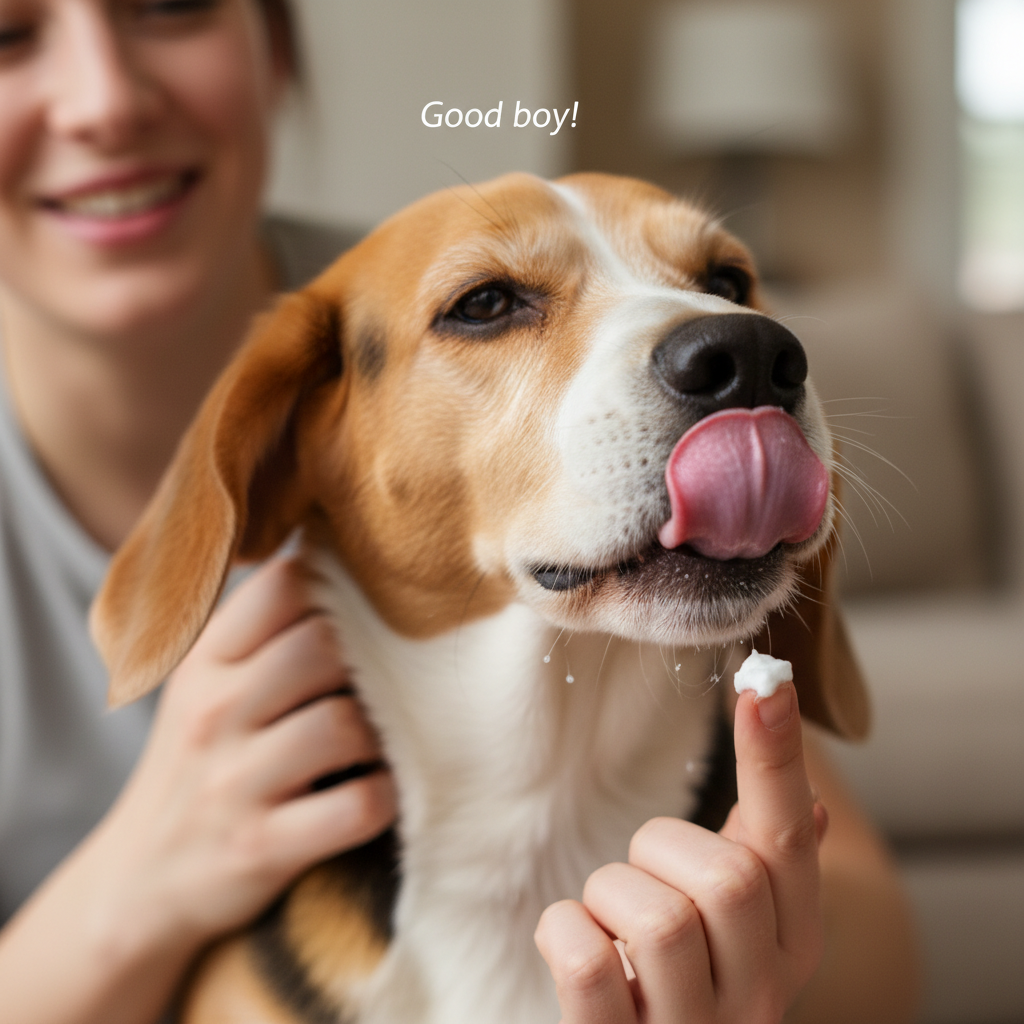
The goal of this first step is purely about introduction and positive association. We are not brushing any teeth yet! This phase is all about teaching your dog that the toothpaste is delicious and the toothbrush is a harmless, interesting object. Patience is key here; you may spend several days or even a week on this step alone, and that’s perfectly okay.
Introducing the Toothpaste:
- Start by putting a tiny dab of the dog-friendly toothpaste on your finger.
- Let your dog sniff and lick it off. As they do, praise them enthusiastically with a happy voice, saying things like “Good job!” or “Yes!”.
- Repeat this a few times over a short session (1-2 minutes is plenty).
- Do this once or twice a day for a few days. You want your dog to get excited when they see the toothpaste tube come out.
Introducing the Toothbrush:
- Once your dog is a fan of the toothpaste, it’s time to introduce the brush. Let them sniff the toothbrush (without any paste on it yet). The moment they touch it with their nose, reward them with a treat and praise.
- Next, put a little of the tasty toothpaste on the brush and let them lick it off. Don’t try to move the brush into their mouth; just hold it steady for them. Reward and praise!
- Repeat this process for a few short sessions until your dog is eagerly approaching the toothbrush to lick off the paste.
Remember, we are building a foundation of trust. Every interaction with these tools should end on a positive note. If your dog seems hesitant or backs away, you’re moving too fast. Simply go back a step to where they were comfortable and work from there.
Step 2: The Gentle Touch – From Finger to Brush
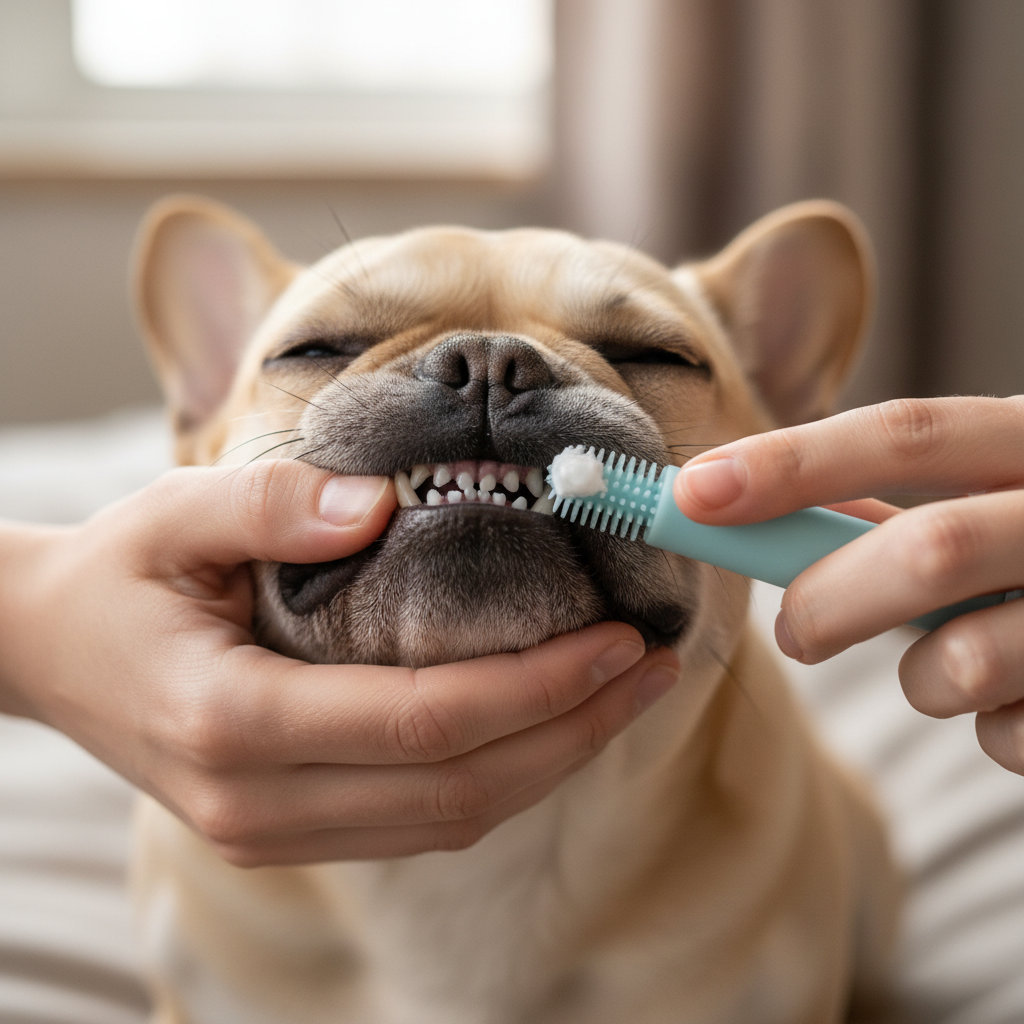
Now that your dog sees the toothpaste as a treat and the toothbrush as its delivery system, we can start introducing the concept of having something touch their gums and teeth. We’ll continue to move slowly and make everything a fun game.
Getting Comfortable with Mouth Handling:
- With a dab of toothpaste on your finger, gently rub it on the outside of your dog’s front teeth and gums. Start with just a quick swipe, then praise and treat.
- Gradually increase the duration. Over several sessions, work your way from a quick swipe to gently rubbing your finger along their entire gum line on one side. Then practice on the other side.
- Your goal is to be able to lift their lips and touch their teeth and gums without any resistance. Always keep the sessions short, positive, and full of rewards.
Transitioning to the Brush:
- Once your dog is completely comfortable with you touching their mouth with your finger, it’s time to re-introduce the brush.
- Put the toothpaste on the brush (a finger brush works great here) and let them lick it. As they are licking, gently lift their lip and let the bristles just rest against their teeth for a second. Then pull back, praise, and treat!
- Repeat this, gradually increasing the time the brush rests on their teeth. The key here is no brushing motion yet. We are simply desensitizing them to the feeling of the bristles against their teeth.
Takeaway: This step is the bridge between tasting and brushing. By associating the touch inside their mouth with the delicious toothpaste and your happy praise, you’re teaching them that this process is safe and rewarding.
Step 3: Putting It All Together – The Brushing Motion
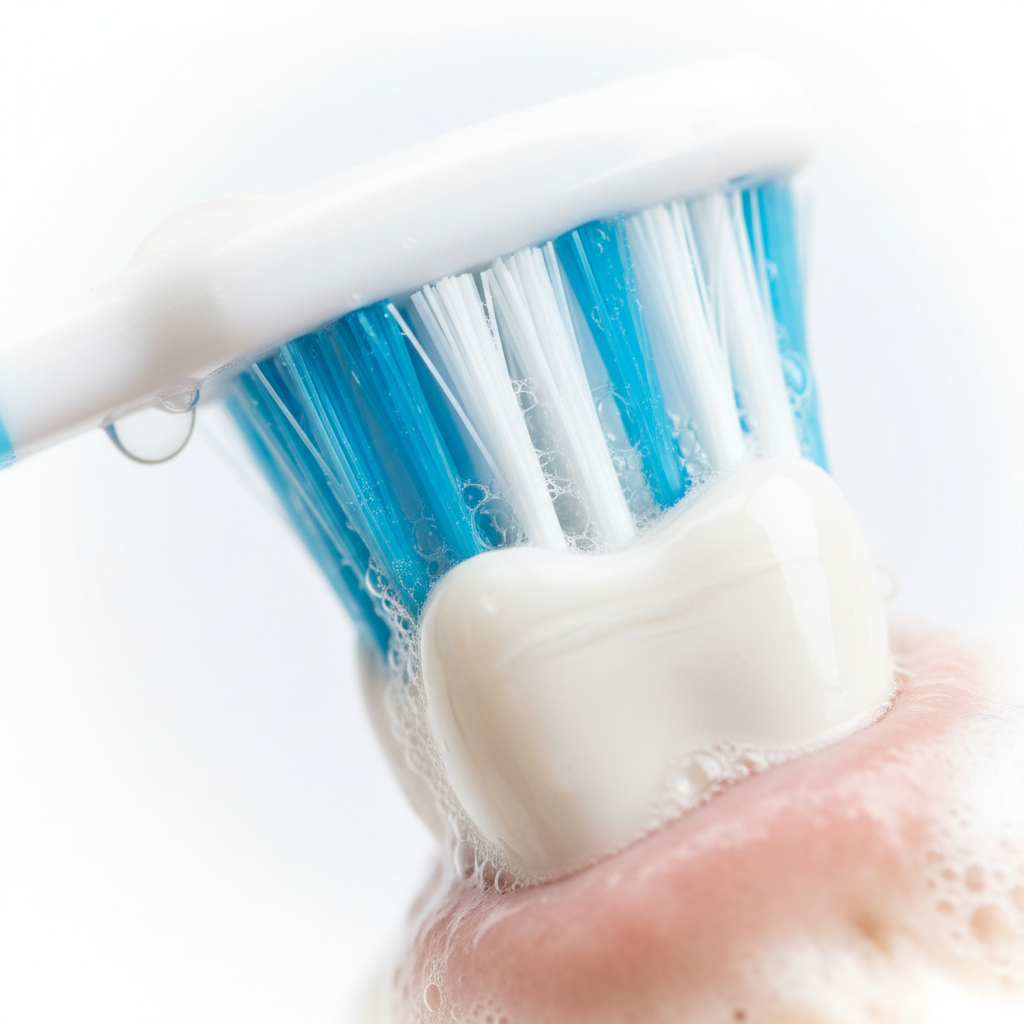
This is the moment we’ve been working towards! Your dog loves the toothpaste, accepts the brush, and is comfortable with you touching their teeth. Now it’s time to introduce the actual brushing motion. The secret is to start small and build from there.
The First Brush Strokes:
- Apply toothpaste to the brush and let your dog have a lick.
- Gently lift their lip and place the brush against their teeth, just as you practiced in Step 2.
- This time, make one or two small, gentle circular motions on a single tooth (the large canine teeth are often the easiest to start with).
- Immediately stop, praise them like they just won an Olympic medal, and give them a jackpot of treats!
Building Up Duration and Coverage:
Your first real brushing session might only last 10 seconds, and that’s a huge success! From here, you’ll slowly build up the duration and the number of teeth you brush over many sessions.
- Session by Session: Add one or two more brushing circles or move to an adjacent tooth each time.
- Focus on the Outside: Concentrate on the outer surfaces of the teeth, as this is where most tartar accumulates. Don’t worry about the inside surfaces initially; the dog’s tongue does a decent job of keeping those cleaner.
- Make it a Routine: Aim to brush your dog’s teeth daily, or at least a few times a week. Consistency is more important than marathon brushing sessions. A quick, positive 30-60 second brush every day is far better than a stressful 5-minute struggle once a month.
- End on a High Note: Always, always, always end the session while your dog is still happy and engaged. Don’t push them to their limit. This ensures they’ll be excited for the next session.
Troubleshooting and Pro Tips for a Lifetime of Healthy Smiles
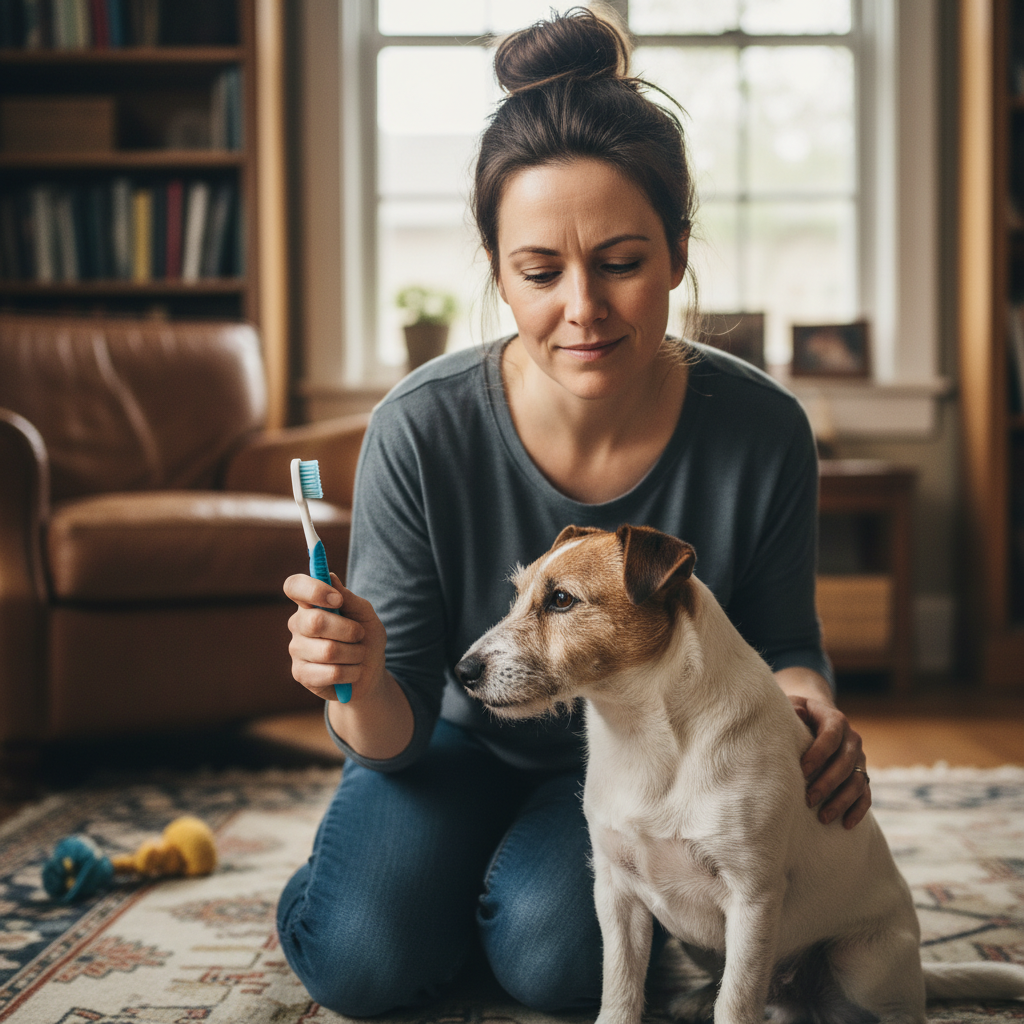
Even with the best plan, you might hit a few bumps in the road. Don’t get discouraged! Here’s how to handle common issues and a few pro tips to keep things running smoothly.
Common Sticking Points and How to Fix Them:
- My dog keeps chewing the toothbrush: This is very common! Instead of pulling it away, which can turn it into a game of tug-of-war, gently hold the brush steady. Let them mouth it for a moment, and as soon as they stop, praise and reward. You can also try redirecting their attention by moving the brush to a different spot in their mouth.
- My dog turns their head away: This is a clear sign you’re moving too fast or applying too much pressure. Go back a step to where they were comfortable. Maybe that means just letting them lick paste off the brush for a few sessions before trying to touch their teeth again. Keep sessions extra short and the rewards extra high.
- My dog seems scared or anxious: Body language is everything. If you see yawning, lip licking, or a tucked tail, stop immediately. End the session with a simple, positive action they enjoy, like licking paste from your finger. When you try again later, break the steps down even further. Your goal is to build confidence, not create fear.
Do’s and Don’ts of Doggy Dental Care
| Do ✅ | Don’t ❌ |
|---|---|
| Keep sessions short and positive. | Don’t ever punish or scold your dog. |
| Use a dog-specific, enzymatic toothpaste. | Don’t use human toothpaste. |
| Reward generously for every small success. | Don’t push your dog past their comfort zone. |
| Be patient and consistent. | Don’t expect perfect results overnight. |
| Make it a fun, daily routine. | Don’t turn it into a wrestling match. |
Conclusion
Congratulations! You now have the complete playbook to transform toothbrushing from a dreaded duel into a daily delight. By following these three core steps—making friends with the tools, introducing the gentle touch, and finally, putting it all together—you are building a foundation of trust and positive reinforcement. Remember that every dog learns at a different pace. The most important ingredients are your patience, your consistency, and your positive attitude. Celebrate the small victories, keep the sessions short and fun, and before you know it, your dog will be coming running when they see the toothbrush. You’re not just preventing painful dental disease; you’re investing in your dog’s long-term health and strengthening the incredible bond you share.