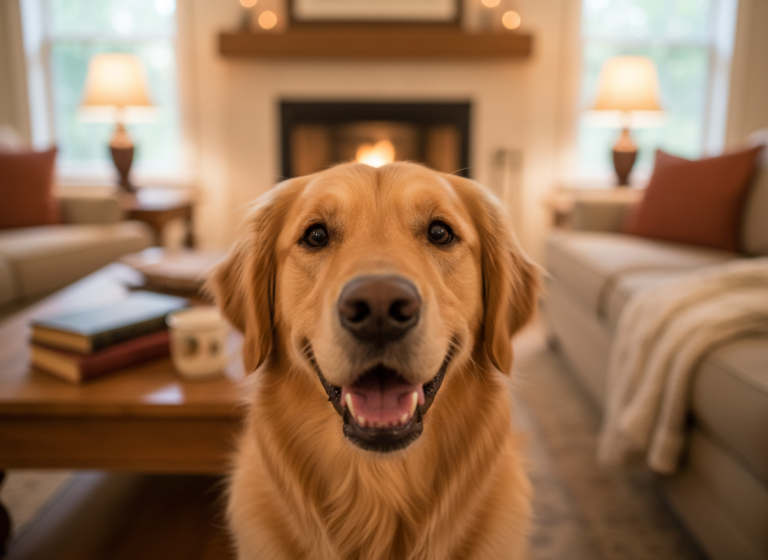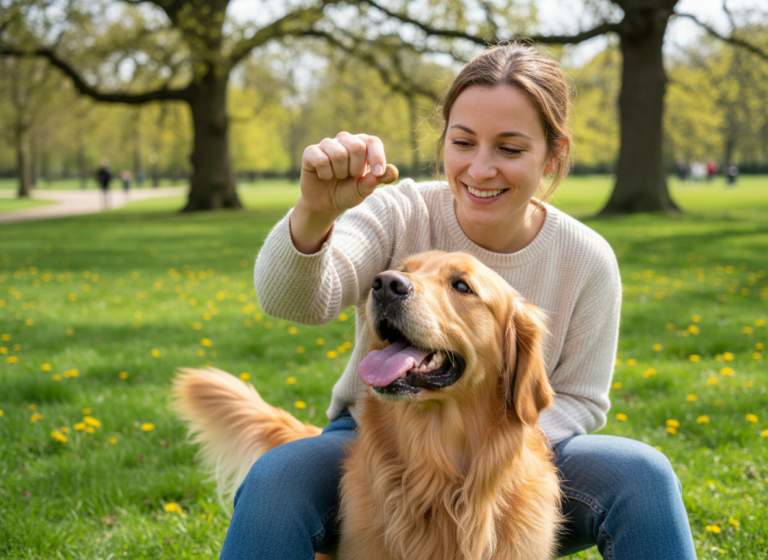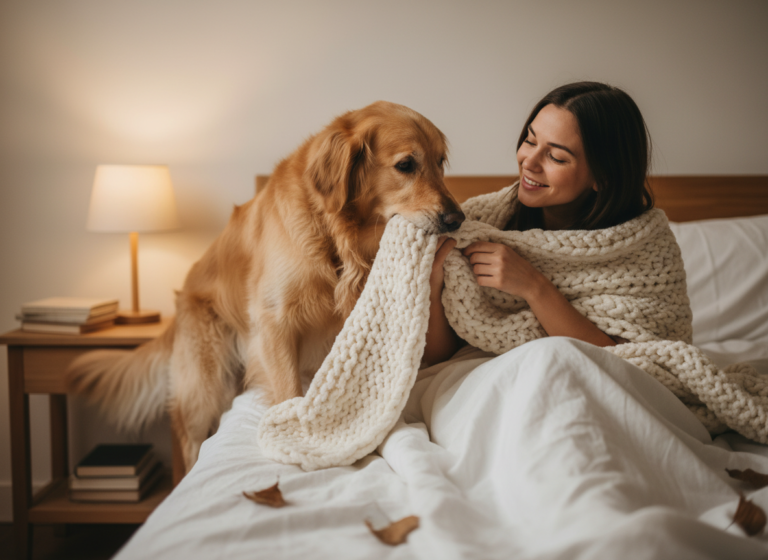
There’s nothing quite like the special bond we share with our dogs. We take them on walks, cuddle on the couch, and shower them with love. But one of the most rewarding and fun ways to strengthen that connection is through trick training! It’s not just about showing off to friends and family; it’s a powerful tool for mental stimulation that keeps your dog’s mind sharp, happy, and engaged.
And when it comes to heart-meltingly cute tricks, teaching your dog to ‘say their prayers’ is at the top of the list. Imagine your furry friend resting their paws on a stool or your lap, sweetly bowing their head as if in quiet contemplation. It’s more than just a trick—it’s a picture-perfect moment waiting to happen! This guide is designed for pet owners just like you, who want to have fun with their dogs while learning something new together. We’ll break down the entire process into simple, positive steps that any dog can learn. So grab your tastiest treats and your camera, and let’s get started on teaching this incredibly charming photo trick!
Setting Up for Success: What You’ll Need
Before you and your pup embark on this adorable training adventure, let’s gather a few simple supplies. Having everything ready beforehand will make your training sessions smooth, efficient, and most importantly, fun for both of you! You don’t need any fancy or expensive equipment; most of these items are probably already in your home.
The Essentials for a Positive Training Session:
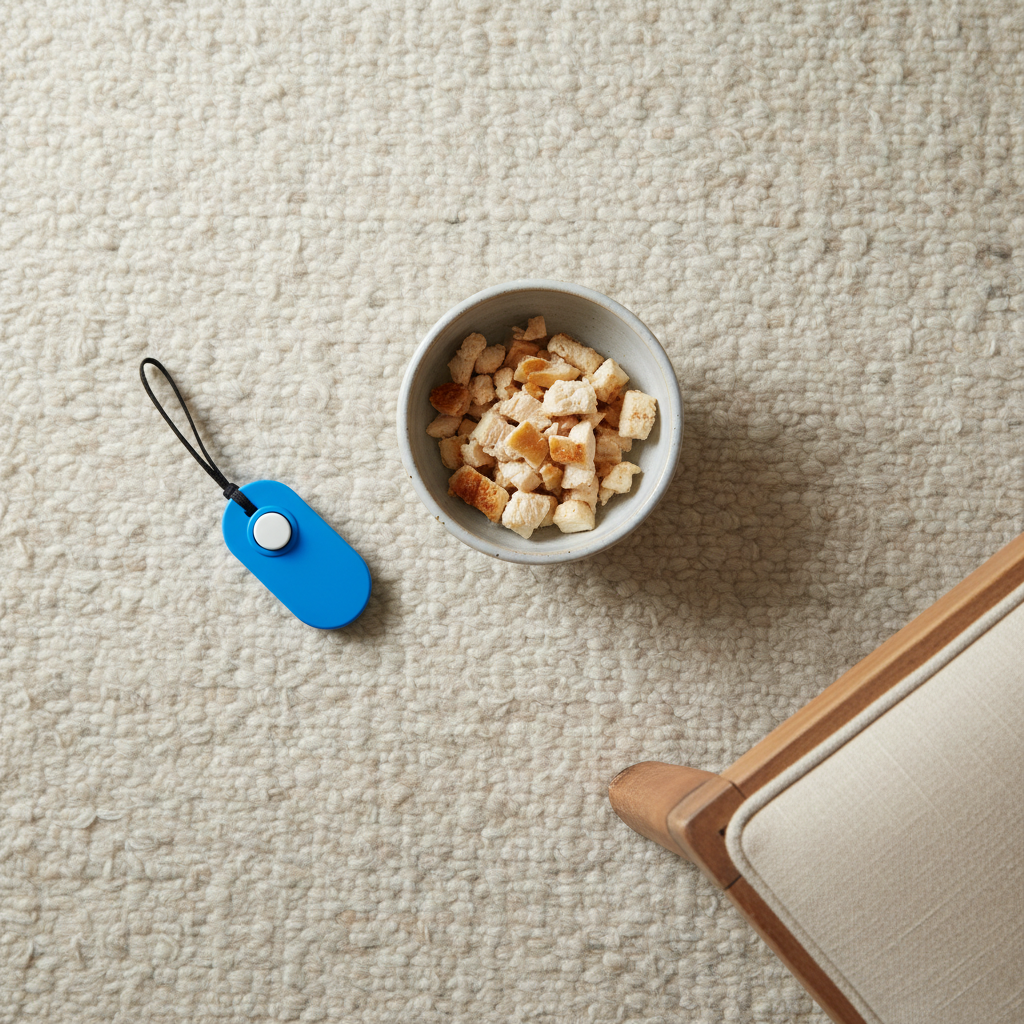
- High-Value Treats: This is the star of the show! We’re not talking about their everyday kibble. High-value treats are extra-special goodies that your dog absolutely loves and will work enthusiastically for. Think small, soft, and smelly! Things like tiny pieces of cooked chicken, cheese, hot dogs, or commercial training treats work wonders. The key is to have something that gets your dog genuinely excited to participate.
- A Comfortable Surface: You’ll want to train in a quiet area of your home where your dog feels safe and relaxed. A non-slip surface like a rug or carpet is ideal to ensure your dog feels stable and comfortable while learning.
- A Low, Sturdy Object (The ‘Pew’): You’ll need something for your dog to place their paws on. This could be a low ottoman, a sturdy cushion, a pet bed, or even your lap. Make sure it’s at a comfortable height for your dog—roughly at their elbow or chest level when they are sitting. It should be stable and not slide around.
- A Clicker (Optional, but Recommended): A clicker is a fantastic tool for marking the exact moment your dog does the right thing. This precise communication can speed up the learning process significantly. If you’ve never used one, don’t worry! It’s easy. Just ‘charge’ it by clicking and immediately giving your dog a treat about 10-15 times. Soon, your dog will associate the ‘click’ sound with a reward.
- Patience and a Positive Attitude: This is the most crucial ‘tool’ of all! Every dog learns at a different pace. Keep your sessions short (5-10 minutes is perfect), upbeat, and always end on a positive note. Your happy energy is contagious and will keep your dog motivated and eager to learn.
The Step-by-Step Guide to ‘Saying Prayers’
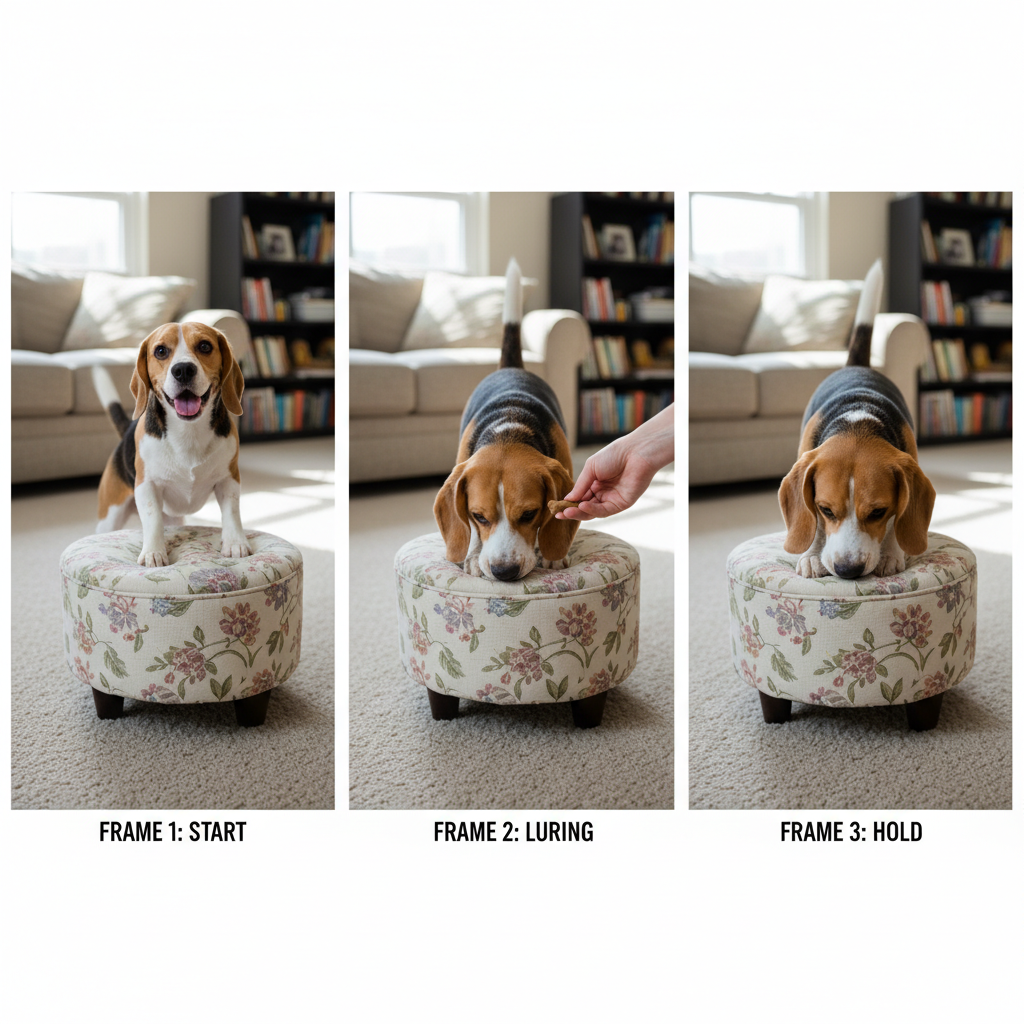
Alright, with your treats in hand and your positive attitude ready, it’s time for the fun part! We’re going to teach this trick by breaking it down into tiny, achievable pieces. This method is called ‘shaping,’ where we reward small steps that lead to the final behavior. Remember to keep it light and fun!
-
Step 1: Master the ‘Paws Up’
The foundation of this trick is getting your dog comfortable with placing their front paws on an object. Start with your chosen stool or cushion. Sit on the floor with your dog and encourage them to interact with the object. The moment they touch it with a paw, click and treat! Repeat this, rewarding any interaction. Soon, they’ll be offering their paws more confidently. Raise the criteria slightly, waiting for them to place a full paw, then both paws, on the object before you click and treat. Practice this until they will happily put both paws up on cue.
-
Step 2: Lure the Head Bow
Once your dog has the ‘Paws Up’ down, it’s time to add the bow. Ask your dog to put their paws up. Now, take a high-value treat in your hand. Hold it near their nose and slowly lure their head down and back, in the space between their front legs. The goal is to get them to lower their head. The very first time they dip their chin even an inch, click and give them the treat! You are rewarding the effort. Repeat this, gradually luring their head lower and lower with each successful repetition.
Expert Tip: Keep the lure smooth and slow. If you move your hand too fast, your dog might get up or become confused. The goal is to guide their nose into the ‘prayer’ position naturally.
-
Step 3: Fade the Lure and Add the Verbal Cue
Your dog is now consistently following the treat lure to bow their head. The next step is to make the hand signal smaller and eventually phase it out. Start making the same luring motion, but without a treat in your hand. When they perform the head bow, click and then give them a treat from your other hand. Gradually make your hand motion smaller and smaller until you’re just pointing down between their paws. Once they are responding to this smaller gesture, you can add your verbal cue. Just before you give the hand signal, say your chosen phrase, like, “Say your prayers!” or “Time to pray!” After a few sessions, your dog will begin to associate the words with the action.
-
Step 4: Build Duration and Refine the Pose
The final piece of the puzzle is teaching your dog to hold the position for a few seconds—long enough for that perfect photo! Ask for the ‘prayer’ pose. Once their head is down, wait just one second before you click and treat. In the next repetition, wait two seconds. Slowly increase the duration. If they pop up too early, don’t worry! Just go back to a shorter duration where they were successful and build up again slowly. This teaches them that good things happen when they stay in the pose. This is where the trick goes from a quick movement to a beautiful, held position.
Troubleshooting: When Prayers Go Unanswered
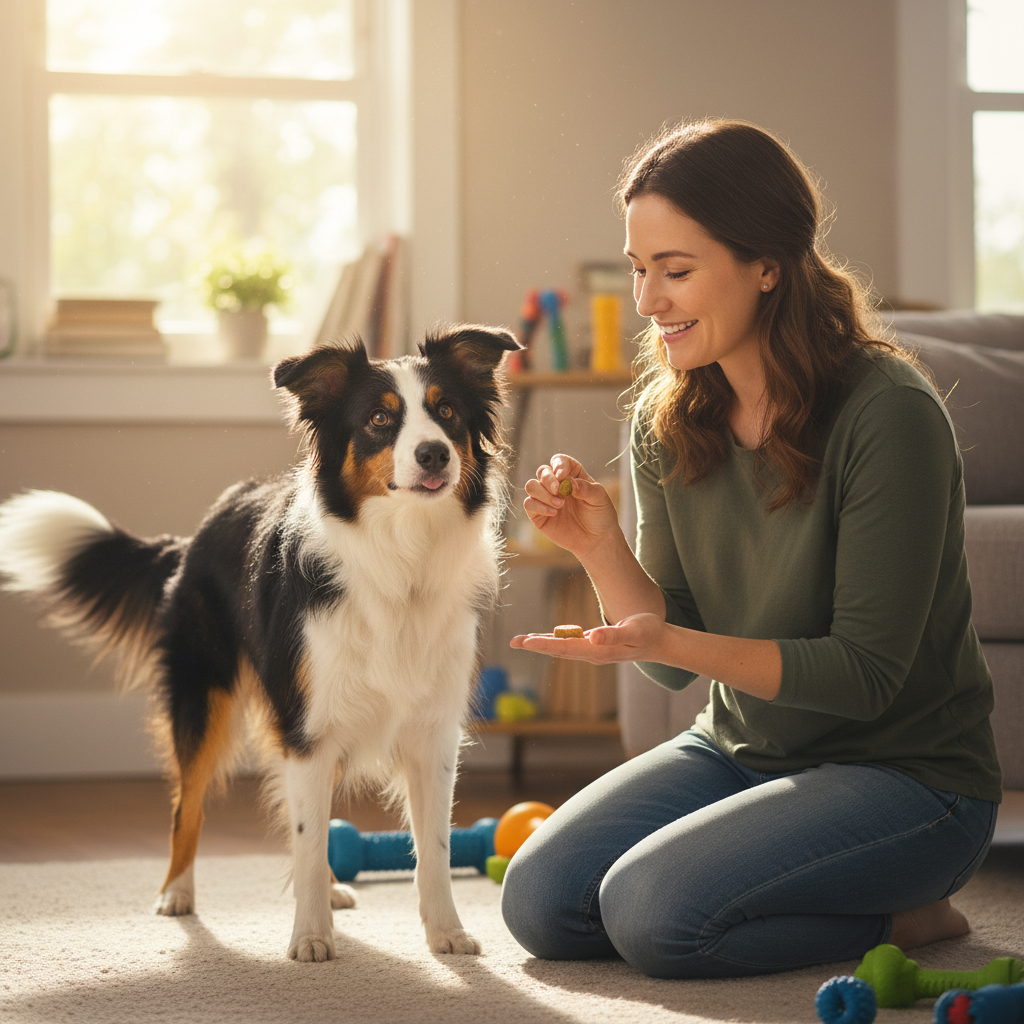
Training is never a straight line, and it’s perfectly normal to hit a few bumps along the way. If you and your pup are struggling with a particular step, don’t get discouraged! It’s usually a sign that we need to break the step down even further or change our approach slightly. Here are some common hurdles and how to clear them with a positive attitude.
Common Sticking Points and How to Solve Them:
- ‘My dog won’t put their paws on the object.’
This often happens with more cautious dogs. The object might seem strange or unstable to them. Go back to basics. Place a treat directly on the object for them to take. Click and reward them just for sniffing it. Use your most exciting voice! You can also try a different object—something lower or with a different texture. The key is to make the object a wonderful, treat-dispensing machine in their eyes. - ‘They put their paws up, but won’t lower their head.’
This is a classic training puzzle! It could be that your lure is too fast, or maybe the treat isn’t valuable enough to warrant the effort. Try using an even more irresistible treat (we call this ‘leveling up your treat’). Also, ensure you are luring their head down and back towards their chest, not just straight down, which can feel awkward for them. Reward even the tiniest dip of the head to start. - ‘My dog gets up as soon as their head goes down.’
This is all about duration, or the lack thereof! You’re asking for too much, too soon. Go back to clicking and treating the very instant their head is in position. Don’t ask for a hold yet. Once they are consistently offering the head bow, then you can begin to build duration, starting with just a single second. Patience is your best friend here. - ‘My dog seems bored or frustrated.’
This is a clear signal to end the training session! Always, always end on a positive note, even if it means asking for a simple ‘sit’ that you know they can do perfectly, followed by a big reward. Frustration kills motivation. Keep your sessions short—a few minutes several times a day is far more effective than one long, grueling session. Keep it light, fun, and full of praise.
The Grand Finale: Capturing the Perfect ‘Prayer’ Photo
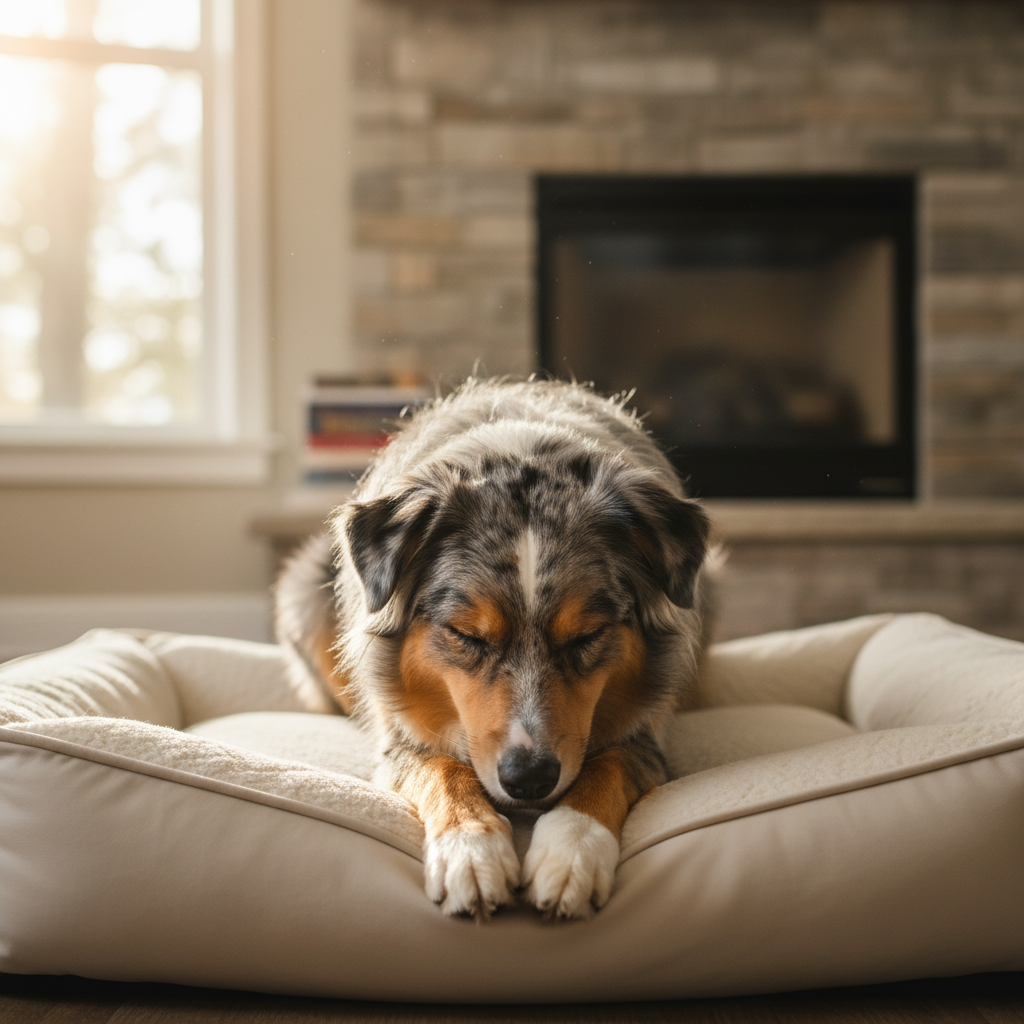
You’ve both worked hard, and now it’s time to capture the magic! Getting that perfect, share-worthy photo is the cherry on top of this training journey. You don’t need to be a professional photographer to get a great shot. With a few simple tips, you can create a beautiful memory of your clever pup.
Tips for a Picture-Perfect Moment:
- Find the Light: Good lighting is everything. Natural light is your best friend. Position your dog near a large window where the light is soft and bright. Avoid harsh, direct sunlight which can cause squinting and hard shadows. Turn off overhead artificial lights, which can cast a yellow or unflattering glow.
- Get Down on Their Level: The most impactful pet photos are taken from the animal’s perspective. Don’t shoot from above! Lie down on the floor to get your camera or phone lens at your dog’s eye level. This creates a much more intimate and engaging portrait.
- Choose a Clean Background: A cluttered background can distract from your adorable subject. Find a spot with a simple, clean backdrop, like a plain wall, a nice rug, or a neatly made bed. You want your dog and their cute pose to be the undeniable focus of the image.
- Prepare Your ‘Set’: Make the scene extra cozy. Use your dog’s favorite soft blanket or a fluffy pillow on the ‘pew’ to add a touch of comfort and charm. This not only looks great but can also make your dog more comfortable holding the pose.
- Use Burst Mode: Dogs aren’t known for holding still for long! Use the ‘burst’ or ‘live photo’ feature on your phone or camera. This allows you to take a rapid series of photos by holding down the shutter button. You can then scroll through them later and pick the one perfect moment where their eyes are open and their pose is just right.
- Stay Positive and Be Ready: Have your camera ready to go before you ask for the trick. Ask for the ‘prayer’ pose in a happy, upbeat tone, and be ready to snap away. Give them lots of praise and a big jackpot reward after you get your shot! Make the photoshoot a fun game, not a chore.
Conclusion
Congratulations! You’ve successfully learned all the steps to teach one of the most endearing tricks around. But more importantly, you’ve spent quality time engaging your dog’s brain and strengthening the incredible bond you share. Trick training is so much more than just the final result; it’s about the journey of communication, patience, and teamwork you take together. Every little ‘win’ along the way, from the first paw touch to the final head bow, is a moment to celebrate.
Remember to always keep training sessions positive and fun. Your dog’s willingness to learn is a testament to their trust in you. Now, go capture those adorable photos, share them with pride, and continue to find new and exciting ways to have fun with your amazing best friend. Happy training!