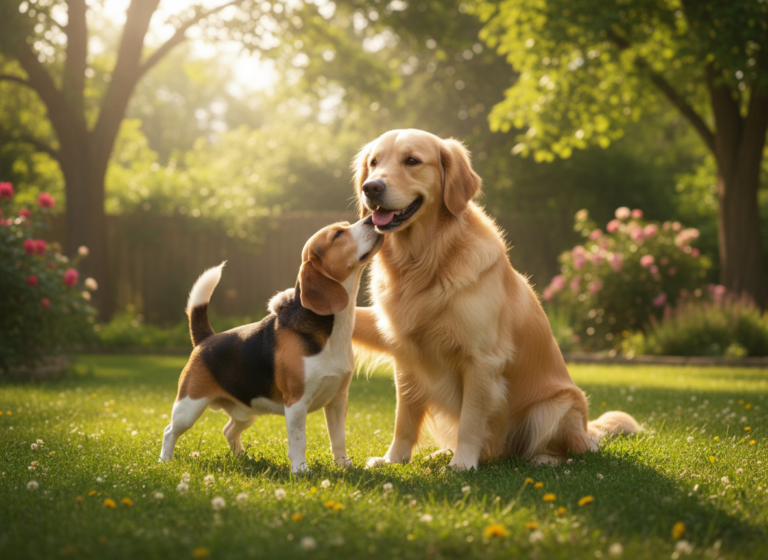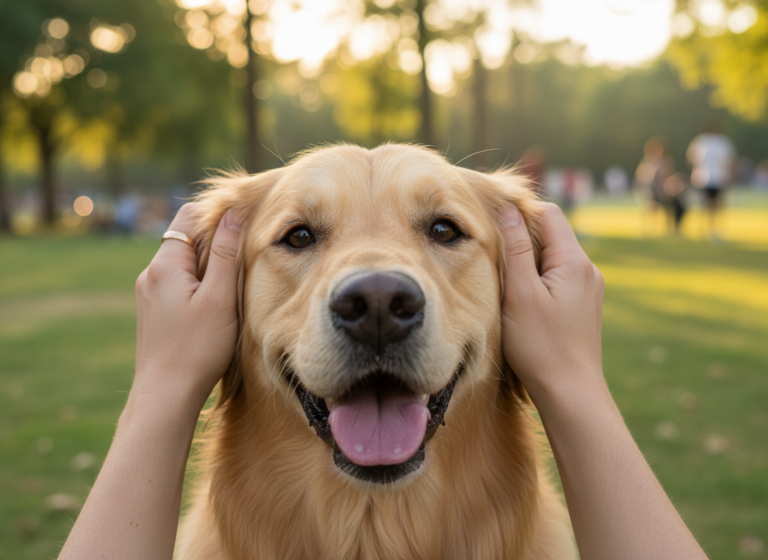
Welcome, fellow dog lovers! If you’re looking for a new, fun way to connect with your canine companion, you’ve come to the right place. We all know the classic tricks: sit, stay, and paw. But what about a trick that showcases your dog’s unique personality and sense of humor? Enter the ‘shake head no’ command! This trick is a guaranteed crowd-pleaser and a fantastic mental workout for your pup. It’s more than just a cute action; it strengthens your communication, builds their confidence, and let’s be honest, it’s incredibly funny to ask your dog if they want to go to the vet and get a firm ‘no’ in response. In this guide, we’ll break down everything you need to know, from the tools you’ll need to troubleshooting common hiccups. Get ready to unlock a new level of sassy communication with your best friend!
Setting the Stage for Success: What You’ll Need
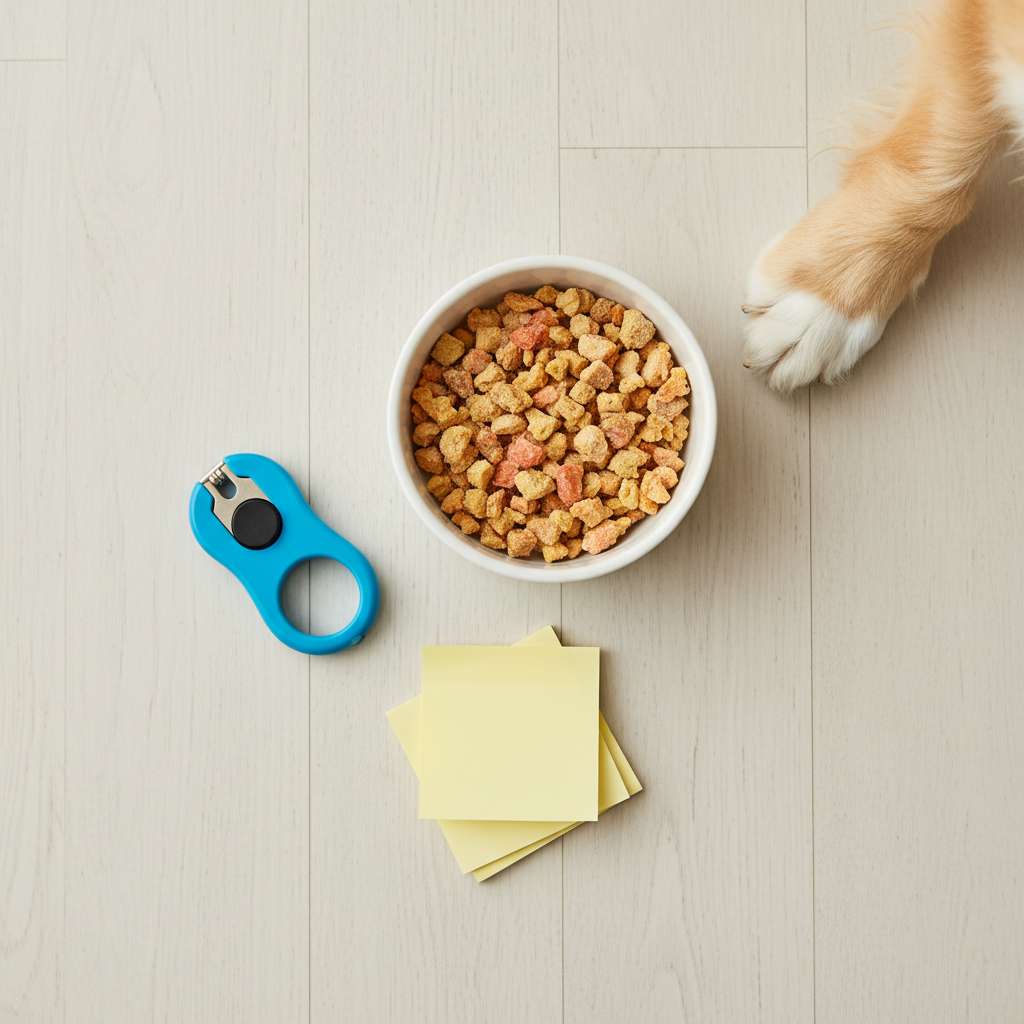
Before you jump into training, let’s gather a few simple things to make the process smooth and enjoyable for both you and your pup. Having everything ready means you can focus all your attention on your four-legged student. Remember, the most important tool you have is a positive attitude and a bucketload of patience!
The Trainer’s Toolkit:
- High-Value Treats: These aren’t your dog’s everyday kibble. Think small, delicious, and extra special treats that will really motivate them. Pieces of boiled chicken, cheese, or their favorite soft training treats work wonders. The key is that they should be small enough to be eaten quickly so you can keep the training session moving.
- A Clicker (Optional): A clicker is a fantastic tool for marking the exact moment your dog does the right thing. This precise communication can speed up the learning process. If you don’t have a clicker, no worries! A consistent verbal marker like a sharp “Yes!” or “Good!” works just as well.
- Post-it Notes or Tape: We’ll be using a popular method that involves a small, lightweight sticky note or a piece of painter’s tape. Make sure it’s not overly sticky; you don’t want to pull any fur!
- A Quiet Training Space: Choose a location with minimal distractions. Your living room, a quiet hallway, or a fenced backyard are all great options. You want your dog’s focus to be on you and the fun game you’re about to play.
- Patience and Enthusiasm: Your dog feeds off your energy. Keep sessions short (5-10 minutes is perfect) and always end on a positive note. If you or your dog gets frustrated, it’s time for a break. Training should always be fun!
Expert Tip: Keep your training sessions short and sweet. A dog’s attention span, especially when learning something new, isn’t very long. Multiple short sessions throughout the day are far more effective than one long, grueling one.
Step-by-Step Guide: The ‘Sticky Note’ Method
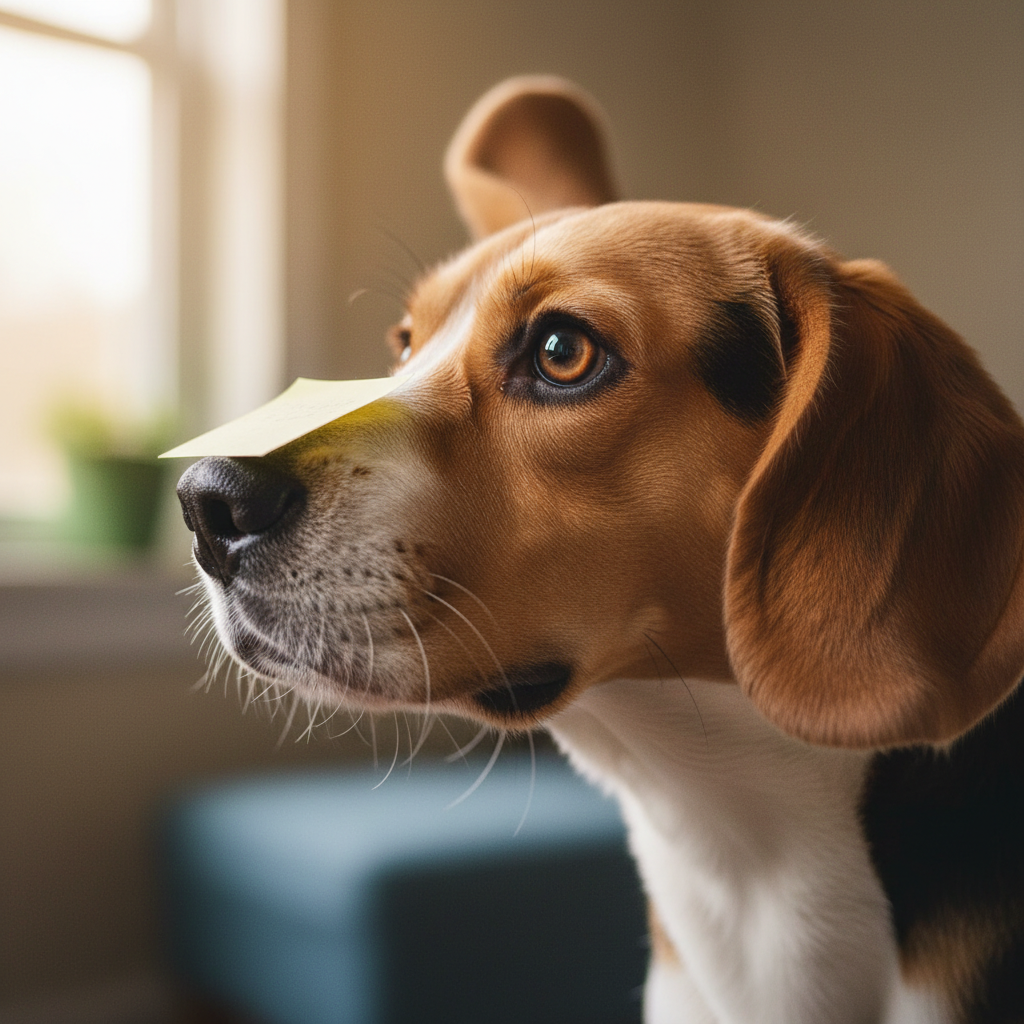
This is one of the most reliable ways to teach the ‘shake head no’ trick. The idea is to place something slightly annoying (but harmless) on your dog’s nose, which will naturally cause them to shake their head to get it off. We then ‘capture’ that natural behavior and reward it!
- Step 1: Introduce the Sticky Note. Start by letting your dog sniff the sticky note. Let them get comfortable with it. Give them a treat for just being calm around it. You want to create a positive association from the very beginning.
- Step 2: The Gentle Placement. Gently and quickly place the sticky note on the top of your dog’s muzzle. The second it’s on, be ready. Many dogs will immediately try to dislodge it.
- Step 3: Capture the Shake! The moment your dog shakes their head, even a little bit, to get the note off, mark the behavior with your clicker or verbal “Yes!” and immediately give them a high-value treat. This is the ‘aha!’ moment you’re looking for. Timing is everything here!
- Step 4: Repeat, Repeat, Repeat. Do this several times in a row. Place the note, wait for the shake, mark, and reward. Your dog will quickly realize, “Hey, every time I do this head-flick thing, I get a delicious snack!”
- Step 5: Fade the Prop. Once your dog is reliably shaking their head as soon as the note is placed, it’s time to start fading the prop. Start by just touching the note to their nose without letting go, and then marking/rewarding the shake. Then, just bring the note close to their nose. Eventually, you’ll transition to just using a hand signal that mimics placing the note. The goal is for the dog to offer the head shake in anticipation of the note.
A Word of Caution: Always supervise your dog with the sticky note and ensure they don’t try to eat it. If your dog seems genuinely distressed or scared by the note, don’t force it. You can try the alternative shaping method in the next section!
The Alternative: Shaping a Natural Head Shake
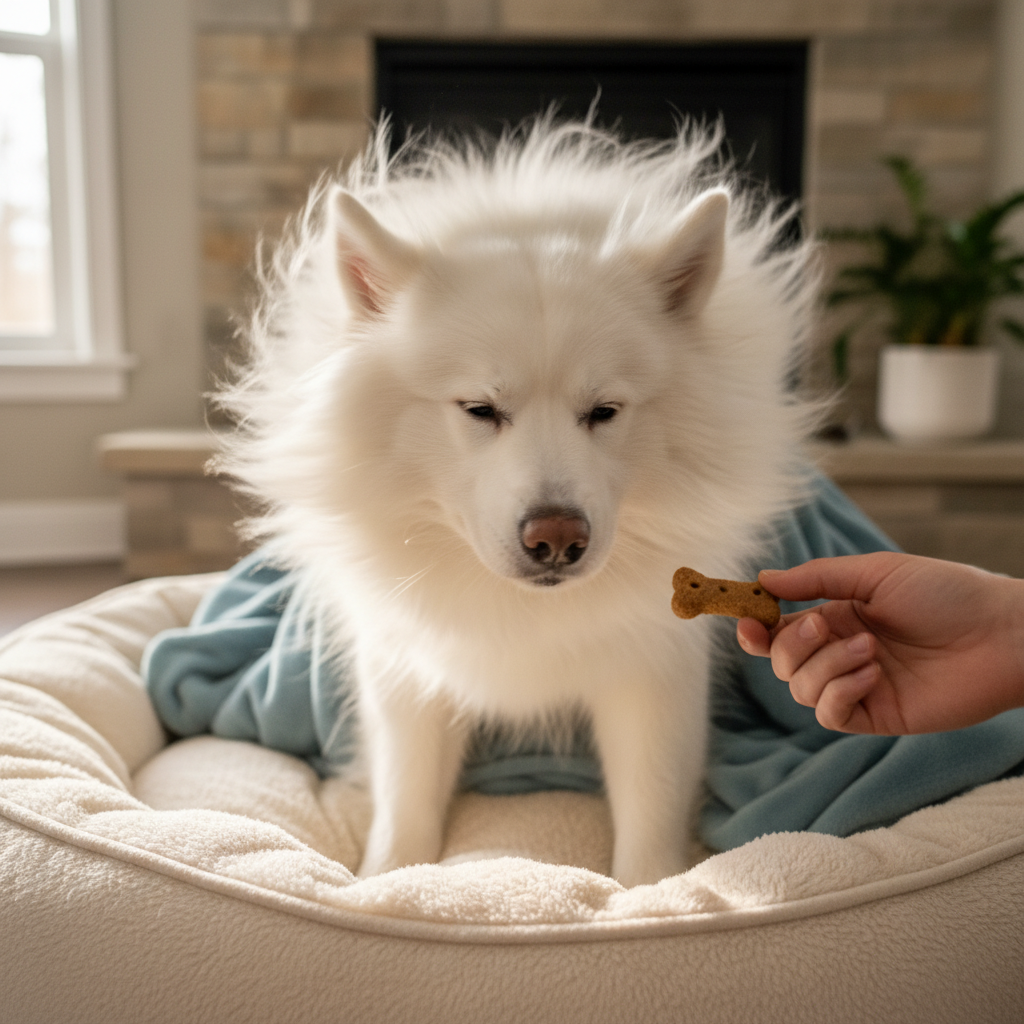
Does your dog hate things on their face? No problem! Not every method works for every dog. An alternative approach is ‘shaping,’ which means rewarding small, natural behaviors that lead up to the final trick. This method requires a bit more patience but can be just as effective and is great for sensitive pups.
How to Shape the Shake:
- Become an Observer: Pay close attention to your dog throughout the day. When do they naturally shake their head? It’s often after a nap, after a drink of water, when their ears are bothering them, or after a good cuddle and ear scratch. Your job is to be ready for it.
- Be Quick on the Draw: Keep your clicker and treats handy at all times. The very instant you see your dog start to shake their head for any reason, mark it with a “Yes!” or a click and toss them a treat. At first, they’ll be confused, but they’ll be happy for the free snack.
- Build the Association: After a few repetitions over a day or two, your dog will start to notice a pattern. They’ll begin to think, “Hmm, sometimes when I shake my head, a treat magically appears.” You might see them start to offer a small, tentative head shake to see if it works. This is exactly what you want! Reward this offered behavior enthusiastically.
- Refine the Movement: As your dog starts offering the behavior more frequently, you can get pickier. Start rewarding only the more exaggerated, full ‘no’ shakes rather than the little ear-flicks. This is how you ‘shape’ the behavior into the crisp trick you’re looking for.
This method is all about patience and capturing a behavior that your dog already does. It feels like a fun game to them and builds a strong foundation of them offering behaviors to see what earns a reward, which is a fantastic skill for any kind of training.
Putting It on Cue: Adding the Command
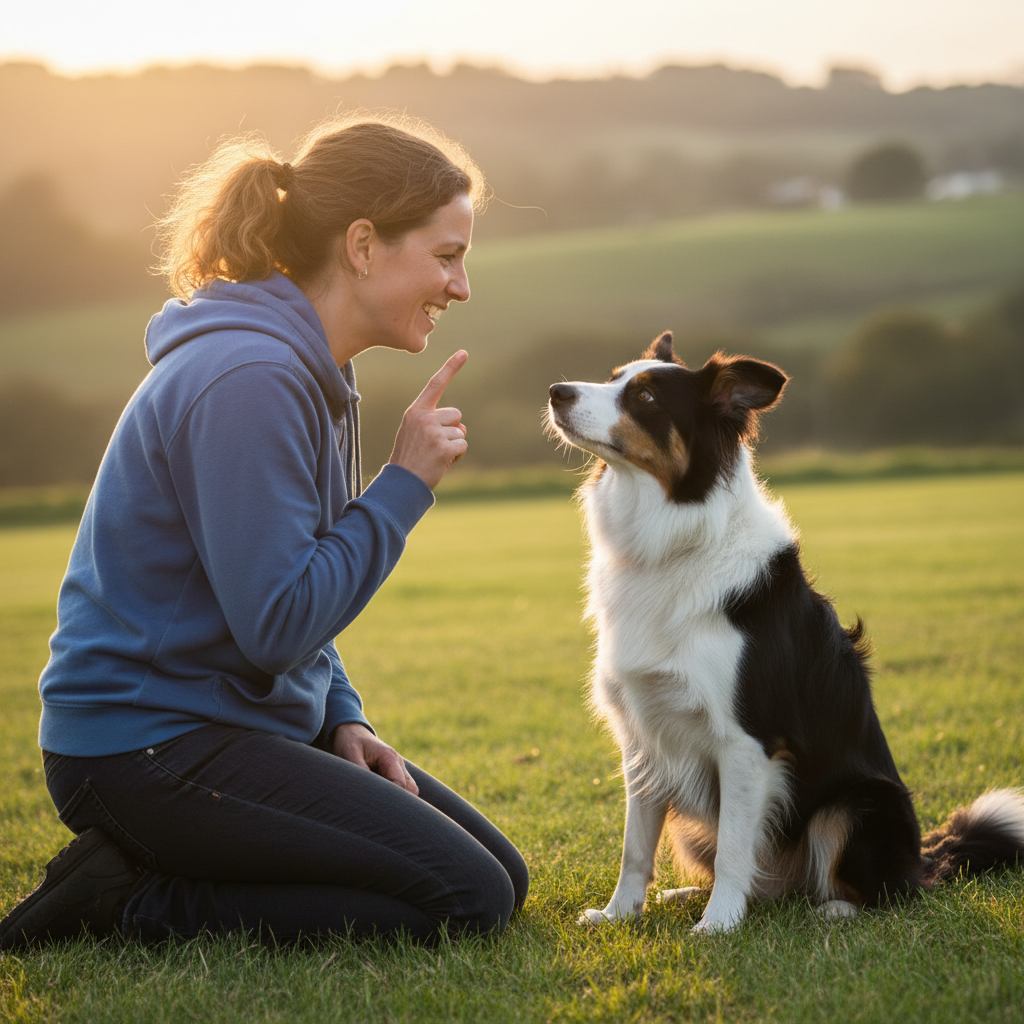
Once your dog is reliably offering a head shake (either through the sticky note method or shaping), it’s time to put a name to the action! This is how you get the trick ‘on command.’ The key is to add the verbal cue just before the behavior happens, not during or after.
The Steps to Adding Your Cue:
- Choose Your Cue: Pick a short, clear verbal cue. It could be “No,” “No Way,” “Shake your head,” or something silly like “Veggies?” Also, decide on a hand signal. A good one is wagging your index finger back and forth, like a person shaking their head ‘no.’
- Pair the Cue with the Action: You know your dog is about to perform the head shake (either because you’re about to put the sticky note on or because they are offering it). Right before they do, say your verbal cue clearly and give your hand signal. As soon as they shake their head, mark and reward with a huge celebration.
- Practice the Pairing: Repeat this process 10-15 times. You are building a strong association in your dog’s brain: “When I hear ‘No Way’ and see that finger wag, and then I shake my head, I get a party and a treat!”
- Test the Cue: Now for the moment of truth. When your dog is calm and attentive, give the verbal cue and hand signal without the sticky note prompt. See if they offer the head shake. If they do, throw a jackpot of treats! This is a huge breakthrough. If they don’t, that’s okay! Just go back a step and do a few more repetitions of pairing the cue with the prompted action.
Expert Tip: Don’t rush this step. It’s better to do many successful repetitions of pairing the cue with the action than to test the cue too early and have your dog fail. Success builds confidence!
Troubleshooting: When Your Pup Gets Puzzled
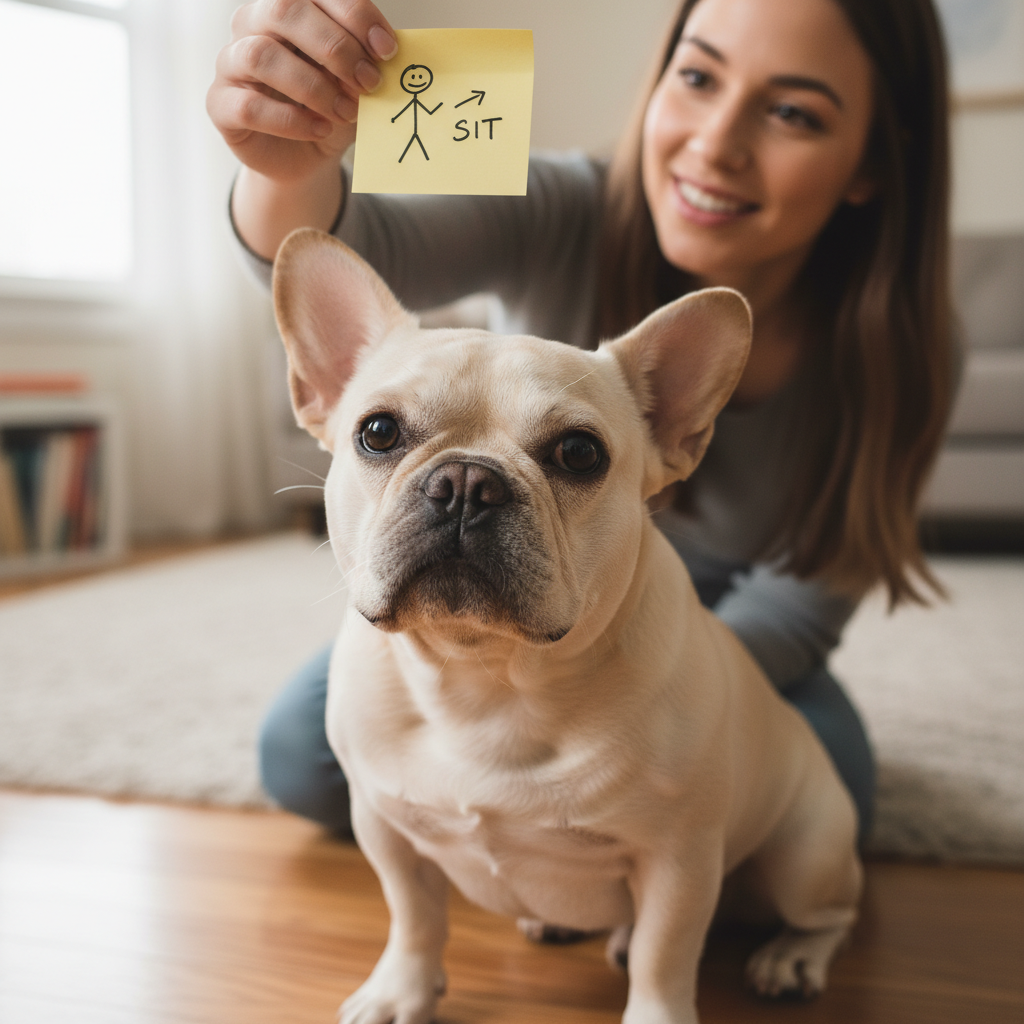
Training is never a straight line; there are always bumps in the road. Don’t worry if you hit a snag—it’s a normal part of the process. Here are some common issues and how to solve them with a bit of creative thinking and patience.
Common Sticking Points & Solutions:
- “My dog just paws the sticky note off or eats it!”
This is very common! If your dog is more interested in pawing, try to be faster with your marking. Mark and reward any tiny head movement they make before the paw comes up. If they are trying to eat it, use a less-tasty prop like a small piece of painter’s tape, or switch entirely to the ‘shaping’ method. - “My dog seems scared of the sticky note.”
Stop using it immediately. Training should never be scary. Switch to the shaping method of capturing a natural head shake. Your dog’s comfort and trust are more important than any trick. - “My dog isn’t shaking their head, they just freeze.”
The sticky note might be too big or too sticky. Try a smaller piece or a different brand. You can also try placing it slightly off-center on their muzzle, which can be more likely to trigger the shake reflex. If they still freeze, take a break and try again later, or switch methods. - “My dog learned it but now won’t do it.”
This could be a few things. Are your training sessions too long? Are the treats not exciting enough anymore? Are there too many distractions? Go back to basics in a quiet room with super high-value treats to rebuild their enthusiasm. It’s also possible they don’t fully understand the cue yet, so spend more time pairing the cue with the action. - “The head shake is really small and barely noticeable.”
This is where ‘shaping’ comes in handy, even if you started with the sticky note. Once they are offering the behavior, start being a little pickier. Only reward the bigger, more exaggerated head shakes. They will quickly learn that bigger shakes get better results!
Remember, every dog learns at a different pace. Celebrate the small victories and focus on making it a positive experience. Your bond is the most important part of the equation.
Conclusion
And there you have it! You are now fully equipped to teach your dog the wonderfully sassy ‘shake head no’ trick. Whether you used the sticky note method or shaped a natural behavior, the journey itself is just as rewarding as the final result. This process is about so much more than just a trick; it’s about building a language between you and your dog, strengthening your bond, and providing them with valuable mental stimulation that keeps them happy and healthy. So, be patient, keep it positive, and get ready to wow your friends and family. The next time someone asks your dog, “Who’s a good boy?” you just might get a very clear, and very funny, answer!