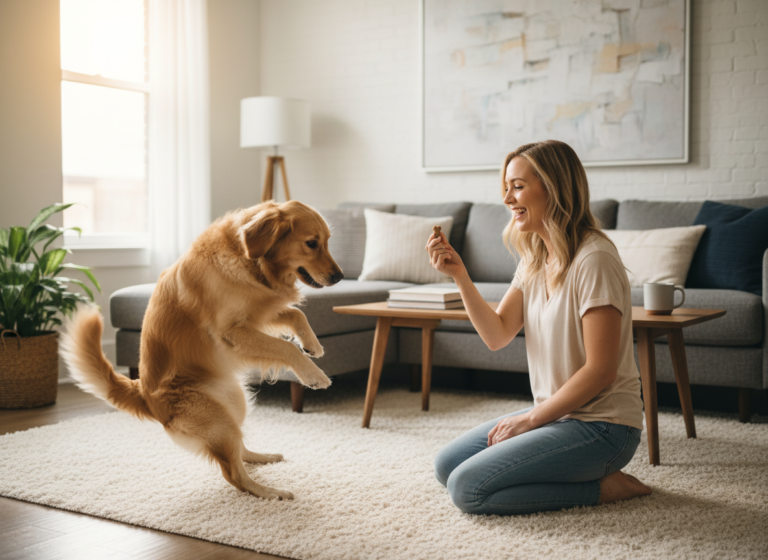
Have you ever offered your eager pup a delicious treat, only to have your fingers nearly taken off in their excitement? Ouch! It’s a common scenario for many pet owners. While their enthusiasm is endearing, a snatchy or nippy mouth can be painful and problematic. What if there was a simple, fun, and surprisingly cute way to teach your dog the art of being gentle? Enter the Spoon Trick!
This isn’t just a party trick to show your friends; it’s a foundational training exercise rooted in positive reinforcement that teaches incredible impulse control, patience, and what trainers call a ‘soft mouth.’ By using a simple household spoon, you create a clear boundary and change the game from a frantic grab to a calm, gentle lick. In this guide, we’ll walk you through everything you need to know to master this technique, transforming treat time from a risky venture into a beautiful bonding moment.
Gathering Your Tools: What You’ll Need for Success
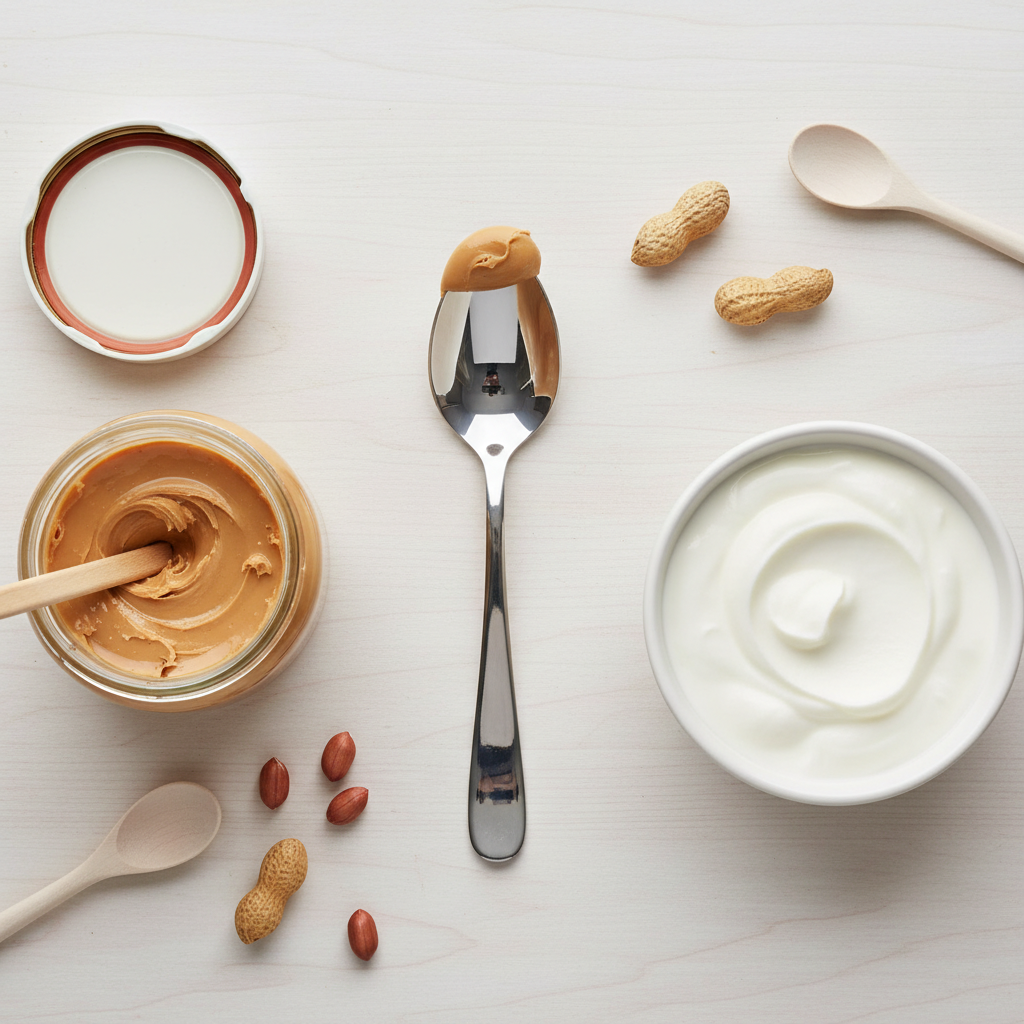
The beauty of the Spoon Trick lies in its simplicity. You don’t need any fancy gadgets or expensive equipment. In fact, you probably have everything you need in your kitchen right now. Setting yourself up for success is as easy as grabbing these few items:
The Perfect Spoon
You’ll want a spoon with a smooth, shallow bowl. A metal teaspoon or tablespoon works perfectly. The metal is durable and not very satisfying to chew on, which discourages your dog from trying to bite it. Avoid plastic spoons that can be easily chewed and broken, creating a potential hazard.
High-Value Lickable Treats
The key to this exercise is a treat your dog has to lick rather than grab. This naturally encourages the gentle behavior we’re looking for. Some fantastic options include:
- Xylitol-Free Peanut Butter: A classic favorite for most dogs. CRITICAL: Always check the label to ensure it does not contain xylitol, which is highly toxic to dogs.
- Plain Yogurt or Kefir: A great probiotic-rich option. Ensure it’s plain and unsweetened.
- Canned Pumpkin Purée: Not the pie filling! Just 100% pure pumpkin is great for digestion and low in calories.
- Cream Cheese: Use in moderation due to its high fat content, but a little schmear can be very motivating.
- Wet Dog Food or Pâté: Simply use a bit of your dog’s regular meal on the spoon.
A Willing (and Hungry) Student
Of course, you’ll need your dog! It’s best to practice in a quiet, low-distraction environment, especially when you’re just starting. A short training session before a mealtime can be ideal, as your dog will be more food-motivated and eager to learn.
The Step-by-Step Guide to Mastering the Spoon Trick
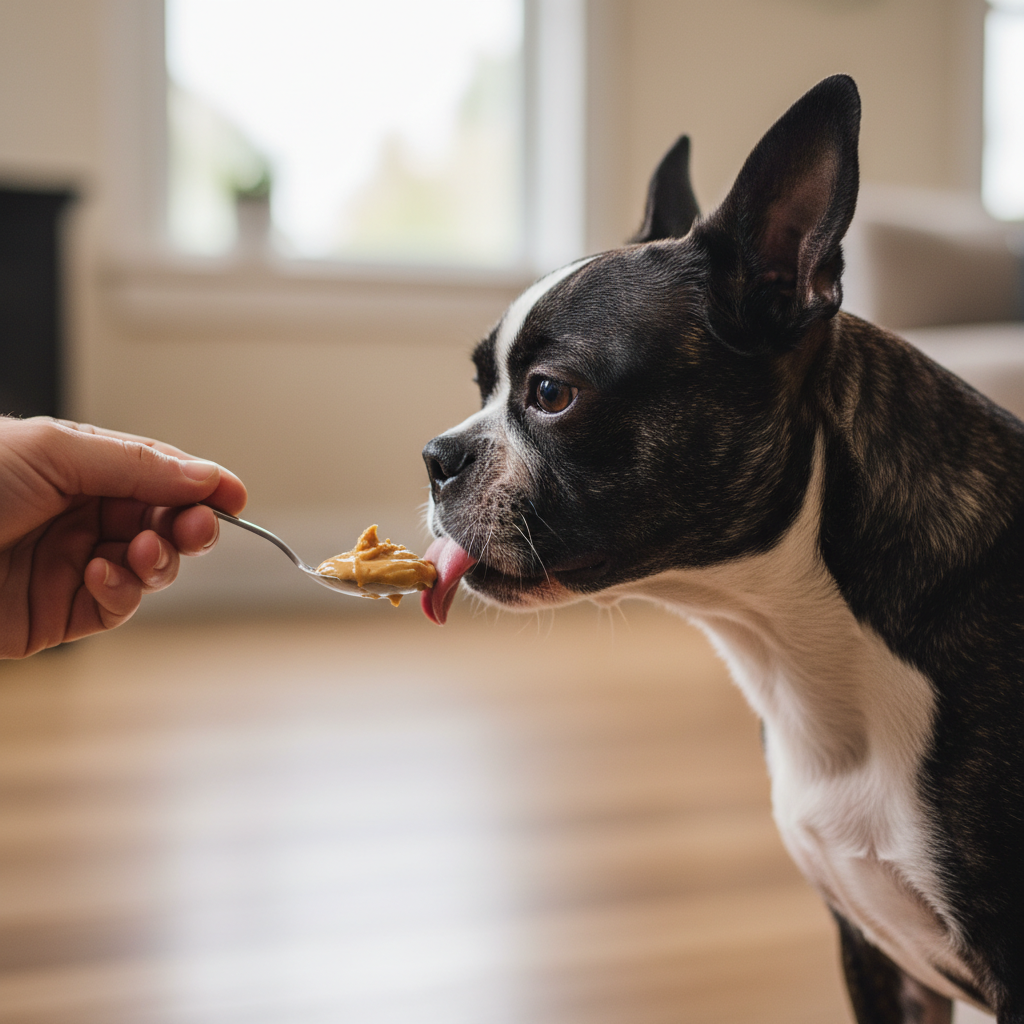
Ready to begin? Remember, the goal is patience and gentleness—from both you and your dog! Keep sessions short (5-10 minutes) and always end on a positive note. Let’s break it down into simple, manageable steps.
- Prepare the Spoon: Smear a tiny amount of your chosen lickable treat on the very tip of the spoon. We’re talking a pea-sized amount. The goal is a taste, not a meal. This encourages licking without overwhelming them.
- The First Introduction: Hold the spoon by the end of the handle, keeping your hand a safe distance away. Lower the spoon towards your dog’s nose. Hold it steady. Don’t push it into their face; let them approach and investigate it.
- Observe and Reward: Your dog will likely do one of two things: try to nip/bite at the spoon or sniff and then lick it. The moment their tongue touches the spoon for a gentle lick, praise them enthusiastically! Use a happy, encouraging voice, saying “Yes!” or “Good gentle!” Let them lick the small treat off.
- What If They Nip or Bite?: This is the crucial part of the lesson. If your dog nips, bites, or clacks their teeth on the spoon, don’t scold them. Simply and calmly say “Oops!” and immediately pull the spoon away. Wait a few seconds for them to calm down, then present the spoon again. This ‘negative punishment’ (removing something they want) clearly communicates that biting makes the good thing go away, while licking makes it stay.
- Practice and Repetition: Repeat steps 2-4 several times. Your dog will quickly learn the new rule: Teeth on spoon = spoon disappears. Tongue on spoon = yummy treat and praise. You are building a new, positive association with being gentle.
- Increasing the Challenge (Building Patience): Once your dog is consistently licking the spoon gently, you can start building their impulse control. Present the spoon but require them to wait for a second or two before they lick it. You can introduce a verbal cue like “Wait” or “Gentle.” If they wait patiently, praise them and let them have the lick. If they lunge for it, pull it back with your “Oops!” and try again.
- Fading the Spoon: The ultimate goal is to transfer this gentle behavior to your hands. Once your dog is a pro with the spoon, you can start putting a small, non-messy treat on the palm of your flat hand. Use your “Gentle” cue. If they are gentle, they get the treat. If they revert to nipping, go back to the spoon for a few more repetitions to reinforce the concept before trying your hand again. The spoon is the training wheel; your hand is the bicycle!
The ‘Why’ Behind the ‘How’: The Science of the Spoon
It might seem like magic, but the Spoon Trick is firmly grounded in the principles of animal behavior and learning theory. Understanding why it works can make you an even more effective trainer and strengthen the communication between you and your furry friend.
It’s All About Clear Communication
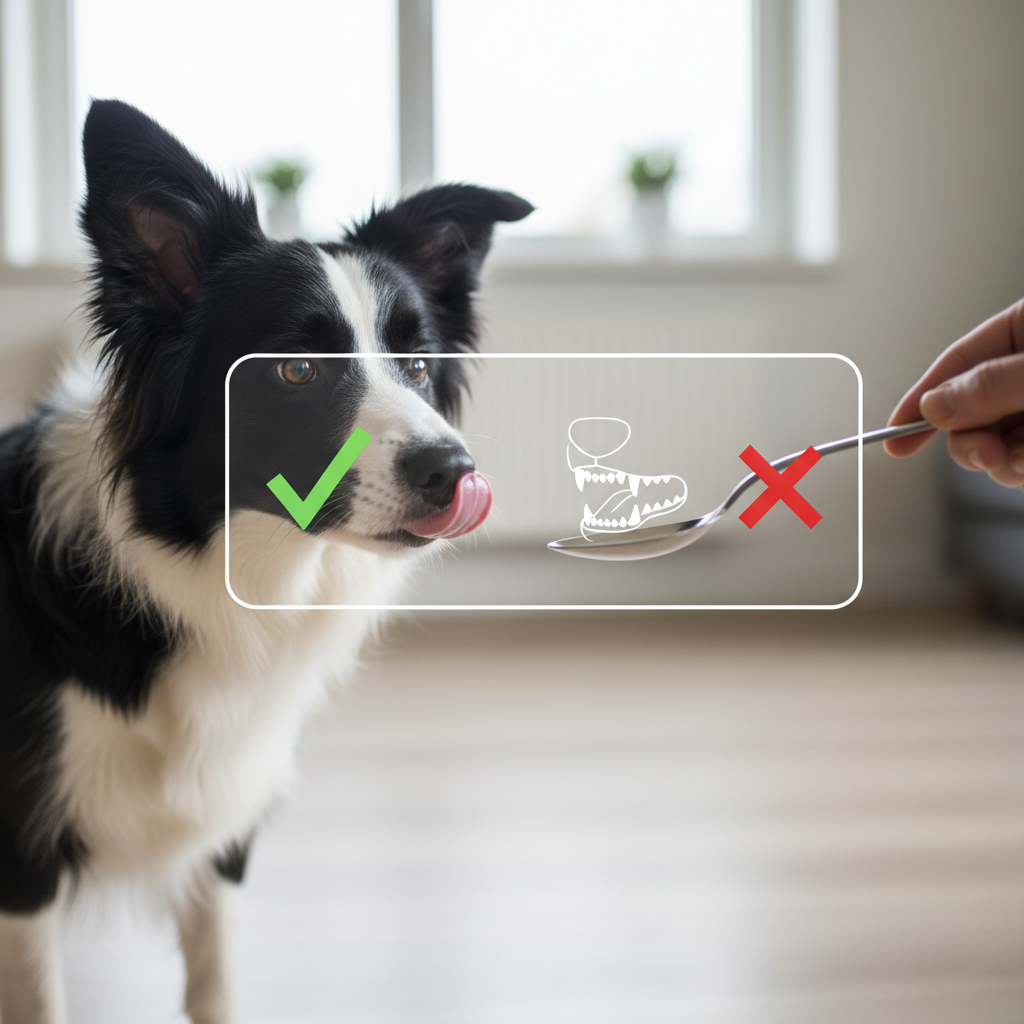
Dogs don’t speak English, but they are masters of reading consequences. The spoon acts as a perfect, unambiguous communication tool. It creates a physical barrier between your fingers and their mouth, removing any chance of an accidental nip. The rule is crystal clear:
- Gentle Licking (The Desired Behavior): This is met with positive reinforcement—the dog gets the tasty treat and verbal praise. This makes them more likely to repeat the behavior in the future.
- Nipping or Biting (The Undesired Behavior): This is met with negative punishment—the treat is immediately removed. The dog learns that this action results in losing the thing they want, making them less likely to do it again.
This black-and-white consequence system is incredibly easy for a dog to understand. There’s no gray area, no confusion. The spoon itself becomes a visual cue for ‘it’s time to use your manners.’
Building Impulse Control Muscles
Impulse control is the ability to stop and think before acting. Many dogs, especially puppies and adolescents, struggle with this. They want something, so they go for it! The Spoon Trick, particularly the step where you ask them to wait, is like a workout for their brain’s ‘impulse control muscle.’ By requiring them to pause before getting their reward, you are teaching them that good things come to those who wait. This skill is invaluable and translates to many other areas of life, from waiting politely at the door to not jumping on guests.
Expert Tip: Think of it this way: you’re not just teaching your dog not to bite; you’re teaching them the better alternative. You’re showing them that a gentle lick is a more successful strategy for getting what they want than a frantic snatch.
Troubleshooting Common Spoon-Related Scenarios
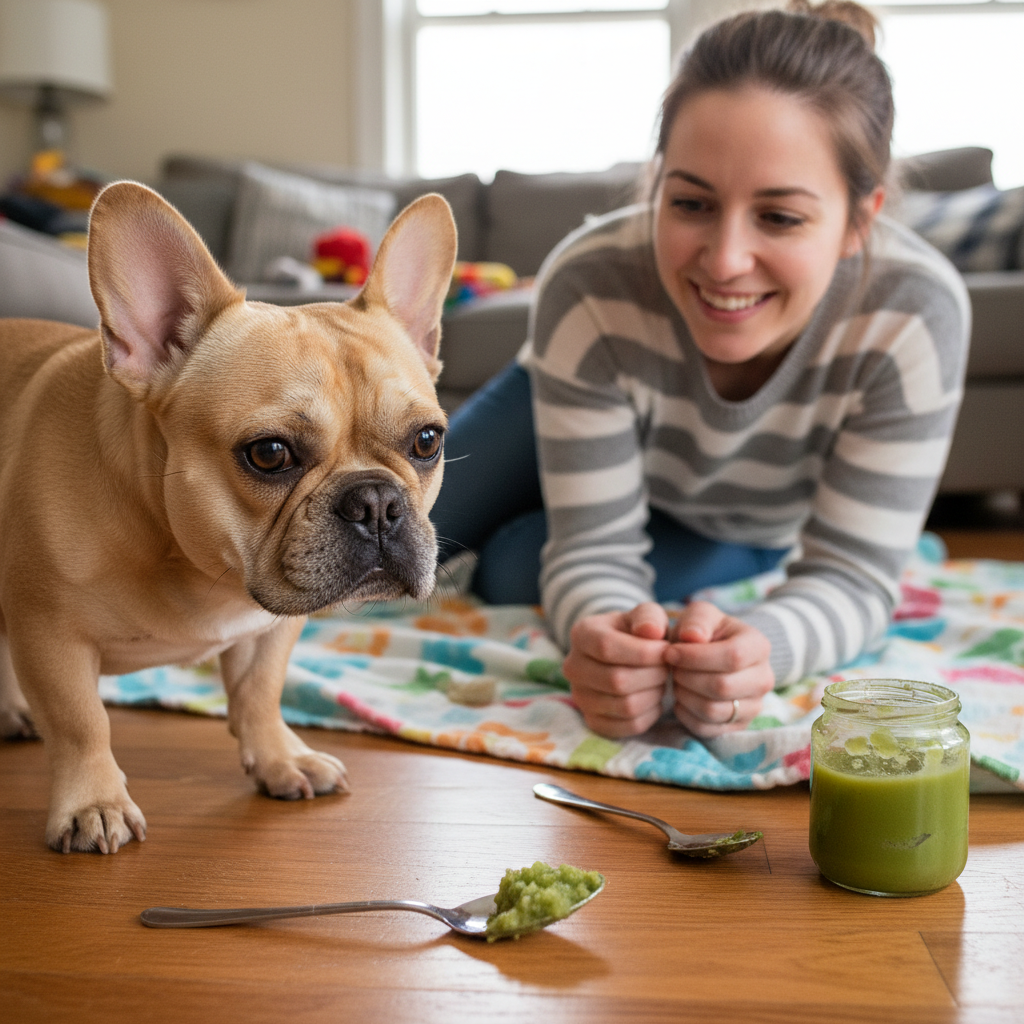
While the Spoon Trick is straightforward, every dog is an individual, and you might run into a few little bumps along the way. Don’t worry! Most common issues are easy to solve with a little patience and a slight adjustment to your technique.
Help! My Dog Just Wants to Chew the Spoon!
If your dog is more interested in the spoon itself than the treat, they might be a bit confused about the game. First, ensure the treat is smelly and delicious enough to be the main attraction. Second, if they start to mouth or chew the spoon, don’t get into a tug-of-war. Say your calm “Oops!” and remove it. When you represent it, hold it for a shorter duration, giving them just enough time for a quick lick before you pull it away. You’re teaching them it’s a ‘lick it and quit it’ situation, not a chew toy.
My Dog Seems Scared of the Spoon. What Should I Do?
Some dogs, particularly rescues or those with a sensitive nature, can be wary of new objects. Never force the spoon on them. Start by placing the spoon on the ground with a treat on it and letting them investigate and eat off it at their own pace. Once they are comfortable with that, you can try picking it up and holding it low to the ground, without moving it toward them. Let them make the choice to approach. This process, called desensitization, builds positive associations and confidence.
My Dog is Licking, But It’s Still Really Frantic and Hard.
Gentleness is a spectrum! If they’re licking but still seem overly aroused and forceful, you can refine the criteria for their reward. Only praise and allow them to finish the treat when the lick is soft and calm. If it’s a hard, frantic lick, pull the spoon away just as you would for teeth. They will learn that only a relaxed approach gets the reward. You can also try smearing the treat more thinly, so they have to lick more slowly and deliberately to get it all.
It’s Not Working! My Dog Just Barks in Frustration.
Frustration is a sign that the training is too hard or the session has gone on too long. If your dog starts barking, take a step back. Are you asking for too long of a ‘wait’? Are you holding the spoon too high? Make it easier! Go back to the very first step where any gentle lick gets a reward instantly. End the session on a successful repetition, even if it’s a super easy one, and try again later. Keeping it positive is the most important rule of the game.
Beyond the Spoon: Applying Gentle Manners to Everyday Life
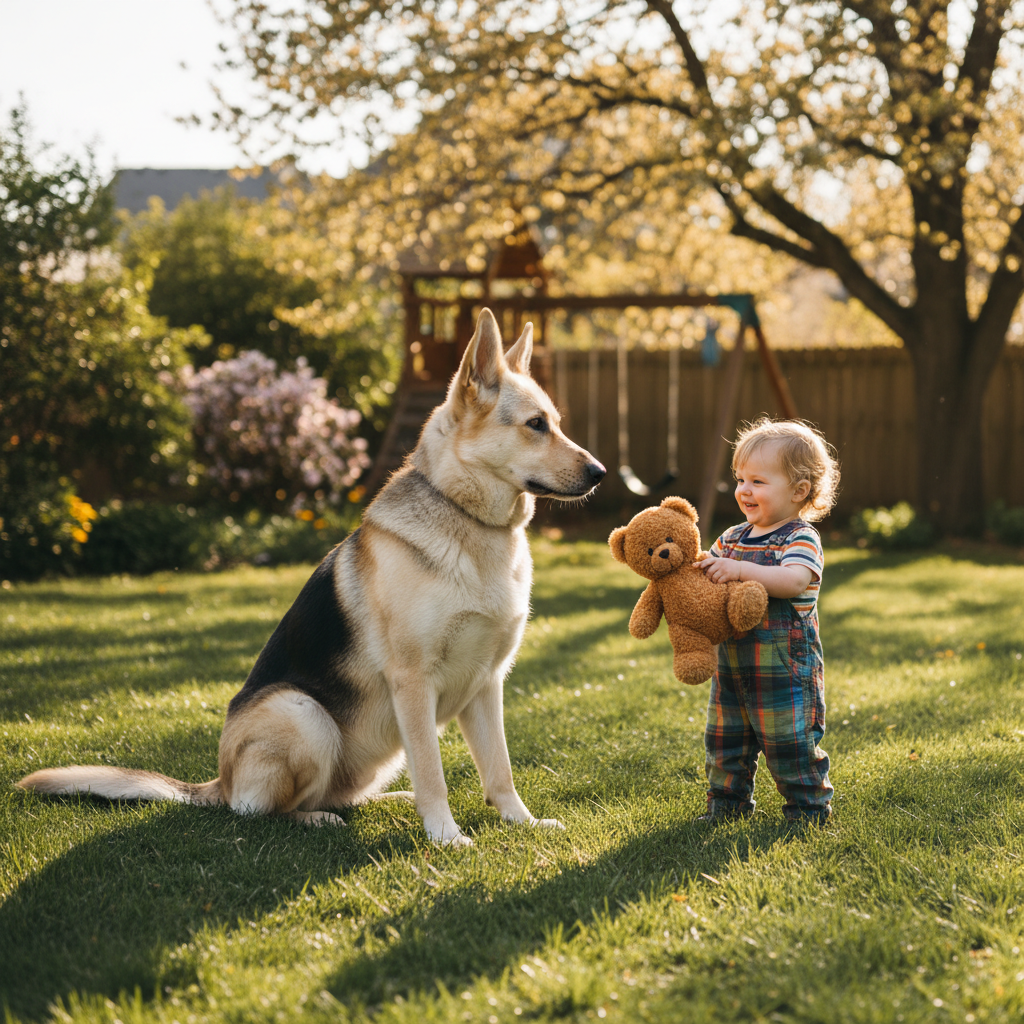
Congratulations! Your dog is now a master of the spoon, a true connoisseur of calm. But the real magic happens when you take this foundational skill and apply it to the rest of your life together. The impulse control and soft mouth they learned from this simple exercise can be a game-changer in many situations.
Gentle Toy-Taking
Does your dog try to rip your arm off during a game of tug or fetch? The same principles apply. Hold the toy still and use your “Gentle” cue. If they try to grab it frantically, say “Oops!” and hide the toy behind your back for a few seconds. Re-present the toy. Only release it to them when they approach with a calmer mouth. This transforms playtime from a frantic battle into a cooperative game.
Polite Treat-Taking from Hands
As mentioned in the steps, the ultimate goal is to fade the spoon. Once your dog is reliable, practice with your hands. Hold a treat in your flat palm and say “Gentle.” If they are soft, they get it. If they are nippy, close your fist and pull your hand away. They will quickly generalize the rule: ‘gentle mouth’ works everywhere, not just with spoons.
Teaching a ‘Leave It’ Cue
The patience your dog learned while waiting for the spoon is the bedrock of a solid ‘Leave It’ command. You’ve already taught them that not immediately lunging for something can lead to a reward. You can now build on this by placing a low-value treat on the floor, covering it with your hand, and rewarding them with a higher-value treat from your other hand when they back away from the covered one.
| Situation | Skill Learned from Spoon Trick | How to Apply It |
|---|---|---|
| Taking Treats | Soft Mouth | Transition from spoon to flat palm, using the ‘Gentle’ cue. Close fist if dog is nippy. |
| Playing with Toys | Impulse Control & Soft Mouth | Ask for a ‘drop it’ and then a ‘gentle’ take when starting to play. Temporarily remove toy if they grab too hard. |
| Greeting People | Impulse Control | The ‘wait’ you practiced helps teach them to not immediately jump or mouth guests for attention. |
| Mealtimes | Patience | Ask for a ‘sit’ and ‘wait’ before placing their food bowl down. They learn to wait for the release cue. |
Conclusion
The Spoon Trick is so much more than a cute way to stop your fingers from becoming chew toys. It’s a powerful lesson in communication, a fun brain game, and a fantastic way to build your dog’s confidence and self-control. By investing just a few minutes each day, you are teaching your dog a lifelong skill that will make them a more pleasant and well-behaved companion in countless situations.
Remember to be patient, stay positive, and celebrate the small victories. Every gentle lick is a step in the right direction. So grab that spoon, a dollop of peanut butter, and get ready to unlock a new level of polite, patient, and gentle behavior in your best friend. Happy training!