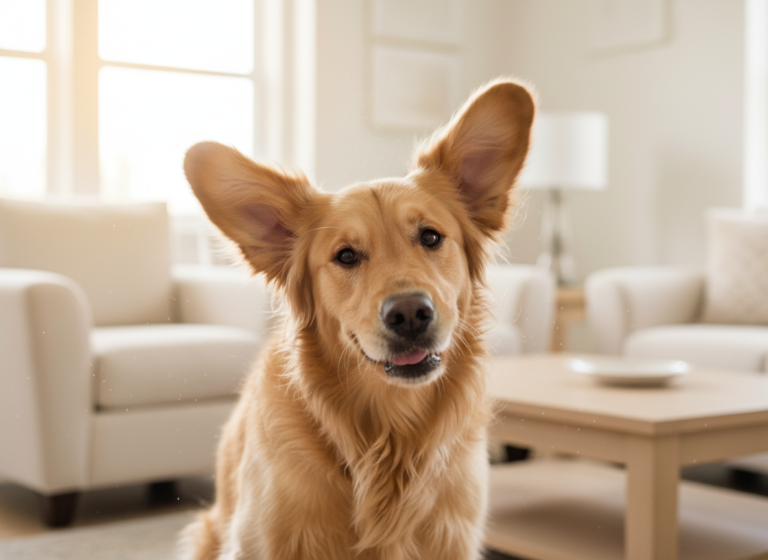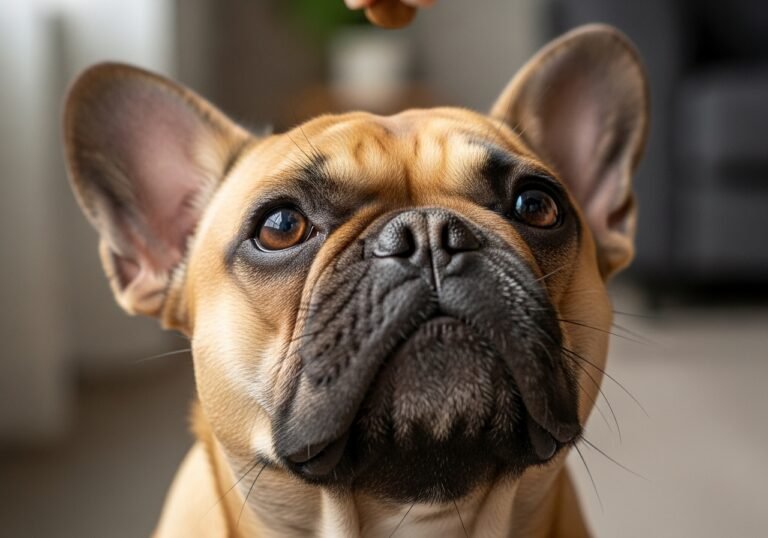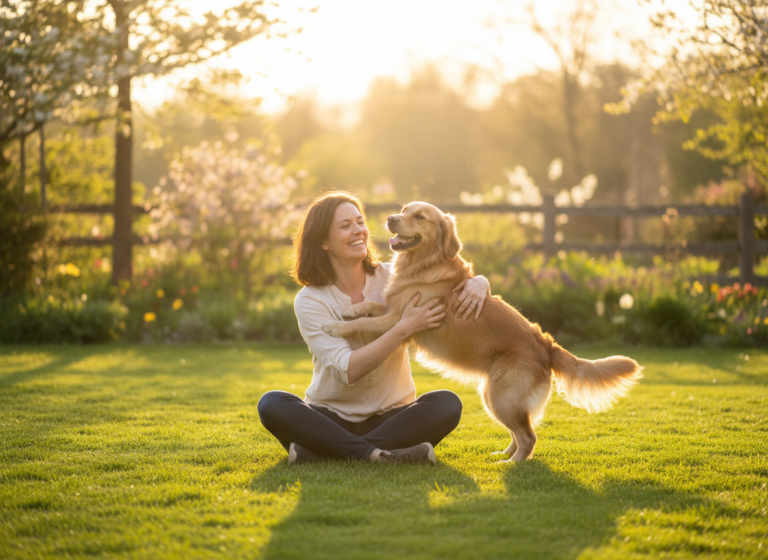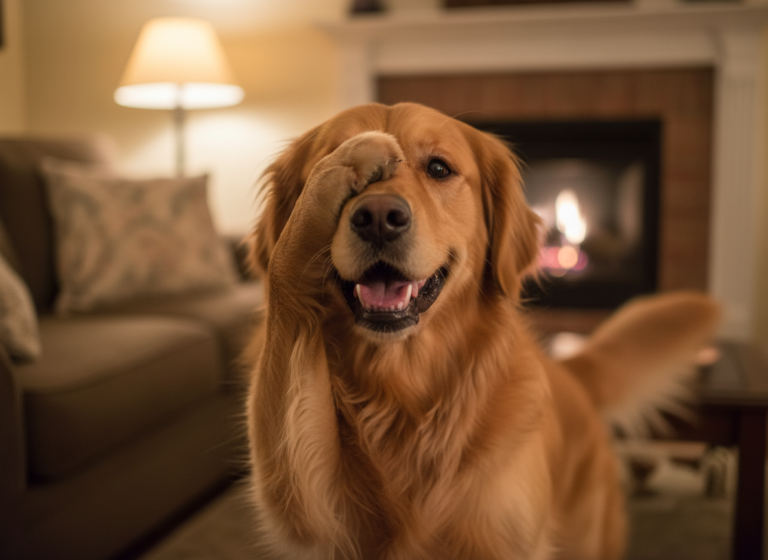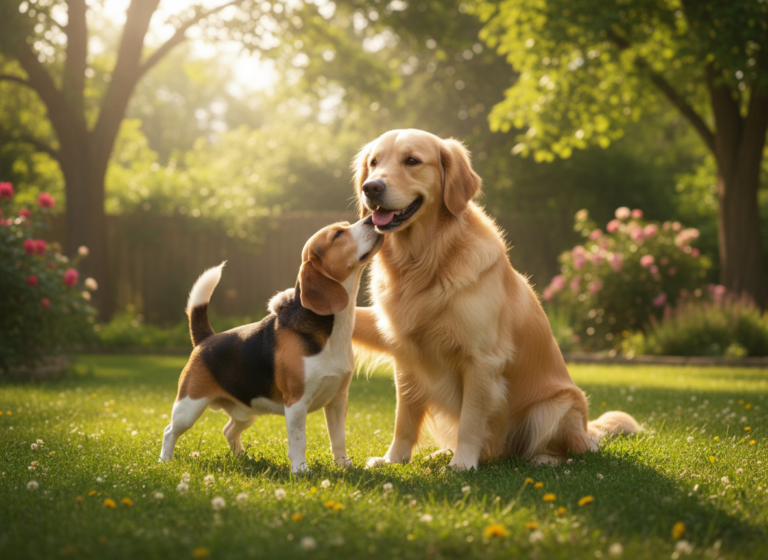
Have you ever scrolled through social media and seen those impossibly cute photos of dogs ‘smiling’ for the camera? It’s a heart-melting expression that seems to capture pure joy. And you’ve probably thought, ‘I wish my dog could do that!’ Well, guess what? They probably can! Teaching your dog to smile on command is not only possible, but it’s also a fantastic bonding activity that’s a lot of fun for both of you.
Now, it’s important to understand what a dog ‘smile’ really is. In canine body language, what we interpret as a smile is often a ‘submissive grin’ – a gesture used to show appeasement and that they aren’t a threat. It’s a sign of friendliness! By using positive reinforcement, we can ‘capture’ this natural behavior and put it on a verbal cue. It’s not about forcing your dog to do something unnatural; it’s about celebrating and rewarding a behavior they already have in their toolkit.
In this guide, we’ll walk you through everything you need to know, from the simple tools required to the three core steps of training. We’ll also cover common troubleshooting tips to ensure your training sessions are happy, successful, and stress-free. Let’s get ready to turn that puppy grin into your favorite new party trick!
Before You Begin: Gathering Your Tools and Setting the Mood
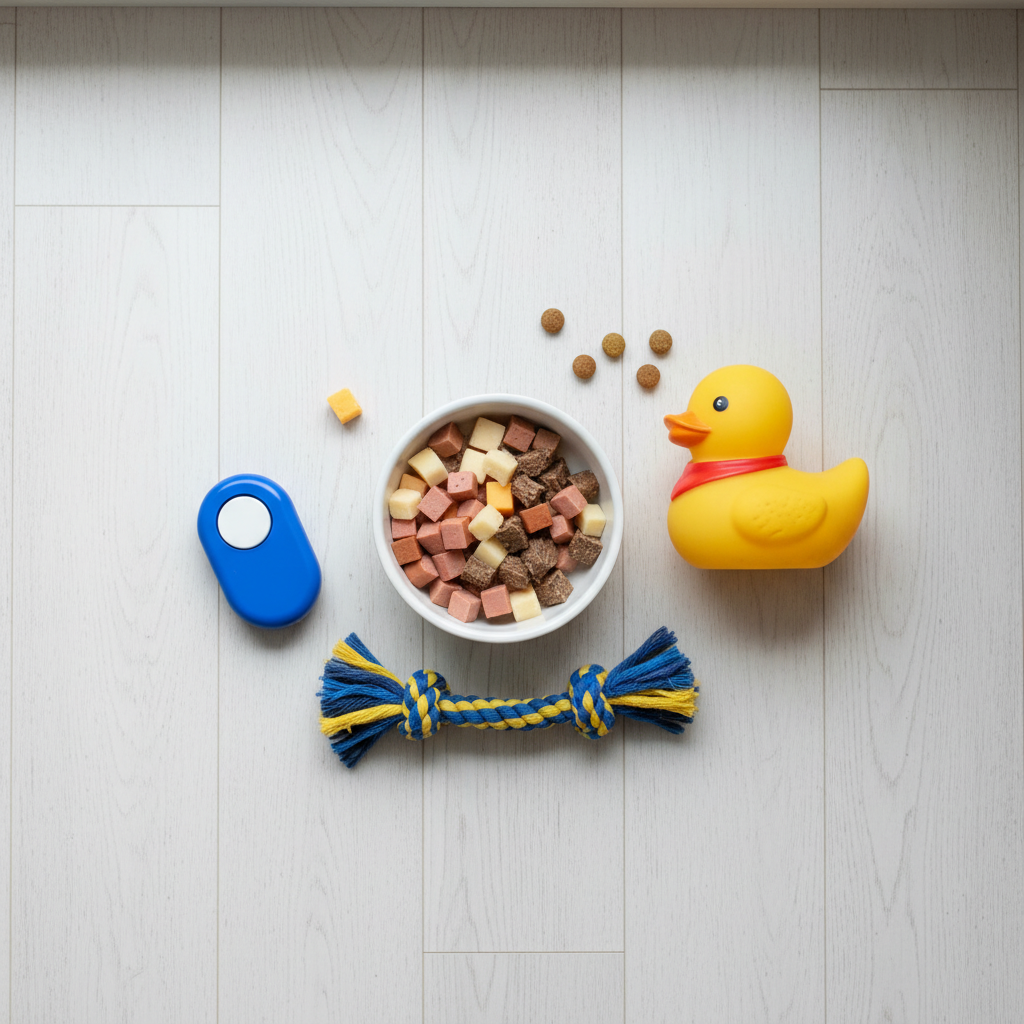
Great training starts with great preparation. Before you jump into teaching the ‘smile’ command, let’s make sure you have everything you need to set your furry friend up for success. The right tools and a positive environment are the secret ingredients to a fun and effective training session.
What You’ll Need:
- High-Value Treats: We’re not talking about their everyday kibble. You need something extra special that your dog absolutely loves and will work hard for. Think small, soft, and smelly! Pieces of boiled chicken, cheese, or store-bought training treats are perfect.
- A Clicker (Optional but Recommended): A clicker is a fantastic tool for marking the exact moment your dog performs the correct behavior. This precision makes communication crystal clear. If you don’t have a clicker, a consistent verbal marker like a sharp ‘Yes!’ works just as well.
- A Quiet Training Space: Choose a location with minimal distractions. Your living room or a quiet backyard is ideal. You want your dog’s full attention on you and the fun game you’re about to play.
- Patience and a Positive Attitude: This is the most important tool of all! Remember, this is a game. Your energy is contagious. If you’re happy and excited, your dog will be too. Keep sessions short, around 5-10 minutes, to prevent your dog from getting bored or frustrated. Always end on a high note!
Expert Tip: The key to capturing a behavior is timing. Have your treats ready in your hand or a treat pouch so you can reward your dog within a second of them showing the ‘smile.’ The faster the reward, the quicker they’ll make the connection.
Step 1: Capturing the Natural ‘Smile’ (The Submissive Grin)
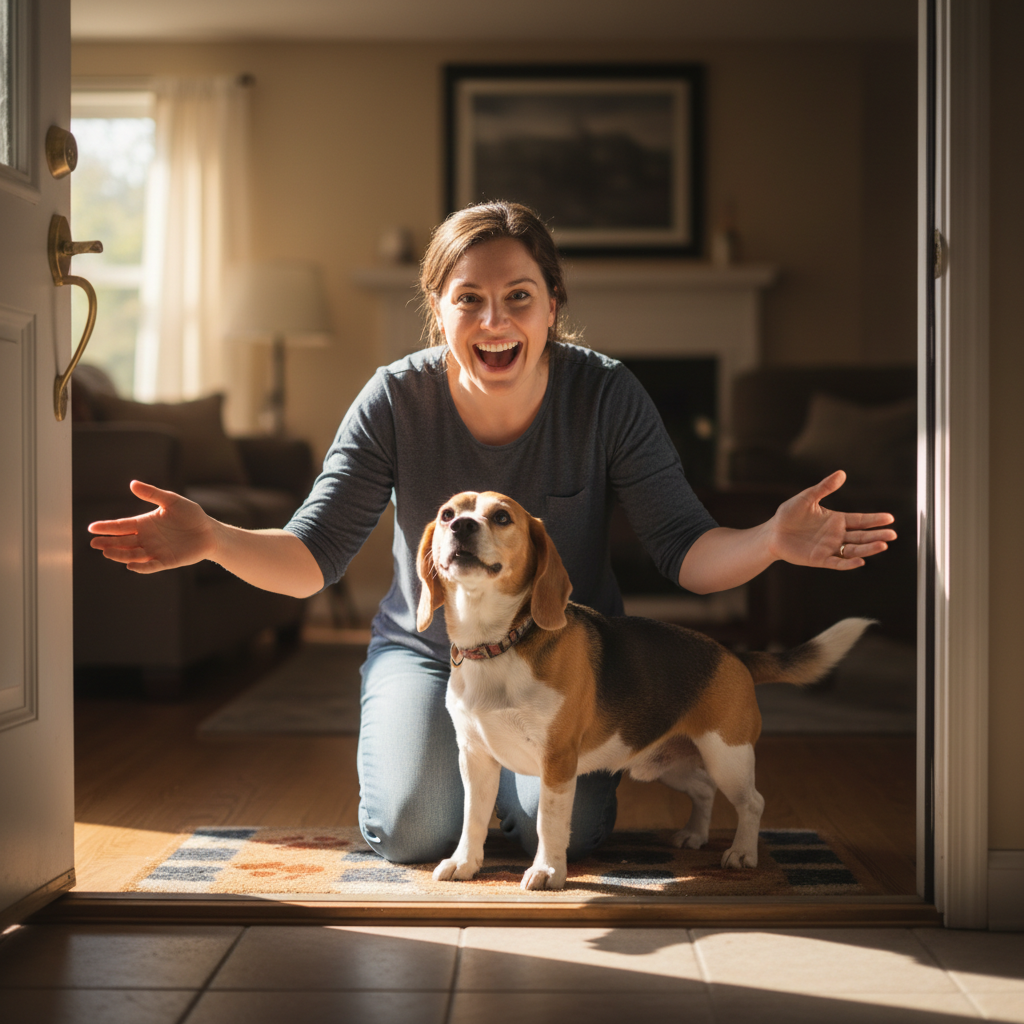
The first and most crucial step is to identify and ‘capture’ your dog’s natural smile. You can’t teach a behavior that never happens! So, your first job is to become a detective and figure out what makes your dog offer that submissive grin.
Many dogs do this naturally in specific situations. Think about when you’ve seen it before. Common triggers include:
- When you first come home and greet them with excitement.
- When you’re giving them a really good scratch in their favorite spot (like under the chin or on their rump).
- When you use a high-pitched, super-happy ‘baby talk’ voice.
- Sometimes, it can even happen right before a sneeze!
Your mission is to recreate these scenarios. Come through the door with extra enthusiasm, get down on their level, and talk to them in your happiest voice. Try some gentle scratches and see what happens. The moment you see their lips pull back to expose their front teeth in that classic grin, you need to act fast!
- Observe: Watch your dog’s face closely.
- Mark: The *instant* you see the lip curl, click your clicker or say ‘Yes!’ with enthusiasm.
- Reward: Immediately give them a high-value treat.
Repeat this process over several short sessions. At this stage, you are not asking for anything. You are simply a vending machine that dispenses amazing snacks whenever that specific facial expression appears. Your dog will quickly realize, ‘Hey, when I make this funny face, I get chicken! I should do this more often!’ This is the foundation of the entire trick.
Step 2: Adding the Verbal Cue and Fading the Trigger
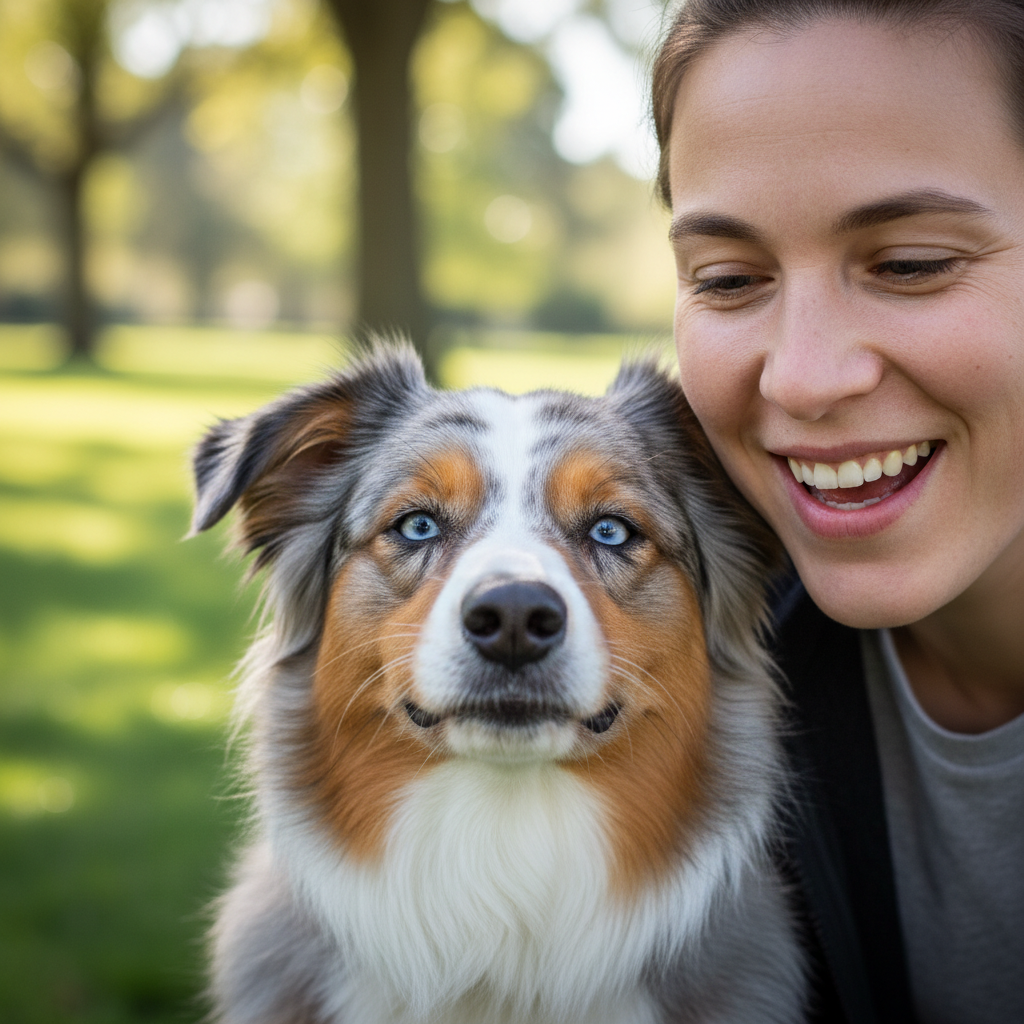
Once your dog is reliably offering a ‘smile’ when you prompt them with your trigger (like an excited greeting or a special scratch), it’s time to put a name to the action. This is where we introduce the verbal cue: ‘Smile!’
The process is all about association. You want your dog to connect the word ‘Smile!’ with the action they are performing. Here’s how to do it:
- Say the Cue First: Just before you initiate your trigger, clearly and happily say your cue word, ‘Smile!’
- Initiate the Trigger: Immediately after saying the word, do the thing that makes them grin (e.g., start scratching their favorite spot).
- Mark and Reward: As soon as they smile, click or say ‘Yes!’ and give them their tasty reward.
The sequence is critical: Cue -> Trigger -> Behavior -> Mark -> Reward.
For example: You say, ‘Smile!’ then you start scratching their rump. They lift their lips into a grin. You click and treat. Repeat this over and over again across many short training sessions. Your dog’s smart brain will begin to link the word ‘Smile!’ with the incoming scratch and the subsequent reward.
Fading the Physical Trigger
After many successful repetitions, your dog will start to anticipate the behavior. You’ll say ‘Smile!’ and they might start to offer a little lip curl even before you start scratching. This is a fantastic sign! Now, you can begin to ‘fade’ the physical trigger.
Try saying ‘Smile!’ and waiting just a second before you start scratching. If they offer even a tiny smile in that pause, mark and reward it immediately with a ‘jackpot’ – several treats at once! Gradually, you will be able to say the cue and have them offer the behavior without needing the physical prompt at all. This is the magic moment when they truly understand the command!
Step 3: Refining the Trick and Making it Picture-Perfect
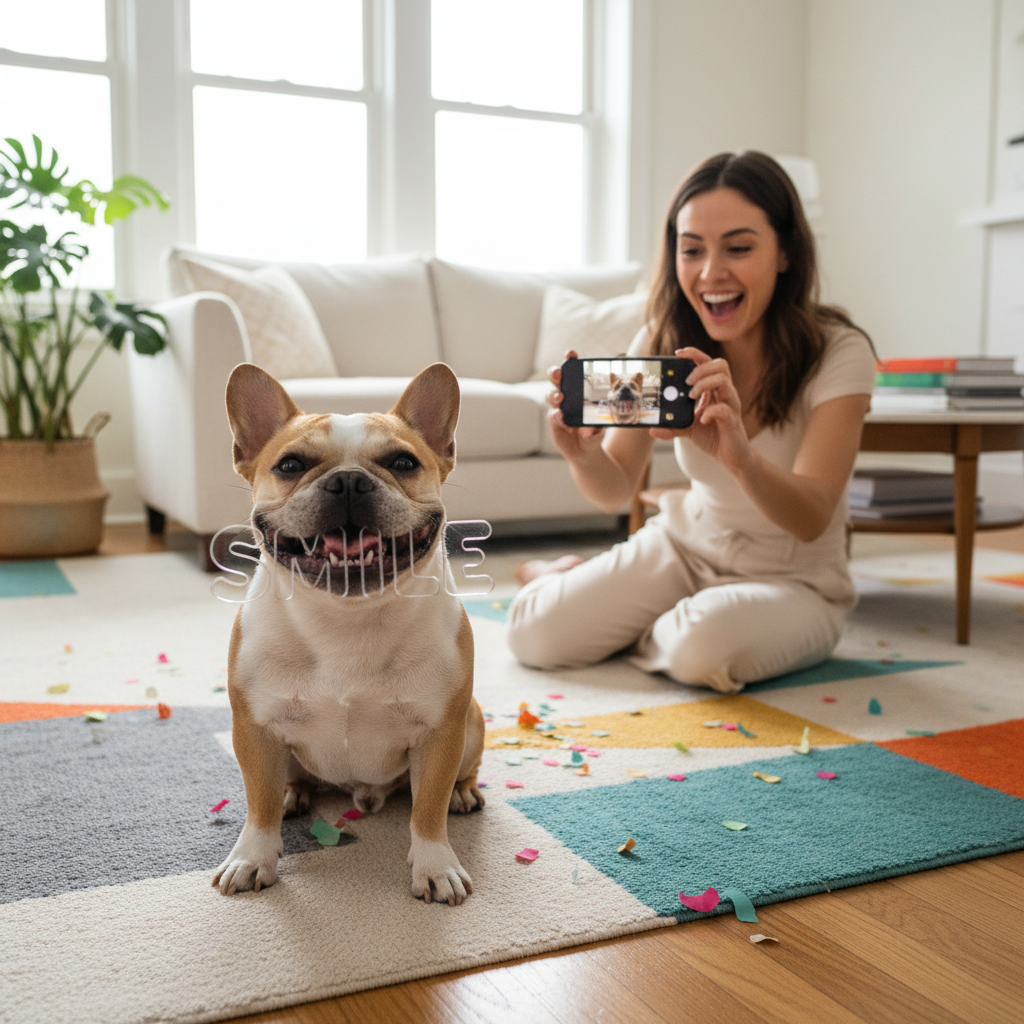
Congratulations! Your dog now understands what ‘Smile!’ means. The final step is to refine the behavior, make it more reliable, and ‘proof’ it against distractions. This is how you get that camera-ready, on-demand grin that will wow your friends and family.
Building Duration
Right now, the smile might be very brief. To get a smile you can actually photograph, you’ll want to build a little duration. Start delaying your ‘click’ or ‘Yes!’ by just a fraction of a second after they smile. If they hold the smile, they get the reward. Gradually increase this delay from half a second to a full second, then two seconds. If they drop the smile too early, no worries – just make it easier on the next try. This teaches them to hold that adorable expression.
Proofing Against Distractions
‘Proofing’ is the process of teaching your dog to perform a cue in different environments and with distractions present.
- Change Locations: Start by practicing in different rooms of your house. Then, move to your quiet backyard. Eventually, you can try it at a calm park.
- Introduce Mild Distractions: Ask for a ‘smile’ while another person is walking calmly in the room. Or try it with the TV on quietly in the background. Go slowly and make sure your dog is successful.
- Keep it Positive: If your dog gets distracted and fails, don’t get frustrated. Simply make the situation easier. Take a few steps back to a quieter spot and try again, rewarding them generously for success.
The goal is to make the ‘Smile!’ command as reliable as ‘Sit!’ or ‘Stay!’. With consistent, fun practice, your dog will be able to flash their pearly whites (or at least their gums) anytime you ask.
Oops! Troubleshooting Common ‘Smile’ Training Hurdles
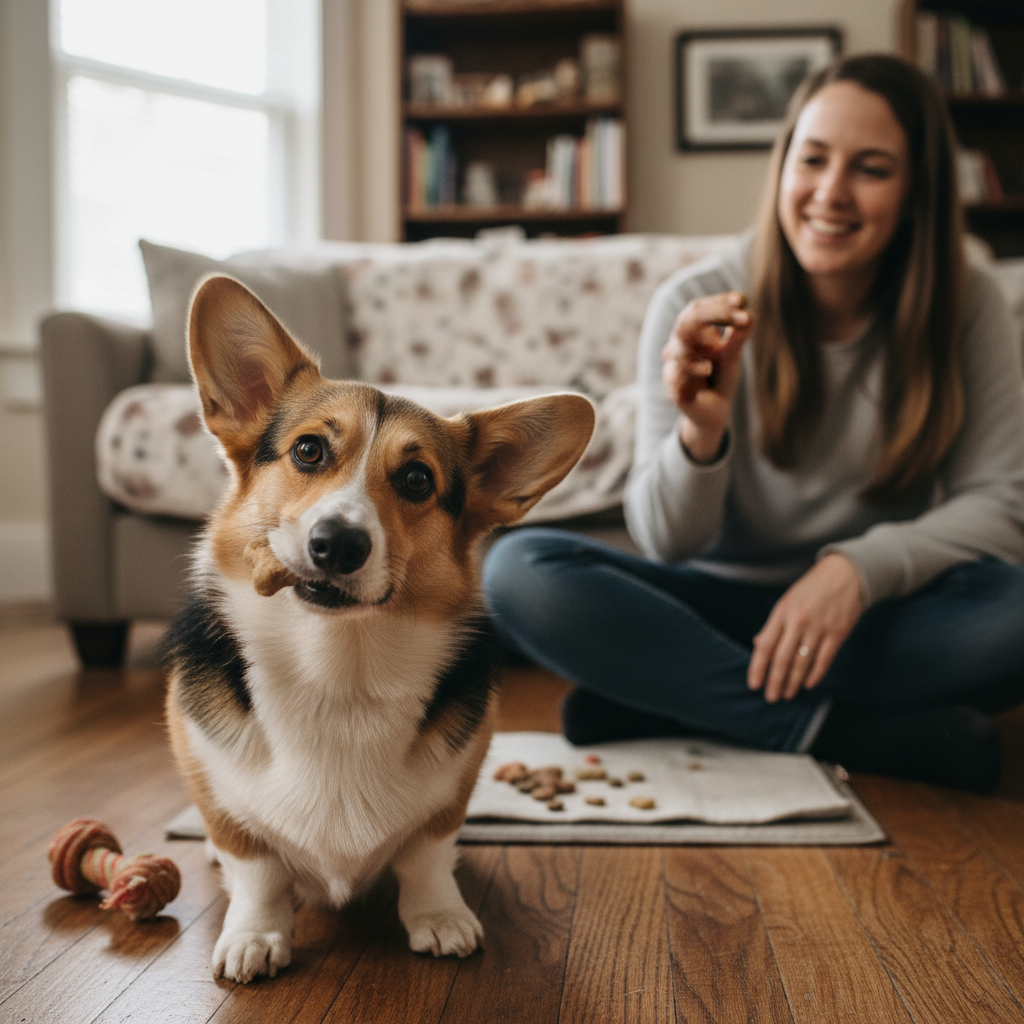
Even with the best plan, you might run into a few bumps in the road. That’s completely normal in dog training! Here are some common challenges and how to navigate them with a positive attitude.
‘My Dog Never Shows a Submissive Grin!’
Some dogs just aren’t natural grinners, and that’s okay! Don’t try to force it. Instead, get creative. What other funny faces does your dog make? Some people have successfully taught a ‘smile’ by capturing the face their dog makes right before a sneeze, or the lip-lift they do when smelling something fascinating. The principle is the same: observe, find a unique facial expression, and capture it!
‘My Dog is Confused or Frustrated.’
If your dog starts whining, barking, or walking away, it’s a clear sign they’re not having fun anymore. This usually means the session has gone on too long or the task is too difficult. The solution is simple: end the session immediately with an easy win (like a simple ‘Sit’) and a treat. Next time, make the session shorter and go back a step to something they can do successfully. Maybe the treats aren’t exciting enough, or there are too many distractions.
‘The ‘Smile’ Looks More Like a Snarl!’
This is the most important distinction to make. A friendly submissive grin is very different from a snarl, which is a warning sign. It’s all about the context and the rest of the dog’s body language.
| Submissive Grin (Happy) | Snarl (Warning) |
|---|---|
| Loose, wiggly body | Stiff, frozen body |
| Soft, squinty eyes | Hard, direct stare |
| Ears back and low | Ears forward or pinned back tightly |
| Low, sweeping tail wags | High, stiff tail, possibly with short, fast wags |
Safety First: If at any point you feel your dog is uncomfortable, stressed, or showing signs of aggression like a stiff body and a hard stare, stop immediately. This trick is meant to be fun. Never punish your dog for showing discomfort. Consult a professional positive reinforcement trainer if you are unsure about your dog’s body language.
Conclusion
And there you have it! By following these three simple steps – capturing the natural behavior, adding a cue, and then refining the trick – you can teach your dog one of the most charming commands around. Remember that the journey is just as important as the destination. Every short training session is a chance to strengthen your communication and deepen the incredible bond you share with your best friend.
Be patient, stay positive, and most importantly, have fun with it! Before you know it, you’ll be able to ask your dog for a ‘smile’ and capture those priceless moments on camera. Now go grab your treats and get ready to see that adorable grin!