If the mere sight of an eye drop bottle sends your furry best friend scurrying under the bed, you know the struggle is real. What should be a simple act of care can quickly escalate into a stressful wrestling match, leaving both you and your pup feeling anxious and defeated. But what if I told you it doesn’t have to be this way? What if you could turn this dreaded chore into a fun, rewarding trick that your dog actually looks forward to?
It sounds too good to be true, but with a little patience and the power of positive reinforcement, it’s entirely possible. We’re going to reframe the entire experience, moving away from force and restraint and toward cooperation and trust. This guide will walk you through, step-by-step, how to teach your dog to willingly participate in their own eye care. Get ready to say goodbye to the drama and hello to stress-free treatment time!
Gearing Up for Success: What You’ll Need Before You Start
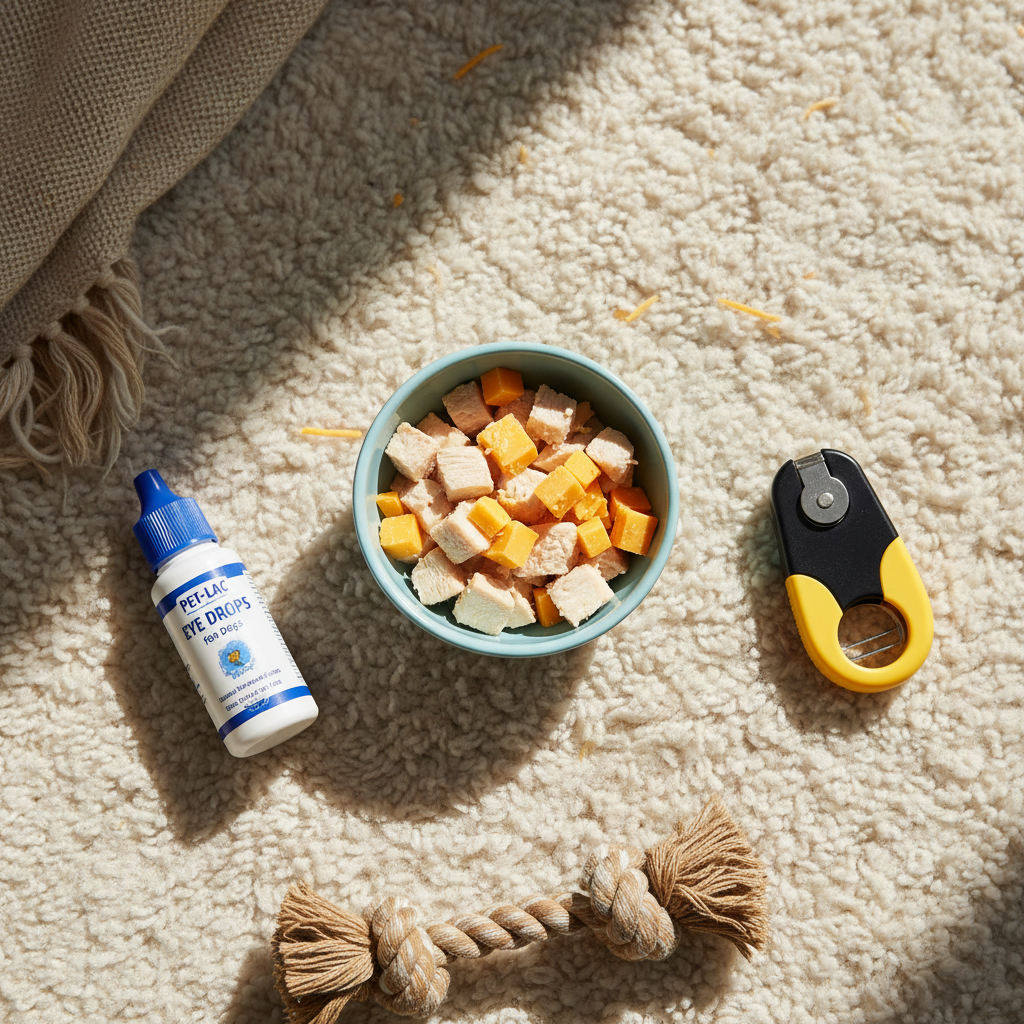
Before we jump into the training, let’s set ourselves up for a win. Having the right tools on hand will make the process smoother and more effective. Think of this as your ‘stress-free eye drop’ toolkit. The goal is to create a calm, positive, and rewarding environment from the very beginning.
Your Essential Toolkit:
- High-Value Treats: We’re not talking about their everyday kibble. You need the good stuff! Think tiny pieces of cooked chicken, cheese, freeze-dried liver, or whatever your dog finds absolutely irresistible. The treat should be so good that it overshadows any initial uncertainty about the training. Cut them into very small, pea-sized pieces so you can reward frequently without overfeeding.
- The Prescribed Eye Drops: Have the medication ready. It’s a good idea to keep it in your pocket for a few minutes beforehand to warm it up slightly. A cold drop can be startling and undo your hard work.
- A Comfortable Spot: Choose a quiet, cozy area where your dog feels safe and relaxed, like their favorite bed or a soft rug. Avoid slippery floors or high-traffic areas where you might be interrupted. Consistency is key, so try to use the same spot for each training session.
- A Clicker (Optional but Recommended): A clicker is a fantastic tool for marking the exact moment your dog does something right. This precision communication can speed up the learning process significantly. If you’re not using a clicker, choose a consistent verbal marker, like a sharp “Yes!”.
- Patience and a Positive Attitude: This is the most important tool of all! Your dog is an expert at reading your emotions. If you’re stressed, they’ll be stressed. Take a deep breath, put on a smile, and approach each session as a fun game you’re playing together.
Expert Tip: Keep your training sessions short and sweet! Aim for multiple 2-5 minute sessions throughout the day rather than one long, overwhelming one. Always end on a positive note, even if it means taking a step back to something your dog can do easily.
The Trick Unveiled: A Step-by-Step Guide to Happy Eye Drops
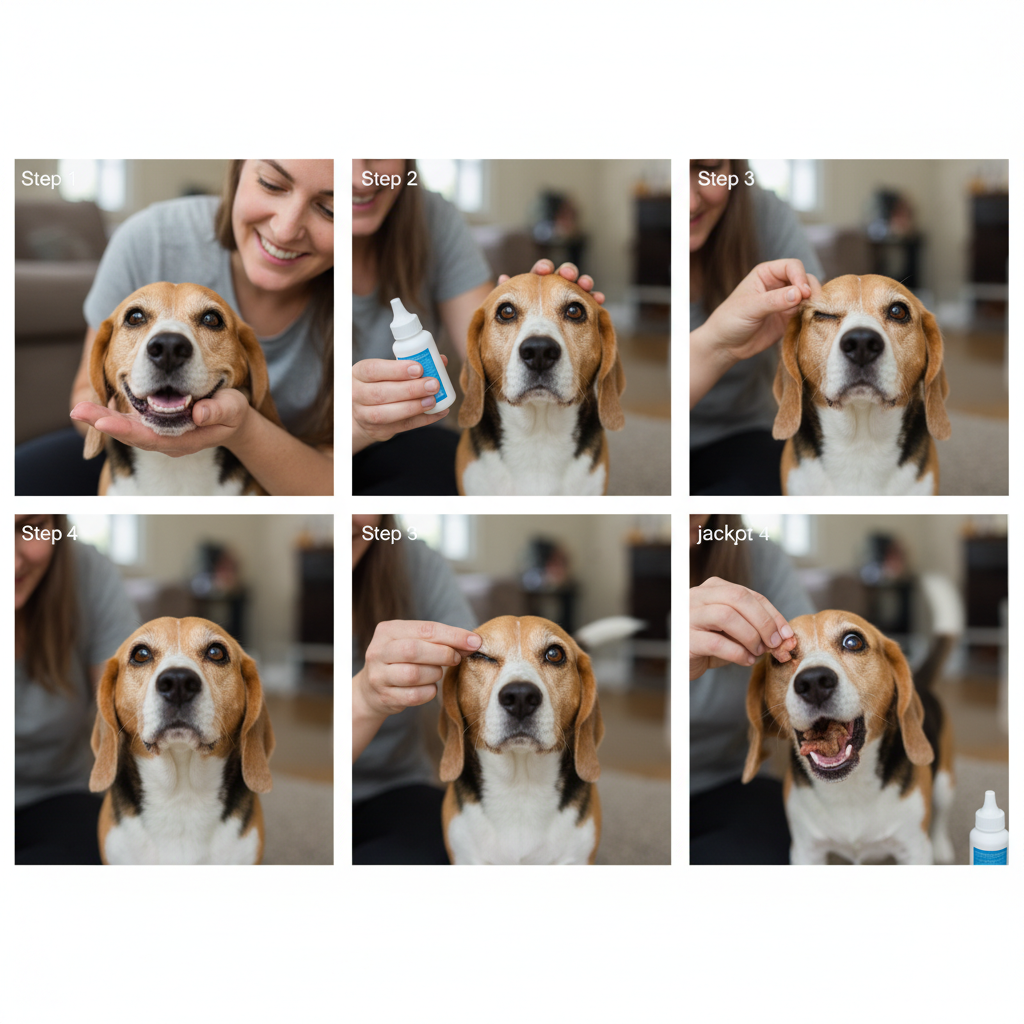
Alright, with our tools and treats at the ready, it’s time to build this new skill from the ground up. We’ll break it down into tiny, manageable steps. The golden rule is to only move to the next step when your dog is completely comfortable and happy with the current one. This process is called desensitization and counter-conditioning—we’re slowly removing the fear and replacing it with a positive association (treats!).
Step 1: The ‘Chin Rest’ Foundation
The chin rest is a game-changer. It’s a voluntary hold that gives you stable, hands-on access to your dog’s head without any restraint. Rest your hand, palm up, on your knee or the floor. Lure your dog to place their chin in your hand. The moment they do, click (or say “Yes!”) and give them a treat. Repeat this until they are eagerly putting their chin in your hand. Gradually increase the duration they hold the position before the click/treat, starting with just a second.
Step 2: Introducing the Bottle
The bottle itself can be a major source of anxiety. We need to change that. Simply show your dog the closed eye drop bottle. When they look at it or sniff it, click/treat. Put it behind your back, then present it again. Click/treat. The goal: Bottle appears = treat appears. Do this until the sight of the bottle makes your dog look at you expectantly for a reward.
Step 3: Combining the Chin Rest and the Bottle
Now, let’s put our first two steps together. Ask your dog for their chin rest. Once they are settled, bring the eye drop bottle into their field of vision with your other hand. Click/treat while they maintain the chin rest. At first, the bottle might be a foot away. Slowly, over many repetitions, bring it closer to their face. If they pull away, you’ve moved too fast. Simply move the bottle back to a distance where they are comfortable and reward them there.
Step 4: Mimicking the Motion (No Drops!)
This step gets them used to the physical handling required. While your dog is in a comfortable chin rest, use your free hand (the one not holding their chin) to gently touch the fur around their eye. Click/treat. Progress to gently lifting their upper eyelid or pulling down the lower one for just a second. Click/treat. Once they are comfortable with this, you can practice bringing the capped bottle towards their eye as you hold the eyelid. Remember, no drops yet! This is just a dress rehearsal.
Step 5: The ‘Water Drop’ Practice Run
This is an optional but highly effective step for dogs who are sensitive to the sensation of the drop. First, check with your veterinarian to ensure it’s safe to use sterile saline solution or a single drop of lukewarm water. Use a clean dropper for this. Go through the motions: chin rest, hold the eyelid, and let a single drop of the saline/water fall into their eye. Immediately follow with a ‘jackpot’—a handful of high-value treats and lots of praise! This separates the physical sensation of a drop from the actual medication.
Step 6: Graduation Day – The Real Deal
You’ve done the work, and your dog is comfortable with every preceding step. It’s time for the real thing. Stay calm and confident. Ask for the chin rest. Hold the eyelid gently. Administer the medicated drop quickly and smoothly. The moment it’s in, release your dog and deliver the biggest jackpot of treats and praise yet! Make a huge, happy fuss. You did it!
Oops, We Hit a Snag! Troubleshooting Common Hurdles
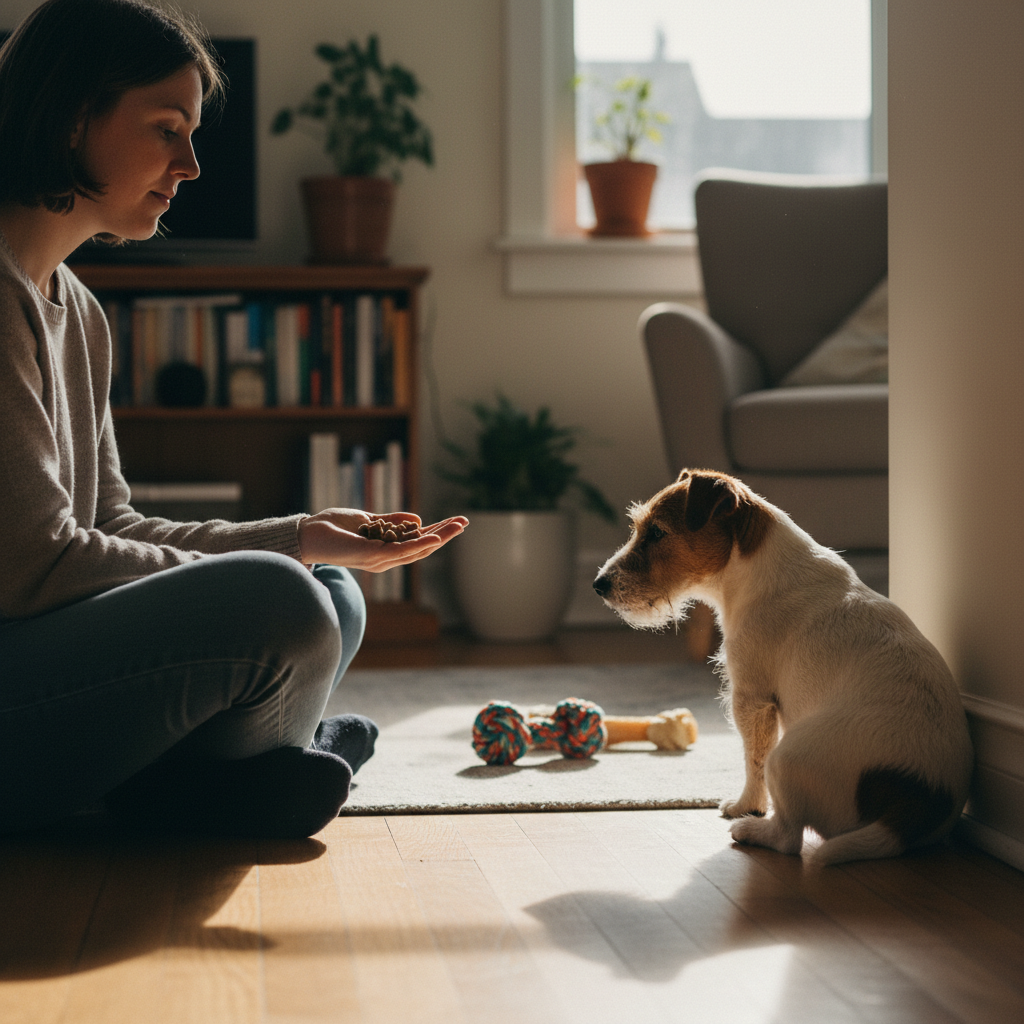
Even with the best plan, you might encounter a few bumps in the road. Don’t worry, it’s completely normal! The key is to recognize when your dog is feeling stressed and know how to adjust your approach. Here’s how to navigate some common challenges.
My dog is too wiggly and won’t stay still.
Wiggliness is often a sign of excitement or anxiety. The solution is to go back a step to where they were successful and calm. Is the chin rest solid? If not, spend more time making that a fun, rewarding game. Are your training sessions too long? Keep them under a couple of minutes to hold their focus. You can also try a ‘happy hoodie’ or a light towel wrap for some dogs who find gentle pressure calming, but never use it as a form of restraint.
My dog is head-shy and flinches when I reach for their face.
Head shyness requires extra patience. Work on this separately from the eye drop training. Spend time just rewarding your dog for allowing you to gently touch their cheek, then their forehead, then near their eyes, all without any equipment involved. Make ‘face touches’ predict amazing treats. Once they are comfortable with your hands near their face, you can slowly re-introduce the eye drop training steps.
The first ‘real’ drop went badly, and now my dog is scared again.
It happens! Maybe the drop was too cold, or you were a little nervous. The most important thing is not to push through. Take a break for a day or two. Let the negative memory fade. Then, restart the process from a much earlier step—maybe even back to just showing them the bottle and treating. You need to rebuild that positive association. Use even higher-value treats this time to make the experience extra special.
Remember the Golden Rule: Your dog sets the pace. Watch their body language closely. Yawning, lip licking, turning their head away—these are all subtle signs of stress. If you see them, it’s a signal to make the task easier or end the session with a positive reward for a simple task they can do well.
Beyond the Trick: Maintaining a Positive Vibe
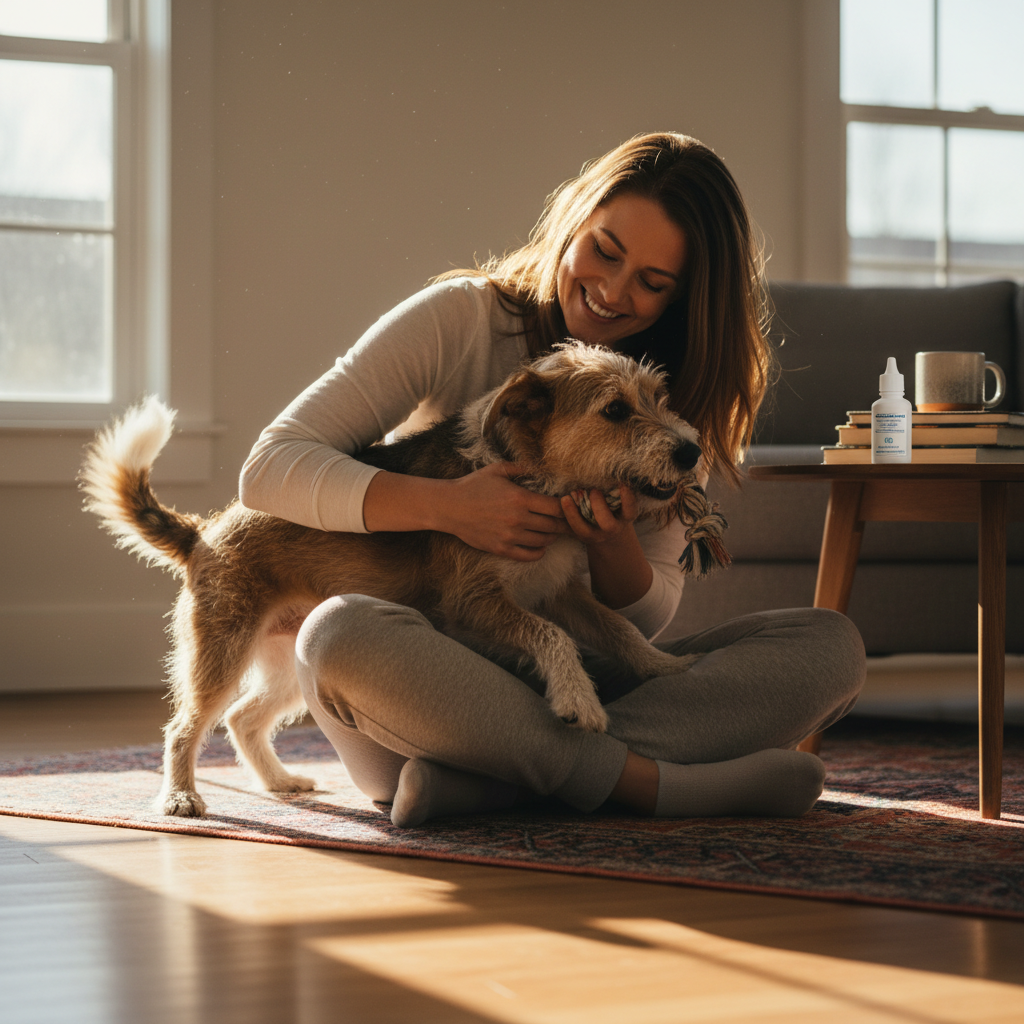
Congratulations, you’ve successfully administered eye drops! But the work isn’t quite over. To ensure this remains a stress-free process for the long haul, you need to maintain the positive association you’ve built. Think of it as skill maintenance for your pup’s new favorite trick.
Practice Makes Paw-fect
Don’t let this new skill get rusty. Even on days when your dog doesn’t need medication, run through the ‘trick.’ Ask for a chin rest, touch around their eyes, bring the capped bottle close, and give them a treat. These quick, positive rehearsals reinforce that the whole routine is a fun and rewarding game, not just something that happens when their eyes are bothering them.
Your Body Language Speaks Volumes
Your dog is a master at reading your energy. If you approach them with tense shoulders and a worried expression, they’ll immediately know something is up. So, keep it light! Use a happy, upbeat tone of voice. Smile. Move with calm, confident motions. Your relaxed demeanor will tell your dog that there’s nothing to worry about.
The Power of Choice
The foundation of this method is that it’s cooperative. The chin rest is a behavior your dog chooses to offer. Always honor that choice. If you ask for a chin rest and they say ‘no thanks’ by walking away, let them. Forcing them into position will only unravel your hard work. Instead, try to make the offer more enticing—use better treats, or wait until they are in a more relaxed mood. Giving them this sense of control is what eliminates the fear and builds a rock-solid foundation of trust.
Conclusion
Transforming eye drop application from a struggle into a trick is about so much more than just getting medication into your dog’s eye. It’s a powerful exercise in communication, patience, and mutual trust. By breaking down the task into small, achievable steps and pairing each one with something wonderful, you’re not just solving a problem—you’re actively strengthening the bond you share with your best friend.
Remember to celebrate the small victories, keep your sessions short and fun, and always listen to what your dog’s body language is telling you. With this positive, cooperative approach, you’ll soon have a dog who not only tolerates eye drops but happily participates in their own care. And that’s a trick worth celebrating!