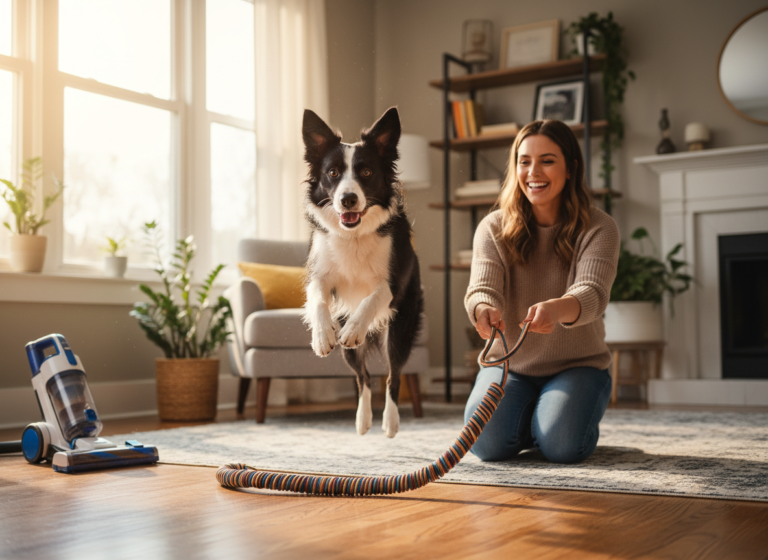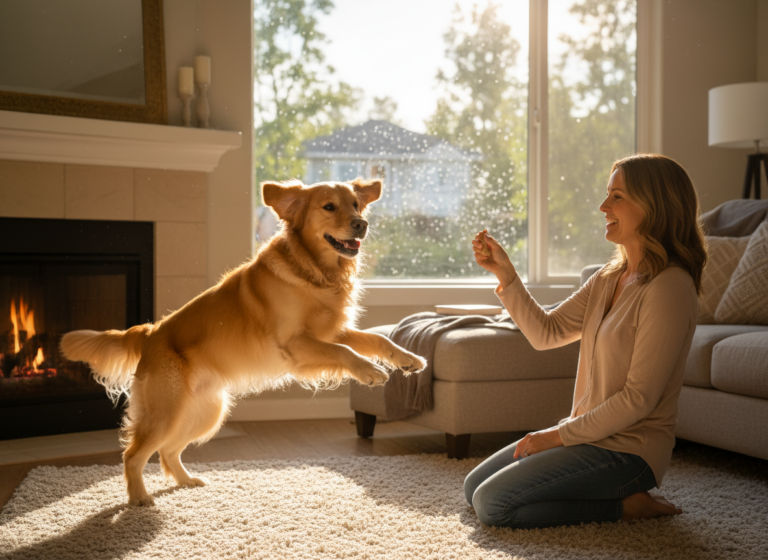
Hey there, fellow dog lovers! Are you looking for a new, exciting way to engage with your four-legged best friend? Something that goes beyond the usual ‘sit’ and ‘stay’? Well, you’ve come to the right place! We’re about to dive into one of the most delightful and impressive tricks you can teach: the arm hoop jump. This isn’t just a crowd-pleaser; it’s a fantastic exercise in trust, communication, and teamwork between you and your pup.
The arm hoop jump is especially perfect for small to medium-sized dogs. It doesn’t require any fancy agility equipment—just you, your dog, some tasty treats, and a bit of patience. It’s a wonderful way to provide mental stimulation, improve your dog’s coordination, and build their confidence. Plus, let’s be honest, it looks incredibly cool! In this guide, we’ll walk you through everything you need to know, from the very first step to troubleshooting common issues, ensuring the whole process is fun and safe for your furry star.
Setting the Stage for Success: What You’ll Need
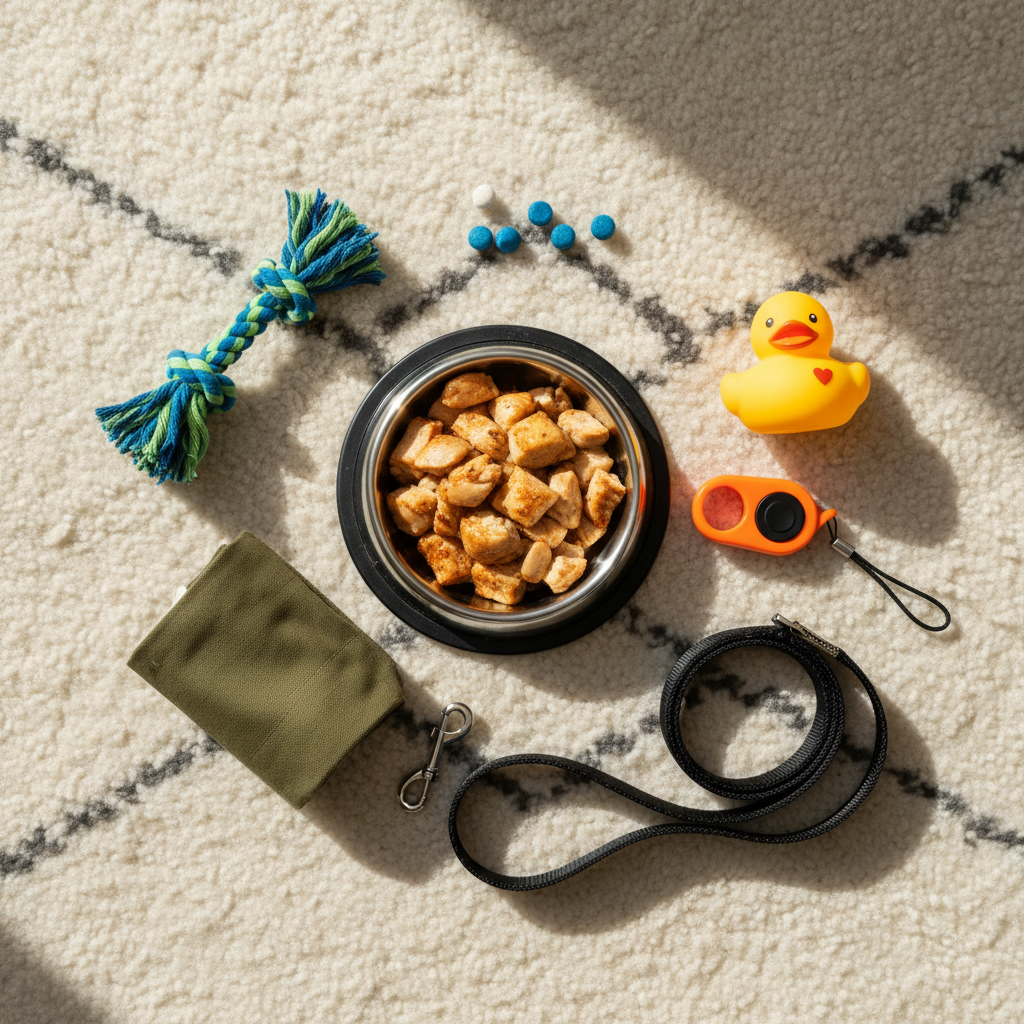
Before you and your canine companion start your journey to becoming hoop-jumping pros, it’s essential to gather a few things. Setting up properly will make the training process smoother and much more enjoyable for both of you. Think of it as preparing your toolkit for fun!
The Essentials for Hoop Jump Training:
- High-Value Treats: We’re not talking about their regular kibble here. You’ll want something extra special that your dog absolutely loves and doesn’t get all the time. Think small, soft, and smelly treats like tiny pieces of chicken, cheese, or commercial training treats. The goal is to make the reward so enticing that your dog is super motivated to work for it.
- A Clicker (Optional but Recommended): A clicker is a fantastic tool for marking the exact moment your dog does something right. This precise communication can speed up the learning process significantly. If you’ve never used one, don’t worry! The concept is simple: click the instant your dog performs the desired action, then immediately give a treat. The ‘click’ becomes a powerful signal for ‘Yes! That’s what I want!’
- A Positive Attitude: This is the most crucial ingredient! Your dog feeds off your energy. Keep training sessions short, upbeat, and full of praise. If you get frustrated, your dog will sense it and may become anxious. Remember, this is a game you’re playing together.
- A Comfortable, Distraction-Free Space: Start your training in a quiet area where your dog feels safe and can focus, like your living room or a fenced backyard. You want to minimize distractions like other pets, people, or loud noises, especially in the beginning. Ensure the flooring provides good traction—avoid slippery hardwood or tile floors if possible. A rug or grassy area is perfect.
Expert Tip: Always end your training sessions on a high note! It’s better to have a super successful 5-minute session than a frustrating 20-minute one. Finishing with a successful repetition or even a simpler trick your dog knows well leaves them feeling confident and eager for the next session.
Your Step-by-Step Guide to the Arm Hoop Jump

Alright, with your treats in hand and your positive energy flowing, it’s time for the main event! We’re going to break down this impressive trick into tiny, manageable steps. The key is to go at your dog’s pace and celebrate every small bit of progress. Let’s begin!
Step 1: Introduce the Hoop
The first step is simply getting your dog comfortable with the ‘hoop’ itself. Kneel or sit on the floor at your dog’s level. Form a circle with your arms, making sure the bottom of the ‘hoop’ is resting on the ground. Don’t try to make your dog go through it yet. Just hold the shape. When your dog investigates it—sniffing your hands, poking their head near it—click and treat! Do this a few times until they are completely relaxed around your arm circle.
Step 2: Lure Through the Grounded Hoop
Now, while keeping your arm hoop on the ground, take a tasty treat in one hand. Show it to your dog, then slowly move the treat through the opening of the hoop to the other side. The goal is to entice your dog to follow the treat, walking through your arms. The moment their whole body has passed through, click, treat, and shower them with praise! Repeat this several times. Most dogs pick this up very quickly.
Step 3: Gradually Raise the Hoop
This is where the ‘jump’ part starts to come in, but we’ll take it slow. Once your dog is confidently walking through the hoop on the ground, lift your arms so the bottom of the hoop is just an inch or two off the floor. It should be low enough that they can easily step over it. Lure them through just as you did before. Click and treat for a successful step-through. Over several training sessions, you can gradually raise the height of your arm hoop. The key word here is gradually. We’re talking an inch at a time. The goal is a tiny hop, not a massive leap.
Step 4: Add the Verbal Cue
When your dog is reliably hopping through your slightly raised hoop, you can start adding a verbal cue. Choose a short, clear word like “Hoop!”, “Jump!”, or “Through!”. Say your chosen cue right before you lure them through the hoop. For example: Say “Hoop!”, then immediately lure them with the treat. After several repetitions, your dog will start to associate the word with the action.
Step 5: Fade the Lure
Our eventual goal is for the dog to jump through the hoop on a verbal cue or hand signal alone, without needing a treat waved in front of their nose. To do this, start making your lure less obvious. Instead of holding the treat in your luring hand, keep it hidden in your other hand. Go through the same luring motion with your empty hand, and then reward them from your other hand after they jump through. Over time, you can make this hand motion smaller and smaller, turning it into a simple point through the hoop.
Step 6: Practice and Proofing
Once your dog has mastered the arm hoop jump in your quiet training space, it’s time to ‘proof’ the behavior. This means practicing in different environments with slightly more distractions. Try it in a different room, then in your backyard. This helps your dog generalize the command and understand that “Hoop!” means the same thing everywhere, not just in the living room. Keep it fun and rewarding!
Troubleshooting Common Training Hurdles
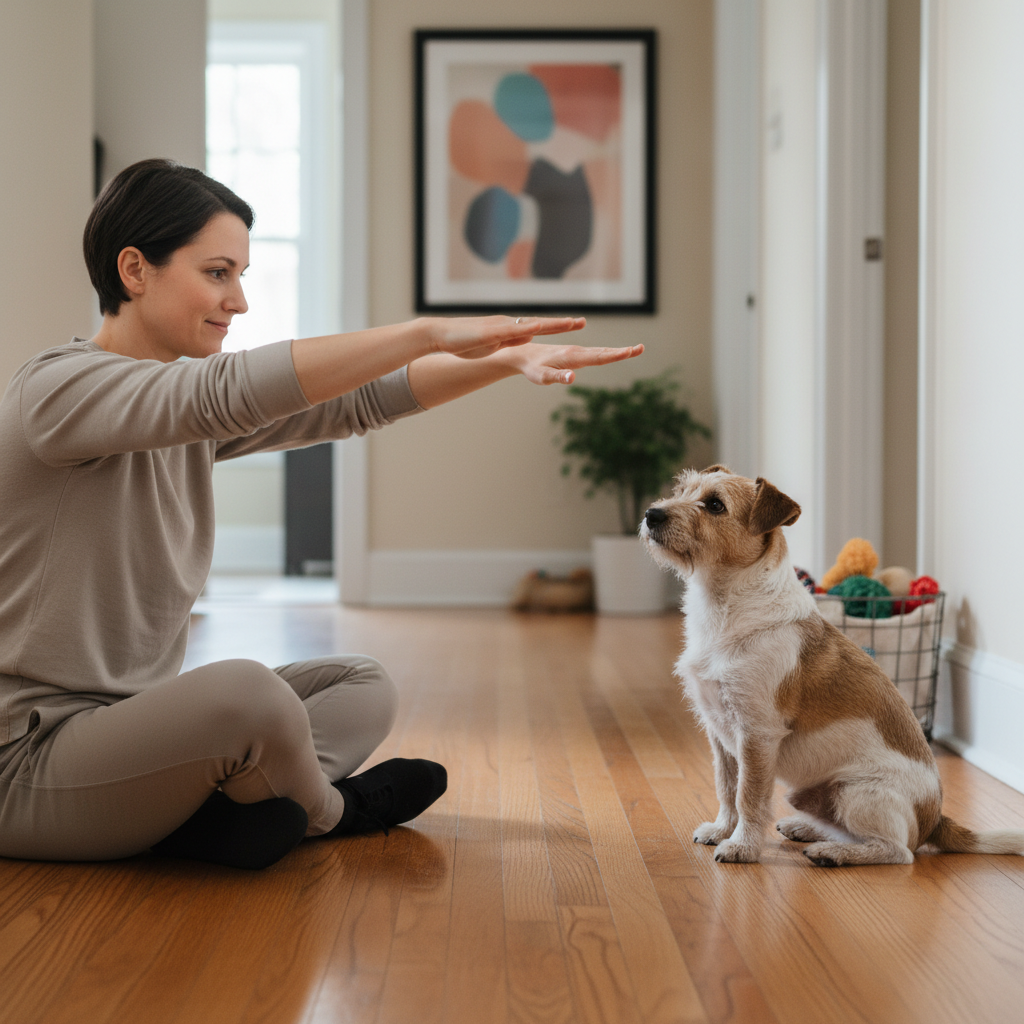
Even with the best plan, you might hit a little snag. Don’t worry, it’s completely normal! Every dog learns differently. Here’s how to troubleshoot some of the most common challenges you might encounter while teaching the arm hoop jump.
Problem: My dog keeps going around my arms, not through them.
Solution: This is a classic! It usually means the opening isn’t obvious enough or the alternative path is easier. Try practicing with your back against a wall or in a narrow hallway. This physically blocks the ‘around’ option and makes ‘through’ the only clear choice. Once they get the idea, you can move back to an open space.
Problem: My dog seems scared or hesitant to go through the hoop.
Solution: This calls for a step back and more confidence-building. Never force your dog through the hoop. Go back to Step 1 and make the hoop a wonderful place to be. Rest your arms on the floor and just reward any interaction—a sniff, a paw placed inside, a head poke. You can also try making the hoop much larger to feel less confining. Patience is your best friend here. Celebrate tiny moments of bravery!
Problem: My dog used to do it, but now they won’t.
Solution: A dog’s refusal to do a known trick can mean a few things. First, are your treats still exciting enough? Maybe it’s time to switch to an even higher-value reward. Second, are you asking for too much too soon? Perhaps you raised the hoop too high, too fast. Go back to the last height where they were 100% successful and work from there. Lastly, consider their physical comfort. If they seem stiff or reluctant, it’s always worth ensuring they aren’t experiencing any discomfort or pain.
Problem: My dog gets easily distracted during our sessions.
Solution: Keep your training sessions short and sweet! A focused 3-5 minute session is far more productive than a distracted 15-minute one. Also, make sure you are the most interesting thing in the room. Use an excited tone of voice and be generous with rewards. If the environment is just too distracting, find a quieter time or place to practice.
Safety First: Keeping the Fun Safe for Your Pup
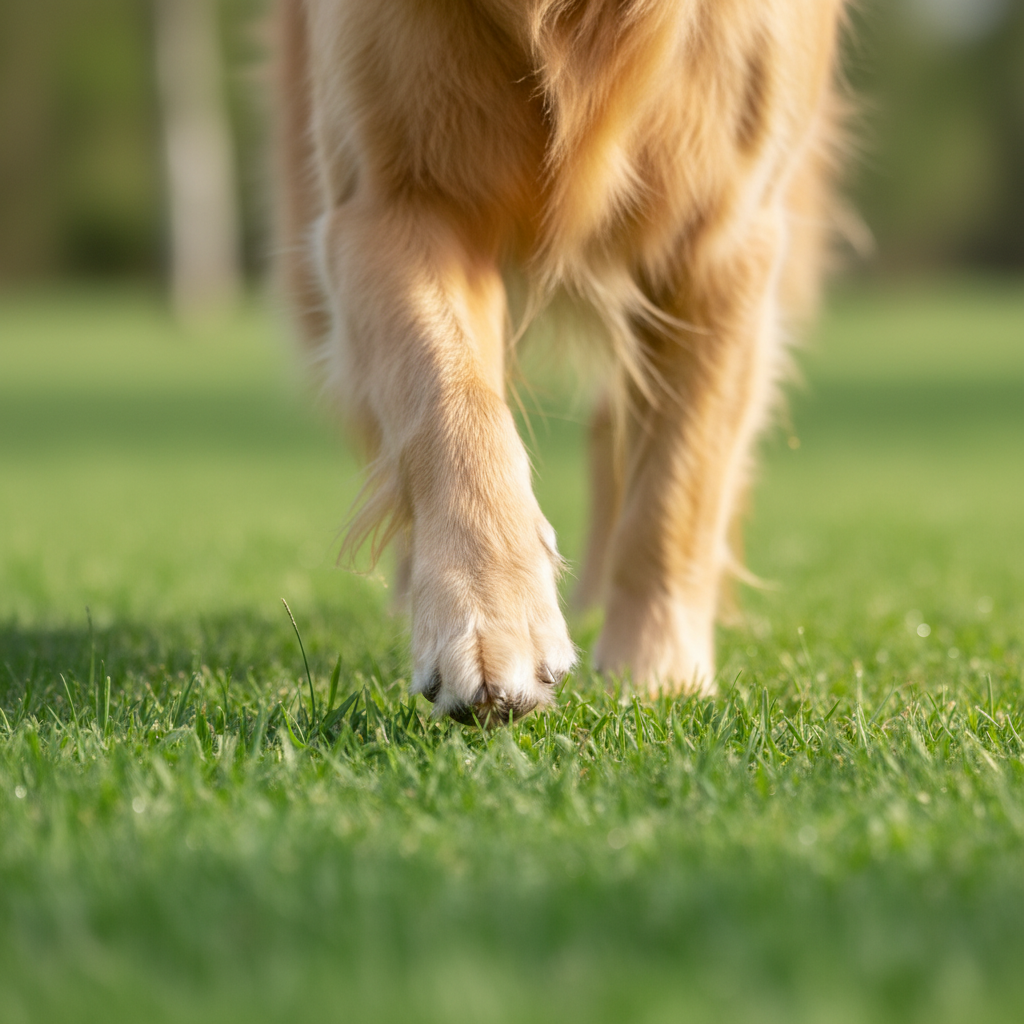
While the arm hoop jump is a relatively low-impact trick, safety should always be our number one priority. We want this to be a positive experience from start to finish. Here are some essential safety guidelines to keep in mind to protect your furry athlete.
Consider Your Dog’s Age and Health
It’s crucial to be mindful of your dog’s physical development. For puppies whose growth plates haven’t closed yet (typically under a year old for small/medium breeds), you should keep the hoop on the ground or just an inch high. Repetitive jumping can be hard on developing joints. Similarly, for senior dogs or those with known joint issues like arthritis, keep the ‘jump’ part to a minimum or skip it altogether, focusing on a fun ‘step-through’ instead. When in doubt, have a chat with your veterinarian.
Choose a Safe Surface
Imagine jumping in your socks on a slippery floor—not very safe, right? The same goes for your dog. Always practice on a surface with good traction that provides some cushioning. A grassy lawn, a thick rug, or carpeted floors are ideal. Avoid slick surfaces like tile, laminate, or hardwood floors where your dog could slip and injure themselves on takeoff or landing.
Keep the Hoop Height Reasonable
This trick is about agility and fun, not a high-jump competition. For small to medium dogs, the hoop should never be higher than their elbow or shoulder height. The goal is a small, controlled hop. Forcing them to jump too high puts unnecessary strain on their back and joints and increases the risk of injury. Always err on the side of caution and keep it low.
Listen to Your Dog’s Body Language
Your dog is constantly communicating with you. Pay close attention to their body language. If they are showing signs of stress like yawning, lip licking, or avoiding eye contact, it might be time to end the session. If they seem physically tired, give them a break. Training should never be forced. It’s a partnership, and respecting your partner’s limits is key to a healthy and happy relationship.
Important Reminder: This is a trick for fun and bonding. It should never be used as a form of punishment or done when you or your dog are in a bad mood. Keep it light, keep it positive, and most importantly, keep it safe!
Conclusion
And there you have it! You’re now equipped with all the knowledge you need to teach your amazing dog the arm hoop jump. Remember that the journey is just as important as the destination. Every training session is a chance to deepen your connection, improve your communication, and build a foundation of trust and teamwork with your beloved pet.
Don’t get discouraged if your dog doesn’t become a hoop-jumping champion overnight. Be patient, stay positive, and celebrate every little win along the way—from the first hesitant step through the hoop to that final, confident leap. The real prize isn’t just the impressive trick at the end, but the joyful moments and the incredible bond you build while learning together. Now go grab those treats and have some fun!