Ever find yourself looking for a simple, quick game to play with your furry best friend that doesn’t involve a trip to the park or a house full of toys? You’re in luck! Meet the ‘Guessing Game,’ also known as the ‘Which Hand?’ trick. It’s a classic for a reason. This delightful and straightforward game is a fantastic way to engage your dog’s mind, sharpen their senses, and strengthen the incredible bond you share.
At its core, the game is beautifully simple: you hide a treat in one of your hands, present both closed fists to your dog, and let them use their incredible sense of smell to figure out where the tasty prize is hidden. It’s more than just a cute trick; it’s a mini-brain workout that taps into your dog’s natural instincts. In this guide, we’ll walk you through everything you need to know, from the basic setup to making the game more challenging as your pup becomes a pro. Get ready for some tail wags and triumphant sniffs!
Ready, Set, Sniff! Gathering Your Supplies
The beauty of the guessing game is its simplicity. You don’t need any fancy equipment or special gear to get started. In fact, you probably have everything you need right now! Before you call your pup over for their first lesson, let’s quickly gather your tools for a successful and fun training session.
What You’ll Need:
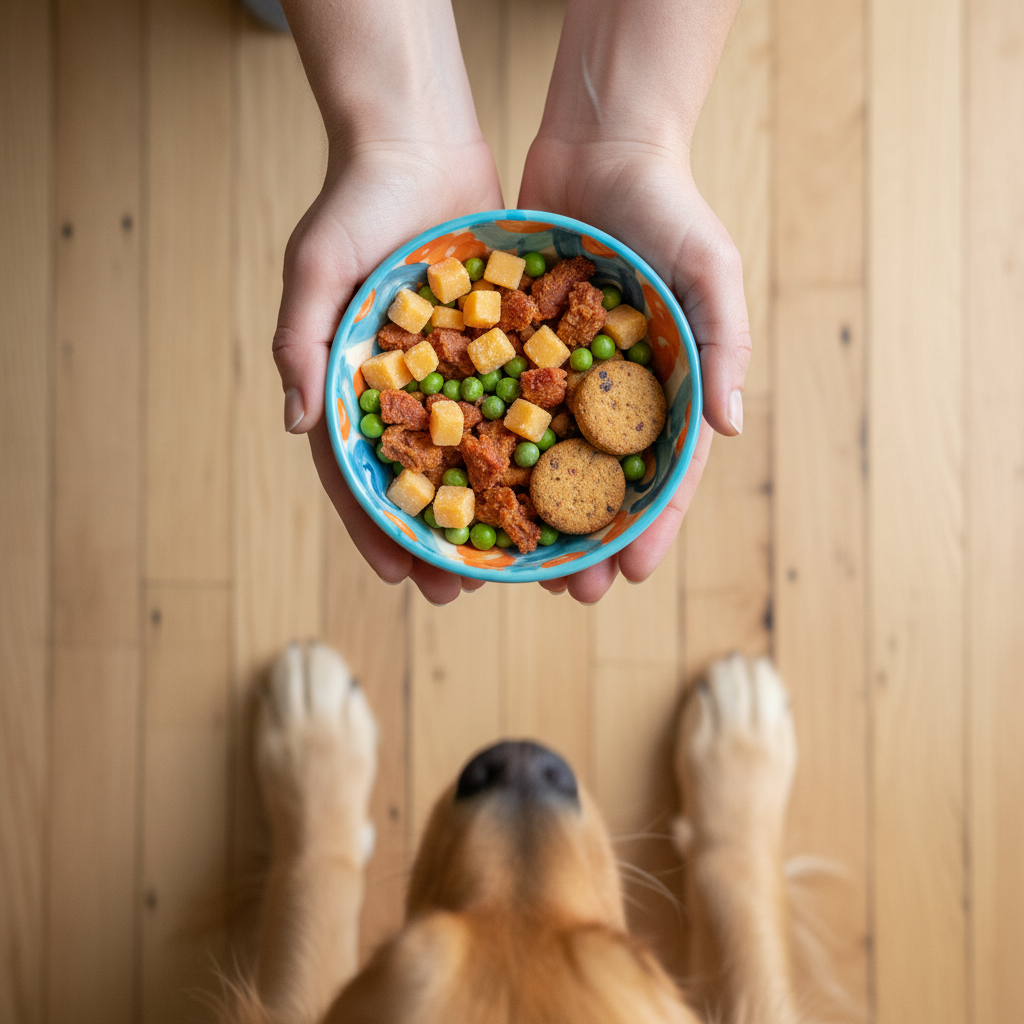
- High-Value Treats: This is the star of the show! Choose something your dog absolutely loves and that is extra smelly. Small, soft treats work best because you can reward your dog multiple times without overfeeding them. Think tiny pieces of cheese, boiled chicken, or their favorite smelly training treats. The more aromatic, the easier it will be for them to use their nose.
- Your Dog: The eager (and hopefully hungry) student! Make sure they’re in a playful and receptive mood. It’s best not to start a training session when they’re overly tired or hyperactive.
- A Quiet Space: Pick a location with minimal distractions. The living room floor, a quiet hallway, or any calm area where your dog feels comfortable is perfect. Fewer distractions mean more focus on you and the game.
- A Positive Attitude: This is the most important supply! Training should always be fun. Bring your patience, your happy voice, and be ready to celebrate every little success. Your dog feeds off your energy, so a cheerful coach makes for a happy player.
Level 1: The Step-by-Step Guide to the Guessing Game
Alright, the treats are ready and your furry student is waiting. It’s time to begin! The key here is to move slowly, be clear, and shower your dog with praise. We’ll break it down into simple, easy-to-follow steps. Remember to keep your first few sessions short—just 3-5 minutes is plenty to start.
- Show the Prize: Start by getting your dog’s attention. Let them see and sniff the delicious treat in your open palm. This gets them excited and helps them understand that something wonderful is part of this new game.
- Hide the Treat: While your dog is watching, close your hand into a fist around the treat. For the very first few tries, make this action really obvious. Let them see which hand it’s going into.
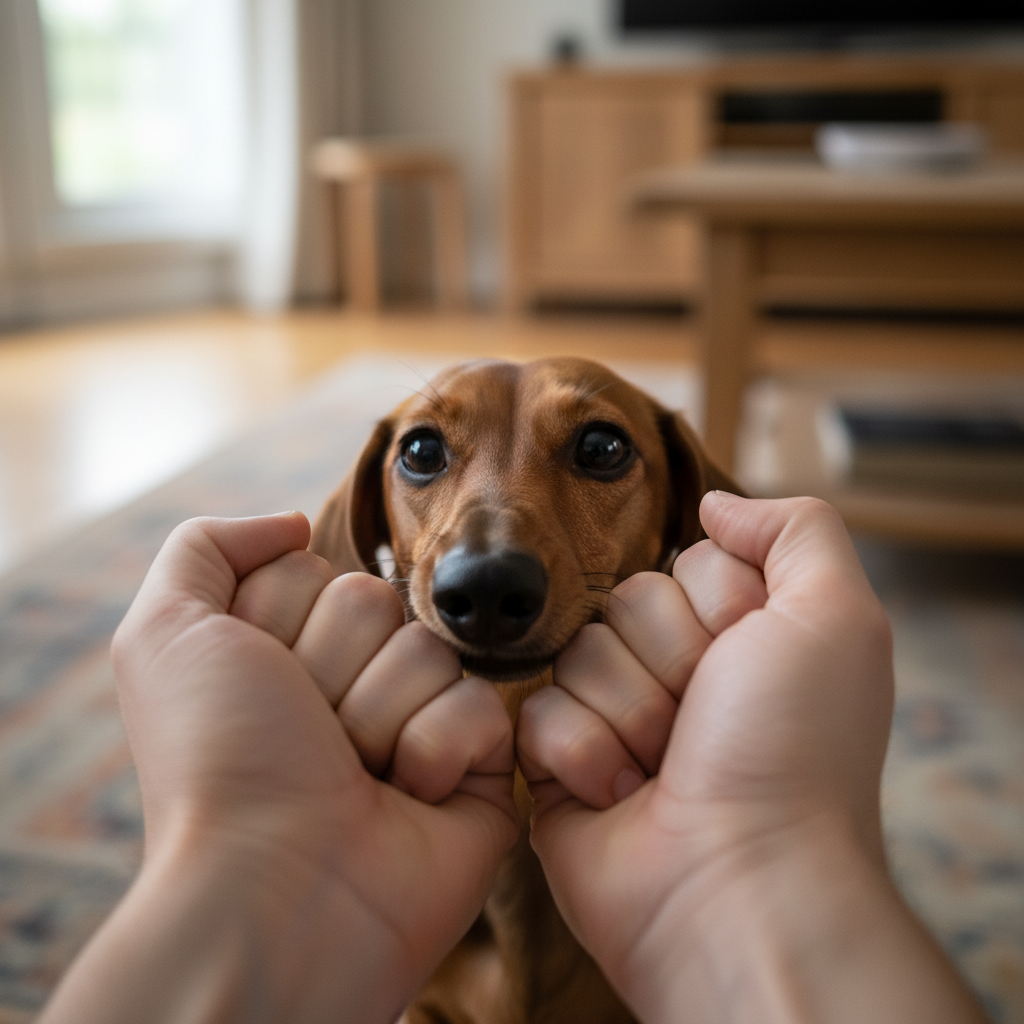
- The Presentation: Now, present both of your hands, closed in identical fists, to your dog. Hold them about a dog’s-head-width apart and at a comfortable height for them to investigate.
- Introduce the Cue: As you present your hands, use a verbal cue. Say something upbeat and clear like, “Which hand?” or “Find it!” Choose one phrase and stick with it to avoid confusion.
- Let Them Choose: Be patient and let your dog sniff your hands. They might nudge, paw, boop with their nose, or just stare intently at one hand. The moment they show interest in the correct hand, immediately mark the behavior with a happy “Yes!” and open your fist to give them the treat.
- The ‘Wrong’ Choice: What if they choose the empty hand? No problem! Simply open the empty hand, show them it’s empty with a neutral phrase like “Oops!”, and then briefly show them the treat in the other hand before closing it again. Don’t reward them. This isn’t a punishment, just a clear signal to try again. Then, reset and start the step over.
- Rinse and Repeat: Repeat this process a few times. As they start to get it, you can begin hiding the treat more discreetly, perhaps by putting your hands behind your back to place it before presenting them. Always end the session on a high note with a successful find!
Expert Tip: Initially, your dog might be using their eyes more than their nose. That’s okay! As you get better at hiding the treat without them seeing, they will naturally start to rely on their powerful sense of smell to win the game.
Brain Boosters: How to Make the Game More Challenging
Has your dog mastered the basic game and can now find the treat almost every time? Congratulations, you’ve got a budding detective on your hands! Don’t let the fun stop there. You can easily increase the difficulty to keep their brain working and the game exciting. Introducing new challenges prevents boredom and helps your dog become an even better problem-solver.
Ways to Level Up:
- Increase the Distance: Start by holding your hands further apart. This requires your dog to be more deliberate in their choice and move from one hand to the other to sniff them out.
- Hide Behind Your Back: If you haven’t already, make it a rule to always place the treat while your hands are behind your back. This completely removes visual cues and forces your dog to rely solely on their sense of smell.
- Add Movement: After you’ve hidden the treat behind your back, slowly swirl your hands around before presenting them. This ‘shell game’ motion makes it trickier for them to track the treat’s location.
- Introduce Obstacles: Place a small pillow or a book on the floor between you and your dog. Have them navigate around the object to get to your hands.
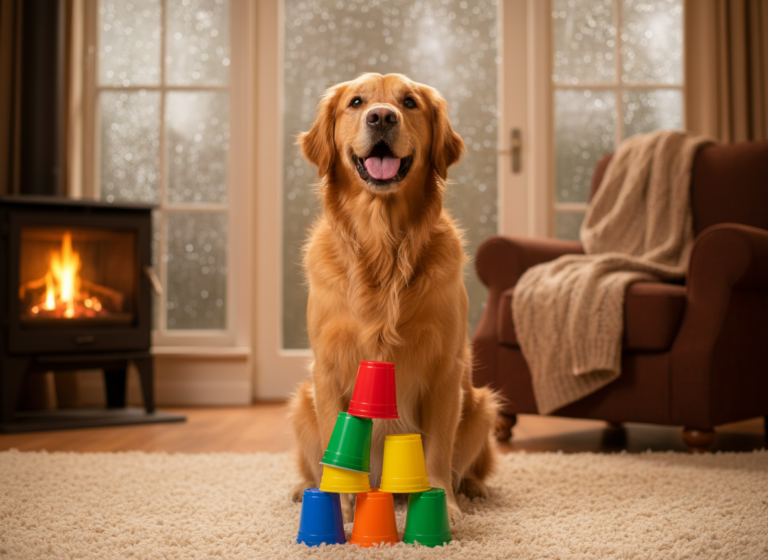
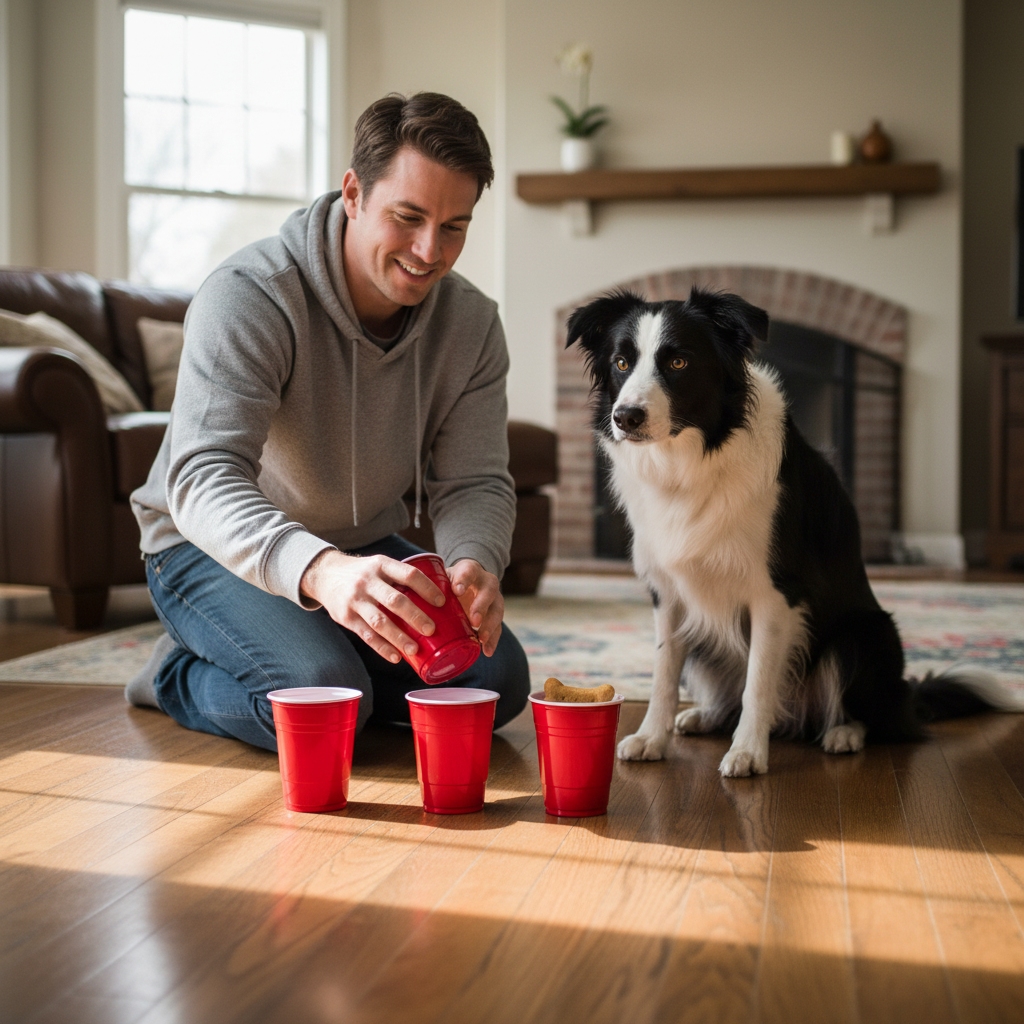
- The Cup Game: Take the game to the next level! Place three identical, non-breakable cups upside down on the floor. While your dog watches, place the treat under one cup. Shuffle the cups around and then give your dog the cue to “Find it!”. This is a classic scent work challenge!
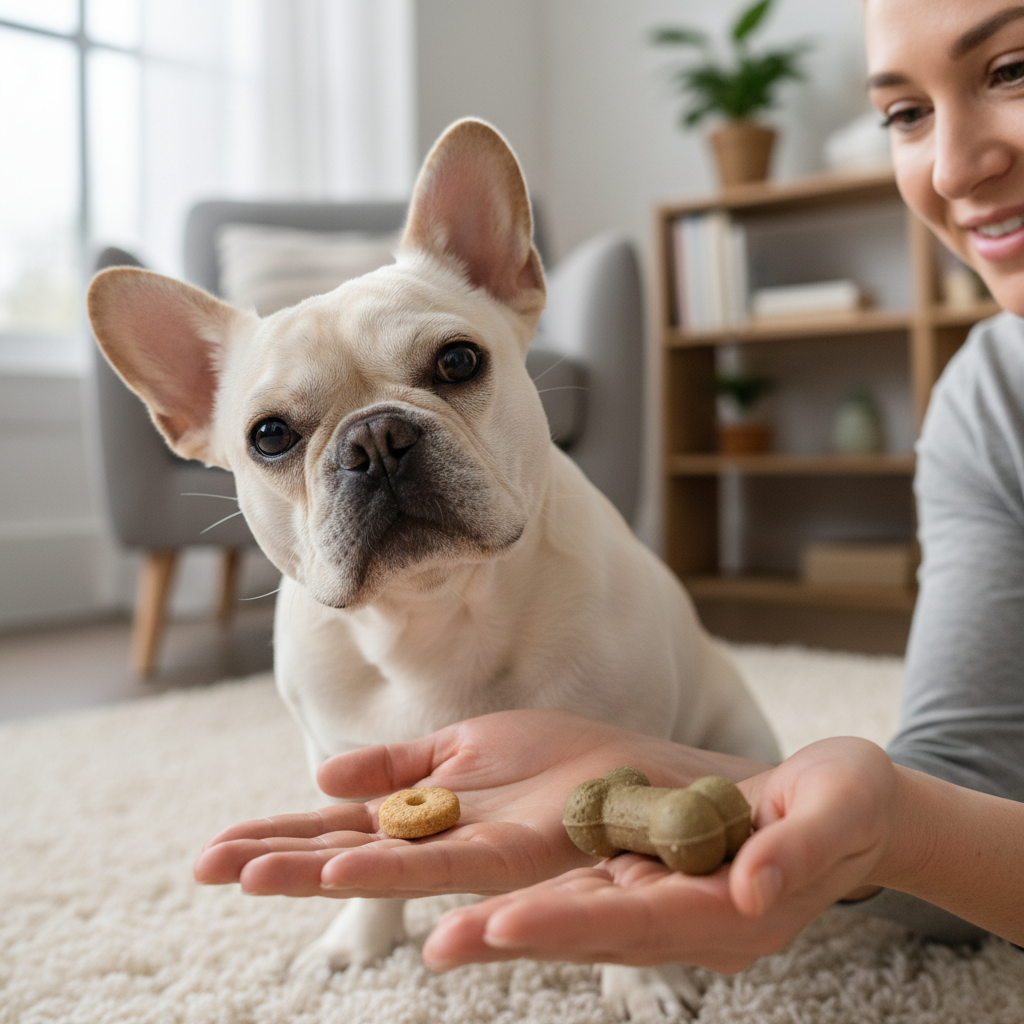
- Vary the Reward Value: Try playing a round where one hand has a standard treat (like kibble) and the other has a super high-value treat (like cheese). See if your dog can find the ‘better’ prize!
Oops! Common Problems and How to Fix Them
Even with the simplest games, you can sometimes hit a snag. Don’t worry, it’s all part of the learning process for both you and your dog! Most issues are easy to solve with a little patience and a slight change in your technique. Here are some common bumps in the road and how to smooth them over.
My dog just bites or paws frantically at both hands!
This is common with enthusiastic players! It means your dog is excited but doesn’t quite understand how to indicate their choice. The goal is to teach a gentler interaction. If they start mouthing or pawing, calmly withdraw your hands for a second. Re-present them and reward even the slightest, gentlest nose-nudge or even a brief, focused sniff on the correct hand. You are shaping the behavior from frantic excitement to a calm, precise choice.
My dog loses interest really quickly.
A short attention span can usually be traced back to one of two things: the treats aren’t exciting enough, or the sessions are too long. Try upping the ante with an irresistible, super-smelly treat they can’t refuse. Also, cut your session time way down. Aim for just three or four successful repetitions and end the game with a big celebration. Always leave them wanting more!
My dog always picks the same hand (e.g., always the left hand).
Dogs are creatures of habit, and they are also masters at picking up on our unintentional cues. Your dog might not be guessing; they might have learned that the treat is *always* in your left hand. Be conscious of randomizing which hand you place the treat in. Also, check for subtle ‘tells.’ Are you leaning slightly to one side? Is the wrist of your treat-hand tighter? Try to keep your body language as neutral and symmetrical as possible.
My dog just stares at me and doesn’t do anything.
This hesitation might be confusion. They might not understand what you’re asking them to do. Go back to the very beginning. Make it incredibly easy. Let them see you put the treat in your hand and don’t even close your fist all the way. Hold it very close to their nose and reward them just for sniffing it. You’re rebuilding their confidence and clarifying the goal of the game: interact with the hand to get the good stuff!
Conclusion
And there you have it! The ‘Which Hand?’ guessing game is so much more than a simple party trick. It’s a powerful tool for enrichment, a fun training exercise, and a wonderful way to spend quality, focused time with your dog. By engaging their natural scenting abilities, you’re providing crucial mental stimulation that can help reduce boredom and anxiety, all while strengthening your communication and bond.
Remember, the goal is always to have fun. Keep your sessions short, your attitude positive, and celebrate every small victory. Whether your dog is a beginner just learning to boop your hand with their nose or an expert playing the advanced cup game, the real prize is the joyful interaction you share. So grab some treats, find a comfy spot, and give the guessing game a try. You might be surprised at how much your clever pup enjoys showing off their smarts!