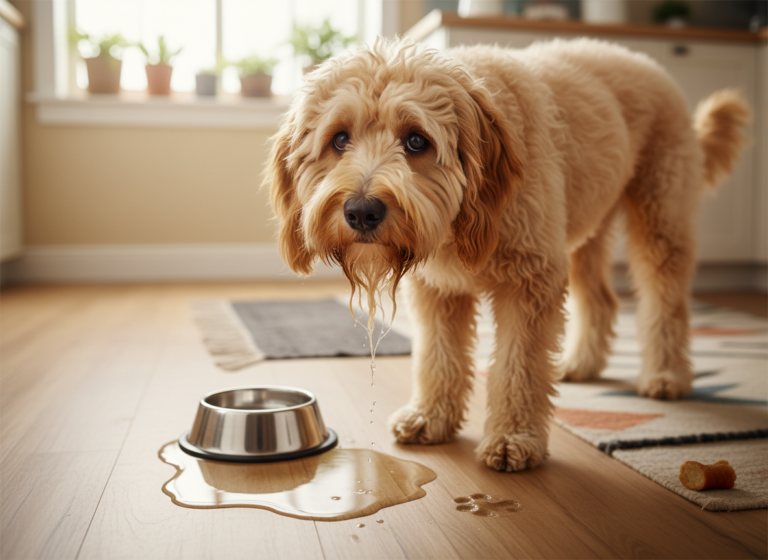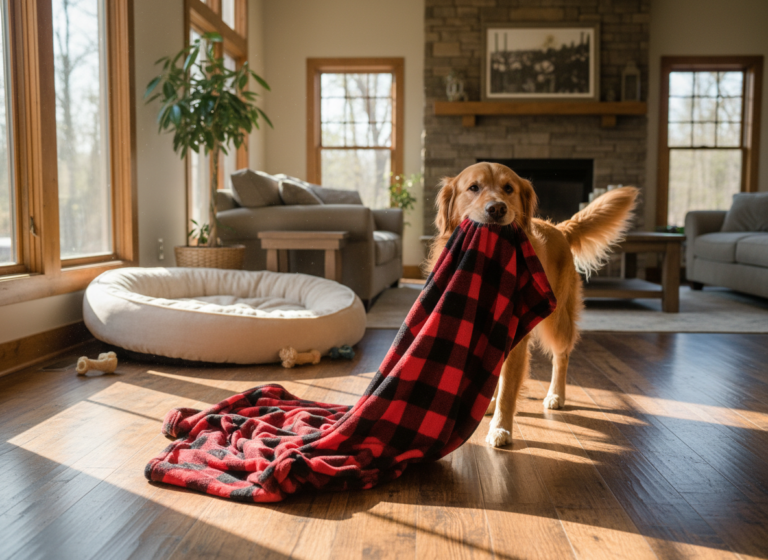
Does your living room floor look like a toy box exploded? You’re not alone! We love spoiling our pups with squeaky, bouncy, and chewy treasures, but the resulting clutter can be a real headache. What if we told you that you could solve this messy problem and give your dog a fun mental workout at the same time? Well, you can! Teaching your dog to put their toys away is not just a neat trick to impress your friends; it’s a powerful enrichment activity that builds confidence, strengthens your bond, and brings a little more order to your home.
Think of it as a game—a ‘tidy-up’ game that your dog will love to play. Using positive reinforcement techniques, we’ll break down this seemingly complex task into simple, fun steps. Get ready to transform clean-up time from a human chore into your dog’s favorite new job. Let’s get started!
Gearing Up for Tidy-Up Success: What You’ll Need
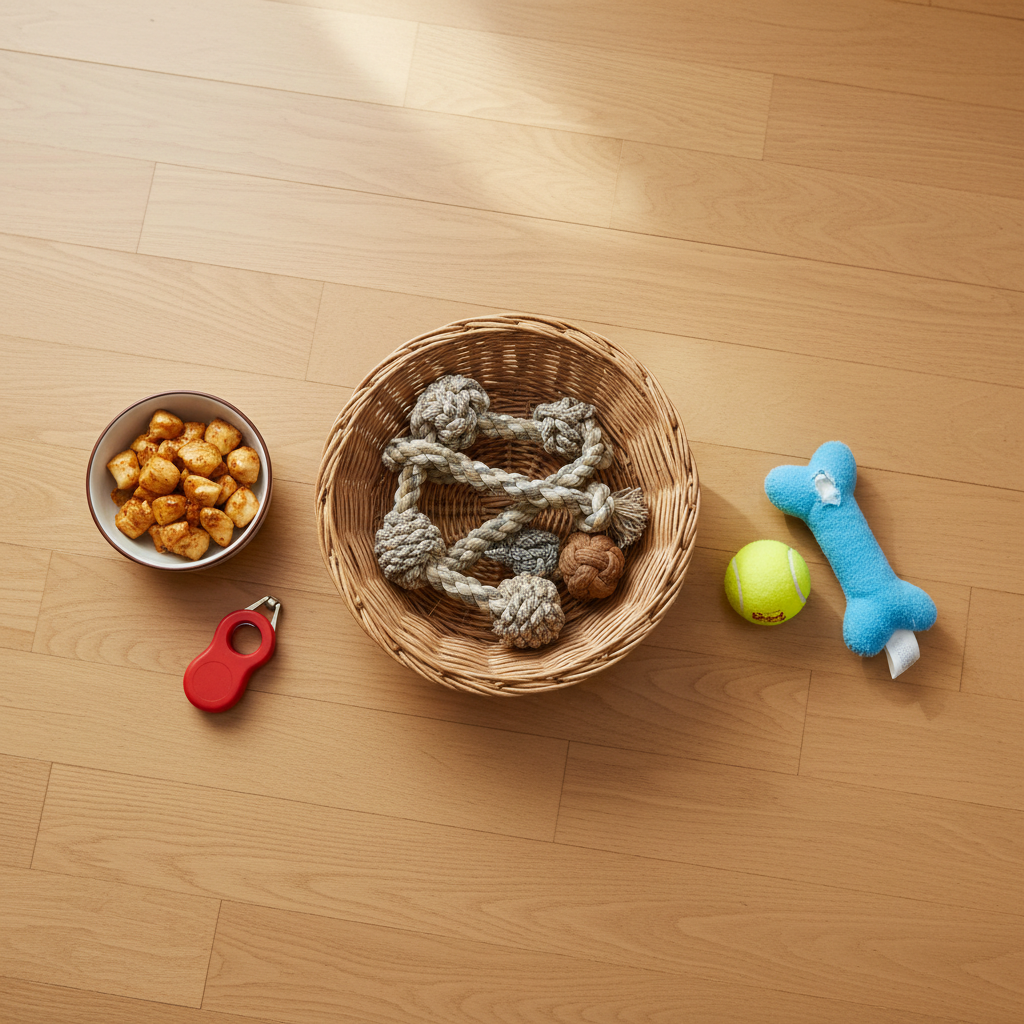
Before we jump into the training, let’s gather our supplies. Setting yourself up for success makes the whole process smoother and more enjoyable for both you and your canine student. You don’t need a lot of fancy equipment, just a few key items.
Essential Tools for the Job:
- A Designated Toy Box: This is crucial! Choose a container that is low enough for your dog to easily reach into. A shallow basket, a sturdy fabric bin, or a low-sided plastic tub works perfectly. Avoid anything with a lid at first, or anything they could easily tip over and get scared by. The goal is to make the box inviting, not intimidating.
- High-Value Treats: We’re talking top-tier rewards! Regular kibble might not cut it for this new skill. Think small, smelly, and delicious treats like tiny pieces of chicken, cheese, or store-bought training treats that your dog goes wild for. The better the reward, the more motivated your dog will be to play the game.
- Your Dog’s Favorite Toys: Start with a few of their absolute favorites—the ones they love to carry around. This will increase their interest in the training session. Choose toys that are easy for them to pick up and hold.
- A Clicker (Optional): If you’re familiar with clicker training, this is a fantastic tool for this exercise. A clicker allows you to mark the exact moment your dog does the right thing, making your communication crystal clear. If you’re not using a clicker, a consistent verbal marker like a sharp “Yes!” works just as well.
Expert Tip: Keep your training sessions short and sweet! Aim for 5-10 minute sessions a couple of times a day. This prevents your dog from getting bored or frustrated and keeps the ‘tidy-up’ game exciting and fun.
The Step-by-Step Training Plan: From ‘Touch’ to ‘Tidy’
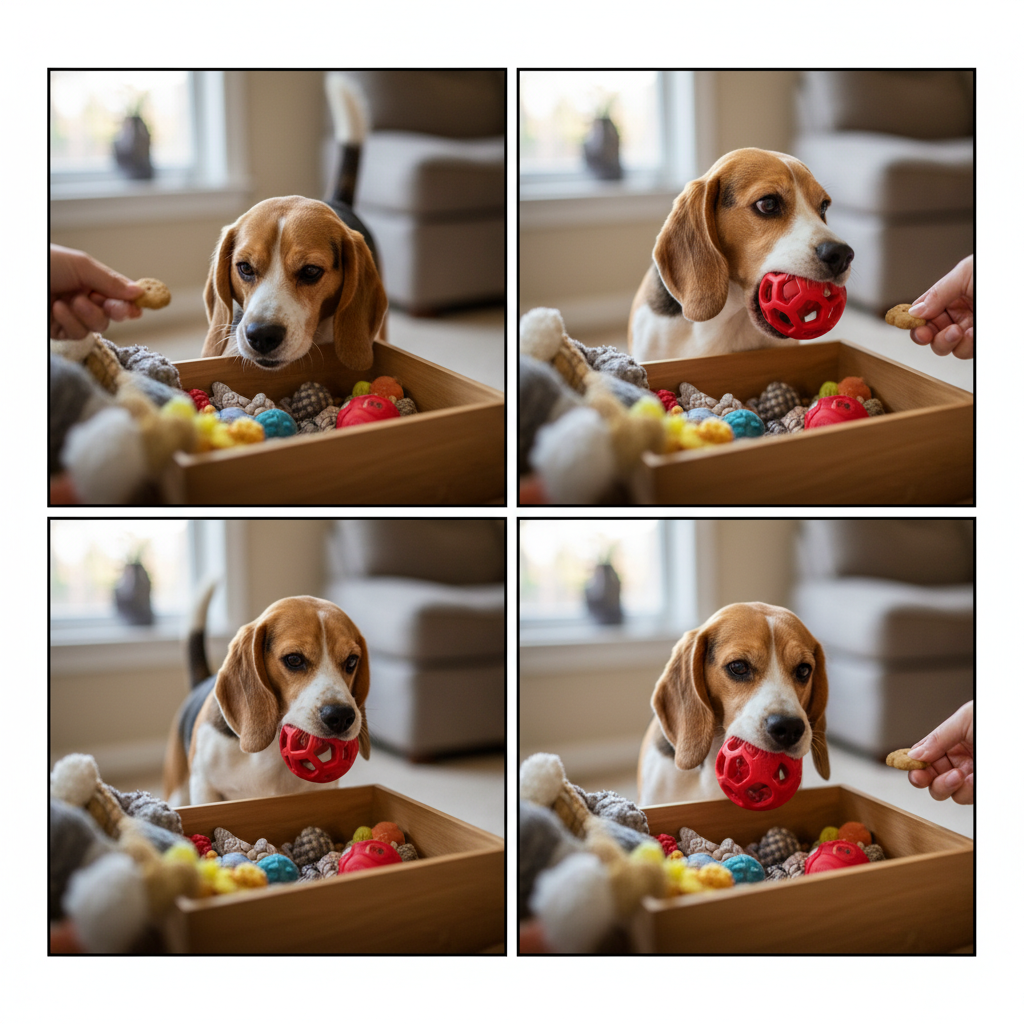
Patience and positivity are your best friends here. We’re going to use a training technique called ‘shaping,’ which means we’ll reward small steps that lead up to the final behavior. Remember to celebrate every tiny bit of progress! Let’s break it down.
Step 1: Make the Toy Box the Best Place on Earth
First, we need to build a positive association with the toy box. We want your dog to think it’s a magical treat dispenser.
- Place the toy box on the floor in your training area.
- Without saying anything, toss a high-value treat into the box. Let your dog watch you do it.
- When your dog puts their head in the box to get the treat, click (or say “Yes!”) and praise them enthusiastically.
- Repeat this 5-10 times. You’ll know they’re getting it when they start looking at the box expectantly.
Step 2: Master ‘Take It’ and ‘Hold’
Next, your dog needs to be comfortable picking up and holding a toy on cue.
- Hold one of your dog’s favorite toys out to them.
- As soon as their mouth touches the toy, click/”Yes!” and give them a treat (from your other hand, not in exchange for the toy).
- Gradually wait for them to put more of their mouth on the toy before you reward.
- Once they are confidently grabbing it, start building duration. Ask them to ‘Hold’ for just a second before rewarding. Slowly increase the time they hold it.
Step 3: Combine the Toy and the Box
Now, we connect the toy with the magical treat box. We’re not asking for a drop yet, just getting the toy near the box.
- Sit on the floor with the toy box right next to you.
- Give your dog a toy to hold.
- Use a treat to lure your dog’s head over the toy box. The moment the toy is over the open box, click/”Yes!” and reward.
- Practice this until your dog willingly moves their head (with the toy in their mouth) over the box.
Step 4: Introduce the ‘Drop It’ Cue
This is the magic moment! We’ll teach them to release the toy into the box.
- Ask your dog to hold a toy and lure them over the box.
- Hold a super high-value treat near their nose. Most dogs will open their mouth to get the treat, causing the toy to fall. The second the toy drops into the box, click/”Yes!” and give them a jackpot of treats and praise! Make a huge deal out of it!
- Once they’re reliably dropping the toy to get the treat, add the verbal cue. Say “Drop it” or “Tidy up” just before you present the treat.
Step 5: Build Distance and Add More Toys
Your dog is now dropping a toy into the box! It’s time to generalize the skill.
- Start by placing the toy just an inch or two away from the box. Encourage your dog to pick it up and drop it in the box. Reward big!
- Slowly increase the distance. Place toys a foot away, then across the room. Make it a fun retrieve-and-drop game.
- Once they can clean up one toy from a distance, scatter two or three toys and encourage them to clean them all up, rewarding for each successful drop.
Troubleshooting Common Hurdles: When Tidy-Up Goes Wrong
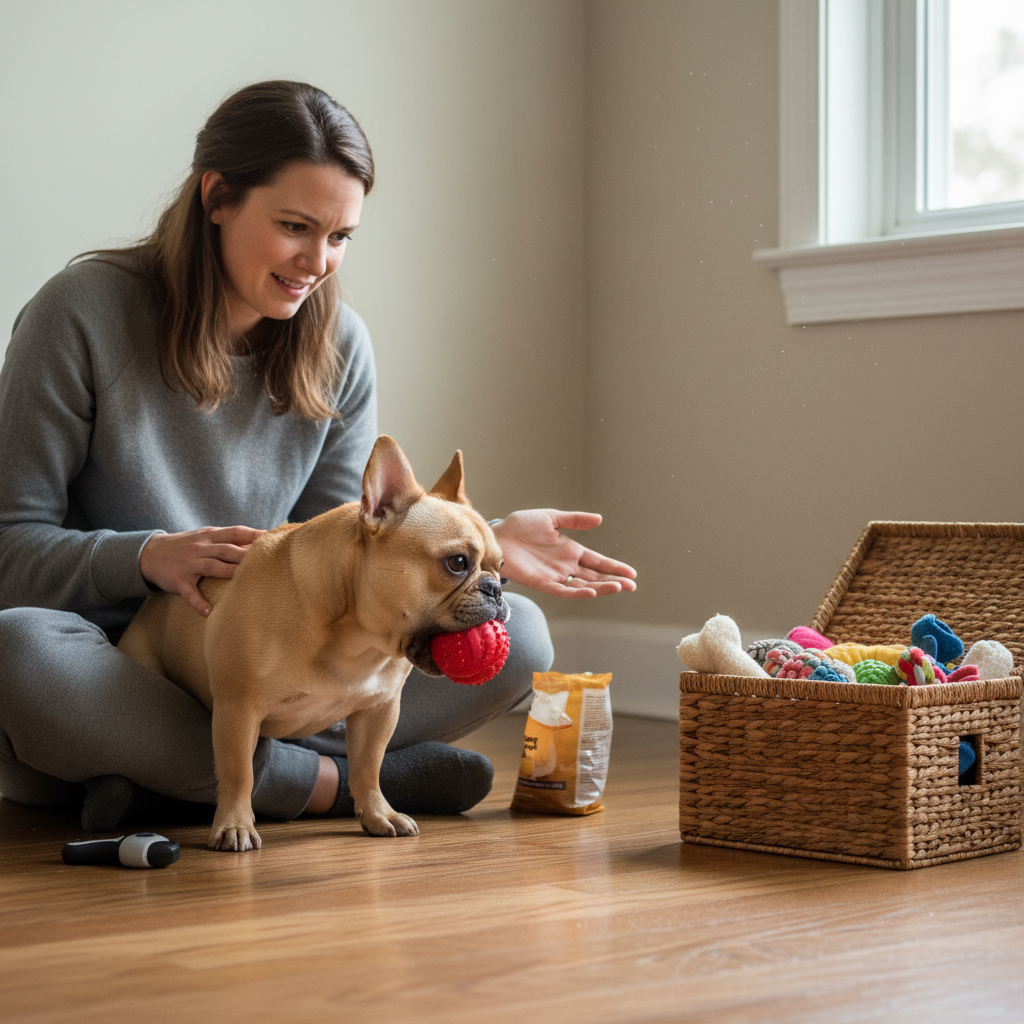
Even with the best plan, you might hit a snag. Don’t worry, it’s completely normal! Every dog learns at a different pace. Here are some common issues and how to solve them.
| The Problem | The Solution |
|---|---|
| My dog won’t pick up the toy. | The toy might not be interesting enough. Try a different, more exciting toy. You can also smear a tiny bit of peanut butter or cream cheese on it to encourage them to mouth it. Go back to Step 2 and make picking up the toy a super rewarding game on its own. |
| My dog drops the toy before reaching the box. | You’ve likely increased the distance too quickly. Go back a step! Practice from a closer range where they can be successful. Also, work on the ‘Hold’ cue separately to build more duration. Ensure you’re not accidentally luring them to drop early. |
| My dog takes the toy and runs off to play. | This means the game of ‘fetch’ or ‘keep away’ is currently more fun than the ‘tidy-up’ game. Keep your training sessions short to maintain focus. Use your highest value treats specifically for this training so it feels extra special. Don’t chase them; instead, try to excitedly call them back to the box. |
| My dog loses interest after one or two toys. | This is a sign of fatigue or boredom. End the session on a high note! It’s better to have a successful 2-minute session than a frustrating 10-minute one. Next time, try to stop before they lose interest. You can also increase the reward value or turn it into a more energetic game. |
Remember: Training should always be a positive experience. If you or your dog are getting frustrated, take a break. Play a different game, go for a walk, and come back to it later with a fresh perspective.
Making it a Routine: From Trick to Habit
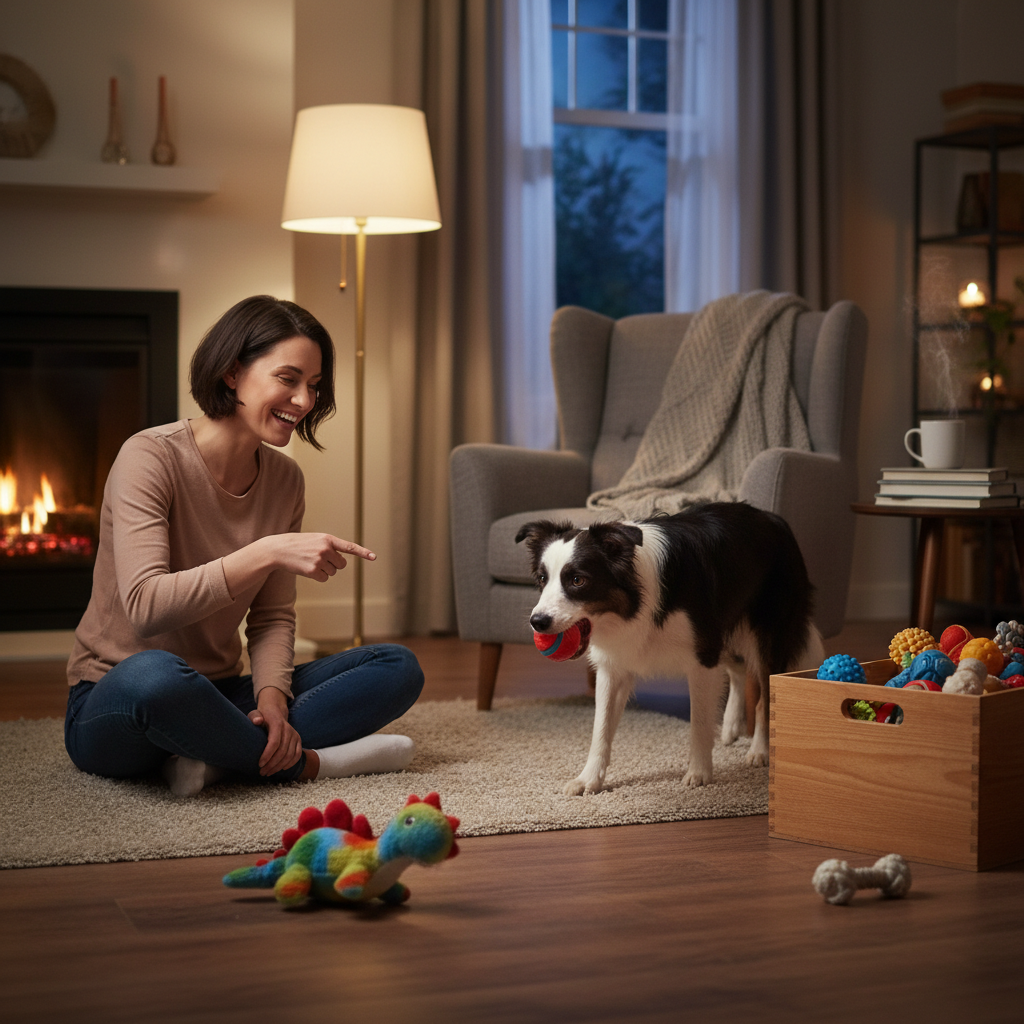
Once your dog understands the mechanics of the ‘tidy-up’ cue, the final step is to turn this cool trick into a helpful habit. Integrating it into your daily routine is the key to making it stick. Consistency will transform this from a training exercise into a natural part of your dog’s day.
Establish a ‘Tidy-Up Time’
Just like you have a routine for feeding or walks, create a specific time for cleaning up. A great opportunity is right before bed or before you leave the house. This signals to your dog that playtime is over and it’s time to settle down.
- Nightly Routine: After your last play session of the evening, initiate the ‘tidy-up’ game. Say your cue, “Okay, Fido, time to clean up!” and cheerfully guide them through putting away the few toys that are out.
- Pre-Departure Routine: If you’re leaving for a few hours, having them put their toys away can be a great calming activity that helps transition them from play mode to rest mode.
Keep it Fun and Rewarding
Even when it becomes a habit, it should always feel like a game. Don’t stop rewarding them! While you might not need to give a treat for every single toy anymore, you can move to a ‘jackpot’ reward system.
- The Final Toy Jackpot: Ask them to clean up several toys. When they drop the very last toy into the box, give them a huge jackpot of treats, a special chew, or a big session of praise and belly rubs. This teaches them to complete the entire task for the grand prize.
- Vary the Rewards: Keep them guessing! Sometimes the reward is a treat, sometimes it’s a dental chew, and sometimes it’s the start of a fun game of tug with a toy you pull right back out of the box.
What About the Toys They’re ‘Not Done’ With?
It’s important to respect that your dog might have a favorite toy they are actively engaged with. Never force them to put away a toy they are chewing or cuddling. The ‘tidy-up’ game is for the scattered, abandoned toys. This builds trust and ensures they don’t develop resource-guarding behaviors around their most prized possessions.
Pro Tip: Use an enthusiastic, upbeat tone of voice when you give the ‘tidy-up’ cue. Your dog feeds off your energy. If you sound like it’s a fun game, they’ll believe it is!
Conclusion
Congratulations! You now have all the tools and steps to teach your dog one of the most impressive and practical skills around. Transforming a cluttered floor into a tidy space with the help of your furry companion is a rewarding experience for everyone. More than just a clean house, you’ve given your dog a confidence-boosting job, provided crucial mental stimulation, and found a new, constructive way to bond.
Remember to be patient, stay positive, and celebrate every small success along the way. Your dog won’t be a master cleaner overnight, but with consistent, fun sessions, you’ll be amazed at what they can achieve. So grab those treats, pick out that toy box, and get ready to make ‘tidy-up time’ the best game on the block!