If you share your home with a high-energy dog, you know the struggle is real. Two walks a day and a game of fetch sometimes just doesn’t cut it. You’re left with a pup who’s still bouncing off the walls, and you’re left feeling exhausted. What if there was a way to physically and mentally challenge your dog in just a few minutes, right in your own backyard? Enter the surprisingly fun and effective world of doggy jump rope!
You might think jump rope is just for the schoolyard or a boxer’s gym, but it’s a fantastic activity for our canine companions. It’s an incredible energy-burner, a brilliant tool for improving coordination and focus, and a top-tier bonding activity. Plus, let’s be honest, it’s an amazing trick to show off to friends and family! Teaching your dog to jump rope isn’t about speed or fancy footwork; it’s about patience, positive reinforcement, and celebrating the small wins. Ready to turn your energetic pup into a jumping champ? Let’s hop to it!
Gearing Up for Success: What You’ll Need
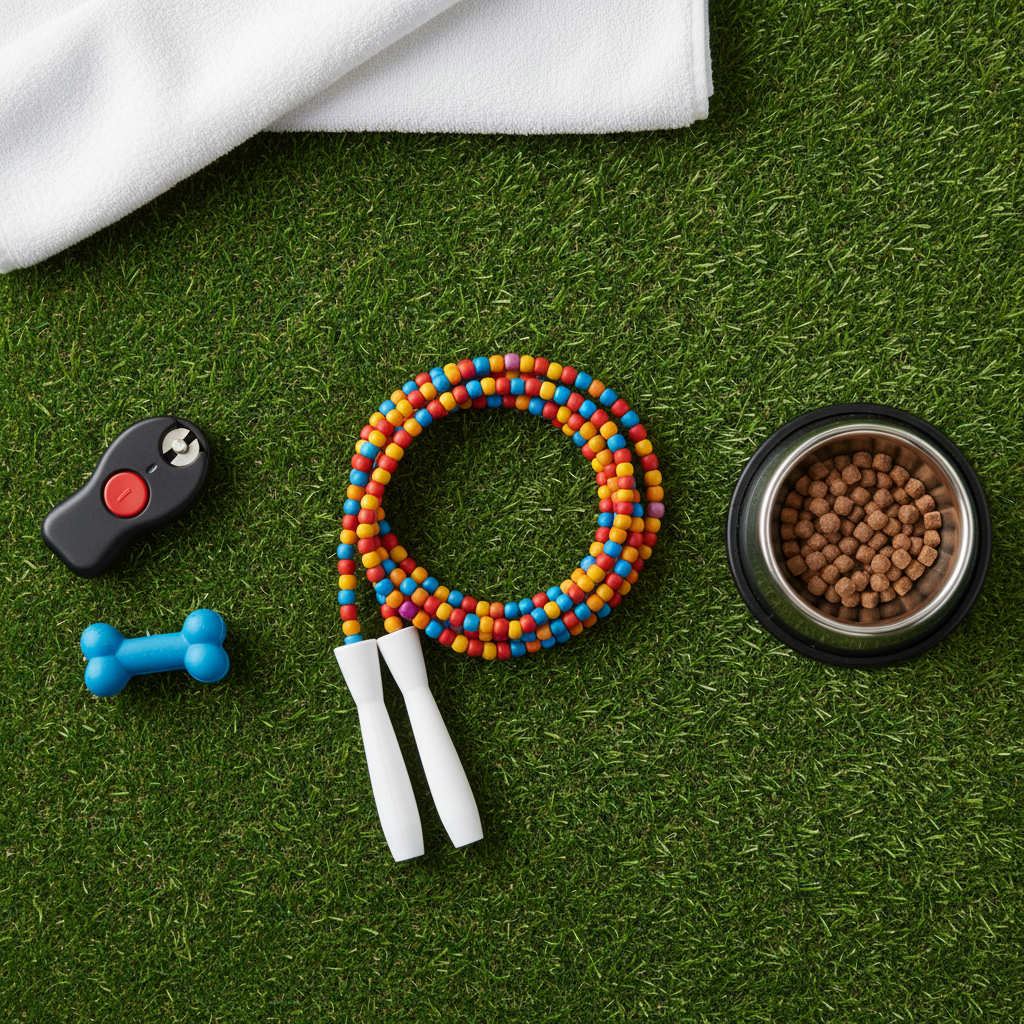
Before you and your pup start skipping, it’s essential to gather the right tools. Using the wrong equipment can make the process frustrating or even unsafe. The good news is, you don’t need much to get started, but choosing wisely makes all the difference.
The Perfect Rope
This is the most critical piece of equipment. Leave your heavy speed rope or wire rope in the gym. For your dog, you need something soft, light, and forgiving. If the rope accidentally hits them, you want it to be a non-event, not a painful sting that creates a negative association.
- Beaded Ropes: Often found in the kids’ toy aisle, these are an excellent choice. The plastic beads provide just enough weight to turn the rope smoothly, but they are lightweight and don’t hurt on impact.
- Cloth or Soft Ropes: A simple, lightweight cloth rope also works well. The key is that it holds its shape enough to create an arc but is soft to the touch.
- Avoid: Wire, vinyl speed ropes, and heavy ropes. These can injure your dog and will almost certainly frighten them if they get tangled.
A Safe Jumping Surface
Where you practice is just as important as what you practice with. High-impact activities require a surface that provides some cushion to protect your dog’s joints.
- Best Choices: A grassy lawn, rubber matting (like you’d find in a gym or playground), or thick carpet are all great options. They offer grip and shock absorption.
- Surfaces to Avoid: Steer clear of concrete, asphalt, tile, or slippery hardwood floors. These hard surfaces can be tough on joints over time and increase the risk of slipping and injury.
High-Value Treats
This is a new and complex skill, so you’ll need to break out the good stuff! Your dog’s regular kibble probably won’t be motivating enough. Think small, soft, and extra delicious treats that your dog absolutely loves. Think tiny pieces of boiled chicken, cheese, or their favorite training treats. The smaller, the better, so you can reward frequently without filling them up too quickly.
Expert Tip: Prepare your treats ahead of time by cutting them into pea-sized pieces. This allows for rapid-fire rewarding, which helps your dog understand exactly what behavior earned them the prize.
The Step-by-Step Guide to Jumping Joy
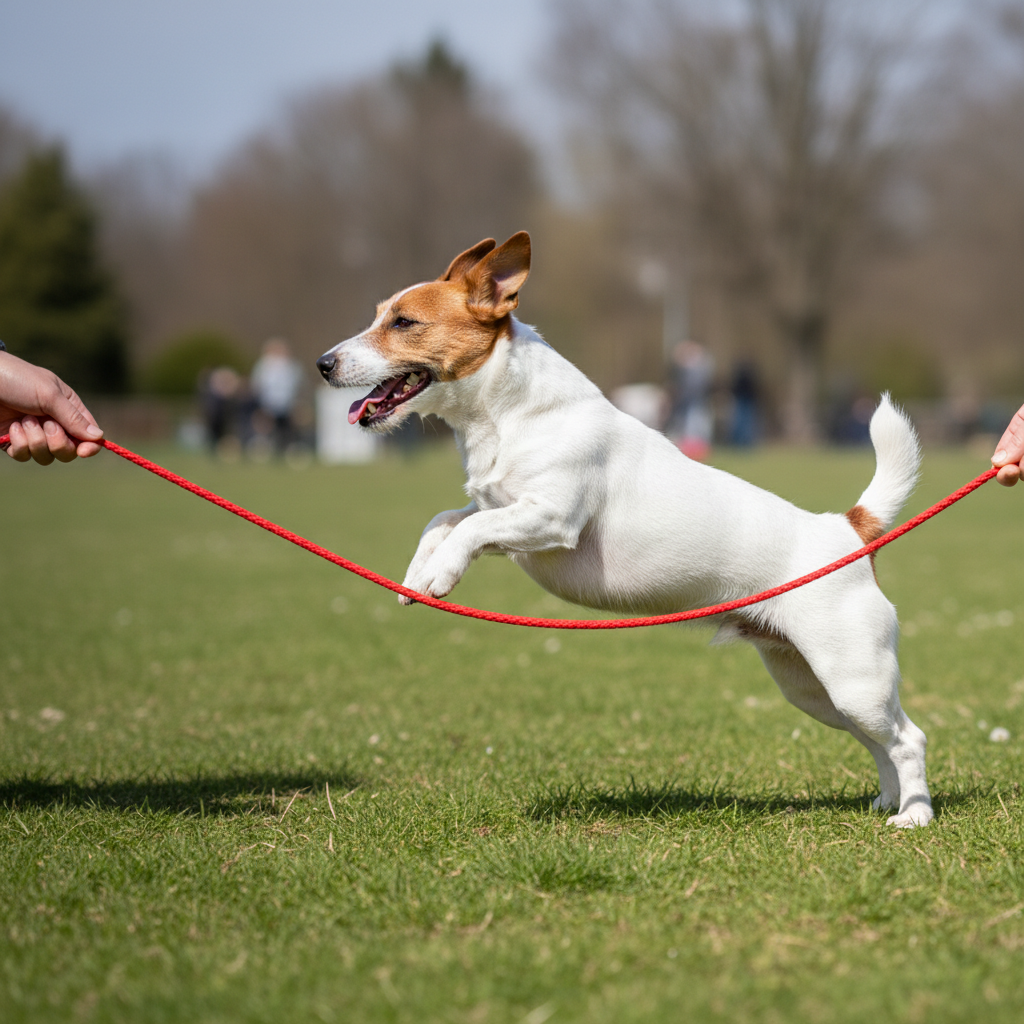
This is where the magic happens! Remember, every dog learns at a different pace. Keep your training sessions short (5-10 minutes max) and always end on a positive note. The goal is fun, not perfection.
Step 1: Making Friends with the Rope
The first step is to ensure the rope is a source of joy, not fear. Lay the rope flat on the ground in a straight line. Let your dog approach it, sniff it, and investigate it on their own terms. The moment they show any calm, positive interest—even just a sniff—praise them and give them a treat. Drop treats near the rope. The goal is simple: Rope = Awesome Things Happen. Do this for a few short sessions until your dog is completely comfortable with the rope’s presence.
Step 2: Stepping Over the Still Rope
With the rope still lying motionless on the ground, use a treat to lure your dog to walk from one side to the other. As they step over it, say “Yes!” or click your clicker and give them the treat. Repeat this over and over, luring them from both directions. They’re learning the basic motor pattern of moving across the rope line. It seems simple, but it’s a foundational building block for the jump.
Step 3: Introducing the Swing (Low and Slow)
Now we add a tiny bit of motion. Sit on the floor and hold both ends of the rope, letting it rest on the ground in a gentle arc. First, just wiggle one end of the rope slightly. Reward your dog for staying calm and not trying to bite it. Once they are okay with that, begin a very slow, low swing, keeping the rope on or just barely brushing the ground. It should move like a slow snake. Lure your dog to step over this slow-moving rope. This is a huge step! They are learning to time their movement with the rope’s movement.
Step 4: The First Tiny Hop
This is the moment you’ve been working towards! As you swing the rope slowly towards your dog, lift it just an inch or two off the ground. This slight elevation will require them to perform a small hop to clear it instead of just a step. The very first time they successfully hop over, even if it’s clumsy, throw a party! Give them a jackpot of treats and tons of praise. This is a breakthrough moment. Start adding a verbal cue like “Jump!” or “Hop!” right as they are about to go over the rope.
Step 5: Building Rhythm and Repetition
Once your dog is reliably hopping over the low-swinging rope, you can start to build a rhythm. Initially, focus on just one successful jump. Swing, they jump, you stop and reward. After they master that, try for two jumps in a row. Swing, jump, swing, jump, then stop and reward. Don’t rush this! Building up to multiple consecutive jumps takes time and coordination for both of you. You’ll need to adjust the speed of your swing to match your dog’s natural bounce. It’s a dance you learn together.
Troubleshooting: When Your Pup Won’t Pop
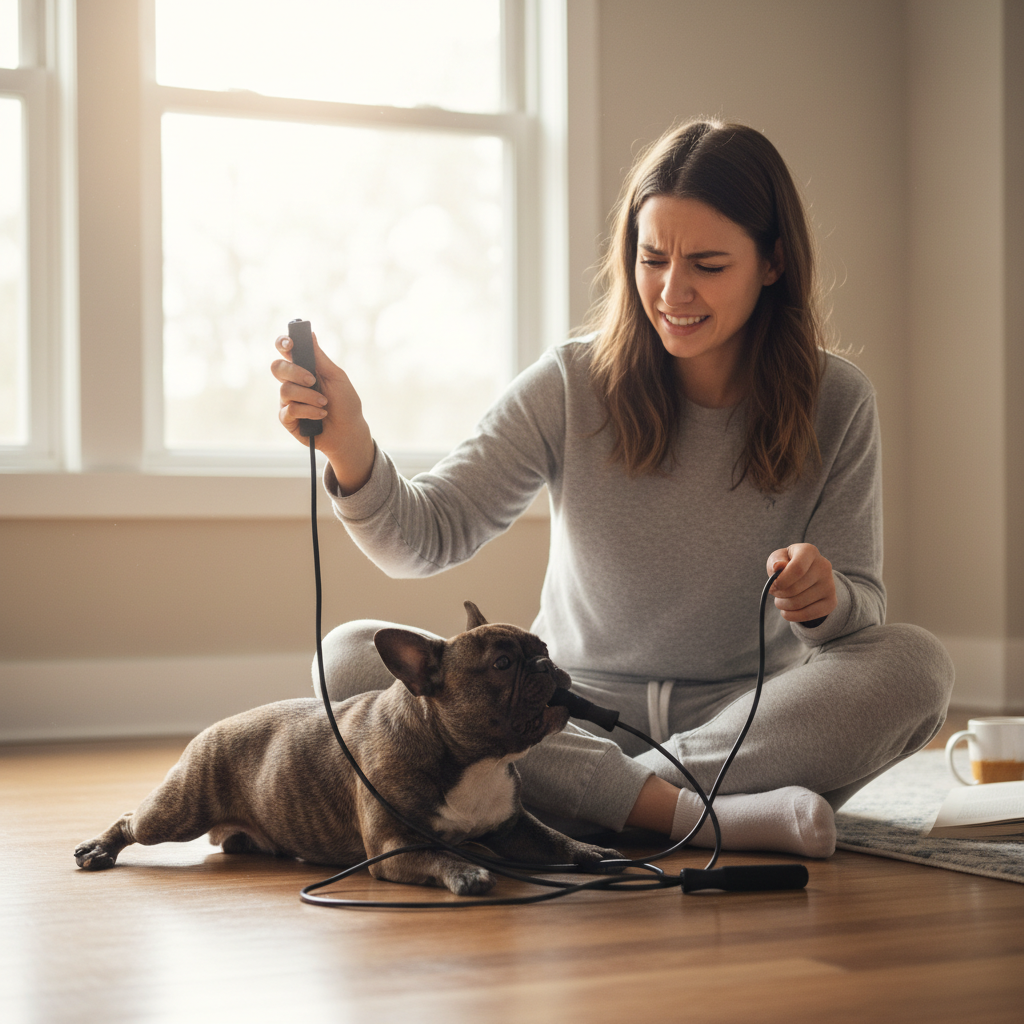
It’s perfectly normal to hit a few snags along the way. Don’t get discouraged! Dog training is never a straight line. Here’s how to handle some of the most common jump rope challenges.
| The Problem | The Solution |
|---|---|
| My dog keeps trying to bite or play tug with the rope. | This is super common! It means your dog sees the rope as a toy. Go back a few steps and reward heavily for any calm behavior around the rope. Practice your “Leave It” cue. You can also try a less enticing rope (like a plain cloth one) for training and only use it for this activity. |
| My dog seems scared of the moving rope. | Fear is a sign you’ve moved too fast. Go all the way back to Step 1 and re-establish that the rope is a fun, safe object. When you reintroduce movement, make it incredibly slow and small. Let your dog choose to approach and interact. Never force them. |
| My dog just runs around the end of the rope. | Ah, the classic workaround! Make it easier for them to choose the right path. Practice in a narrower space, like a hallway, or set up two pillows or cones to create a ‘channel’ that guides them over the rope instead of around it. |
| Our timing is completely off and they keep tripping. | This is more often a human timing issue than a dog one! Slow down your swing significantly. Watch your dog’s natural rhythm and try to match it. It might help to have another person watch and give you feedback on your timing. Remember, start with a single, slow swing and build from there. |
Safety First! Keeping Jump Rope Fun and Injury-Free
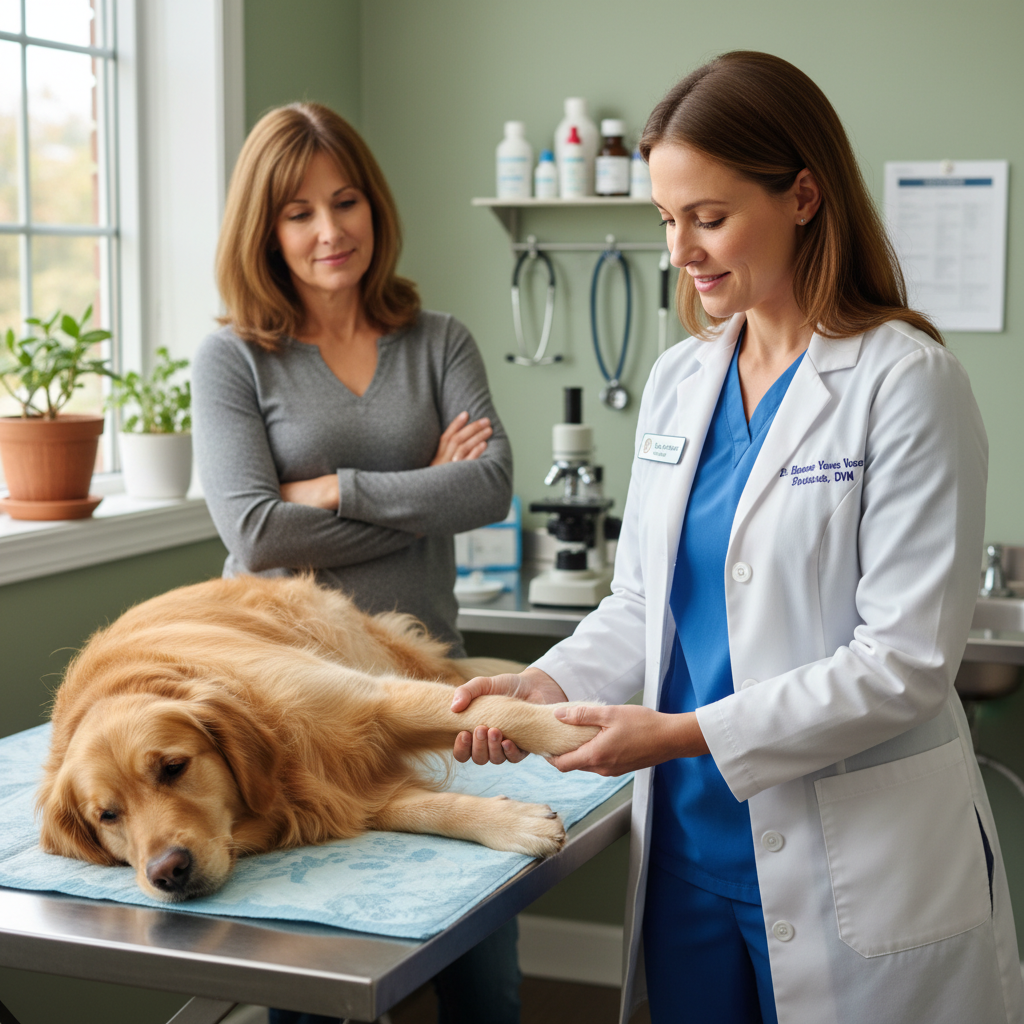
While jump rope is a fantastic exercise, safety should always be your top priority. This is a high-impact activity, and we need to ensure our dogs can participate without risking injury. A few key considerations will keep this game fun and safe for years to come.
Talk to Your Vet
Before starting any new high-impact exercise regimen, it’s always a good idea to consult your veterinarian. This is especially crucial for:
- Puppies: Their growth plates are still developing, and too much repetitive impact can cause long-term damage. Your vet can tell you when it’s safe to start.
- Senior Dogs: Older dogs may have arthritis or other joint issues that could be aggravated by jumping.
- Brachycephalic Breeds: Dogs with short snouts (like Pugs, Bulldogs, and Frenchies) can have breathing difficulties and may overheat easily.
- Dogs with Pre-existing Conditions: If your dog has a history of back, hip, or knee problems (like hip dysplasia or luxating patella), jumping may not be the right activity for them.
Always Warm-Up and Cool-Down
You wouldn’t run a sprint without warming up, and neither should your dog. Start each session with a 5-minute brisk walk to get their muscles warm and ready. After your jump rope session, cool down with another 5-minute walk to help their heart rate return to normal and prevent stiffness.
Keep Sessions Short and Sweet
A little goes a long way. For most dogs, a 5 to 10-minute jump rope session is more than enough. It’s mentally and physically demanding. Overdoing it can lead to exhaustion, soreness, or even injury. Watch your dog for signs of fatigue, such as excessive panting, slowing down, or losing interest. Always end the session while they’re still having fun and eager for more.
Remember: The goal of this activity is enrichment and bonding, not setting a world record. This should always be a ‘want to’ activity for your dog, never a ‘have to’. If your dog seems stressed, frustrated, or just isn’t into it on a particular day, that’s okay! Pack it up and try again another time.
Conclusion
Congratulations! You now have all the tools and steps you need to embark on this exciting training adventure with your dog. Teaching your pup to jump rope is so much more than just a cool trick; it’s a powerful way to bust boredom, burn calories, and build an even stronger line of communication and trust between you.
Remember to pack your patience, keep your pockets full of tasty treats, and celebrate every tiny hop and success along the way. The journey of learning together is the real prize. Now go grab that rope, find a soft patch of grass, and get ready to have some high-flying fun with your best friend!