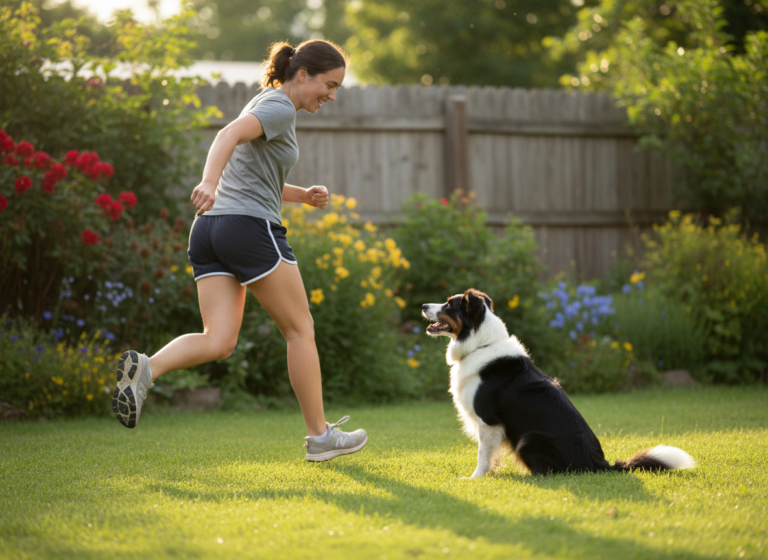
Ever feel like you’re living with a furry, four-legged tornado? If you have a high-energy dog, you know the drill. They’re all zoomies, boundless enthusiasm, and the attention span of a gnat at a squirrel convention. Getting them to focus on you, especially when there are a million more interesting things to sniff, chase, or bark at, can feel like an impossible task. But what if I told you there’s a secret weapon in the world of dog training that can change everything? It’s simple, powerful, and it’s called the ‘Watch Me’ command.
This isn’t just another trick; it’s the foundation for a well-behaved dog and a stress-free life for you. Teaching your dog to offer you their focused attention on cue is a game-changer. It’s the ‘pause’ button you’ve been dreaming of. It’s the key that unlocks better leash manners, calmer greetings, and a dog that actually listens. In this guide, we’re going to break down exactly how to teach this essential command, tailored specifically for the brilliant, busy minds of our hyper companions. Get ready to transform your relationship and discover the focused friend you always knew was in there!
Why ‘Watch Me’ is a Superpower for Hyper Dogs
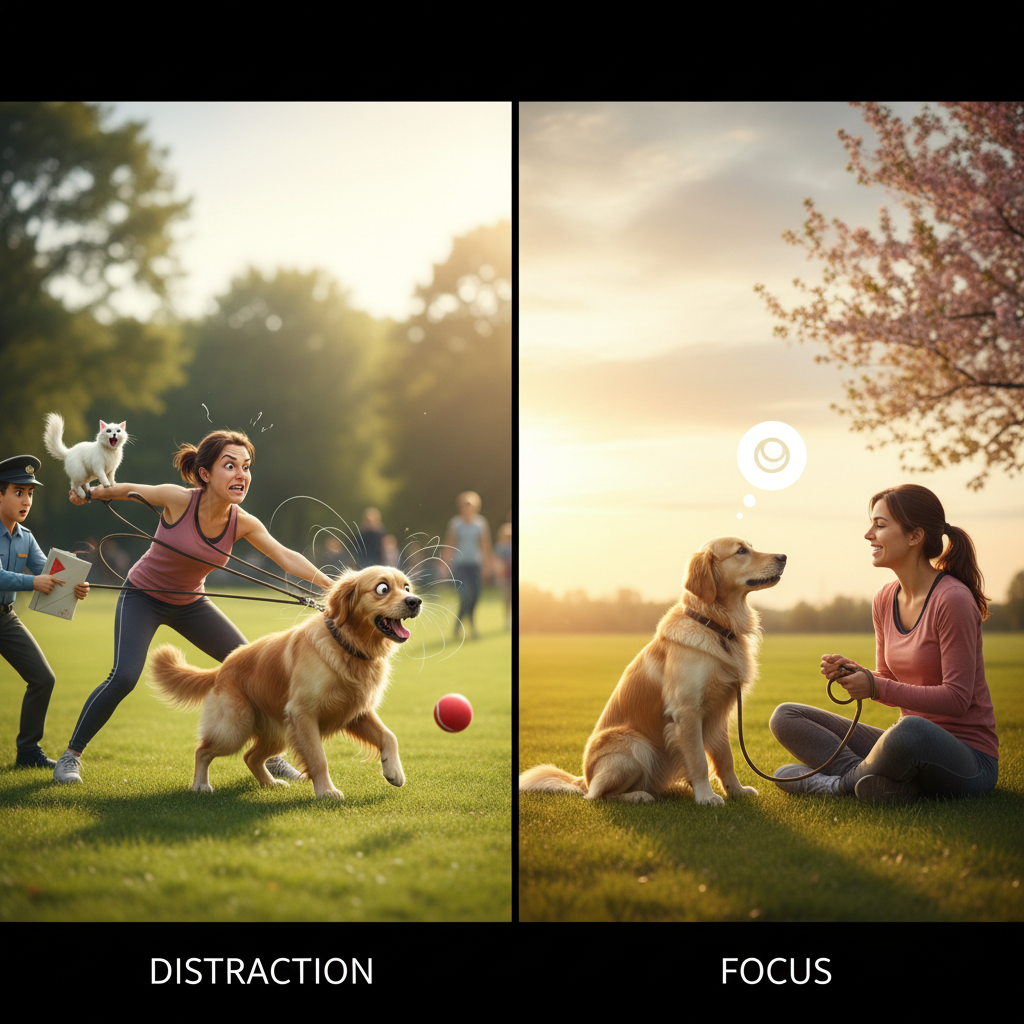
Before we dive into the ‘how,’ let’s talk about the ‘why.’ For a hyper dog, the world is a constant barrage of exciting stimuli. A leaf blows by? Fascinating! A car drives down the street? Must investigate! A distant dog barks? Code red! Their brains are wired to react, which is why they can seem so easily distracted and out of control. The ‘Watch Me’ command is more than just getting eye contact; it’s about teaching your dog a new default behavior.
Instead of immediately reacting to the environment, you’re teaching them to check in with you first. This has several amazing benefits:
- It Builds Engagement: When your dog looks at you, they’re actively choosing to connect with you over everything else. This strengthens your bond and makes you the center of their universe, not that squirrel taunting them from the fence.
- It’s a Calming Mechanism: The act of pausing and focusing can help de-escalate an over-excited dog. It gives their brain a specific, calm task to perform, interrupting a cycle of frantic energy.
- It’s the Foundation for Everything Else: You can’t teach a dog to ‘Stay’ if they’re already halfway down the block. You can’t ask for a ‘Heel’ if they’re fixated on another dog. ‘Watch Me’ is the essential first step for almost every other piece of training you’ll ever do. It’s the master key.
Expert Tip: Think of ‘Watch Me’ as asking your dog a question: ‘Are you ready to listen?’ Their focused gaze is their way of saying, ‘Yes, I am! What’s next?’ It’s a conversation starter for all future training.
For a hyper dog, learning to control their impulses and focus their energy is a crucial life skill. It helps them navigate our human world more calmly and confidently. By teaching ‘Watch Me,’ you’re not just getting a neat trick; you’re giving your dog the tools they need to succeed.
Gearing Up for Success: Your ‘Watch Me’ Toolkit
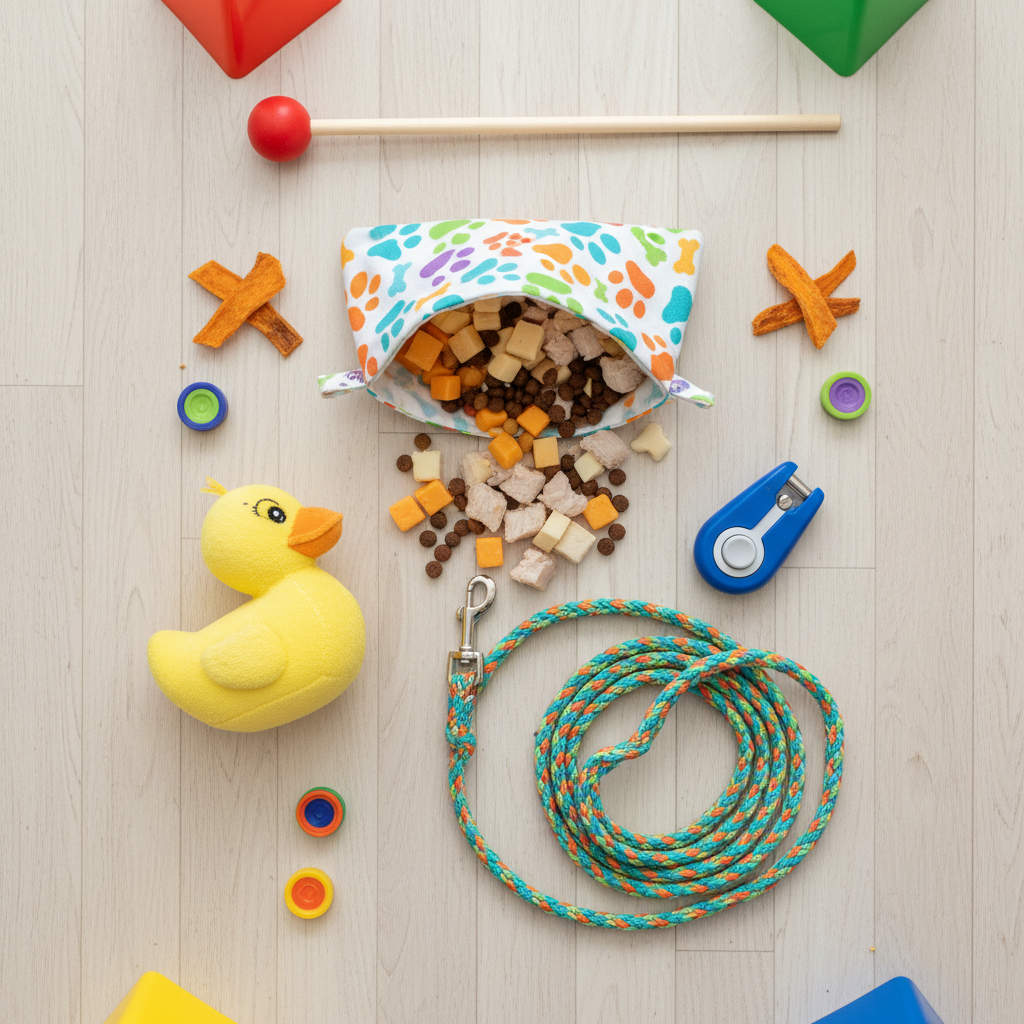
Great news! You don’t need a bunch of fancy or expensive equipment to teach this command. Success comes from your technique and consistency, not your gear. However, having a few key items on hand will make the process smoother, faster, and more fun for both you and your dog.
Your Training Essentials:
- High-Value Treats: This is non-negotiable, especially for hyper dogs. We’re not talking about their regular kibble here. You need something extra special that will make them think, ‘Wow, it’s totally worth ignoring that squirrel for this!’ Think small, pea-sized pieces of cooked chicken, cheese, hot dogs, or smelly, soft training treats. The smellier, the better!
- A Clicker (Optional but Recommended): A clicker is a fantastic tool for marking the exact moment your dog does something right. The ‘click’ is a clear, consistent signal that means, ‘Yes! That’s what I want! A treat is coming.’ It helps communicate with your dog with lightning speed and precision. If you don’t have one, a consistent marker word like ‘Yes!’ or ‘Good!’ said in an upbeat tone works too.
- A Quiet Training Space: Your hyper dog is already an expert at finding distractions. Don’t set them up for failure by starting in a busy environment. Begin your training sessions in a low-distraction area, like your living room or a quiet hallway, where the most exciting thing happening is you and your delicious treats.
- A Positive Attitude and Patience: This is the most important tool of all! Training takes time. There will be good days and not-so-good days. Your dog feeds off your energy. Stay positive, keep sessions short and fun (1-5 minutes is perfect to start), and always end on a successful repetition.
Remember, the goal is to make your dog want to look at you. By using super tasty rewards and keeping it fun, you’re not forcing them to pay attention; you’re making paying attention the best game in town.
The Step-by-Step Guide to a Laser-Focused Gaze
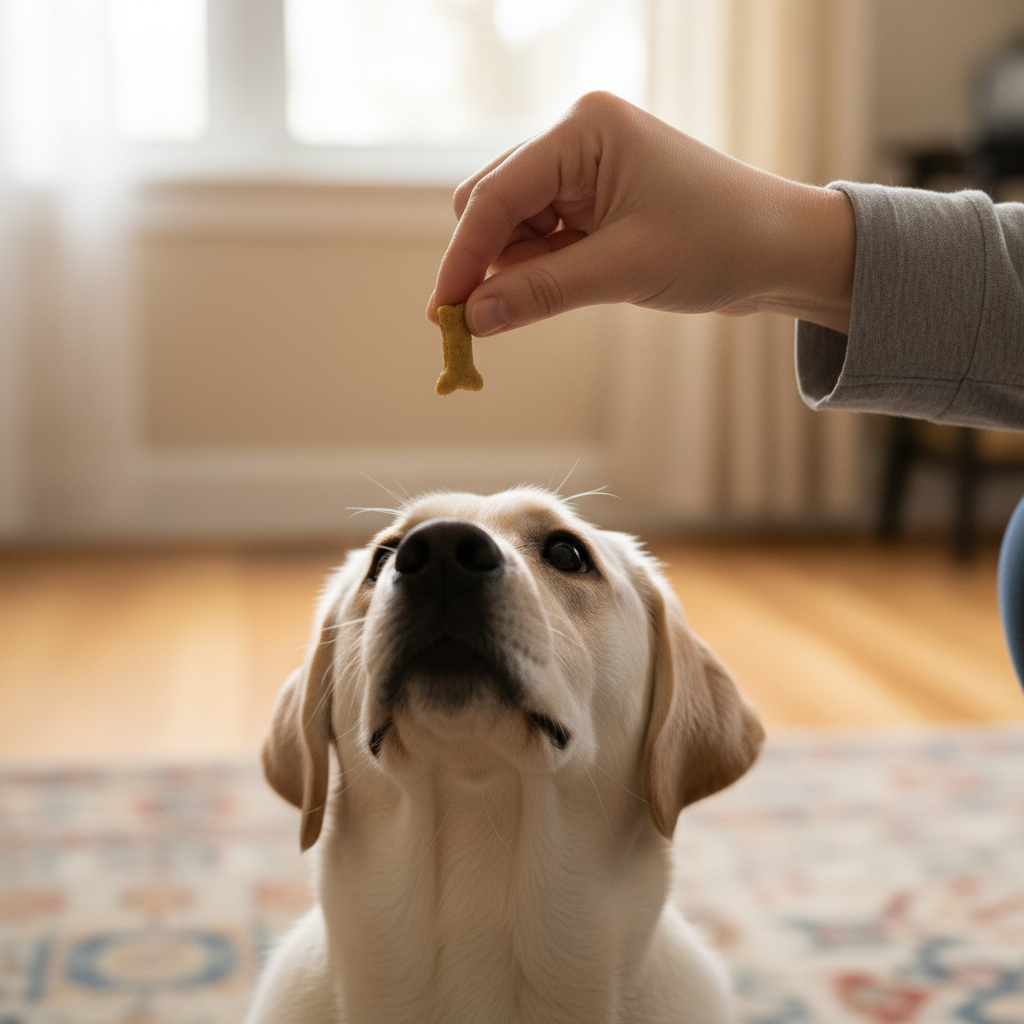
Alright, you’ve got your treats and your positive attitude—it’s time for the fun part! We’re going to build this behavior in small, easy-to-understand steps. Remember to keep your sessions short, especially at the beginning. A few successful reps are far better than one long, frustrating session.
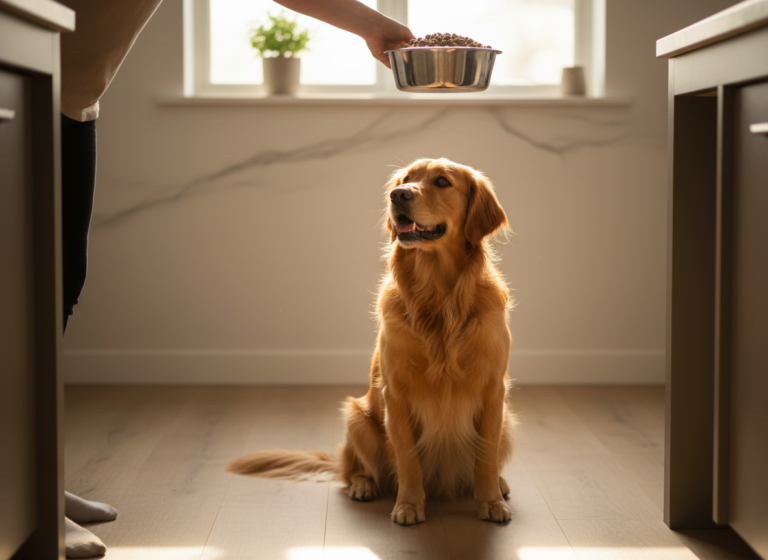
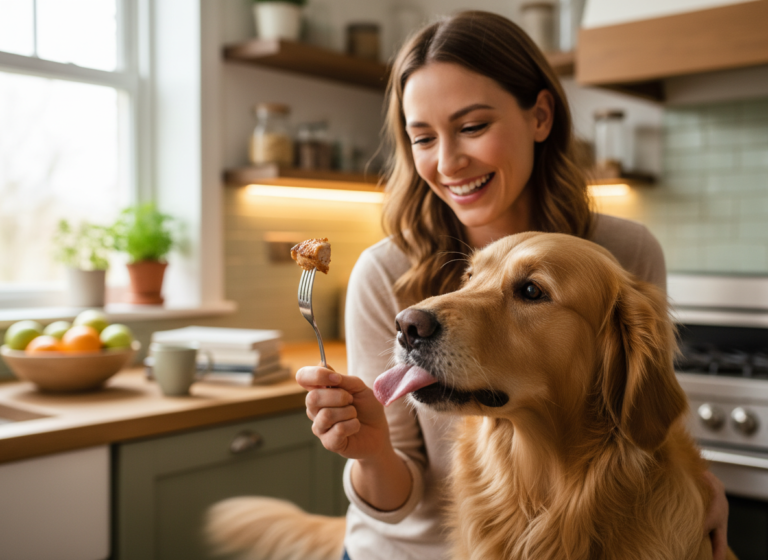
- Step 1: The Treat Lure. Start in your quiet space with your dog in front of you. Hold a tasty treat between your thumb and forefinger. Let your dog sniff it, so they know you have something good. Now, slowly bring the treat from their nose straight up to your eyes, right between your eyebrows. The moment their eyes meet yours, ‘Click!’ (or say ‘Yes!’) and give them the treat. Repeat this 5-10 times. We’re just making a simple connection: Eyes on human = treat!
- Step 2: Adding the Verbal Cue. Once your dog is reliably following the treat to your eyes, it’s time to name the behavior. As you begin to lure the treat up from their nose, say your cue, ‘Watch Me!’ in a clear, happy voice. The moment their eyes meet yours, ‘Click/Yes!’ and treat. The sequence is: Say ‘Watch Me!’ -> Lure to your eyes -> Dog looks -> Click/Yes! -> Treat. Repeat this for several short sessions.
- Step 3: Fading the Lure. Now we need to teach your dog to respond to the cue without the treat being right in front of their nose. Start by using an empty hand to make the same luring motion from their nose to your eyes. When they make eye contact, ‘Click/Yes!’ and then give them a treat from your other hand. This breaks the dependency on seeing the treat first. Gradually, make your hand motion smaller and smaller until you can simply say ‘Watch Me!’ and they look at you without any hand signal at all. This step takes time, so be patient!
- Step 4: Building Duration. So far, we’ve been rewarding an instant glance. Now, we want to build a sustained gaze. Ask for your ‘Watch Me.’ The moment your dog’s eyes meet yours, start counting silently in your head: ‘One-one-thousand…’ and then ‘Click/Yes!’ and treat. In the next repetition, try for two seconds: ‘One-one-thousand, two-one-thousand…’ then ‘Click/Yes!’ and treat. Slowly build up the duration. If your dog looks away, that’s okay! You just asked for too much, too soon. Next time, ask for a shorter duration so they can succeed.
Pro Tip: End every training session on a high note! After a particularly great ‘Watch Me,’ give your dog a ‘jackpot’ reward—several treats in a row—and lots of praise and play. This makes them excited for the next session.
Level Up! Conquering Distractions Like a Pro
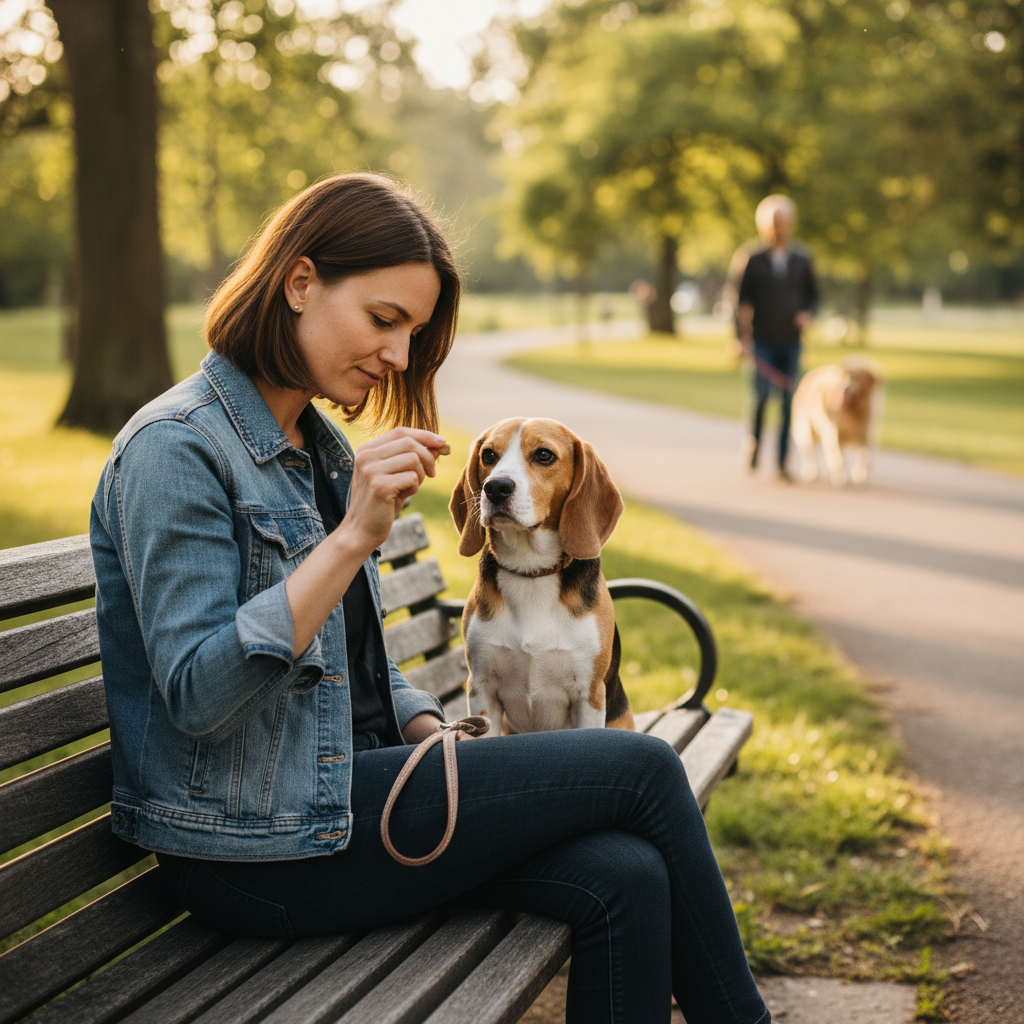
Your dog can hold a ‘Watch Me’ for five seconds in the living room. Amazing! But the real test is out in the world, where the distractions are endless. The process of teaching a command to be reliable in different environments is called ‘proofing.’ The key to proofing is to increase the difficulty gradually. Throwing your dog into a busy park and expecting a perfect ‘Watch Me’ is like learning to swim by jumping into the ocean during a storm.
Start Small and Build Success:
We’ll work our way up a ladder of distractions. Only move to the next level when your dog is succeeding about 80-90% of the time at the current level.
- Level 1: Different Rooms. Practice in the kitchen. Practice in the hallway. Practice in the bedroom. Each new environment adds a tiny bit of distraction.
- Level 2: The Backyard. Your yard is familiar but has more smells, sights, and sounds. Practice on the leash at first. You may need to use higher-value treats and ask for shorter durations than you were getting inside.
- Level 3: Your Quiet Street. Go out to the front sidewalk during a quiet time of day. The world just got a lot bigger! Keep sessions short and rewarding.
- Level 4: Adding Moving Objects. Have a family member walk by in the background while you practice. Roll a ball slowly a good distance away. The key is that the distraction should be noticeable but not so irresistible that your dog can’t succeed.
- Level 5: The Park (from a distance). Go to a park but stay far away from the action. Sit on a bench at the edge of the field and practice your ‘Watch Me.’ You’re teaching your dog that even in super exciting places, you are still the most rewarding thing to focus on.
- Level 6: Up Close and Personal. Over time, you can slowly decrease your distance from distractions, like other dogs or people. Ask for a ‘Watch Me’ as another dog walks by on the other side of the street. This is an advanced skill that helps immensely with leash reactivity.
If your dog fails, don’t worry! It just means the distraction was too much. Simply increase your distance from the distraction or make it less intense, and try again. Your job is to be your dog’s coach, always setting them up for a win.
Troubleshooting: When Your Dog’s Gaze Wanders
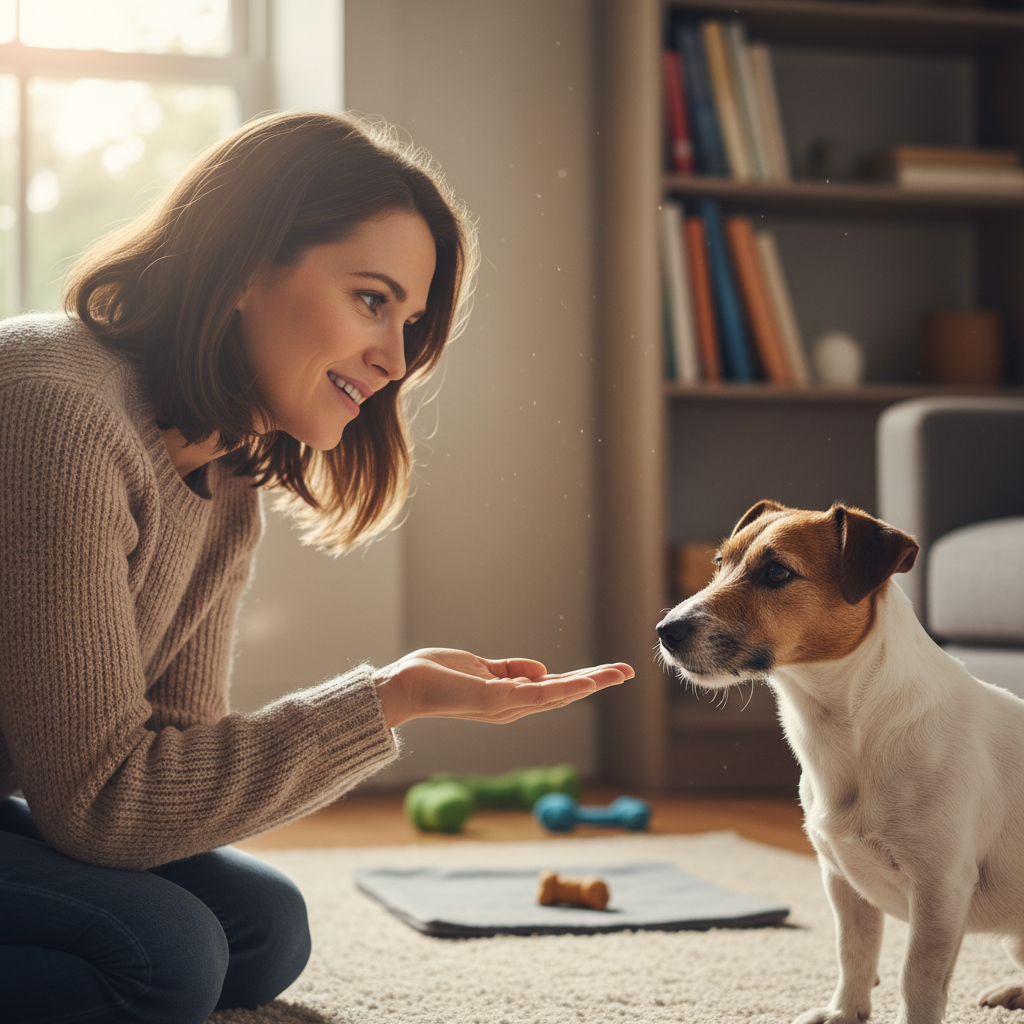
Training is never a straight line, especially with our clever, high-energy pups. It’s totally normal to hit a few bumps in the road. Here are some common challenges you might face and how to navigate them like a seasoned pro.
Help! My dog isn’t interested in the treats.
This usually means one of two things. First, your treats might not be ‘high-value’ enough to compete with the environment. Try something smellier and more delicious! Second, your dog might be ‘over threshold’—too stressed, anxious, or over-excited to think about food. If you’re at the park and your dog is fixated on another dog and won’t take a treat, the distraction is too intense. You need to create more distance and work in a less challenging environment.
Help! My dog just stares at my treat hand.
This is a classic sign that you haven’t fully ‘faded the lure’ (Step 3). Your dog has learned to watch your hand, not your eyes. Go back to practicing with an empty lure hand and rewarding from the other hand. You can also try holding your treat hand behind your back after you give the ‘Watch Me’ cue, forcing them to look at your face to figure out what you want.
Help! My dog offers the behavior constantly, even when I don’t ask.
This is a great problem to have! It means your dog loves the ‘Watch Me’ game. However, we want the behavior to happen when we ask for it. Simply ignore the un-cued stares. Only reward the ‘Watch Me’ when you have actually given the verbal cue. They will quickly learn to wait for the cue before offering the behavior.
Help! They hold eye contact for a second and then immediately look away.
This means you’re trying to build duration too quickly. Go back to basics. Reward even the quickest glance for a few repetitions to build their confidence back up. Then, try for just one second of sustained eye contact. Then 1.5 seconds. The key is to ‘click/reward’ before they look away, so you are always rewarding success. If they look away, you waited just a fraction of a second too long. No big deal—just try for a shorter duration on the next rep.
Remember the Golden Rule: If your dog is struggling, make it easier! Shorten the duration, lower the distraction, or increase the value of your reward. Set them up for success and celebrate every small victory.
Conclusion
You’ve done it! You now have the complete playbook for teaching one of the most powerful commands in your training arsenal. Mastering ‘Watch Me’ with a hyper dog isn’t an overnight process, but it’s a journey that’s incredibly rewarding. Every time your dog chooses to look at you amidst a world of distractions, it’s a testament to the bond and communication you’re building together.
Remember to be patient with your pup and with yourself. Celebrate the small wins, keep your training sessions short and packed with fun, and never underestimate the power of a really, really good treat. The focus you build today is the foundation for a calmer, more connected, and more cooperative companion for years to come.
So go ahead, grab that treat pouch, and start playing the ‘Watch Me’ game. You’re not just training your dog—you’re learning their language and deepening a friendship that will last a lifetime. Happy training!