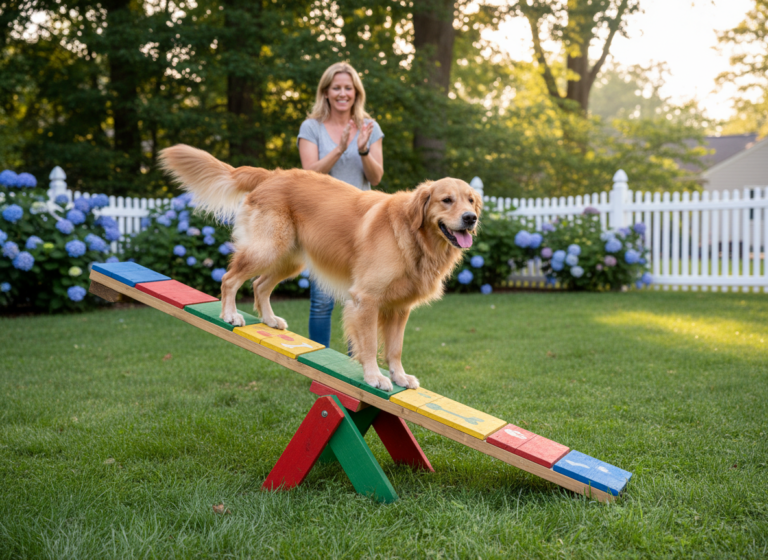
Does your dog live life nose-first? Is every walk a grand sniffing adventure? Do they watch squirrels with the intensity of a laser-guided missile? If you’re nodding along, you might be sitting next to a future Barn Hunt champion! You’ve probably heard whispers of this fast-growing dog sport, a thrilling game that channels a dog’s natural instincts in a safe, fun, and incredibly rewarding way. But what exactly is it, and more importantly, is it the right fit for your four-legged friend?
Welcome to Barn Hunt Basics! Forget complex agility courses or strict obedience drills; this sport is all about celebrating your dog’s primal ability to hunt and sniff. In this guide, we’ll dig into everything you need to know. We’ll explore what the sport entails (spoiler alert: the rats are safe and sound!), help you identify the key traits of a potential ‘ratter,’ and give you a step-by-step plan to get your paws dirty. Get ready to unlock a whole new level of fun and teamwork with your canine companion.
What in the Hay is Barn Hunt, Anyway?
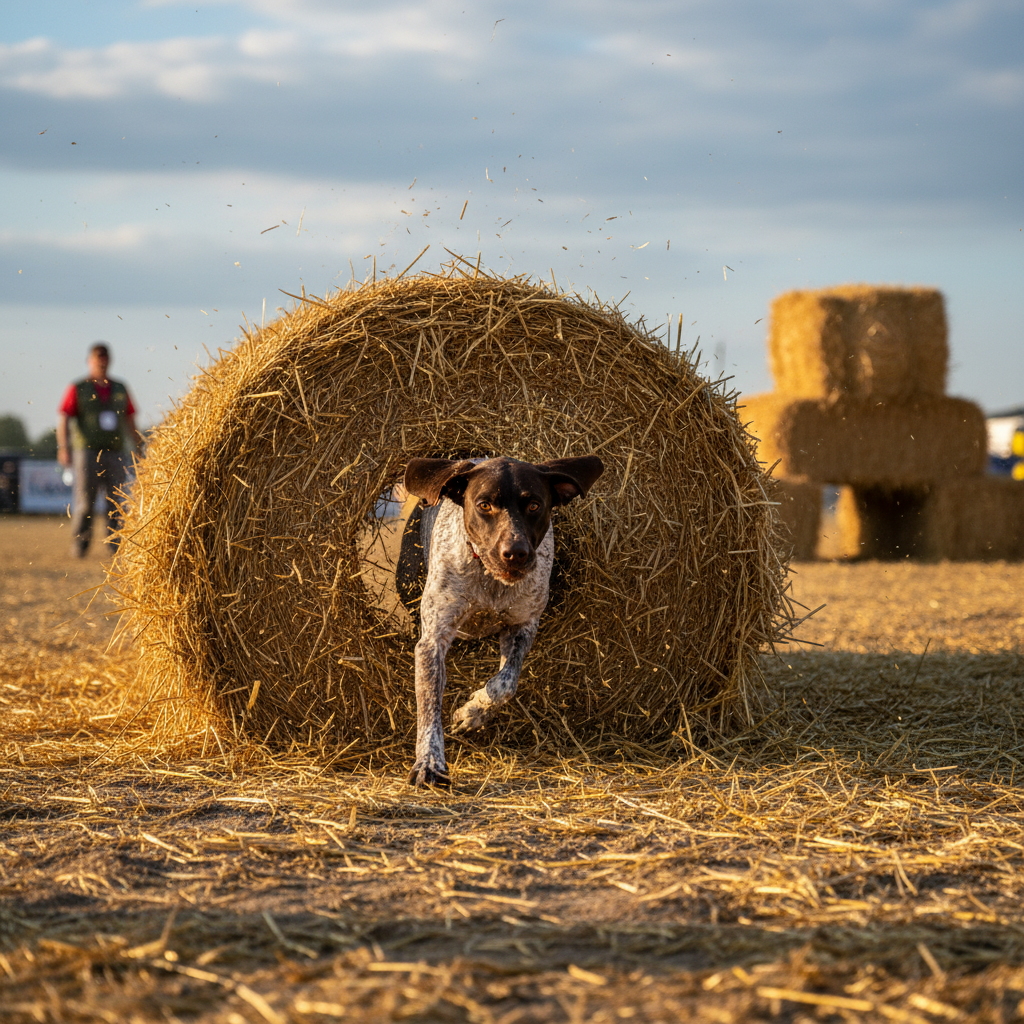
At its heart, Barn Hunt is a timed sport that simulates the traditional work of farm dogs and terriers: locating and marking vermin in a barn. But don’t worry, this is a modern, humane version of that age-old job! It’s an official sport recognized by kennel clubs like the AKC, with titles, competitions, and a wonderfully supportive community.
The Setup: A Sniffing Paradise
Imagine a securely fenced-in area filled with bales of hay or straw. This is the ‘ring.’ The bales are arranged to create a maze with tunnels to crawl through and different levels to climb on. Hidden within this maze are several aerated, sturdy PVC tubes. Some tubes are empty, some contain used rat litter (to act as decoys), and at least one contains the prize: a live rat.
The ‘Rats’: Respected Partners in the Sport
Let’s address the elephant—or rather, the rat—in the room. The safety and well-being of the rats are paramount in Barn Hunt. They are beloved pets of the event organizers, accustomed to being handled and comfortable in their tubes. These tubes are designed to be dog-proof, providing plenty of ventilation while keeping the rat completely safe from harm. The dogs can’t see or touch the rat; they can only use their incredible sense of smell to locate the correct tube. The rats are never in danger and are treated as respected partners in the game.
The Goal: Find the Rat!
The objective is simple: the handler sends their dog into the ring to find the tube with the live rat within a specific time limit. The dog must not only find the rat but also perform two other key actions: navigate a tunnel made of hay bales and execute a ‘climb’ by getting all four paws onto a bale. The handler’s job is to read their dog’s body language and call ‘Rat!’ when they believe their dog has found the correct tube. It’s a true test of instinct, communication, and teamwork between dog and owner.
Is Your Dog a Natural ‘Ratter’? Signs They’ll Love Barn Hunt
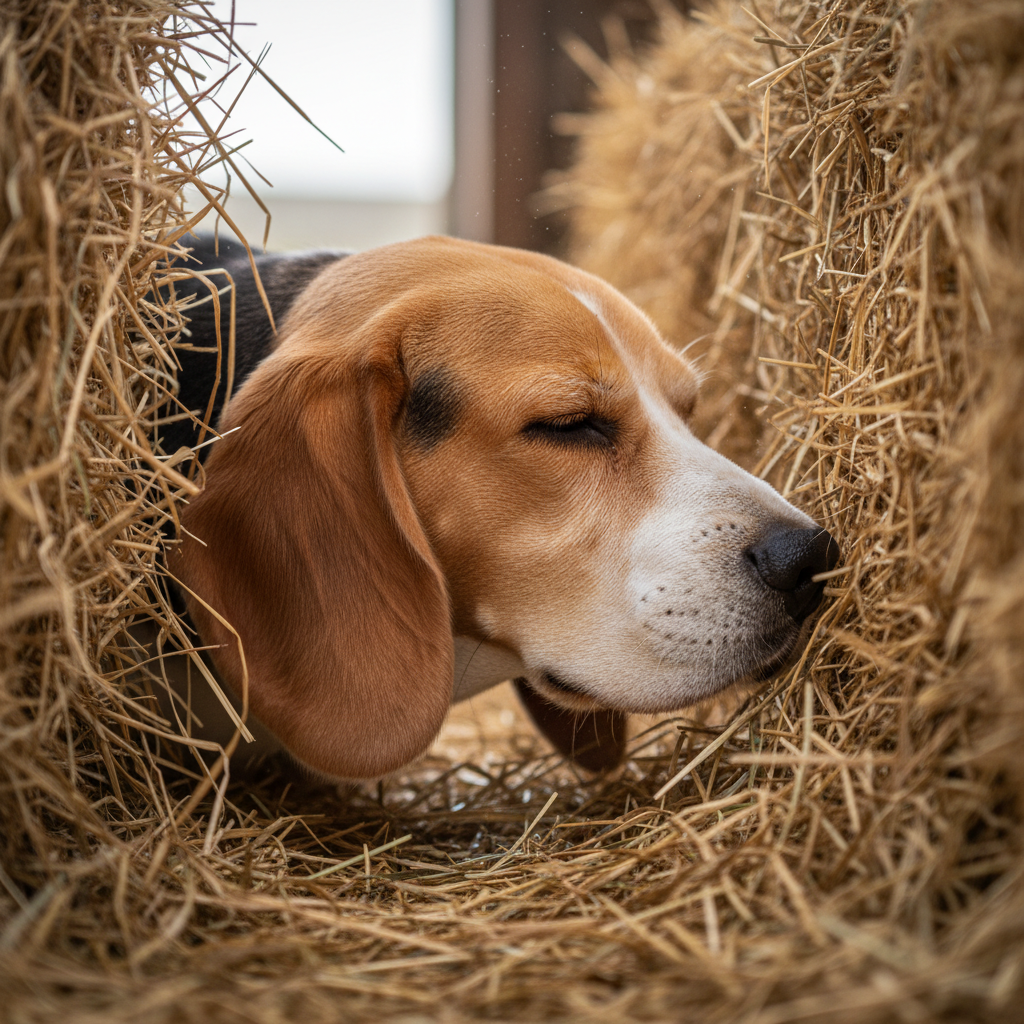
While certain breeds, like terriers and dachshunds, were literally born for this job, Barn Hunt is an incredibly inclusive sport. We’ve seen everything from Chihuahuas to Great Danes excel and have a blast! It’s less about breed and more about instinct and personality. So, how do you know if your dog has what it takes?
Key Traits of a Barn Hunt Enthusiast:
- An Epic Sniffer: Is your dog’s nose permanently attached to the ground on walks? A dog that loves to investigate every scent is a prime candidate.
- High Food or Toy Drive: A dog motivated by rewards is often easy to train. This drive can be channeled into a ‘hunt’ for the ultimate prize—finding the rat and getting a huge reward from you!
- Puzzle Master: Does your dog enjoy puzzle toys, snuffle mats, or other scent-based games? This indicates a dog that enjoys using its brain and nose to solve problems.
- Fearless Explorer: A dog that is confident in new environments and isn’t spooked by strange surfaces (like wobbly hay bales) will adapt more quickly to the Barn Hunt ring.
- A Bit of Prey Drive: That intense focus on squirrels or blowing leaves can be a huge asset. Barn Hunt provides a safe and appropriate outlet for this natural instinct.
Expert Tip: Don’t mistake a lack of obvious prey drive for a lack of interest. Many dogs who show no interest in chasing critters outdoors suddenly ‘turn on’ in the ring when they catch the scent of the rat. The only true test is to let them try!
The sport is also wonderfully accommodating. It’s low-impact, making it suitable for older dogs. Deaf or blind dogs can participate and do very well, relying on their other senses. It’s a fantastic confidence-builder for shy dogs and a great energy outlet for hyper ones. If your dog has a nose and a desire to use it, they can probably do Barn Hunt.
Navigating the Course: Understanding the Basics
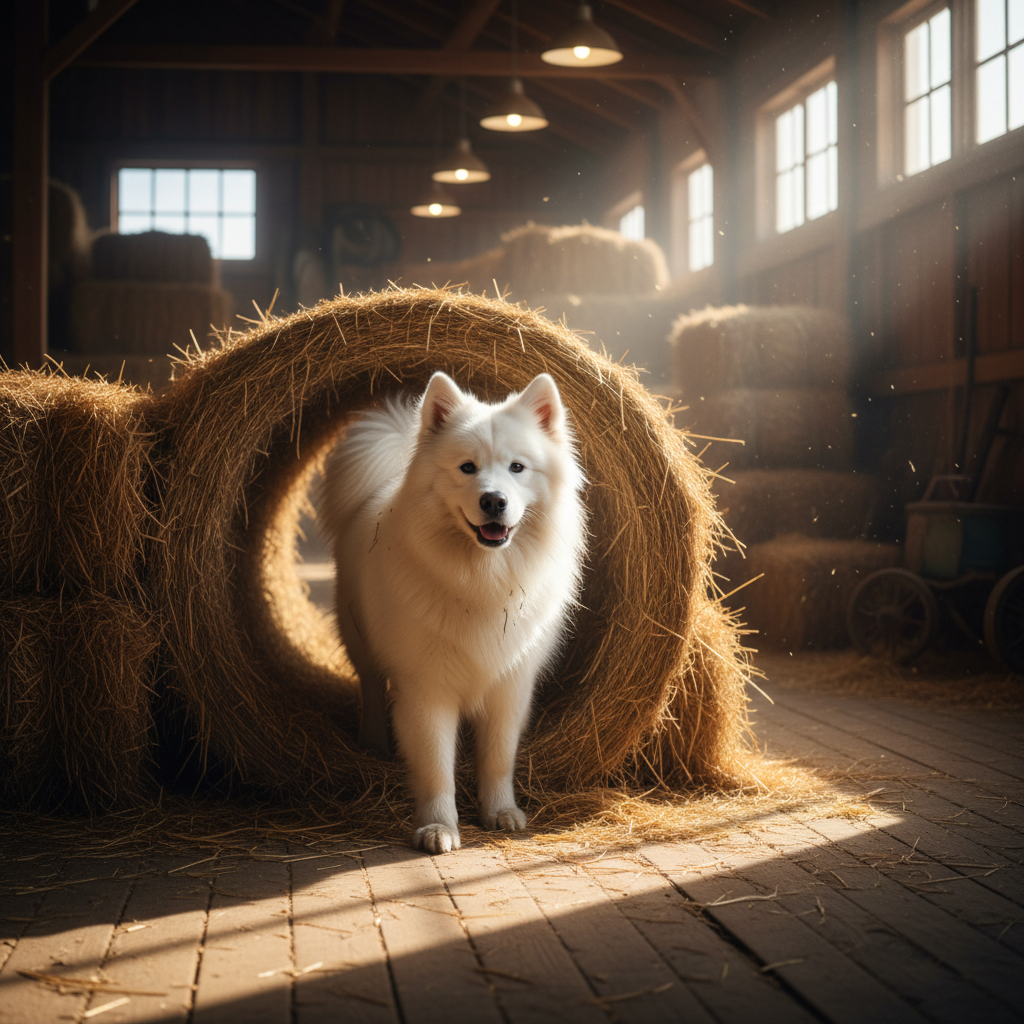
Before you jump into the hay, it’s helpful to understand the lingo and the basic rules of the game. At its core, every run, or ‘go,’ in Barn Hunt requires the dog and handler team to complete three specific tasks to earn a qualifying score, or ‘Q’.
The Three Pillars of a Qualifying Run:
- The Climb: This is exactly what it sounds like. The dog must, at some point during the run, get all four of its paws onto a hay bale. It doesn’t have to be a graceful leap; a scramble up is perfectly fine! This demonstrates the dog’s agility and willingness to navigate the environment.
- The Tunnel: The course will always feature a tunnel made from hay bales. The dog must pass completely through this tunnel, from one side to the other. For some dogs, this is a fun dash; for others, it’s a big confidence-building step.
- The Find: This is the main event. The dog must correctly identify the location of the tube containing the live rat. The handler watches for their dog’s ‘alert’—a change in body language like intense sniffing, pawing, digging at a spot, or a focused stare—and then tells the judge ‘Rat!’.
The handler’s role is crucial. You are your dog’s teammate and cheerleader. You can’t touch the hay, the dog, or the tubes, but you can use verbal cues and body language to encourage your dog to search the course. The biggest challenge for new handlers is learning to trust and read their dog’s signals.
Levels of Play: From Instinct to Master
Barn Hunt has a clear progression of levels, starting with a simple introduction and getting progressively more challenging. You’ll always start at the beginning:
- Instinct Test (RATI): This is where everyone begins. There are three tubes in the ring: one empty, one with litter, and one with a rat. The dog just has to find the rat. No tunnel or climb is required. It’s a simple pass/fail to see if the dog has the instinct for the game.
- Novice (RATN): This is the first official title level. The dog must find the one live rat on the course and complete the tunnel and climb within two minutes.
As you progress to Open, Senior, and Master levels, the challenges increase with more hay bales, more rats to find, more decoy tubes, and shorter time limits. But for now, just focus on the fun of the Novice level!
| Level | Time Limit | Live Rats to Find | Litter Tubes | Climb Required? | Tunnel Required? |
|---|---|---|---|---|---|
| Instinct Test | 1 minute | 1 | 2 (1 empty, 1 litter) | No | No |
| Novice (RATN) | 2 minutes | 1 | 2 (1 empty, 1 litter) | Yes | Yes |
From Backyard Sniffer to Barn Hunt Pro: Your First Steps
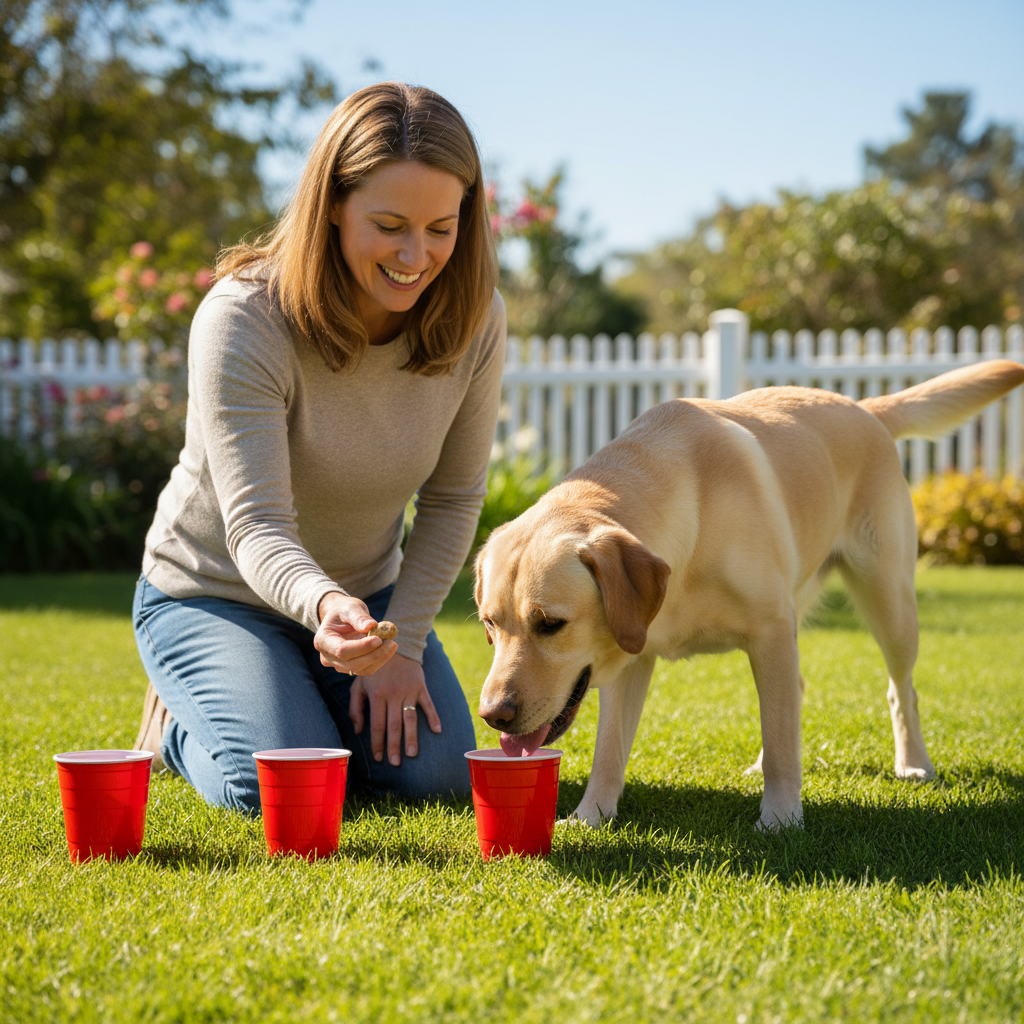
Ready to give it a shot? The journey into Barn Hunt is a blast, and you can start building foundational skills right in your own living room. The goal is to make all the elements of the sport—the scent, the tubes, the obstacles—a super fun game for your dog.
Step-by-Step Home Training:
- Introduce the ‘Container’: Before you even think about rats, get your dog excited about the container itself. Use a similar-sized PVC tube. Start by rewarding your dog just for looking at it, then for sniffing it, and then for pawing or nudging it. Make it the coolest toy in the world!
- Play the ‘Shell Game’: Once your dog loves the container, place it alongside two identical empty ones. Put a high-value, smelly treat (like a piece of cheese or hot dog) under the ‘correct’ one and encourage your dog to ‘Find it!’. When they nudge the right one, praise them enthusiastically and give them the treat. This teaches them to use their nose to find a hidden prize.
- Build an Obstacle Course: You don’t need hay bales to practice climbs and tunnels. Drape a blanket over two chairs to create a makeshift tunnel. Encourage your dog to run through with treats and praise. For climbs, use a low, stable footstool or a wide step. Lure your dog up so all four paws are on the object, then reward them. Keep it safe, positive, and low-pressure.
- Practice Your ‘Alert’ Recognition: As you play these games, pay close attention to your dog’s body language. How do they act when they are getting close to the hidden treat? Do their ears perk up? Does their tail change its wagging speed? Does their breathing get faster? Recognizing this ‘alert’ is the key to success in the ring.
Finding Your Tribe: The Most Important Step
While home practice is great, nothing beats the real thing. The single most important step to getting started is to find a local Barn Hunt club. The Barn Hunt Association (BHA) website has a ‘Clubs’ list where you can find groups in your area. These clubs frequently host practices and ‘Introduction to Barn Hunt’ workshops. This is where your dog will get their first chance to smell a real (and safely-tubed) rat and where you can get hands-on coaching from experienced trainers. It’s the fastest and most effective way to see if the sport is right for you and your pup.
Ready, Set, Sniff! What to Expect at Your First Event
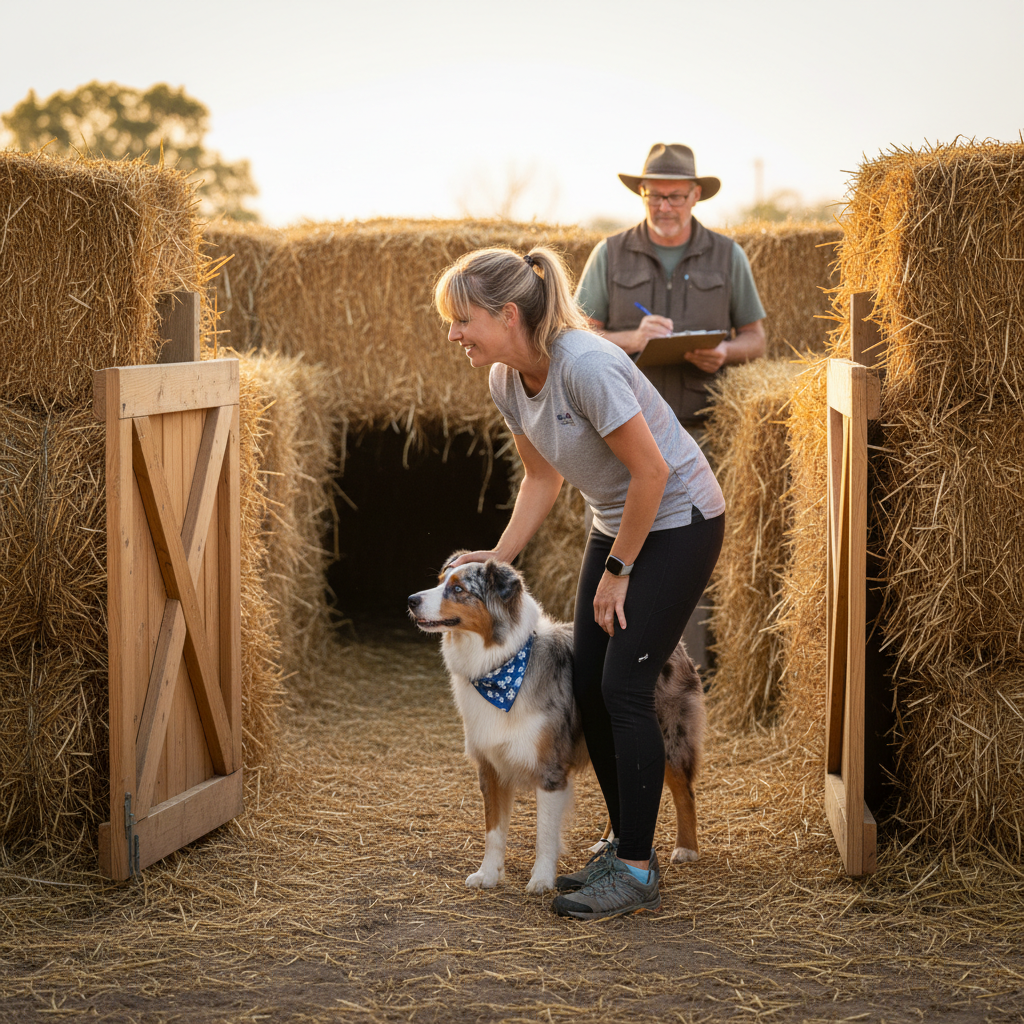
Okay, you’ve been to a practice, your dog loves the game, and you’ve signed up for your first trial. Exciting! And maybe a little nerve-wracking. But don’t worry, Barn Hunt events are known for being among the most welcoming and friendly in the dog sport world. Everyone there wants you to succeed.
The Sights and Sounds
Expect a lively atmosphere. There will be lots of dogs of all shapes and sizes, and you’ll hear a fair bit of excited barking. Most events are held in actual barns or arenas set up to look like one. You’ll check in, get your ‘run order,’ and then it’s a lot of waiting for your turn. Use this time to let your dog get acclimated to the environment (from a distance) and take them for potty breaks.
The ‘Blind’ and the Briefing
Before your class begins, all the dogs in that class will be taken to a ‘blind’—an area where they cannot see the ring. This is to ensure that no dog sees the judge hiding the rat tube. It’s a fair game for everyone! While the dogs are in the blind, the judge will hold a ‘briefing’ for the handlers, where they’ll explain the course layout, the time limit, and answer any questions. This is a great time to take a deep breath!
Your Moment in the Ring
When it’s your turn, you’ll lead your dog to the start box. The judge will ask if you’re ready, the timer will give a signal, and then you’ll release your dog. Your two minutes will feel like both an eternity and a blink of an eye. Your job is to be your dog’s biggest fan. Encourage them, guide them around the course, and watch them work their magic. When you think they’ve found it, take a breath and confidently call ‘Rat!’. The judge will tell you if you are correct. Whether you qualify or not, when the timer goes off, make sure to praise your dog like they just won Westminster. The goal is for them to leave the ring feeling like a rockstar.
Remember this golden rule: The entry fee you paid is for your dog to have a good time and for you to practice your teamwork. A ribbon is just a piece of fabric. The real prize is the joy on your dog’s face as they get to do what they were born to do. Celebrate the effort, not just the result!
Conclusion
Barn Hunt is so much more than just finding a rat in a stack of hay. It’s a powerful way to enrich your dog’s life, providing crucial mental and physical stimulation that taps directly into their core instincts. It builds confidence in timid dogs, provides an outlet for high-energy dogs, and strengthens the communication and bond between you and your canine partner in a way few other activities can. You’ll learn to read your dog’s subtle signals, and they’ll learn to trust your guidance, forming a partnership that extends far beyond the hay bales.
So, is your dog ready to find the rat? If you have a dog that loves to sniff, explore, and solve problems, the answer is a resounding ‘yes!’ They are ready to try. Take the leap, find a local workshop, and let your dog show you what that incredible nose of theirs can do. You might just uncover their new favorite hobby—and yours, too.