Hey there, fellow dog lover! Are you always on the lookout for fun new ways to interact with your furry best friend? While ‘sit,’ ‘stay,’ and ‘come’ are the cornerstones of a well-behaved pup, there’s a special kind of joy that comes from teaching them something purely for fun. Tricks are more than just show-off moves; they’re incredible tools for mental stimulation, confidence-building, and deepening that amazing bond you share.
Today, we’re diving into a delightfully silly and impressive trick: the ‘Foot High Five.’ It’s a charming twist on the classic paw shake or high five, and it’s guaranteed to get a chuckle out of anyone who sees it. The best part? It’s surprisingly easy to teach using positive reinforcement. So grab your tastiest treats and your four-legged student, and let’s get ready to turn your feet into the coolest targets in the house!
Gearing Up for Success: What You’ll Need
Before you and your pup start your training adventure, let’s get everything in order. Setting yourselves up for success from the get-go makes the whole process smoother and more enjoyable for everyone. Think of it as your training toolkit!
The Essentials for a Perfect Training Session:
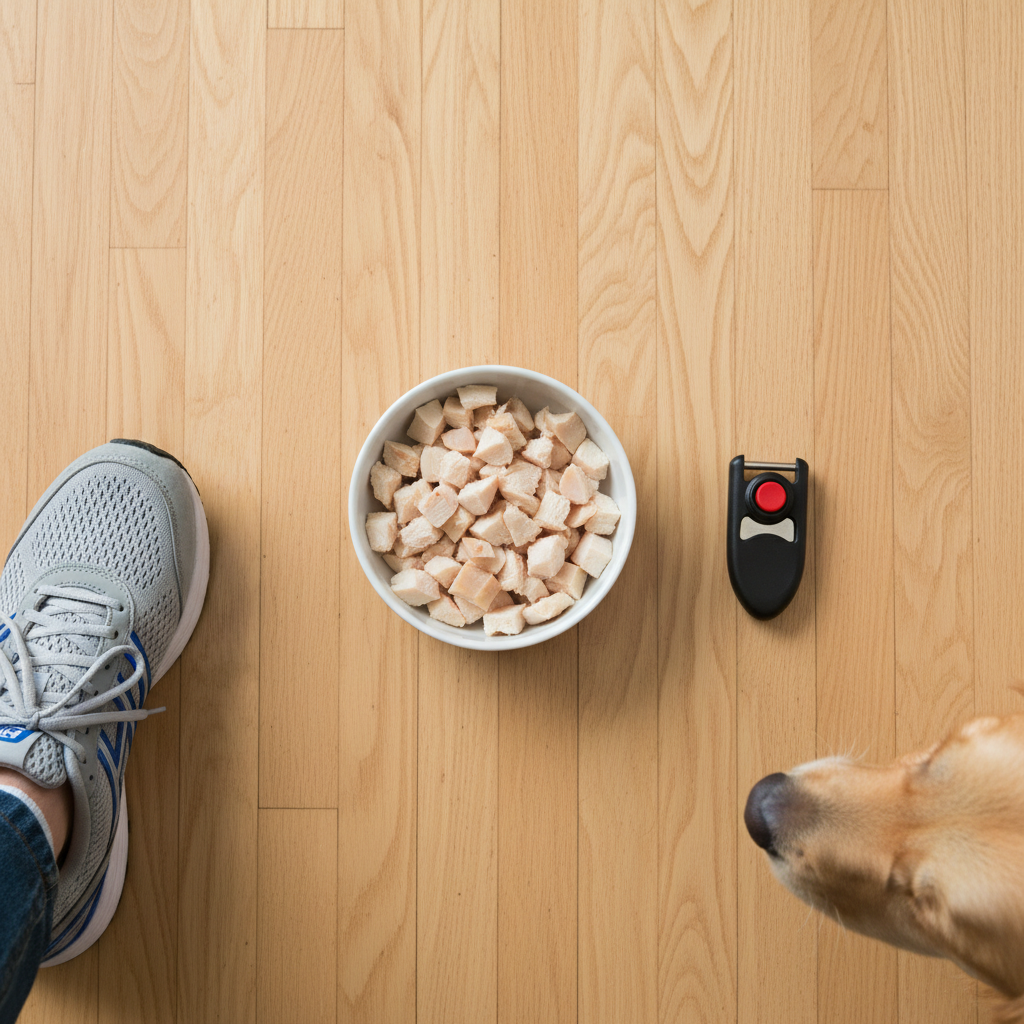
- High-Value Treats: We’re not talking about their everyday kibble here. You want the good stuff! Think tiny, pea-sized pieces of boiled chicken, cheese, hot dogs, or their absolute favorite store-bought training treats. The goal is to make the reward so irresistible that your dog is super motivated to figure out what you’re asking.
- A Quiet, Distraction-Free Space: Choose a room in your house where you won’t be interrupted. Turn off the TV, ask family members for a few minutes of quiet, and remove any super tempting toys. A calm environment helps your dog focus on you and the task at hand.
- A Clicker (Optional, but Recommended): A clicker is a fantastic tool for marking the exact moment your dog does the right thing. This precise communication can speed up the learning process. If you don’t have one, a consistent marker word like “Yes!” or “Good!” said in an upbeat tone works just as well.
- Your Foot!: Of course, you’ll need the star of the show. It’s best to start with a shoe on, as it provides a clear and consistent target. A sneaker or a flat shoe is perfect.
- Patience and a Positive Attitude: This is the most important item on the list! Training should always be fun. Bring your sense of humor, be ready to celebrate the small victories, and remember that every dog learns at their own pace.
Expert Tip: Keep your training sessions short and sweet! Aim for 5-10 minute sessions, a couple of times a day. This prevents your dog (and you!) from getting frustrated or bored and keeps them excited for the next lesson.
The Step-by-Step Guide to the Foot Five
Alright, you’ve got your treats and your enthusiastic student is ready to learn. Let’s break down this trick into simple, manageable steps. Remember to go at your dog’s pace and shower them with praise for every bit of progress!
- Step 1: Introduce the Target. Sit on the floor or in a chair, relaxed. Simply place your foot on the floor in front of your dog. Don’t say anything yet. The moment your dog shows any interest in your foot—a look, a sniff, a slight lean forward—click (or say “Yes!”) and give them a treat. Repeat this 5-10 times. We’re just building a positive association: ‘Owner’s foot appears, good things happen!’
- Step 2: Encourage Paw Interaction. Now, we want to hint at what we’re looking for. With your foot on the floor, hold a treat in your hand and use it to lure your dog’s head down towards your shoe. As their head goes down, their weight will shift, often causing them to lift a paw slightly. The instant you see that paw lift, even if it’s just a tiny bit, click and treat! If they don’t lift their paw, you can try gently tapping the floor next to your foot to encourage movement.
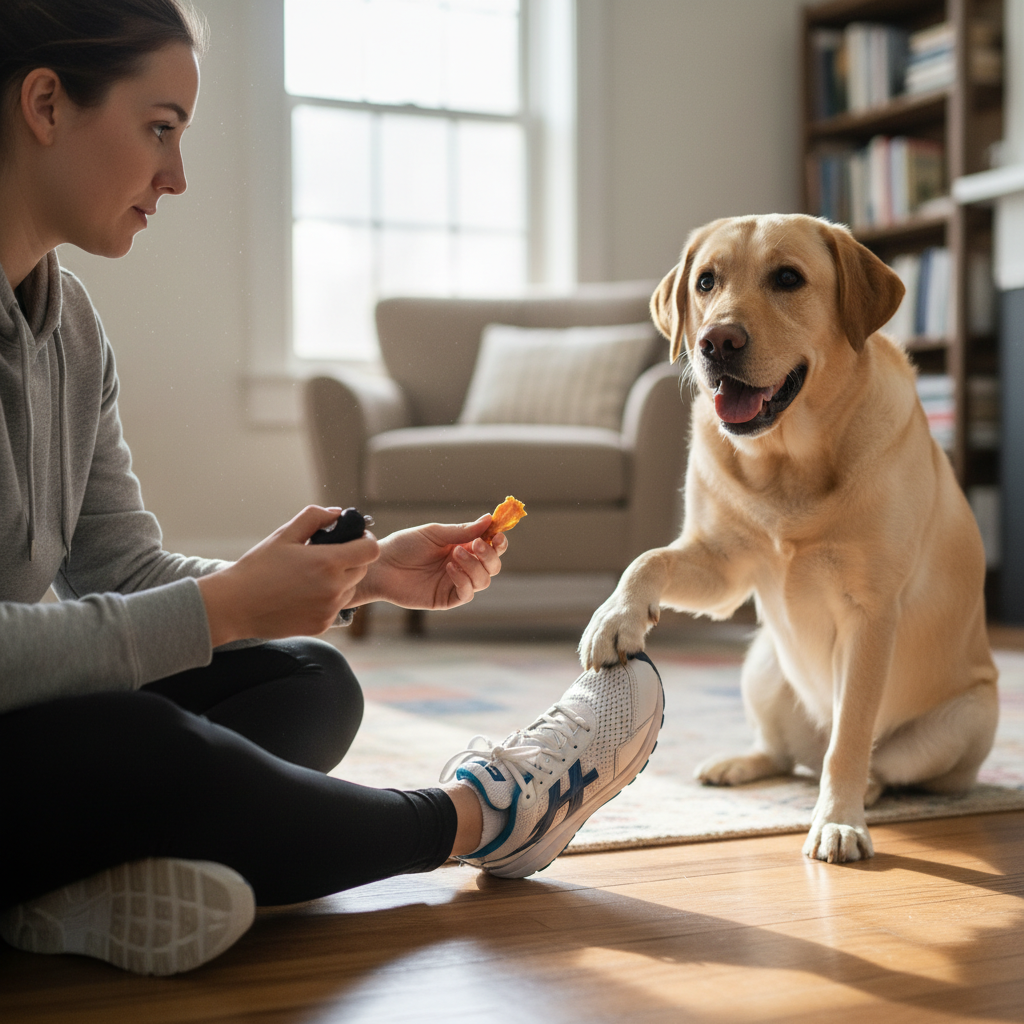
- Step 3: Capture the Touch. This is where the magic happens! Continue luring them, but this time, wait for their paw to make contact with your shoe. It might be an accident at first, a slight brush as they reach for the treat. The very second that paw touches your shoe, have a mini-party! Click, treat, and give lots of verbal praise like “Good job! Wow!”. This is called ‘capturing the behavior.’ Repeat until they start to offer the paw-to-foot touch more deliberately.
- Step 4: Add the Verbal Cue. Once your dog is consistently touching your foot with their paw to get the reward, it’s time to name the trick. Just as you see them begin to move their paw towards your foot, say your chosen cue in a clear, happy voice. “Foot Five!” or “Tap!” or “Gimme Five!”—whatever you like! Then, click and treat as soon as they make contact. By saying the cue right before the action, they’ll start to connect the word with the behavior.
- Step 5: Fade the Lure and Generalize. Gradually, start to rely less on the treat lure. Present your foot and give the verbal cue. When they perform the trick, reward them enthusiastically. You can also start ‘generalizing’ the trick by practicing in different rooms, with you in different positions (sitting, standing), and by offering your other foot. This helps them understand that “Foot Five” means ‘touch whatever foot my human is presenting to me.’
Troubleshooting: When Your Pup Gets Puzzled
Sometimes, our canine students don’t read the lesson plan! It’s completely normal to hit a few snags during training. If you find your dog is a bit confused, don’t worry. Here are some common hurdles and how to clear them with a smile.
- Problem: My dog just sniffs my foot and does nothing else.
Solution: That’s a great start! You’re rewarding for sniffing, right? Go back to Step 1 and heavily reward any interaction. After a few rewards for sniffing, withhold the click/treat until they do something more, like shifting their weight or twitching a paw. You can also try a ‘reset’ by tossing a treat a few feet away, letting them get it, and then trying again when they return. - Problem: My dog tries to chew on my shoe!
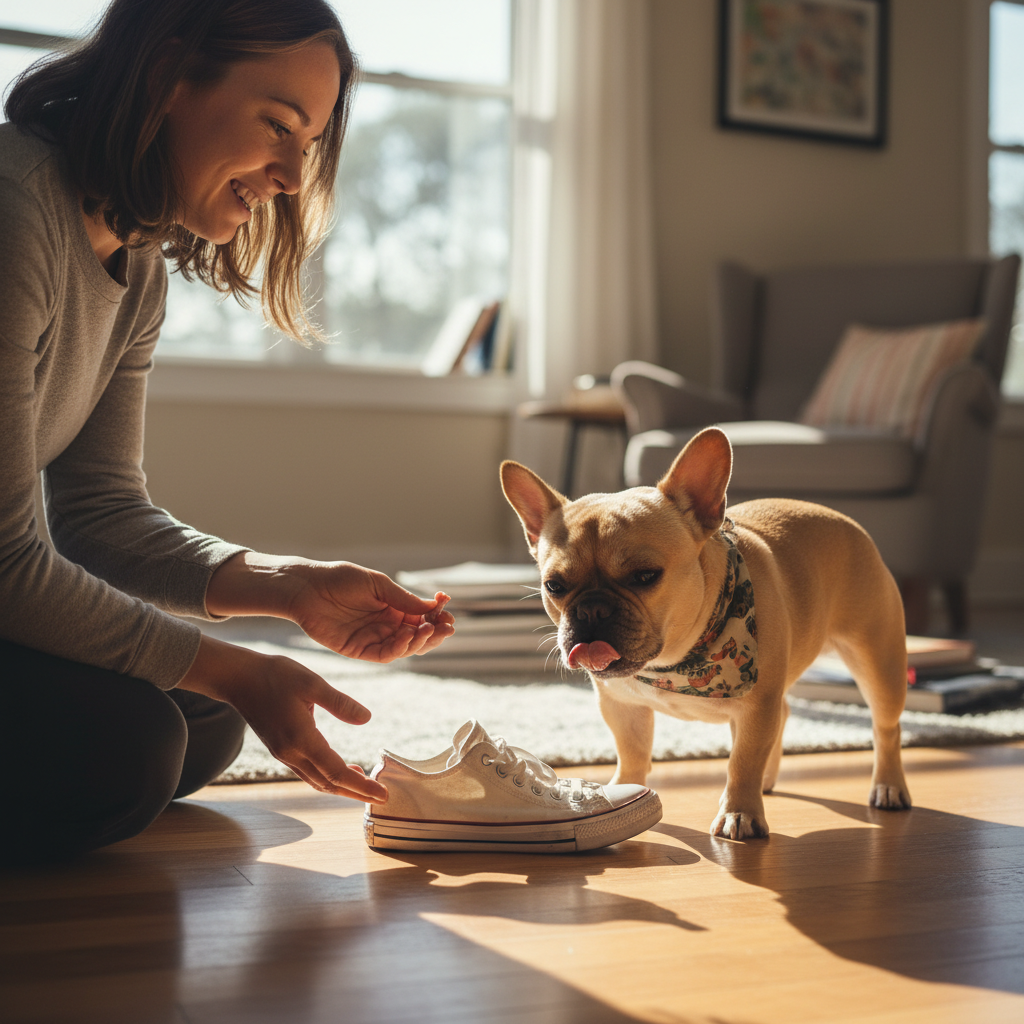
Solution: This is common, especially with puppies! If this happens, calmly say “Oops!” and briefly withdraw your foot. Wait a second, then present it again. Reward only for paw contact, not mouth contact. Ensure your training sessions are short so they don’t get over-excited or frustrated, which can lead to mouthing. Using a boring, clean shoe can also help. - Problem: They just won’t lift their paw.
Solution: Some dogs are less naturally ‘pawsy’ than others. If your dog already knows ‘shake’ or ‘paw,’ you can use that to your advantage. Ask for a ‘shake,’ but instead of presenting your hand, present your foot. When they target your foot, reward them! You can also try placing a low object, like a book, next to your foot and rewarding them for stepping on it, then gradually transitioning to just your foot. - Problem: They were doing it perfectly, but now they’ve stopped.
Solution: Your dog might be tired, or the treats might have lost their appeal. This is a classic sign to end the session on a positive note. Ask for one easy thing they know (like a ‘sit’), reward it, and call it a day. Next time, try using even more exciting treats or shortening the session length. Progress isn’t always linear!
Common Mistakes to Sidestep
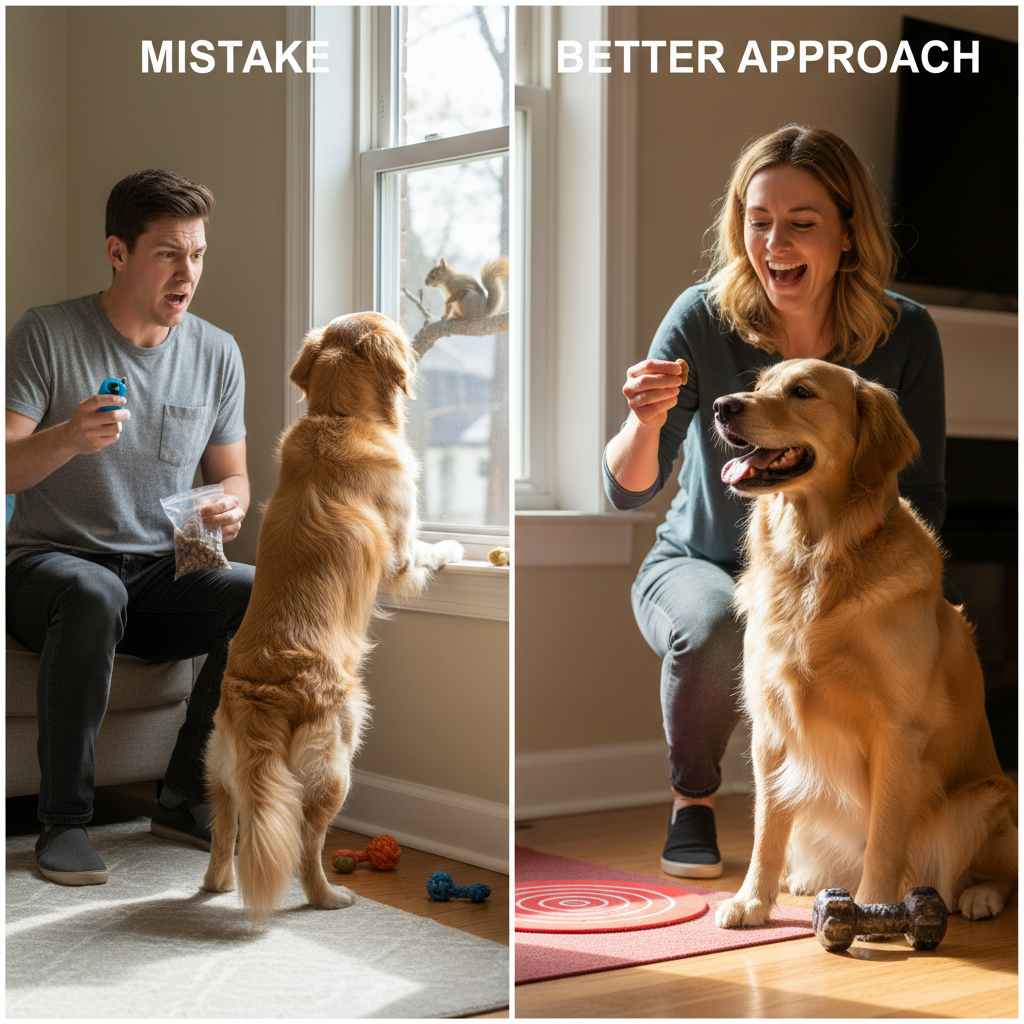
Even the most seasoned dog owners can make small mistakes during training. Being aware of these common pitfalls can help you keep your training sessions positive, effective, and fun for your four-legged friend. Here’s a quick guide on what to avoid and what to do instead.
| Common Mistake | The Better Approach |
|---|---|
| Forcing the Action | Never physically grab your dog’s paw and force it onto your foot. This can create a negative association and make them dislike the game. Always use luring and positive reinforcement to let them make the choice themselves. |
| Inconsistent Cues | Saying “Foot Five” one day, “Tap” the next, and “Hit it” the day after will confuse your dog. Pick one clear, simple verbal cue and stick with it. Consistency is key to clear communication. |
| Long, Boring Sessions | A 30-minute drill session will lead to burnout. Keep your training sessions short—no more than 5-10 minutes at a time. Always end on a high note when your dog is still engaged and having fun. |
| Using Low-Value Rewards | If your dog isn’t excited about the reward, they won’t be excited about the work. Use treats that your dog finds truly special to keep their motivation high. |
| Getting Frustrated | Your dog can sense your frustration, which can make them anxious. If you feel yourself getting impatient, just end the session with an easy win (like a ‘sit’) and try again later when you’re both relaxed. |
Level Up! Advanced Foot Five Variations
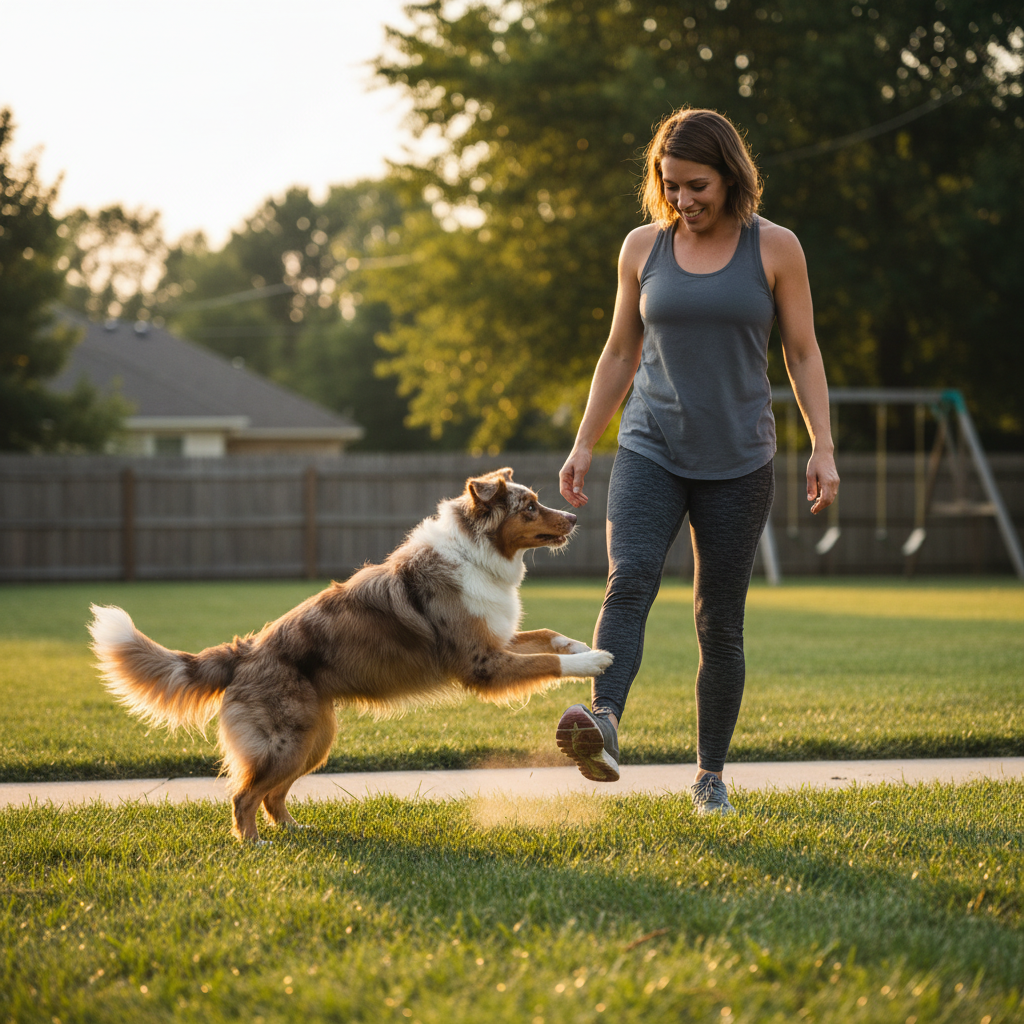
Once your dog has mastered the basic foot high five, why stop there? You can build on this foundation to create even more impressive and engaging tricks. This is a fantastic way to keep your smart pup’s brain working and show off their skills!
Take Your Trick to the Next Level:
- The Double Five: Teach your dog to tap one foot, then the other! Start by presenting your left foot and rewarding the tap. Then present your right foot. Once they understand the game, you can add separate cues like “Left!” and “Right!”.
- The Walking Five: This one is super cool! While walking slowly, give your cue and present your foot as it moves forward. Reward your dog for tapping your foot in motion. It takes great timing and focus!
- Distance Fives: Ask your dog to stay, take a few steps back, and then give the cue from a distance. This challenges them to perform the behavior without you being right next to them.
- Chain It Up: Combine the foot five with other tricks your dog knows. Create a fun routine like: ‘Sit,’ then ‘Foot Five,’ then ‘Spin,’ then ‘Down.’ Chaining tricks together is an excellent mental workout.
- Object Targeting: Use the same principles to teach your dog to tap other objects with their paw. You could teach them to tap a specific book on a shelf, a toy on the floor, or even a push-light to turn it on!
Remember: When you increase the difficulty, be prepared to go back a few steps if your dog gets confused. Always keep it positive and reward generously for their effort as they learn these more complex variations.
Conclusion
And there you have it! You’re now fully equipped to teach your dog the adorable and amusing ‘Foot High Five.’ More than just a silly party trick, this training journey is a powerful way to enhance your communication, build your dog’s confidence, and spend quality time together that you’ll both cherish. The biggest rewards are the ‘aha!’ moment in your dog’s eyes and the happy tail wags that come with learning something new.
Remember to be patient, stay positive, and celebrate every small success along the way. Before you know it, your pup will be eagerly offering you a foot five every chance they get. Now, go have some fun and get those paws tapping!