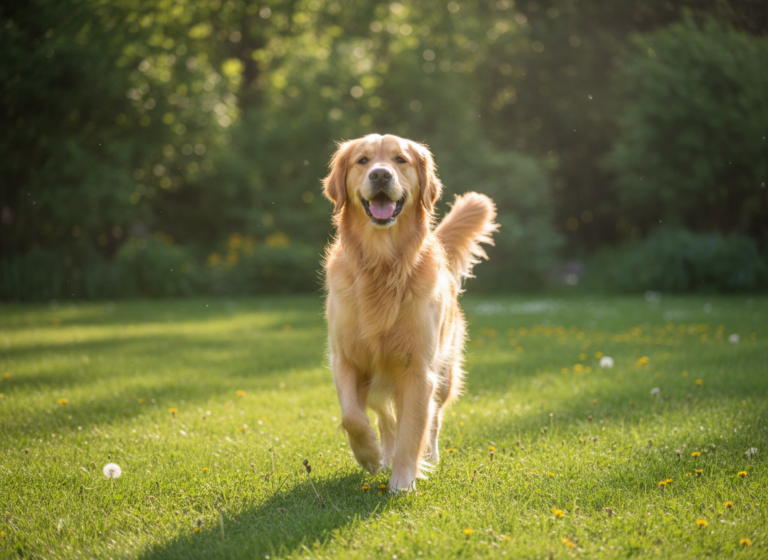
There’s nothing quite like the joy of exploring a new hiking trail with your four-legged best friend. The sights, the smells, the shared adventure! But then you round a bend and see it: a narrow, rickety-looking wooden bridge. Your dog, who was just happily trotting along, suddenly digs in their heels. Their tail tucks, their body stiffens, and no amount of gentle coaxing can convince them to take a single step onto it. Sound familiar? It’s a frustrating moment that can cut a great day short.
Before you get discouraged, it’s important to understand that this fear is very real from your dog’s perspective. Bridges can be terrifying! The surface might feel wobbly or unstable, there are strange gaps between the planks, and the sensation of being suspended over water or a drop-off is unnatural for them. For many dogs, it’s a sensory overload that screams ‘DANGER!’
The great news is that you can absolutely help your dog overcome this fear. It’s not about forcing them or dragging them across; it’s about building trust and confidence, one paw at a time. This guide will walk you through a compassionate, step-by-step process using positive reinforcement to turn that bridge from a scary monster into just another part of the path. Let’s get started on building a bridge to confidence!
Understanding the Fear: Why Bridges Spook Your Pup

To effectively help your dog, you first need to see the bridge through their eyes (and paws!). What we see as a simple crossing, they might perceive as a major threat. Their reluctance isn’t stubbornness; it’s a genuine survival instinct kicking in. Understanding the root cause will make you a more patient and effective trainer.
Common Canine Concerns with Bridges:
- Unstable Surfaces: Many trail bridges have a bit of sway or bounce. Dogs, who rely on solid ground for security, can find this movement deeply unsettling. It feels like the ground is betraying them.
- Strange Textures and Gaps: Think about metal grates, weathered wood with gaps, or wire mesh. These surfaces are unnatural. Your dog might worry about their paws slipping through or getting caught. The feeling of air beneath their feet where they expect solid ground is very alarming.
- Height and Open Sides: A fear of heights isn’t just for humans. The feeling of being exposed on the sides with a drop below can trigger a dog’s sense of vulnerability.
- Weird Noises: The clanking of metal, the creaking of wood, or the sound of water rushing below can be loud and frightening, adding another layer of sensory stress to the experience.
- A Previous Bad Experience: A single slip, a startling noise, or a moment where they felt forced on a bridge in the past can create a lasting negative association that they carry with them to every new bridge they encounter.
Expert Tip: Never, ever drag your dog across a bridge. This will only intensify their fear, damage their trust in you, and make the problem much worse in the long run. Our goal is to make the bridge a place where good things happen, not a place of conflict.
Gearing Up for Success: Essential Tools and Mindset
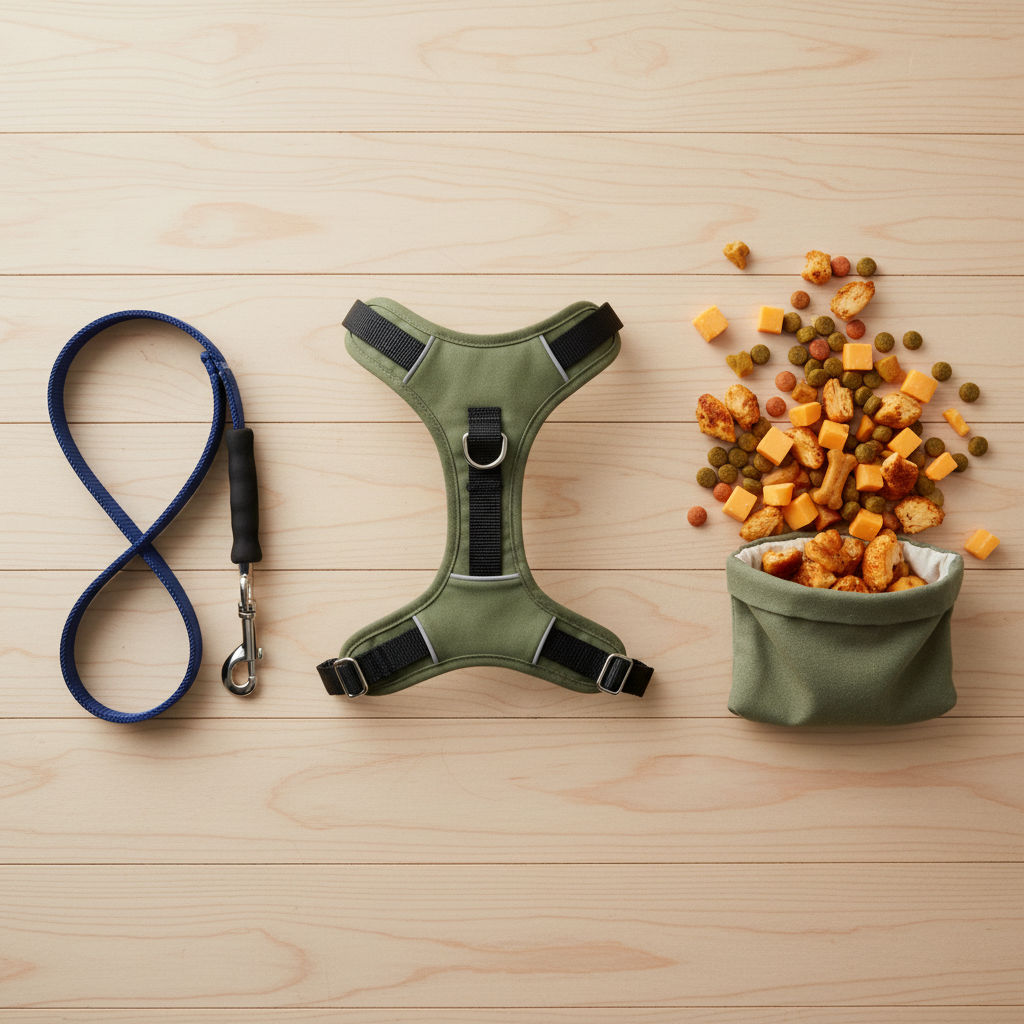
Before you even approach the bridge, setting yourself up with the right equipment and, more importantly, the right mindset is crucial. This isn’t a battle to be won; it’s a lesson to be taught with kindness and patience.
Your Bridge-Training Toolkit:
- A Well-Fitting Harness: A comfortable, Y-shaped harness is a must. It distributes pressure evenly across your dog’s chest and shoulders, preventing any choking or neck strain if they do pull back. Unlike a collar, it gives you gentle control without creating a negative association with pressure on their throat.
- A Standard 6-Foot Leash: A simple, sturdy leash is your best friend here. Avoid retractable leashes, which offer little control and can snap or tangle, adding more danger and stress to an already tense situation.
- High-Value Treats: We’re not talking about their everyday kibble. You need to bring out the good stuff! Think small, pea-sized pieces of cooked chicken, cheese, hot dogs, or a special soft treat they absolutely love. The goal is to make the reward more compelling than the fear.
The Most Important Tool: Your Mindset
Your dog is an expert at reading your body language and emotional state. If you approach the bridge feeling anxious, frustrated, or rushed, your dog will pick up on it immediately, confirming their suspicion that this is a scary place. Before you begin, take a deep breath and commit to the following:
- Be Patient: This process can take minutes for some dogs and multiple sessions over weeks for others. Let your dog set the pace.
- Be Positive: Keep your voice light and happy. Celebrate every tiny bit of progress, even if it’s just a glance towards the bridge.
- Be Prepared to Walk Away: The goal of every session is to end on a positive note. If your dog is too stressed, it’s better to end the session early and try again another day than to push them over their limit.
The Step-by-Step Bridge Training Protocol
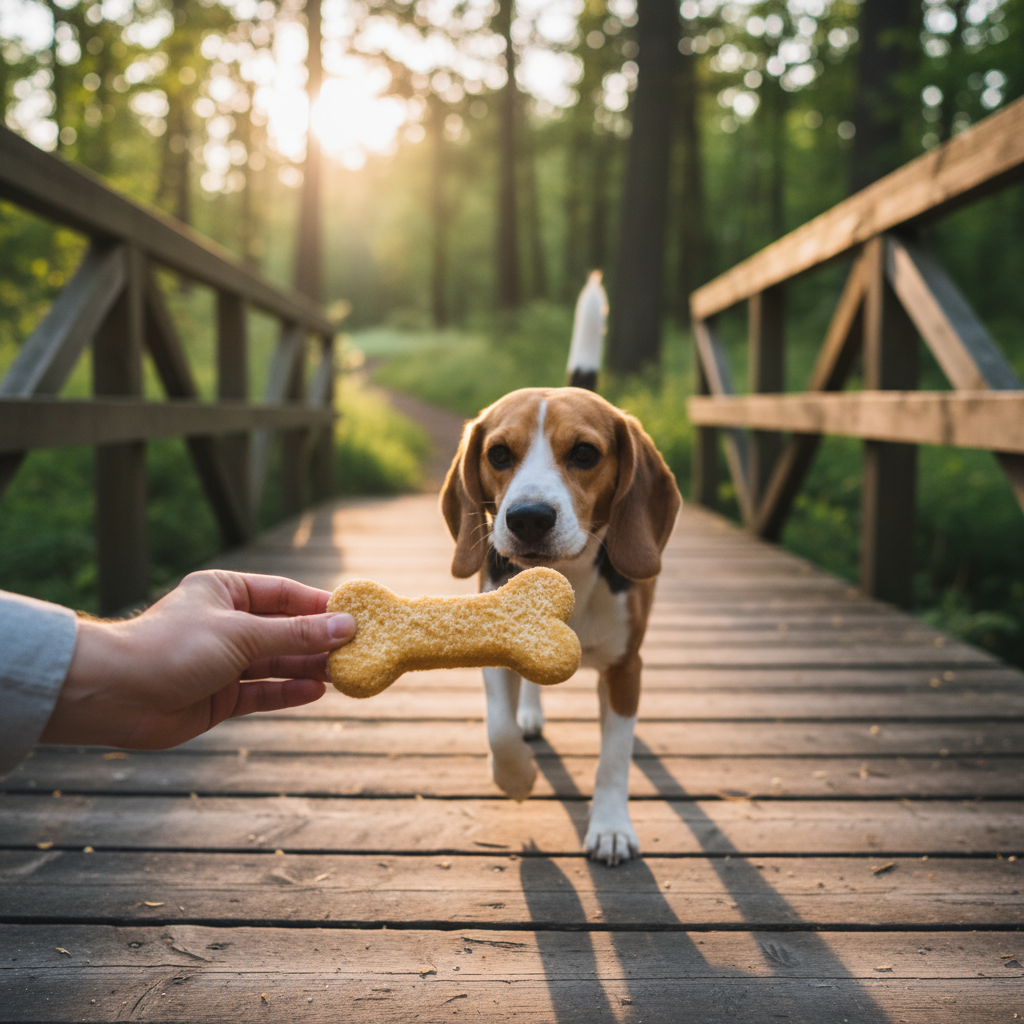
This is where the magic happens. We will use a process called desensitization and counter-conditioning. In simple terms, we’ll slowly get your dog used to the scary thing (the bridge) while pairing it with something wonderful (high-value treats). This changes their emotional response from ‘Oh no, that bridge!’ to ‘Oh boy, the treat bridge!’
Remember to keep sessions short (5-10 minutes) to keep your dog engaged and prevent them from getting overwhelmed.
- Step 1: Create a ‘Treat Zone’ Near the Bridge. Don’t start at the entrance. Find a spot at a comfortable distance where your dog notices the bridge but isn’t stressed. This might be 50, 20, or 10 feet away. Simply hang out here, rewarding your dog for calm behavior. If they look at the bridge, say “Yes!” in a happy voice and give them a treat. The goal is to build a positive association with the general area.
- Step 2: The Calm Approach. Casually walk towards the bridge. The second you see any sign of hesitation (stiffening, slowing down), stop. Ask for a simple behavior your dog knows, like ‘sit’, and reward them. Then, turn and walk away from the bridge. Repeat this, getting a tiny bit closer each time, always ending by walking away. This teaches your dog that they have control and are not being forced.
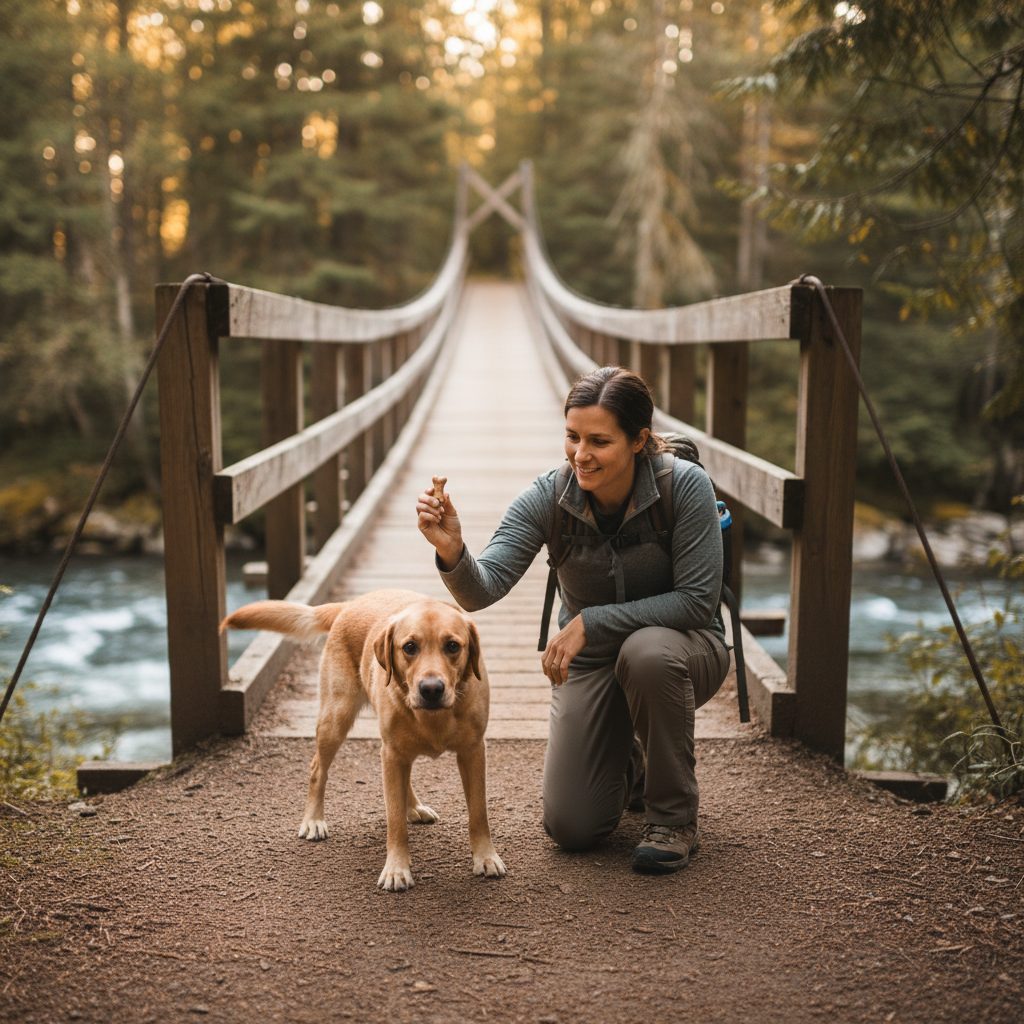
- Step 3: Reward Interaction. Once you can get to the edge of the bridge without stress, start rewarding any interaction with it. If your dog sniffs the edge, ‘Yes!’ and treat. If they look at it, ‘Yes!’ and treat. If they accidentally put a paw on it, throw a jackpot of treats! We are rewarding their curiosity.
- Step 4: The ‘One Paw On’ Game. Toss a treat right at the edge of the bridge so they have to step on it with one paw to get the reward. Don’t say anything, just let their desire for the treat guide them. Once they get it, let them retreat. Repeat this several times until they are comfortable with the one-paw-on motion.
- Step 5: Luring Across, Step-by-Step. Now, place a treat a few inches onto the bridge. When they step on to get it, place another one a few inches further. Use a steady stream of treats to lure them, one step at a time. Keep your praise calm and steady. If they make it all the way across, give them a huge jackpot and lots of praise! If they get partway and freeze, that’s okay. Reward that progress, and gently lure them back off the way they came.
- Step 6: Generalize the Skill. Once your dog is confidently crossing one bridge, seek out others! A bridge with a different surface, a different height, or a different width will help generalize the skill. They will learn that all bridges are ‘treat bridges’ and that they have the confidence to handle any new challenge with you by their side.
Troubleshooting Common Bridge-Crossing Hiccups
Training is never a perfectly straight line. You’re bound to run into a few bumps along the road. The key is not to get discouraged. Here’s how to handle some common challenges you might face when training your dog to cross a bridge.
What if my dog completely freezes and won’t move?
This is often called ‘pancaking’—where the dog lies flat on the ground. It’s a sign of being completely overwhelmed. Do not pull them. This confirms their fear and can cause them to panic. Instead, take a step back towards them, release the tension on the leash, and use your happy voice to encourage them to come back towards you, away from the bridge. You’ve likely moved too fast. End the session on a positive note by doing something they enjoy, far away from the bridge, and plan to start your next session at an earlier, easier step.
What if my dog starts barking or lunging at the bridge?
This is a ‘distance-increasing’ behavior. Your dog is essentially yelling, ‘Go away, scary thing!’ It means you are too close for their comfort. The solution is simple: create more distance. Calmly walk your dog away from the bridge until they can relax again. Your next session should start from this further distance, focusing on rewarding calm behavior before trying to get any closer.
Here’s a quick-reference table for common issues:
| The Problem | The Solution |
|---|---|
| Dog plants its feet and won’t get closer. | You’ve reached their ‘threshold’. Stop, reward, and walk away. You found the edge of their comfort zone, which is valuable information for your next training session. |
| Dog takes the treat but immediately retreats. | This is perfectly fine! Allow them this choice. It builds trust. They are learning they can approach and leave without being trapped. Continue rewarding the approach. |
| Dog crossed it once but is scared the next time. | Regression is normal in training. Don’t assume that one success means the fear is gone forever. Treat each session like a new one and go at your dog’s pace. It might take many repetitions for the confidence to become permanent. |
Beyond the Bridge: Building Overall Canine Confidence
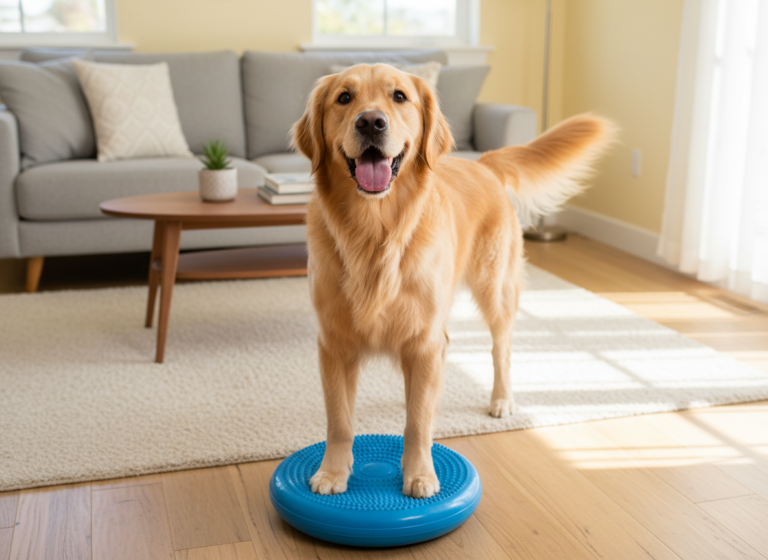
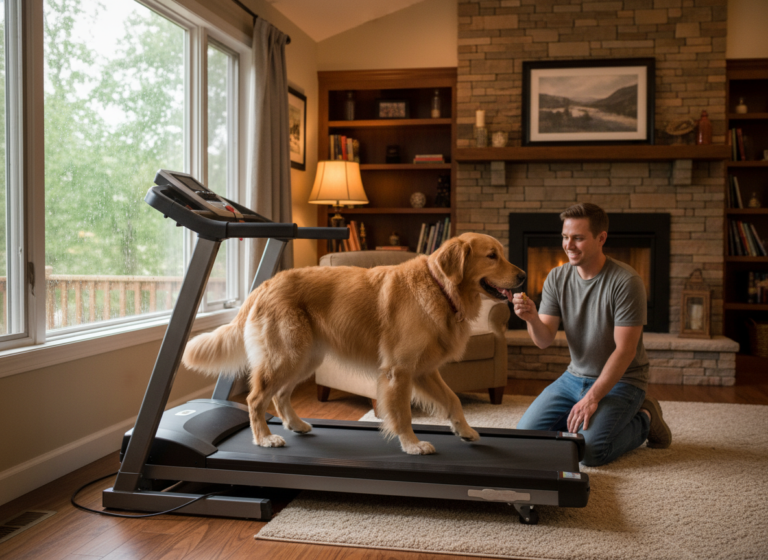
Conquering a specific fear like crossing bridges is a fantastic achievement, but you can also use this as a springboard to build your dog’s overall confidence in the world. A confident dog is less likely to develop new fears and is better equipped to handle novel situations. The skills you both learned during bridge training—patience, communication, and positive association—are the foundation for everything.
Confidence-Boosting Activities:
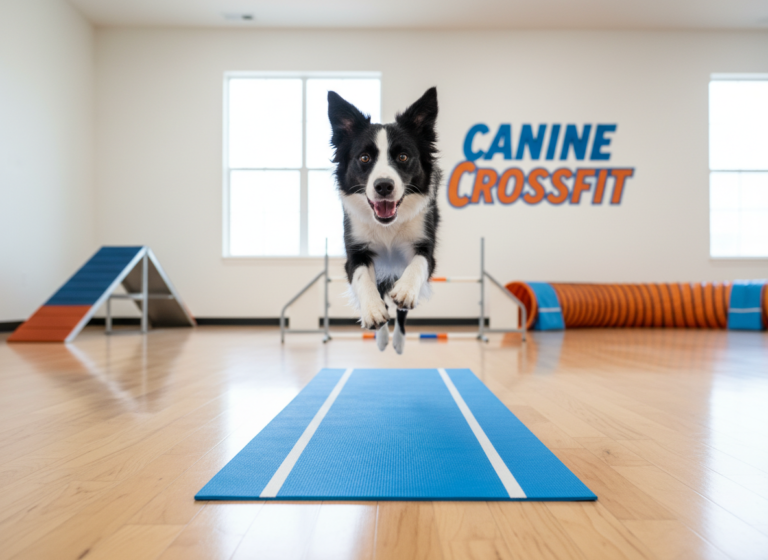
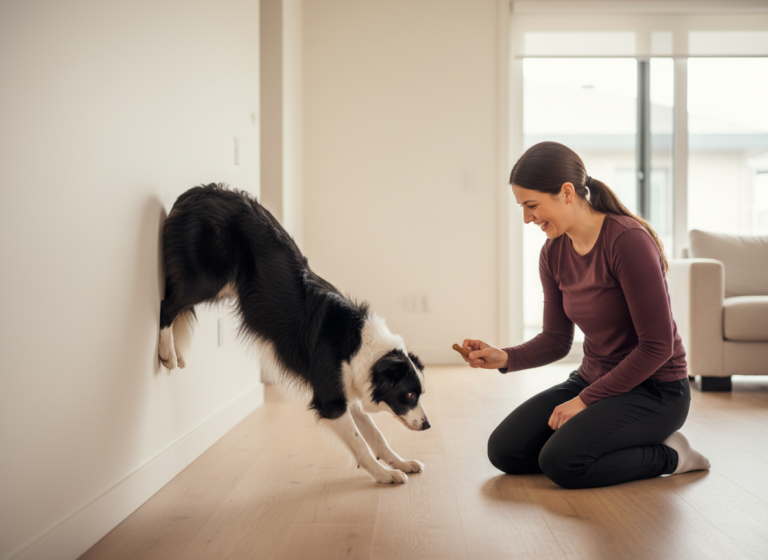
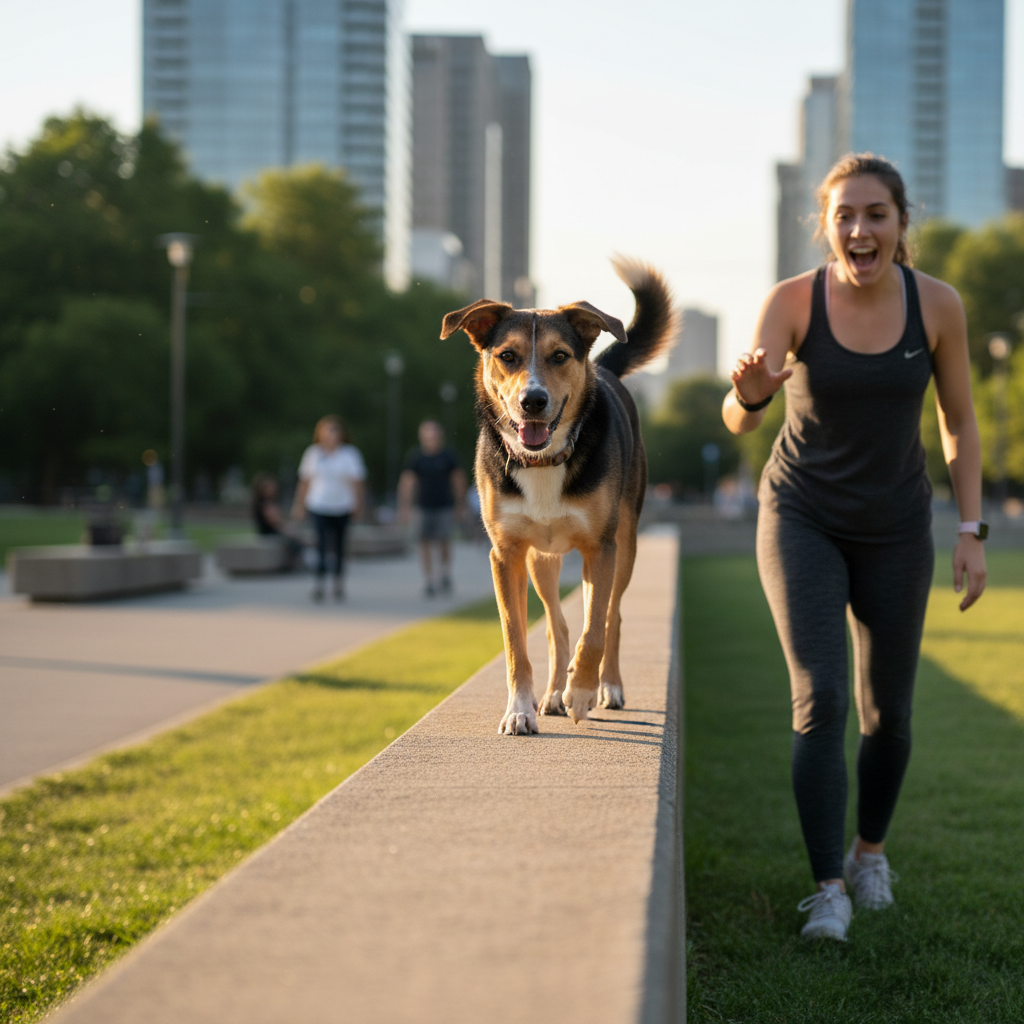
- Urban Agility: You don’t need a formal course! Encourage your dog to interact with their environment on walks. Ask them to put ‘paws up’ on a sturdy park bench, walk along a low, wide curb, or weave through poles. Reward them for exploring different textures like grass, pavement, manhole covers, and dirt.
- Canine Enrichment and Puzzle Toys: Working their brain is just as important as working their body. Food puzzles, snuffle mats, and lick mats encourage problem-solving skills and can be a great outlet for nervous energy.
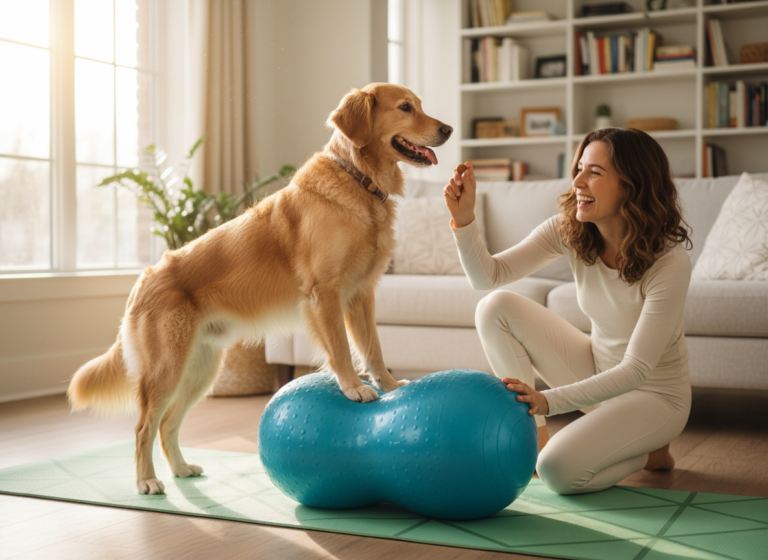
- Learning New Tricks: Teaching tricks like ‘spin,’ ‘touch’ (targeting your hand with their nose), or ‘shake’ is a fun, low-pressure way to build your communication and strengthen your bond. Each successfully learned trick is a deposit in their confidence bank.
- Nose Work Games: A dog’s primary sense is their nose. Hiding treats around a room or in the yard and letting them ‘find it’ allows them to do what they do best. It’s an incredibly satisfying and confidence-building activity for any dog.
By continuing to provide your dog with positive experiences and opportunities to overcome small challenges, you are teaching them a valuable lesson: New things can be fun, and I can trust my human to help me through them. That is a lesson that will serve you both well, far beyond any single bridge on the trail.
Conclusion
Helping your dog conquer their fear of bridges is about so much more than just getting to the other side of a trail. It’s a powerful exercise in building trust, deepening your bond, and learning to communicate effectively with your canine companion. Remember the core principles: go at your dog’s pace, keep it positive, and celebrate every small victory. The first paw on the plank is just as important as the final step across.
There will be good days and days where you need to take a step back, and that’s all part of the process. Your patience and understanding are the greatest gifts you can give your dog. By turning a scary obstacle into a fun and rewarding game, you’re not just training them to cross a bridge; you’re teaching them that they can face the world with confidence, knowing you’re right there by their side. Now, go find a trail and start your adventure!