Have you ever seen a dog fluidly weave through their owner’s legs and thought, ‘Wow, I wish my dog could do that!’? It looks like a complex trick reserved for canine movie stars or professional trainers, but I’m here to let you in on a little secret: it’s one of the most accessible and rewarding tricks you can teach your furry friend, regardless of their age or breed. Welcome to the ultimate guide to teaching the ‘Weave Through Legs’ trick!
This isn’t just about showing off at the dog park (though it’s great for that, too!). Teaching the leg weave is a fantastic way to boost your dog’s confidence, improve their body awareness, and strengthen their focus on you, even with distractions around. More importantly, it’s a fun, engaging activity that deepens the bond you share. It transforms a simple walk into an interactive game. In this guide, we’ll break down the entire process into simple, bite-sized steps, using only positive reinforcement. So grab some tasty treats, find a little space, and get ready to have some fun. You and your pup will be weaving like pros in no time!
Gearing Up for Weaving Success: What You’ll Need
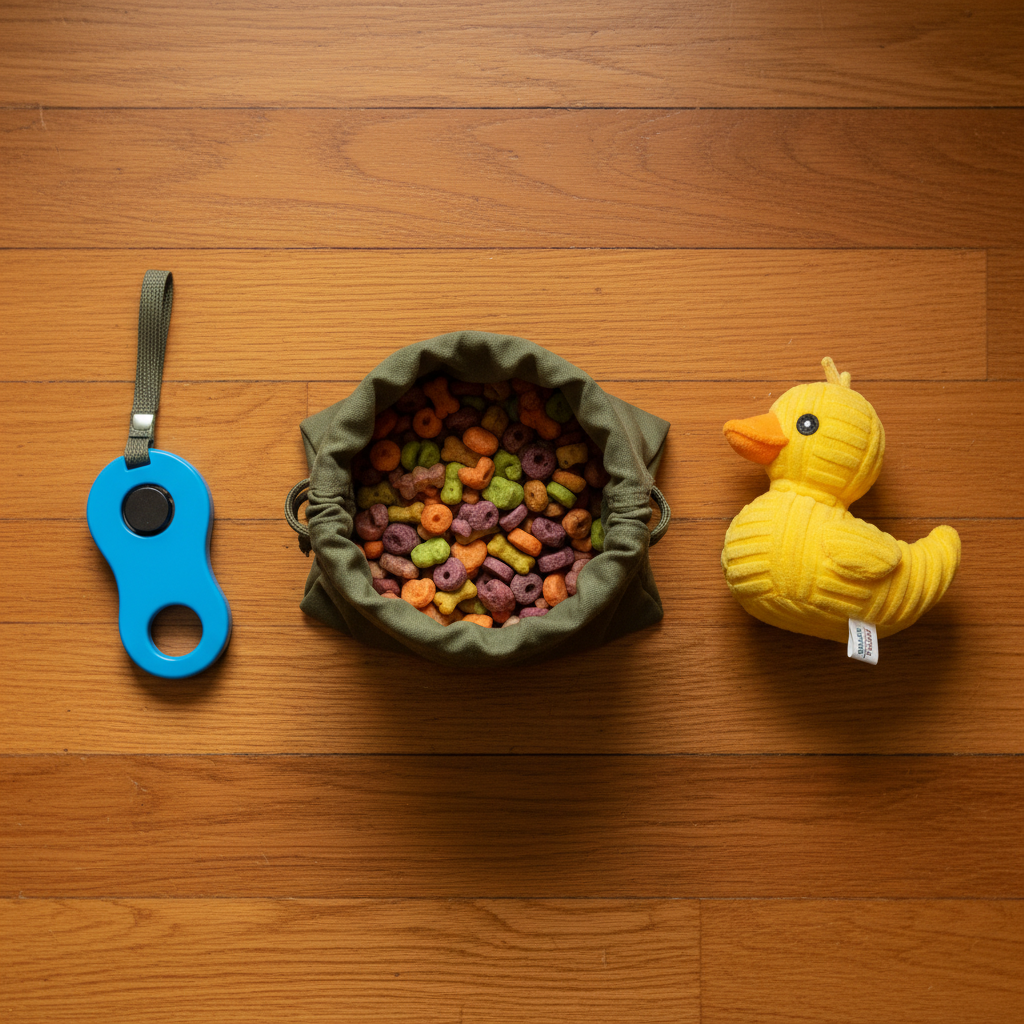
Before we jump into the fun part, let’s make sure we have everything we need to set our dogs up for success. The right tools and environment can make all the difference between a frustrating training session and a joyful breakthrough. Think of this as your training toolkit!
The Essentials for a Smooth Session:
- High-Value Treats: We’re not talking about their everyday kibble. For a cool new trick like this, you need to bring out the good stuff! Think small, pea-sized pieces of boiled chicken, cheese, hot dogs, or soft, smelly training treats. The key is that they should be quick to swallow so you don’t break the flow of the training.
- A Clicker (Optional, but Recommended): If you’re a fan of clicker training, this is a perfect time to use it. A clicker is a small device that makes a distinct ‘click’ sound. You ‘charge’ it by clicking and immediately giving a treat, teaching your dog that the sound means ‘Yes! You did it right, and a reward is coming!’ It allows you to mark the exact moment your dog does the correct action with perfect timing.
- A Quiet, Distraction-Free Space: Start your training indoors in a room with minimal distractions. No other pets, no kids running around, and no delivery person at the door! A calm environment helps your dog focus entirely on you and the new game you’re playing. You can move to the yard or a quiet park once they get the hang of it.
- Your Positive Attitude: This is, without a doubt, the most crucial tool in your kit. Dogs are incredibly attuned to our emotions. If you’re patient, happy, and encouraging, your dog will be excited to learn. Keep sessions short and sweet (5-10 minutes is perfect) and always end on a positive note, even if it’s just for a simple try.
Expert Tip: Prepare your treats ahead of time by cutting them into tiny pieces. You’ll go through them quickly, and having them ready in a treat pouch or a small bowl keeps the training momentum going without long pauses.
The Step-by-Step Guide to the Figure-Eight Weave
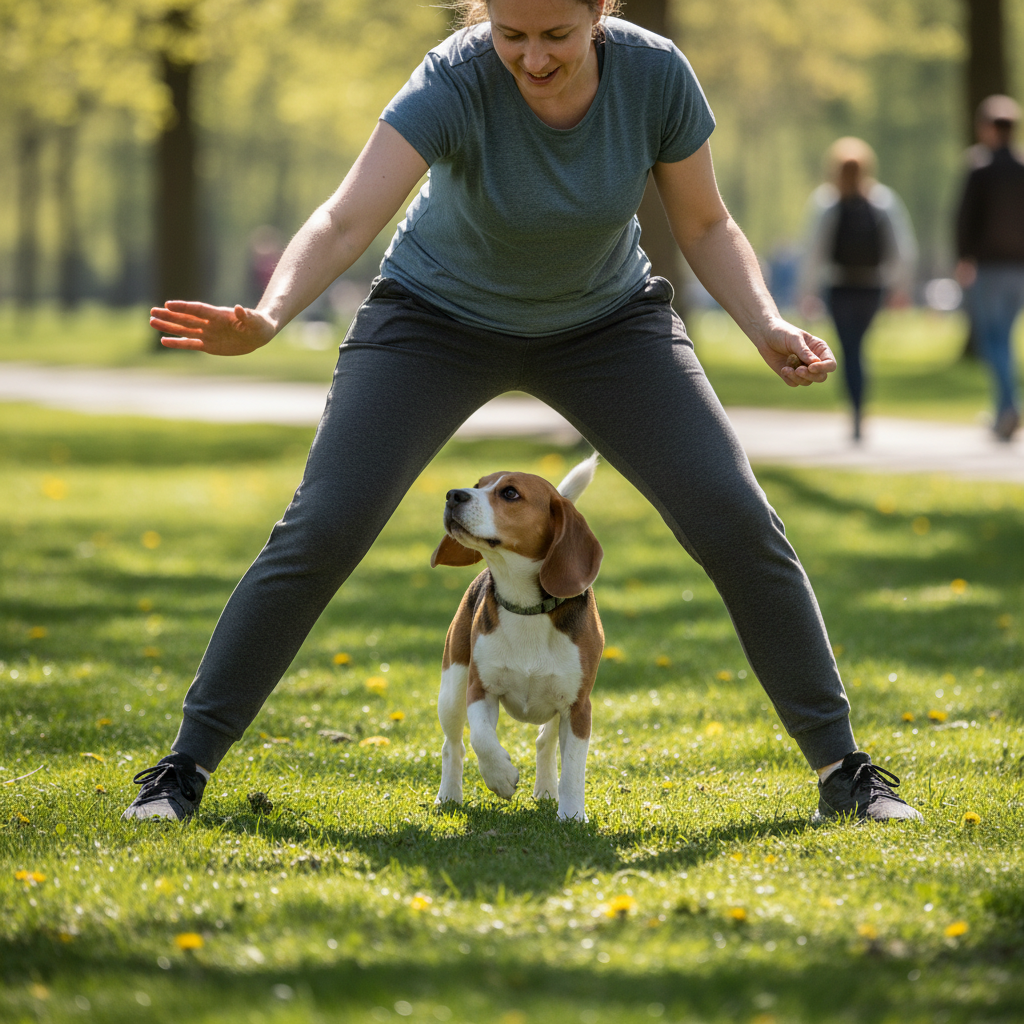
Alright, team, this is where the magic happens! We’re going to build this trick piece by piece. Remember to be patient and celebrate the small wins. Each step is a victory! We’ll start by luring the dog with a treat and gradually transition to a hand signal and a verbal cue.
-
Step 1: The Treat Lure
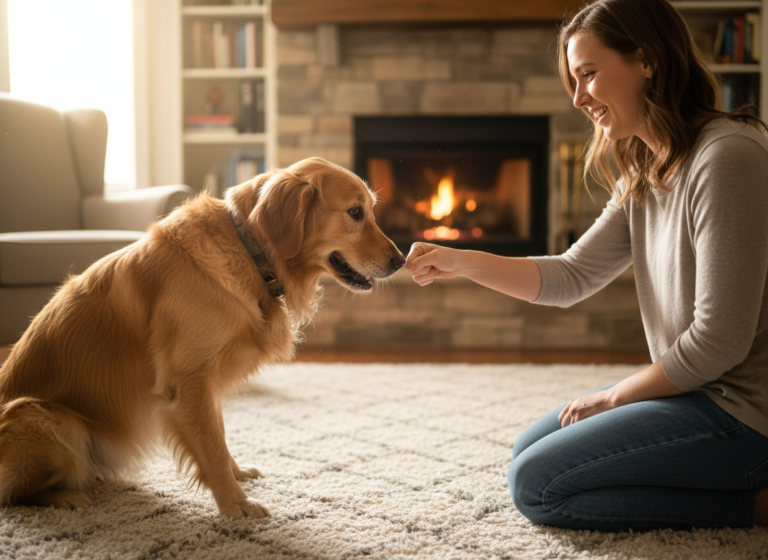
Start by standing with your feet about shoulder-width apart. Hold a tasty treat in your hand and let your dog sniff it. You want their full attention on that treat! This is your ‘magnet’ that will guide their movement.
-
Step 2: The First Pass-Through
Take a comfortable step forward with your left foot, creating a tunnel with your leg. Now, using the treat in your right hand, lure your dog’s nose from the front, under your left leg, and out the back. As soon as they pass through, say ‘Yes!’ or click, and give them the treat. Practice this 5-6 times until they’re doing it smoothly.
-
Step 3: Completing the Figure-Eight
Once they’ve mastered going through the first leg, it’s time for the other side. After they pass under your left leg, take a step forward with your right foot. Now, switch the treat to your left hand and lure them from behind your left leg, across your body, and through the tunnel made by your right leg. Once they come through to the front, ‘Yes!’/click and reward. You’ve just guided them through a complete figure-eight pattern!
-
Step 4: Fading the Lure
Your dog is now following the treat lure like a champ. The next step is to make them follow your empty hand. Go through the same motions, but this time, keep the treat hidden in your other hand. Use your empty ‘lure’ hand to guide them through the weave. When they successfully complete the figure-eight, reward them with the treat from your other hand. This teaches them to follow the hand signal, not just the food itself.
-
Step 5: Adding the Verbal Cue
When your dog is reliably following your hand signal, it’s time to name the behavior. Just as you begin to guide them with your hand, say your chosen cue clearly and cheerfully. Common cues are ‘Weave,’ ‘Through,’ or ‘Figure-Eight.’ After a few repetitions, they will start to associate the word with the action. The goal is for them to eventually perform the trick on the verbal cue alone.
-
Step 6: Putting It All in Motion
The final step is to turn this stationary trick into the cool walking weave. Start walking forward slowly. As you take a step, give your verbal cue (‘Weave!’) and use your hand signal to guide them through the opening. It might be a little clumsy at first, but with practice, you’ll both find a rhythm. It becomes a beautiful dance between you and your dog!
Troubleshooting Common Weaving Woes
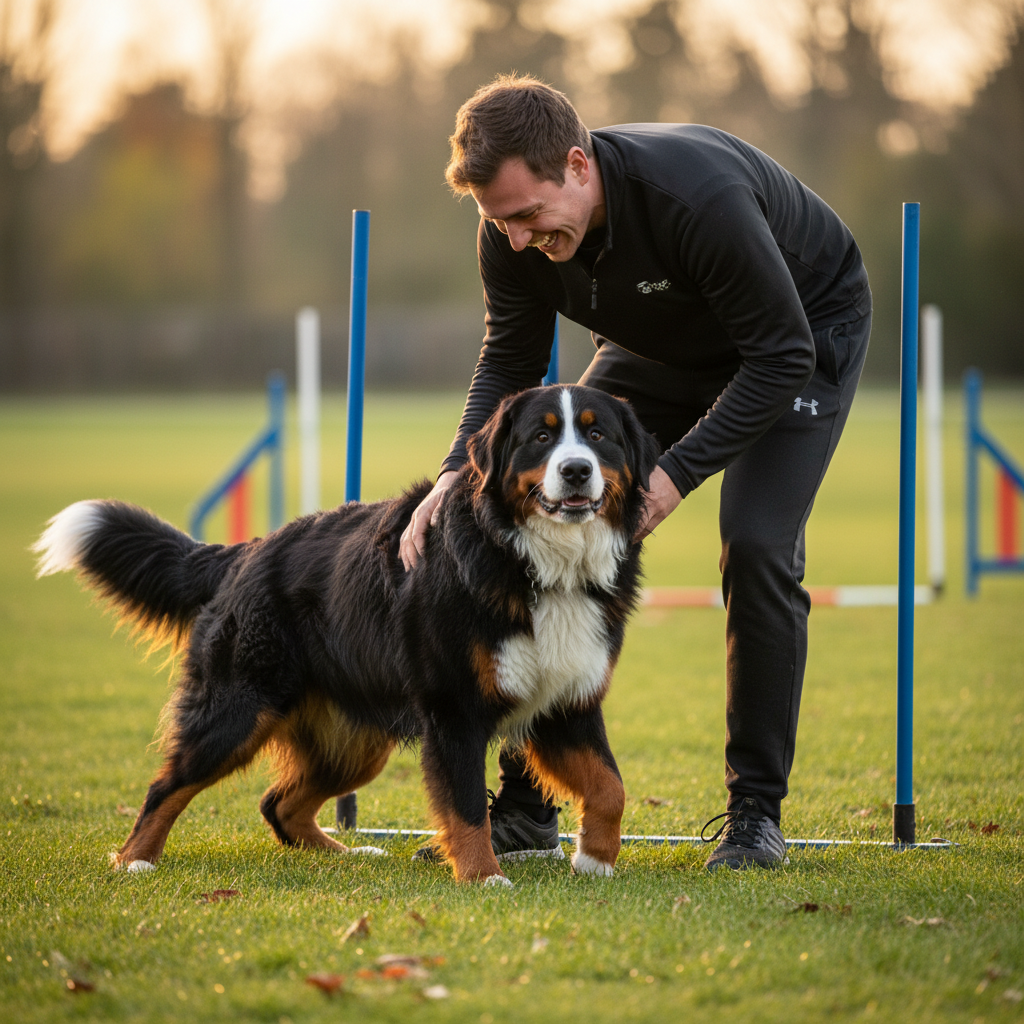
Even with the best instructions, sometimes we hit a snag. That’s completely normal in dog training! Every dog learns at a different pace. Don’t get discouraged. Let’s look at some common issues and how to solve them with a little patience and creativity.
| Common Problem | Easy Solution |
|---|---|
| My dog just sits and stares at me. | This usually means the reward isn’t motivating enough. Try a higher-value treat! If they love chicken, don’t use a dry biscuit. Also, make sure your energy is high and inviting. Make it a game! |
| My dog is too big/small for this! | This trick is for every dog! If you have a large dog like a Great Dane, you’ll need to take much larger steps to create enough space. If you have a tiny dog like a Chihuahua, you may need to bend your knees more to make the opening lower and easier for them to navigate. Adjust your body to fit your dog. |
| They keep bumping into my legs. | This is a coordination issue that improves with practice. You can help by widening your stance to make the ‘tunnel’ bigger and easier to get through. Slow down the movement until they build more body awareness. |
| They get distracted and wander off. | Your training environment might be too busy. Go back to a quieter space with fewer distractions. Also, keep your training sessions short and exciting—end before they have a chance to get bored. |
| They won’t do it without a treat in my hand. | This means you need to spend more time on ‘Fading the Lure’ (Step 4). Really practice guiding with an empty hand and rewarding from the other. You can also try ‘jackpotting’—giving a huge, surprise reward (like a handful of treats) when they do it successfully with just the hand signal. |
Remember: The goal is communication, not perfection. If your dog is getting frustrated, take a break, play a simple game they know and love, and try again later. Training should always be fun for both of you.
Level Up! Advanced Weaving Variations
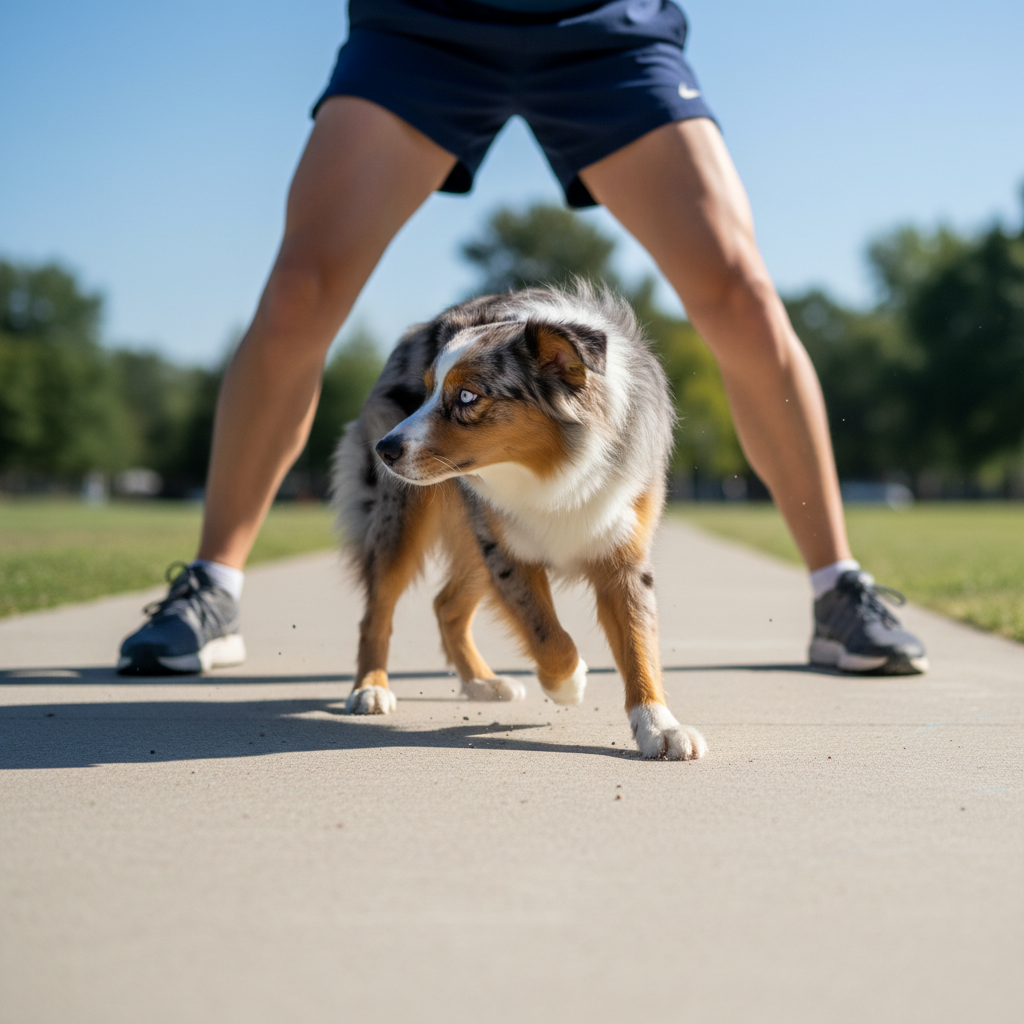
Once you and your dog have mastered the basic walking weave, why stop there? This foundational trick opens the door to a whole world of fun and impressive variations. These advanced moves will further challenge your dog’s mind and body, strengthening your communication and teamwork. Ready to level up?
Challenge 1: Weaving Backwards
This is a fantastic test of your dog’s focus and your coordination as a team. Instead of walking forward, you’ll be walking backward. Your dog will still be facing forward, weaving through your legs as you move away from them. Start slowly, using your hand signal very clearly to guide them through each leg as you take a backward step. It’s a brain-teaser for both of you!
Challenge 2: The Weave in a Circle
Can you maintain the weave while you slowly turn in a circle? This requires your dog to pay close attention to your body’s subtle shifts. Use your hand signals and body language to guide them as you pivot, creating a spinning weave. It looks incredibly cool once you get a smooth rhythm going.
Challenge 3: Weaving Through Different Obstacles
Generalize the skill by having your dog weave through other things. You can practice with another willing person’s legs, or even set up a line of training cones or household objects for them to weave through. This teaches them that the ‘weave’ concept applies to more than just your legs.
Challenge 4: Distance and Speed
Increase the challenge by adding speed! Turn your walking weave into a jogging weave. This requires quick responses and great coordination. You can also work on sending them to weave from a distance. Ask them to ‘stay,’ walk a few feet away, then give the ‘weave’ cue, using a pointed finger to direct them toward your legs. This builds incredible off-leash reliability and focus.
Conclusion
Congratulations! You now have all the tools and knowledge to teach your dog the super fun and impressive leg weave. Remember that every training session, no matter how small, is a deposit in your relationship bank. You’re not just teaching a trick; you’re building a language, fostering trust, and creating joyful memories together.
Be patient with your pup and with yourself. Celebrate the effort, not just the perfect execution. Some days will be smoother than others, and that’s okay. The most important thing is that you’re spending quality, engaging time with your best friend. So get out there, have fun, and happy weaving!