There’s nothing quite like exploring the city with your four-legged best friend by your side. From parks to pet-friendly patios, the urban landscape offers endless excitement. But when your travels involve the subway, a sudden wave of anxiety can hit you as the train rumbles into the station. You look down at the dark, narrow space between the platform and the train car and think, ‘Mind the gap.’ It’s a warning for us, but it’s a very real and potentially dangerous obstacle for our dogs.
For a dog, that gap can be intimidating—or worse, go completely unnoticed in their excitement to board. A misstep could lead to a serious injury. That’s why teaching your dog a specific command to jump over the gap isn’t just a clever trick; it’s a fundamental safety skill for any city-dwelling canine. It’s about building their confidence, strengthening your communication, and ensuring every single journey you take together is a safe one.
Don’t worry, this isn’t as daunting as it sounds! With a little patience, a pocketful of tasty treats, and the right technique, you can empower your pup to be a savvy subway traveler. This guide will walk you through everything you need to know, from the foundational skills to troubleshooting common hiccups, all using positive, fear-free methods. Let’s get started on building a safer commute for your companion!
Why the ‘Mind the Gap’ Command is a Lifesaver for Urban Pups
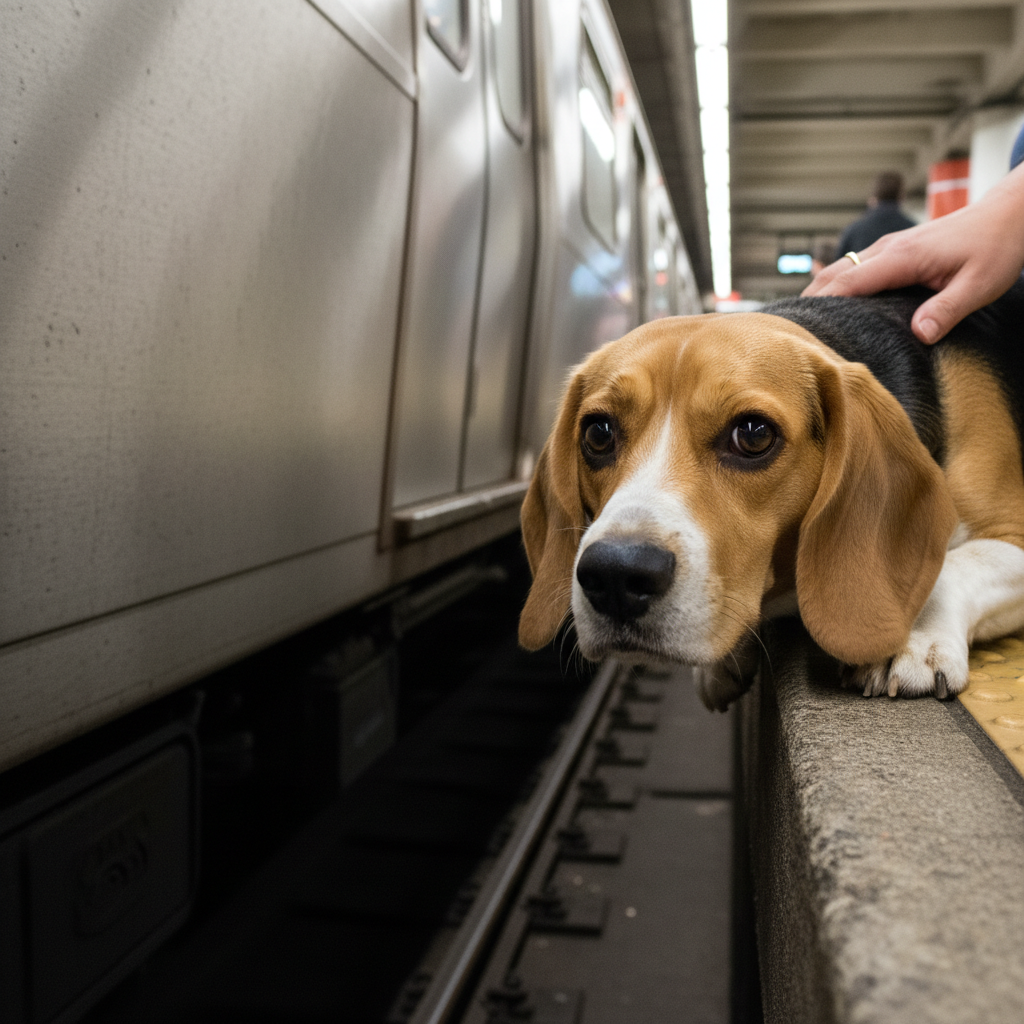
Before we dive into the ‘how,’ let’s talk about the ‘why.’ Understanding the risks involved can be a powerful motivator for your training sessions. A busy subway platform is a symphony of sensory overload for a dog: the screech of the train, the rush of air, the jumble of legs and bags, and a hundred different smells. In this distracting environment, it’s easy for a dog to lose focus.
The Dangers of the Gap
The platform gap poses several threats:
- Leg and Paw Injuries: The most obvious risk is a paw or entire leg slipping into the gap. This can cause sprains, fractures, or deep cuts. For smaller dogs, the risk of falling in completely is terrifyingly real.
- Fear and Anxiety: A negative experience, like a near-miss or getting a paw stuck, can create lasting fear associated with trains and subways. This can make future travel incredibly stressful for both you and your dog.
- Leash Tangles: In a rush to get on or off the train, a leash can easily get caught in the gap or tangled around your dog’s legs, leading to a dangerous situation as the doors begin to close.
More Than Just a Jump: The Benefits of Training
Teaching a ‘gap’ command does more than just prevent accidents. It’s an investment in your dog’s overall well-being and your relationship with them.
- Builds Confidence: Successfully navigating a challenge, even a small one, builds your dog’s confidence. A dog who is confident in new environments is a happier, less anxious dog.
- Strengthens Your Bond: Training is a form of communication. When your dog learns to trust your guidance in a tricky situation like this, it reinforces your role as their safe and reliable leader.
- Creates Focus: Giving your dog a specific job to do (‘jump over this gap’) helps them focus on you and the task at hand, tuning out the overwhelming distractions of the station.
Expert Tip: Think of this skill as ‘proofing’ your dog for city life. Just like you teach them not to dart into the street, you’re teaching them how to safely navigate a unique urban obstacle.
Gearing Up: Tools and Treats for Success
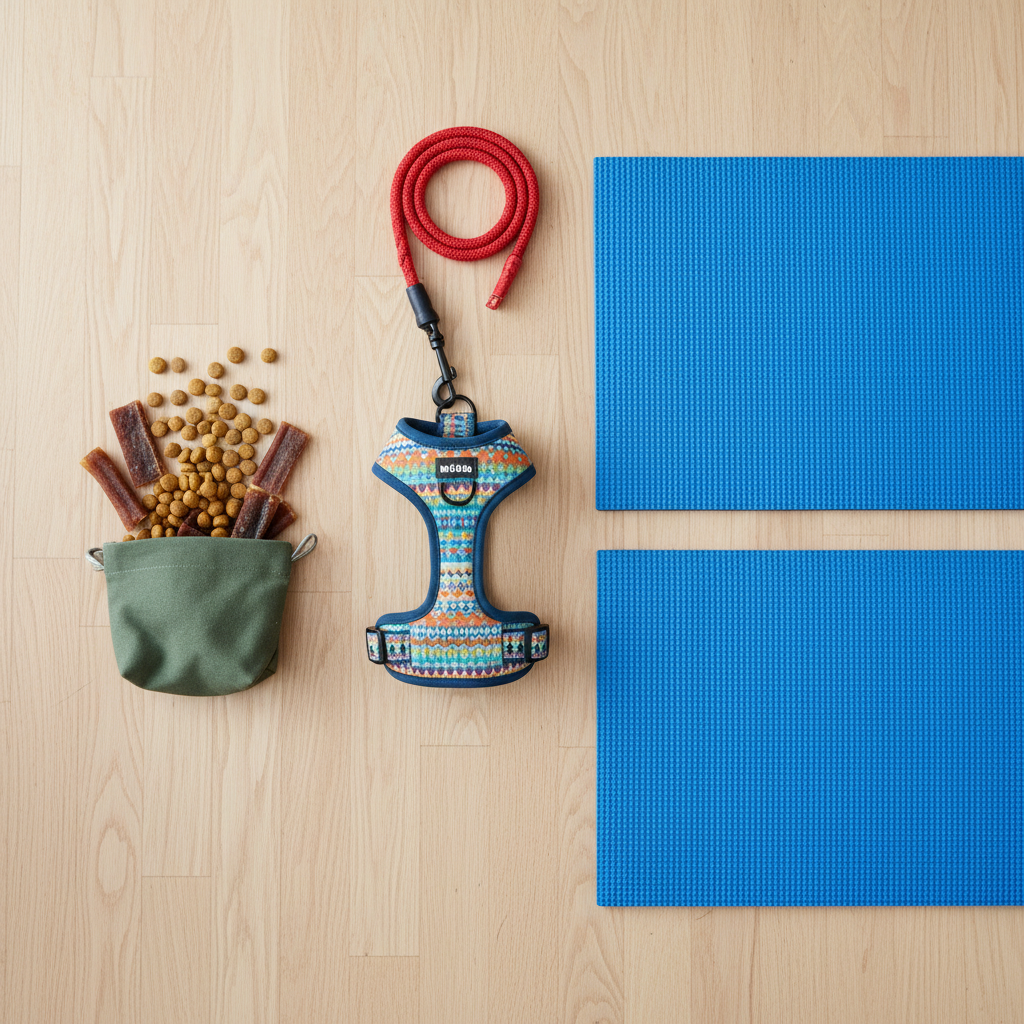
Great training starts with great preparation! You don’t need a lot of fancy equipment, but having the right tools on hand will make the process smoother, safer, and more effective. Here’s your checklist for becoming a platform-jumping pro.
- A Well-Fitting Harness: This is non-negotiable. A harness distributes pressure across your dog’s chest and shoulders, rather than their delicate neck. If your dog hesitates or you need to give them a gentle lift, a harness prevents choking and provides better control. Avoid collars for this type of training.
- A Standard 4-6 Foot Leash: A standard leash gives you control without excess length that can get tangled. Absolutely no retractable leashes. They offer poor control and can be incredibly dangerous in a crowded, fast-moving environment like a subway station.
- High-Value Treats: We’re talking about the good stuff! Regular kibble might not cut it. Think small, smelly, and delicious morsels like freeze-dried liver, tiny pieces of cheese, or boiled chicken. The reward needs to be more exciting than the distractions.
- A ‘Mock’ Platform Gap: This is where you get creative at home! You need two distinct, flat objects you can place on the floor to create a gap between them. Great options include:
- Two yoga mats
- Two flattened cardboard boxes
- Two different colored towels or blankets
- A couple of large, firm pillows
- A Clicker (Optional): If your dog is already clicker-trained, this can be a fantastic tool for precisely marking the moment they successfully make the jump.
Remember: The goal is to set your dog up for success. By using tools that ensure their safety and rewards that keep them motivated, you’re creating a positive learning environment where they can thrive.
The Step-by-Step Guide to Mastering the Platform Jump
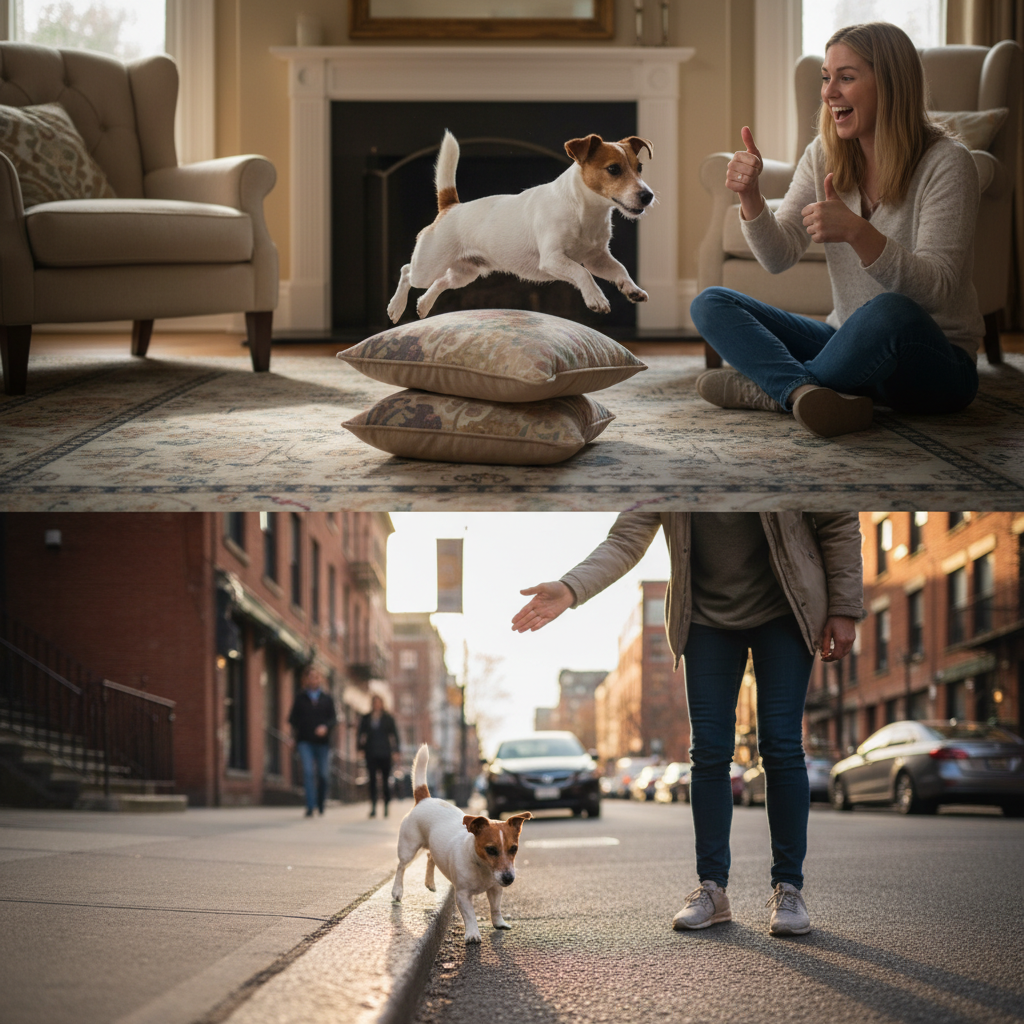
Alright, it’s time for the fun part! This process is all about breaking down the skill into tiny, achievable steps. Remember to keep sessions short (5-10 minutes is perfect) and always end on a positive note. Patience is your superpower here!
-
Step 1: Introduce the ‘Gap’ at Home
Start in a quiet room without distractions. Place your two ‘platform’ items (like yoga mats) on the floor, right next to each other, so there is no gap. Choose your verbal cue—something short and consistent like ‘Gap!’, ‘Jump!’, or ‘Hop!’ Walk your dog back and forth across the mats on leash. As they cross the seam, say your cue in a happy, upbeat tone and give them a treat. Do this 5-6 times until they are completely comfortable.
-
Step 2: Create a Tiny Gap
Now, move the mats apart by just one inch. It should be so small that your dog can just step over it without thinking. Encourage them to walk across. The moment their paws cross the tiny gap, say your cue, praise them enthusiastically (‘Yes! Good jump!’), and give them a high-value treat. Repeat until they are confidently stepping across.
-
Step 3: Gradually Widen the Gap
Slowly, increment by increment, begin to widen the gap. We’re talking an inch at a time. The goal is to encourage a small hop rather than just a step. If at any point your dog hesitates, you’ve moved too fast. Simply narrow the gap again to the last distance where they were successful and practice a few more times before trying to widen it again. This builds their confidence and prevents them from getting scared.
-
Step 4: Fade the Lure and Add a Hand Signal
Initially, you might have used a treat to lure them across the gap. Now, it’s time to fade that. Keep the treat in your hand, but use a clear hand signal (like a sweeping motion with your open palm) while giving the verbal cue. Reward them *after* they’ve crossed the gap. This teaches them to respond to the cue itself, not just the sight of the treat.
-
Step 5: Generalize the Skill
Once your dog has mastered the jump in your living room, it’s time to ‘generalize’ the behavior. This means practicing in different contexts so they understand the cue applies everywhere, not just at home. Try it in your hallway, your kitchen, and then in a quiet backyard on the grass. You can even use a painted line on a sidewalk or a crack in the pavement as your ‘gap’.
-
Step 6: The Final Dress Rehearsal
Before heading to the subway, find a curb on a quiet street. The height difference between the sidewalk and the street is a great real-world simulation of a platform and train. Practice having your dog hop up and down the curb on your command. This gets them used to the change in elevation associated with the jump.
-
Step 7: Go Time! The Subway Station
Choose an off-peak time when the station is quiet. Keep your dog on a short leash and have your best treats ready. Let them acclimate to the sounds and smells for a few minutes away from the platform edge. When a train arrives and the doors open, approach calmly. Position your dog, give your clear verbal cue and hand signal, and praise them lavishly the second they successfully hop into the car. Do the same when exiting. Your calm, confident energy is key!
Troubleshooting: What to Do When Your Dog Hesitates
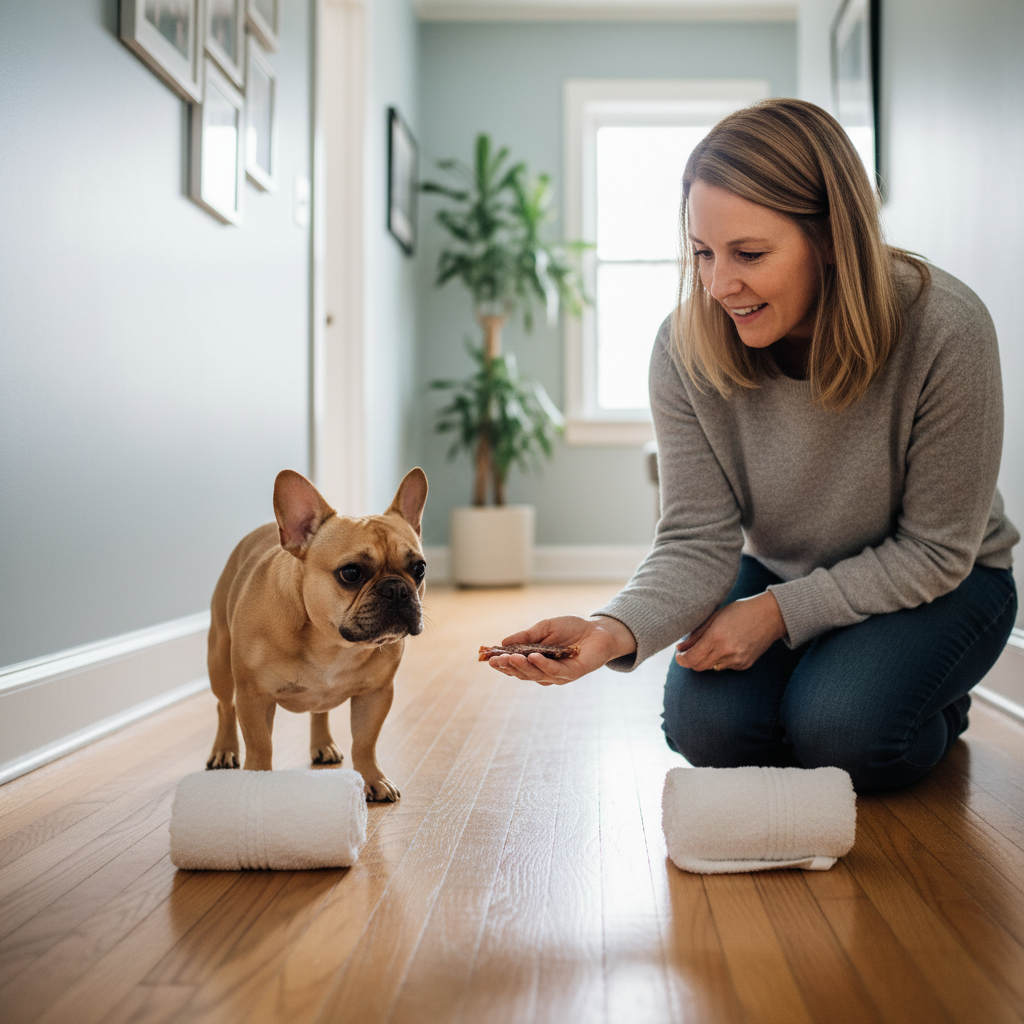
Even with the best training plan, you might hit a snag. That’s completely normal! Every dog learns at a different pace. Here’s how to handle some common challenges with patience and positivity.
‘My dog is scared and won’t go near the gap!’
This is a clear sign to take a step back. Fear will shut down learning. Make the gap much, much smaller—even back to zero space between your mats. Use your highest-value treats to reward your dog just for approaching the mats, then for putting one paw on, and so on. This is called counter-conditioning and desensitization. You’re slowly changing their emotional response from ‘scary’ to ‘great things happen here!’ Keep sessions extra short and end with a fun game of tug or fetch to relieve any stress.
‘My dog tries to walk around the gap instead of over it.’
This is a clever pup trying to find an easier way! You can solve this by setting up a ‘channel.’ Try practicing in a narrow hallway where the walls prevent them from going around. You can also place shoeboxes or other objects on either side of your mock gap to create a clear path forward.
‘My small dog physically can’t jump that far.’
This is a crucial point for owners of smaller breeds like Chihuahuas, Yorkies, or Dachshunds. The subway platform gap can be a significant chasm for them. Forcing them to jump a distance that is too large for them is unsafe and unfair.
Safety First: For very small or senior dogs, the goal is not to jump. Instead, teach them a solid ‘Wait’ command at the edge of the platform. Your new cue will be their signal to stop and wait patiently to be picked up and carried onto the train. This is the safest and most responsible option.
‘My dog does it perfectly at home but freezes at the station.’
This is a classic issue of generalization. The subway station is a whole different world of distractions! Don’t expect perfection on the first try. Your first few trips might just involve visiting the station, standing away from the platform, and feeding your dog lots of treats for being calm. Then, move closer. Then, watch a train go by. Only attempt the gap jump when your dog is relatively relaxed in the environment. Go at your dog’s pace, not your own travel schedule.
Platform Pro: Essential Subway Etiquette for Pawsengers
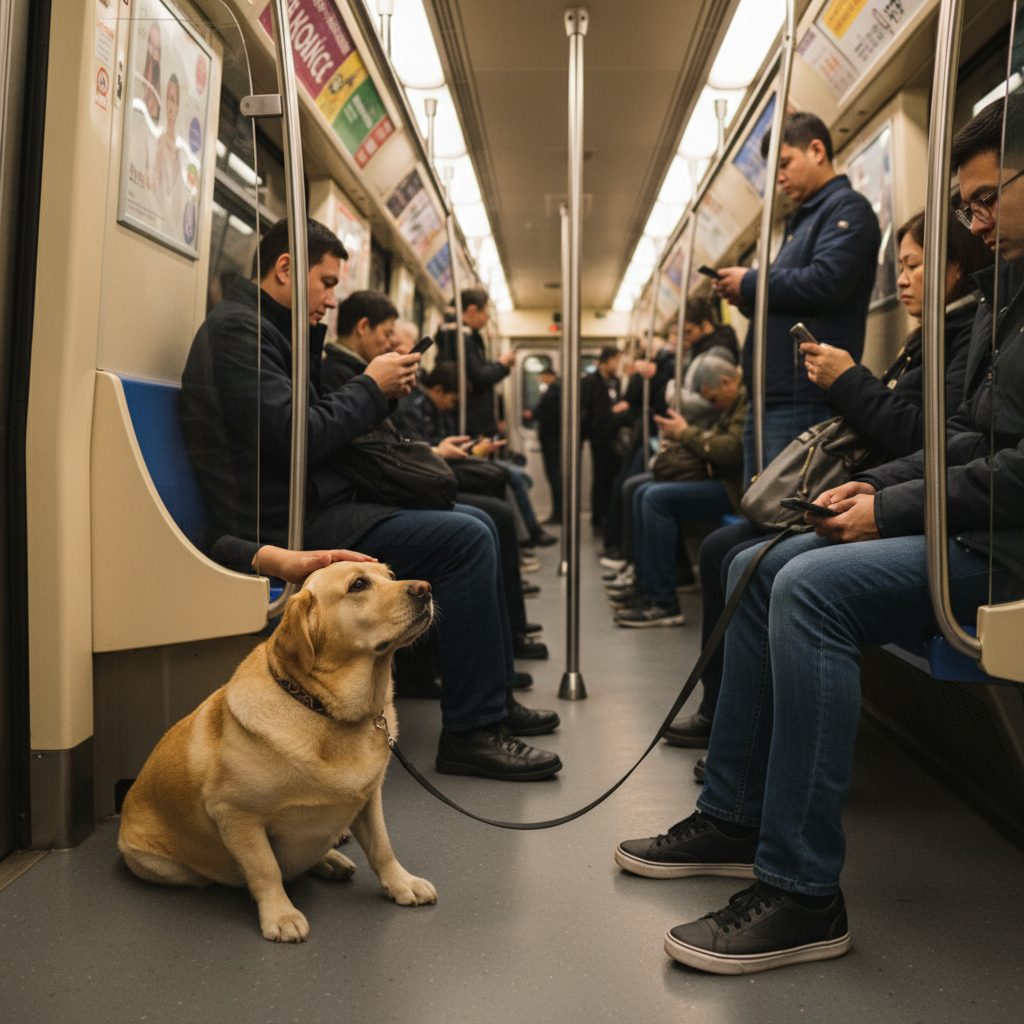
Mastering the gap jump is a huge accomplishment, but being a truly courteous and safe subway ‘pawsenger’ involves a little more. Following proper etiquette ensures a smooth ride for you, your dog, and everyone around you.
| Rule | Why It’s Important |
|---|---|
| Keep a Short Leash | A short leash prevents your dog from wandering, bothering other passengers, or getting too close to the platform edge. It gives you immediate control in a crowded space. |
| Stay Behind the Yellow Line | This is a rule for everyone, but it’s doubly important with a dog. The rush of air from an arriving train can be startling, and keeping a safe distance prevents any accidental falls or jumps onto the tracks. |
| Mind the Paws and Tail | Be aware of where your dog’s body is at all times, especially near the closing doors. Keep their tail and paws tucked in and away from the door mechanism. |
| Ride During Off-Peak Hours | When possible, especially when your dog is still getting used to the subway, travel during quieter times. Fewer crowds mean less stress and more space for your pup. |
| Pack a ‘Go-Bag’ | Have a small bag with essentials like poop bags (for accidents), a portable water bowl, and a few treats or a chew toy to keep your dog occupied and calm during the ride. |
| Be an Advocate for Your Dog | Not everyone is a dog person. Be mindful and keep your dog in your own space. If someone seems nervous, simply create more distance. If someone wants to pet your dog, it’s okay to say, ‘Not right now, we’re in training!’ |
By being a prepared and considerate owner, you set a wonderful example and help ensure that public transit remains a dog-friendly option for everyone.
Conclusion
Congratulations! You now have a complete roadmap to transforming your dog from a nervous novice into a confident commuter. Teaching your dog to handle the subway platform gap is one of the most practical and loving things you can do to ensure their safety in an urban environment. It’s a skill that protects their body and builds their mind.
Remember that the pillars of this training are patience, consistency, and a whole lot of positivity. Celebrate the small victories, take a step back when you need to, and always listen to your dog’s body language. Every short, successful training session strengthens your bond and builds a foundation of trust that will extend far beyond the subway platform.
So gather your treats, set up your practice gap, and get ready to embark on this training adventure together. Soon, the ‘Mind the Gap’ announcement will be a simple reminder of the amazing skill you and your furry friend have mastered, ready for your next exciting city exploration.