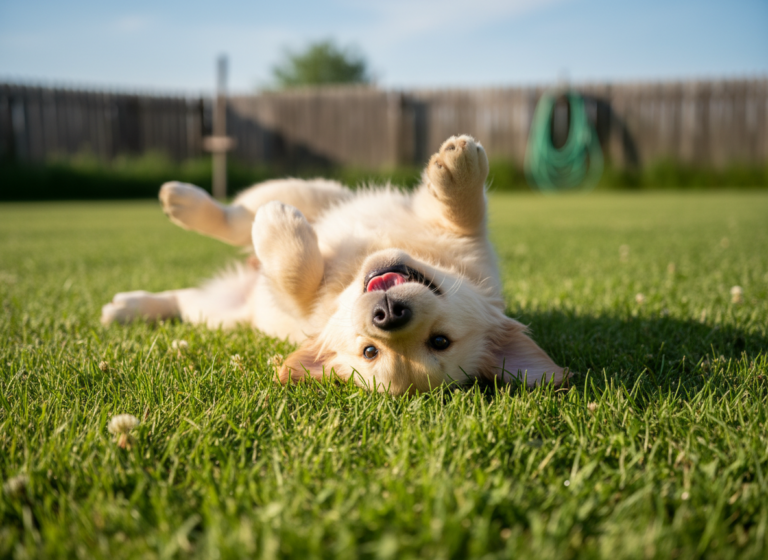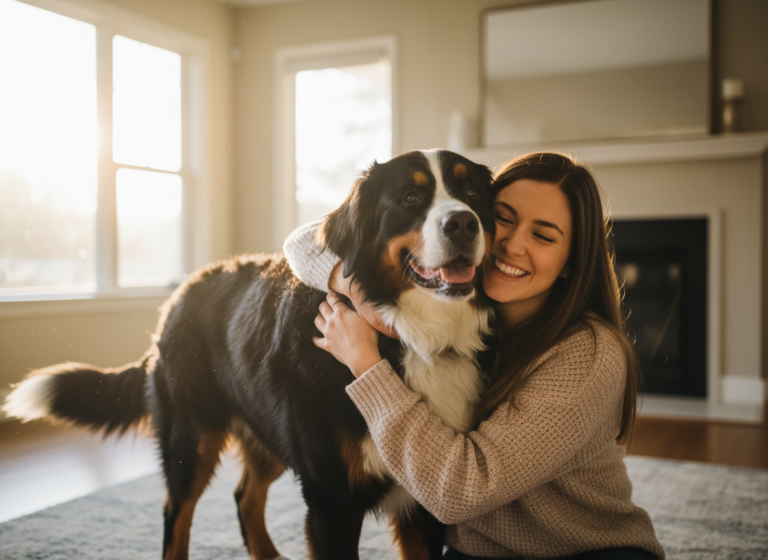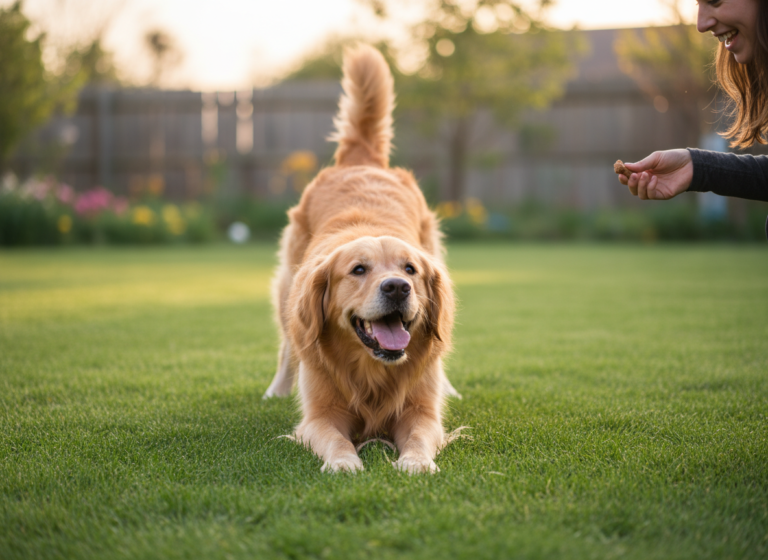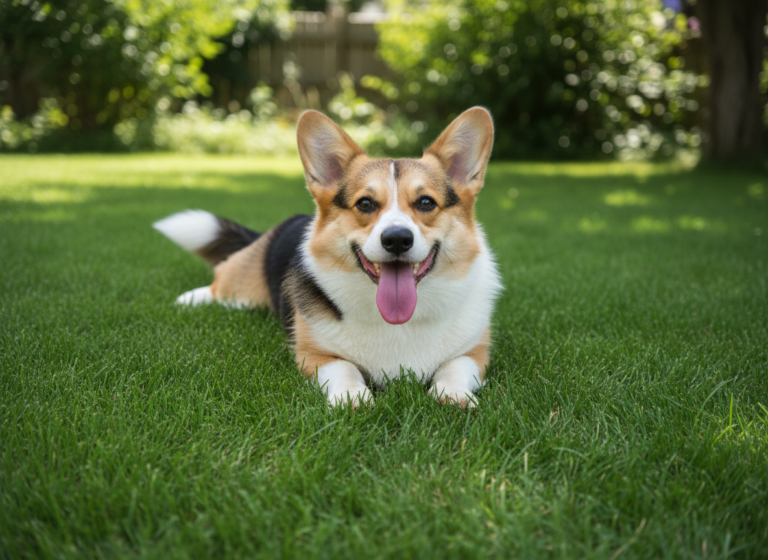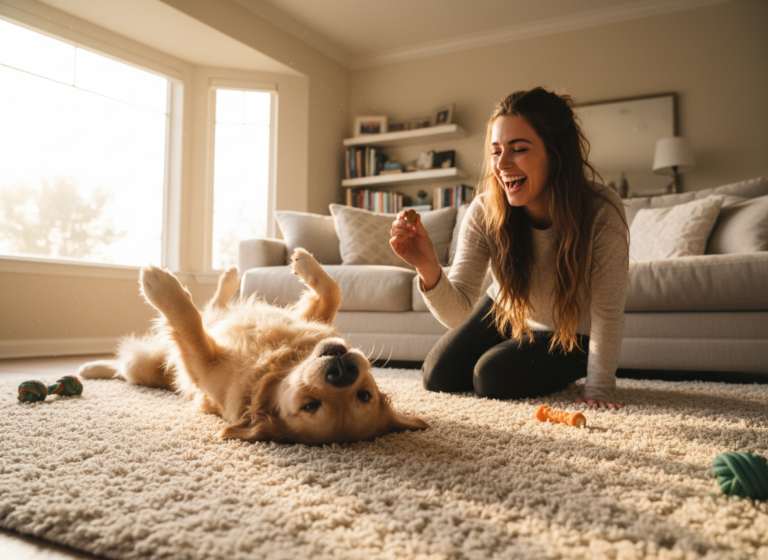
Hello, fellow pet parents! Have you ever been flowing through your sun salutation and noticed your furry best friend doing their own version of a downward dog? It’s no coincidence—dogs are natural yogis! They stretch when they wake up, before they play, and after a long nap. So, why not join them in a practice that’s both fun and beneficial for you both? Welcome to the world of Doga, or dog yoga!
Don’t worry, we’re not going to ask your pup to master a complex headstand. Doga is all about gentle stretching, massage, and shared relaxation. It’s a fantastic way to deepen your bond, improve your dog’s flexibility, and create a calm, shared experience. One of the easiest and most natural poses to start with is the ‘Cobra’ stretch. It mimics the classic ‘play bow’ your dog already does to invite fun. In this guide, we’ll walk you through everything you need to know to safely and successfully teach your pup this wonderful stretch. Let’s get ready to relax and stretch together!
What is Doga and Why is the Cobra Stretch So Great?

So, what exactly is this Doga trend all about? At its heart, Doga isn’t about forcing your dog into awkward poses for a cute Instagram picture. It’s a wellness practice adapted to include our canine companions, focusing on the connection between pet and owner. It combines gentle massage, simple stretches, and calm breathing exercises to create a peaceful experience for everyone involved.
The benefits of a regular, gentle Doga practice can be amazing for your pup. Think of it as a holistic wellness routine that nurtures both body and mind. Here are just a few perks:
- Improved Flexibility & Circulation: Gentle stretching helps keep your dog’s joints limber and blood flowing, which is especially great for older dogs.
- Stress Reduction: The calm atmosphere, soothing touch, and focused attention can be incredibly relaxing for anxious or high-energy dogs.
- Strengthened Bond: Doga is quality time at its best. It builds trust and deepens your communication and connection with your pet.
- Body Awareness: It can help your dog become more aware of their body, which can improve their coordination and prevent injuries.
Why Start with the ‘Cobra’ Stretch?
The ‘Cobra’ stretch is the perfect entry point into Doga. For a dog, this pose is essentially a controlled version of a ‘play bow’ or the big stretch they do when they wake up. It involves them lying on their belly while gently lifting their head and chest, creating a lovely arch in their spine. This specific stretch is fantastic for:
- Stretching the Spine: It helps to gently elongate the vertebrae and improve spinal flexibility.
- Opening the Chest and Shoulders: This can counteract the effects of all that sniffing on the ground, opening up their chest for better posture and breathing.
- Being Instinctive: Because it’s based on a natural movement, most dogs pick it up quickly and find it enjoyable.
Think of the ‘Cobra’ stretch not as a command, but as a guided, rewarding movement that celebrates your dog’s natural ability to stretch and relax.
Prep School: Setting the Scene for Success
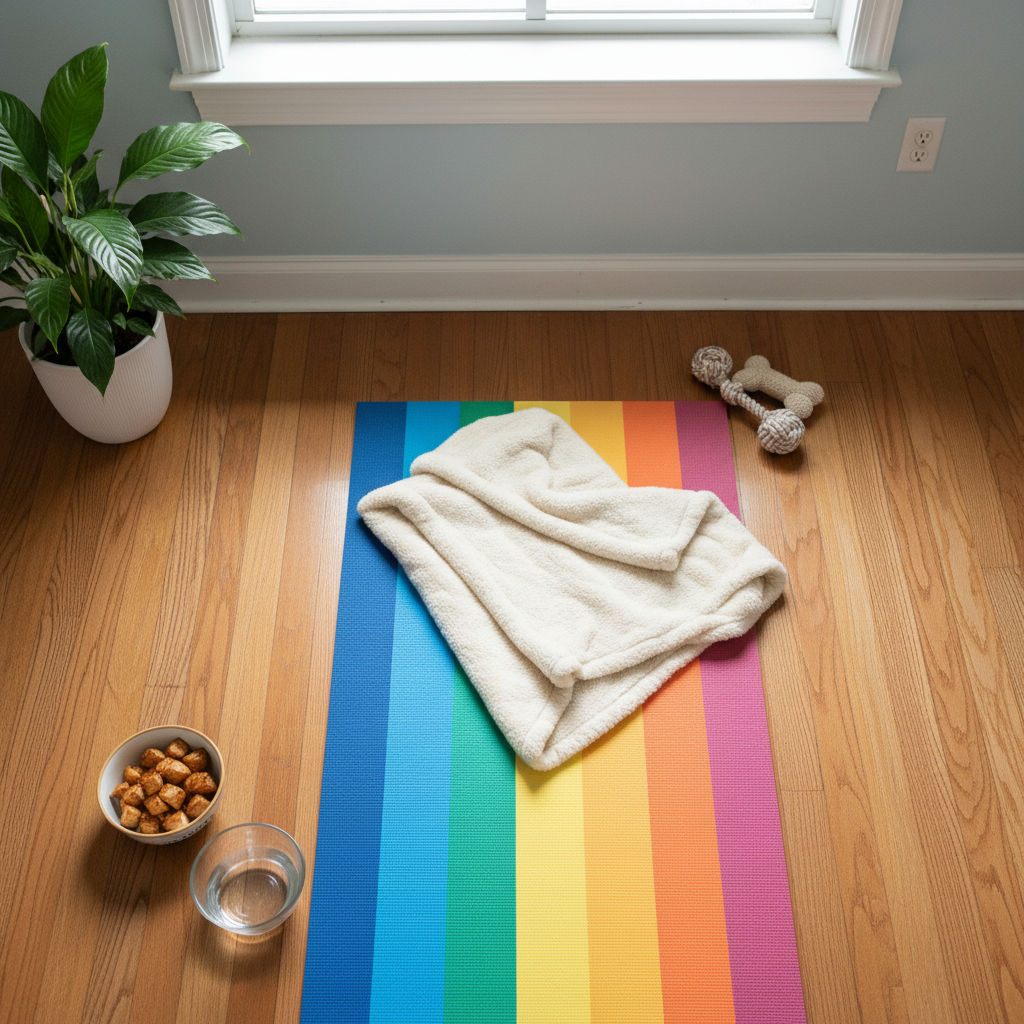
Before you and your pup hit the mat, a little preparation goes a long way. Creating the right environment is key to making Doga a positive and relaxing experience. You wouldn’t want to do yoga in a loud, chaotic room, and neither does your dog!
What You’ll Need
You don’t need a lot of fancy equipment to get started. Just a few simple items will do the trick:
- A Non-Slip Surface: A yoga mat is perfect! It provides grip and cushioning for both you and your dog. A rug or carpeted area also works well. Avoid slippery hardwood or tile floors.
- High-Value, Pea-Sized Treats: These are the special snacks your dog goes wild for. Think tiny pieces of boiled chicken, cheese, or their favorite soft treat. They should be small so you can reward frequently without filling them up.
- A Quiet, Calm Space: Choose a room where you won’t be interrupted. Turn off the TV, put your phone on silent, and maybe even play some soft, calming music.
- A Positive Attitude: This is the most important tool! Your dog will feed off your energy. Be patient, happy, and ready to have fun.
Choosing the Right Time
Timing is everything. Don’t try to introduce a calming activity when your dog has a case of the zoomies. The ideal time for a Doga session is when your dog is already in a naturally relaxed state. Consider practicing:
- After a good walk or play session, once they’ve had a chance to settle down.
- In the evening, as part of your winding-down routine.
- At a time of day when your house is generally quiet.
Avoid practicing right after your dog has eaten a big meal. Just like us, stretching on a full stomach can be uncomfortable.
Reading Your Dog’s Body Language
Learning to ‘listen’ to your dog is the most important skill in Doga. Pay close attention to their signals to ensure they are comfortable and happy. Look for signs of enjoyment like a loose, wiggly body, soft eyes, a gently wagging tail, and leaning into your touch. Conversely, if you see signs of stress like lip licking, excessive yawning, a stiff body, ‘whale eye’ (showing the whites of their eyes), or trying to move away, it’s time to stop. Doga should always be 100% voluntary and enjoyable for your pup.
Step-by-Step Guide to the ‘Cobra’ Stretch
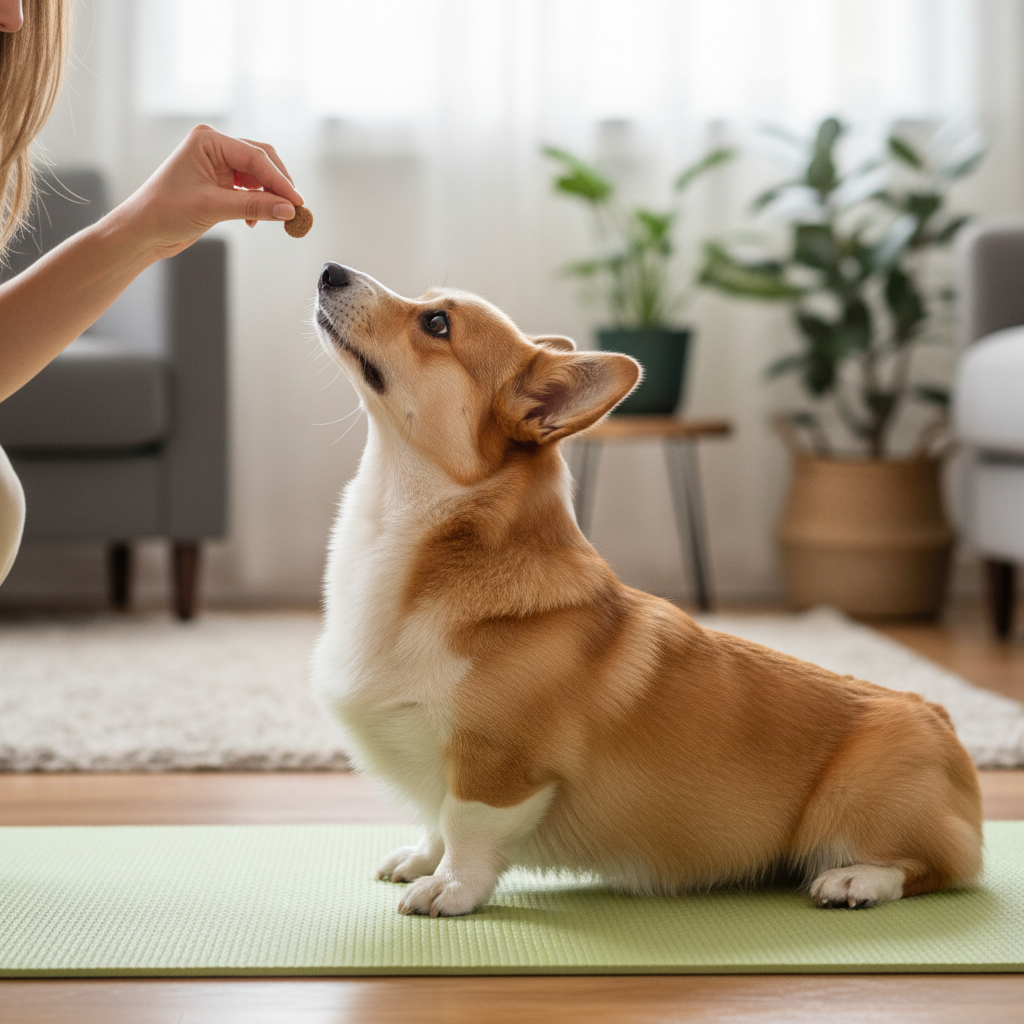
Alright, your space is calm, your treats are ready, and you and your pup are on the mat. It’s time for the fun part! Remember, the key here is patience and positive reinforcement. We’re going to use a technique called ‘luring,’ where we use a treat to guide the dog’s nose, and therefore their body, into the desired position. Keep it light and fun!
- Start with a Solid ‘Down’: Ask your dog to lie down on the mat. Once they are settled in a ‘down’ position, with their belly on the floor, give them a treat and some praise. We want to start from a relaxed, stable base.
- Introduce the Lure: With your dog still lying down, take a high-value treat and hold it right in front of their nose. Let them have a good sniff so they know the prize is there.
- Lure the Head Up and Back: Very slowly, begin to lift the treat from their nose straight up towards the ceiling. As their nose follows the treat, their head will lift. Continue the motion slowly, moving the treat slightly back over their head, in an arc.
- Achieve the ‘Cobra’: As their head goes up and back, their chest will naturally lift off the floor and their front legs will begin to straighten to support them. Their hips and back legs should remain on the floor. The moment you see this gentle arch in their back—that’s the ‘Cobra’ pose!—praise them enthusiastically with a marker word like “Yes!” or “Good!”
- Reward and Release: As soon as you give your verbal praise, give them the treat. Initially, you’re rewarding the slightest lift of the chest. Don’t ask them to hold the pose. The reward itself will signal the end of the stretch, and they can relax back into a ‘down’ position.
- Keep it Short and Sweet: Repeat this process just two or three more times, then end the session with lots of praise and maybe a little belly rub. The goal is to always end on a positive note, leaving them wanting more next time.
Expert Tip: The goal isn’t a perfect, deep backbend. It’s a tiny, gentle movement. Reward any effort in the right direction, even if their chest only lifts an inch off the mat at first. It’s all about progress, not perfection!
Troubleshooting Common Doga Dilemmas
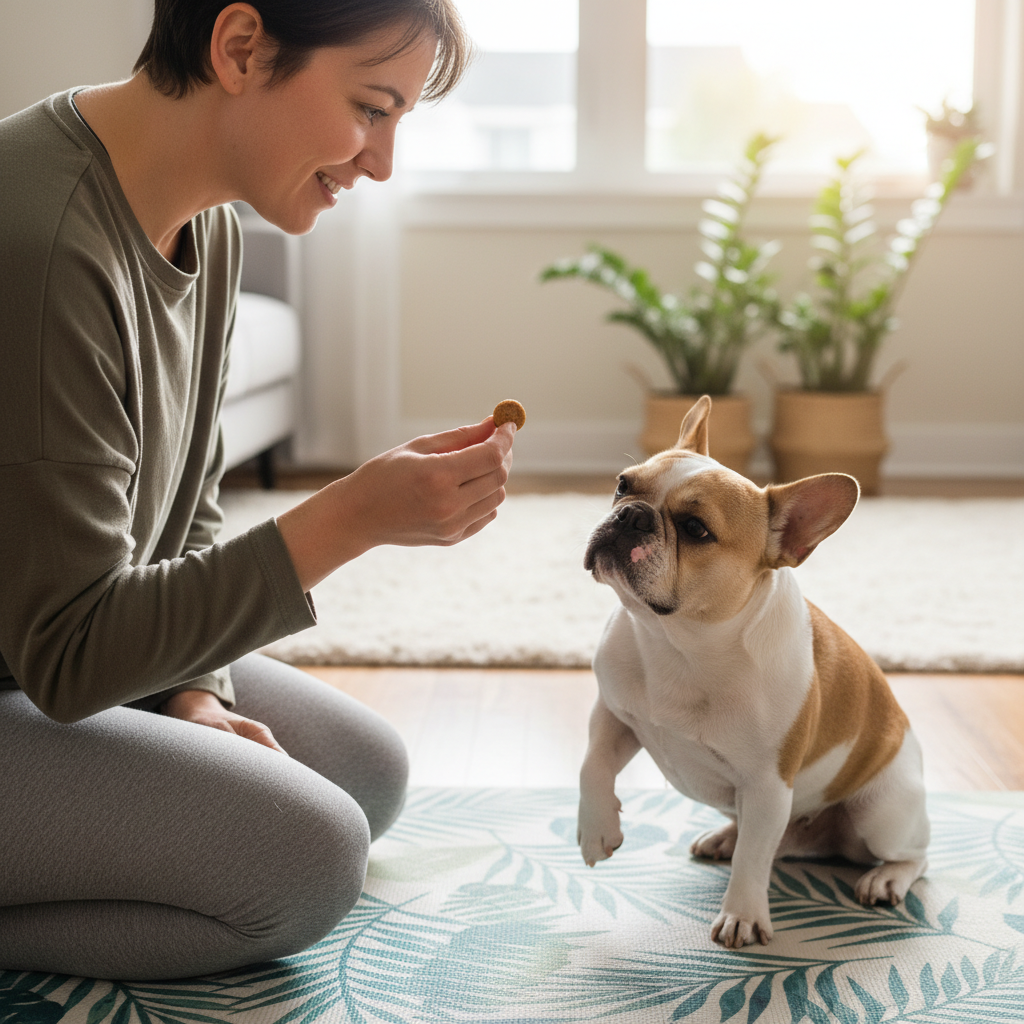
Even with the best intentions, you might run into a few little hiccups when introducing something new. That’s completely normal! Dog training is all about problem-solving. If you find your Doga session isn’t going as smoothly as planned, don’t get discouraged. Here are some common challenges and how to work through them with patience and a positive mindset.
| The Problem | The Friendly Solution |
|---|---|
| My dog keeps standing up completely instead of just lifting their chest. | This usually means the lure is moving too far forward or too high. Try to make the arc of the lure smaller, moving it more ‘up and back’ over their head rather than ‘up and forward.’ You can also use your free hand to gently place on their lower back as a tactile reminder to keep their hips down. |
| My dog is too wiggly and excited for the treats to focus. | Your treats might be too exciting! Try using a slightly less high-value (but still tasty) treat. You can also engage in a few minutes of calm obedience cues they know well, like ‘sit’ and ‘stay,’ before you begin the stretching to get them into a more focused mindset. |
| My dog seems bored or uninterested and wanders off. | Never force it! This is a clear sign they’re not in the mood. The session might be too long (even 2 minutes can be a lot at first), or the rewards might not be motivating enough. Try again later with a super special treat and aim for just one successful stretch before ending with a jackpot of praise and snacks. |
| My dog won’t lift their chest at all, they just crane their neck. | They might not understand what you’re asking yet. Go back a step. Reward them just for following the lure with their nose and lifting their head, even if their chest stays flat on the floor. Gradually, over several sessions, you can start waiting for a tiny bit of a chest lift before rewarding. It’s all about shaping the behavior bit by bit. |
Safety First: Doga Do’s and Don’ts
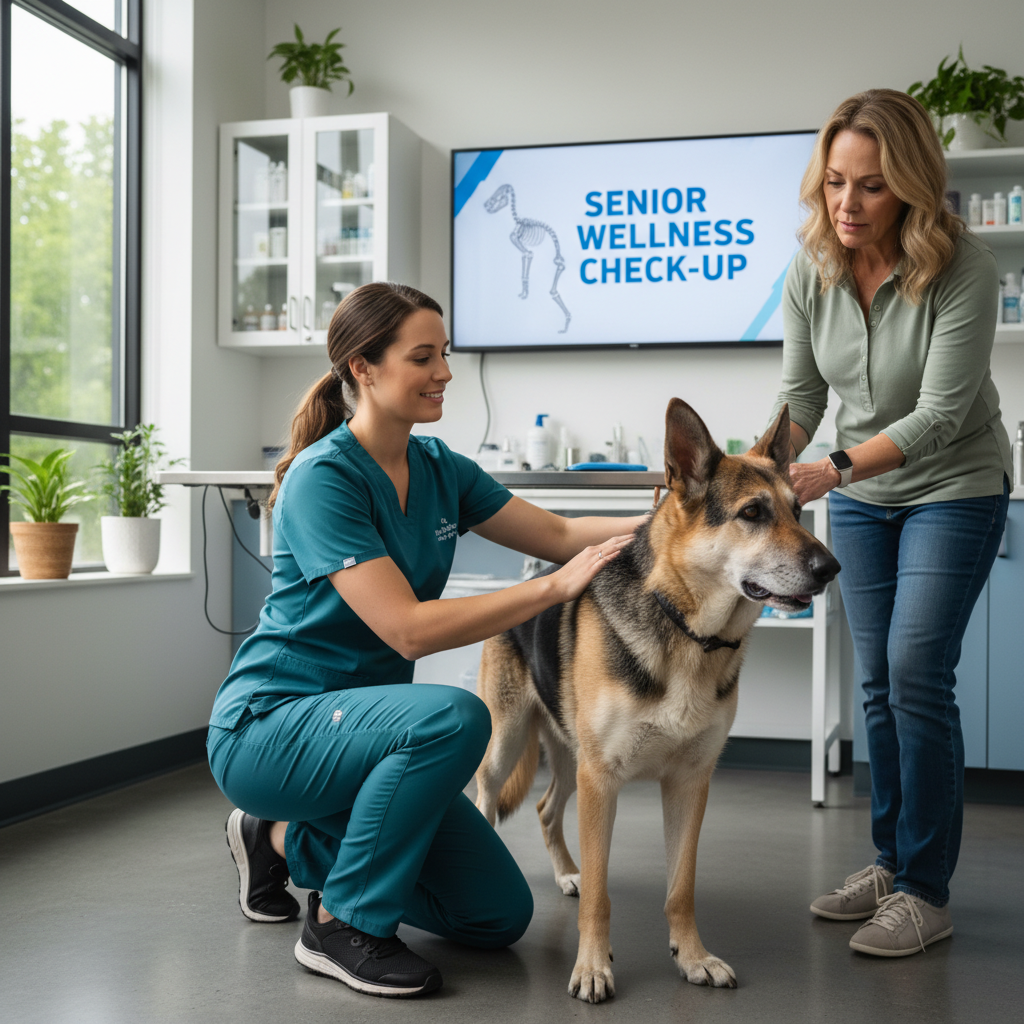
While Doga is a gentle and safe practice, your dog’s well-being should always be the top priority. Just like any physical activity, there are important guidelines to follow to ensure everyone stays safe, comfortable, and happy. Think of these as the golden rules of your new shared practice.
Always Consult Your Vet
Before you begin any new fitness routine with your dog, it is essential to have a chat with your veterinarian. This is especially critical for:
- Senior Dogs: Older pups may have arthritis or other mobility issues that require modifications.
- Puppies: Their growth plates are still developing, so exercises must be very gentle and low-impact.
- Dogs with Pre-existing Conditions: If your dog has a history of back problems, joint issues like hip dysplasia, or has had recent surgery, your vet’s approval is non-negotiable.
Your vet can give you the green light and may even offer specific advice tailored to your dog’s individual health needs.
When to Skip a Stretch
The ‘Cobra’ stretch is not suitable for all dogs or all situations. Please avoid this stretch completely if your dog is pregnant, has a known spinal injury, or is recovering from an illness or surgery. If your dog ever shows signs of pain—like yelping, flinching, or sudden stiffness—stop immediately. Pain is a signal to back off, not push through.
The Golden Rules of Doga
Keep these principles in mind during every single session to ensure a positive experience:
- Do go at your dog’s pace. Let them lead the way. If they need a break, give them a break.
- Don’t ever force, push, or pull your dog into a position. All movements should be voluntary, guided by luring and positive reinforcement.
- Do keep sessions short and fun. One to five minutes is plenty, especially when you’re just starting out.
- Don’t practice if your dog is stressed or tired. Doga should be a source of calm, not another chore for them to perform.
- Do watch their body language like a hawk. This is your primary way of knowing if they are enjoying the activity.
- Do end on a high note! Finish every session with a successful stretch, lots of praise, and a favorite treat or toy.
Conclusion
Congratulations, you and your furry friend are officially on your Doga journey! By teaching the ‘Cobra’ stretch, you’re not just helping your dog with their physical flexibility; you’re opening up a new avenue for communication, trust, and bonding. Remember that the ultimate goal isn’t to achieve a picture-perfect pose, but to share a few moments of calm, positive connection in your busy day.
Be patient with your pup and with yourself. Some dogs will pick it up instantly, while others may need a few sessions to understand the game. Celebrate the small victories, listen to your dog’s feedback, and most importantly, have fun with it. This is your special time together. Now go roll out your mats and enjoy the wonderful, wiggly, and rewarding world of Doga!
Happy stretching to you and your favorite yogi!