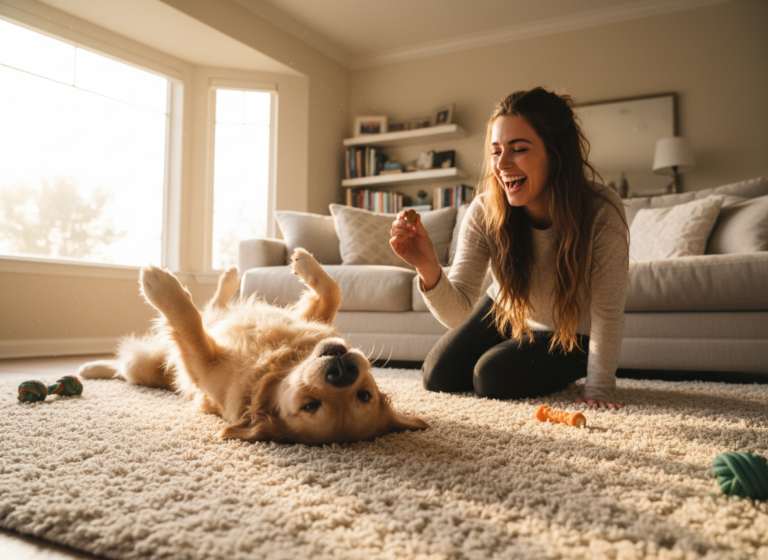
Have you ever been scrolling through social media and stopped dead in your tracks at a picture of a dog lying flat on its belly with its back legs stretched out straight behind it, resembling a furry, four-legged frog? If so, you’ve witnessed the internet-famous phenomenon known as the ‘sploot.’ It’s a pose that’s equal parts hilarious and adorable, and it’s a favorite among breeds like Corgis and French Bulldogs. But what exactly is a sploot, and is it something you can actually teach your own canine companion? You bet it is! Welcome to your ultimate guide on teaching your dog to master this picture-perfect pose. We’ll dive into what a sploot is, why dogs do it, and a simple, positive, step-by-step method to train this trick. Get your camera and your tastiest treats ready—we’re about to unlock one of the cutest skills in your dog’s repertoire!
The Adorable Anatomy of a Sploot: What Is It and Is It Safe?
The Adorable Anatomy of a Sploot: What Is It and Is It Safe?
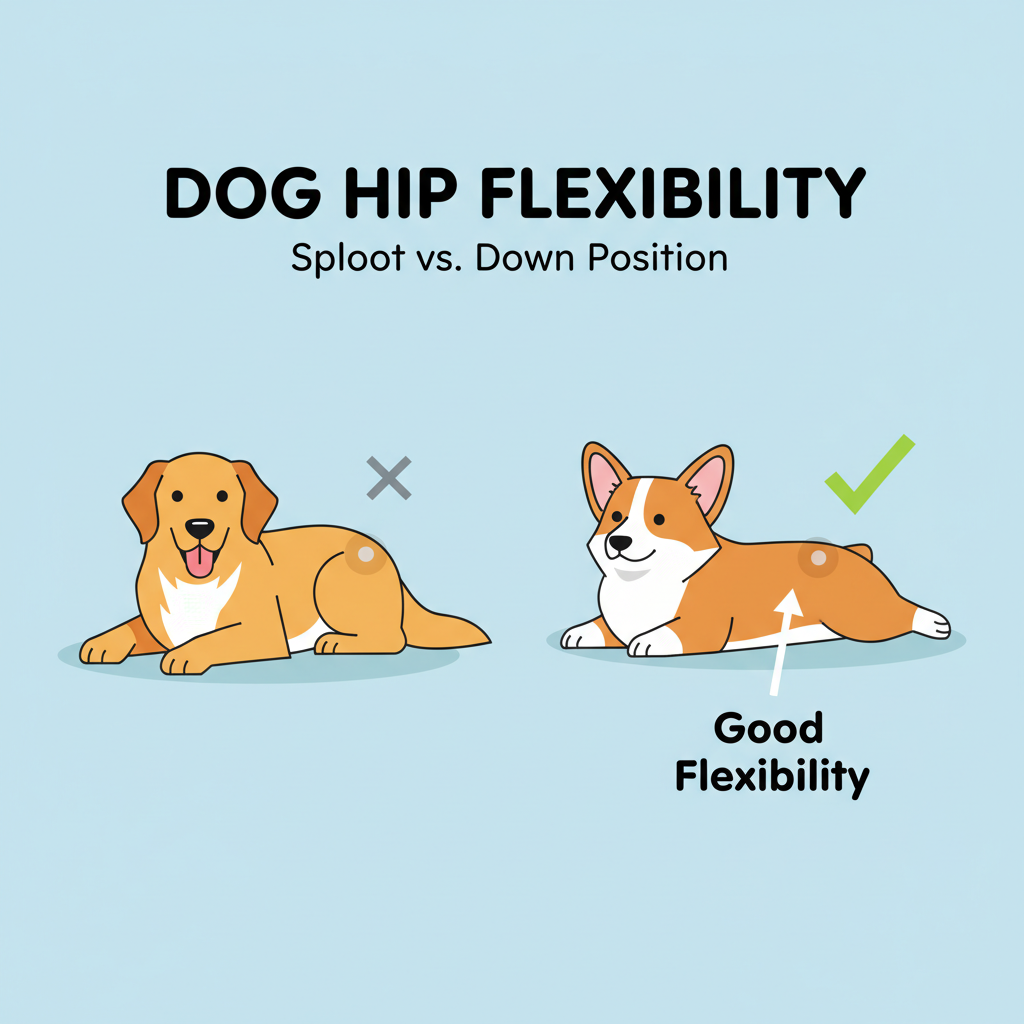
Before we jump into training, let’s get down to the basics. A sploot is simply a type of stretch where a dog lies on its stomach and extends its hind legs straight back instead of tucking them under its body. While it looks a bit unconventional, for many dogs, it’s a perfectly natural and comfortable way to relax.
Why Do Dogs Sploot?
There are a few reasons your dog might naturally bust out a sploot:
- It’s a Deep Stretch: Splooting provides a fantastic stretch for the hip flexors and surrounding muscles. Think of it as doggy yoga! It can feel especially good after a long nap or a vigorous play session.
- It’s a Cool-Down Tactic: On a hot day, pressing the maximum amount of belly surface area against a cool tile or hardwood floor can be a great way for a dog to lower their body temperature. The sploot is the perfect pose for maximum cool-floor contact.
- It’s Just Comfy: For some dogs, particularly those with good hip flexibility, it’s simply a comfortable and stable resting position. This is especially true for puppies and younger dogs whose joints are more limber.
Is Splooting Safe for All Dogs?
This is the most important question, and the answer is a resounding: mostly, yes! For a dog that sploots naturally, it’s a sign of healthy, flexible hips. It’s particularly common in certain breeds known for their long bodies and short legs, like Corgis and Dachshunds, as well as brachycephalic (flat-faced) breeds like French Bulldogs and Pugs.
However, you should never force your dog into a splooting position. Forcing the legs back could cause injury, especially in older dogs or those with pre-existing joint issues like hip dysplasia or arthritis.
The training method we’ll cover is based on capturing and rewarding a natural behavior, not manipulating your dog’s body. If your dog shows any signs of discomfort, stiffness, or pain in their back legs, or if they are a senior dog or a breed prone to hip problems (like German Shepherds or Golden Retrievers), it’s always best to consult your veterinarian before teaching this trick. They can give you the all-clear and ensure you’re not putting any undue stress on your furry friend’s joints.
Gearing Up for Sploot Success: What You’ll Need
Gearing Up for Sploot Success: What You’ll Need
The beauty of teaching the sploot is that you don’t need a lot of fancy equipment. The most important tools are patience and a positive attitude! But to set yourself up for the best results, it’s a good idea to have a few things ready before you start your training sessions.
The Trainer’s Toolkit
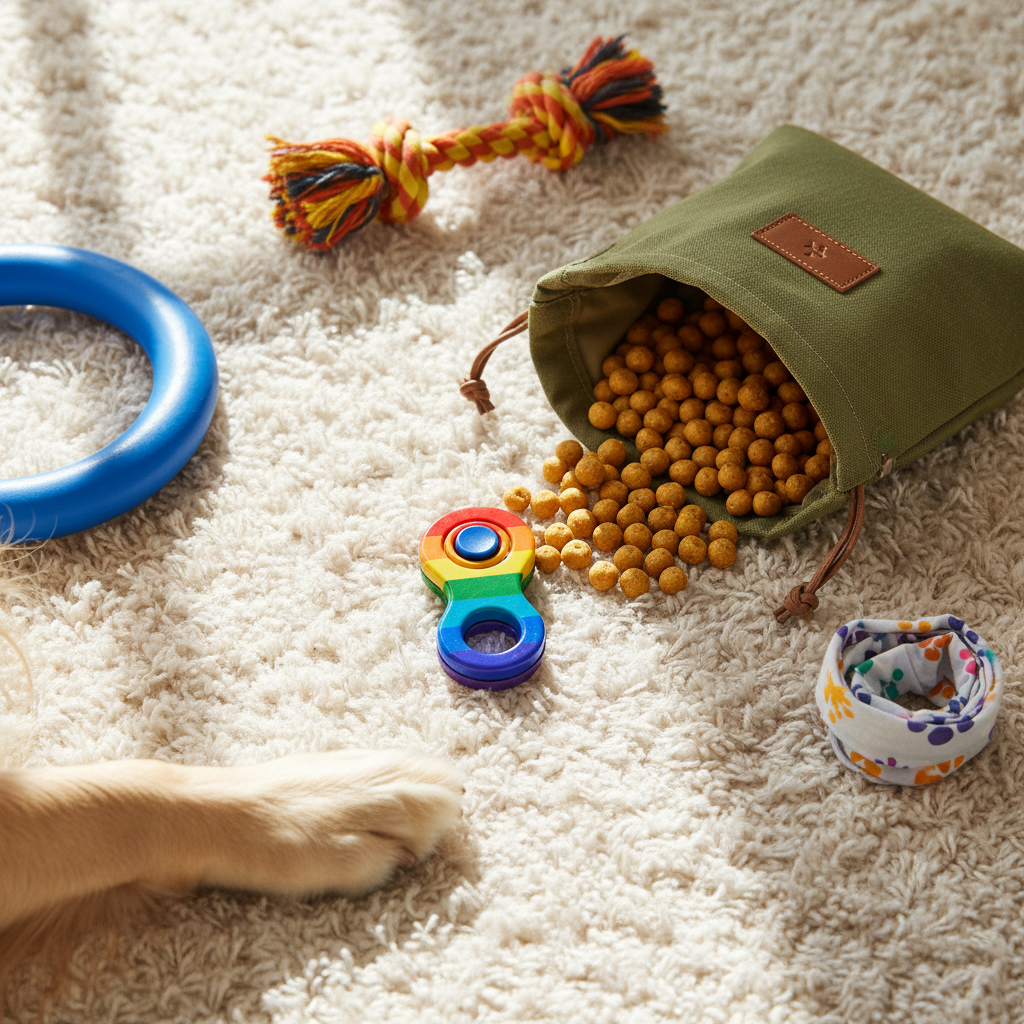
- High-Value Treats: This is non-negotiable! We’re talking about the good stuff—treats your dog absolutely goes bonkers for. Think tiny pieces of cooked chicken, cheese, hot dogs, or a special soft training treat. The reward needs to be exciting enough to make your dog want to work for it. Keep the pieces small so you can reward frequently without filling your dog up too quickly.
- A Clicker (Optional but Recommended): A clicker is a fantastic tool for marking the exact moment your dog does the right thing. This precision communication helps your dog understand precisely what behavior earned them the reward. If you’re not using a clicker, you can use a verbal marker word like ‘Yes!’ or ‘Good!’ said in a sharp, happy tone. The key is consistency.
- A Comfortable, Non-Slip Surface: You want to make this as easy as possible for your dog. A rug, carpet, or a grassy area is ideal. Slippery surfaces like hardwood or tile can make it difficult for your dog to get the grip they need to slide their legs back comfortably. A yoga mat can also work wonders!
- A Quiet Training Space: Choose a time and place with minimal distractions. Turn off the TV, put your phone on silent, and find a spot where you and your dog can focus on each other without interruptions from other pets or people.
- Patience and a Positive Vibe: Your dog feeds off your energy. Keep training sessions short (5-10 minutes is perfect) and always end on a positive note. If you get frustrated, your dog will sense it and may become stressed. Remember, this is a fun bonding activity, not a race to the finish line!
Expert Tip: Prepare your treats ahead of time and have them in an easily accessible treat pouch or a small bowl next to you. Fumbling for rewards can break your dog’s focus and slow down the learning process.
The Step-by-Step Guide to Teaching the Sploot
The Step-by-Step Guide to Teaching the Sploot
Alright, team, it’s go-time! We’ll be using a training method called ‘shaping.’ Shaping involves breaking down the final behavior (the sploot) into tiny, achievable steps and rewarding your dog for each successful step along the way. It’s like building a bridge, one plank at a time. Let’s get started!
Step 1: Start with a Solid ‘Down’
Your dog needs to be comfortable in a ‘down’ or ‘lie down’ position before you can even think about splooting. If they don’t have this command mastered, work on it first. Once they are lying down, give them a treat and some praise to get the session started on a positive note.
Step 2: Lure the Head Down and Forward
With your dog lying down, take a high-value treat in your hand. Hold it right in front of their nose, then slowly lower it to the floor between their paws. Once they follow it down, very slowly start to push the treat forward, away from their chest, along the floor. The goal is to encourage them to stretch their neck and front body forward to follow the treat. As their weight shifts forward, their back legs will often naturally start to slide backward. This is the key movement we’re looking for!
Step 3: Mark and Reward Any Backward Leg Movement
This is where your timing is critical. The very *instant* you see one or both of your dog’s back legs start to slide back, even just a tiny bit, ‘Click!’ (or say ‘Yes!’) and give them the treat. At first, you are rewarding the slightest effort. Don’t wait for a full sploot! We are rewarding the beginning of the motion.
- Repeat this process several times. Lure forward, watch the back legs.
- Click/reward for any backward slide.
- Reset your dog (you can toss a treat a short distance away to have them get up and come back) and try again.
Step 4: Shape the Behavior into a Full Sploot
Once your dog is consistently sliding their legs back a little, it’s time to ‘raise the criteria.’ This means you’ll start waiting for a slightly bigger leg extension before you click and treat.
- First, you reward a one-inch slide.
- After a few successes, you wait for a two-inch slide before you click/treat.
- Then, you wait for them to slide one leg all the way back. Click/treat!
- Eventually, you only click/treat when both legs are extended back into a partial or full sploot.
This process takes time and patience. Don’t rush it! Let your dog figure out the puzzle. They’ll start to realize, ‘Oh, when my legs go back like this, I get that yummy chicken!’
Step 5: Add the Verbal Cue
Once your dog is reliably offering the sploot position through luring (getting it right about 80% of the time), you can add your verbal cue. Choose a fun, simple word like ‘Sploot!’, ‘Froggy!’, or ‘Stretch!’.
Here’s how to add the cue:
- Say your cue word (‘Sploot!’) in a clear, happy voice.
- Immediately after saying the word, use your treat lure to get them into the sploot position as you’ve been practicing.
- When they do it, click/treat and shower them with praise.
After many repetitions, your dog will begin to associate the word ‘Sploot!’ with the action of stretching their legs back. Eventually, you’ll be able to say the cue, and they’ll perform the behavior without needing the treat lure.
Troubleshooting Common Splooting Stalls
Troubleshooting Common Splooting Stalls
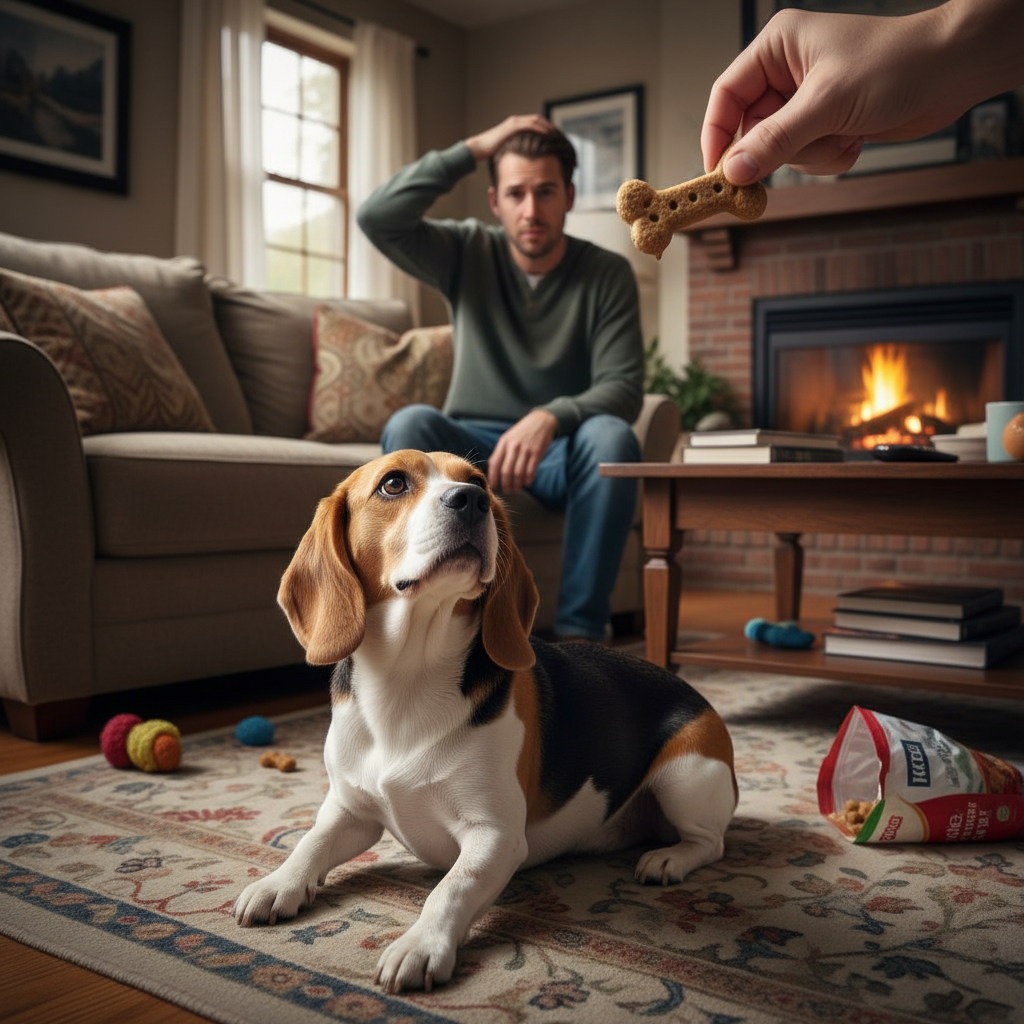
Training never goes in a perfectly straight line. It’s totally normal to hit a few bumps in the road! If you and your pup are stuck, don’t worry. Here are some common problems and how to solve them.
Problem: ‘My dog just stands up instead of stretching forward.’
This is very common! It usually means the lure is moving too high or too fast.
Solution: Keep the treat very low to the ground, almost scraping it along the rug. Move it slowly and smoothly. If your dog still pops up, try placing your other hand gently on their lower back or hips to provide a subtle, calming pressure that encourages them to stay down. Do not force them down; it’s just a light, steady reminder.
Problem: ‘My dog isn’t moving their back legs at all.’
This could be for a few reasons. The surface might be too slippery, or they might not understand the ‘game’ yet.
Solution: First, double-check your training surface. Make sure it’s high-friction like a carpet or mat. Second, go back a step. Reward for smaller movements. Click and treat just for them stretching their neck forward. Then for shifting their weight. You may need to break the behavior down into even smaller pieces. You can also try a ‘jackpot’ reward (a handful of treats) for the very first time a back leg moves, to really communicate that this is what you want.
Problem: ‘My dog only sploots one leg back (the half-sploot).’
A half-sploot is still progress! Many dogs naturally prefer this position.
Solution: You have two choices here. You can decide that the half-sploot is adorable enough and name that the trick! There’s no rule that says it has to be a full, two-legged sploot. Or, if you’re set on the full sploot, you can try luring the treat slightly to the side of the leg that is still tucked under. This can sometimes encourage them to shift their weight and release that second leg to maintain balance.
Remember the Golden Rule of Dog Training: If your dog is failing more than they are succeeding, the step is too hard. Go back to the last point where they were successful and work from there. Keep it fun!
Problem: ‘My dog used to do it, but now they seem uninterested.’
This usually points to a motivation issue or training fatigue.
Solution: Are your training sessions too long? Keep them under 10 minutes, or even just 5 minutes for dogs with short attention spans. Are your treats still exciting? Maybe it’s time to switch from kibble to tiny bits of cheese to spice things up. And most importantly, end each session on a win. If they’re struggling, ask for a simple ‘sit’ or ‘down’ that you know they can do, reward them enthusiastically, and end the session. This keeps their confidence high for next time.
Beyond the Basics: Perfecting the Pose for Photos
Beyond the Basics: Perfecting the Pose for Photos
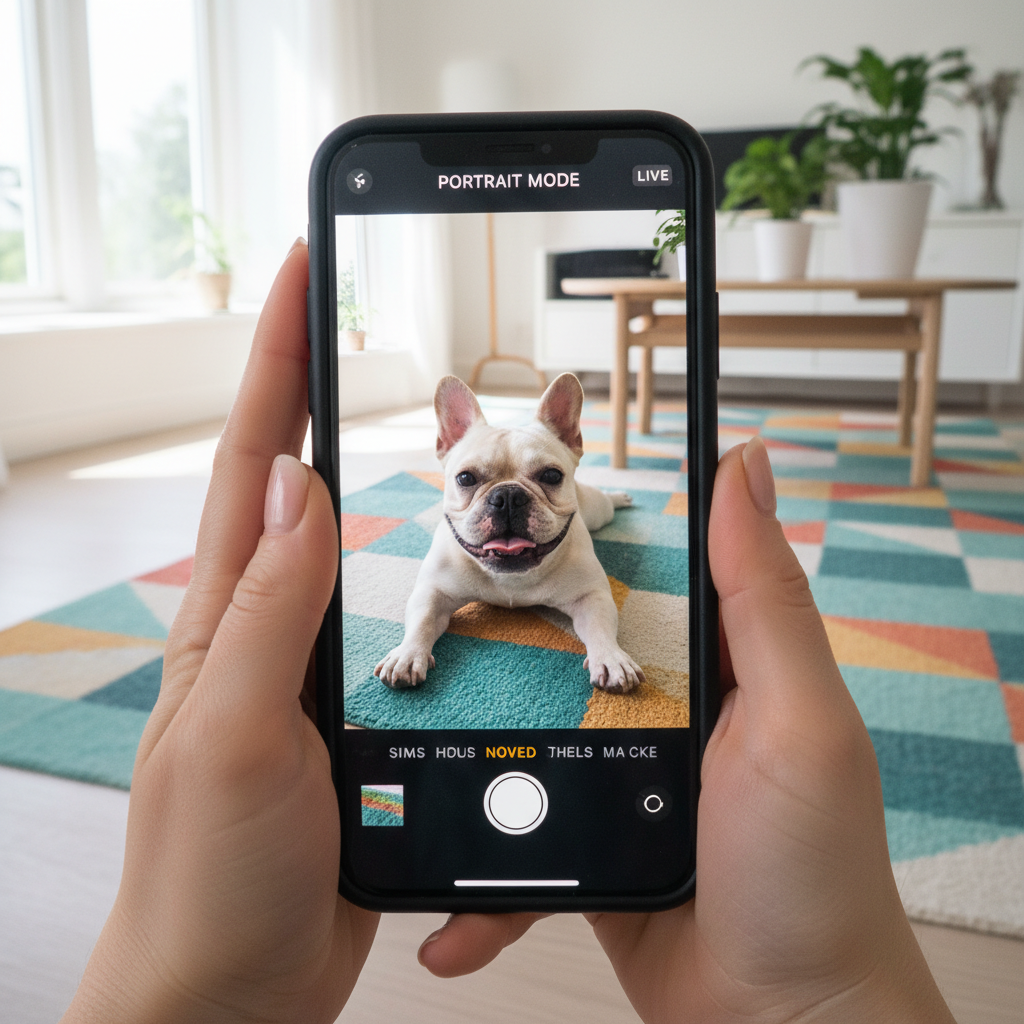
You did it! Your dog can now sploot on command. High five! Now comes the really fun part: capturing that cuteness for the world to see. Getting the perfect photo of a dog trick requires a little more than just pointing and shooting. Here’s how to elevate your sploot snapshots from good to great.
Building Duration: Teaching the ‘Hold’
Your dog might pop out of the sploot as soon as they get their treat. To get a good photo, you need them to hold the pose for a few seconds.
- Cue the ‘Sploot.’ The moment they are in position, instead of giving the treat right away, say ‘Wait’ or ‘Hold’ and count to one. Then give the treat while they are still in the sploot.
- Gradually increase the duration. Ask them to hold for two seconds, then three, and so on. Don’t increase the time too quickly.
- If they get up before you release them, that’s okay! Just ask for the sploot again and try with a shorter duration next time. The goal is for them to learn that the reward comes after holding the position for a moment.
Tips for Pawsitively Perfect Pet Photography
- Get Down on Their Level: The best photos of dogs are taken from their eye level. Lie down on the floor with your dog! This creates a much more intimate and engaging portrait than a photo taken from above. For a sploot, this angle is everything—it really emphasizes the ‘froggy legs.’
- Find the Light: Good lighting is the secret to any great photo. Natural light is your best friend. Position your dog near a large window or head outside during the ‘golden hours’ (early morning or late afternoon when the light is soft and warm). Avoid harsh, direct midday sun which creates unflattering shadows.
- Focus on the Eyes: The eyes are the window to the soul, even for dogs! Make sure your camera’s focus is locked squarely on your dog’s eyes. This creates a sharp, professional-looking image that connects with the viewer.
- Clear the Clutter: Take a look at your background before you start snapping. A pile of laundry or a messy coffee table can distract from your adorable subject. Choose a simple, uncluttered background, like a plain wall, a solid-colored rug, or an open patch of grass.
- Use a High Shutter Speed: Dogs can be wiggly! Using a fast shutter speed (or the ‘sport mode’ on many cameras and phones) helps to freeze motion and prevent blurry photos.
- Make it Fun: Use a squeaky toy or a funny noise to get your dog to look at the camera with that alert, ears-up expression. Be ready to snap the picture the moment you get their attention!
By combining a solid ‘hold’ command with these simple photography tips, you’ll be capturing drool-worthy sploot photos that are ready for their Instagram debut in no time.
Conclusion
And there you have it! From understanding the sploot to capturing the perfect photo, you’re now fully equipped to teach your dog this charming and photogenic trick. Remember that the journey is just as important as the destination. Every training session is a chance to strengthen your bond, improve your communication, and have a little fun with your best friend. Celebrate the small victories, laugh at the goofy mistakes, and always lead with patience and positivity. Before you know it, your pup will be splooting on command, and you’ll have a camera roll full of adorable ‘frog dog’ pictures to prove it. Now go grab those treats and get to training. Happy splooting!