Does your furry friend sometimes seem like a four-legged wrecking ball? You know the scene: the happy tail that clears a coffee table, the clumsy turn that sends a water bowl flying, or the awkward plop into a “sit” that’s more of a sideways collapse. While it can be endearing, this clumsiness often points to a simple, trainable issue: a lack of rear end awareness.
It sounds technical, but it’s just your dog’s sense of where their back legs are and what they’re doing. It’s a core component of coordination, and just like any skill, it can be improved with practice. The great news is you don’t need to enroll in a fancy canine sports academy or spend hours training. You can dramatically boost your dog’s coordination and confidence with simple, engaging exercises that take just five minutes a day.
Get ready to dive into the world of ladder drills—a fun, brain-boosting game that will help your dog connect their brain to their paws. Let’s turn that cute clumsiness into graceful confidence, one step at a time!
What is Rear End Awareness (and Why Does My Dog Need It?)
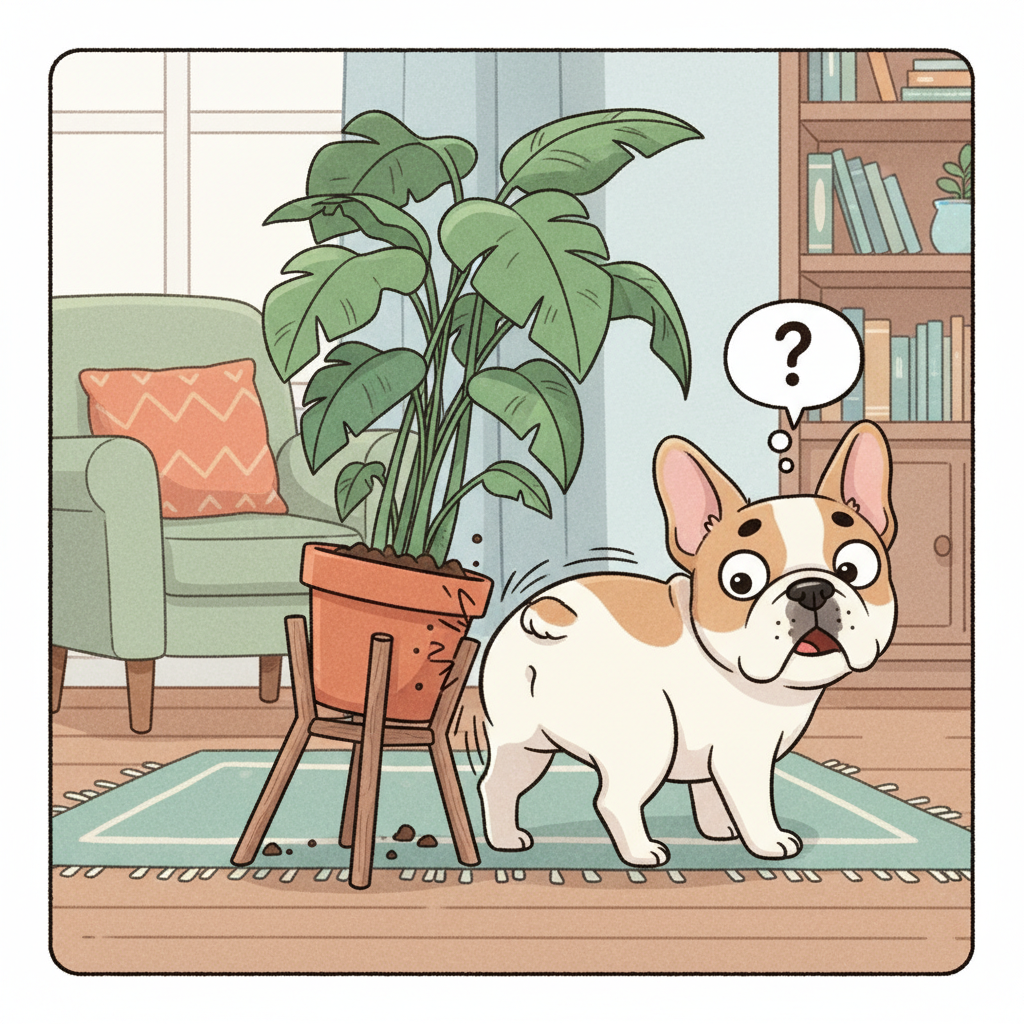
Before we start laying down ladders, let’s talk about the “why.” Rear end awareness is the common term for a scientific concept called proprioception. Think of it as your dog’s built-in GPS for their body. It’s the unconscious sense that tells their brain where each paw is, how their joints are bent, and how to move their body through space without having to look.
A dog with good proprioception moves with intention and grace. A dog with poor proprioception might:
- Frequently bump into doorways, furniture, or even you.
- Have a “sloppy sit,” where their back legs splay out to the side.
- Stumble or trip often on uneven ground.
- Struggle with tasks that require precise foot placement, like getting into the car.
- Be more prone to injuries from awkward movements or falls.
Improving this sense does more than just prevent knocked-over lamps. It builds a stronger, more resilient dog. The benefits are huge:
- Injury Prevention: A dog who knows where their feet are is less likely to take a bad step, twist a leg, or strain a muscle. This is especially crucial for senior dogs and breeds prone to joint issues.
- Increased Confidence: As your dog becomes more physically capable, their confidence soars. Navigating the world becomes less of a challenge and more of an adventure.
- Improved Athletic Performance: If you’re interested in dog sports like agility, flyball, or even just playing a spirited game of fetch, good rear end awareness is the foundation for speed, tight turns, and safety.
- Enhanced Body and Brain Connection: These exercises aren’t just physical; they’re mental puzzles that strengthen your dog’s mind and focus.
Think of it this way: you wouldn’t try to text and walk down a crowded street without bumping into people. Proprioception is what allows your dog to navigate their world without constantly bumping into things. We’re just helping them fine-tune that internal system.
Gearing Up: What You’ll Need for Ladder Drills
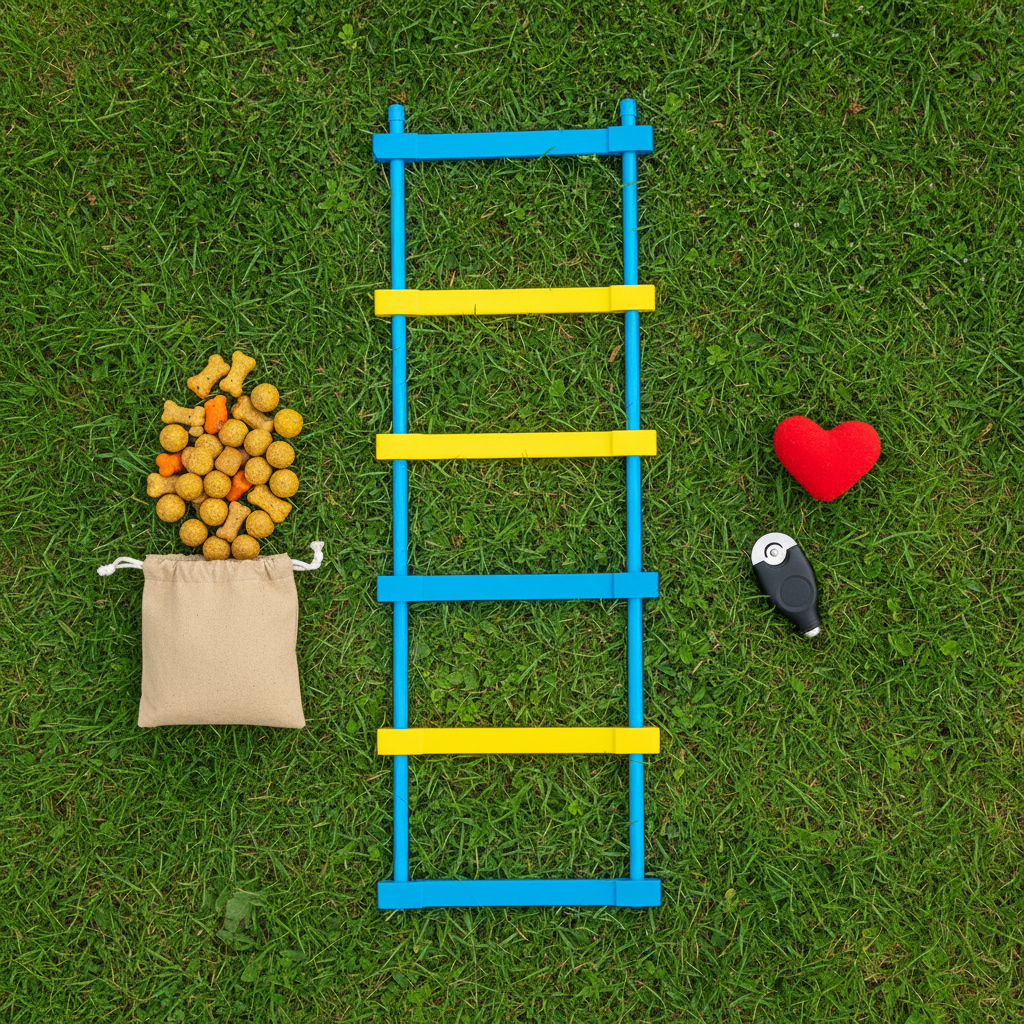
One of the best things about ladder drills is how little you need to get started. You don’t need a yard full of expensive equipment! Here’s your simple checklist for success:
- A Ladder: The ideal choice is a flat agility ladder, which you can find online or at sporting goods stores. But don’t let that stop you! You can easily make your own.
DIY Ladder Ideas:
- PVC Pipes or Dowels: Lay several 2-3 foot sections of PVC pipe or wooden dowels on the ground, spaced about 15 inches apart.
- Pool Noodles: A fun, soft option, especially for puppies or hesitant dogs.
- Duct Tape or Chalk: If you’re working on a patio or hard floor, simply create the ladder rungs with lines of tape or chalk.
- Broomsticks: Raid the closet! A few broomsticks or mop handles work perfectly.
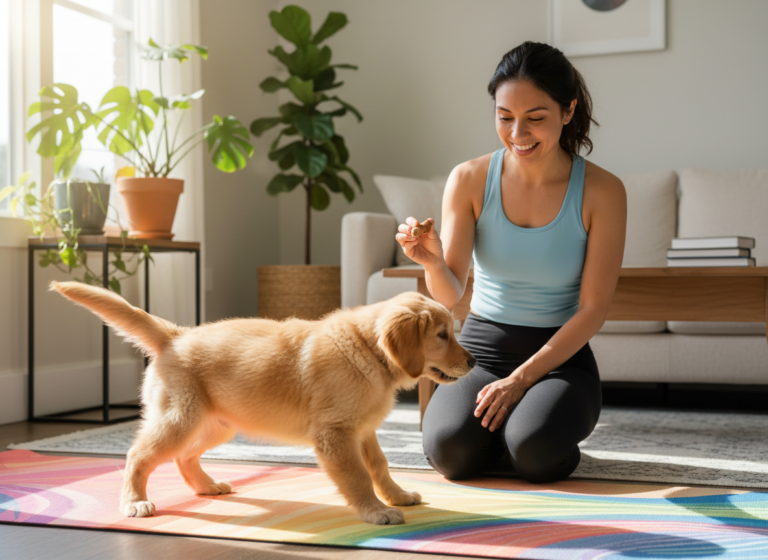
- High-Value Treats: This is key! You need something extra special that your dog absolutely loves. Think small, soft, smelly treats like tiny pieces of cheese, chicken, or commercial training treats. The goal is to make the ladder the most rewarding place on earth.
- A Positive Attitude: Your energy is contagious. Keep it light, fun, and encouraging. This is a game, not a chore!
- Optional – A Clicker: If your dog is clicker-trained, this is a fantastic tool for marking the exact moment they place a paw correctly.
Expert Tip: Prepare your treats ahead of time by cutting them into pea-sized pieces. This allows you to reward frequently without filling your dog up too quickly, keeping them motivated for the whole 5-minute session.
The 5-Minute Ladder Drill: A Step-by-Step Guide
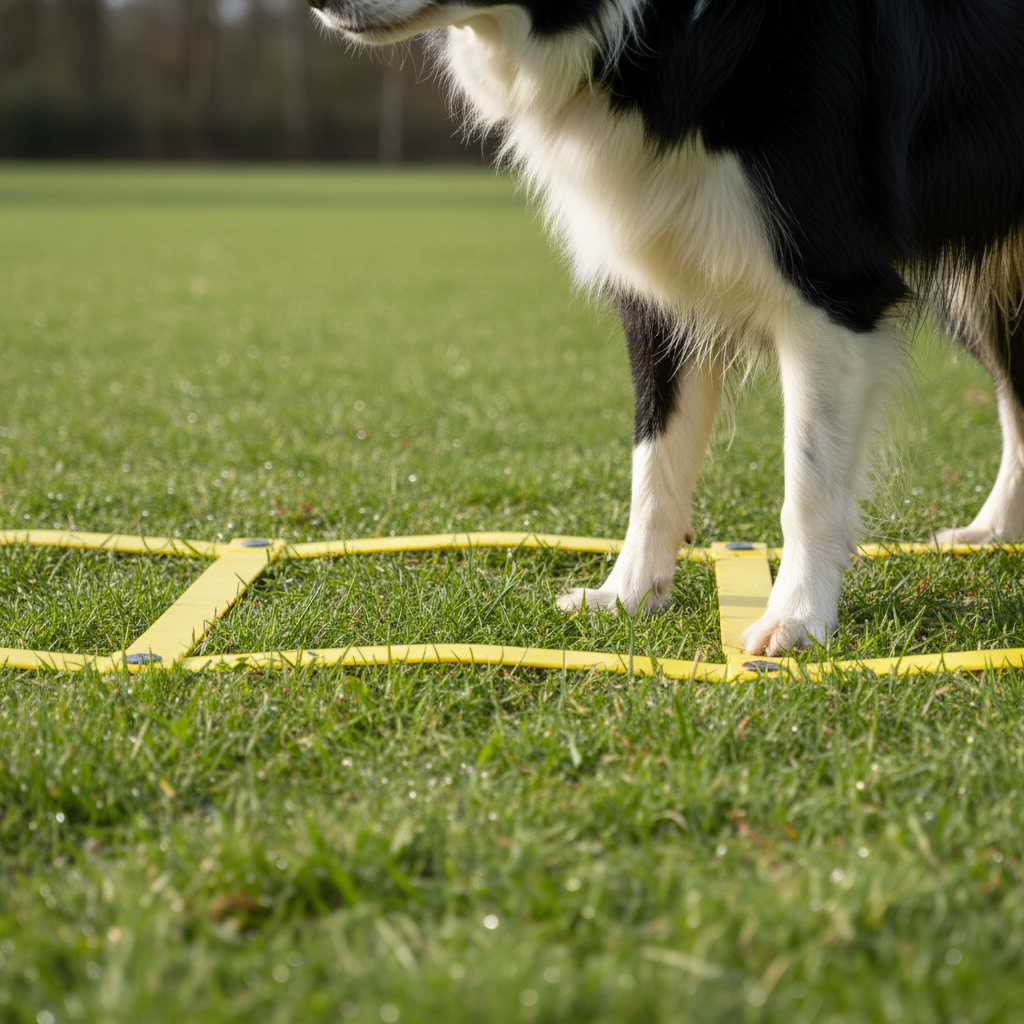
Ready to play? Remember, the golden rule is to keep sessions short and wildly positive. Five minutes is the perfect amount of time to engage your dog’s brain without causing frustration. Let’s break it down.
- Step 1: The Introduction Party. Lay the ladder flat on the ground in an area with few distractions. Don’t ask your dog to do anything yet. Simply let them approach and sniff it. The moment they show any curiosity—a sniff, a glance, a paw touch—praise them enthusiastically and give them a treat. Toss a few treats directly onto the rungs of the ladder for them to find. We want them to think, “Wow, this ladder thing is awesome!”
- Step 2: The Straight Walk-Through. With a treat in your hand, stand at one end of the ladder. Use the treat to lure your dog forward, encouraging them to walk straight through the ladder from one end to the other. At first, don’t worry about perfect footwork. Just reward them for walking through it. As they get the hang of it, slow down and reward them for placing at least one paw in each square. The goal is one paw per box.
- Step 3: Finding a Rhythm. Once your dog is comfortably walking through, focus on creating a smooth, steady pace. You want them to move with purpose. Keep the lure just in front of their nose to keep their head up and looking forward, not down at their feet. This forces them to *feel* where their paws are landing.
- Step 4: Fade the Lure. Start using an empty hand as a lure, but give them the treat from your other hand after they complete the ladder. This transitions them from following the food to understanding the exercise itself.
- Step 5: End on a High Note! Always, always, always end the session while your dog is still having fun and succeeding. After a particularly good walk-through, give them a “jackpot” (a small handful of treats), lots of praise, and announce “All done!” before putting the ladder away. This leaves them eager for the next session.
Beyond the Basics: Leveling Up Your Ladder Work
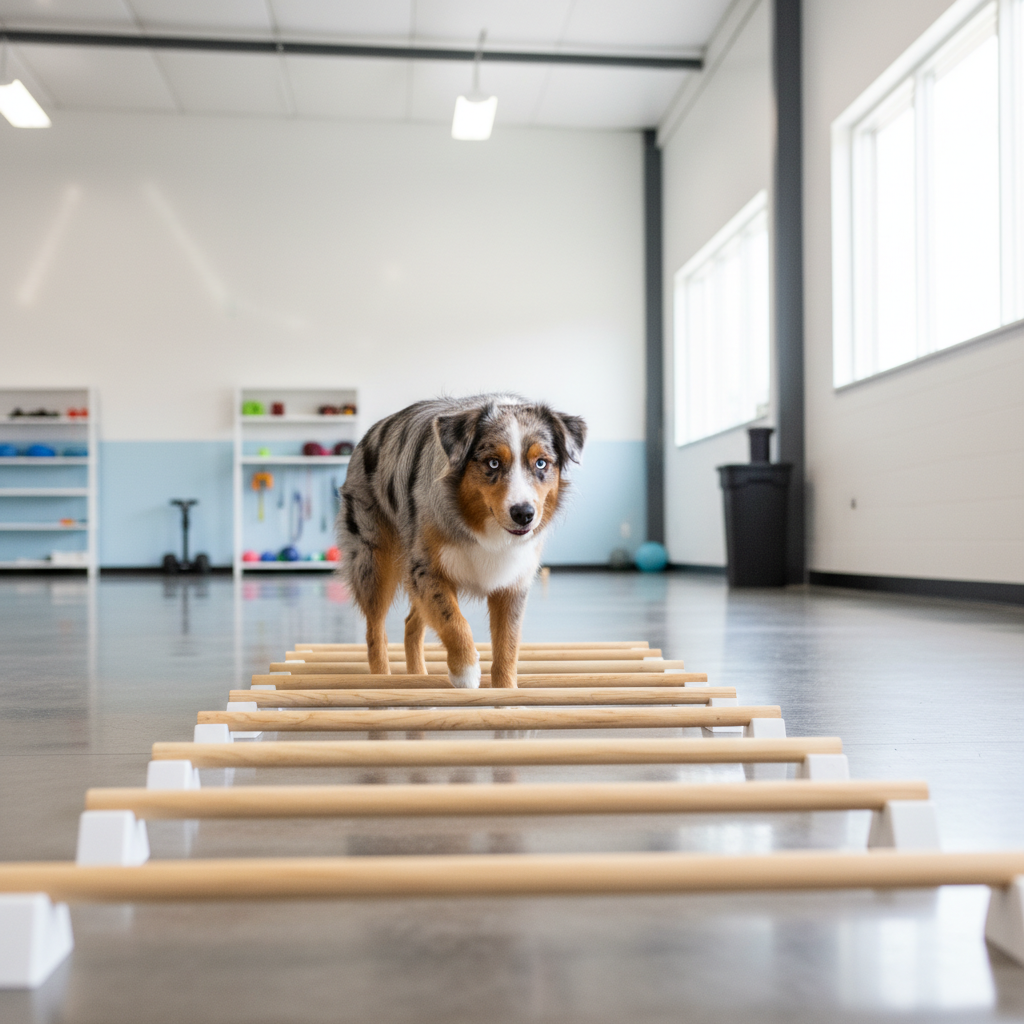
Once your dog has mastered the basic walk-through and can do it with confidence, you can start adding new challenges to keep their brain engaged. Introduce these variations slowly, one at a time.
Varying the Ladder Spacing
Challenge your dog’s brain by changing the distance between the rungs. Move them closer together to encourage shorter, quicker steps. Move them farther apart to encourage longer, more deliberate strides. This teaches your dog to constantly assess and adjust their body, which is a huge boost for proprioception.
Raised Ladder Drills (Cavaletti)
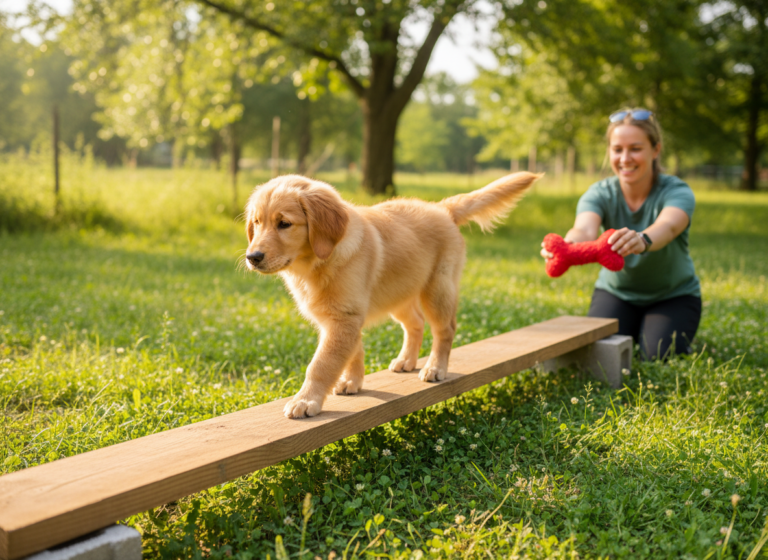
This is the next level of rear end awareness! Elevate the rungs of your ladder just a few inches off the ground. You can do this by placing the ends of your PVC pipes or poles on small books or blocks. This forces your dog to consciously lift their feet and knees higher to clear each rung. Start with a very low height (1-2 inches) and only increase it as your dog builds strength and confidence. This is a fantastic conditioning exercise.
Walking Sideways and Backwards
These are advanced movements that really challenge your dog’s coordination.
- Sidestepping: Stand facing your dog’s side. Lure them to take sideways steps through the ladder, keeping their body parallel to the rungs. This is tricky and requires a lot of concentration!
- Backwards Walking: This is the ultimate challenge. Facing your dog, lure them to take slow, deliberate steps backward through the ladder. This powerfully activates their rear-end muscles and mind. Only attempt this after your dog is a ladder-walking superstar.
Adding Pauses and Commands
Ask for other behaviors inside the ladder. Have them walk halfway through, then ask for a “sit” or a “down” before continuing. This teaches them body control and the ability to stop and start their momentum precisely.
Troubleshooting & Common Mistakes to Avoid
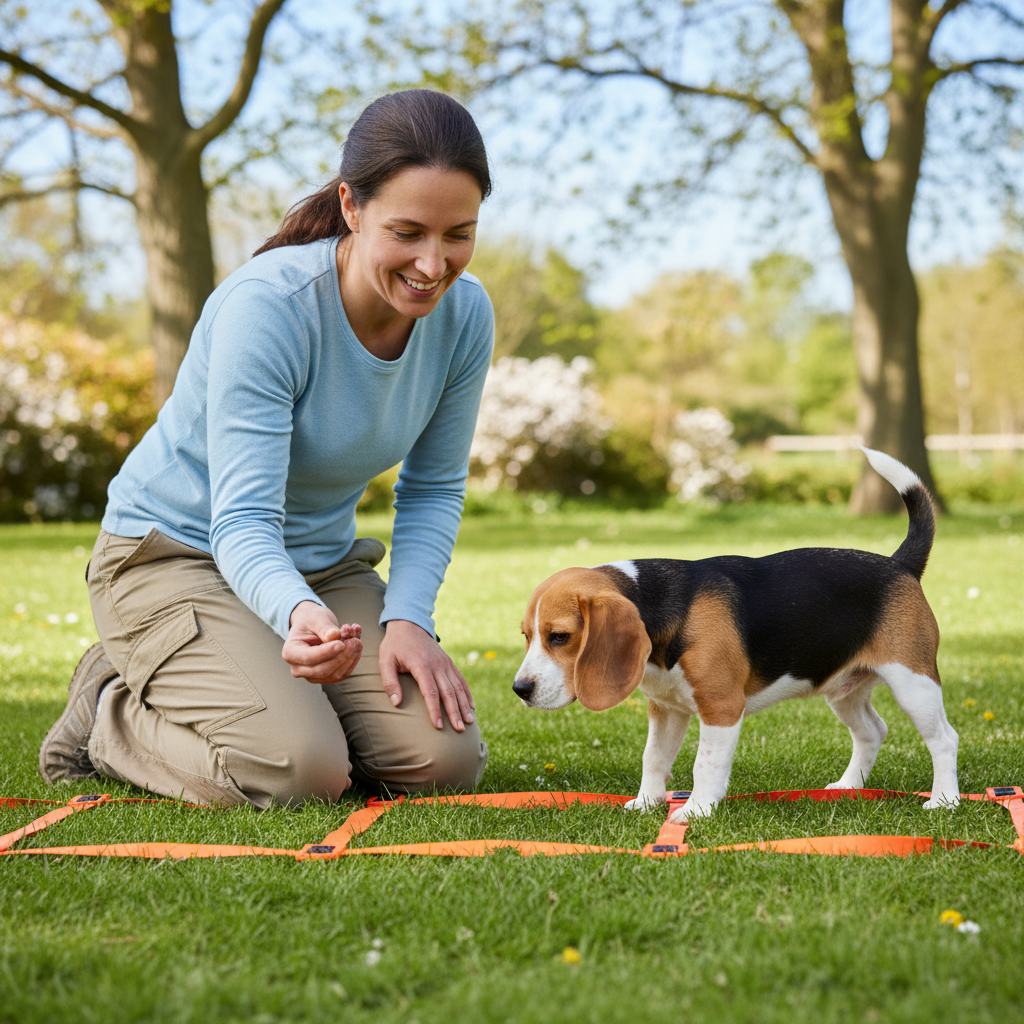
Even in a fun game, you can hit a few snags. Don’t worry! Most issues are easily solved with a bit of patience and a change in strategy.
Common Problems & Solutions
- “My dog is scared of the ladder!”
Go back to Step 1. Don’t lure them, just spend the entire session dropping high-value treats on and around the ladder. Let them approach it on their own terms. This might take several sessions, and that’s okay! We want to build positive associations, not fear. - “My dog just jumps over the whole thing!”
This usually means you’re moving too fast or your dog doesn’t understand the goal. Slow way down. Use a leash to provide a gentle guide (not to pull!) and keep them aligned with the ladder. Reward heavily for even a single step *inside* a square. - “My dog gets distracted or seems bored.”
Your treats might not be exciting enough, or the session might be too long. Try upgrading to a higher-value reward and cut your session time in half. End with a super fun success to keep them wanting more next time.
Mistakes to Avoid
To keep this a positive experience for everyone, make sure you don’t:
- Pull or drag your dog through the ladder. This should always be their choice. The lure is an invitation, not a demand.
- Punish them for making mistakes. If they skip a box or knock a rung, just reset calmly and try again. No pressure!
- Drill for too long. A focused 5 minutes is far more effective than a sloppy, frustrating 15 minutes. Mental fatigue is real for dogs.
- Forget to celebrate! Your praise and excitement are just as rewarding as the treats. Be their biggest cheerleader.
Conclusion
Congratulations! You now have the tools to help your clumsy canine become a coordinated and confident companion. By incorporating these quick, 5-minute ladder drills into your routine, you’re doing more than just teaching a new trick. You’re strengthening your dog’s body, engaging their mind, and preventing potential injuries down the road.
Remember that consistency is far more important than intensity. A few fun minutes each day will build a strong foundation of body awareness that will benefit your dog for their entire life. Most importantly, it’s another wonderful way to spend quality time together, strengthening the incredible bond you share. So grab your ladder (or some pool noodles!), pocket some tasty treats, and get ready to watch your dog step into a new level of confidence!